parts of a dental instrument and dental instruments techniques and working zones
 Call Kai
 Learn
Learn Practice Test
 Spaced Repetition
 Match
Match Flashcards
 Knowt Play
1/23

There's no tags or description
Looks like no tags are added yet.
Name | Mastery | Learn | Test | Matching | Spaced | Call with Kai | Chat |
|---|
No analytics yet
Send a link to your students to track their progress
24 Terms
handle
it is used to hold instrument also called as shaft
shank
rod shaped neck between handle and working end
working end
part that does the work also called as blade or nib
handle
shank
working end
what are the 3 parts of a dental hand instruments
bonus
Correct grasps provide:
maximized stability during instrumentation
minimized patient trauma and operator fatigue
improved tactile sensitivity
pen grasp
modified pen grasp
inverted pen grasp
palm and thumb grasp
4 types of instrument grasps
pen grasp

modified pen grasp
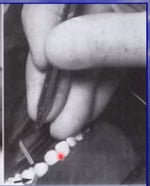
inverted pen grasp

palm and thumb grasp

rests
firm support (ideally from hard tissue) to steady the hands during operatuing procedures
guard
operator’s own finger of other hand to protect soft tissues
right handed
left handed
what are the 2 types of four handed dentistry
right handed
12 to 2 = static zone
2 to 4 = assistant’s zone
4 to 7 = transfer zone
7 to 12 = operator’s zone
left handed
12 to 5 = operator’s zone
5 to 8 = transfer zone
8 to 10 = assistant’s zone
10 to 12 = static zone
static zone
right handed: 12 to 2 =
assistant’s zone
right handed: 2 to 4 =
transfer zone
right handed: 4 to 7 =
operator’s zone
right handed: 7 to 12 =
operator’s zone
left handed: 12 to 5 =
transfer zone
left handed: 5 to 8 =
assistant’s zone
left handed: 8 to 10 =
static zone
left handed: 10 to 12 =