Unit 2: Freedom, Enslavement, and Resistance Practice Flashcards
 Call Kai
 Learn
Learn Practice Test
 Spaced Repetition
 Match
Match Flashcards
 Knowt Play
1/93

Earn XP
Description and Tags
Flashcards covering the themes of the Atlantic Slave Trade, Middle Passage, American Law, and the New Negro Movement as described in the lecture notes.
Name | Mastery | Learn | Test | Matching | Spaced | Call with Kai | Chat |
|---|
No analytics yet
Send a link to your students to track their progress
94 Terms
Chattel Slavery
A form of forced bondage where a person is considered legal property with no difference from a horse or chair, serving as a primary step in dehumanization.
Carracks or Caravels
New styles of ships pioneered by Portugal for long-distance ocean navigation during early exploration.
Ladinos
Africans from the east coast of Africa (often associated with Aksum) exposed to Spanish and Portuguese language and culture who served as conquistadors, laborers, or skilled workers.
Juan Garrido + How does he beat stereotypes?
1480-1550)
First free African conquistador (ladino) to reach Americas.
HELPED CAPTURE CUBA!!!
fought with Ponce de León,
Served on expeditions to Puerto Rico, Guadeloupe, and Dominica
participated in the siege against Tenochtitlan, and was the first to harvest wheat in the Americas.
Best companions” to Europeans to the new world–Translates 7 languages , them Europeans, etc
Beats Steotypes:
Intelligent to be aware of various languages and cultures
Shows Africans are a conquerer
Olaudah Equiano
(1745-1797)
Taken from west Africa, Nigeria
enslaved man from West Africa who purchased his freedom at 44 years old and wrote a famous autobiography “he Interesting Narrative of the Life of Olaudah Equiano” detailing the horrors of the slave trade. (ex: thought white ppl ate Africans! in source sheet!)
Phillis Wheatley
(1753–1784)
The first Black woman to publish a book of poems during the Enlightenment Age; her work argued that Christians should not enslave Africans.
She was from West Africa, picked by white ppl to replace their daughter
One of the “special” Africans
Door of No Return
Located on Goree Island off the coast of Senegal, this site marked the last time enslaved Africans saw their homeland before the Middle Passage.
La Amistad
First MAJOR CASE OF SLAVERY! Helped the abolitionist movement/Civil Rights grow– ended in less than 24 years and helped bring up the 13th Amendment
A Spanish slaver ship where captured Africans revolted; the subsequent Supreme Court case ruled they were kidnapped illegally and were not property.
Frances Ellen Watkins Harper
First person to explore intersectionality
Watkins earned a reputation as a leading abolitionist
National Women’s Rights Conventionist → spoke there
Co founded National Association for Colored women
Seasoning
A period of time during which newly arrived enslaved people were forced to get used to the routines of plantation labor.
Tignon Laws
A 1786 Spanish law that prohibited Black women from showing their hair, requiring them to wear a scarf (tignon) to signify social class and limit their perceived power.
Bacon's Rebellion (1676-1677)
(Colony of Virginia and Jamestown) A rebellion that led the elite to move away from indentured servitude toward permanent slavery to prevent poor whites and Blacks from uniting.
3/5ths Clause
A constitutional compromise where every enslaved person counted as 3/5ths of a person for the purposes of state representation and tax burden.
HOUSE of Representatives → South has more people, they can fight for more laws, and run for like vice president
Missouri Compromise
An agreement where Missouri entered as a slave state, but slavery was prohibited north of the latitude 36exto30′.
Compromise of 1850
(Since Missouri was admitted to the Union as a slave state, Southerners wanted CA to become a slave state too.)
Legislation that admitted California as a free state but enforced stronger Fugitive Slave Laws to appease Southern slaveholders.
Fugitive Slave Act of 1793
A law empowering enslavers to seize and return escaped enslaved people without the right to a trial by jury or the right to testify. habeas corpus
Partus Sequitur Ventrem
A 17th century law stating that a child's legal status follows the status of the mother, ensuring generation-to-generation chattel status for the children of enslaved women.
Elizabeth Key + what was her argument?
The first Black woman in the colonies to sue for and win her freedom
Argument:
her father was a free white man
she was a baptized Christian.
Only supposed to be indentured servant for specific number of years
Made partus squiturum vertium after bc colonists were alarmed she got freedom
Double Consciousness
A term coined by W.E.B. DuBois referring to the internal conflict of having a split personality as both an American and an African.
Stono Rebellion (1739)
A 1739 uprising in South Carolina led by an enslaved man named Jemmy; it was the largest and bloodiest slave revolt in the British colonies.
Gabriel's Rebellion (what yr)
1800s:
- planned revolt by a literate blacksmith in Virginia who aimed to seize the Richmond armory and hold the governor hostage for equal rights.
On the luck he was to set out, thunderstorms washed away the roads making it impossible to pass
the conspiracy terrified white Virginians, leading to major legal changes. The Virginia Assembly enacted restrictive laws preventing enslaved people from gathering in groups, restricting the literacy of enslaved people, and tightening restrictions on free Black people.
Haitian Revolution
An impactful rebellion (1791–1804) where enslaved people overthrew French rule, making Haiti the first free Black nation in the Western Hemisphere.
90% of the islands inhabitants were enslaved people from Africa
manumission = release from slavery due to FAS (Free African Society)
Black in Haiti signified citizenship and belonging
Nat Turner's Rebellion
An 1831 uprising led by an enslaved preacher who interpreted a solar eclipse as a divine sign to lead a revolt that killed at least 55 white people.
Maroon Societies
Autonomous communities formed by formerly enslaved people who escaped and hid in swamp areas, mountains, or forests, such as the Great Dismal Swamp.
Quilombo of Palmares
A massive confederation of maroon settlements in Brazil that resisted Portuguese rule for nearly a century until its capital was captured in 1694.
Sharecropping
A labor system where freedmen worked on a landowner's property in exchange for a portion of the crop, often resulting in permanent debt and poverty.
Convict Leasing
A system where Southern prisons profited by leasing prisoners (mostly Black men arrested on minor charges) to corporations for hard labor without pay.
Ida B. Wells-Barnett
Early leader in civil rights movement — and anti-lynching activist who published 'A Red Record' and used documented data to prove lynchings were used to punish prosperous Black men.
Conquisadors
helped in conquest with hopes of gaining freedom
Estevanico (Esetban)
First known African and non-indigenous person to explore vast regions of the American Southwest and Texas
Enslaved healer from Morocco
He was forced to be a translator in Texas
He was eventually killed by Natives who resisted Spanish Colonialism.
Vital Guide, diplomat, translator, and key role in european-indigenous relations!
Bozales
African-born enslaved people
bc Indigenous laborers became to die out, Europeans started raiding more Africans
They were forced to do the most dangerous, undesirable work
Most started in Brazil, Mexico, and the Caribbean
Avg lifespan is 21 yrs old
What were some examples that the Bozales did?
There were high mortality rates (Brazil had the worst)
Demand for labor increased over time, leading to slave trade in the “New World”
Used machines to stick sugar in machines, hands and limbs could be lost in Machines, which killed them besides malaria
They harvested the sugar crop → sugar is considered for the rich
Most enslaved Africans were stolen and taken to Brazil
Benjamin Banneker
self-taught African American mathematician, astronomer, and surveyor
published a highly successful series of almanacs in the 1790s.
counterpoint to racism!
Source 2.1: Juan Garrido’s petition
Planted corn in New Spain
Helped conquer islands (Puerto Rico and Cuba)
Married Spanish Woman
No salary for what he did
He served for 30 years
Key Understandings:
He’s writing to prove he is fluent, smart, educated, and he is a HUMAN, not chattel.
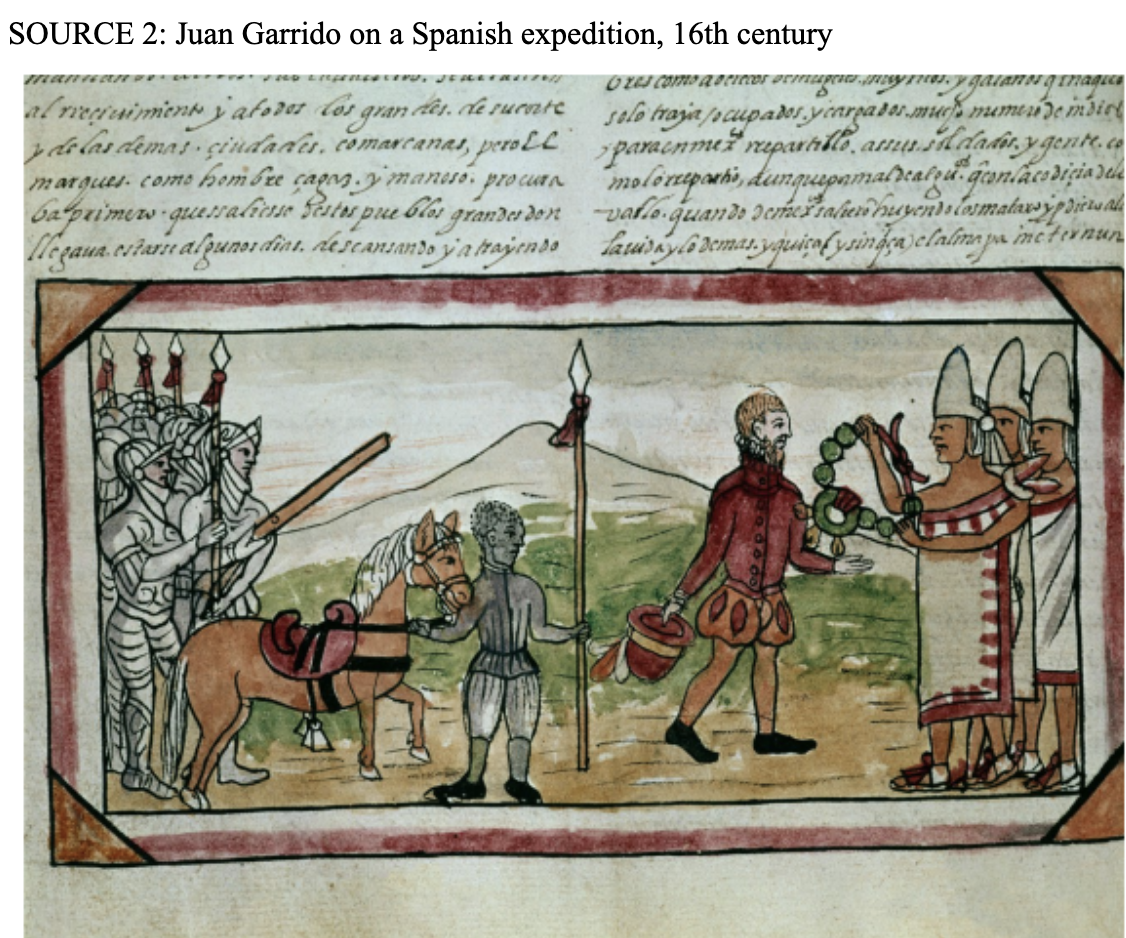
Source 2.1: Juan Garrido
a free Black conquistador participating in Spanish expeditions
The people on the right are the Natives, and the person in the middle is Juan Garrido.
He is depicted as smaller and inferior
image visually reinforces Garrido's 1538 petition to the Spanish Crown, where he documented his service in campaigns to Puerto Rico, Cuba, and Mexico
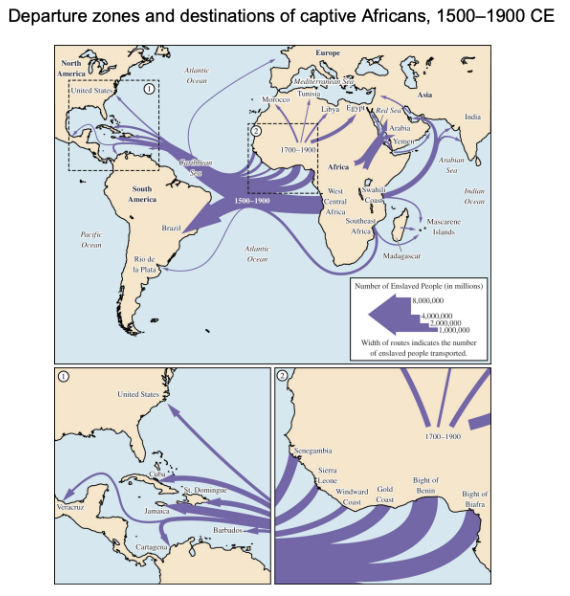
Source 2.2: Departure zones and destinations of captive Africans 1500-1900 CE
Most Africans who were stolen were taken to Brazil. The average lifespan was 21 years. The next largest was taken to the Caribbean. 2-4% were taken to the American Colonies. Even smaller amount to Europe.
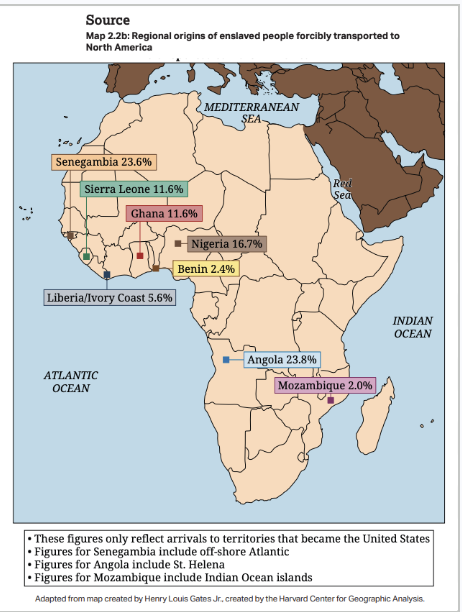
2.2: Map showing the regional origins of enslaved people to North America
Most people were stolen from Senegambia and Angola. They currently speak French and English in these regions (and Portuguese). Their language and culture were taken from them and Africa was viewed as poor because so many people were taken away.
They lost diversity, religion, and cooking traditions. culture, and religion. Stealing griots,
2.3 Excerpt from The Interesting Narrative of the Life of Olaudah Equiano, or Gustavus Vassa, the African. Written by Himself by Olaudah Equiano, 1789
Equiano details his experience on his capture,
Notes how Africans who were sick were thrown overboard, details the food they ate (boiled rice, yams, wheat, mix; lack of protein),
the necessary pots where children drowned, the stench, and life onboard the ship.
Also details the first enslaved woman he saw with an iron muzzle- thinks about the cruelty
2.3 “On Being Brought from Africa to America” by Phillis Wheatley, 1773
This poem is Wheatley telling the story of her soul being saved by converting to Christianity; (but secretly this is about Christians treating Christians equally. She details how Africans can be safe if they,too, are Christian.
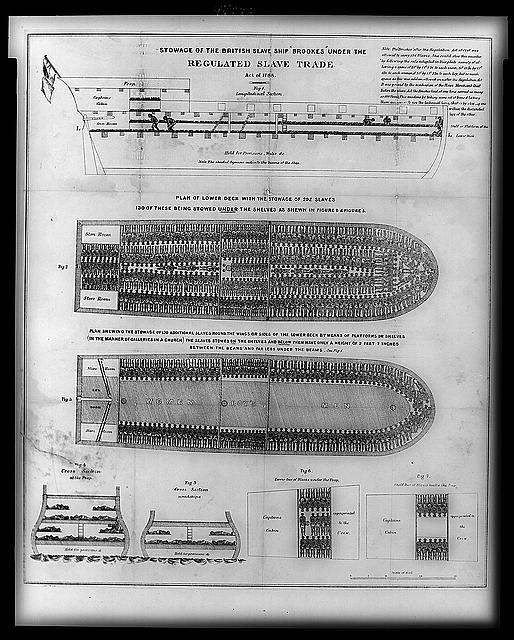
2.4 Brookes - Stowage on British slave Ship
The ship is supposed to hold 454 people. She is holding 609 enslaved people. There are people standing and kneeling. They separated the men and women for different labor purposes and to take away their hope/feelings of escape. (They are more likely to revolt if they see loved ones).
This diagram was used in the British Court for Human Rights Violations.
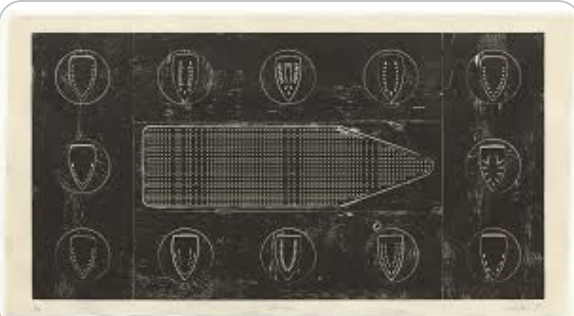
2.4 Stowage by Willie Cole, 1997
Willie Cole believes their souls live in these objects since they used them. He used wood and iron.
Wood = slave ships; each dot on the ironing board represents a person who was stolen.
Each iron in circles = a tribe (and their markings),
iron = pain and the branding the enslaved experienced.
Barracoon
temporary trading fort that was exposed
Dealt with experiencing European diseases for the first time
Would have their skin licked, throat and mouth sniffed, ear wax tasted, etc
They were forced to laugh and sign to prove their lungs were good
Their bodies were poked and prodded for sometimes 4 hour
Soloman Northup
born a free man in Saratoga, New York
He was deceived, kidnapped, and turned into a slave
He was one of the lucky 300 people who were born free, were captured, and returned to freedom
SOURCE FOR 2.5
What caused the slave trade to expand
Native American populations diminished
Colonists replaced their labor force with enslaved Africans
During the 16th century, gold, silver mines, and sugar plantations demanded more labor
enslaved were placed in three categories:
Creoles (worth the most, born in the Americas)
Old Africans (lived in the Americas)
New Africans (just survived the middle passage) (most likely to rebel)
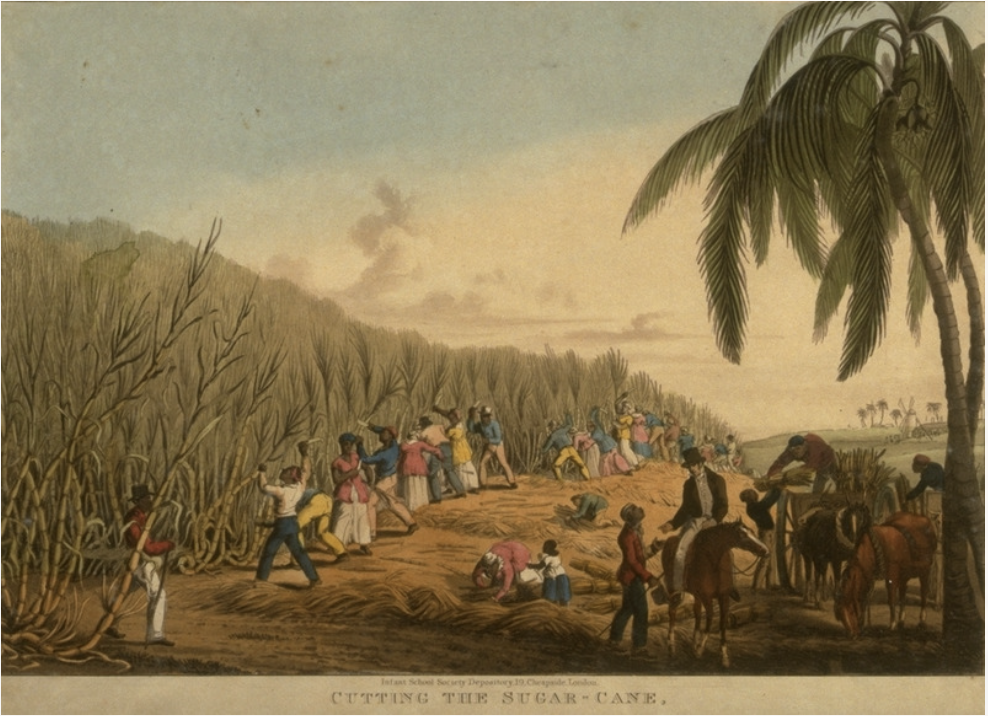
2.6 —> What are the three gangs?
Great Gang, or the first gang, did the heavy fieldwork and harvesting
The second gang, weeding (women)
The third gang, smaller tasks like bringing food and water to those working (children)
Enslavers knew who to target and who to look for in terms of labor.
Trail of Tears (1838-1839)
Removable of Indigenous communities
Was winter when they were forced to travel on it
US gave them blankets w small pox
Led to cotton production increase
After Indian Removable Act
Cotton Gin by Eli Whitney
inadvertently expanded slavery
making short-staple cotton highly profitable, transforming it into the South’s dominant cash crop.
Mississippi, Alabama, Georgia, Louisiana, and South Carolina dominated the slave-cotton system by 1835
Required more laborers and slaves due to new westward explansion of plantations
Mulatto vs Black
Mulatto = lighter-skinned (they r mixed)
Black = dark sinned
2.7 Excerpts from the South Carolina Slave Code, 1740
Black people were absolute slaves based on the condition of their mama.
If you are a person of color (Indians* Native American, African, Mulatto* mixed), you are a property of a white person– ultimately the King of England. Must always work for a white person or risk death. If you hit a white person, you die. No large gatherings allowed.
2.7 Articles 1–10 from the Louisiana Slave Code, (Translated from French) 1724
you must be supervised by white Roman Catholic. Miscegenation (mixing) no marrying & no relationships with people of color.
master can marry slave off
ROMAN CATHOLICS ONLY
How did enslaved African Americans deal with the harsh labor?
Crops that required less oversight left some of the enslaved to keep and maintain their original linguistic practices
Sometimes language was fused with what as around them
Call and response songs broke up the monotony of the work. Stepping and hand games were invented to pass time.
Traditional medicinal methods were used to help those who were ill
Harriet Tubman
best known conductor of the Underground Railroad, General, Spy.
Civil Rights Activist
First women to plan and lead military raid
After war → raised funds built schools, → more active for women’s rights to vote
National association of colored women, led women’s suffrage women
“Never lost a passenger”
Cotton Gin impact on today
Some families still farm today on the same fields as their ancestors. Some became farmers and this is their job. Others needed summer jobs and continued to work for the farmers in the area.
Underground Railroad
large network that helped the enslaved escape their inhumane bondage. Enslaved people’s determination to free themselves was a true act of rebellion. It was extremely risky.
Dred Scott and the Supreme Court Decision
Dred Scott, an enslaved man, sued for his freedom in 1846, arguing that his owner had taken him into free states and territories (Illinois and Wisconsin).
1857, the Court ruled 7-2 against Scott, stating he was property and not a citizen.
1846, filed, went to US Supreme Court, Tamey stated that Black people WOULD ALWAYS be slaves
landmark Supreme Court case is considered to be one of the worst Supreme Court Decisions.
Racial Types —> Phenotype and Hypodescent
Phenotype contributes largely to what we now perceive as racial identity
Hypodescent is how we categorized people even more in the United States (one drop rule, despite racial makeup, always default to race with inferior status)
This was tied to Partus Sequitur Ventrem
Remember that no person or group of people are monoliths. (not a single uniform group wirth identical experiences, opinions, or backgrounds!)
Fredrick Douglass (+ name the yr lol)
19th century
Orator, an author, abolitionist, women’s rights advocate
He went to New York. Touring United States with ani-slavery society
Published Narrative of the Life of Fredrick Douglass, an American Slave (1845), exposed brutality of slavery
Campaigned for full citizenship + votes for Black menUS ambassador to first appear as american ballot
Sojourner Truth —> known for + others
19th century
Truth was born into slavery and escaped with her infant daughter to freedom in 1826
African American abolitionist and women’s rights activist (spoke dutch)
After going to court to recover her son, she became the first Black woman to win such a case against White man
During the Civil War, Truth helped recruit black troops for the Union Army, she tried to unsuccessfully to secure land grants from federal gov for former enslaved
“Aren’t I A Woman?” speech at the Women's Rights Convention in 1851
White person hears the speech, makes her speaking more southern (gives black-ccent), makes her speak that way to she sounds less intimidating and makes more sense since she can’t read
Maria Stewart —> What did she write? Speeches?
made a pamphlet, “Walker’s Appeal” Argued Black Americans were most degraded ppl , and white christians were even more cruel to them than any other nation
⭐William Lloyd Garrison, promoted Maria’s ideas, influential pamphlet
After Pamphlet → Maria asked to give more about speeches abolition, sponsorship of African society of Boston. SPOKE TO MEN AND WOMEN who were black and white, which was unheard of
Multiple Functions of Spirituals
Spirituals are songs enslaved people sang to articulate their hardships and hopes for the future
But these songs also had secret meanings, strategic information, warnings, and escape methods
These sounds sounded biblical but they had double meanings
Steel Away by Shirley and William→ Song w hidden meaning of escaping
Colored Conventions —> cons + what was in them?
held in the North (bring attention to African-American intellect, politics, and cultural practices)
could not figure out how to identify themselves in the diaspora (Black, African, or African-American).
Enslaved people are not part of these conventions
Middle class primarily only attended (not inclusive)
Impacts of Slavery on the Medical Field
Brutal experiments and operations on enslaved women without their consent just to contribute to the medical field
Eugenics
arranging reproduction to increase desirable heritage traits → A certain group’s racial traits are superior for others (ex:Nazi germany)
(They said that Black people cannot feel pain compared to White people)
Henrietta Lacks
Woman who had more chromosomes and had a tumor → scientists used her cells without permission from family to tests vaccines and contribute to the medical field
Stono Rebellion 1739
First major rebllion
20 enslaved men from Angola (participated in slave trade) broke into a warehouse and took guns/ammunition inside
Group numbered over 100 people (They were all to warriors)
Marching down to Spanish Florida for FREEDOM ⭐ “Liberty!” (Spain gave freedom to anyone going)
Forbid Africans from grouping together called Result of a “Black Codes” ⭐
3 or less!
Not taught reading or writing !!!
1739 Security Act:
All white men required to carry firearms on Sunday → to protect themselves
Revolted on Sunday, Black ppl worked unsupervised this day cuz white ppl went to church (jemmy may face been able to read spanish and portuguese)
2.13 source sheet Jefferson’s letter to Rufus King
Suggesting the U.S. government treats the Africans rudely, he uses this as an attempt to keep his power by replacing the new immigrants and wants to make a law that establishes Law and Order.
2.12 Source Sheet
Haiti was forced to pay a fee for Independence and “protection from France” in times of need (1825-1947)
The United States took control of Haiti’s gold reserves, banks, and financial markets when they “helped protect Haiti against German influence”.
AND the U.S. needed to get paid for this too (1914-1934)
Nat Turner Rebellion (1831) - Outcomes
Tensions between the North and South over slavery intensified
became a primary figure for the 1960s Black Power Movement
Maroon Colonies (importance + difficulties?)
South, there was an abundance of slavery, their lifestyle, and the hardships they endured in plantations. Therefore, these colonies are an escape route
There was a lot of malaria from mosquitos, alligators, and had trench foot. Their skin was constantly wet.
They began in the 1600s
Black Church
CHurch became most important institute among African Americans
Filled with deep spirituality
Baptist and Methodist churches were more independent
Maria W. Stewart (1803–1879)
. As the first Black woman to publish a political manifesto, she is studied for her early 1830s public addresses advocating for education, women's rights, and abolition.
Why Sit Ye Here and Die" (1832), are analyzed as early examples of political activism and resistance.
Indigenous Nations —> resistance together + enslavement of African Americans
Some Maroons found refuge with the Seminoles in Florida
Welcomed as family
Africans fought alongside the Seminoles in resistance to relocation
They also set up patrols to watch over the enslaved population: there was also a group that would recapture freedom seekers
This made it difficult for mixed-race, Black-Indigenous people to also be recognized as members of the Indigenous community
Martin Delaney —> Medicine
organized team of nurses to treat ALL the sick, no matter the color
Kicked out out harvard for being Black (denied a medical degree)
Therefore he wrote and expressed Black people should just emigrate and move to a different country
Started the idea of black empowerment
Martin Delaney —> Soldier Life
Highest Ranking African American soldier of the Civil War
Commissioned as a major + first African American field officer
Published first black newspaper - “The North Star! + The Mystery”
Participated in the Civil War because wanted to raise Black people into having power → showing his worth via power → to CREATE CHANGE in the U.S!
Inspired Marcus Garvey, Malcolm X, MLKJ
⭐Regiment 54 - Massachusetts 54,
First All Black Unit - They knew on Fort Wagner, they wouldn’t win, so it was essentially a suicide mission
William Matthews, settled in Kansas, Hears about Black regiment, Matthews tapped to help with Recruitment
ventually drove confederate off
He changed how Black soldiers were perceived
Looked at the Island Mound for proof to support union cause
⭐First South Carolina Volunteers
⭐Emancipation Proclamation
Abraham Lincoln freed only SOME of the enslaved people (only REBELLION)
States only in rebellion states (confederacy states) against Union were free
but BIG STEP into 13th amendment!
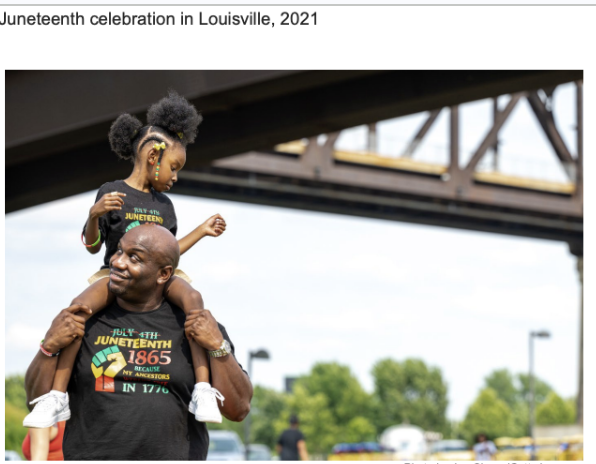
Juneteenth (2.24)
Newest federal holiday (made 2021)
Galveston Texas, last state when told they are free
General Order 3 was the first document that mentions racial equality
Clothing, Food, Parades, Freedom Days, Spirituals
RED!!!
Represents end of slavery, embrace of fragile freedom, and work towards ongoing struggle for rights, protections, opportunities in the U.S.
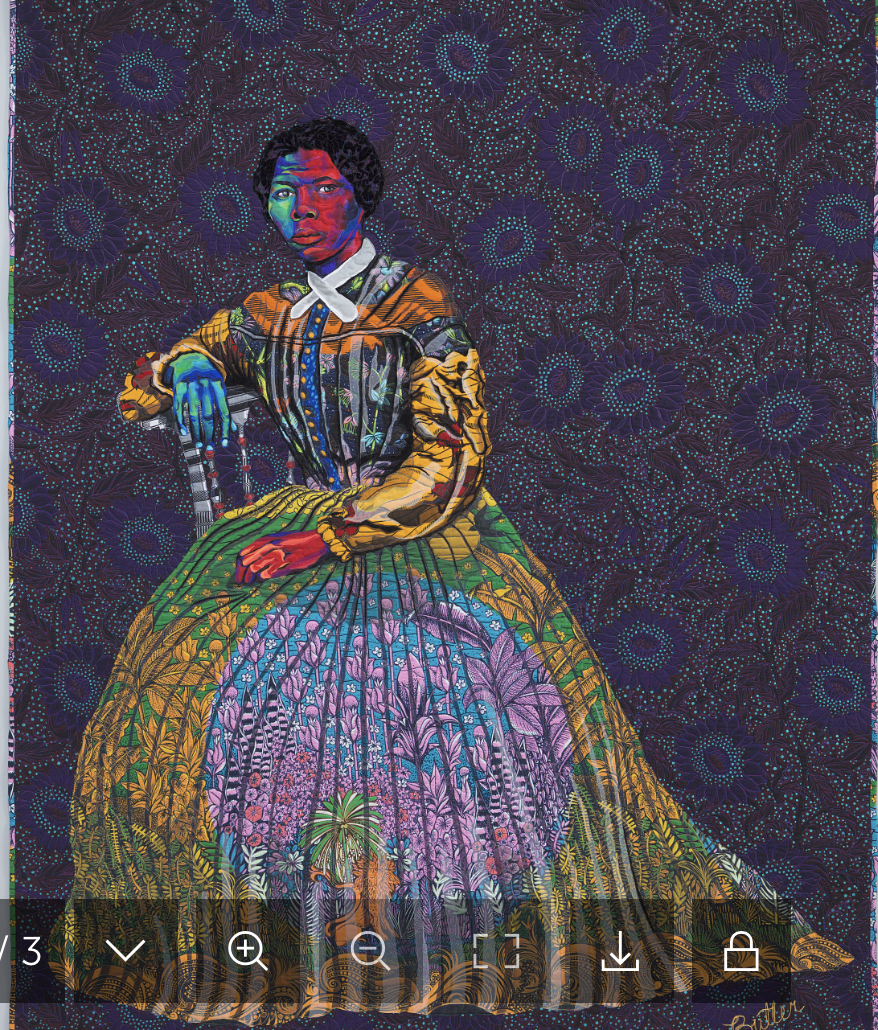
2.21 - I Go to Prepare a Place for You by Bisa Butler, 2021
The colorful quilt and textiles of Harriet Tubman portray freedom and the fight against slavery. Harriet Tubman is seen as a prominent leader in the Underground Railroad and someone who consistently fought for the rights and freedom of African Americans. This represented empowerment of African Americans and symbolized family through the vibrant and familial fabrics.
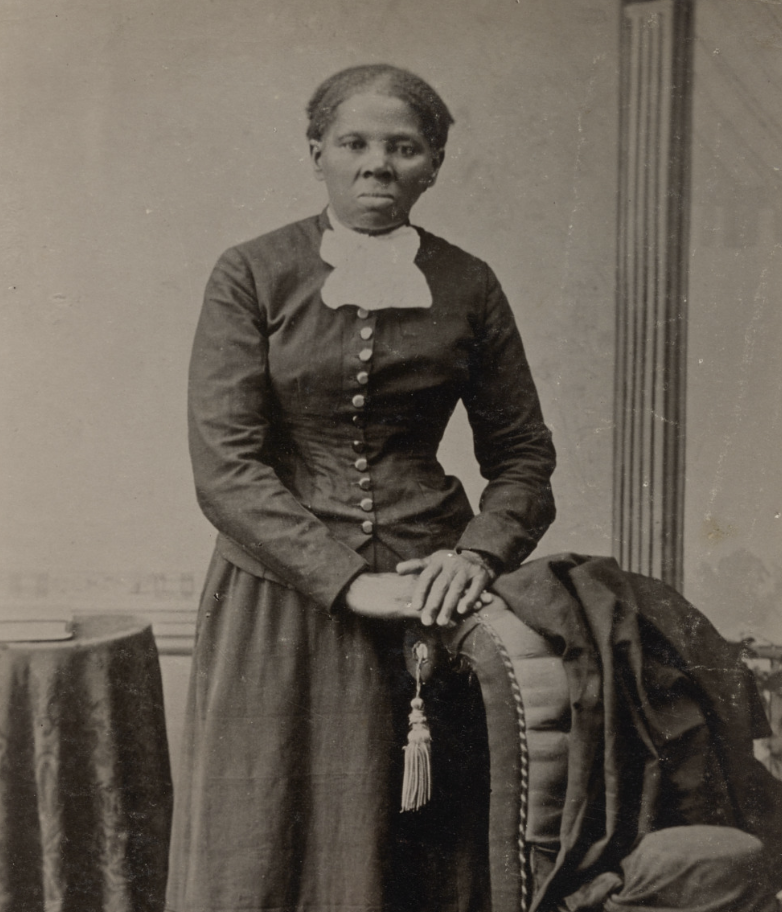
2.21Photographs of Harriet Tubman throughout her life: carte-de-visite, 1868– 1869
Harriet has a lean ( man threw an iron and it hit her in the head. She is wearing a dress) – to make her appear more feminine these photos are used for greeting cards for those donating to the anti-slavery societies & cards to show freedom seekers who she is so they can spot her. Quilts are important because they told stories about families, they were used to keep people warm, and protect you from evil spirits (medicinal herbs were in the quilt). | |
2.19 Appeal by David Walker, 1829
Appeal: Walker offers a blended view of Christianity, natural rights, and America’s founding principles (life, liberty, pursuit of happiness). Walker argues that slavery violated key tenets of Christianity and the Declaration of Independence's promise of freedom and equality
2.18 The Condition, Elevation, Emigration, and Destiny of the Colored People of the United States, Politically Considered by Martin R. Delany, 1852
Martin Delaney is radical because he believes Black people are rightful citizens of the United States. He also believes Black people should move to Central America and the Caribbean because Black people (according to Delaney) are better than them. These thoughts are purely American because it’s about colonization & conquering people who you feel are lesser than you.
The Great Dismal Swamp Maroons
self-liberated Africans who established enduring autonomous communities in the wetlands stretching across Virginia and North Carolina from the 1600s through the Civil War.
Thousands thrived for generations by creating independent, hidden settlements, challenging slavery, and forging an informal economy that directly undermined the plantation system
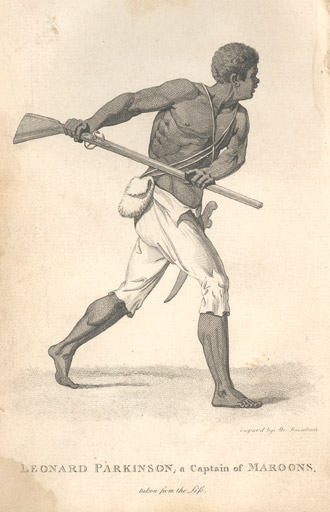
2.15 Leonard Parkinson a Captain of the Maroons 1796
Abraham Raimbach engraved this piece —> . He didn’t exaggerate face shape or body, took time to draw texture of his hair. We think he admires what the Jamaicans are doing, fighting for their freedom.
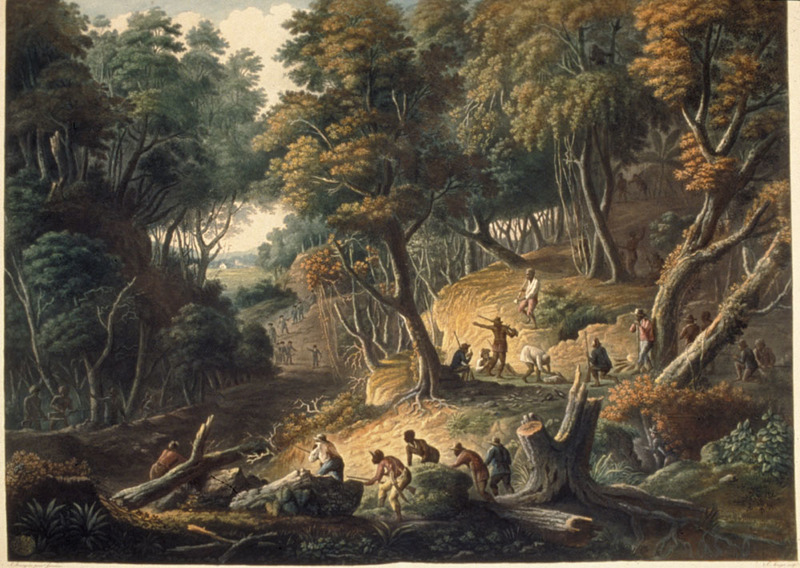
2.15 The Maroons in Ambush on the Dromilly Estate in the Parish of Trelawney, Jamaica by J. Bourgoin and J. Merigot, 1801
Second Maroon War, This painting shows us that Jamaicas are setting traps for the British and other colonizers. Guerilla Warfare–which is what American soldiers used as a tactic during the Revolutionary War–but if course when Jamaicans use it, they think it’s unfair
2.17 Arkansas Petition for Freedmen’s Rights, 1869
Petition–Asking that Black Natives receive 40 acres of land, rights, and privileges of citizens, citizenship, and the right to vote. They are demanding this from the U.S. government. (They were supposed to also get a mule, 40 acres and a mule)
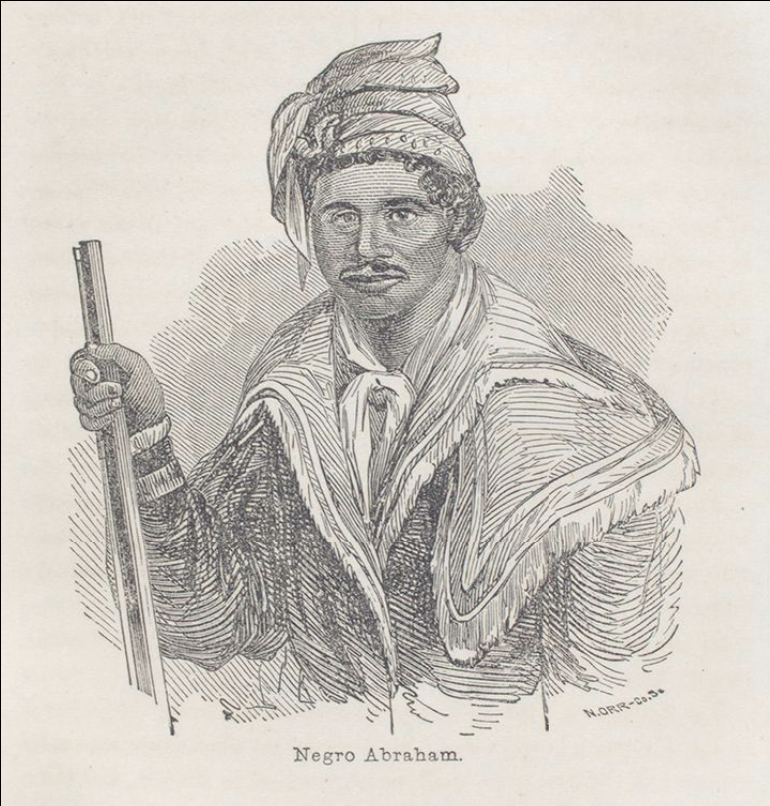
2.17 Abraham, a Black Seminole leader, 1863
Black Seminoles were part of the major tribes of the Nations. They ate rice as a staple, ocra, and spinach leaves, which are still food sources for the Gullah today. *Good at agriculture. Black Seminoles lived in Florida, Georgia, North, and South Carolina– their bodies acclimated (got used to the weather) well to the climate. Black Seminoles were really good fighters.
2.17 Gopher John, a Black Seminole leader and interpreter, 1863
We know he was also African and Native; found protection under Spanish Law. He was a translator
2.23 “The Colored Soldiers” by Paul Laurence Dunbar, 1895
Poet: Paul Laurence Dunbar is the first African American poet to get national recognition– he was born free to once enslaved parents (this was after the Civil War)
This poem is for:
Black people (Sons of Ham come from Nubia/Ethiopia)
Wrote: to honor Black soldiers who sacrificed and fought in the war for freedom
Summarize: Black soldiers are heroic, he describes the things they went through so he and others can be free (bullets, marching, suffering, toil, commingling *gathering of items for the greater good). This is written during Reconstruction of the country & first Civil Rights Movement.
Why was the Walker’s appeal so influential?
3 reasons why it was so influential:
- spoke toward all black women (regardless of servitude status)
- employed religion ideas to make her points (+ biblical references to affirm equality)
- pushed back against justification → black people deserved slavery because they were not intelligent
-Said Black people were not doing enough to resist slavery (had controversy)
Elizabeth Key (represents rebellion)
She became the first Black woman in the colonies to sue for her freedom and win
Soon after, Partus Sequitur Ventrem was passed in Virginia by the General Assembly
The law spread quickly throughout the 12 remaining colonies
Fort Mose
first legally sanctioned free Black settlement in what is now the United States