World War II
 Call Kai
 Learn
Learn Practice Test
 Spaced Repetition
 Match
Match Flashcards
1/24

There's no tags or description
Looks like no tags are added yet.
Name | Mastery | Learn | Test | Matching | Spaced | Call with Kai | Chat |
|---|
No analytics yet
Send a link to your students to track their progress
25 Terms
A. Philip Randolph
Proposed a march on Washington, D.C., to protest discrimination in the military and war industry; President FDR asked him to cancel the march, but when he refused FDR issued an executive order requiring defense industry and labor unions to end discriminatory hiring practices
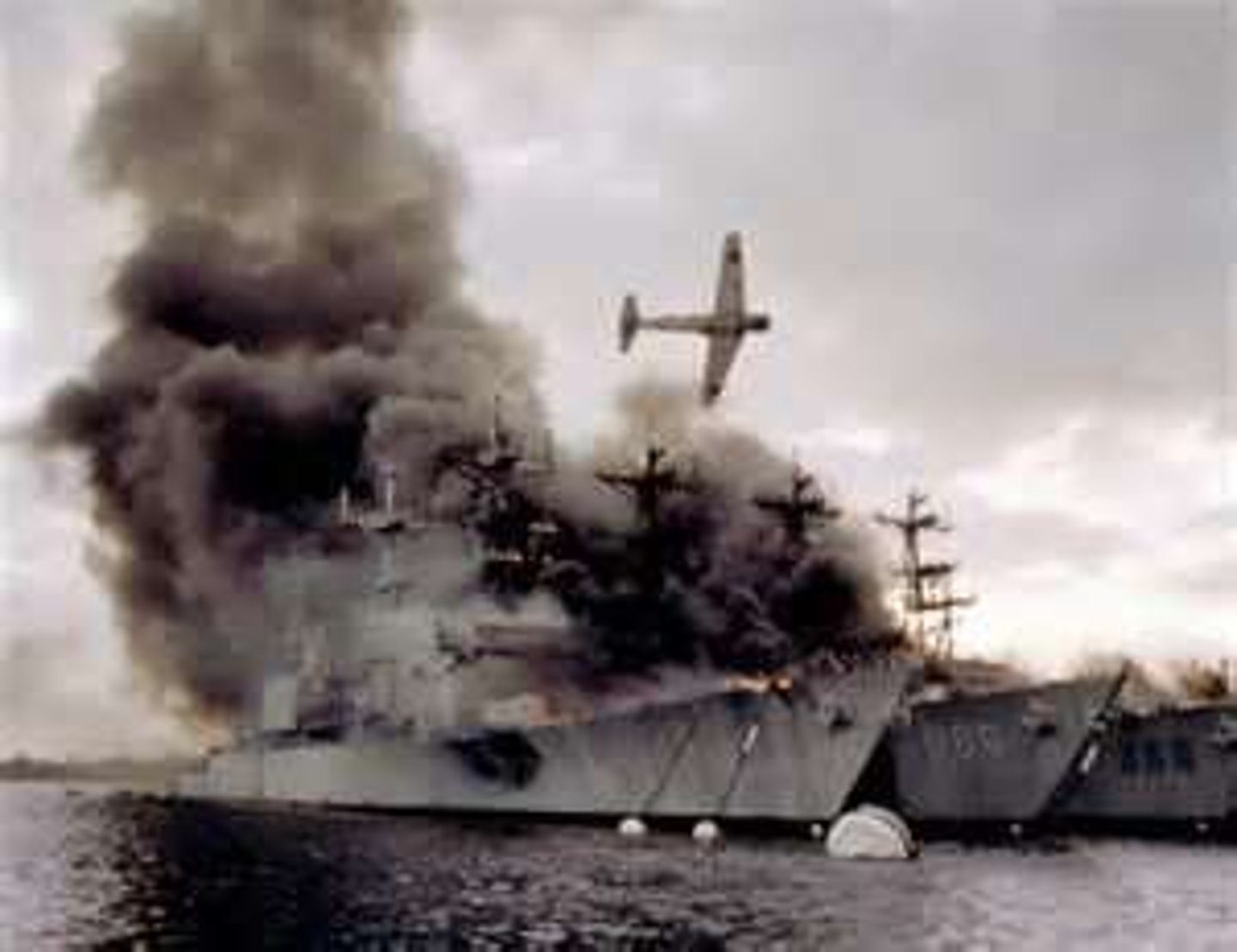
Pearl Harbor
December 7, 1941, United States military base on Hawaii was bombed by Japan, bringing the United States into World War II
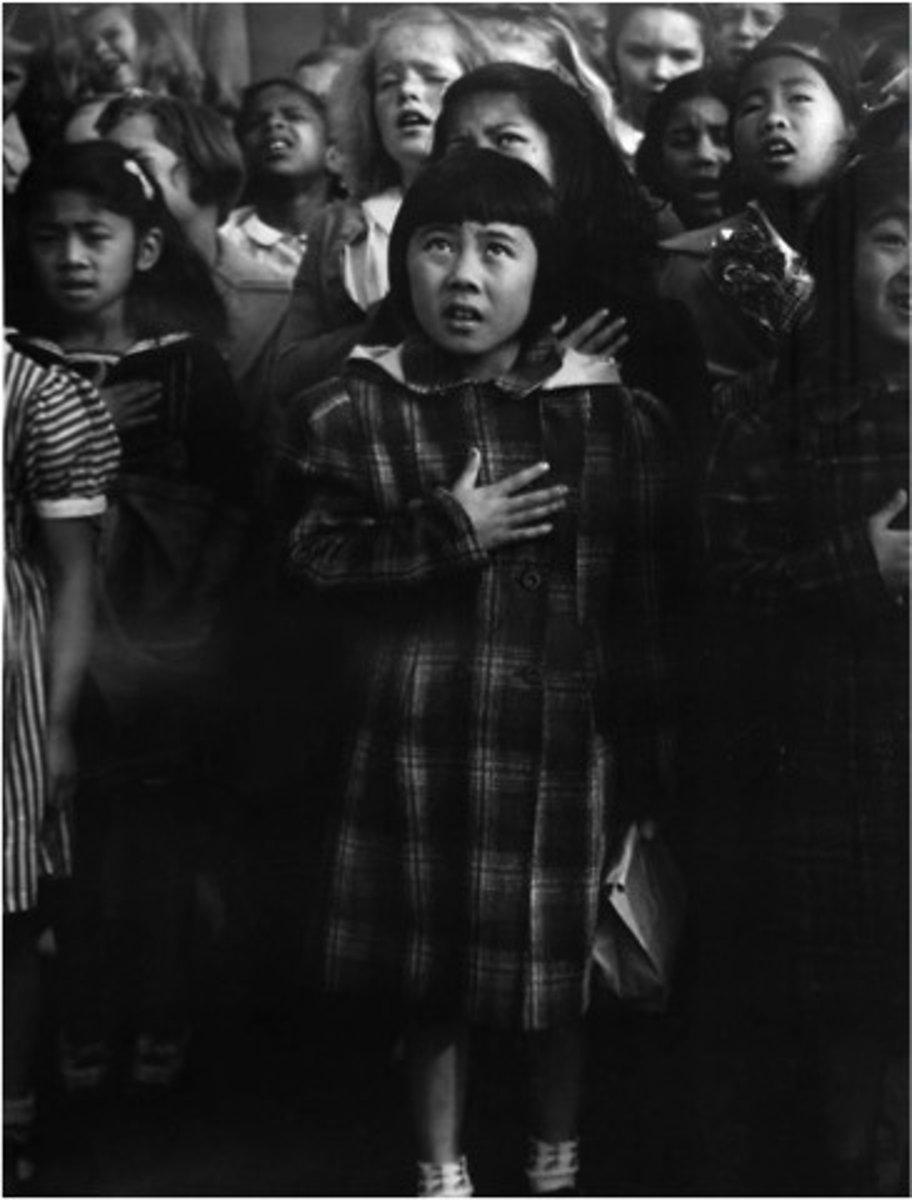
Japanese Interment
The removal of Japanese-Americans from the Pacific coast and forcing them to live in camps due to fears that they would act as spies for Japan during WWII and sabotage U.S. efforts to win the war.
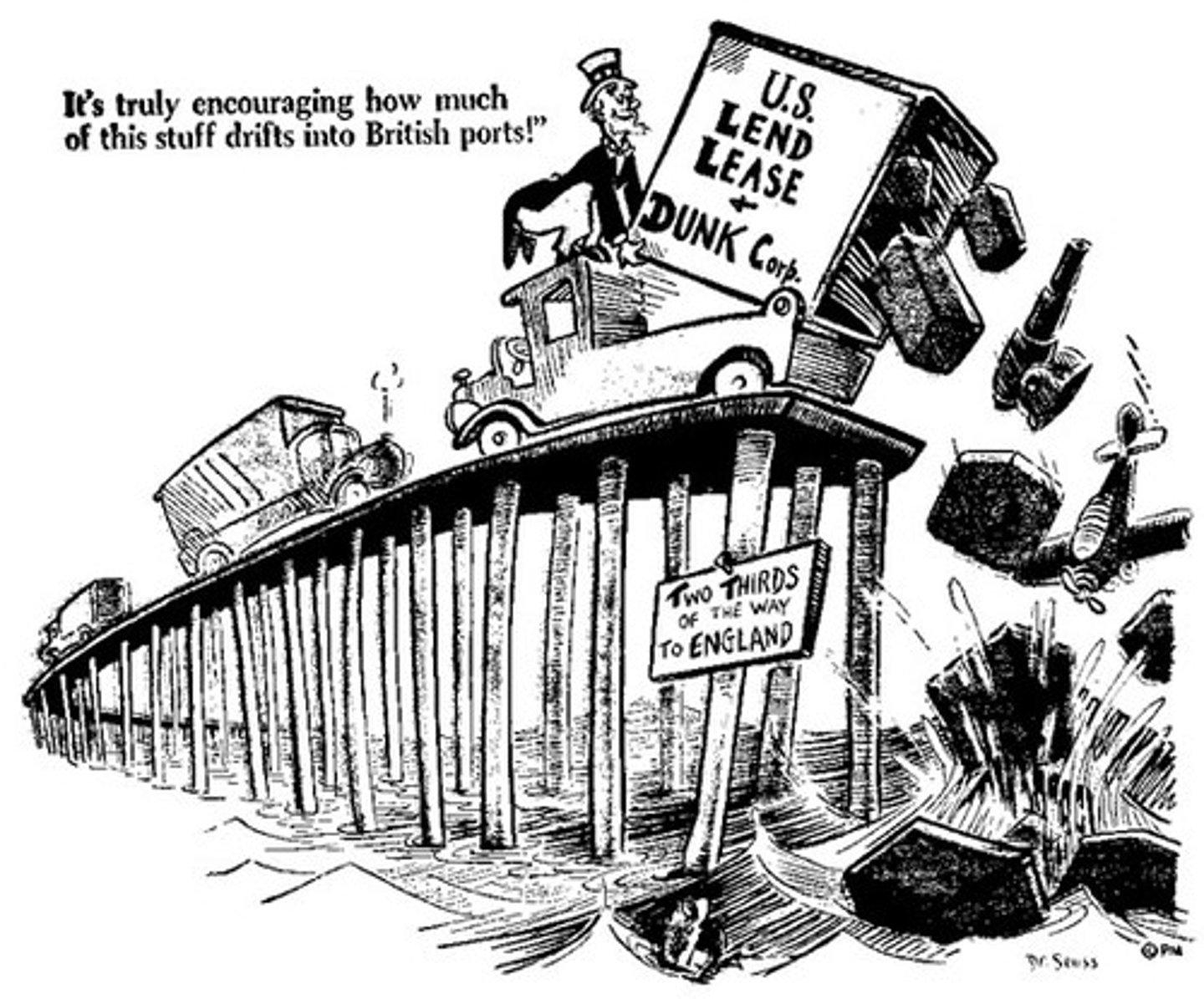
Lend-Lease Act
March 11, 1941, nine months before Pearl Harbor, Congress passed this act and amended the Neutrality Acts so the United States could lend military equipment and supplies to any nation the president said was vital to the defense of the United States
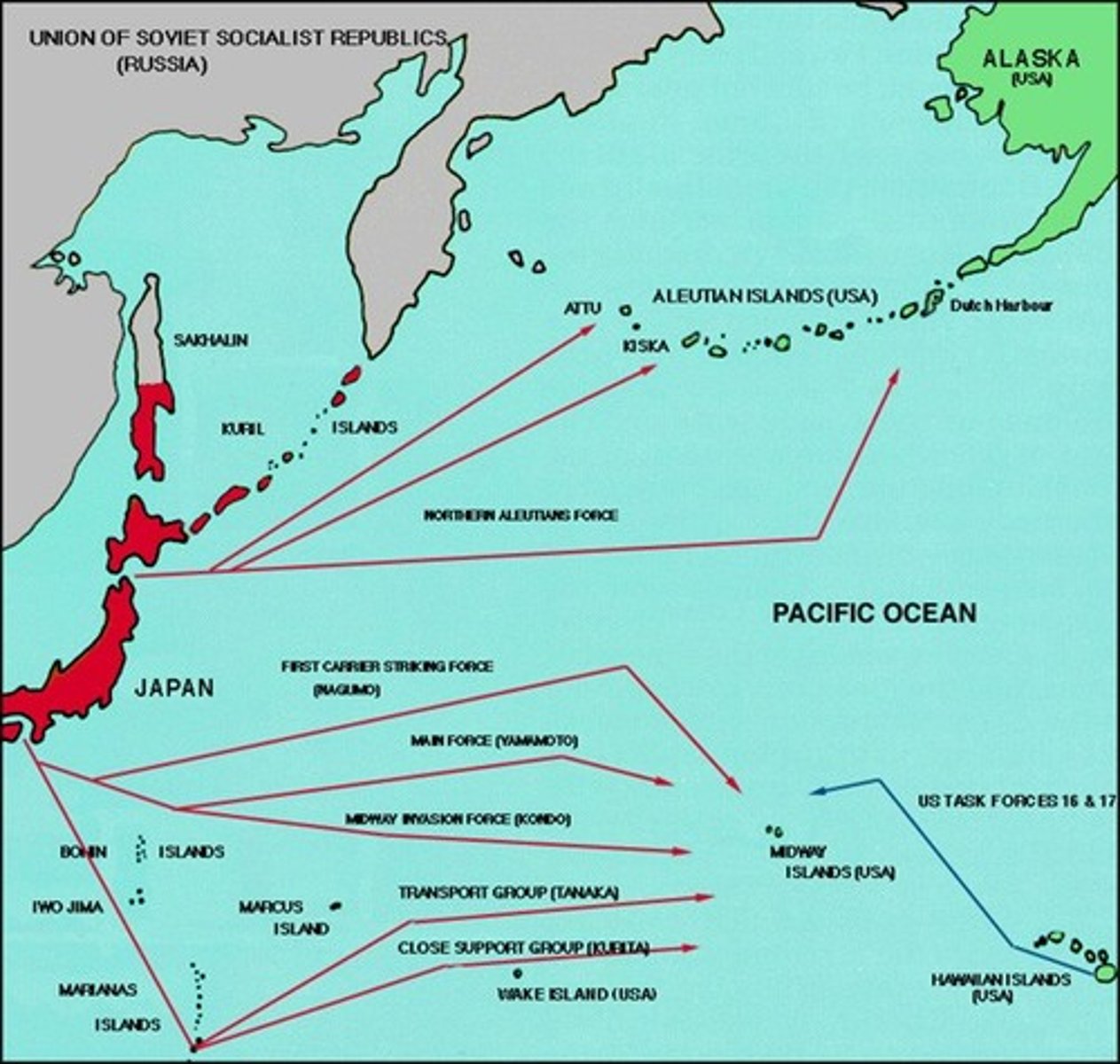
Battle of Midway
June 4-7, 1942, six months after the Japanese attack on Pearl Harbor, the U.S. Navy won a naval battle against the Japanese Navy that was a turning point in World War II. The Japanese lost four of their best aircraft carriers while the U.S. only lost one. The Japanese Navy never recovered from this defeat, enabling the United States to take the war to Japan.
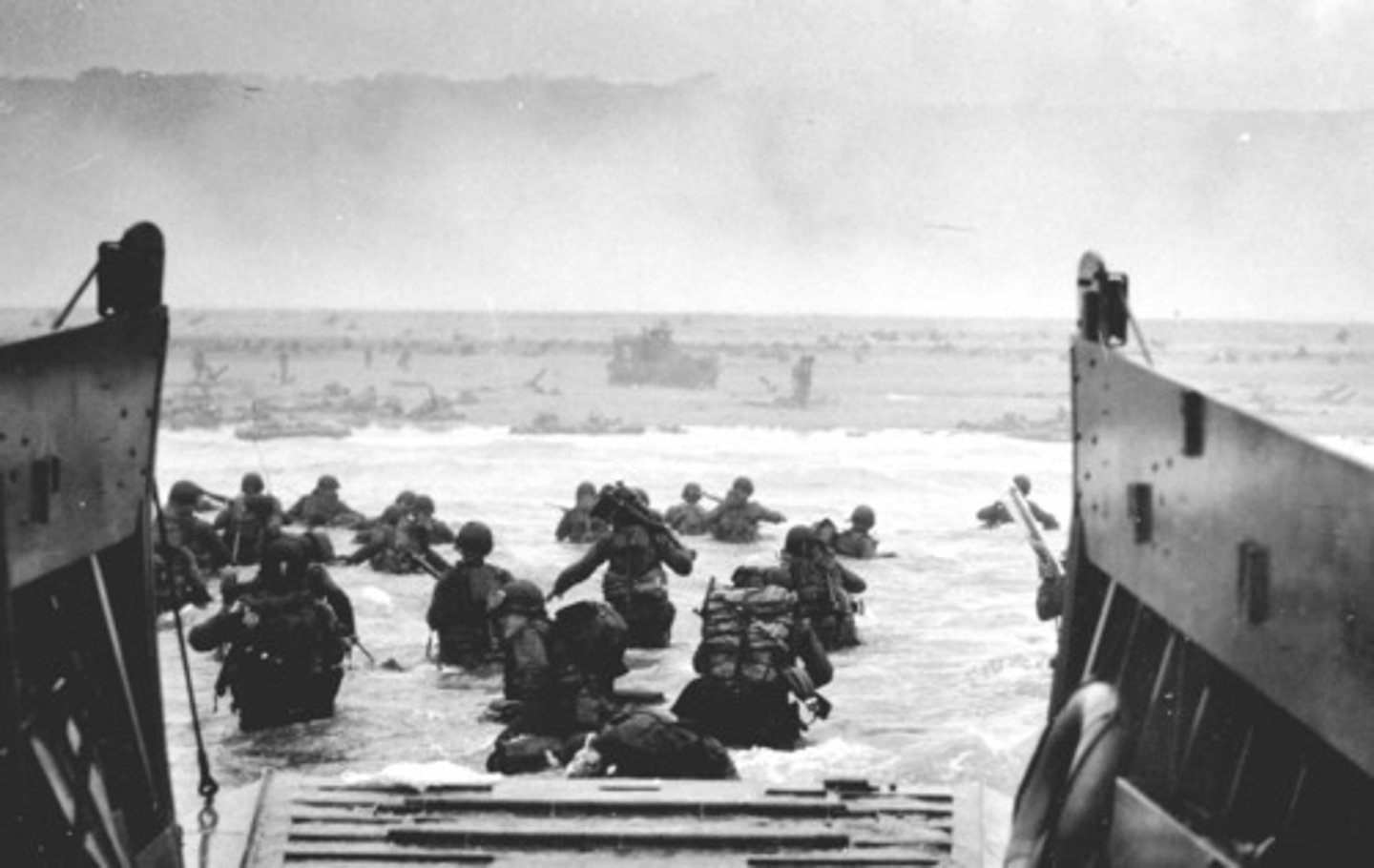
D-Day
June 6, 1944, this was the code name for Operation Overlord, the Allied invasion of Nazi-occupied France, on June 6, 1944. It remains the largest amphibious (water to land) assault in history with over 156,000 men crossing the English Channel in 6,939 vessels. From the French beaches, American and British forces pushed east to Germany. This marked the beginning of victory for the Allies in Europe.
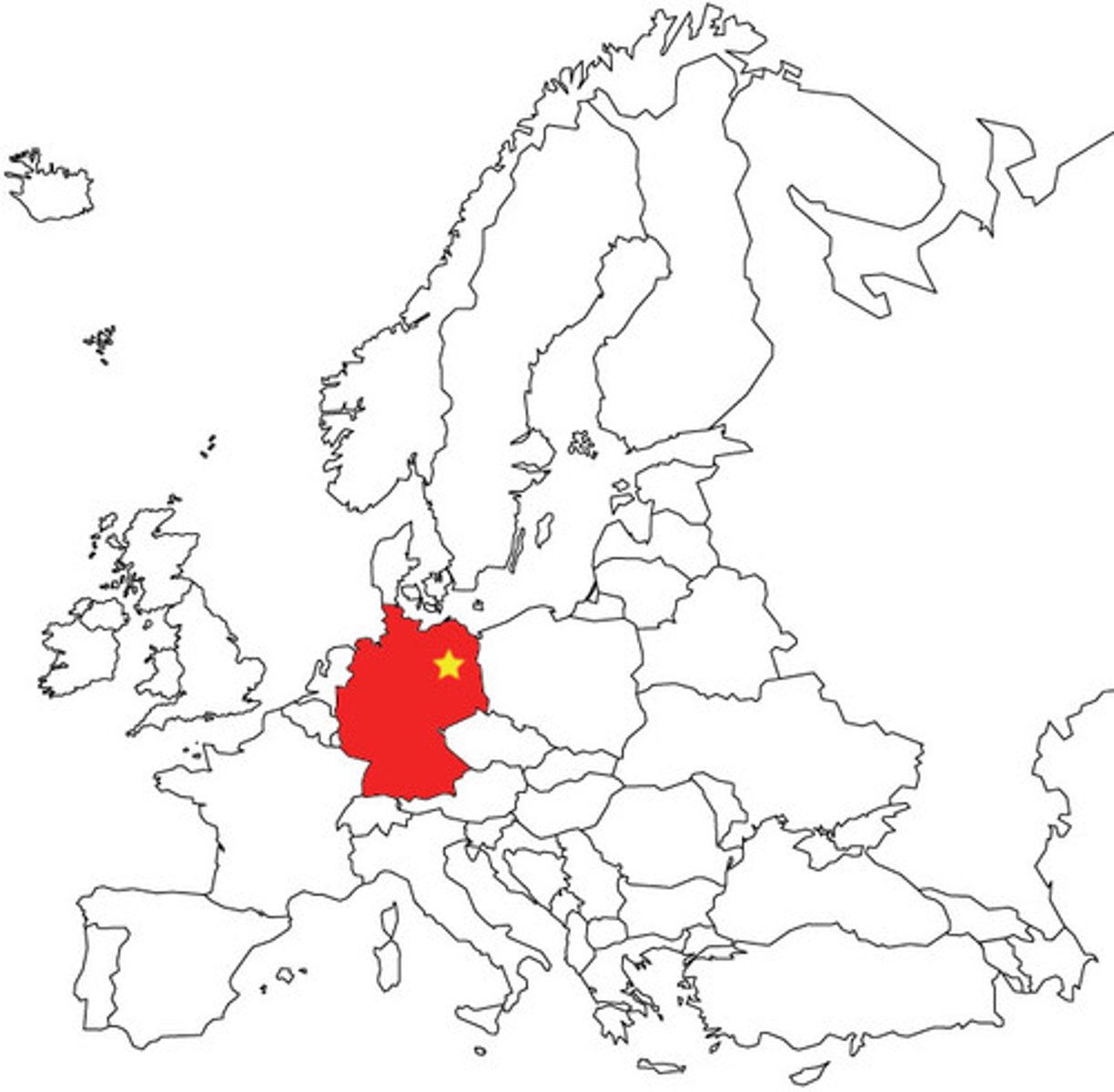
Fall of Berlin
April-May 1945, this was one of the final battles of the European Theater during World War II. Two Soviet Army groups attacked Berlin from the east and south, while a third attacked German forces north of Berlin. This battle basically ended the war in the European Theater.
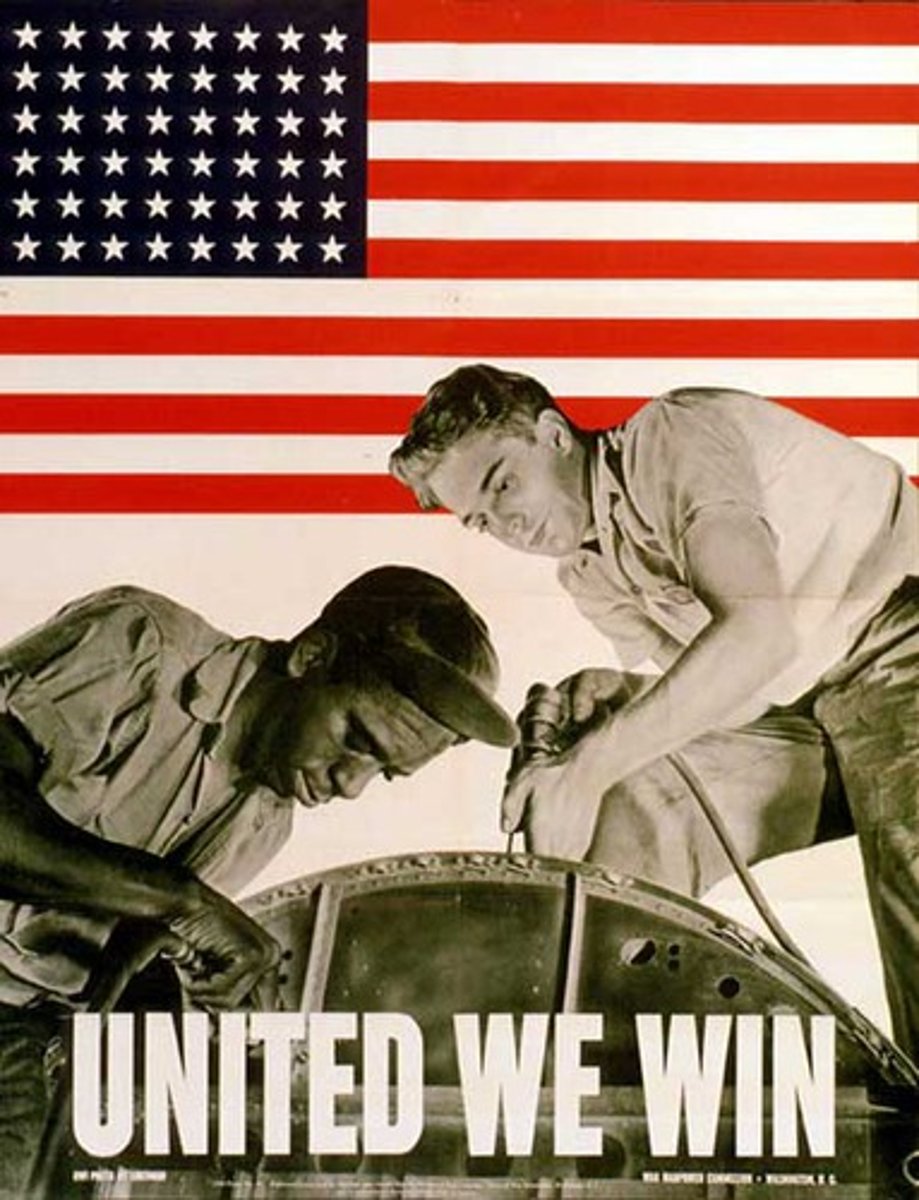
Mobilization
The act of assembling and putting into readiness for war or another emergency
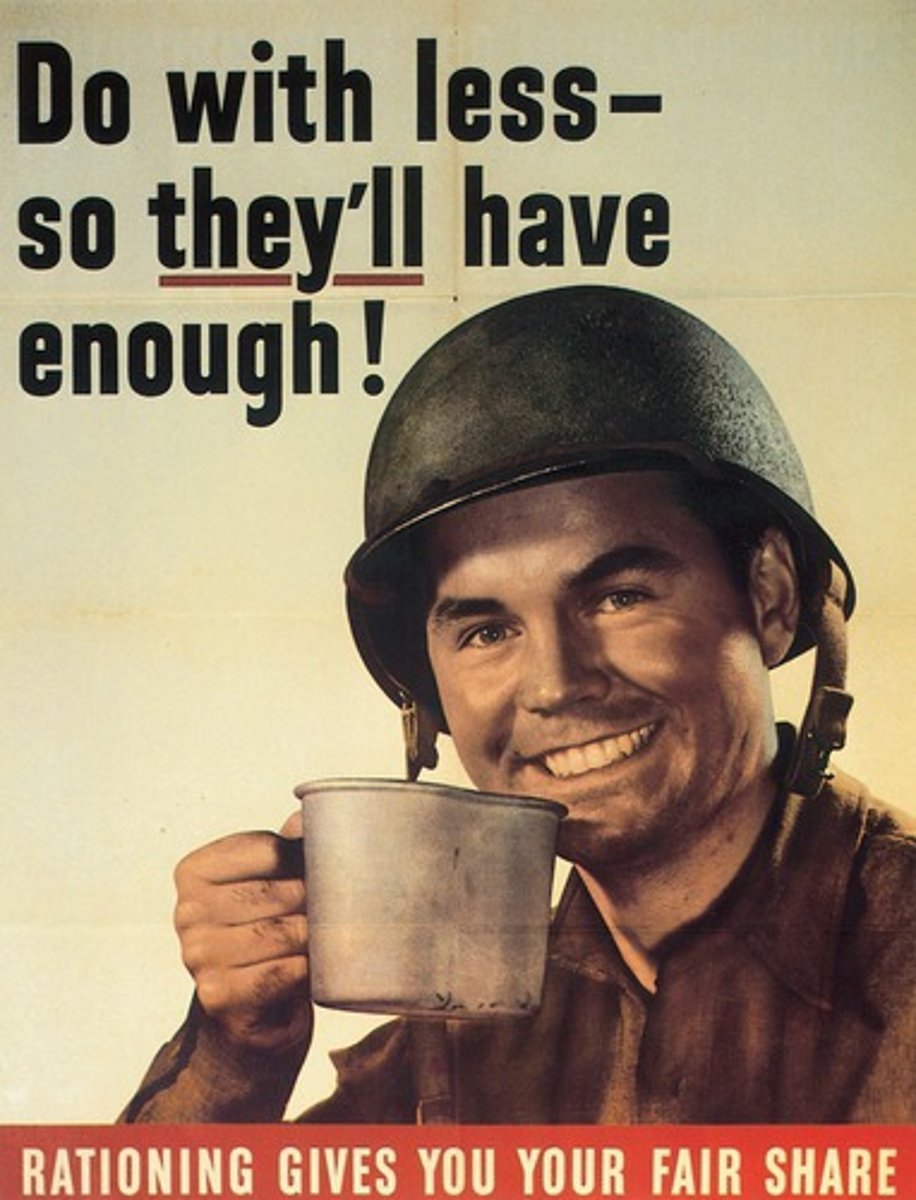
Rationing
A limited portion or allowance of food or goods; limitation of use; under this system, each household received a "c book" with coupons to be used when buying scarce items such as meat, sugar, and coffee; a similar system was used to help save gasoline for military use
Manhattan Project
Code name for the secret United States project set up in 1942 to develop atomic bombs for use in World War II
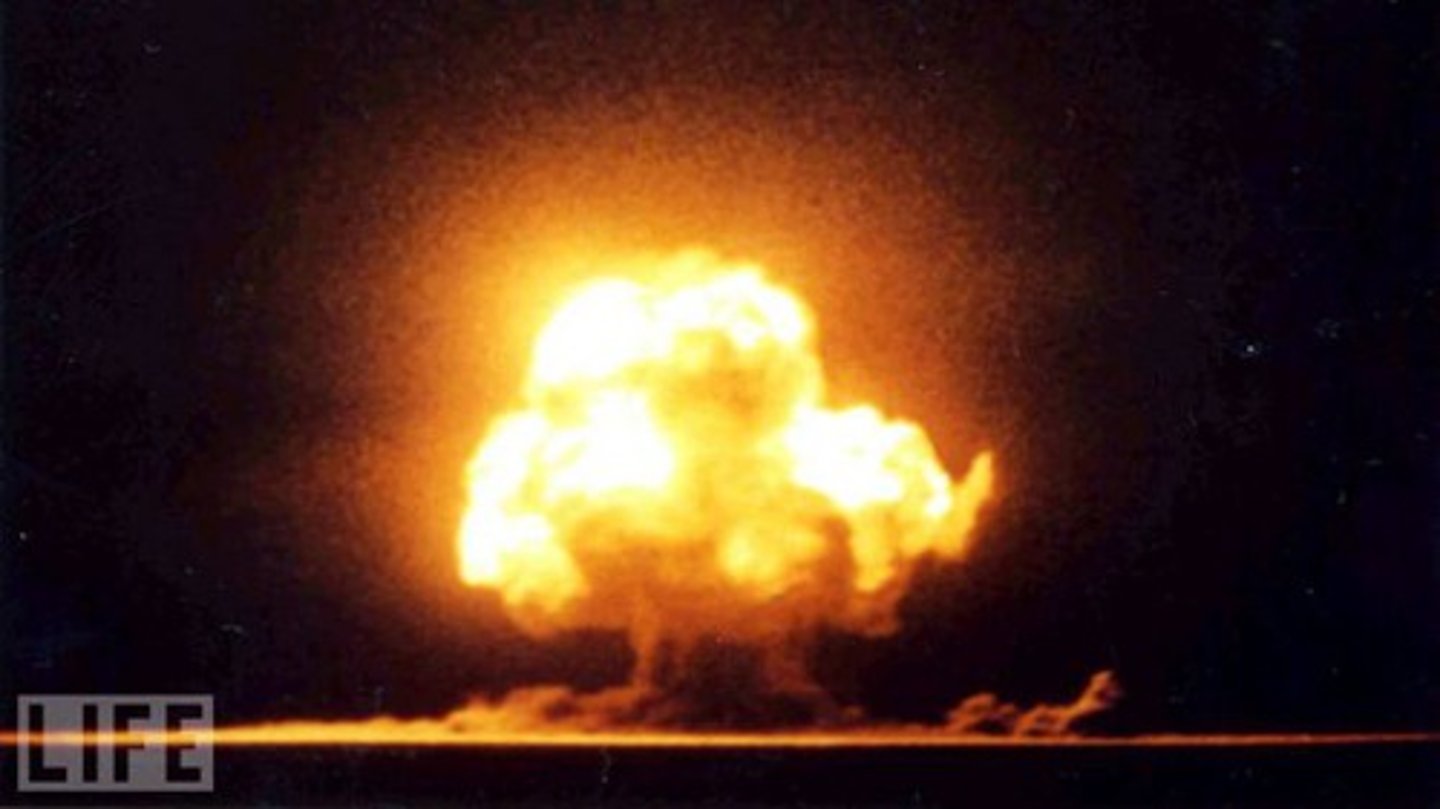
Los Alamos
Location of Manhattan project (to create atom bomb) in New Mexico; collection of best scientists available to the US dedicated to atomic weaponry research for use in WWII
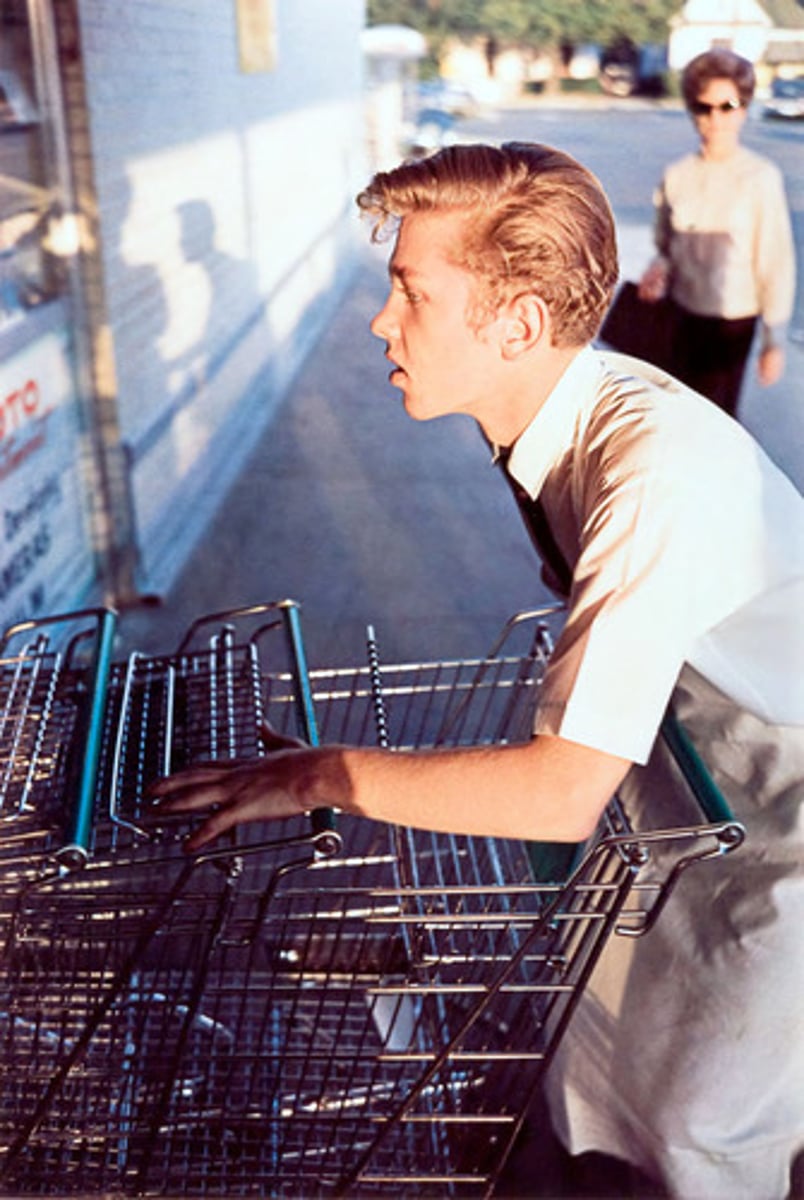
War Time Conversion
Using facilities that typically make consumer goods to make goods for the military instead; examples include changing a car factoring into a tank factor or a luxury cruise ship company making ships for the military instead
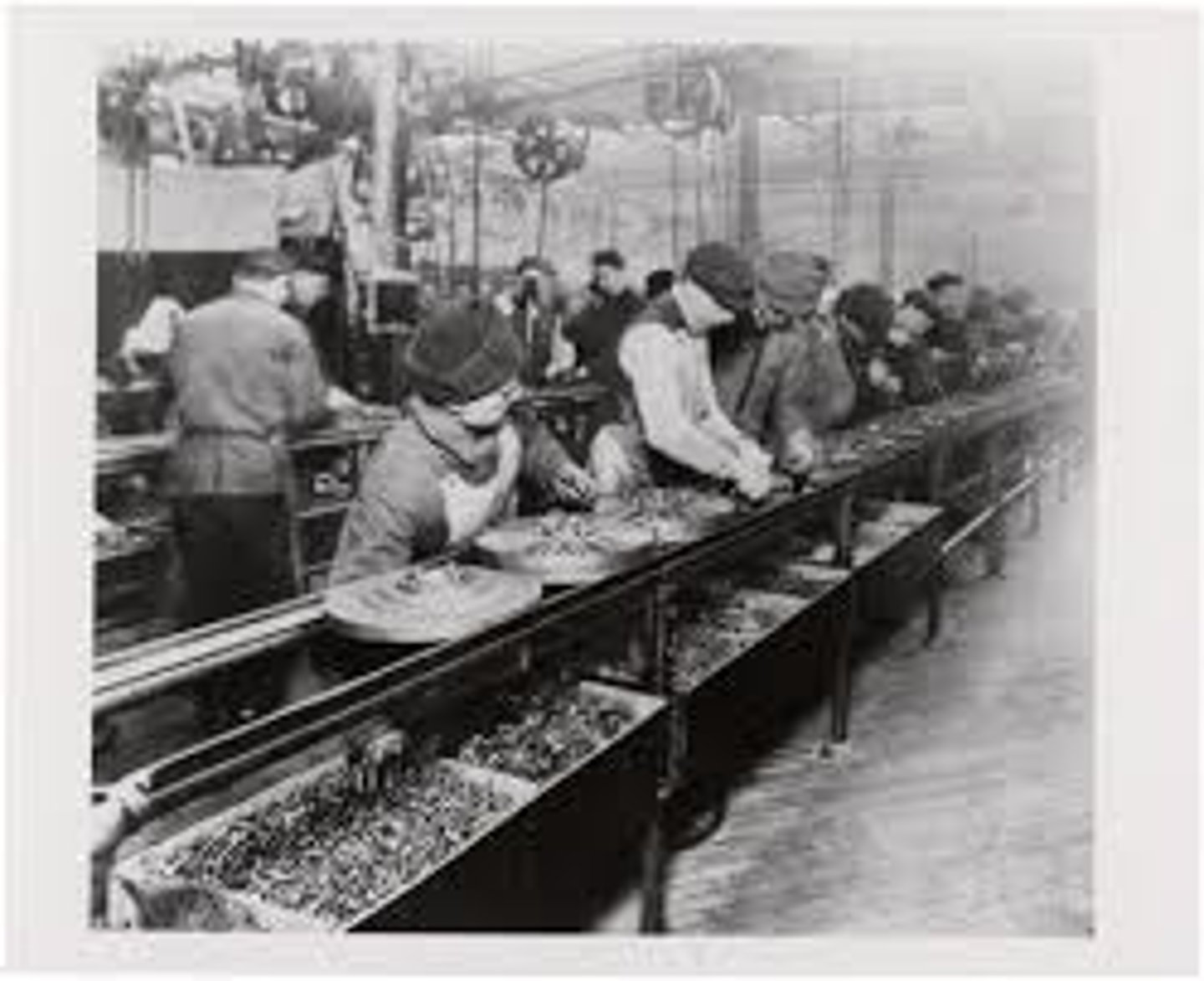
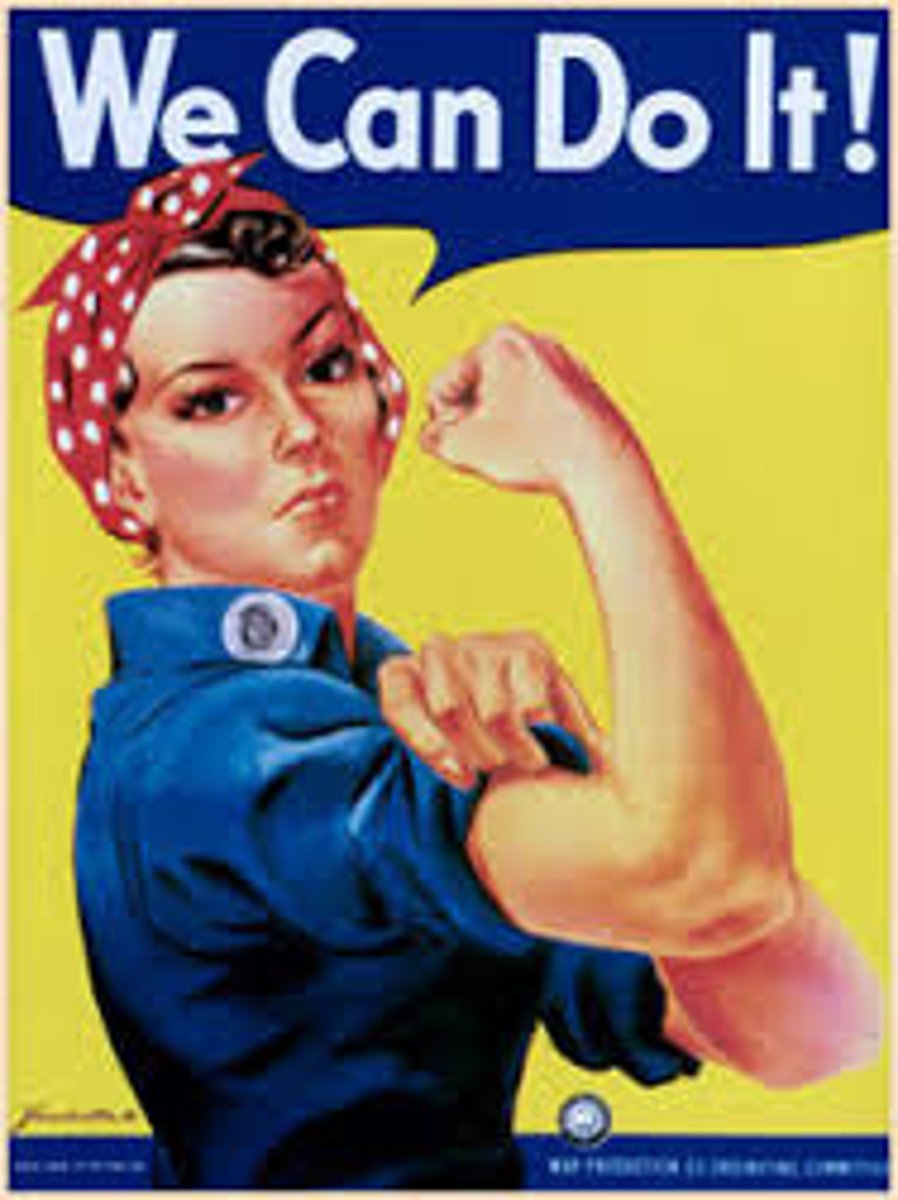
Women in War Industry
Since men were away fighting in WWII and someone had to work in war industry jobs (making tanks, weapons, etc.), women left their positions in the home to work in the war industry and support WWII
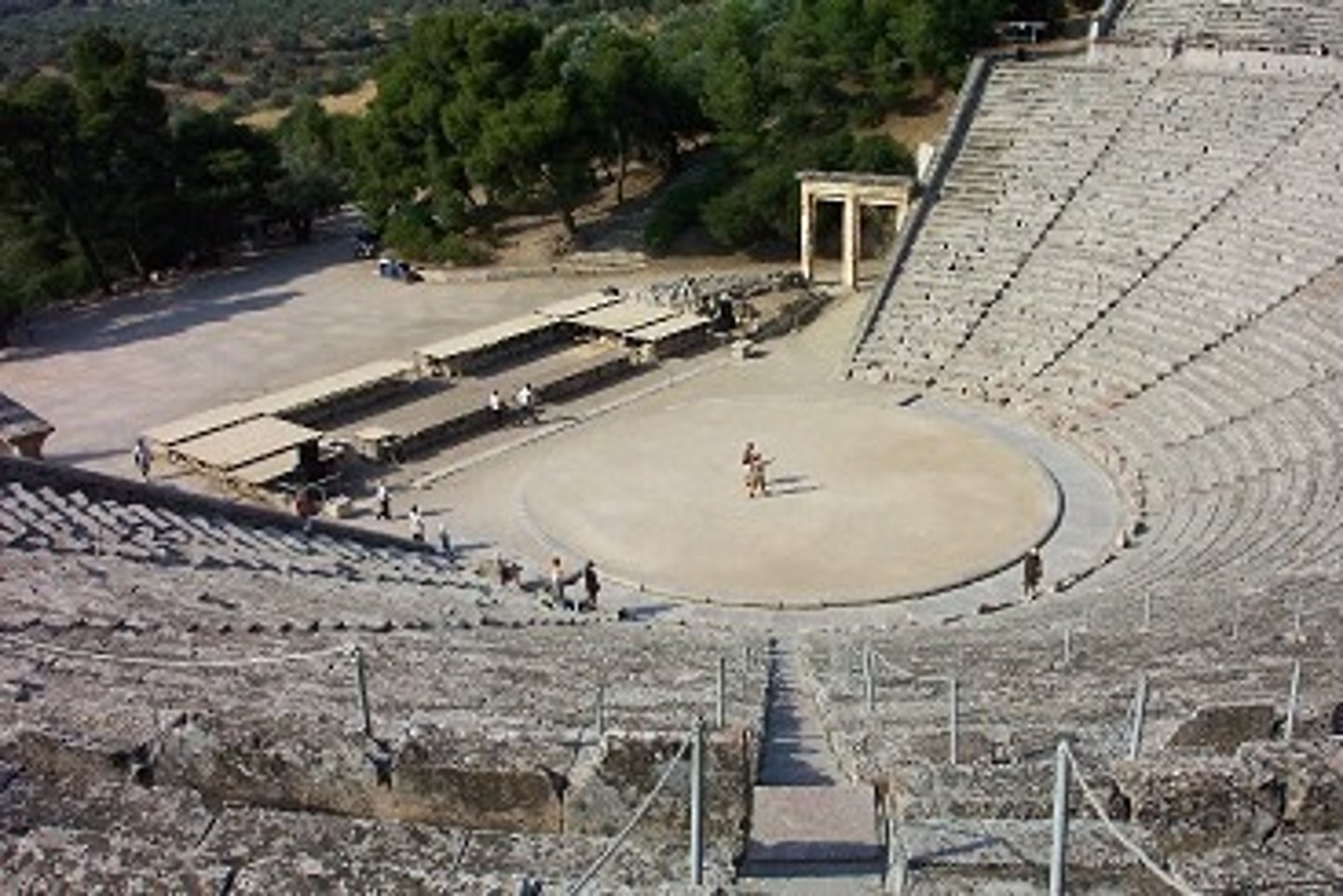
Theater
Term used to describe the general area where a war is fought; where a war "plays out."
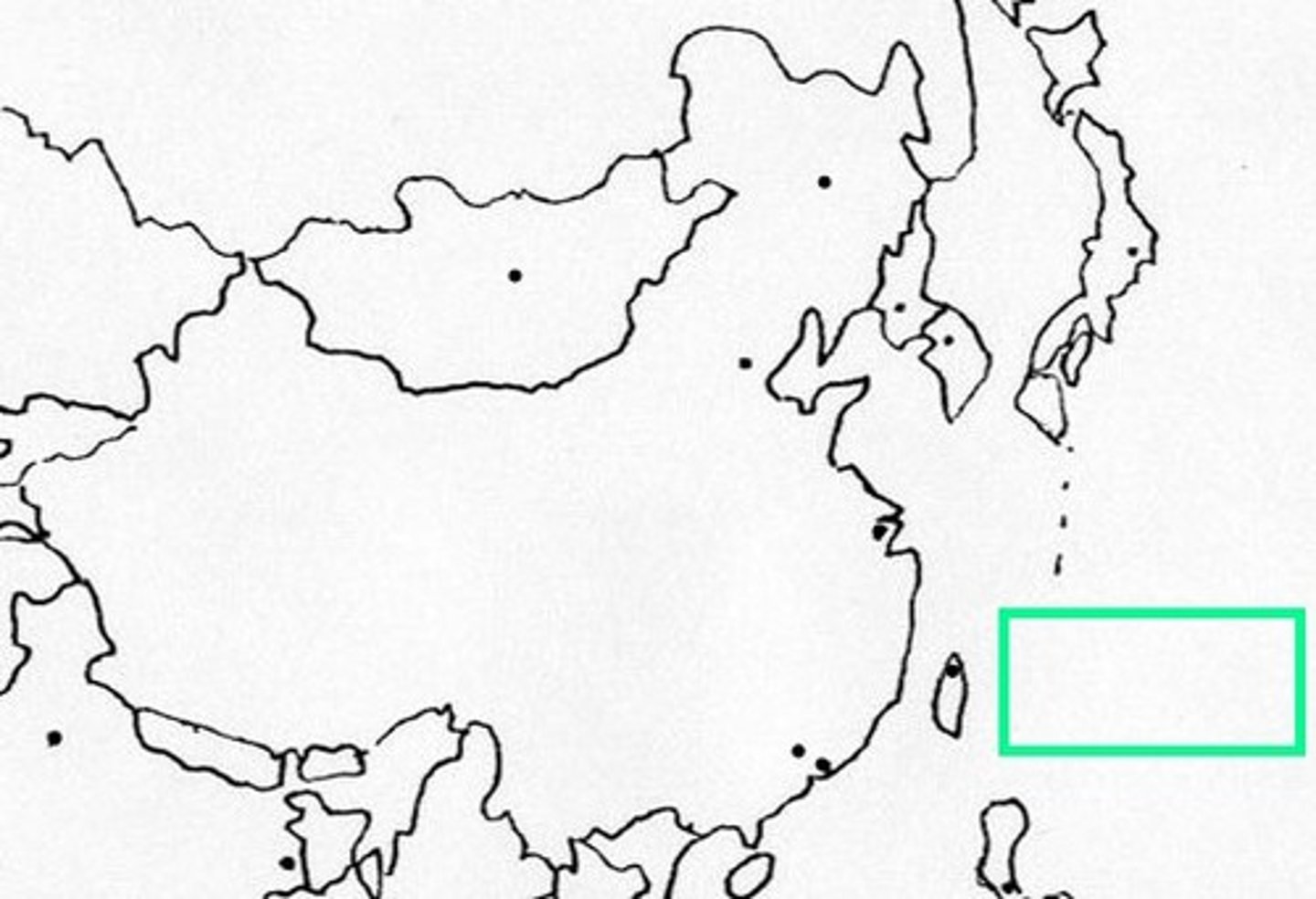
Pacific Theater
Part of WWII played out here; the fighting was mainly naval battles and the taking of small islands on the way to mainland Japan; the "characters" fighting here were mainly the US and Japan.
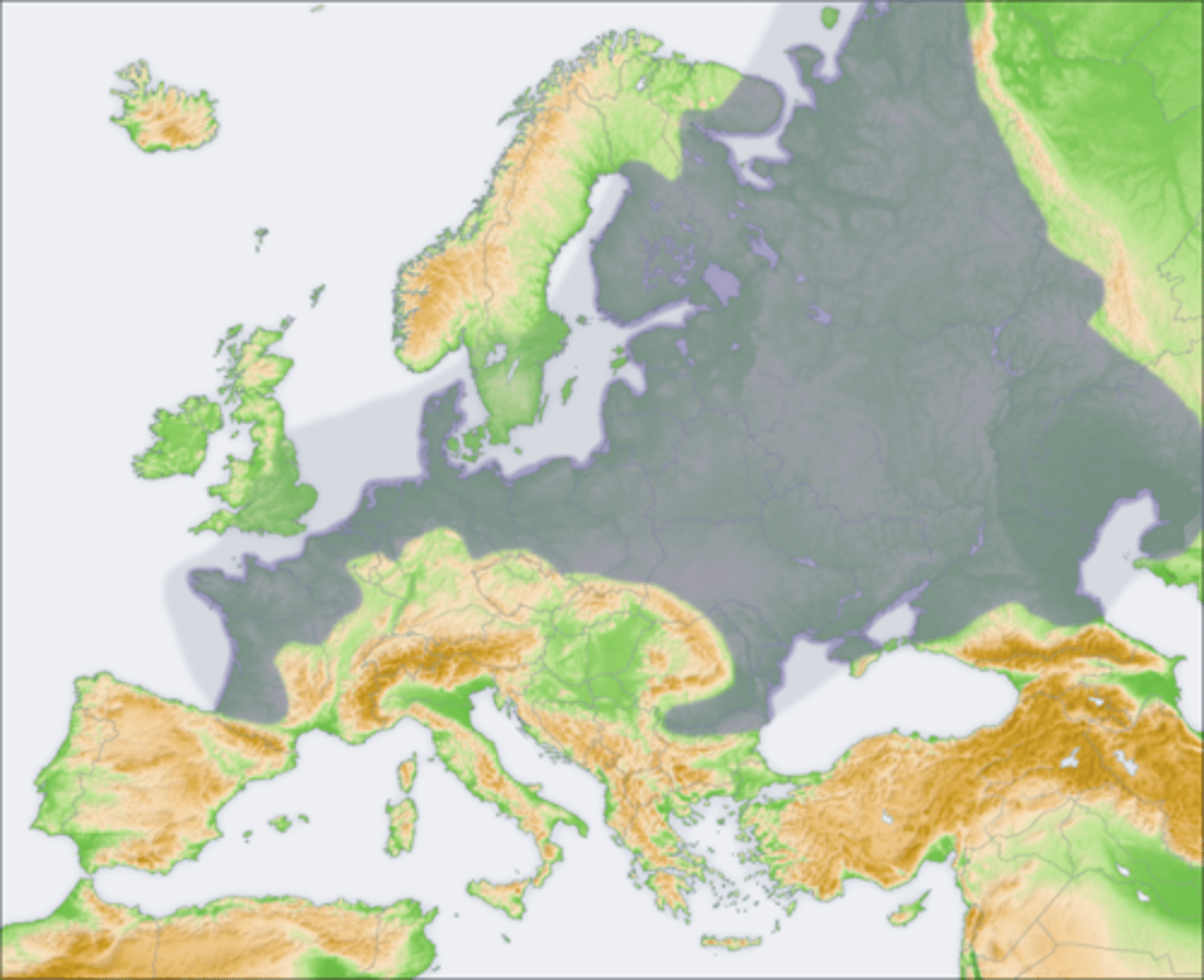
European Theater
Part of WWII played out here; the fighting was mainly on land and in the air (bombing); the "characters" fighting here were mainly Great Britain & US of the Allied forces and German & Italy of the Axis forces.
Cash and Carry
Allies would pay cash and carry the goods themselves onto their ships (from America)
Bracero Program
Mexican workers invited to the US to fill a labor shortage during WWII
Double V
WWII campaign against racism at home and abroad
Zoot Suit Riots
A series of riots during which Mexican Americans were attacked by American sailors
Nuremburg Trials
Trials where Nazi Germans were punished for crimes against humanity
Potsdam Conference
"Big Three" meeting (Truman, Churchill, & Stalin); Meeting to determine the future of Germany after German defeat where Churchill, Truman, and Stalin disarmed Germany, discussed punishment of war criminals, established new territorial boundaries, and demanded and an unconditional surrender from Japan
Yalta Conference
"Big Three" meeting (FDR, Churchill, & Stalin); Allied victory in Europe was almost secure, discussed engaging the USSR to become involved in the Pacific Theater to defeat Japan; FDR died weeks later
Hiroshima
Japanese city that was hit with the first atomic bomb on August 6, 1945; about 80,000 people were killed
Nagasaki
Japanese city in which the second atomic bomb was dropped on August 9, 1945; about 40,000 people were killed