M2.1 - OVERVIEW OF BIOMOLECULES
 Call Kai
 Learn
Learn Practice Test
 Spaced Repetition
 Match
Match Flashcards
 Knowt Play
1/23

There's no tags or description
Looks like no tags are added yet.
Name | Mastery | Learn | Test | Matching | Spaced | Call with Kai | Chat |
|---|
No analytics yet
Send a link to your students to track their progress
24 Terms
bulk elements
serve as structural components of cells and tissues
required in the diet in grams daily
trace elements
required in the diet in mg or fewer levels daily
C, H, N, O, P and S
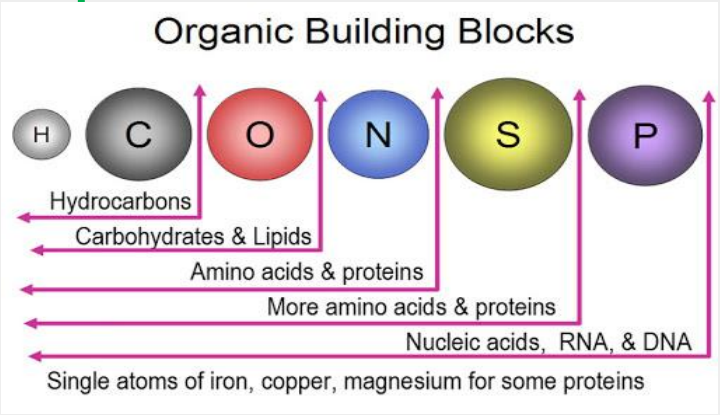
___, ___, ___, ___, ___, and ___ – most important elements present in biomolecules
Carbon Atom
important atom for different biomolecules
can form single, double, and triple bonds with other carbon atoms
can form single and multiple bonds with other atoms (H, O, N, etc.)
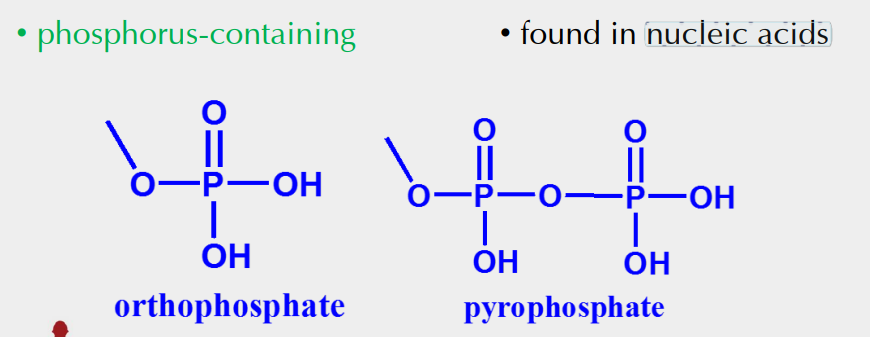


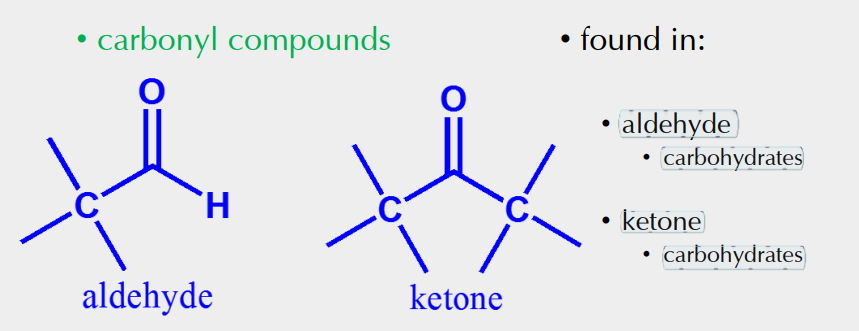
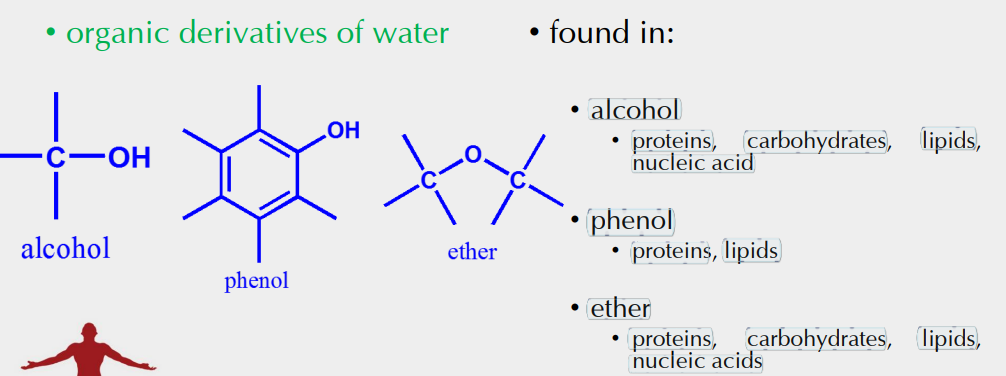
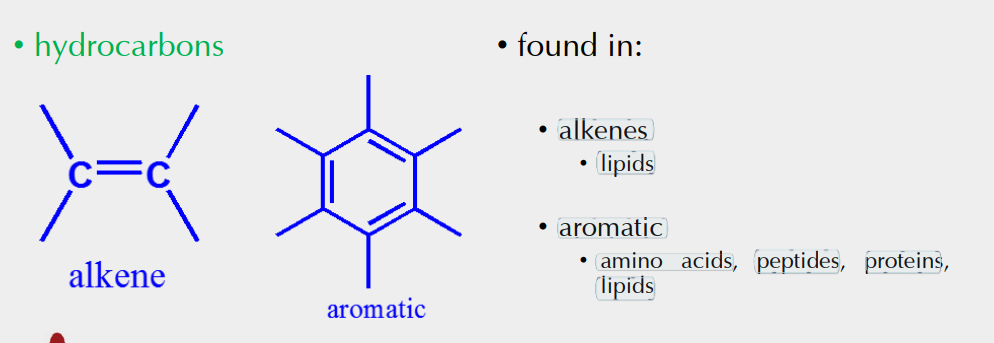
Classes of Organic Compounds
commonly found in biomolecules
_________________________________
_________________________________
_________________________________
_________________________________
_________________________________
_________________________________
_________________________________
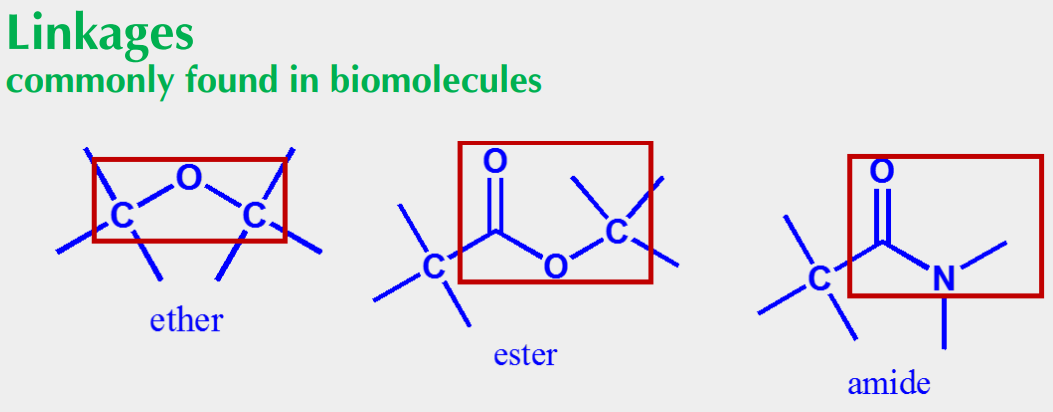
Linkages commonly found in biomolecules
_____________
_____________
_____________
nucleophilic substitution

Chemical Reactions commonly found in biomolecules
one atom or group is substituted with another atom or group
example: N-methylation of bacterial DNA
elimination reaction

Chemical Reactions commonly found in biomolecules
involves the removal of group of atoms resulting to the formation of a double bond
example: formation of isopentyl diphosphate
addition reaction

Chemical Reactions commonly found in biomolecules
two molecules combine to form a single product
example: formation of hydroxyacyl-CoA during fatty acid catabolism
isomerization reaction
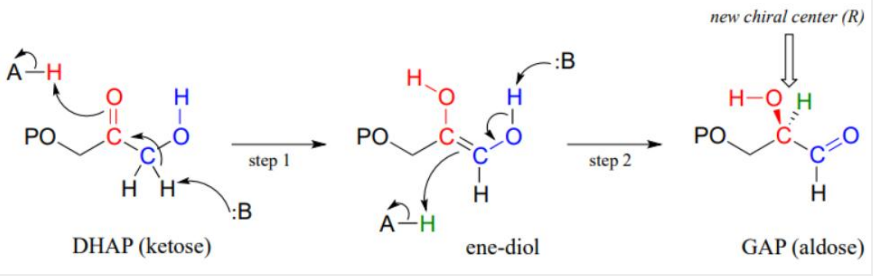
Chemical Reactions commonly found in biomolecules
involves intramolecular shift of atom(s)
example: conversion of dihydroxyacetone phosphate (DHAP) to glyceraldehyde-3- phosphate (GAP) during glycolysis
redox reaction

Chemical Reactions commonly found in biomolecules
involves transfer of electron(s) from an electron donor to an electron acceptor
example: reduction of pyruvate to lactate
hydrolysis reaction

Chemical Reactions commonly found in biomolecules
addition of water resulting to the breaking of a covalent bond
example: hydrolysis of triacylglycerols
Protein
Types of Biomolecules
most abundant biomolecule in the cell (around 15%)
most varied and most diverse in terms of structure and function
Protein
Types of Biomolecules
function
establishment and maintenance of structure
example: collagen
transport
example: hemoglobin
control and regulation
example: hormones
Protein
Types of Biomolecules
function
defense and immunity
example: immunoglobulin
catalysis
example: enzymes
movement
example: myosin
storage
example: ferritin
Carbohydrate
Types of Biomolecules
most abundant biomolecule on Earth
can either be a polyhydroxyaldehyde or polyhdroxyketone
Carbohydrate
Types of Biomolecules
function
energy source and storage
example: starch
structural integrity
example: cellulose
as conjugates to other macromolecules
glycoproteins
components of nucleic acids
DNA and RNA
Lipid
Types of Biomolecules
heterogenous in structure
exhibit low solubility/insolubility in water and solubility in organic solvents
Lipid
Types of Biomolecules
have very large hydrophobic (non-polar) portions
Lipid
Types of Biomolecules
function
fuel for metabolic processes
example: fats and oils
building blocks and vitamins
example: phospholipid
insulation
example: fats and oils
protective covering
example: suberin
Nucleic acid
Types of Biomolecules
chemical carriers of genetic information
two forms:
DNA (2’-deoxyribonucleic acid)
RNA (ribonucleic acid)
Nucleic acid
Types of Biomolecules
biopolymers of nucleotides linked by phosphodiester bond
Nucleic acid
Types of Biomolecules
function
energy currency in metabolic processes
ATP and ADP
structural components of cofactors and coenzymes
NADH and FADH2
as building blocks for molecular repositories of genetic information
DNA and RNA