WASTEWATER TREATMENT MIDTERM 2
 Call Kai
 Learn
Learn Practice Test
 Spaced Repetition
 Match
Match Flashcards
 Knowt Play
1/50

There's no tags or description
Looks like no tags are added yet.
Name | Mastery | Learn | Test | Matching | Spaced | Call with Kai | Chat |
|---|
No analytics yet
Send a link to your students to track their progress
51 Terms
total solids determined experimentally
the residue remaining after a wastewater sample has been evaporated and dried at specific temp (105 C)
total suspended solids determined experimentally
the portion of the TS retained on a filter with a specified pore size after being dried at a specific temp (105 C)
volatile suspended solids determined experimentally
measuring the weight loss of TSS after ignition in a furnace (temp 550 C)
total dissolved solids determined experimentally
solids that passed through the filter and then are evaporated and dried at specific temp (105 C)
what is often used as an estimate of microbial biomass
volatile suspended solids (VSS)
how BOD5 can be determined experimentally
sample is sealed in a bottle and incubated in the dark for 5 days
how COD can be determined experimentally
the acid digestion of the sample at elevated temperature followed by the colorimetric determination of the amount of oxidizing agent consumed (larger value than BOD5)
why do experimental BOD samples with too much or little change in DO get excluded from analysis
the bacteria consumed all available oxygen before the 5 days resulting in a falsely low value or the depletion is too small, leading to inaccurate measurements
what is sludge volume index (SVI), the significance of large or small value, and units
determines the settleability of activated sludge, volume in mL occupied by 1 gram of activated sludge after settling for 30 minutes (mL/g). Large value indicates poor settling, small value indicates very dense, rapidly settling sludge
aerobic
abundant free oxygen present (electron acceptor for microbes is oxygen)
anoxic
no free oxygen but nitrates present (chemically bound oxygen) (electron acceptor for microbes is nitrate)
anaerobic
complete absence of both free oxygen and bound oxygen
how does your favorite screen technology function?
stepped screens work by using alternating plates arranged like an escalator to catch solids. as water flows through, solids accumulate, forming a filtering carpet, the moving plates lift these screenings to a discharge point
how a few aspects of the design of primary clarifiers support their function
redundancy, multiple units capable of independent operation are required, baffles, weirs, and launders are important to prevent short-circuiting and particle resuspension
major design variable for primary clarifier
overflow rate = Q/A
how and why the primary clarifier design requirements are different for average vs peak flow conditions
average flow conditions emphasize treatment efficiency while peak flows emphasize hydraulic capacity and preventing solids washout
reasons why its important to reduce amount of solids in wastewater effluent
protect environment (oxygen depletion, eutrophication) preserve public health (pathogen reduction), maintain treatment infrastructure (prevent filter clogging), meet regulatory standards
roles of microorganisms in secondary treatment of wastewater
oxidize biodegradable (COD and BOD) breaking them down into simple end products and remove nutrients by converting N to gas and P into microbial cells
how oxidation and reduction are used by microorganisms during aerobic treatment of mixed liquor
air is bubbled to provide continuous source of O2, and organic matter acts as an electron donor (oxidation) and oxygen acts as the final electron acceptor (reduction) LEO says GER, converting contaminants into biomass
photo/chemo-
energy by sunlight and performed molecules
organo/litho-
electrons from organic and inorganic compounds
hetero/auto-
carbon from organic compounds and carbon dioxide
prokaryotic cells
no nucleus, very small and simple, unicellular (bacteria like E.coli)
eukaryotic cells
have a nucleus, larger and more complex (protozoa like Vorticella)
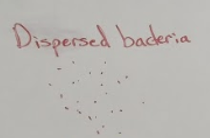
short SRT
small, dispersed flocs, high bacterial activity
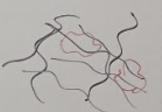
long SRT
large flocs, high density of stalked ciliates and rotifers
rbsCOD, why its important to reduce amount in effluent
basically BOD, readily biodegradable soluble chemical oxygen demand (microbe food) important to prevent dissolved oxygen depletion in discharge waters
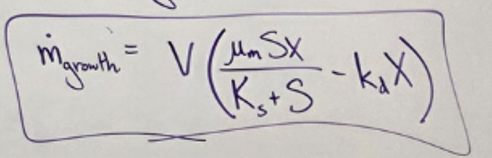
explain why each term affects the biomass production rate
V= bigger tank, more mass flowing
um =faster max rate, faster overall growth
S =more microbe food, faster growth of microbes
X =more existing microbes, faster growth of microbes
KS =bigger, need lots of microbe food to grow fast, smaller, microbes can growth fast with small amount of food
kd = bigger, small net biomass increase because they are dying
first-order reaction conditions
S « Ks (very little food) simplifies to u= um/ks S
zero order reaction conditions
S » Ks (lots of food) simplifes to u = um
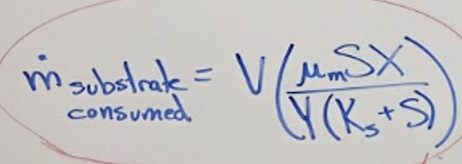
why each of the terms affects the substrate consumption rate
V= larger volume, more substrate consumed
um = faster max rate, faster consumption
S= more food, more substrate consumption
KS = increasing reduces the rate of consumption
Y= increasing decreases the consumption
X= more biomass, more activity and higher consumption rate
HRT
hydraulic retention time, how long water stays in treatment tank (V/Q)
SRT
solids retention time, how long microbes spend in the system (SRT > HRT) “sludge age”, mean cell retention time (MCRT)
F/M
food-to-microorganism ratio, used to balance the food organic load entering the system with the biomass available to treat it, high value means theres an abundance of food relative to number of microbes
critical MCRT
represents the exact point where the rate of microorganism growth equals the rate of cell wasting or loss, if SRT is lower than the critical SRT washout occurs and you lose activated sludge microbes from system
why its important to reduce amount of nitrogen and phosphorus in wastewater effluent
Necessary to protect receiving waters from algae blooms and associated problems (eutrophication), oxygen depletion, and destruction of aquatic ecosystems
nitrification
NH3 ammonia → NO3 - nitrate (requires aerobic conditions)
denitification
NO3 - nitrate → N2 gas (favored in anoxic conditions)
how oxidation and reduction are used by microbes during nitrification
microbes oxidize ammonia to nitrate under aerobic conditions, using the reactions as a source of energy
how oxidation and reduction are used by microbes during denitification
microbes reduce nitrogen compounds using them as electron acceptors in respiration when oxygen is absent
CBOD vs NBOD
carbonaceous BOD vs nitrogenous BOD (directly related to nitrification)
strategies for removing nitrogen and phosphorus from wastewater
removing nitrogen- two steps nitrification and denitrification (nitrogen is converted to gas and leaves the water)
removing phosphorous - chemical precipitation and enhanced biological phosphorus removal EBPR (forming solid precipitates and PAOs absorbing phosphrous)
purpose of screening devices + examples of materials removed
to prevent large floating solid materials from incoming raw sewage, protecting downstrea equipment from clogging and damage (plastics, toilet paper and wipes, wood and debris)
purpose of sludge recycle system
maintain a sufficient concentration of microbes in the aeration tank
purpose of mixed liquor recycle
to enhance nitrogen removal by transporting nitrogen rich water from aerobic zone
how phosphorus removal can be accomplished via chemical means
phosphate + ferric = precipitate (settled in secondary sludge) + aqueous Cl

how are phosphate-accumulating organisms (PAOs) used in EBPR
in anaerobic zone PAOs break down stored poly-P for energy, allowing a high concentration of phosphorus to be released into the wastewater, then in the aerobic zone PAOs break down the C-based stores and take excess phosphorus from water to store as poly-P
purpose of sludge thickening and stabilization
both part of sludge processing, thickening to separate some water from the solids, and stabilization is reducing pathogens and odors
describe favorite sludge thickening technology
gravity belt thickening: sludge is poured onto a fabric conveyor belt and water drips through
purpose of anaerobic digestion in wastewater sludge processing
further microbial activity to reduce pathogens and odors and also produces usable methane
group of microorganisms responsible for producing methane in anaerobic digestors
methanogens