GCE Edexcel AS Keywords
 Studied by 1 person
 Call Kai
 Learn
Learn Practice Test
 Spaced Repetition
 Match
Match Flashcards
 Knowt Play
1/98

There's no tags or description
Looks like no tags are added yet.
Name | Mastery | Learn | Test | Matching | Spaced | Call with Kai |
|---|
No analytics yet
Send a link to your students to track their progress
99 Terms
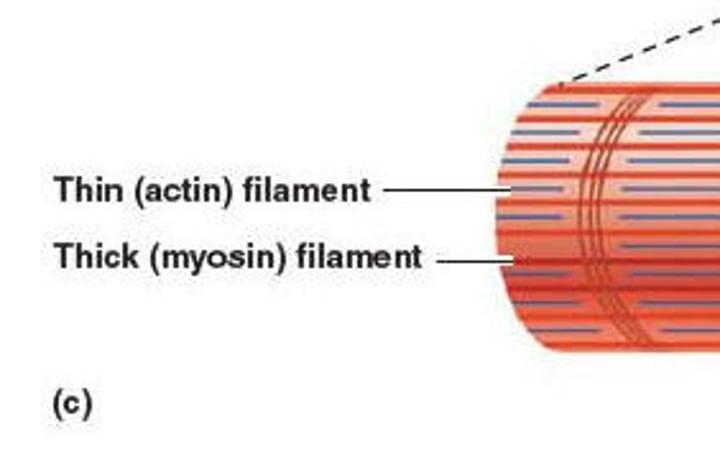
Actin
Thin protein filament found in the myofibril.
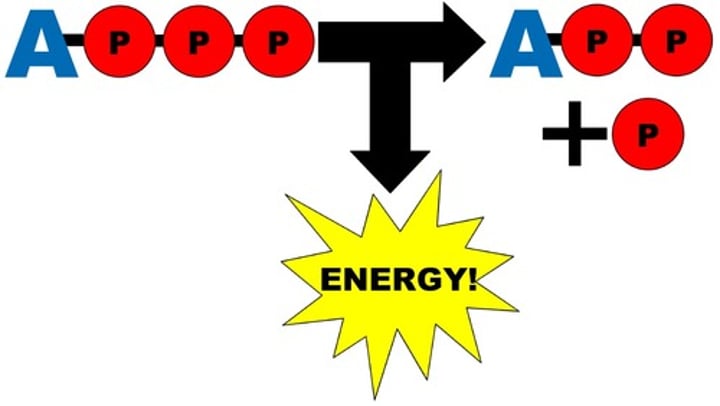
Adenosine tri phosphate (ATP)
The energy currency of the body, found in all cells, when broken down it releases stored energy.
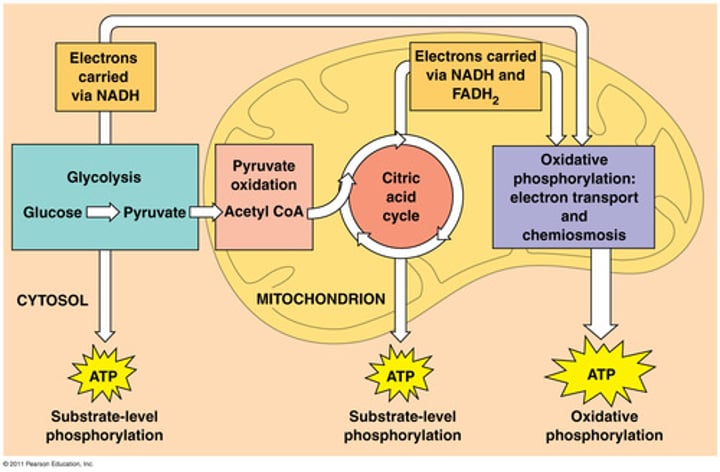
Aerobic
With oxygen.
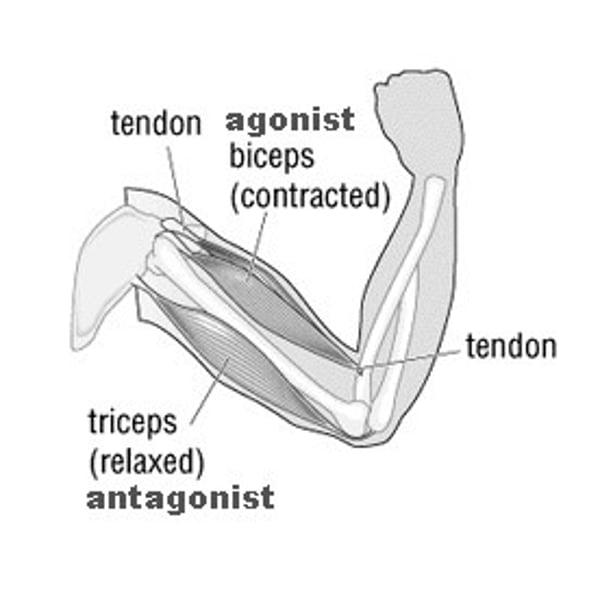
Agonist
Muscle primarily responsible for a given movement
All or None Law
Each muscle fibre within a motor unit either contract or do not contract; there is no such thing as a partial contraction
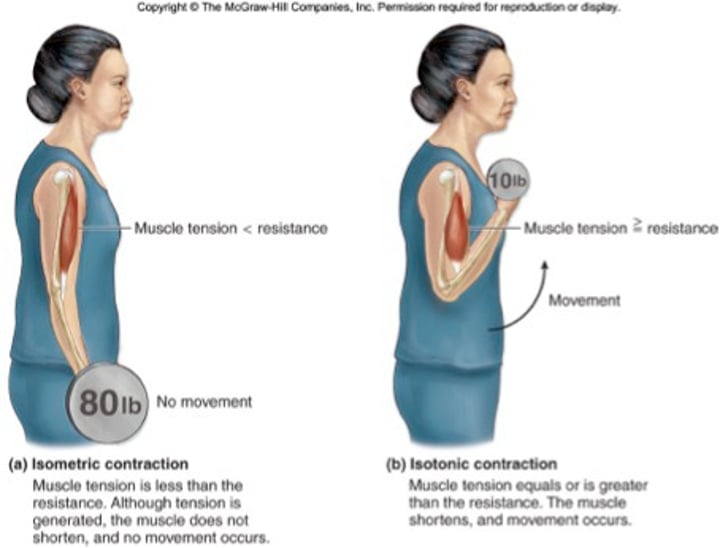
Antagonist
A muscle that opposes an agonist for a given movement and prevent overstretching of the agonist.
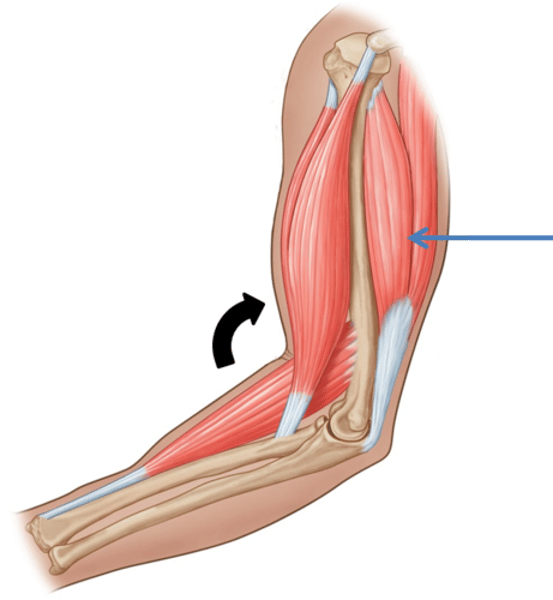
Bradycardia
The reduction in resting heart rate that accompanies training. Resting heart rate below 60 beats per minute.
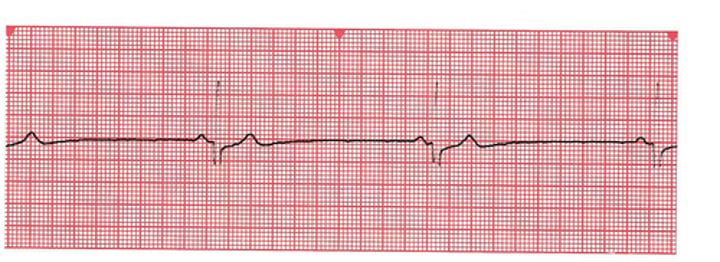
Centre of mass
The point where all the mass of a body is concentrated and the sum of all the moments of inertia of the body is zero
Dehydration
The condition which occurs when the amount of water in the body falls below normal, disrupting the balances of sugars and salt (electrolytes) in the body

Electrolytes
Ions (electrically charged particles) of salts such as sodium

Electrolyte balance
The proportion/concentration of electrolytes within the fluids of the body.
Fixator
A muscle which allows the prime mover to work more efficiently by stabilising the bone where the prime mover originates.
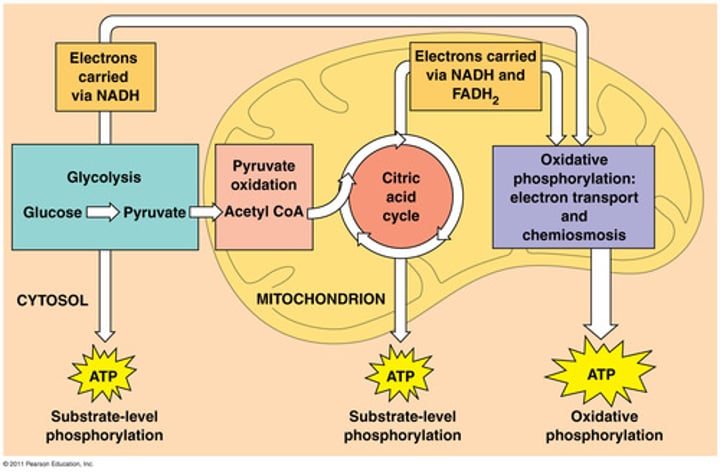
Glycolysis
Process of breaking down glycogen into pyruvic acid, producing some (4) ATP.
Hydration
Being hydrated means the body has the correct amount of water in cells, tissues and organs to function correctly.
Hypertonic drinks
When the glucose osmolality of the drink is greater than the blood.

Hypotonic drinks
When the glucose osmolality of the drink is lower than the blood.
Isotonic drinks
When the glucose osmolality of the drink is the same as blood.

Karvonen's Theory
A method of calculating target heart rate zone. Target Heart Rate = target heart rate range × %Intensity) + resting HR
Motor neurones
Nerves that carry information from the central nervous system to the skeletal muscles.
Motor units
A motor neurone and the muscle fibres it controls.
Movement time
Time from the start of the response or movement to the completion of the movement.
Myofibril
Part of a muscle fibre contains sarcomeres and the contractile proteins actin and myosin.
Myoglobin
Protein found in the sarcoplasm. It has a high affinity for oxygen and helps transport oxygen from the capillary to the mitochondria.
Myosin
Thick protein filament found in the myofibril.
Optimal loading
A rehabilitation programme to encourage faster recovery.
Partial pressure
The pressure a gas exerts in a mixture of gases
Periodisation
Dividing the overall training programme into parts/periods that are designed to achieve different goals.
Phosphocreatine (PC)
An energy-rich compound of creatine and phosphoric acid, found in the muscle cells.
Pressure gradient
When there is a difference in neighbouring or adjoining pressures
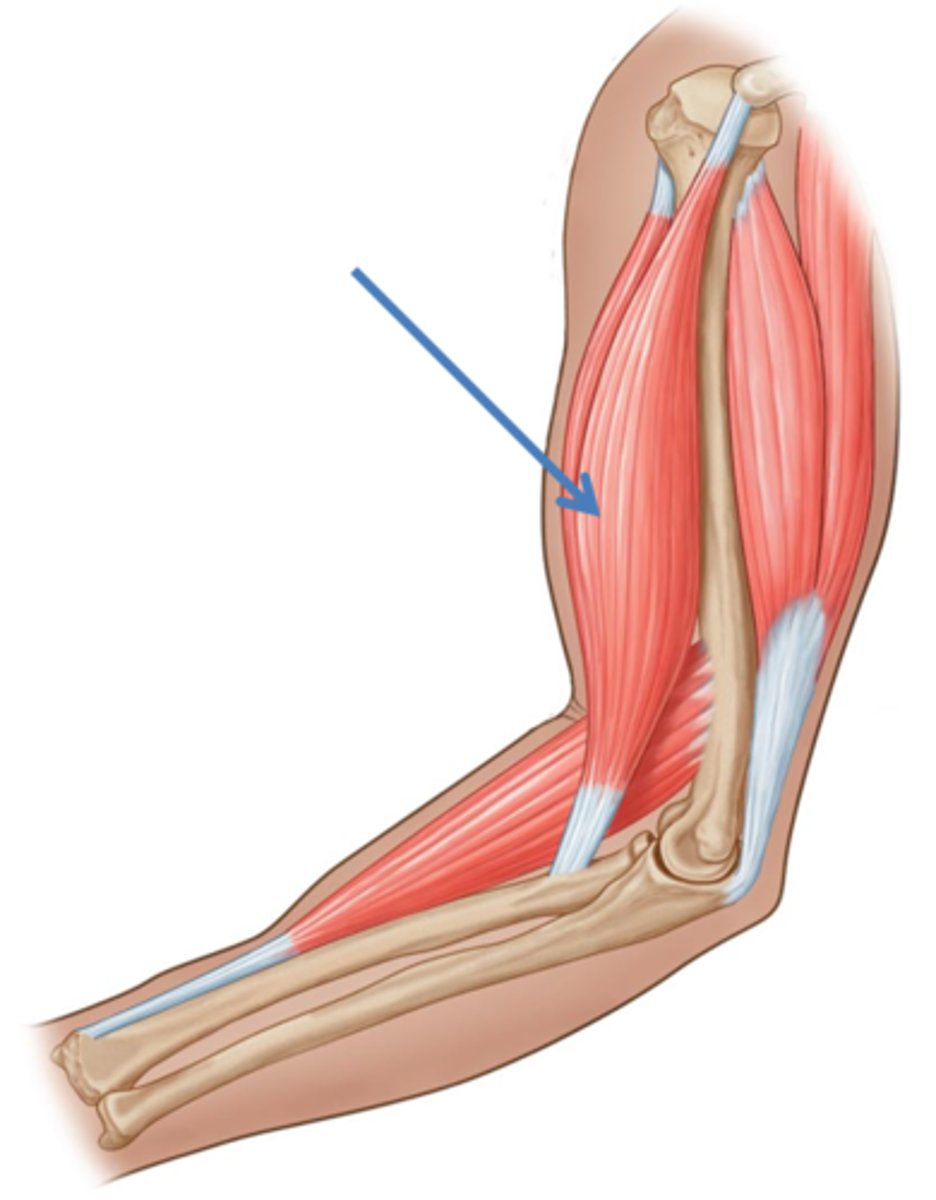
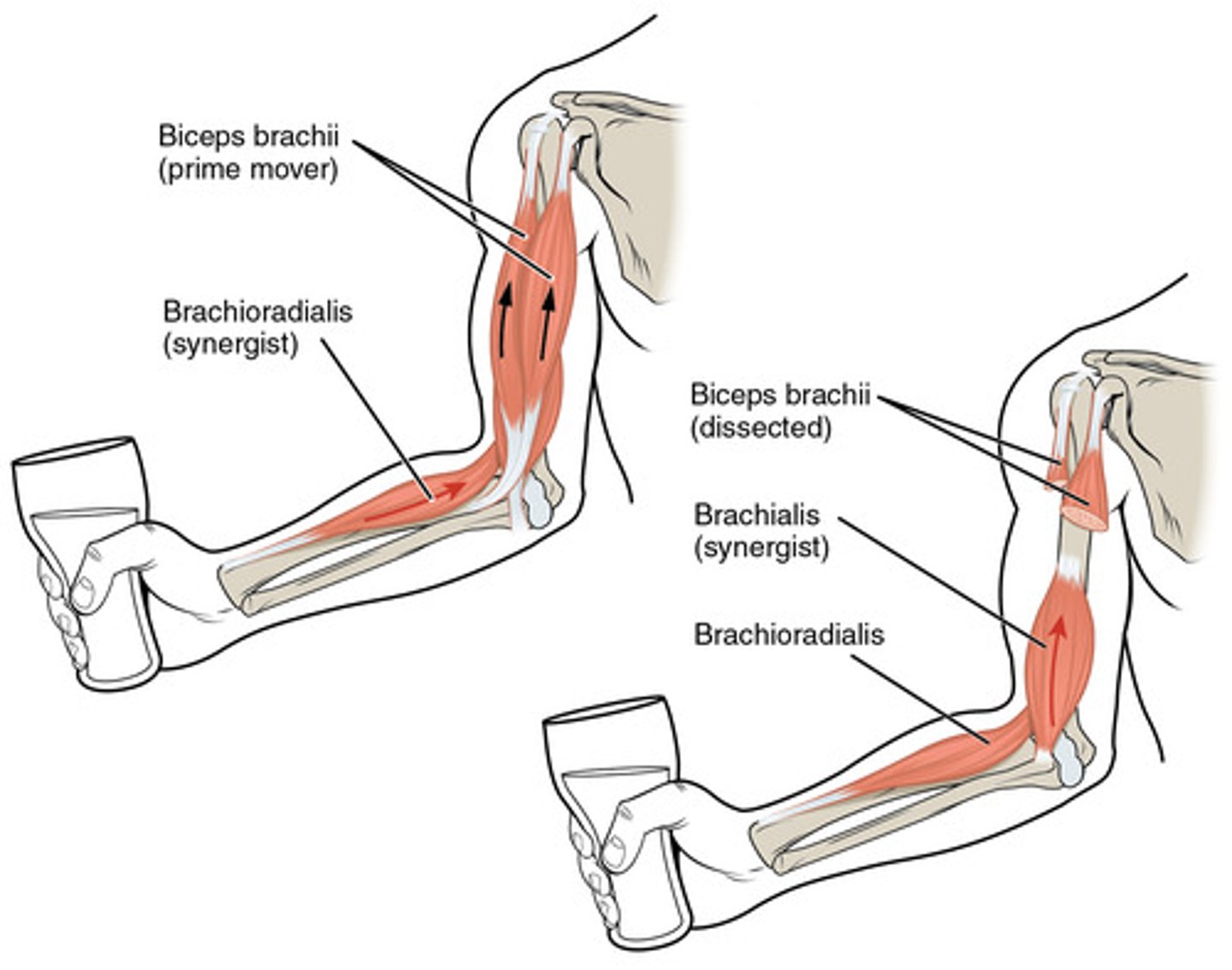
Prime mover
The muscle that is directly responsible for creating the movement produced at a joint.
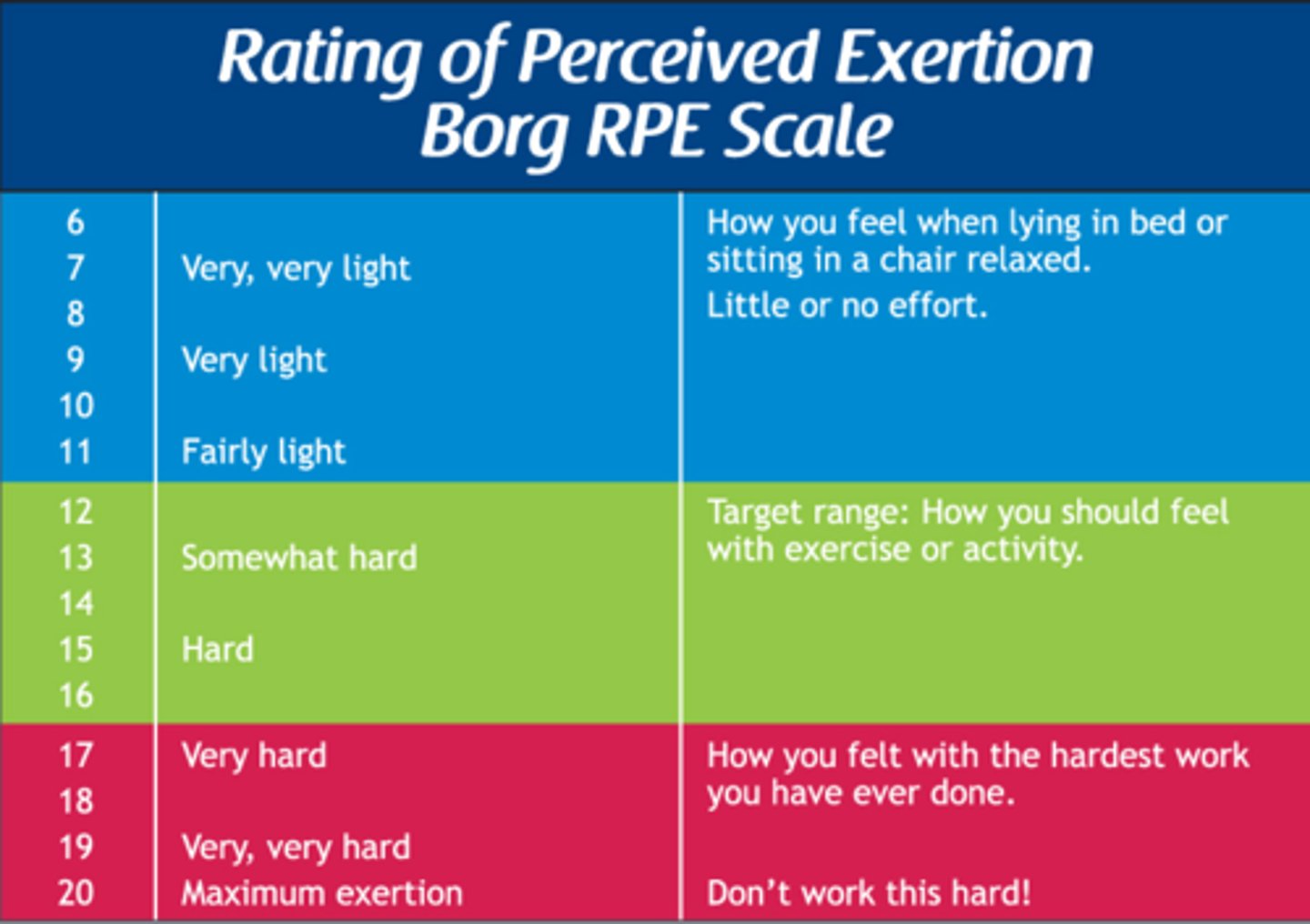
Rate of Perceived Exertion (RPE)
A subjective rating (on the Borg Scale) of how hard the performer thinks their body is working based on their physical sensations during exercise such as increased heart rate, breathing rate, sweating and muscle fatigue.
Synergist
A muscle which aids the action of a prime mover by stabilising the joint at which the prime mover acts.
Tropomyosin
Thread-like protein that winds around the surface of actin.
Troponin
Globular protein on actin filament.
Type I
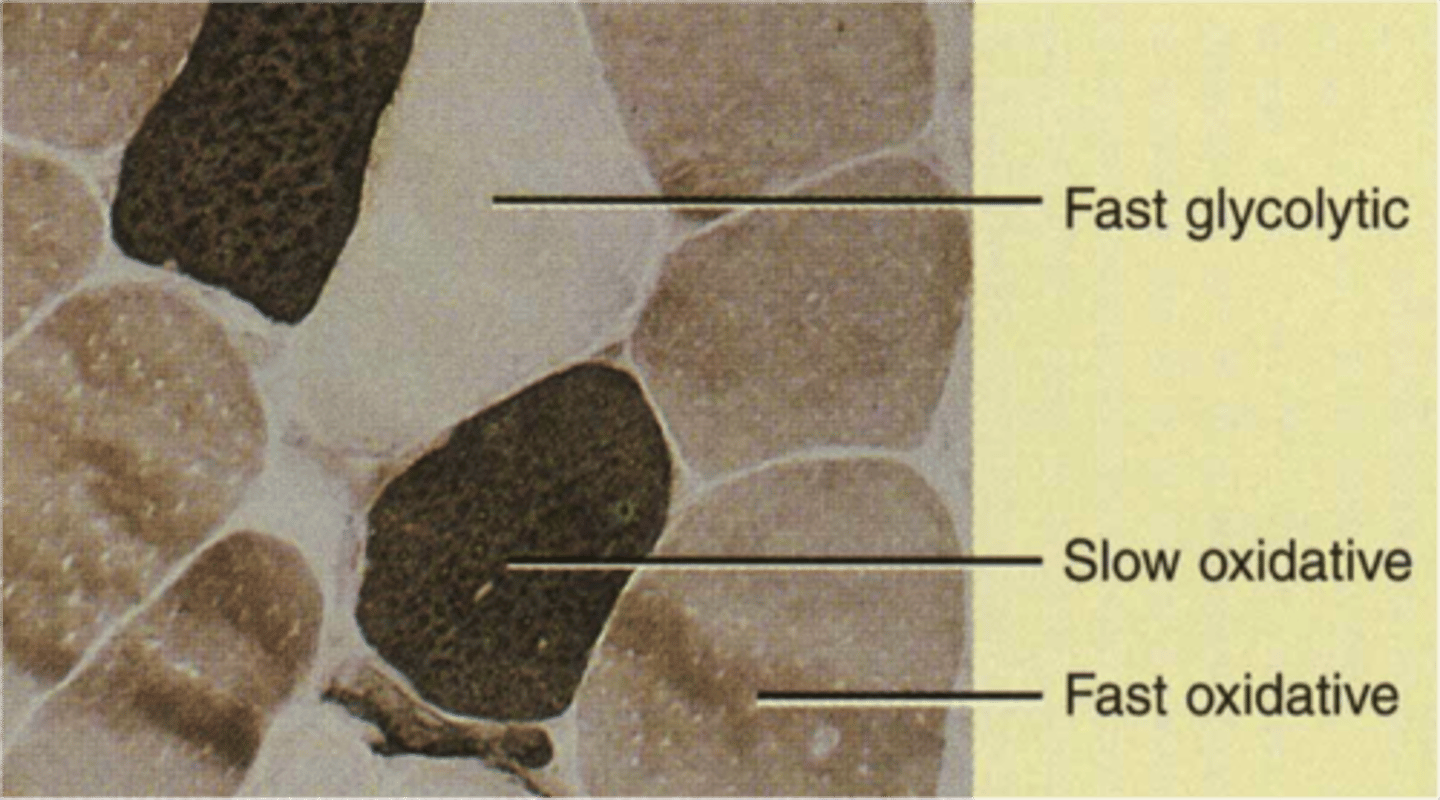
Also known as slow twitch muscle fibres, they are suited to low intensity aerobic work, can be used for a long period of time without fatiguing.
Type IIa
These are fast oxidative glycotic muscle fibres, fast contraction, large force, fatigue easily. They are used in anaerobic work, but can be improved through endurance training to increase their resistance to fatigue.
Type IIx (previously type IIb)
These are fast glycotic muscle fibres, very rapid contractions, very large forces, fatigues very easily. They are used in anaerobic work.
Wave summation
An increase in contraction strength as result of muscles that are rapidly stimulated being unable to relax between repeated stimulations.
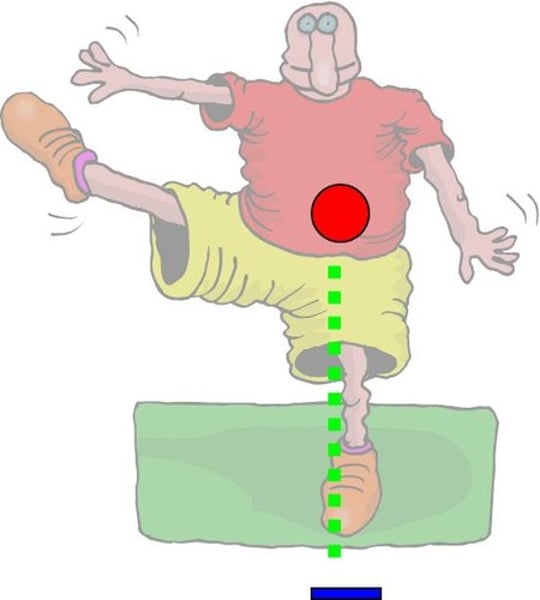
Recovery phase of a skill
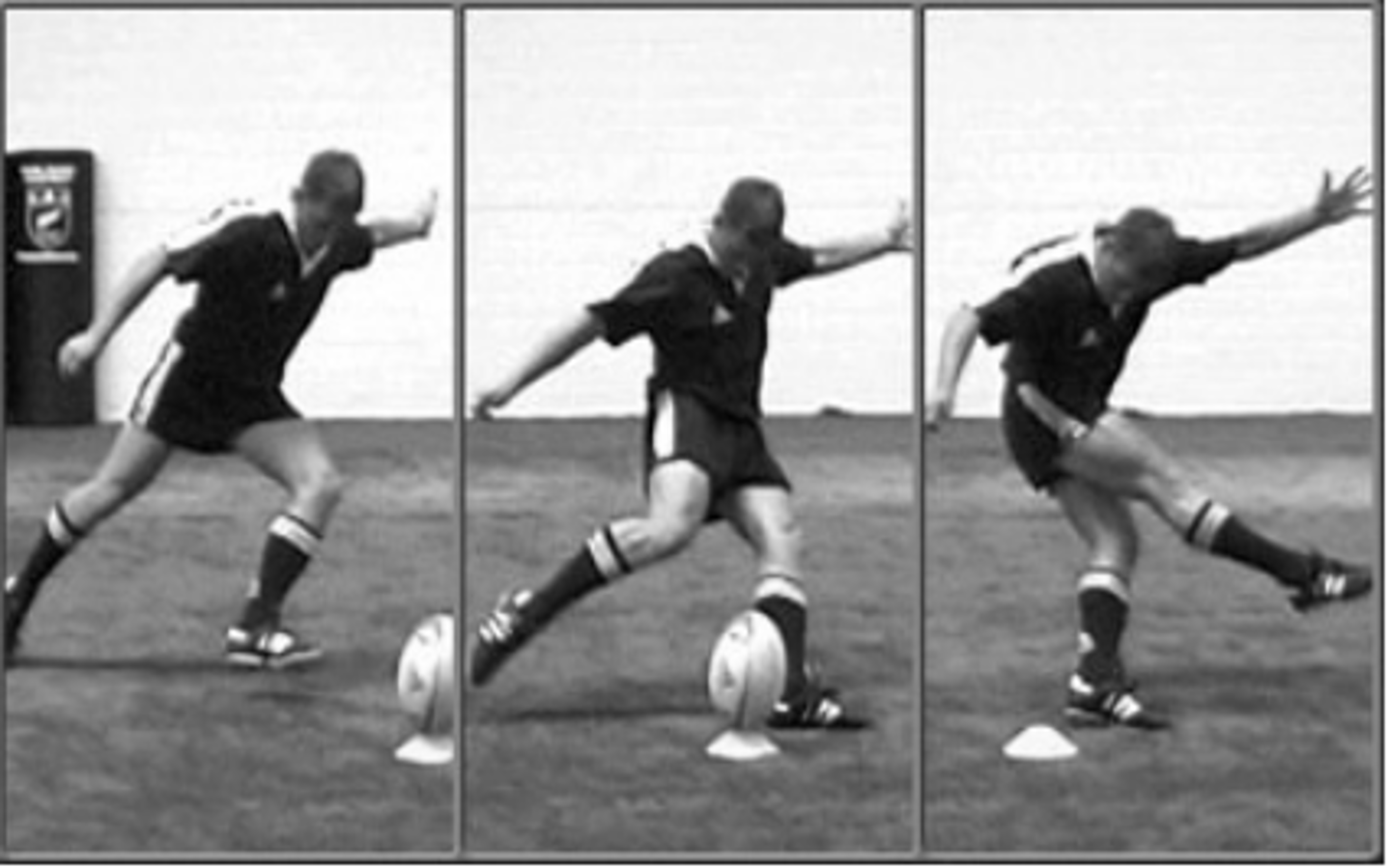
Refers to the body movements occurring after the execution phase. This phase is where the movement slows down after impact and the player prepares for the next action. For example, the high leg-lift after place-kicking a goal. The follow-through is important in slowing the body parts down over a longer period of time, absorbing the forces produced and helping to prevent injuries.
Spatial Summation
Fatigue is spread across the entire muscle rotating the recruitment across all the fibres to build in recovery time.
Pressure Gradient
Difference in neighboring or adjoining pressures.
Gaseous Exchange
The movement of gases.
Diffusion
The movement of gases to one area to another (high to low pressure)
VO2 Max
Maximum volume of O2 that can be taken into the body and utilised.
Tidal Volume
The respiratory volume during normal quiet breathing
Inspiratory Reserve Volume
The amount of air that forcibly inspire beyond the tidal volume
Expiratory Reserve Volume
The amount of air that can be evacuated from the lungs after tidal volume
Residual Volume
The amount of air that remains in the lungs after expiration
Inspiratory Capacity
The total amount of air that can be inspired after tidal expiration
Functional Residual Capacity
The amount of air remaining in the lungs after tidal volume
Vital Capacity
The total amount of exchangeable air
Total Lung Capacity
The sum of all lung volumes
Anatomical dead space
Some of the inspired air fills the conducting passage ways and never contributes to gaseous exchange
Muscular endurance
The ability of a muscle group to sustain repeated contractions over time sufficient enough to cause muscle fatigue
Aerobic Endurance
The ability to provide and sustain vigorous total body activity aerobically
Strength
The maximum force exerted by a specific muscle or muscle group during a single maximal muscle contraction. Or 1 Repetition maximum
Speed
The maxium rate which a person is able to move his or her body
Flexibility
the range of movement at a joint
Body Composition
The relative percentage of fat, bone and muscle
Power
The ability to use strength quickly
Reaction Time
Time taken to respond to a stimulus
Agility
The ability to change body position quickly
Coordination
The ability to perform smooth and accurate motor tasks, often involving the use of senses (Hand and Eye)
Balance
The ability to retain the centre of mass of a sportsman body over the base of support
What is periodisation?
Dividing the year up into blocks called cycles with specific training in each cycle.
Macrocyle
Can last a year or a season. Consists of a preparation phase, competition phase and transition phase.
Mesocycle
Lasts 4-12 weeks. There is a specific focus, e.g. new skills or improving power.
Microcycle
Lasts one week, there may be 4 microcycles in one month. A plan for training sessions over a week is made.
Preparation phase
Consists of general conditioning and maintaining high fitness levels.
Competition phase
Consists of improving skills and techniques, performance and tactics and maintaining high fitness levels.
Transition phase
Consists of active rest and recovery.
Double periodisation
When an athlete needs to peak more than once in a season - e.g. for cross country in the winter and track in the summer, so repeat cycles within a year.
Tapering
Reducing the intensity of training prior to a competition.
Peaking
Planning the training so you''re at your peak for a major competition.
Sub-maximal aerobic fitness:
the ability to maintain a high percentage of VO2 max for a prolonged period of time. This is essential for long duration aerobic activity, for example long distance running.
Maximal aerobic fitness:
the maximum volume of oxygen that can be utilized in one minute. This is the upper limit of the aerobic system (the person's VO2 max).
Exercise economy:
energy required to maintain a constant velocity of movement. This is the ability to transfer energy into movement. For example, if two people running at the same speed, one of them could be using less energy than the other because they are more economic.
Anaerobic capacity:
the amount of energy obtained from anaerobic sources (creatine phosphate breakdown and anaerobic glycolysis) in a single bout of exercise. This is the greatest amount of energy that can be released from the anaerobic system. There is only a limited amount of energy that can be produced anaerobically, when it is used up the athlete must slow down however it can be (partially) replenished during rest intervals or low-intensity periods of a match.
Anaerobic power:
the rate at which energy is produced. This is the fastest rate at which energy (ATP) can be produced anaerobically during an activity. If two athletes are equal in terms of movement economy, then the athlete with greatest anaerobic power will be the fastest. It is an important factor in sprint speed but not the only factor.
Maximum speed:
The time taken to move a body (part or whole) through a movement over a pre-determined distance OR speed (distance divided by time). This is the fastest sprint speed attainable. It is determined not only by the rate of ATP production but also by fast twitch fibre recruitment and force production. The diagram above shows the main physiological factors that influence these determinants of performance.
Muscular endurance:
the ability of a muscle or specific group of muscles to sustain repeated contractions against a resistance for an extended period of time.
VO2 max:
maximum volume of oxygen that can be utilized in one minute.
Anaerobic capacity:
the amount of energy obtained from anaerobic sources (creatine phosphate breakdown and anaerobic glycolysis) in a single bout of exercise.
Maximal strength:
The maximum force that can be developed in a muscle or group of muscles during a single maximal contraction.
Strength:
The force that can be developed in a muscle or group of muscles during a contraction.
Power:
The rate at which force is produced. Speed x Strength
Speed:
Time taken to move a body (part or whole) through a movement over a pre-determined distance OR speed (distance divided by time).
Agility:
Changing position quickly and with control without losing balance in response to a stimulus.
Coordination:
The ability of the body to link movements together, either with other movements or in relation to an external object
Reaction time:
The time taken for a performer to respond to a stimulus and the initiation of their response.
Balance:
The ability to maintain your centre of mass over a base of support. There are two types: static and dynamic.
Flexibility:
The range of movement available at a joint.
Exercise economy:
Energy required to maintain a constant velocity of movement.
Agonist
The muscle that is the primary instigator of a joint when it contracts
Antagonist
The muscle that opposes the motion of the agonist becoming shorter in length
Concentric
A muscular contraction that involves the muscle becoming shorter in length
Eccentric
A muscular contraction that involves the muscle lengthening
Isometric
A muscular contraction that involves no change in muscle length
Isotonic
Describes a change in muscular length as it undergoes contraction
 Note
Note  Flashcards (46)