PSY2012 Ch.4 - Sensation and Perception
 Call Kai
 Learn
Learn Practice Test
 Spaced Repetition
 Match
Match Flashcards
 Knowt Play
1/41

There's no tags or description
Looks like no tags are added yet.
Name | Mastery | Learn | Test | Matching | Spaced | Call with Kai | Chat |
|---|
No analytics yet
Send a link to your students to track their progress
42 Terms
sensation
process of receiving stimulus energies from the external environment
perception
process of organizing and interpreting sensory information to give it meaning
bottom-up processing
begins with sensory receptors registering environmental information and sending it to the brain for analysis and interpretation; “perception directs cognition”
top-down processing
processing of perceptual information that starts out with cognitive processing at the higher levels of the brain; “perception is constructed by cognition”
psychophysics
study of the links between the physical properties of stimuli and a person’s experience of them
absolute threshold
minimum amount of stimulus energy that a person can detect; the point at which stimuli is detected 50% of the time
subliminal perception
detection of information below the level of conscious awareness
difference threshold
smallest difference in stimulation required to discriminate one stimulus from another 50% of the time

Weber’s law
two stimuli must differ by a constant minimum percentage to be perceived as different
signal detection theory
detection of stimuli depends on a variety of factors besides the physical intensity of the stimulus and the sensory abilities of the observer
information acquisition
one component of signal detection theory; “what information is present?”
criterion
one component of signal detection theory; “is the signal for detection present?”
perceptual set
preexisting expectations/readiness to perceive a stimulus in a certain way
trichromatic theory
color perception is produced by 3 types of receptors that are particularly sensitive to different, but overlapping ranges of wavelengths
opponent-process theory
cells in the visual system respond to red-green and blue-yellow colors; evidence found in afterimages

gestalt
people tend to organize visual elements into “unified wholes” when certain principles are applied; the whole is different from the sum of its parts
gestalt theory
1. objects will be perceived in their simplest form
2. humans naturally follow lines or curves
3. the mind will attempt to fill in detail that isn’t actually there
continuation
gestalt principle which states the eye is compelled to move through one object and continue to another

closure
gestalt principle which occurs when an element is incomplete or a space is not totally enclosed; the viewer will subconsciously fill in the missing information

similarity
gestalt principle

proximity
gestalt principle which occurs when elements are placed close to each other; helps to portray a relationship between the separate parts

symmetry
gestalt principle which states elements that are symmetrical to each other tend to be perceived as a unified group

figure & ground
gestalt principle which states the eye differentiates an object from its surrounding area

depth perception
our ability to perceive objects three-dimensionally
binocular cues
depth cues based on the combination of the images of the left and right eyes
monocular cues
depth cues that are available from the image in either eye
familiar size
cue to the depth & distance of objects based on what we have learned from experience about the standard sizes of objects

height in the field of view
all other things being equal, objects positioned higher in a picture are seen as farther away

linear perspective
objects that are farther away take up less space on the retina; parallel lines appear to converge

overlap
an object that partially conceals or overlaps another object is perceived as closer

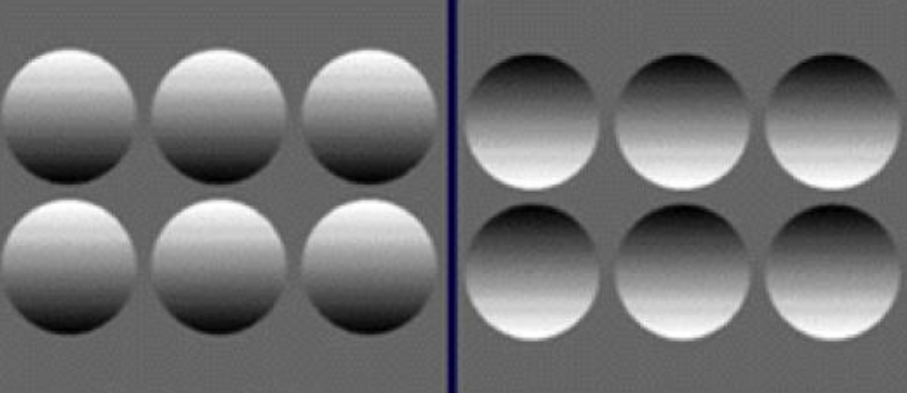
shading
involves changes in perception due to the position of the light and position of the viewer
texture gradient
texture becomes denser and finer the farther away it is from the viewer, creating depth

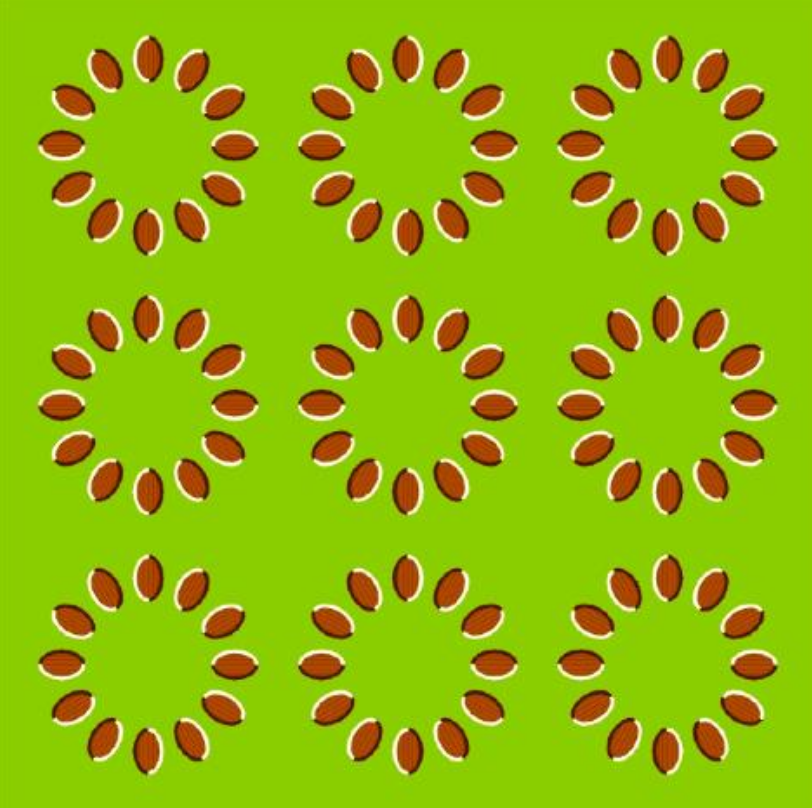
apparent movement
occurs when an object is stationary, but we perceive it as moving
perceptual constancy
the recognition that objects are constant and unchanging even though sensory input about them is changing
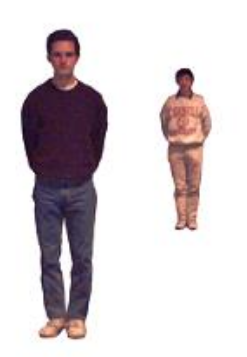
size constancy
the recognition that an object remains the same size even though the retinal image of the object changes
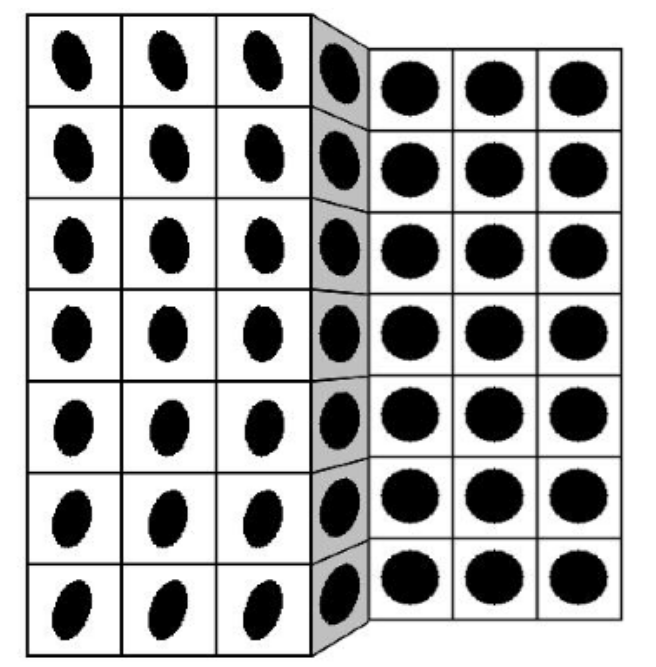
shape constancy
the recognition that an object remains the same shape even though its orientation to us changes
brightness constancy
the recognition that an object remains the same degree of brightness even though different amounts of light fall on it

visual illusions
occur when there is a discrepancy between reality and the perceptual representation of it
pain
the sensation that warns us that damage is occurring to our bodies
gate control theory of pain
states that the spinal column contains a neural gate that can be opened (allowing the perception of pain) or closed (blocking the perception of pain)
olfactory epithelium
sheet of receptor cells for smell that lines the roof of our nasal cavity
major histocompatibility complex
mates with differing genes from us generate the healthiest offspring because they contribute broader immune systems to the gene pool