Functional Groups
 Note
Note Call Kai
 Learn
Learn Practice Test
 Spaced Repetition
 Match
Match Flashcards
 Knowt Play
1/53

There's no tags or description
Looks like no tags are added yet.
Name | Mastery | Learn | Test | Matching | Spaced | Call with Kai | Chat |
|---|
No analytics yet
Send a link to your students to track their progress
54 Terms
Alkane (Alkyl)
Single bonds. only carbons
Alkene (Alkenyl)
Double bonds between carbons
Alkyne (Alkynyl)
carbon–carbon triple bond
Phenyl
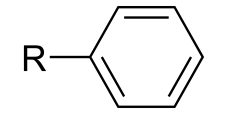
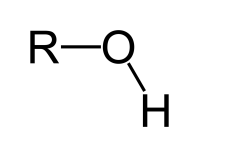
Alcohol (Hydroxyl)
OH Group
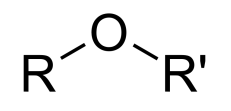
Ether
Oxygen with 2 R groups (carbon)
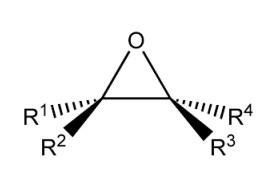
Epoxide
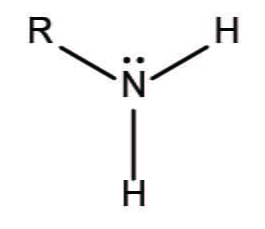
Amine
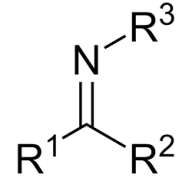
Imine
Carbon-nitrogen double bond
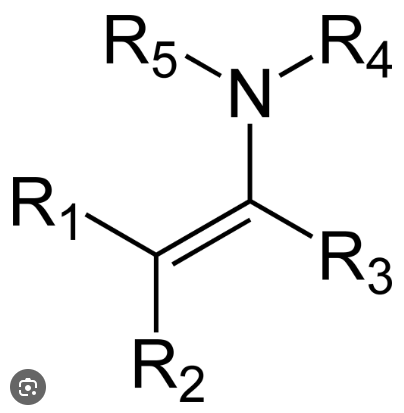
Enamine
Nitrile/Isonitrile (Cyano)
-C≡N.
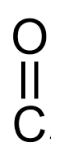
Carbonyl
carbon atom double-bonded to an oxygen atom
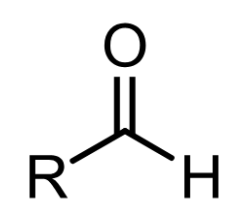
Aldehyde
A carbonyl group (C=O) located at the end of a carbon chain.
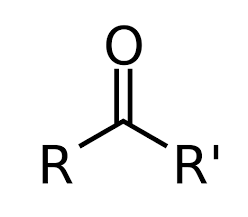
Ketone
A carbonyl group (C=O) located within a carbon chain, with two carbon substituents.
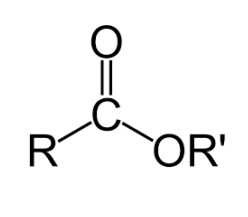
Ester
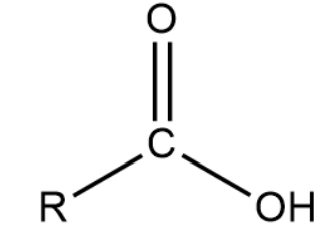
Carboxylic Acid
1 carbon chain
meth-
2 carbon chain
eth-
3 carbon chain
prop-
4 carbon chain
but-
5 carbon chain
pent-
6 carbon chain
hex-
7 carbon chain
hept-
8 carbon chain
oct-
9 carbon chain
non-
10 carbon chain
dec-
The suffix for substituents
-yl
The suffix for the main chain
-ane
order in which the substituents go when writing name
alphabetical order by number of carbons in chain (ex: but-) except iso for some fucking reason
Ph
Benzene ring
Me
Methyl group - CH3
Ar
Aromatic “rings” with double bonds - not on exam
2 pi bonds
sp - hybridization
1 pi bond
sp2
0 pi bonds
sp3
Formal Charge
Group # - number of bonds - unshared e-
Wedge
out of page
Hash
into page
What is resonance structure?
moving of pi bonds - sigma bonds don’t matter.
“not real” hybrid allows you to tell reactivity of an atom/how it will behave in a flask.
involve curvy arrows
must lead to a change in charge
shares the burden of the charges between atoms
stabilizing to the molecule
Rules for drawing resonance structures
negative charges placed on more EN atoms
number of charges reduced
no octet violations
make sure it can’t be “cancelled out”
Atom has to many e
octet violation
Atom doesn’t have enough e-
incomplete octet
Octet exceptions (in this class)
Sulfur and Phosphorus can have depleted octets. Only down to 6. Ignore hybridization.
Rules for drawing resonance hybrids
draw all partial charges
brackets
dotted lines
Tips for drawing resonance structures
# the atoms
draw the Hs
draw the lone pairs
Lewis acids and bases
H+ donors and receivers - the default when “acid” or “base” is said
Strength of Acid and Bases Relationship + Acronym
strong acids come from weak bases and visa versa
RSHE - most to least important
Resonance
Size - only applies to things in different rows (make into separate question if you don’t remember)
Hybridization
Electronegativity
Hybridization and Acid Sregth
The more S (sp>sp2>Sp3) the more acidic
Bronsted acids and bases
e- donors and receptors
R is not H
Nucleophile
“nucleous likes” - forms bond by donating e- - seeks positive center
Lewis Base
Electrophile
“electron likes” - forms bonds by accepting e-
Lewis Acid
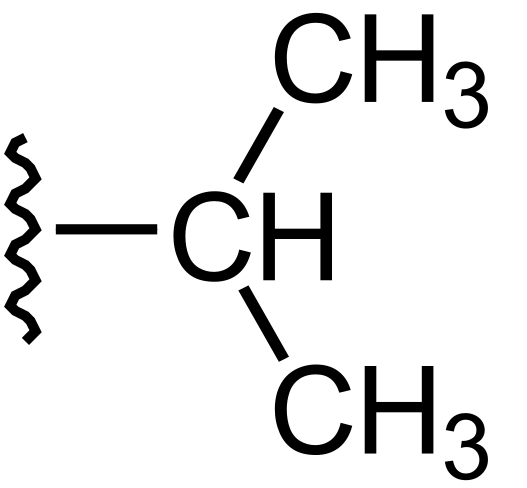
Isopropyl
substituent with middle carbon of a three carbon chain connected to the main chain
propanol
idk why this is here just mark it right - not on test