desert dust
 Studied by 0 people
 Call Kai
 Learn
Learn Practice Test
 Spaced Repetition
 Match
Match Flashcards
 Knowt Play
1/8

There's no tags or description
Looks like no tags are added yet.
Name | Mastery | Learn | Test | Matching | Spaced |
|---|
No study sessions yet.
9 Terms
desert dust storms
Dust storms affect many desert areas of the world. Event frequency and dust concentrations may both be very high.
dust in cities
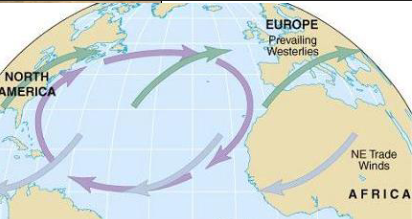
Dust is not restricted to deserts, some major cities are also affected. Finer dust is carried the furthest sometimes >10,000 km. Finer dust provokes more health effects than coarser dust - reaches alveoli.
Saharan windblown dust
origin of dust
Deserts, especially dried out lakes in depressions, which may include salts. Loess are thick layers of wind-blown silt and clay built up over millions of years. Seasonal silt and clay deposits from glacial melt waters.
high latitude dust storms
Active outwash from melting glaciers may be a source of dust storms. Outwash includes high proportion of rock flour - fine silt made by grinding of rocks in and beneath glaciers.
dust compositions
silicosis
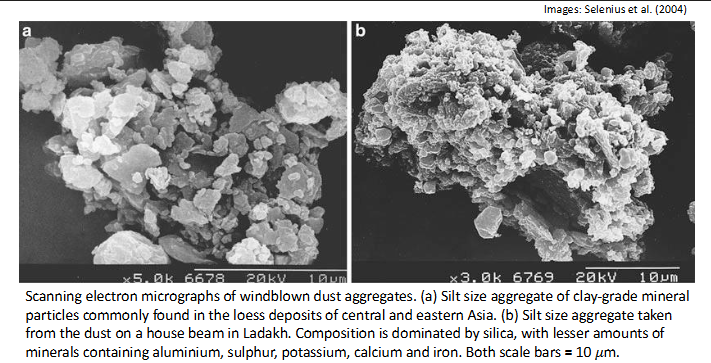
Silicosis is the most common chronic pneumoconiosis: desert dusts are mainly quartz. Much less studied than silicosis occupation-related cohorts. Also asthma exacerbation, cardiovascular diseases and infectious diseases.
desert dust and health in Iran
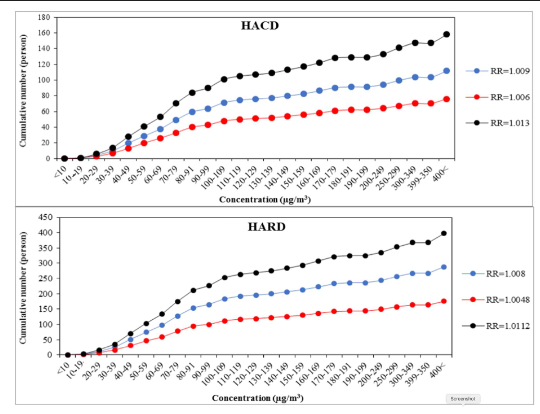
Number of people admitted for cardiovascular diseases (HACD top) and respiratory diseases (HARD bottom) to a hospital in Iran relative to PM10 concentration in air, for cohorts at high (black), medium (blue) and low (red) risk.
meningitis and dust
Hypothesis: inflammation of the nasopharynx (back of nasal passage) by dry, dusty winds allows N. meningitis to enter blood stream and brain.