DESN 206 plant id 1
 Call Kai
 Learn
Learn Practice Test
 Spaced Repetition
 Match
Match Flashcards
 Knowt Play
1/49

There's no tags or description
Looks like no tags are added yet.
Name | Mastery | Learn | Test | Matching | Spaced | Call with Kai | Chat |
|---|
No analytics yet
Send a link to your students to track their progress
50 Terms

Croprosma propingua
mingimingi
Found in lowland forest, along forest margins and streambanks, in scrub, gravelly places and along the edges of bogs and swamps.
Low maintenance requirements. It can be grown as a standalone specimen plant, or used as a hedge or ground cover. It is typically propogated by well-drained soils and a sunny to partly shaded location.

Pittosporum Tenuifolium
kohuhu
Adaptable to most well-drained soils and grows in full sun to partial shade, with the variegation typically showing best in a position that receives good light.
Excellent choice for hedging, screening, and windbreak planting, where its fast growth and dense foliage deliver results effectively, low maintenance native with genuine year-round apeal, pittosporum ‘limelight’ is a well proven performer.

Nandina domestica
Chinese Sacred Bamboo
Hardy for most sites. It prefers a sunny to partially shaded spot with well drained acidic soil.
Once established it requires minimal care, though watering during extended dry periods, an annual spring feed, and occasional pruning kepp it looking its best

Drepanostachyum falcatum
Blue Fairy
Thrives in both sun and shde, making it adaptable to a vatiety of environments. its cold hardiness down to -6C ensures that it remains healthy and vibrant even in cooler climates.
Consider planting Blue Fairy Bamboo in a bottomless planter, which allows the roots to access essential nutrients from the ground while keeping the plant contained. This ensures that the bamboo remains healthy and vigorous ove rthe long term compared to container planting where it may eventually suffer from limited access to water and nutrients.

Agave sp
Agave
Full sun, well drained soil. Drought tolerant.
Shallow root system of rhyzomes which collect moisture in soil/air. in colder climates they may need to be brought in through winter or grown in greenhouses.
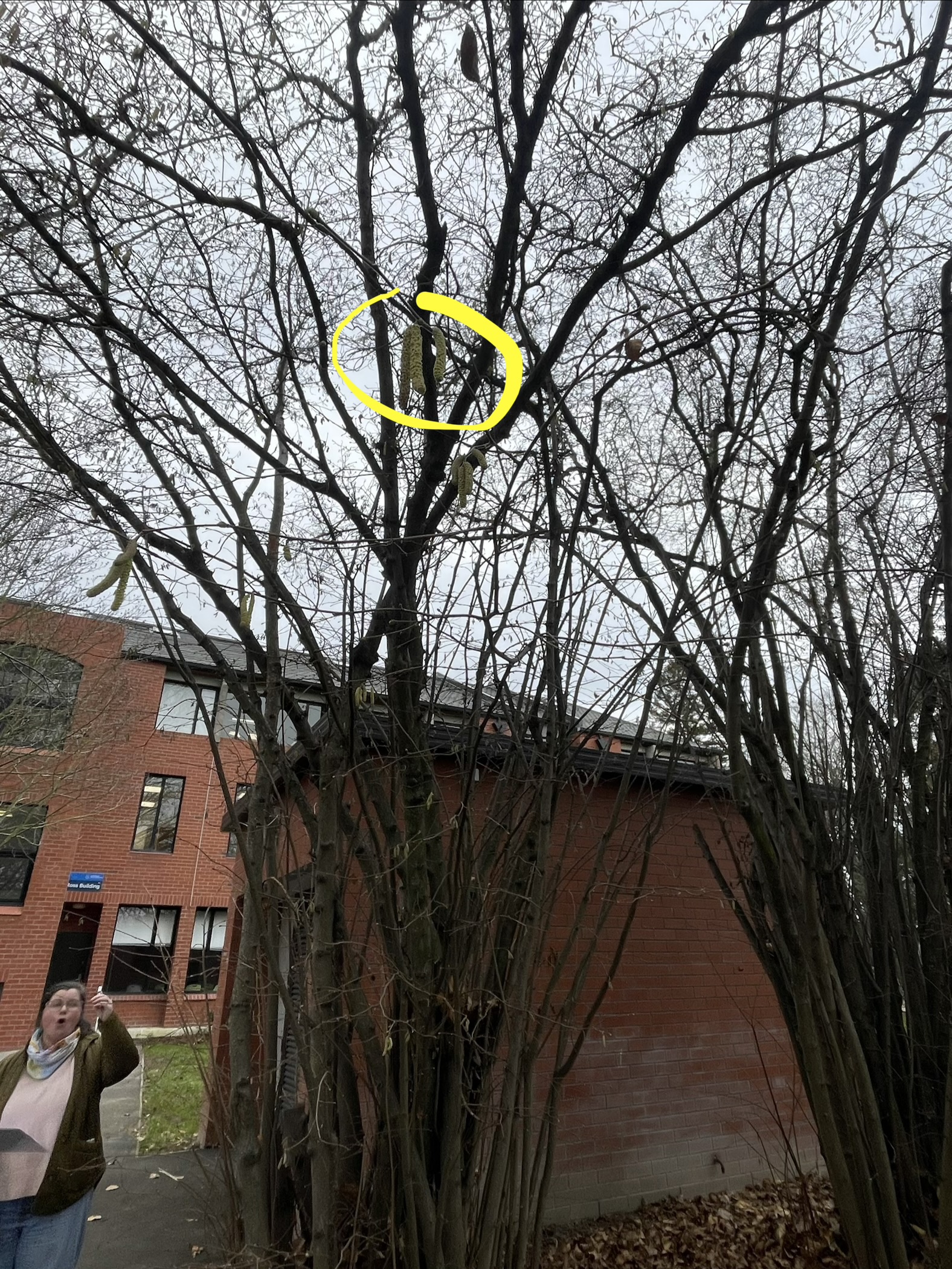
Corylus Avellana
common hazel
Rich humus soil, moist, well drained, full sun, sheltered position.
Prune at the end of winter, but not too severely. Remove deadwood. Sucker control. Harvest nut in autumn. Not self fertile

Sequoia Sempervirens
Redwood
Rich Humus soil, moist, well drained, sun/semi shade, sheletered position.
Mulch around base, keep cool and moist. SHallow root system, dont disturb. Minimal pruning, irrigation in dry location.

canna x generalis
canna lily
rich humus soil, well drained, full sun.
Mulch around base. Deadhand flowers to keep it flowering longer. Dig up rhixzomes in colder climate for storage over winter

Anigozanthos flavidus
kangaroo paw
Warm temperate climate frost free. Most prefer moist, well drained soil in. sun/szemi shade
Apply slow release fertilizer applied annualy. Remove any damaged or diseased leaves and spent flowers. Cut back old tired looking foliage down to the base. Can be prone to fungal disease
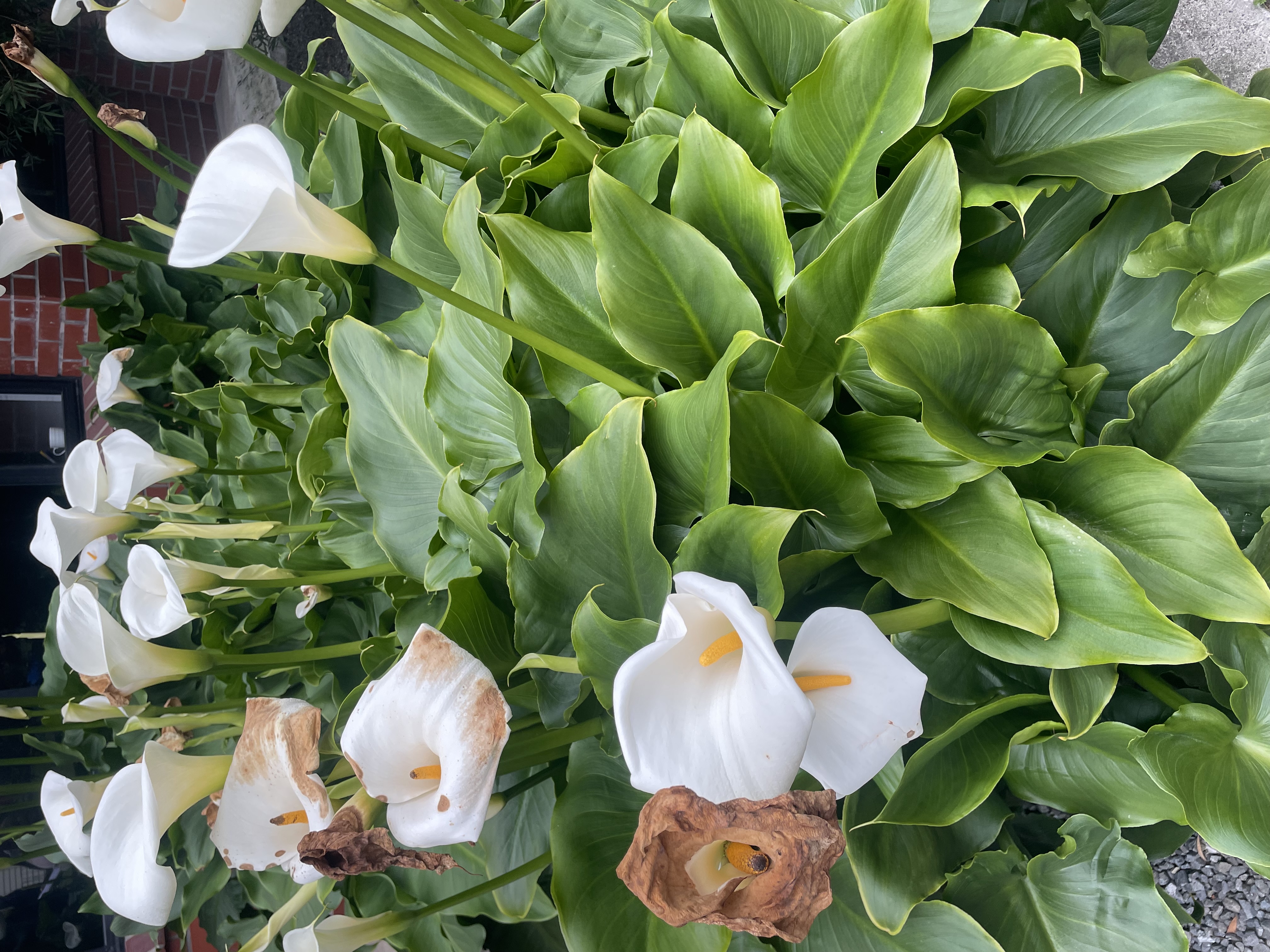
Zantedescha aethiopica
Arum or calla lily
Rich humus soil, moist, well drained, full sun sheltered position.
Invasive/aggressive grower, may need to be manually removed. Take care around water ways.

Aesculus hippocastanum
common horse chestnut
Forest conditions sun/semi shade, well drained, fertile, moist soil.
Remove deadwood, remove lower branches when young and prune to shape. Difficult to transplant due to taproot. Poisonous.
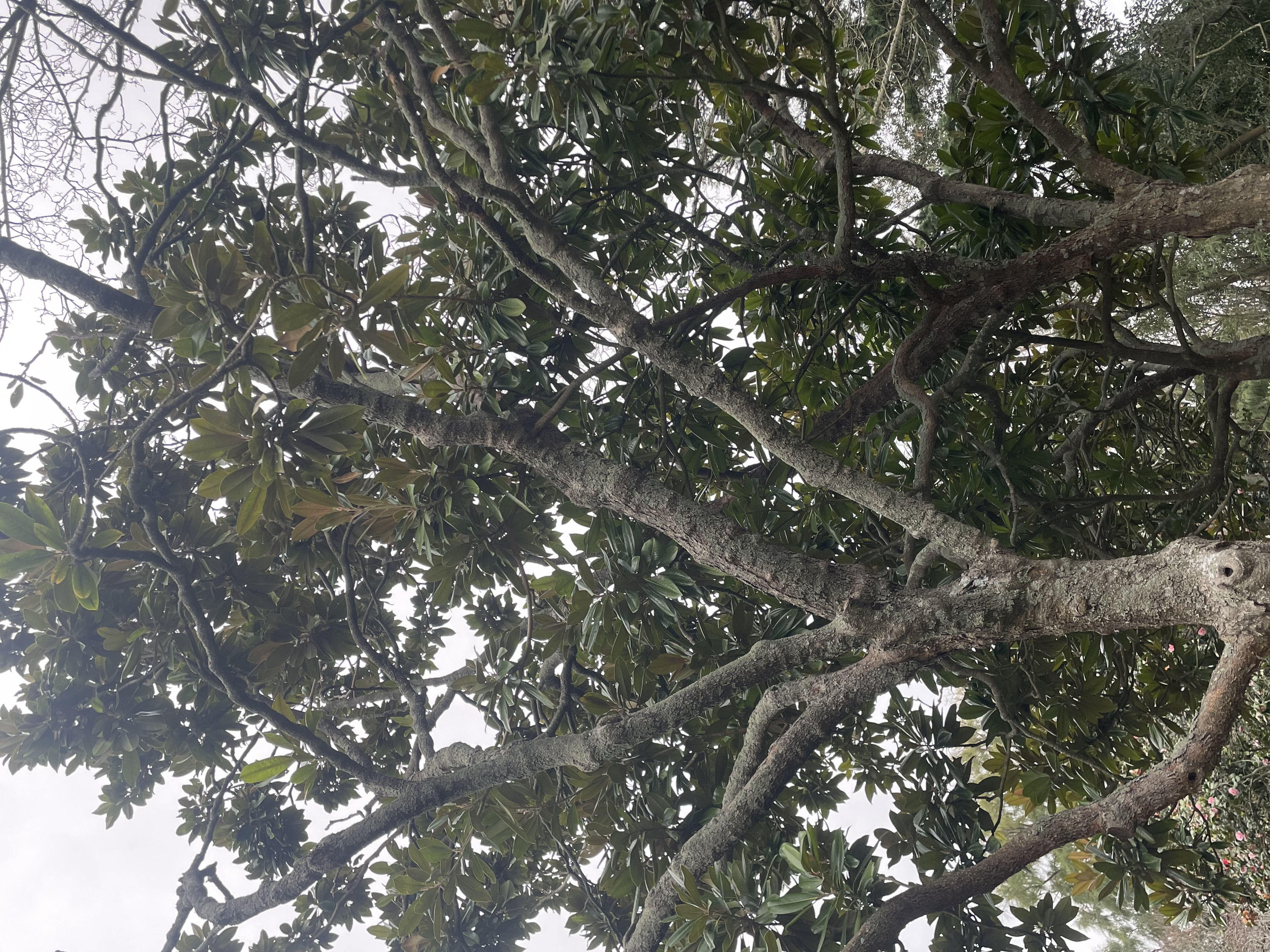
Magnolia Grandiflora
Southern Magnolia or bull bay
Rich Humus soil, moist, well drained sun/semi shade, sheltered positon
Prune lightly as required mid summer to early autumn. Ensure soil does not dry out in summer.

Magnolia x soulangeana
Saucer or chinese magnolia
Rich humus soil, moist, well drained, full sun sheltered positon.
Mulch around base. Prune mid summer in full leaf. Remove watershoots. Can be suseptible to aphids, scale insects and spidermites.

Cyclamen Hederifolium
Ivy leaved cyclamen
British humour soil moist well drained semi shade sheltered position
Mulch over through summer when plant dies back water and early autumn to break dormancy and encourage new growth.

Bergenia cordifolia
heart leaf bergenia
Rich humus soil, moist, well drained, sun/semi-shade, sheltered position.
Mulch around base. Remove any dead leaves. Split every 3 - 5 years.

Buxus sempervirens
box hedge
Rich humus soil, moist, well drained, sun/semi-shade, sheltered position. Needs regular fertilising.
Mulch around base. Trim little and often, not in hot sunny conditions. Trim to allow air circulation through. Can get blight (fungu

Hamamelis mollis
Witch hazel
Rich humus soil, moist, well drained, full sun, sheltered position.
Mulch around base. Prune in winter when dormant. Sucker removal.

Chimonanthus
Praecox wintersweet
Rich humus soil, moist, well drained, full sun, sheltered position.
Mulch around base. Don’t prune when young, and when older prune oldest wood after flowering if too congested.

Helleborus orientalis
Lenton rose/hellebore
Rich humus soil, moist, well drained, sun/semi-shade, sheltered position. Short lived (4-5 years) but self seeds.
Mulch around base annually in autumn. Remove faded/damaged foliage. Watch for snails and aphids.

Edgeworthia chrysantha
Chininese Paper Bush
light shade and moist, fertile, acidic, welldrained soil containing lots of organic material. It can tolerate more sun to provide more blooms if the plant gets enough water. Water regularly during summer and fall to keep the soil consistently moist, and water during summer droughts.
Paper bush plants are low maintenance. Young shrubs don't require any pruning except to remove dead or diseased foliage. As paper bush plants mature, the shrub produces plant suckers, an unintended branch, or new growth that adds more stress to the plant. If pruning to adjust the plant's shape or appearance, wait until after blooming to remove branches.

Choisya X dewitteana
Mexican orange blossom
Full sun - semi shade, well drained soil. Drought tolerant.
Prune after flowering to encourage continual flowering. Can prune back hard if becoming leggy and bare at base. Low maintenance.

Clivia sp.
natal or bush lily
Dappled shade, tolerates dry conditions. Frost sensitive.
Best left alone for ultimate flowering. Can lift & divide after 10 years. Mulch and feed as required
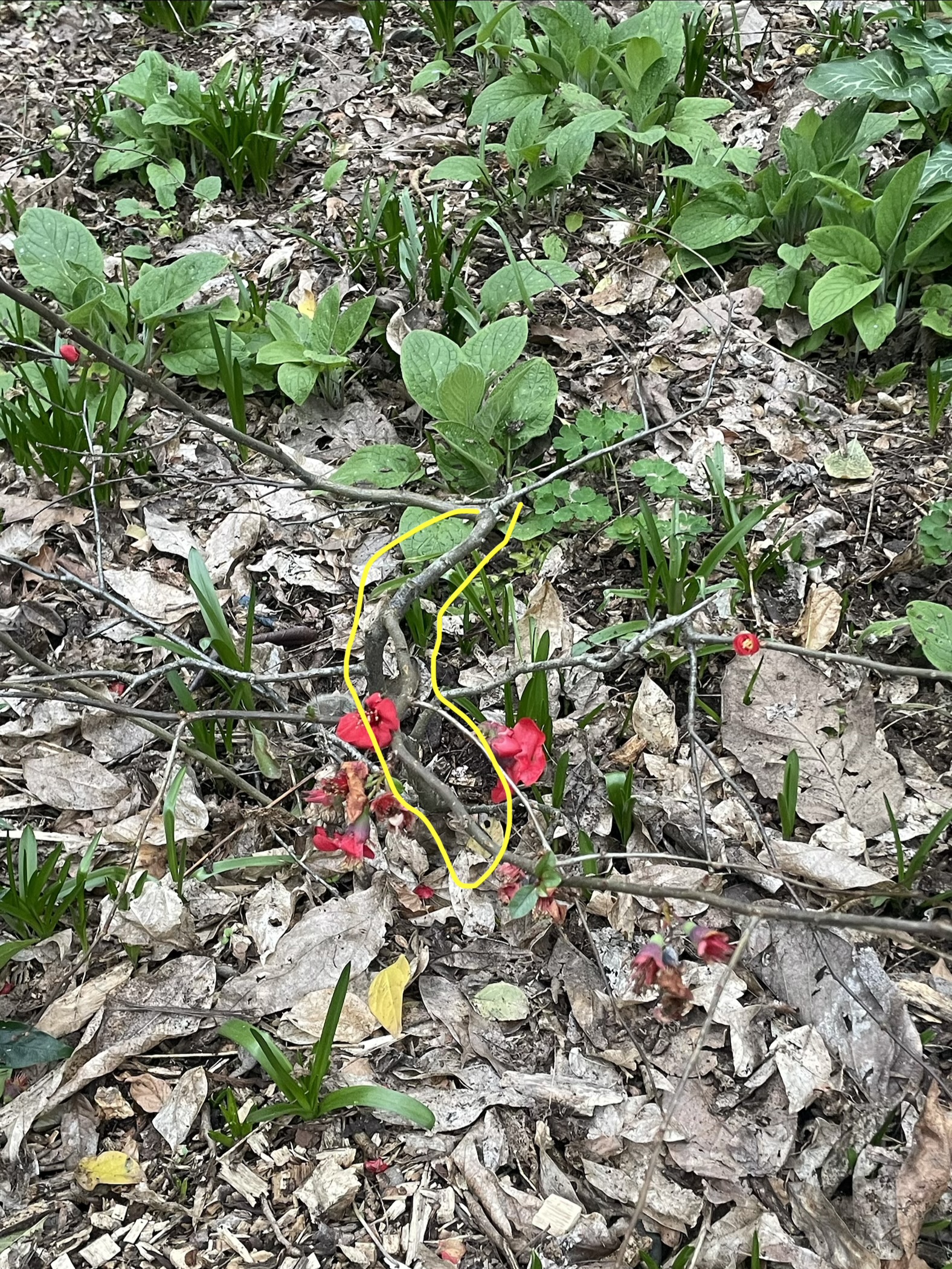
Chaenomeles japonica
Japanese Quince
full sun to part shade lover, this plant is easily grown in average, medium, welldrained soils. . Ht 1.2 x 1m.
After flowering is over, remove any dead or damaged stems and cut back new growth to four to six leaves. This is particularly important for wall-trained shrubs but works well on free-standing specimens too. This type of pruning produces flowering spurs.

Daphne odora
winter daphne
Rich humus soil, moist, well drained, sun/semi-shade, sheltered position.
Mulch around base, keep moist. Suseptible to leaf mottling virus. Replace after 8 - 10 years. Cannot transplant easily.

Daphne bholua
Nepalese paper plant
Rich humus soil, moist, well drained, sun/semi-shade, sheltered position.
Mulch around base, keep cool & moist. Minimal pruning required.

Skimmia japonica
Skimmia
Prefers Part Shade. Great for containers or as a low garden hedge. Slightly acidic and well draining soil. Frost Hardy
Pruning is generally not required but can be done in spring to remove any wayward branches or to shape the plant.

Rhaphiolepis sp
Indian Hawthrorn
Generally hardy and tolerate various conditions, including coastal and urban environments
They are relatively low-maintenance, requiring minimal pruning to maintain their shape

Acanthus mollis
Bear’s Breeches
Thrives in dry areas that are in partial shade.
Spreads easily due to its method of seed dispersal. Seeds are propaled from the plant to new ground. To stop this cut flowers before they produce seeds.

Narcissus sp.
daffodil
Rich humus soil, moist, well drained, sun/semi-shade, sheltered position.
Deadhead when flower die but don’t cut back foliage, just let die back. Water for late flowering in spring. Lift and divide clumps if congested.

Garrya elliptica
Silk Tassel Bush
Highly adaptable and can tolerate dry and coastal conditions, making it a durable option for a variety of environments.
Prune immediately after flowering, which is typically in early spring as the catkins (tassels) start to fade but before new growth begins. Pruning is primarily for shaping and removing any awkward or unwanted branches. Avoid heavy, remedial pruning that encourages excessive new growth

Nandina domestica
dwarf heavenly bamboo
Full sun, well drained, moist soil.
Generally very low maintenance, often used in roadside plantings for this reason

Lavandula stoechas
Spanish lavender
sunny, well-drained locations. It prefers a spot with at least six hours of direct sunlight daily. Well-drained soil is crucial, whether it's sandy or even clay, as long as it doesn't become waterlogged
They need a severe pruning at least once a year to maintain shape and prevent them from going woody - best time for a hard prune is October.

Viburnuim davdii
Davids Viburnuim
Dry to moist conditions soil. Full sun to part shade
Low maintenance and is suited to just about any soil condition. Prune lightly in late winter or early spring to maintain the desired shape and remove any dead or damaged branches. Treat for Thrips when you see silvering of the leaves.

Crocus tommasinianus
Early Crocus
Can thrive in a wide range of soils and can tolerate full sun to part shade. Once established they are low0maintenance and drought tolerant.
You do not need to deadhead crocus as the flowers will fade naturally. Leave all foliage in place until it has completely died back to help feed the bulb to ensure good flowering the following year. Fertilize Autumn to Spring

Hemerocallis sp
Daylilies
Full sun site with good drainage, hardy and drought tolerant once established.
Requires regular watering, spring feeding, and occasional division to keep plants healthy. These tough plants need minimal effort when grown in sunny spots with good drainage

Pieris japonica
lily of the valley
Rich humus soil, moist, well drained, sun/semi-shade, sheltered position.
Mulch around base. Prune if required mid spring after flowering.

Robinia pseudoacacia
contoured black locust
Full sun, well drained, moist soil.
Can be cut back hard as required in early autumn (to prevent bleeding).

Michelia yunnanensis
evergreen michelia
Rich humus soil, moist, well drained, full sun, sheltered position.
Mulch around base, keep cool & moist. Minimal pruning after flowering. Remove dead wood. Can use for hedge, pleached hedge or topiary.
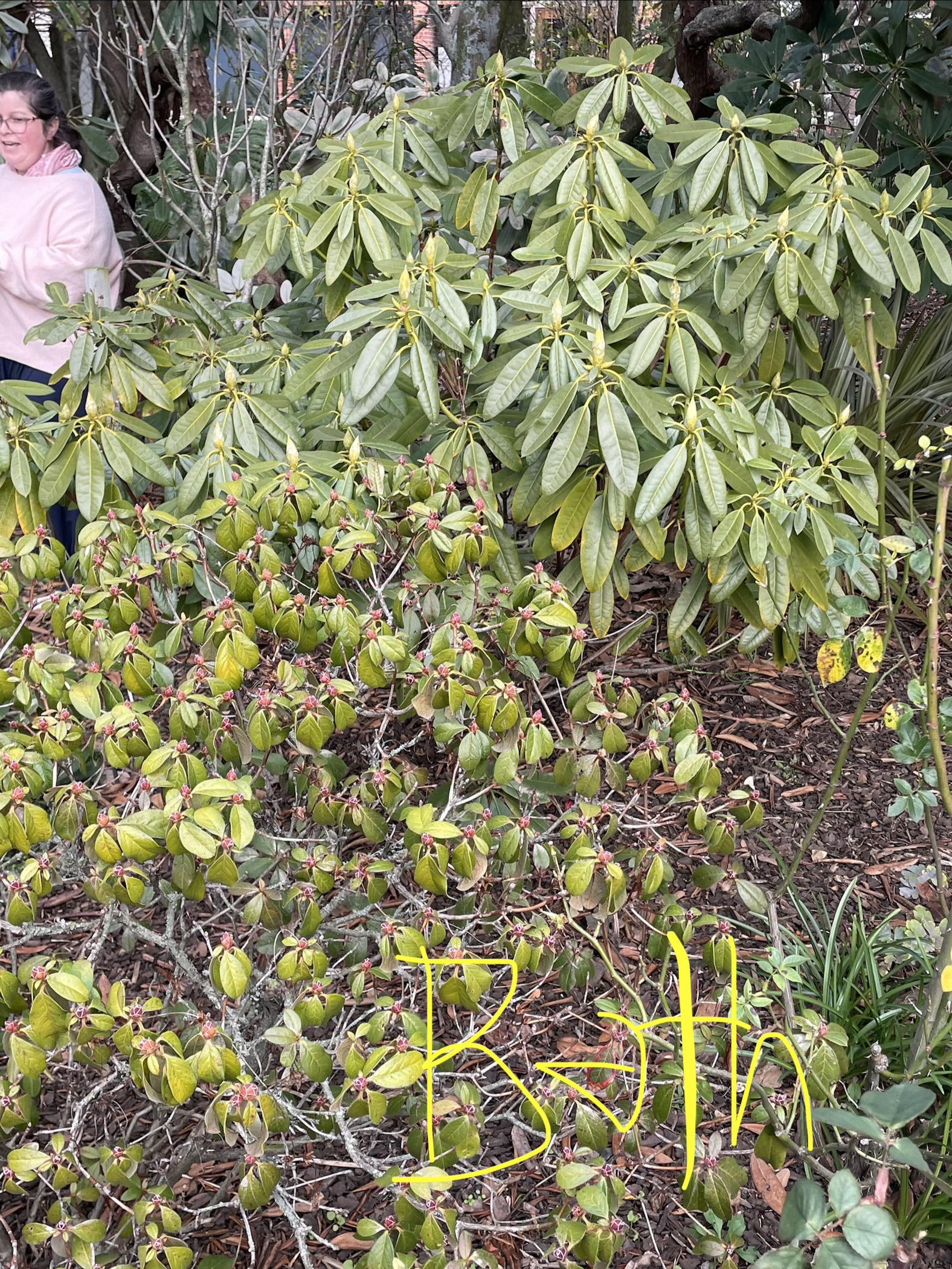
Rhododendron sp.
rhododendron
Rich humus soil, moist, well drained, full sun, sheltered position.
Mulch around base, keep cool & moist. Minimal pruning after flowering.

Brachychiton populneus
kurrajong or bottletree
Tolerates many soil types, from sandy - clay soil and different moisture levels . Full sun. Drought and fire tolerant.
Low maintenance. Application of annual slow release fertiliser. Prune as required for shape and to remove and dead/diseased limbs.

Banksia integrifolia
coastal banksia
This Australian native performs exceptionally well in many parts of New Zealand, particularly in coastal and exposed locations. Plant in full sun with excellent, sharp drainage to prevent fatal root rot
Water regularly during the first 1–2 years until established; mature trees are highly drought-tolerant. Prune lightly after flowering to shape and encourage dense growth; avoid cutting hard into old, bare wood where recovery is slow

Cornus controversa variegata
Variegataed Wedding Cake
Full sun - semi shade, well drained soil. Low maintenance.
May prune to shape and remove any dead or diseased limbs.

Helleborus argutifolius
Corsican Hellebore
Tolerant of many conditions and will grow basically anywhere as long as their position is not extremely dry or continually waterlogged.
Mulch around base annually in autumn. Relatively disease free

Sarcococca confusa
Christmas/ Sweet/ Fragrant Box
Suits dry shady sites although will grow in the sun if given enough moisture
Trim regularly to make maintain shape.

Michelia doltsopa
Temple Magnolia/Sweet Michelia
best in a well-drained, fertile soil with full sun to light partial shade, and benefits from shelter from strong or drying winds, particularly in exposed sites
Naturally well-structured with little need for formative pruning. Young plants appreciate some protection from hard frosts, but once established.

Coleonema pulchellum
Breath of Heaven
Best planted in free-draining soil. Semihardy.
Trim after flowering to maintain shape

Protea sp
Protea
Full sun, free-draining acidic soil, and lownutrient environments. Enjoys spots with good air movement.
Regular moisture while young, turning drought-tolerant once established. Cut back flowering stems by half or three-quarters right after flowering to keep the bush compact and encourage new growth. Never cut below the green leaves on the stem

Leucadendron salignum
conebush
Full sun, well drained, moist soil.
Prune back after flowering for compact habit. Can be used for hedge. Low maintenance.

Libertia ixioides
NZ iris / mikoikoi
Most soil types if well drained, full sun/part shade.
Remove old foliage to keep looking good. Divide congested clumps in spring/autumn. Weed between clumps as can become messy looking.

Cornus alba alba
Siberian Dogwood
Perfers Moist to Wet soil. Sun to semi shade. Extremly hardy. Cold Tolerant.
Cutting back (hard) encourages new growth that will have bright red stems in the winter. Stems are used in Japanese Floral Arrangements Ikebana