Mechanics & Energy
 Call Kai
 Learn
Learn Practice Test
 Spaced Repetition
 Match
Match Flashcards
 Knowt Play
1/66

There's no tags or description
Looks like no tags are added yet.
Name | Mastery | Learn | Test | Matching | Spaced | Call with Kai | Chat |
|---|
No analytics yet
Send a link to your students to track their progress
67 Terms
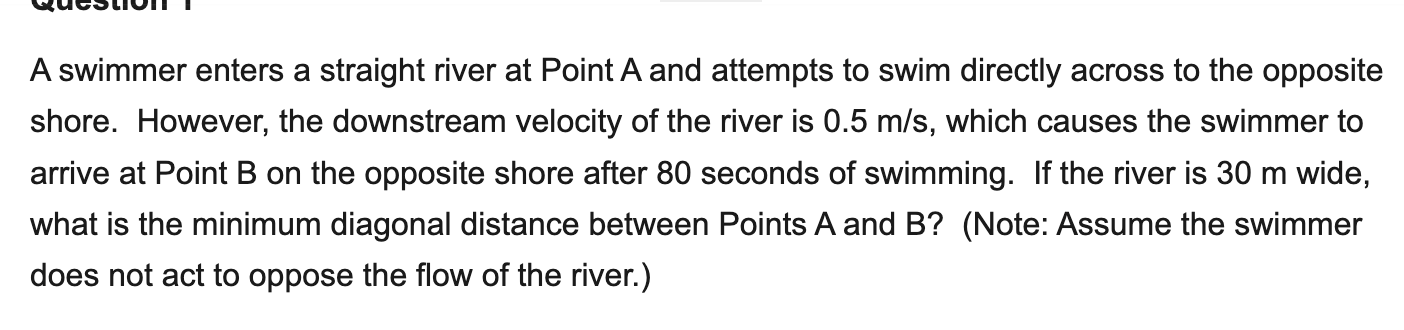
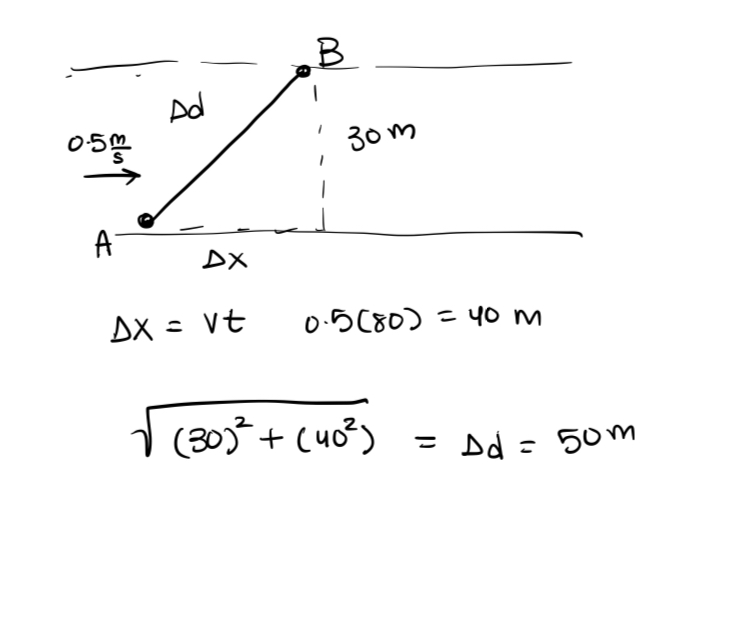

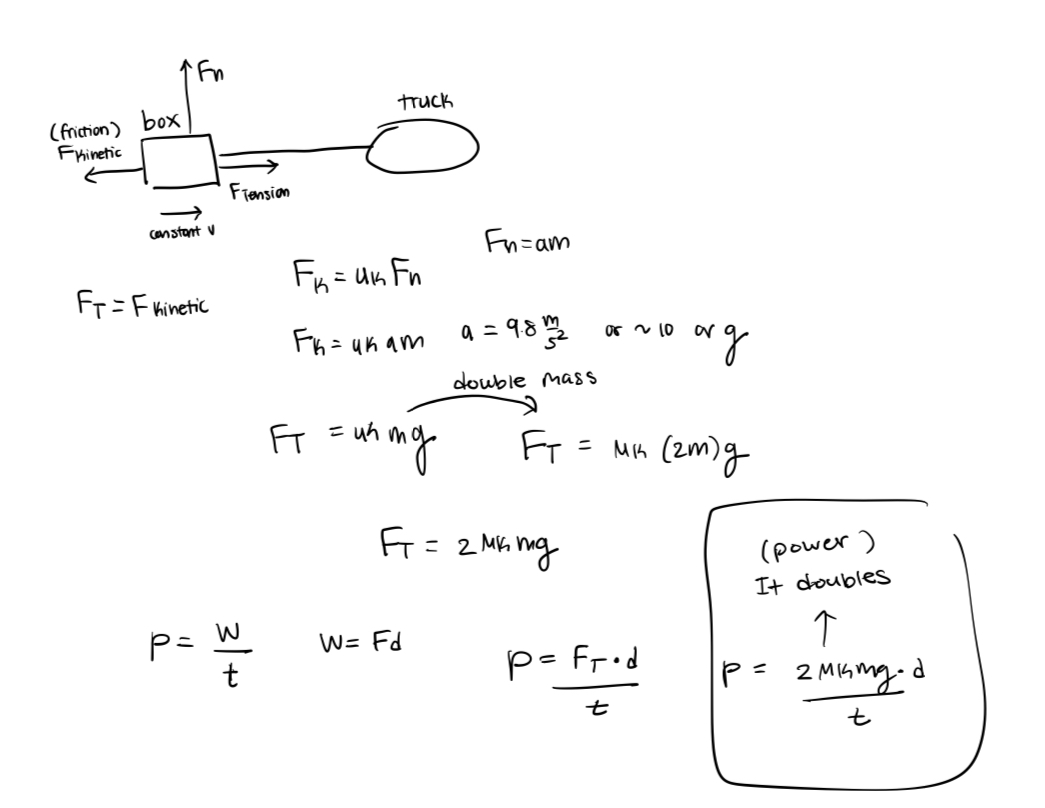
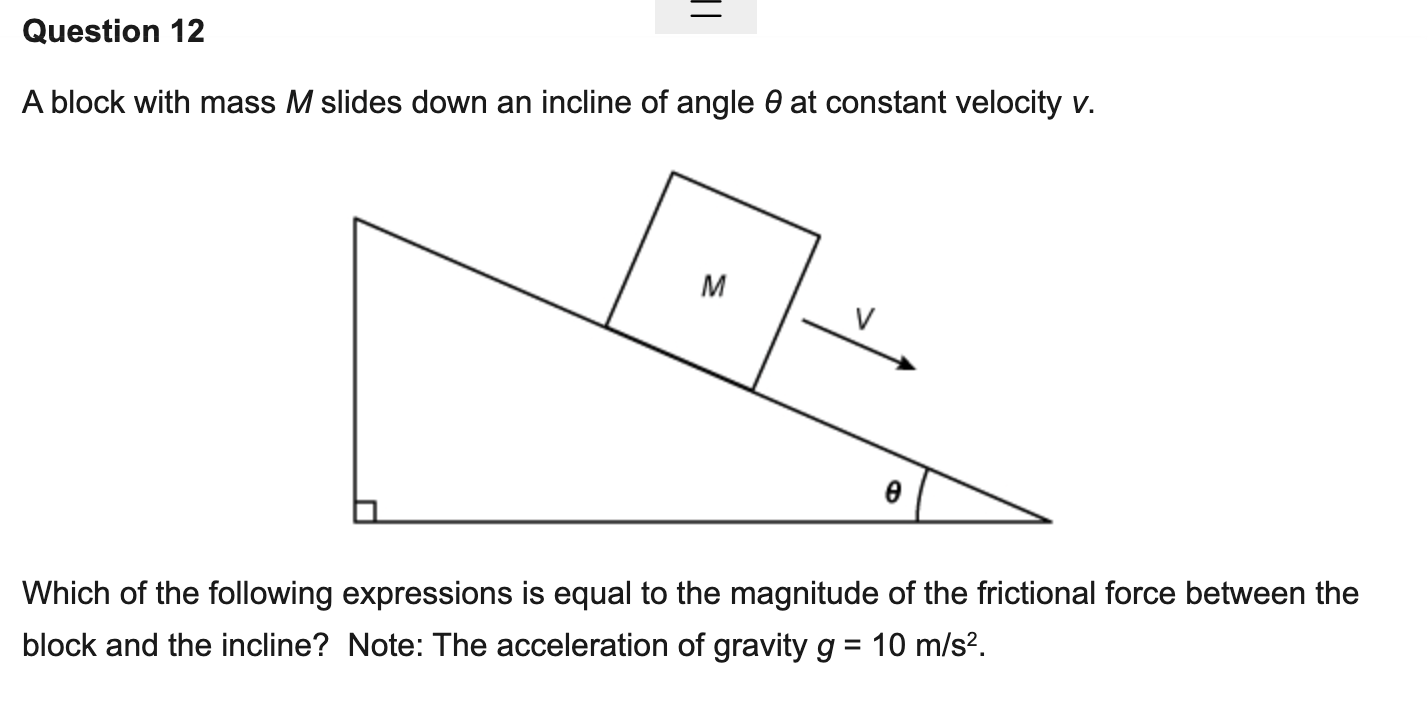
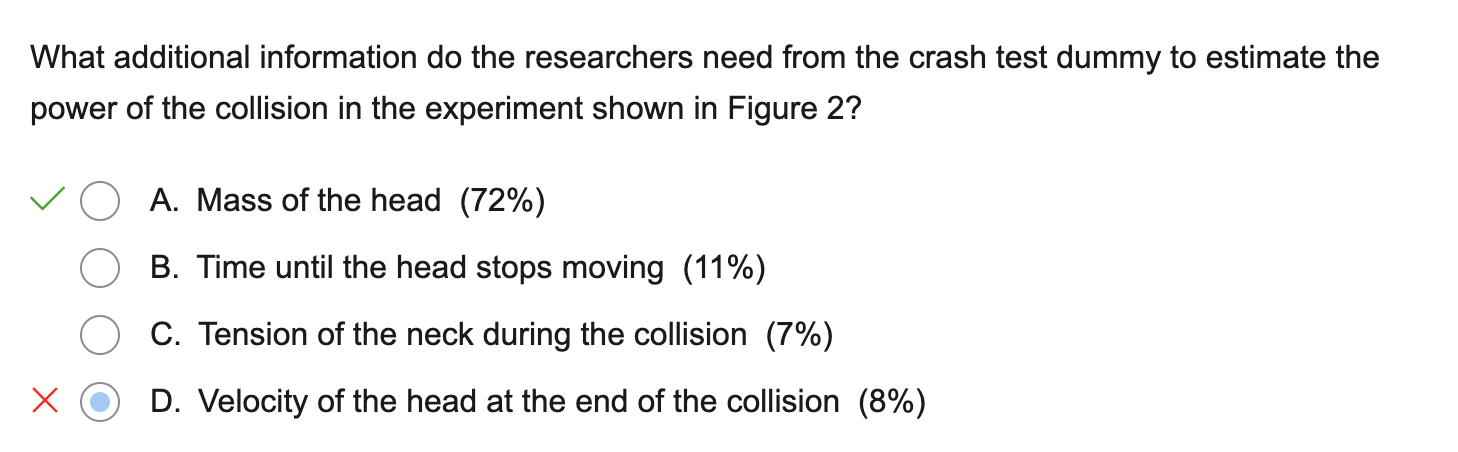
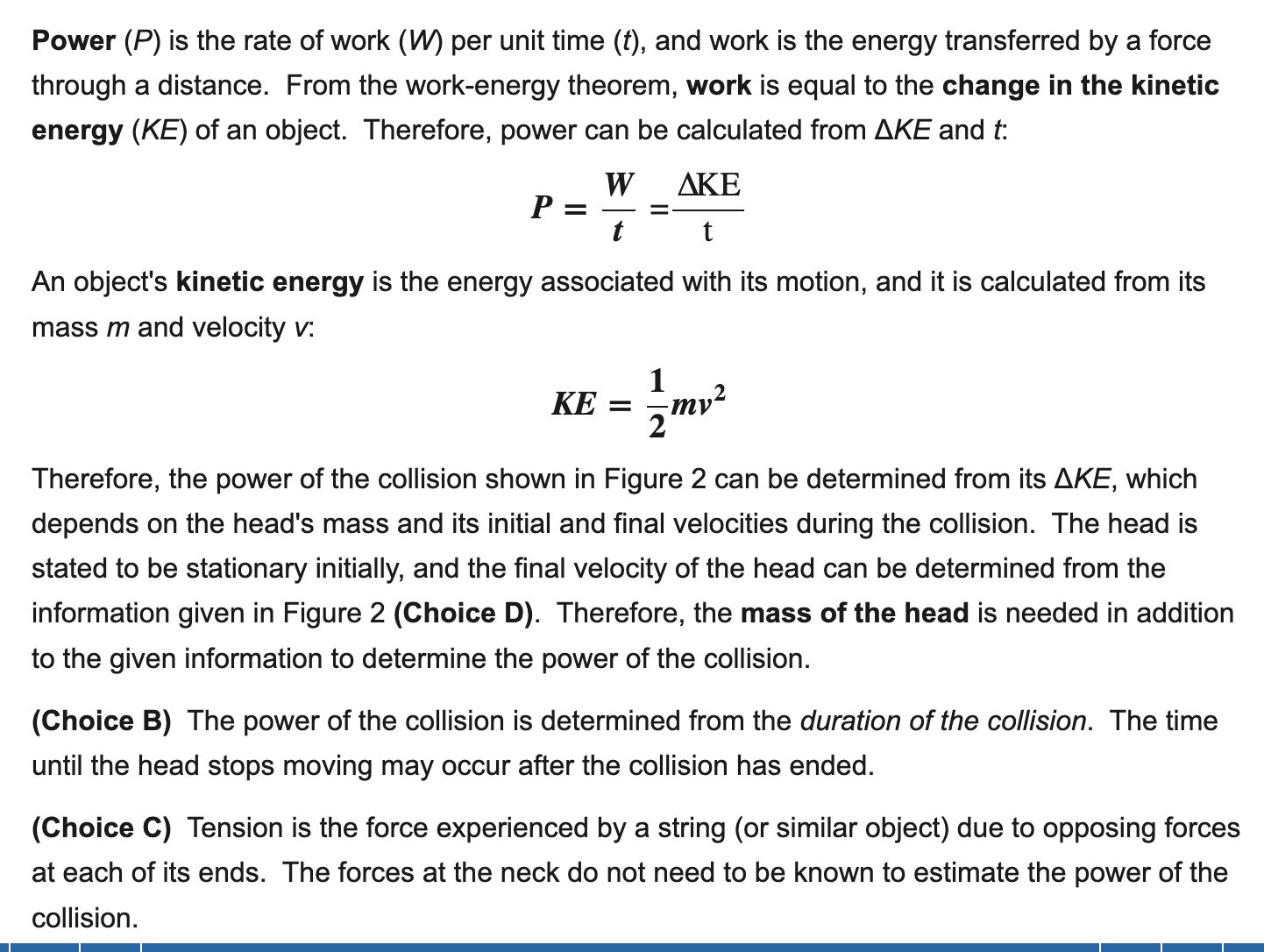
distance/time (d/t) = velocity so since v is constant, power doubles as mass doubles
mechanical advantage
a machine amplifies an input force so that the output force (ex. lfiting a weight) is larger than the force you apply (formula is F output/ Finput = MA—→ derived from work formula—> work in = Work out)
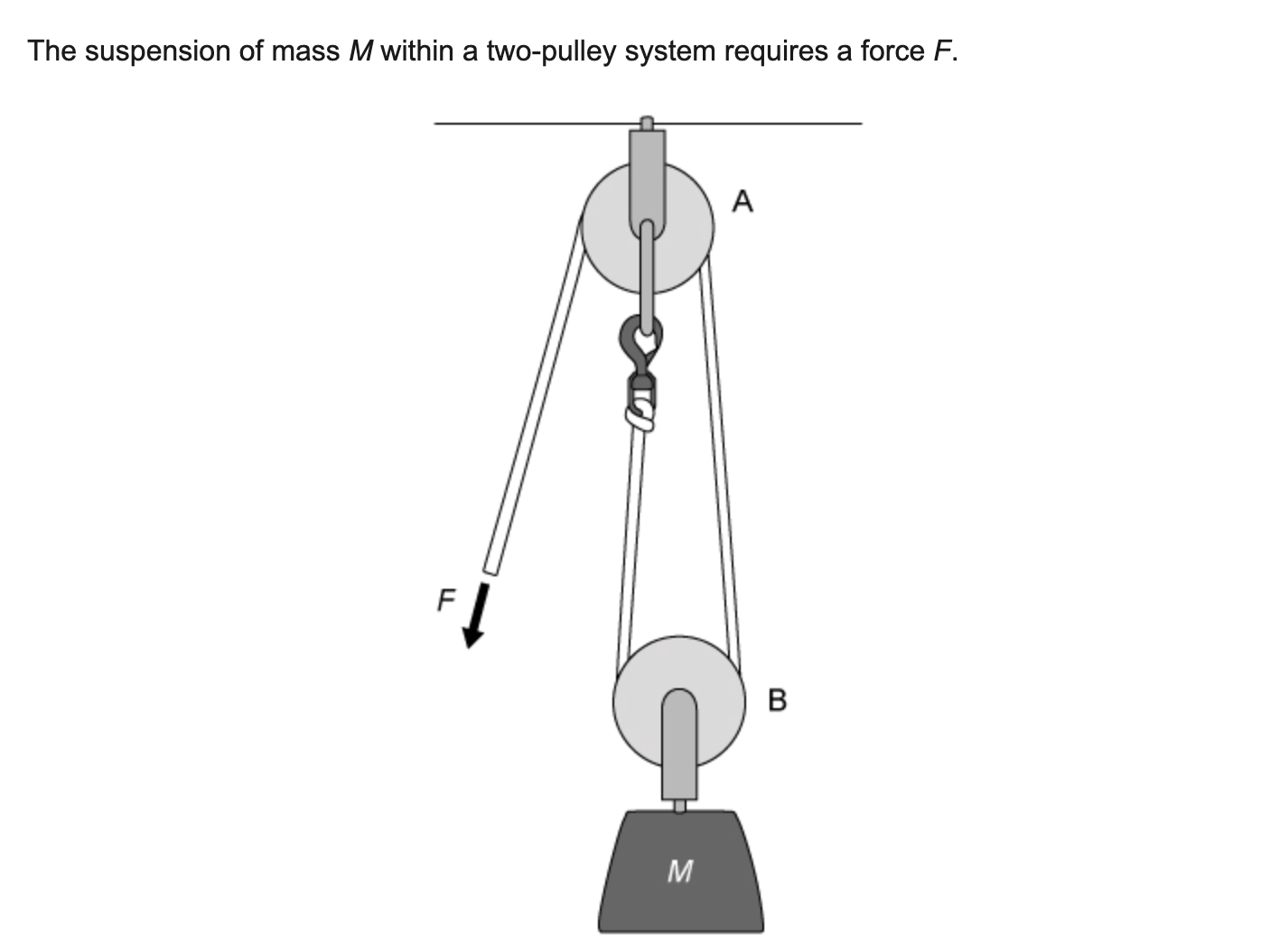
Mechanical advantage in a pulley system (fixed vs movable)
fixed (ex. attached to ceiling) changes direction of force, no MA
Movable (load sharing)—→ increase MA. The more rope segments supporting the load, the higher the MA

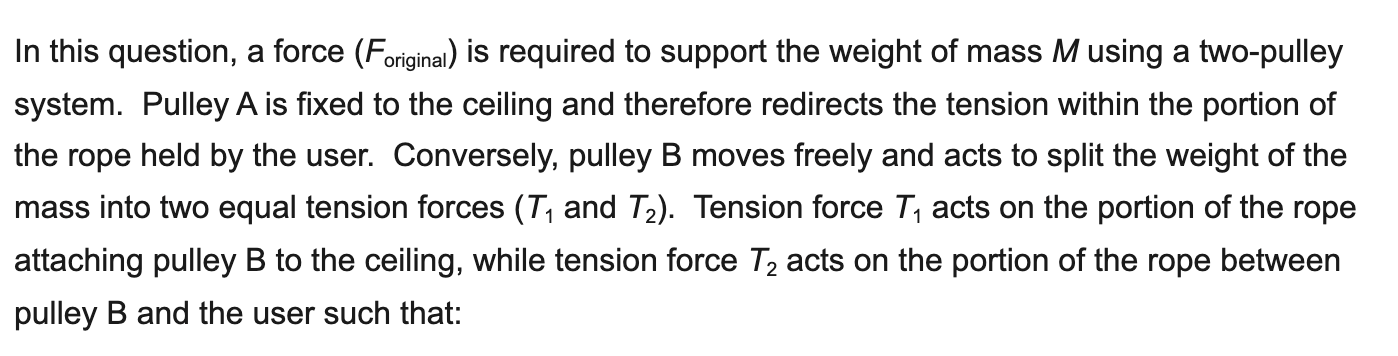
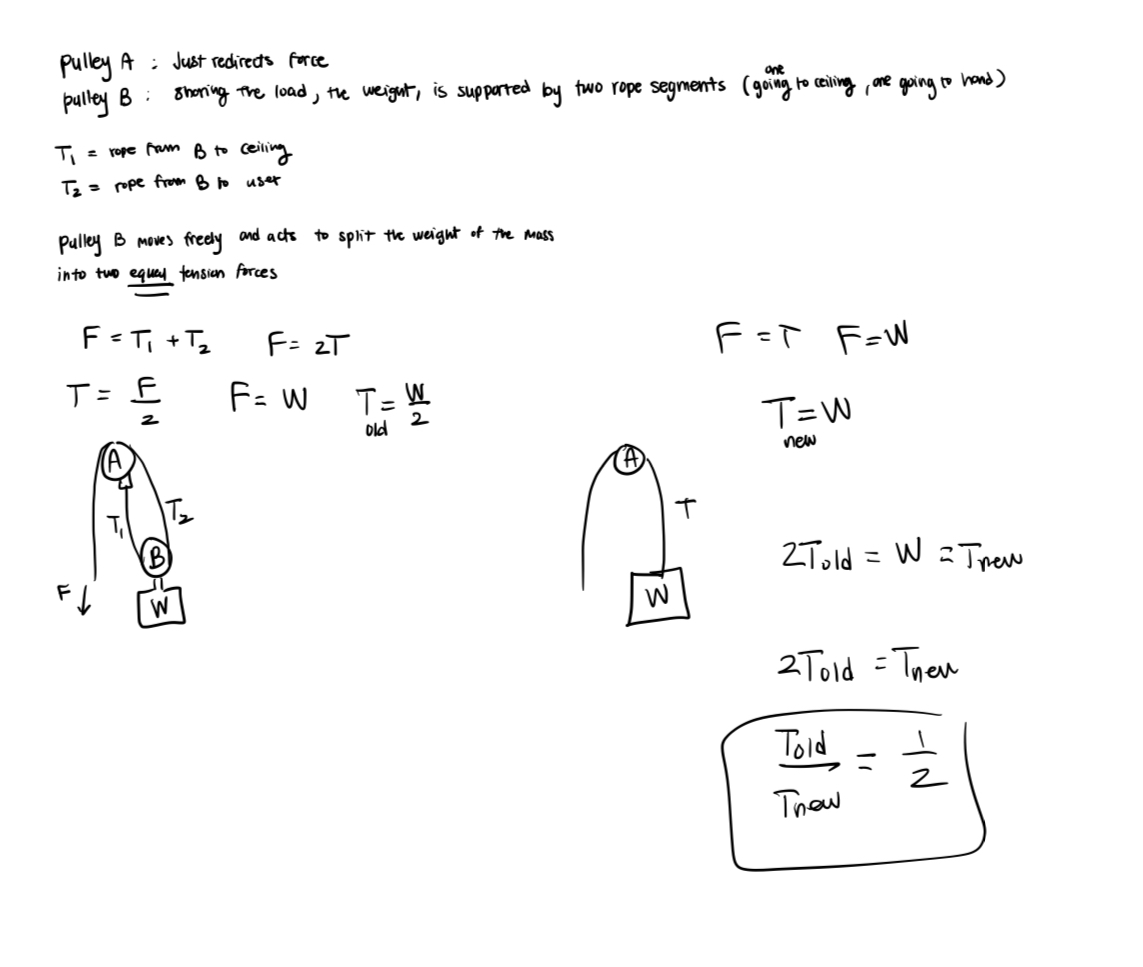
Passage A
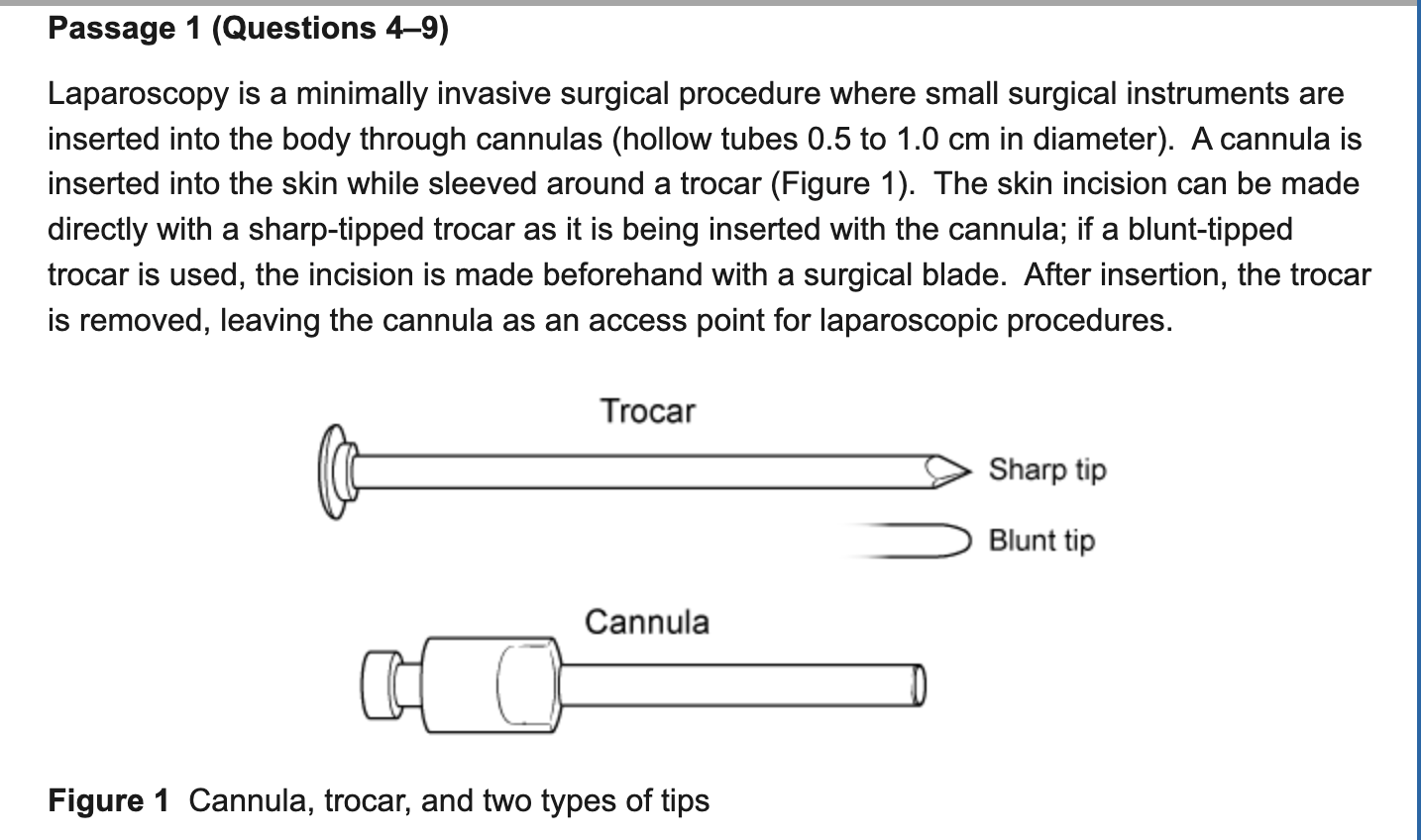
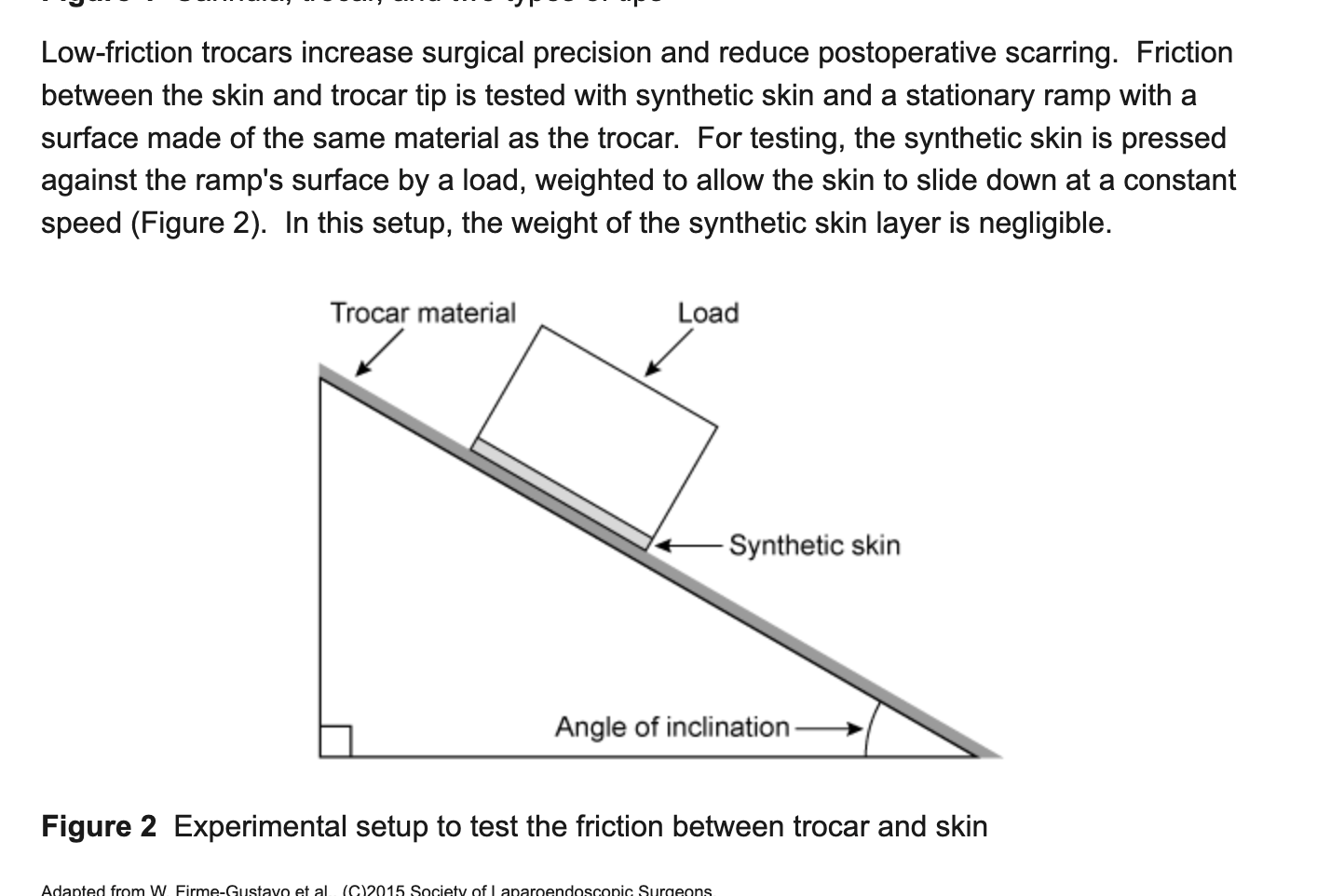
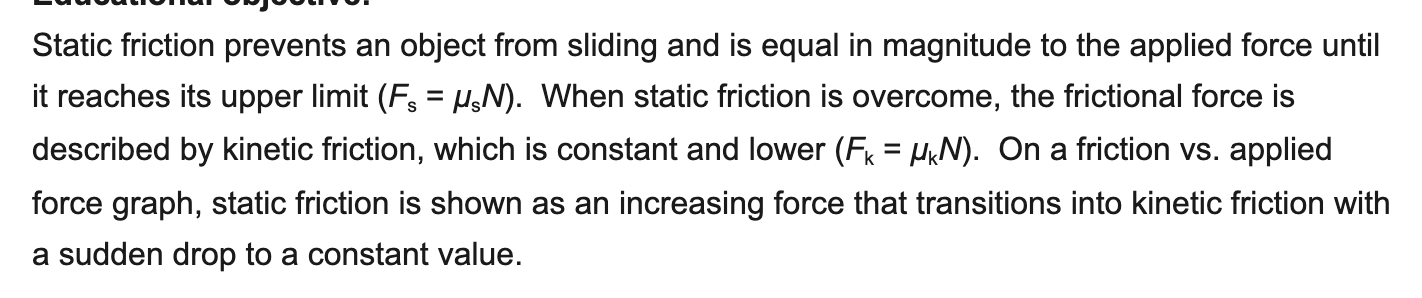
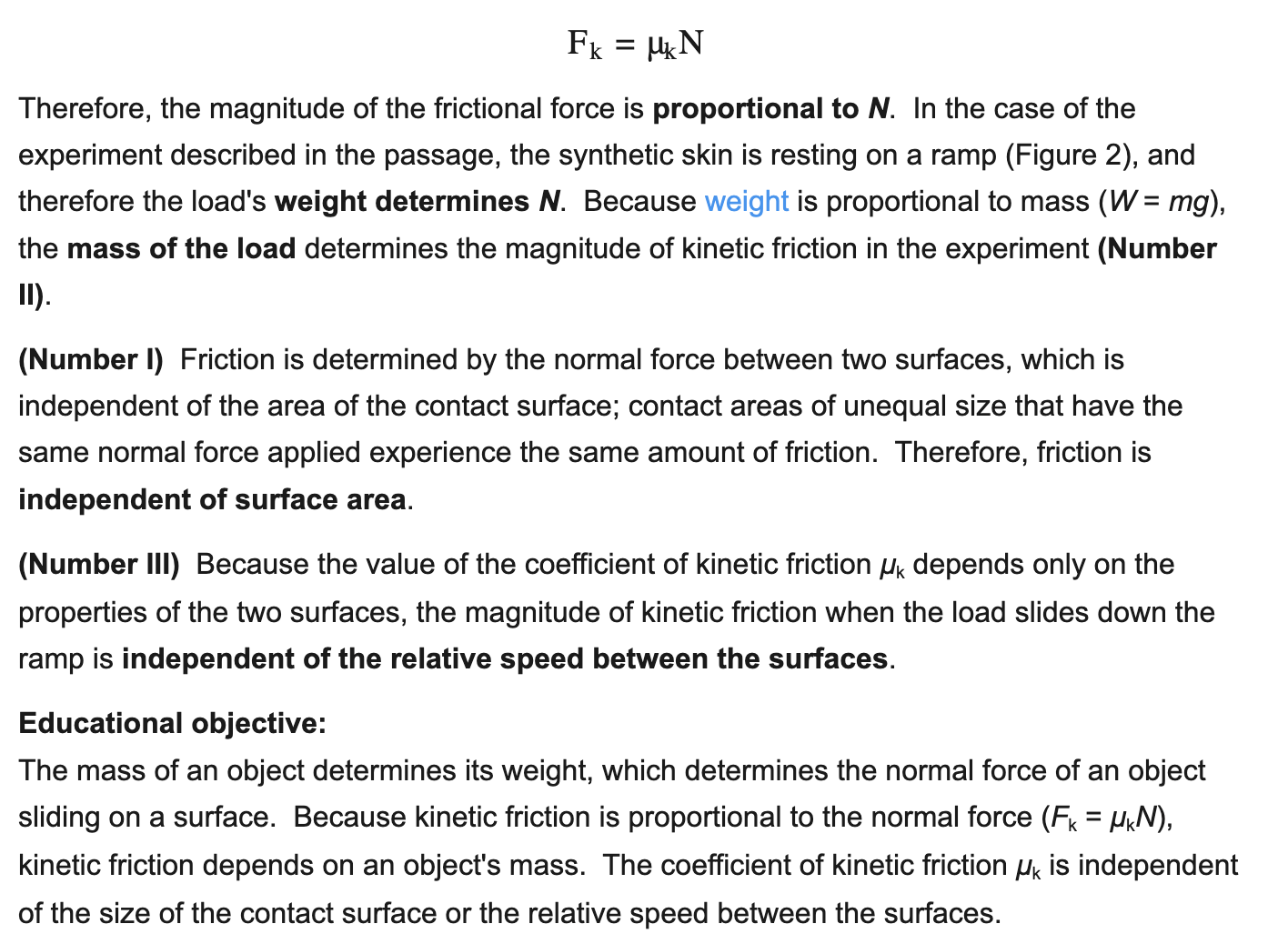
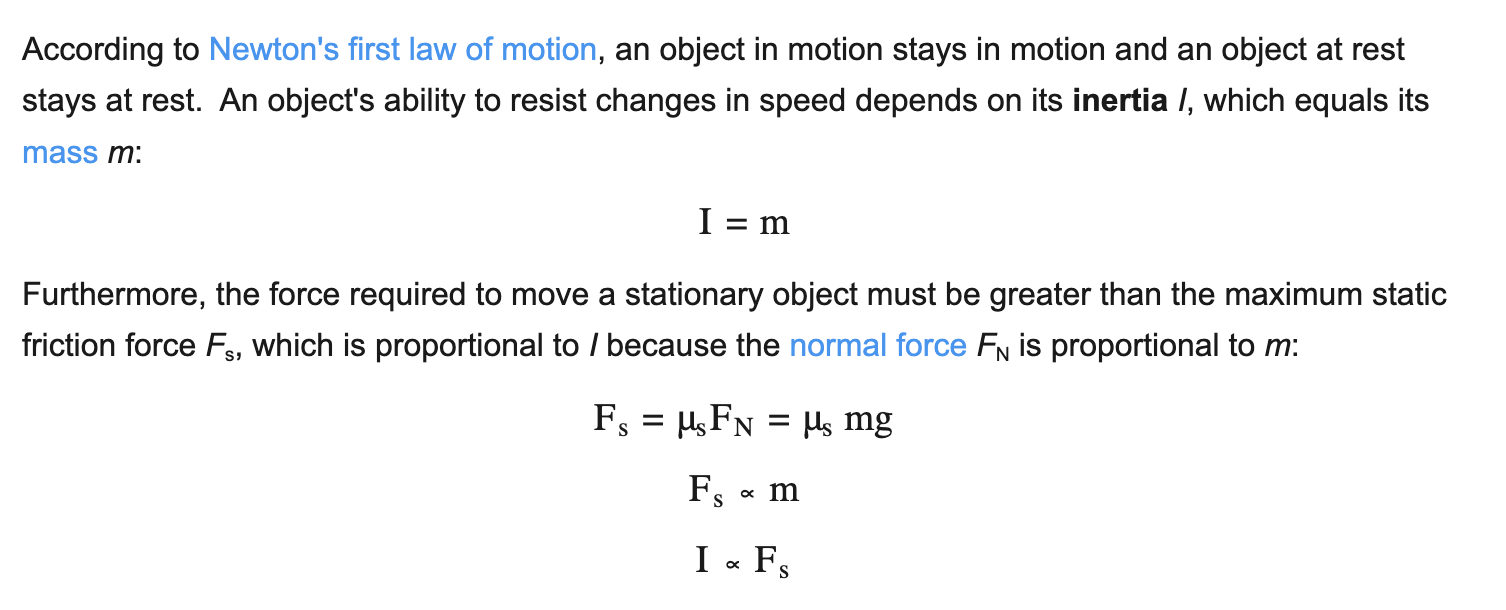
Static friction
friction that prevents slipping and moving because it counters the forces that promotes it
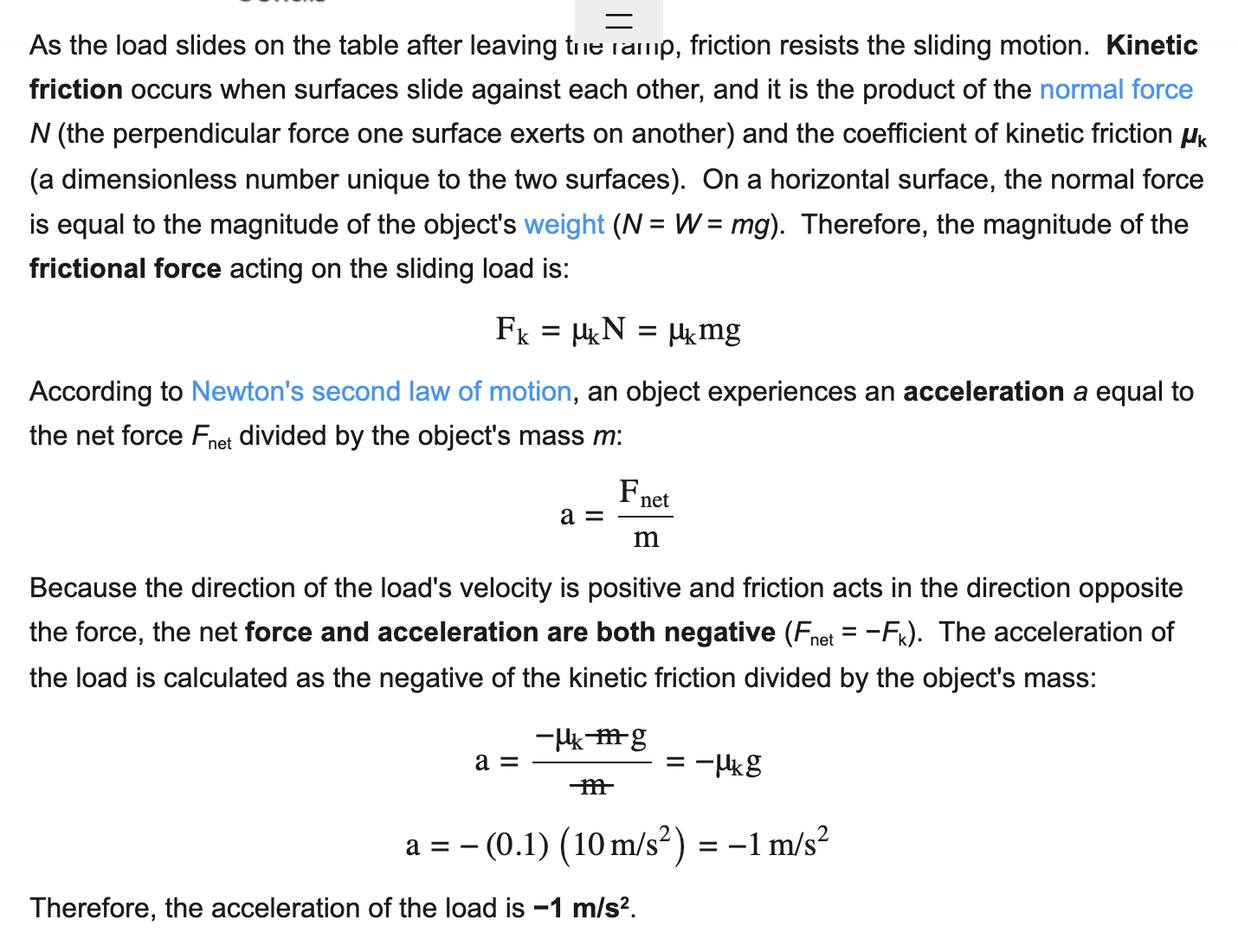
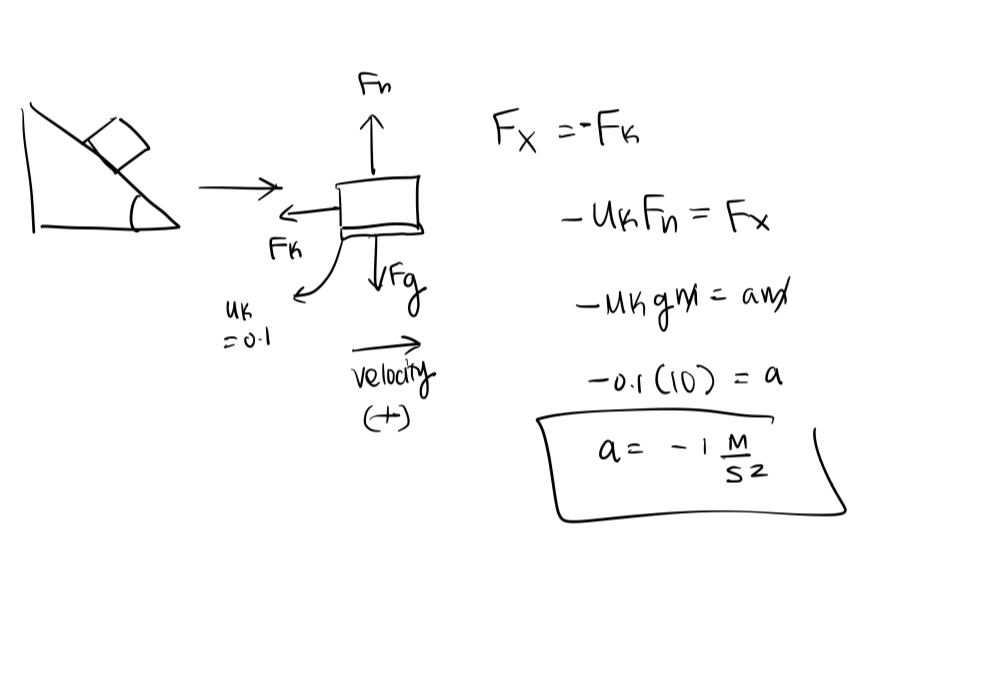
Kinetic friction
friction that occurs while an object slips/moves
Static friction has an upper limit and if the forces that promote sliding exceed this value, slipping occurs. The upper limit is dependent on the _________ and ___________.
Normal force & coefficient of static friction (depend on material)

Passage A
A. It decreases the contact surface area
B. it decreases static fiction
C. It increases the normal force
D. It increases the coefficient of static friction
Answer: C
Passage A

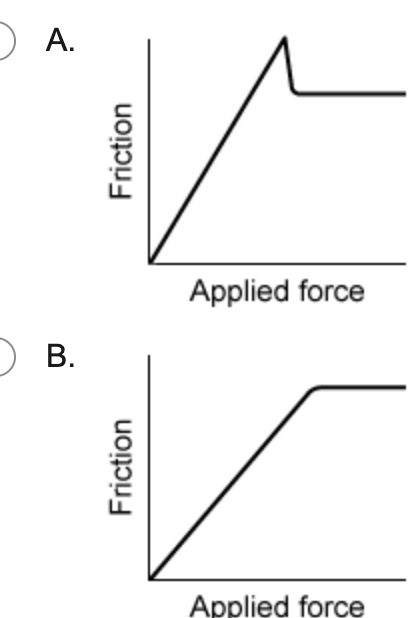
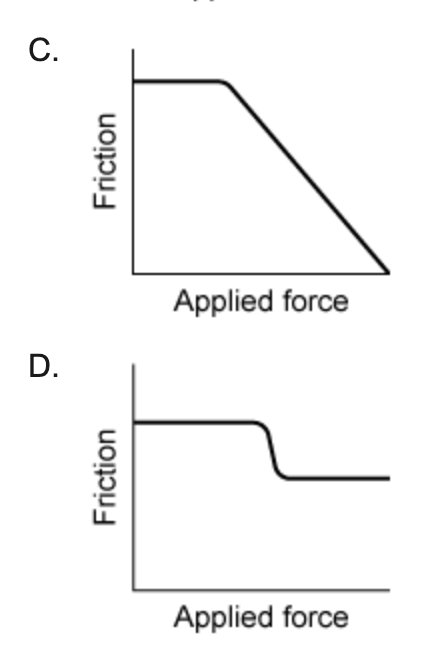
Answer:A
When applied pulling first acts on an object, it doesn’t move due to static friction. During this time, increasing force increases static friction until it reaches it upper limit —> where the threshold for motion occurs. At that time, it would be replaced with kinetic friction where the suraces slide or move against each other

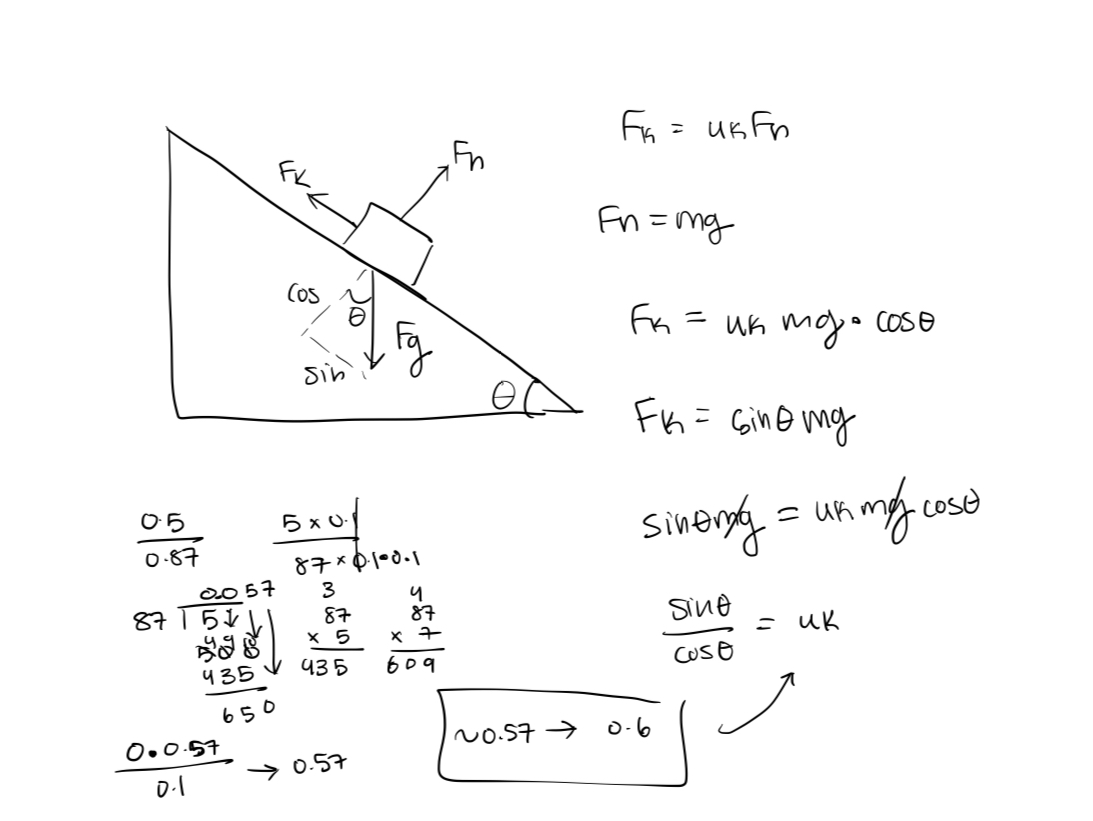
Passage A

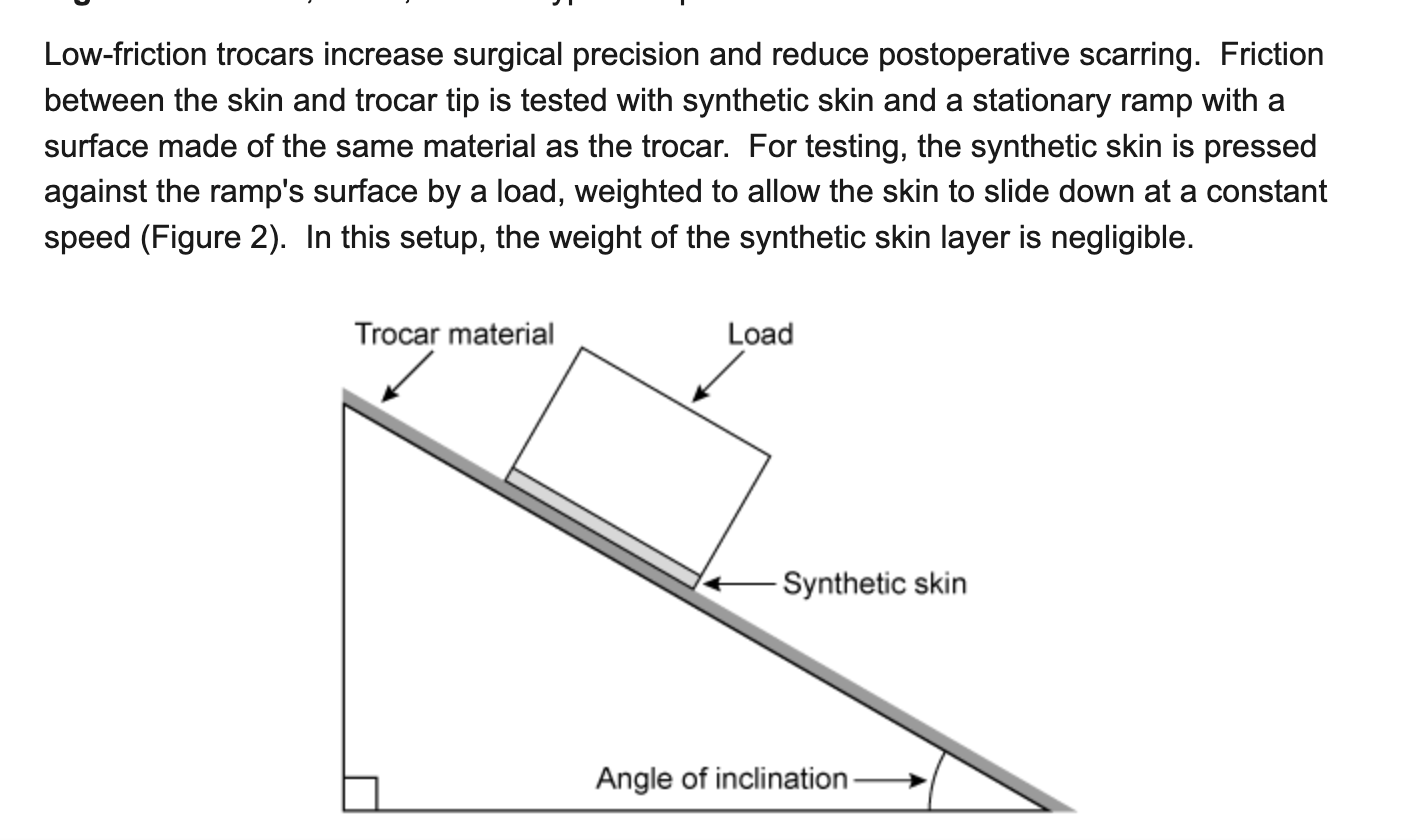

A. decreases because the weight component perpendicular to the ramp decreases
B. decreases because the weight component parallel to the ramp decreases
C. increases the weight component perpendicular to the ramps increases
D. Increases because the weight component parallel to the ramp increases
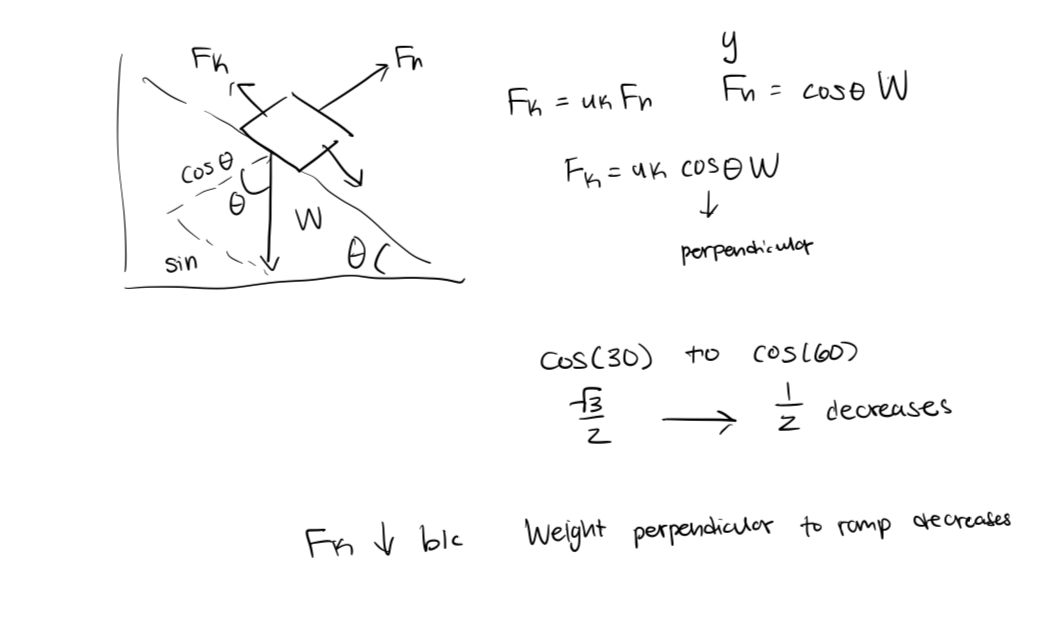
Answer: A

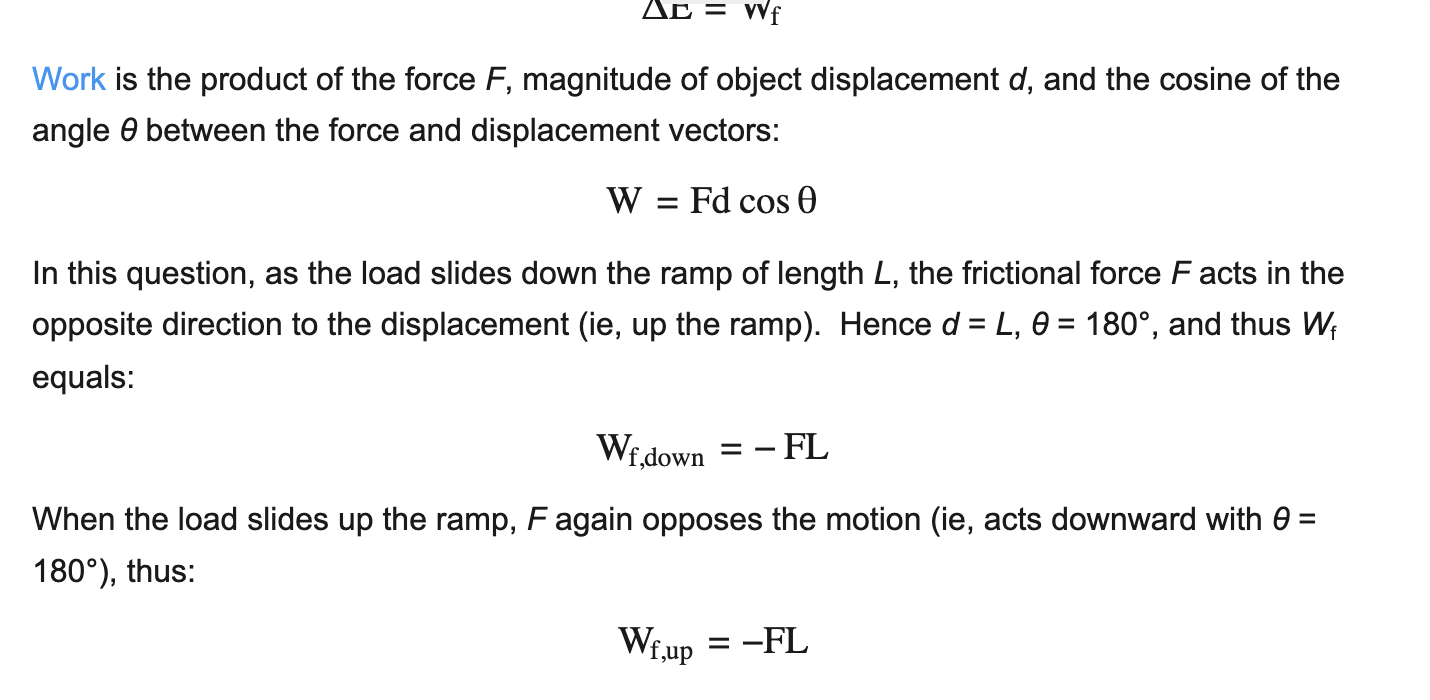
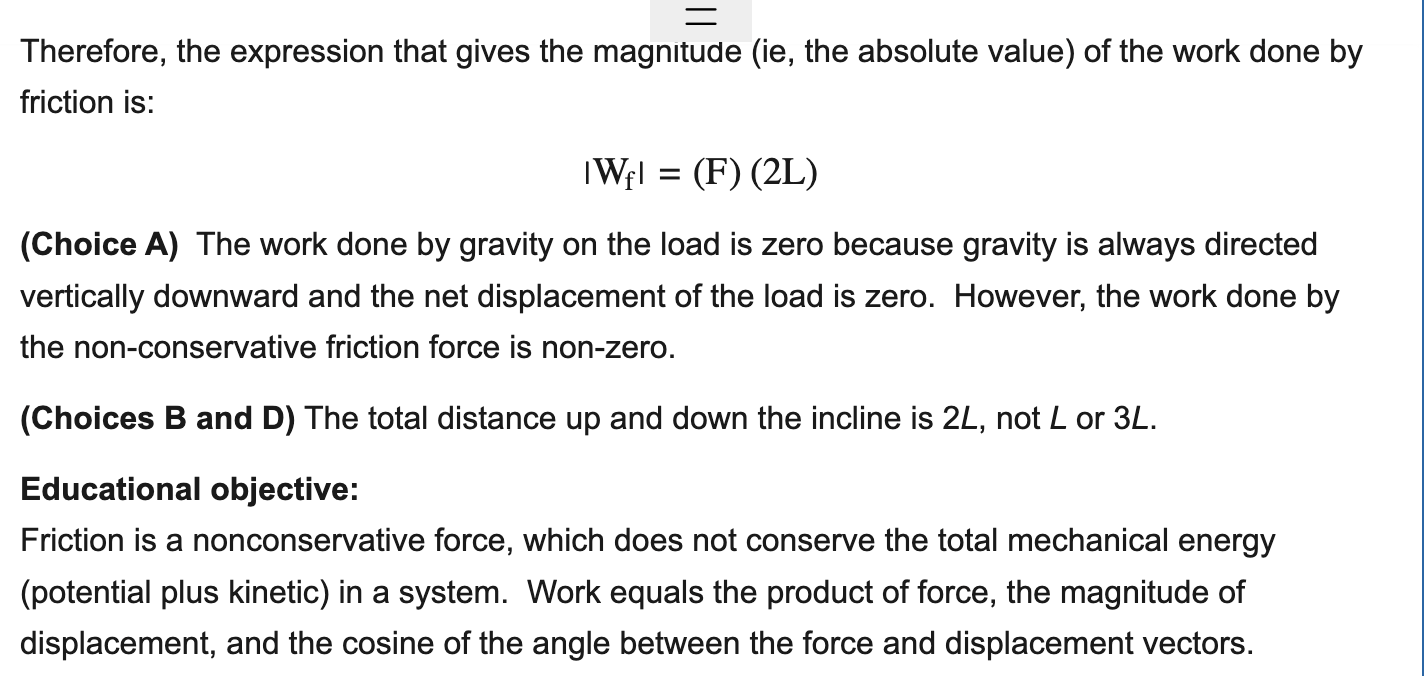
W=Fd
Answer: W=F (2L)
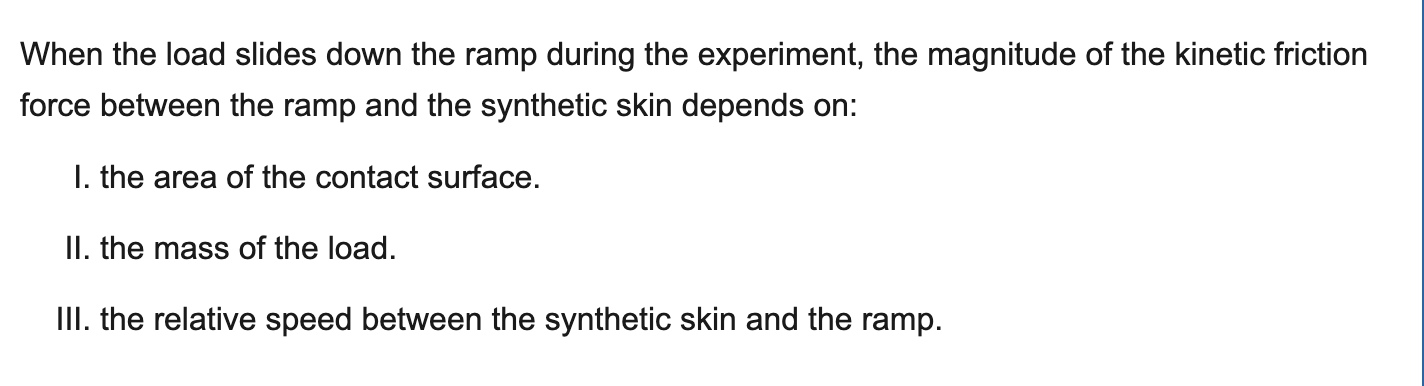
Passage A
2 only


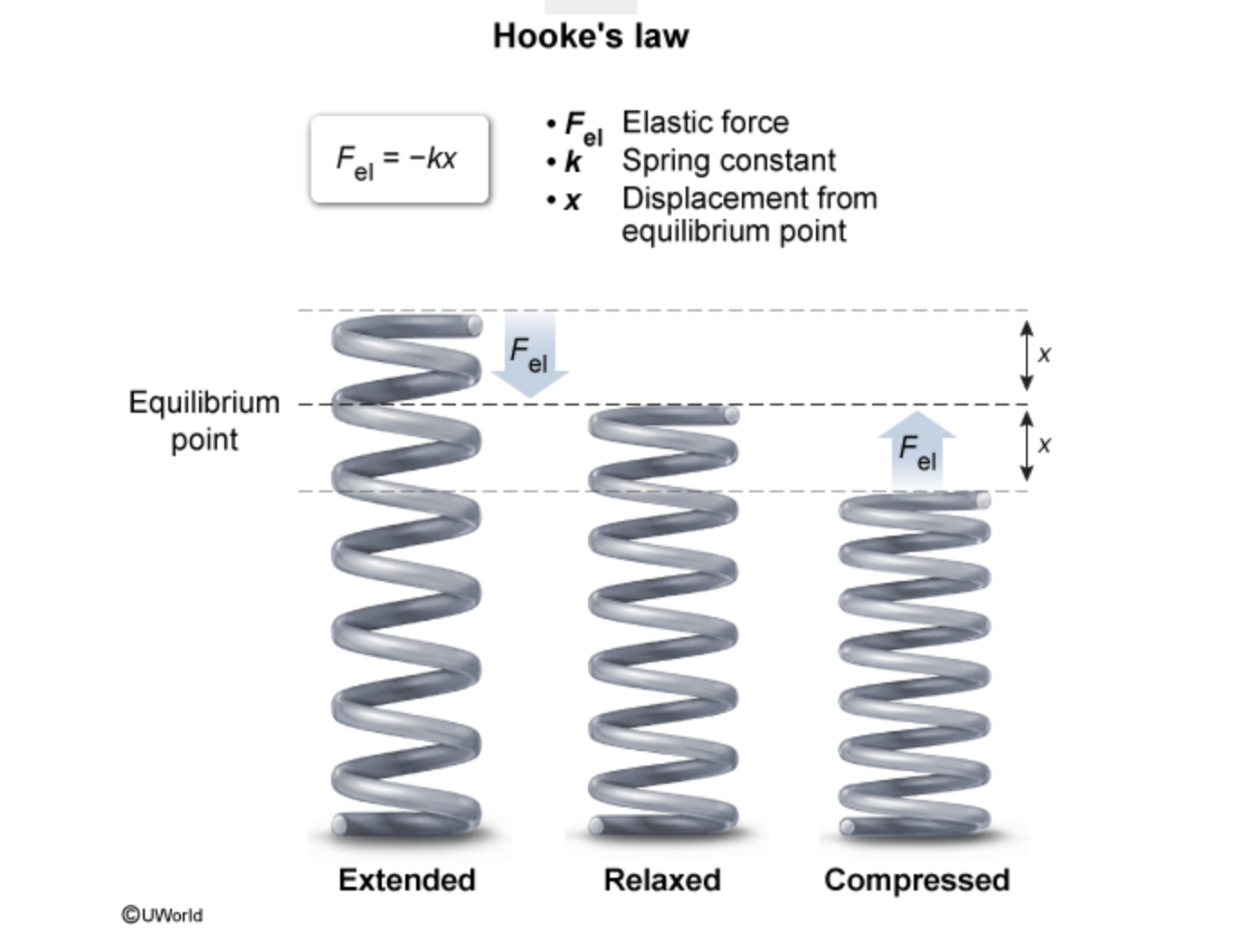
Please note if its oriented away or toward equilibrium point
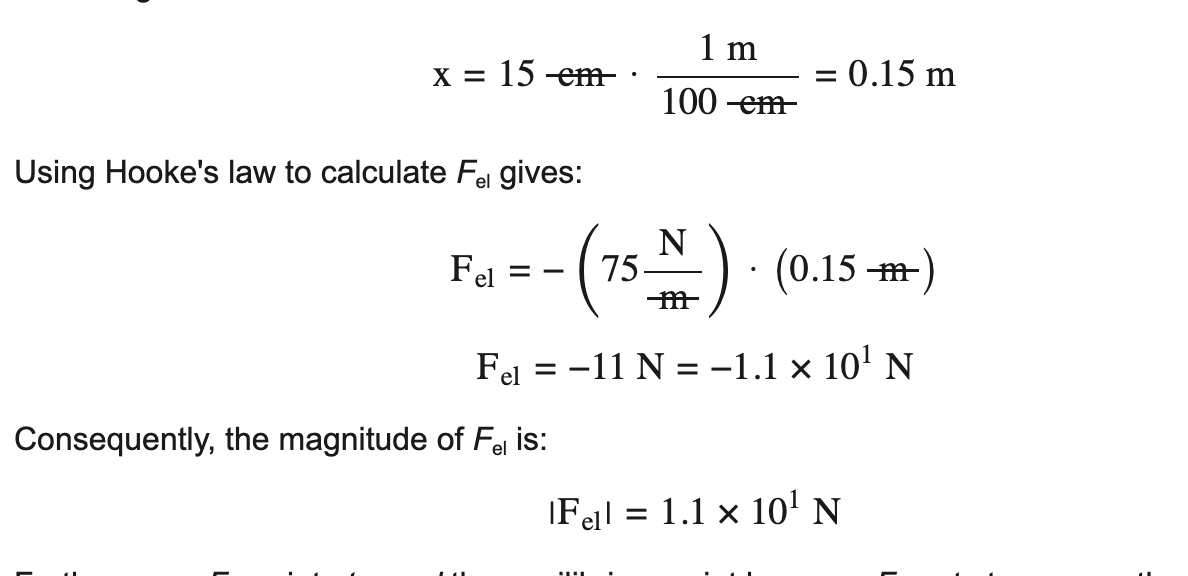
11N pointed toward equilibrium point
Passage B
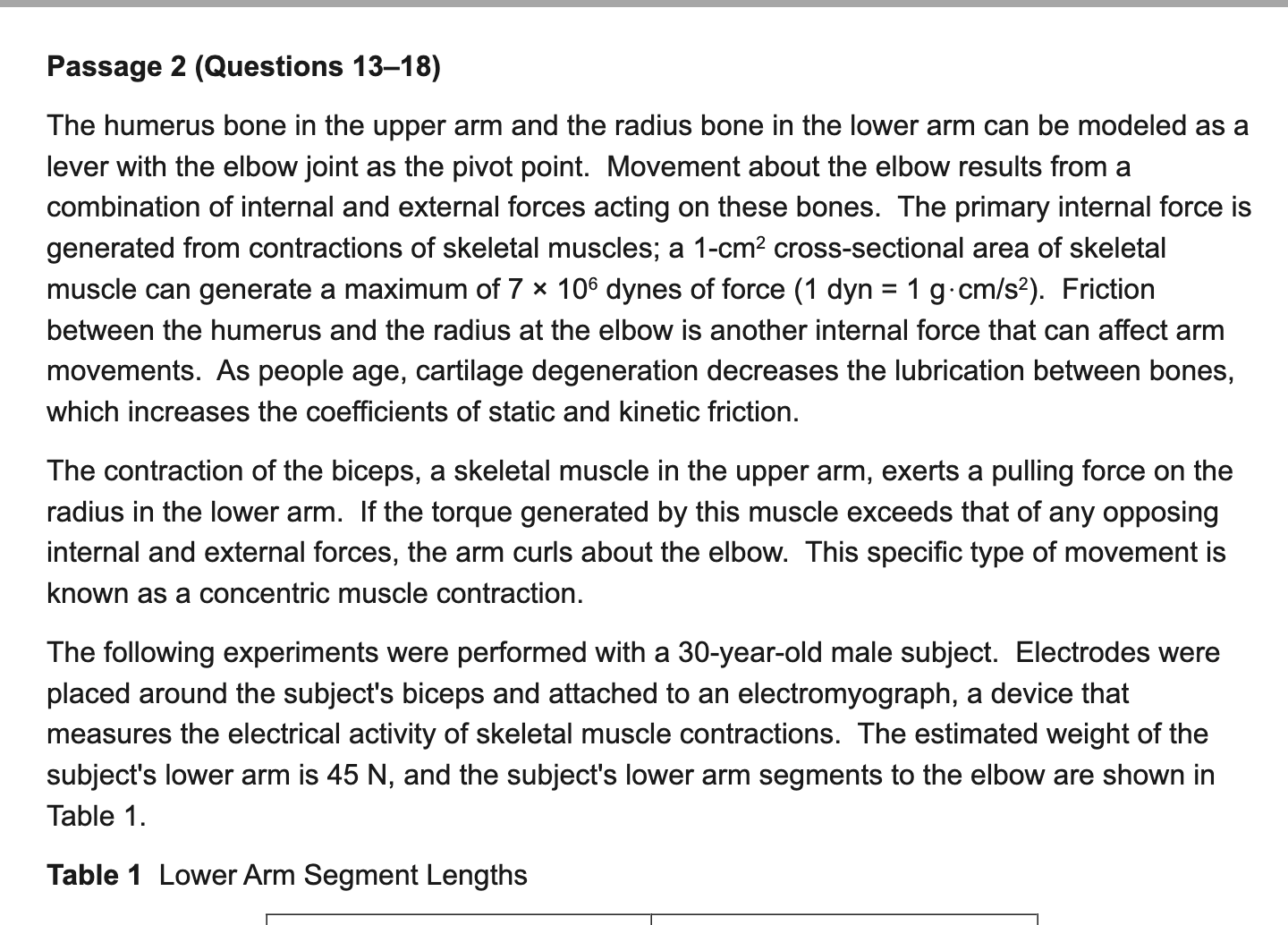
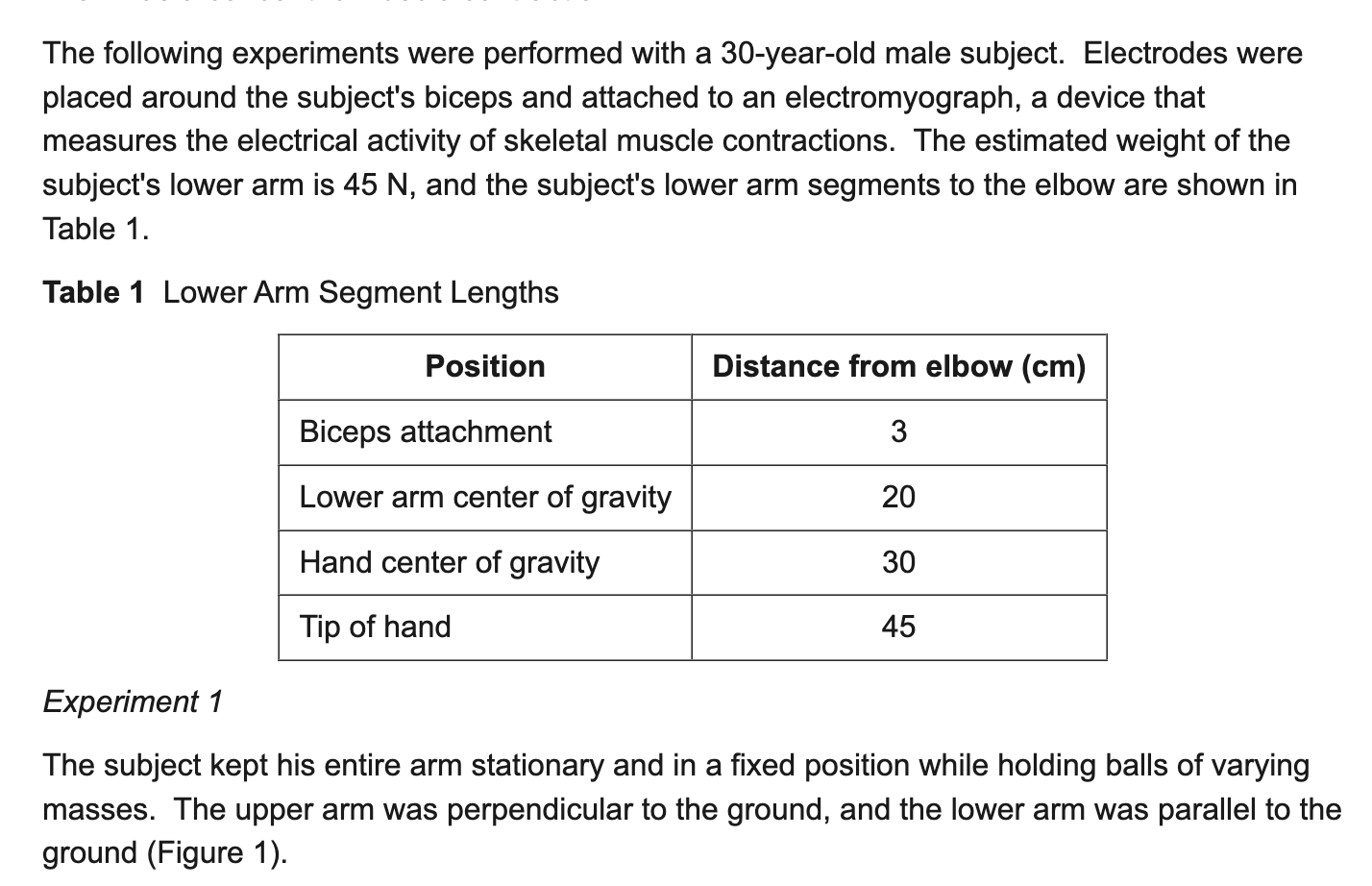
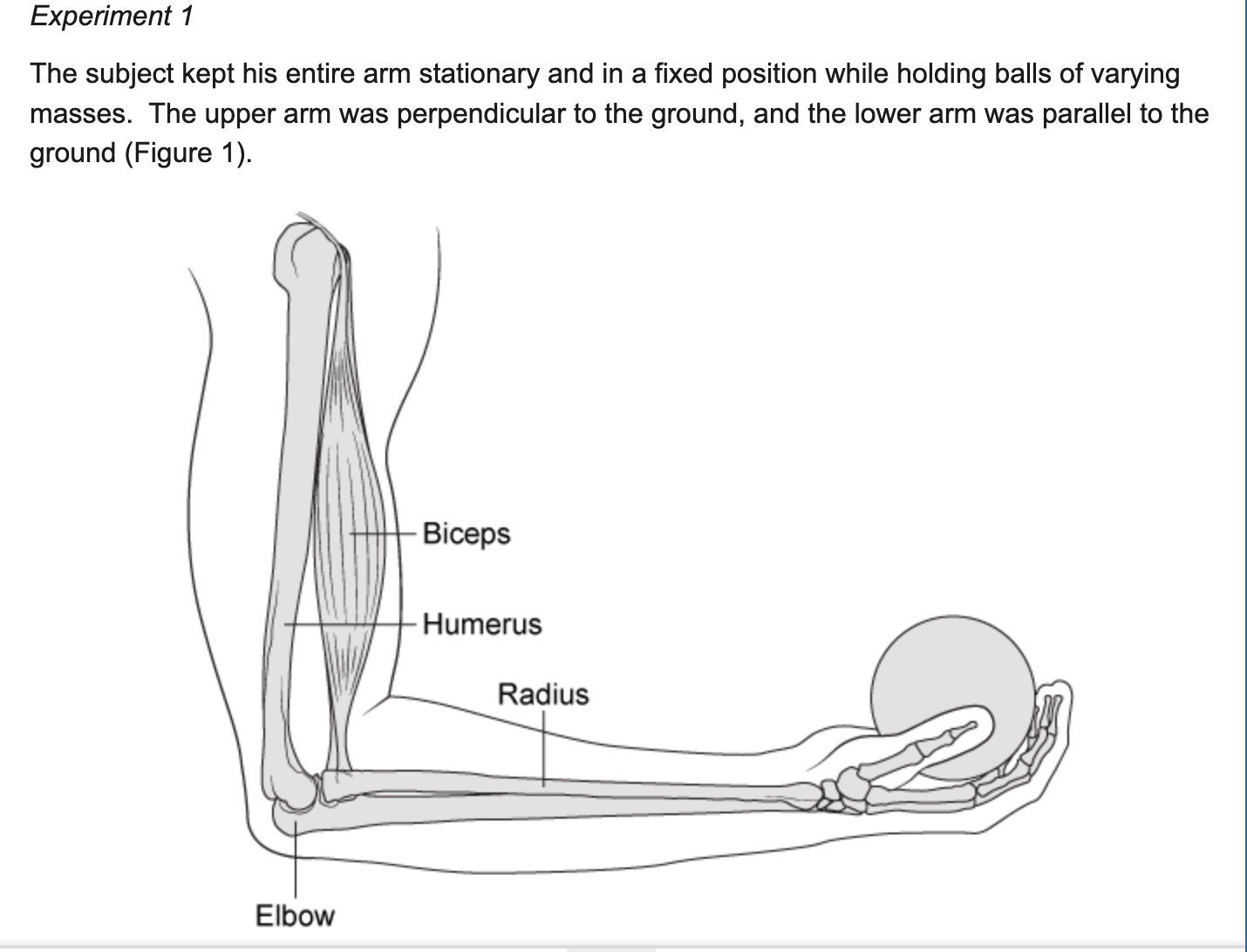


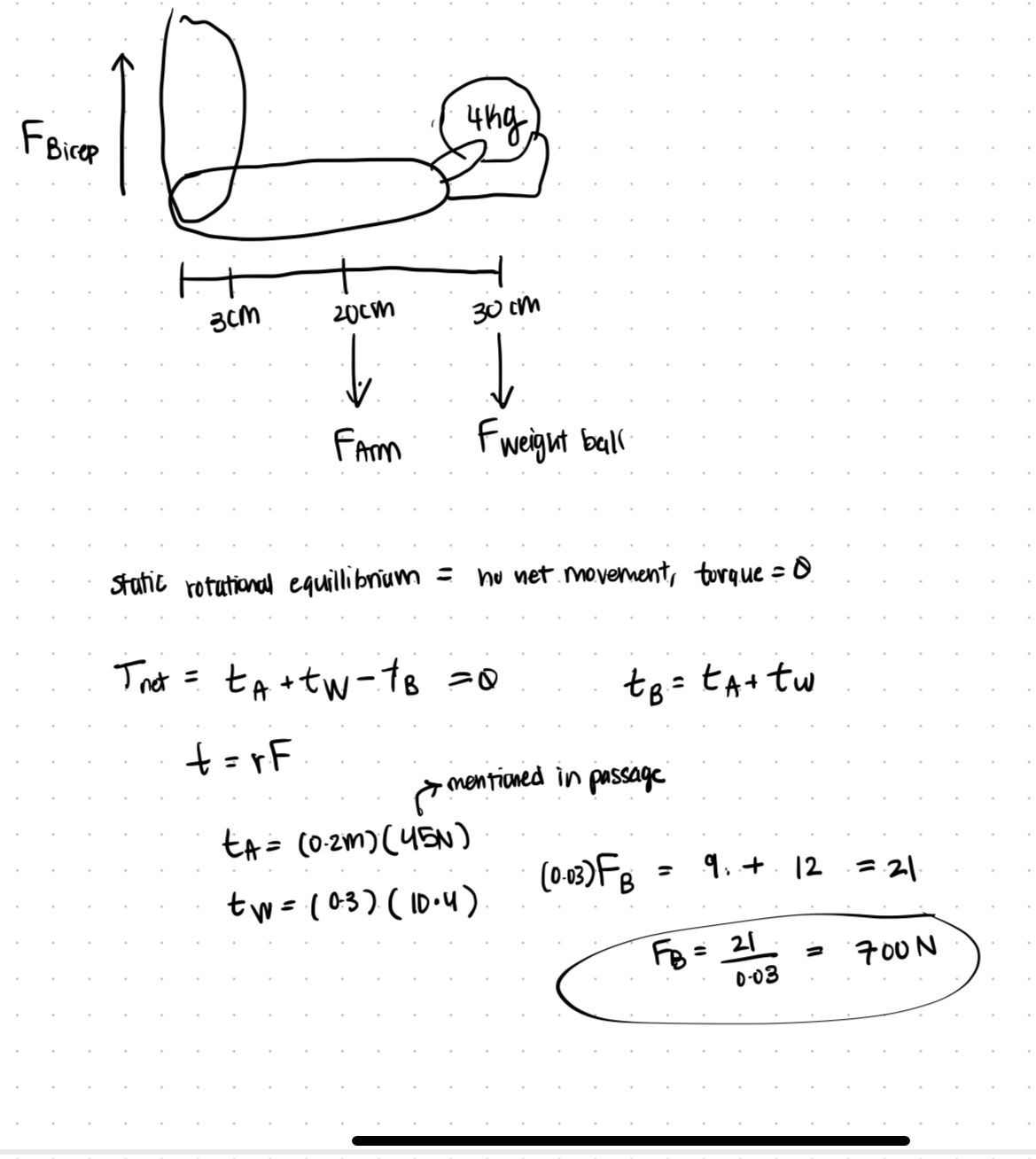
Passage B


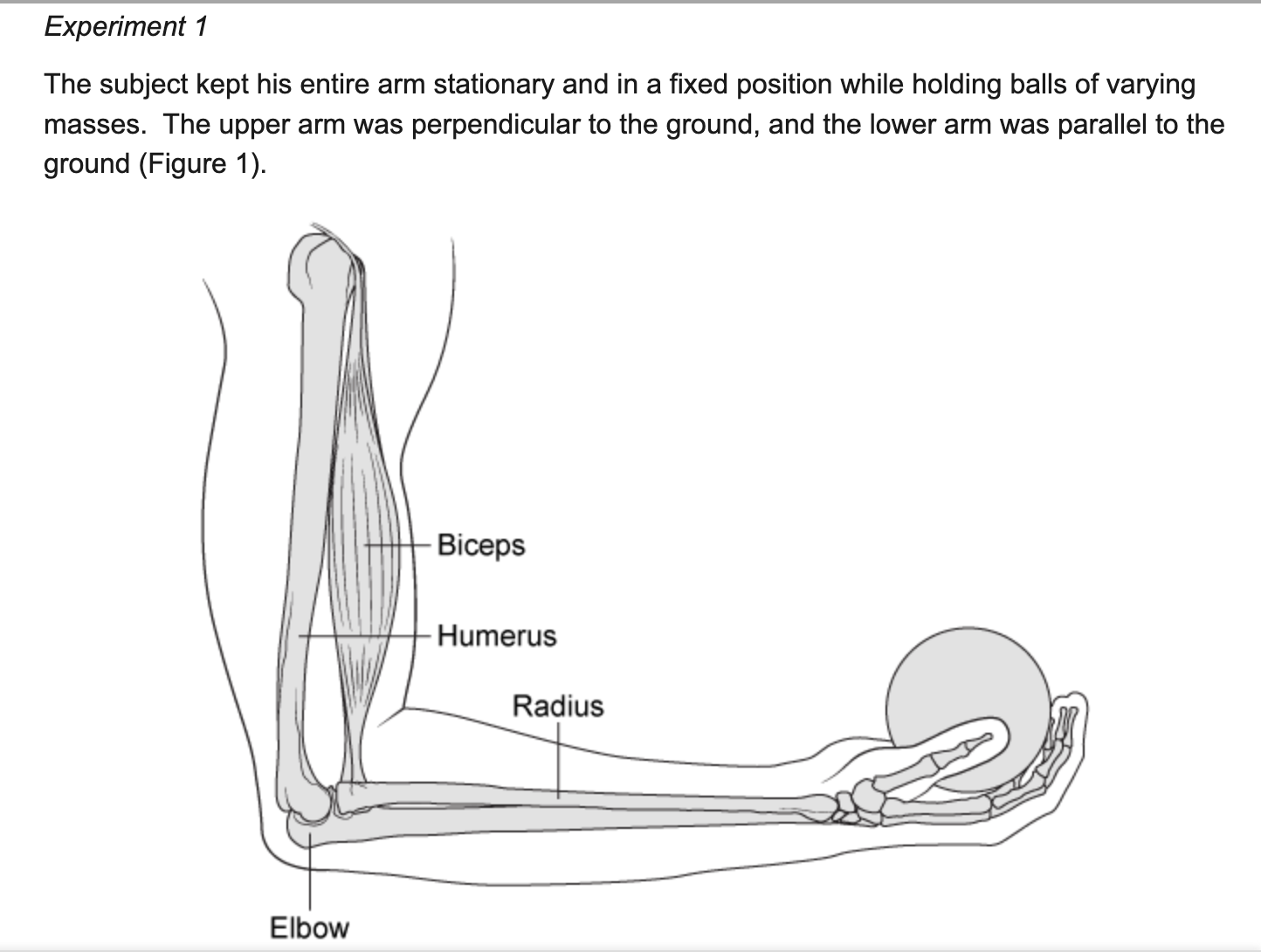
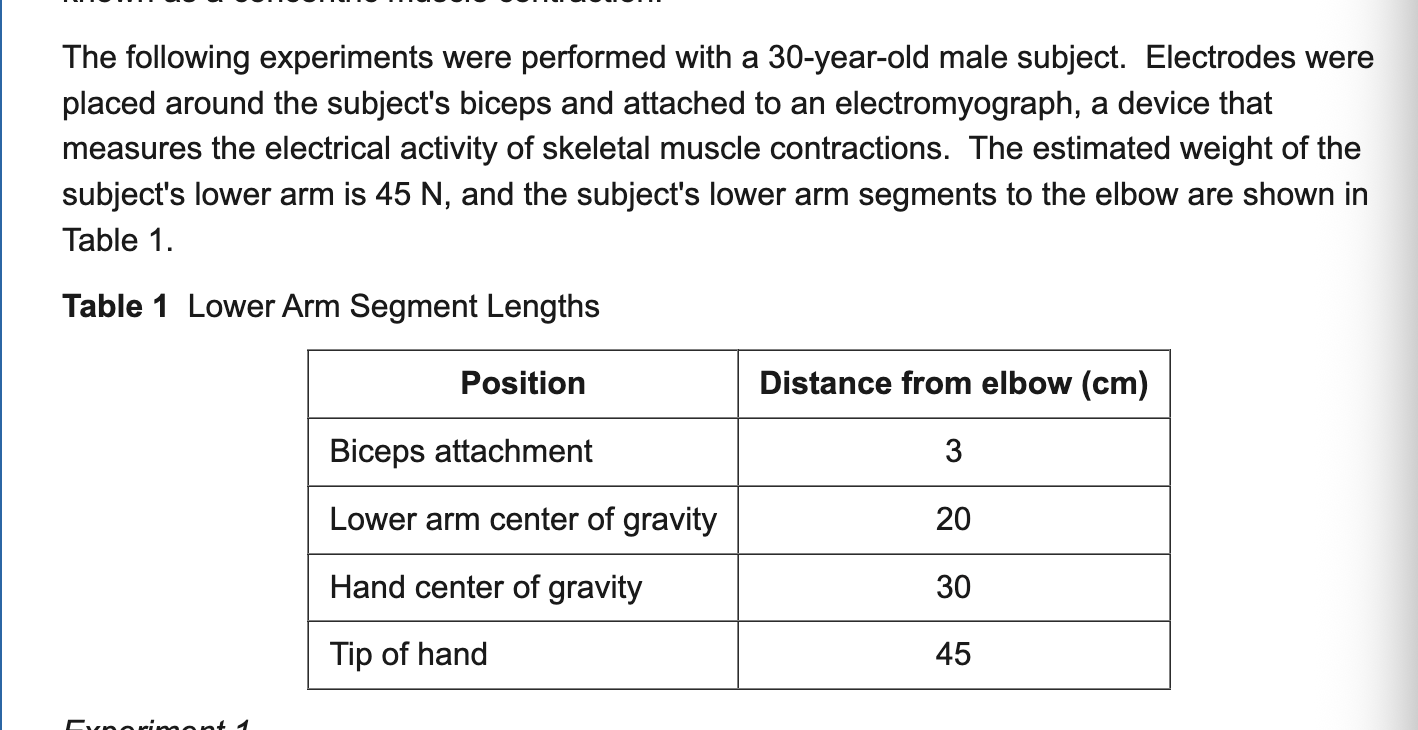
A. W=0 for all cases because gravity is a conservative force
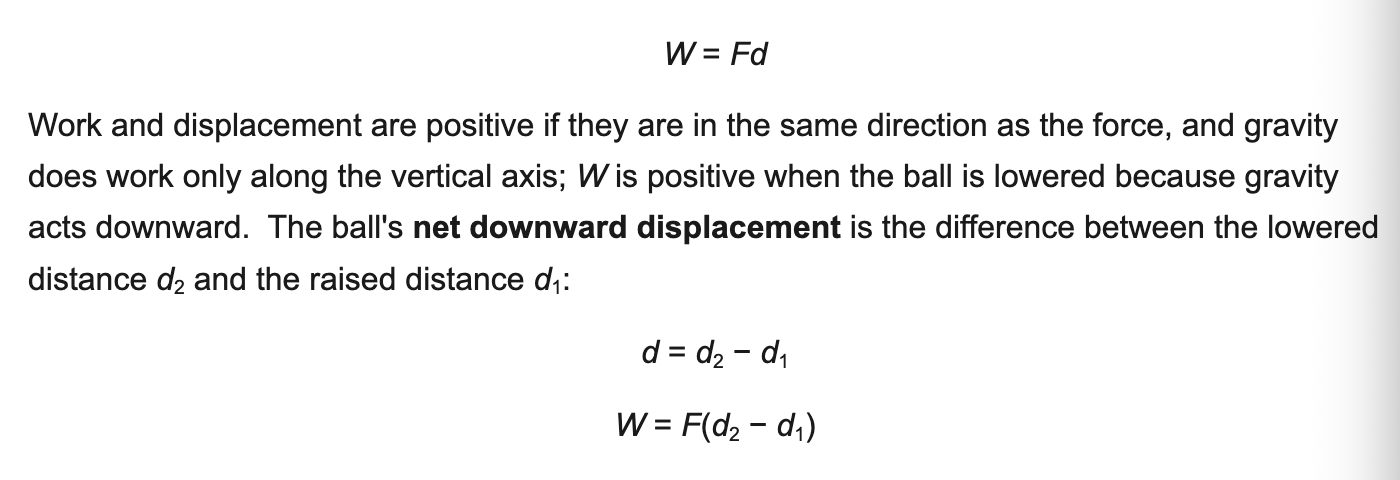
B. W= mg (d2-d1). because gravity does work on the ball as it is lifted and lowered
C. W=mgd2, because gravity does work only when the ball is lowered
D. W= mg(d1+d2), because gravity does work only on the net vertical path
Answer: B
gravity is a conservative force; it depends on the inital and final position of the mass it acts on.
Note: F= am where a=gravity acceleration (g)

Passage B


Passage B
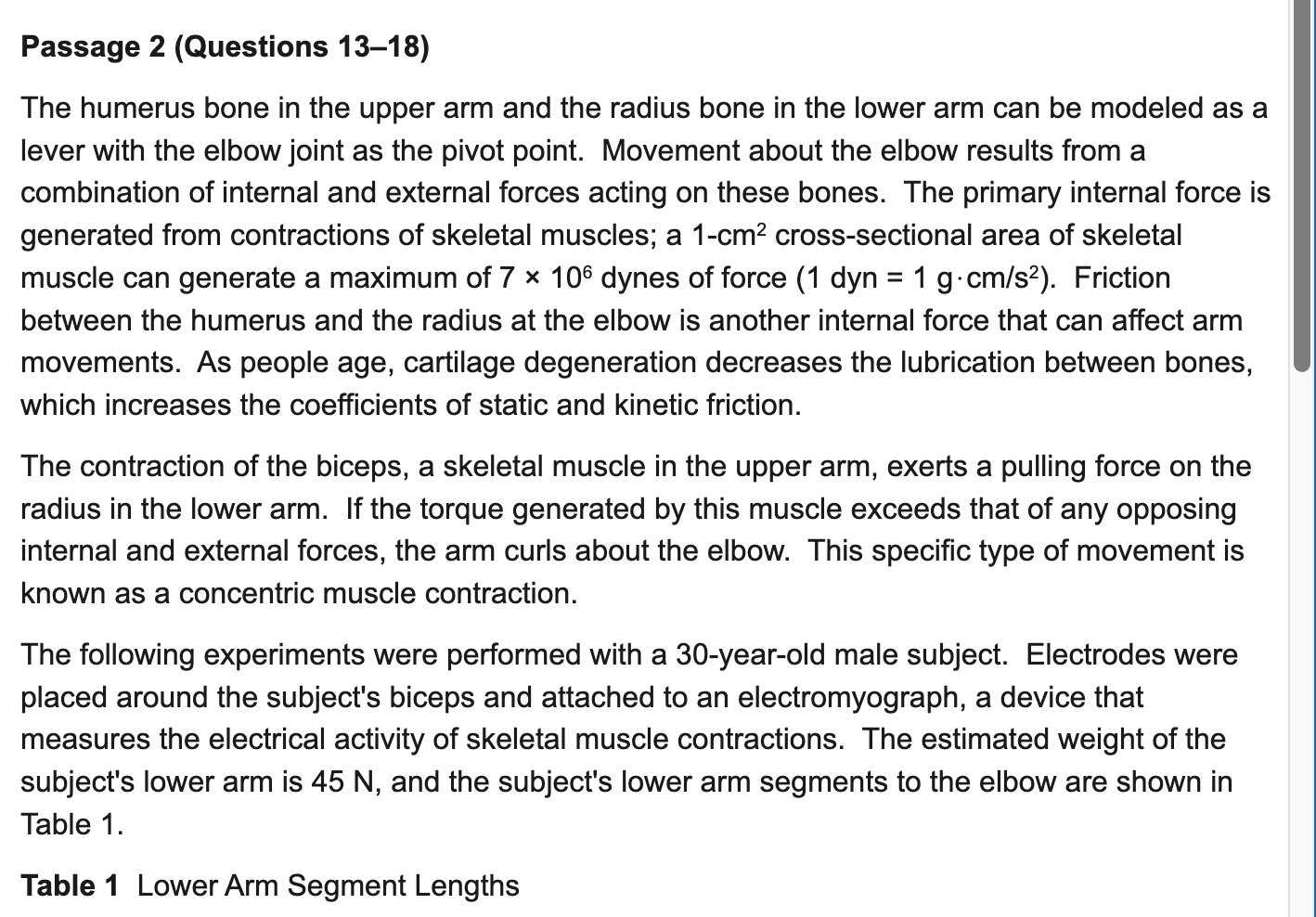
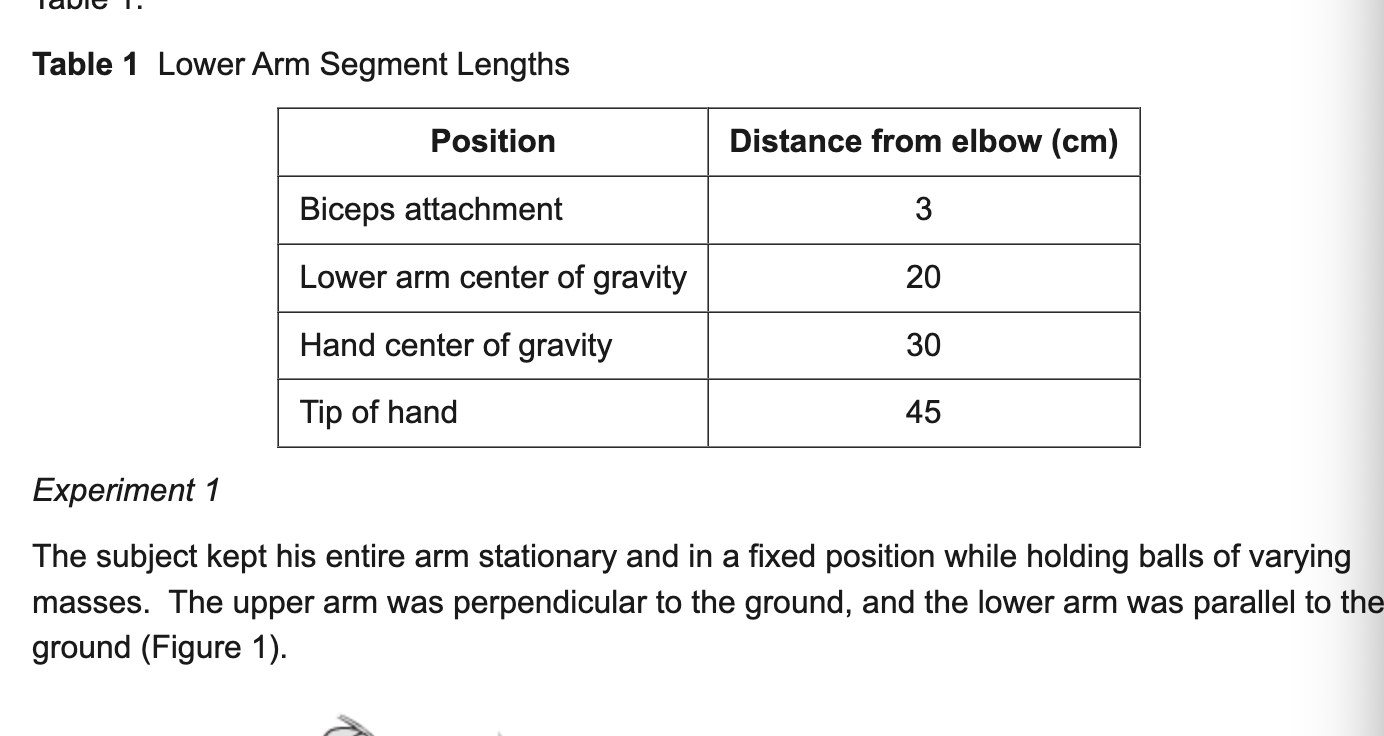
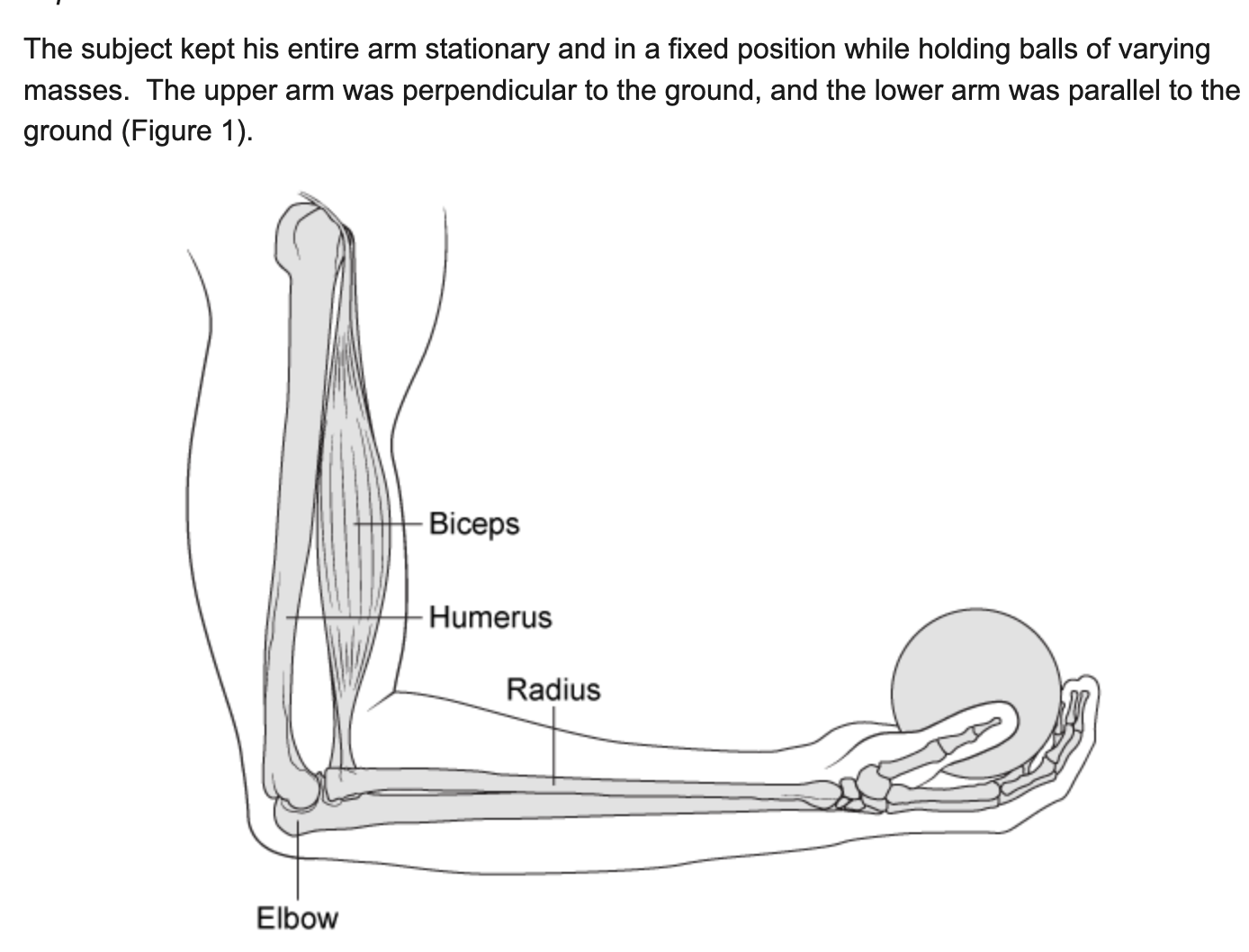

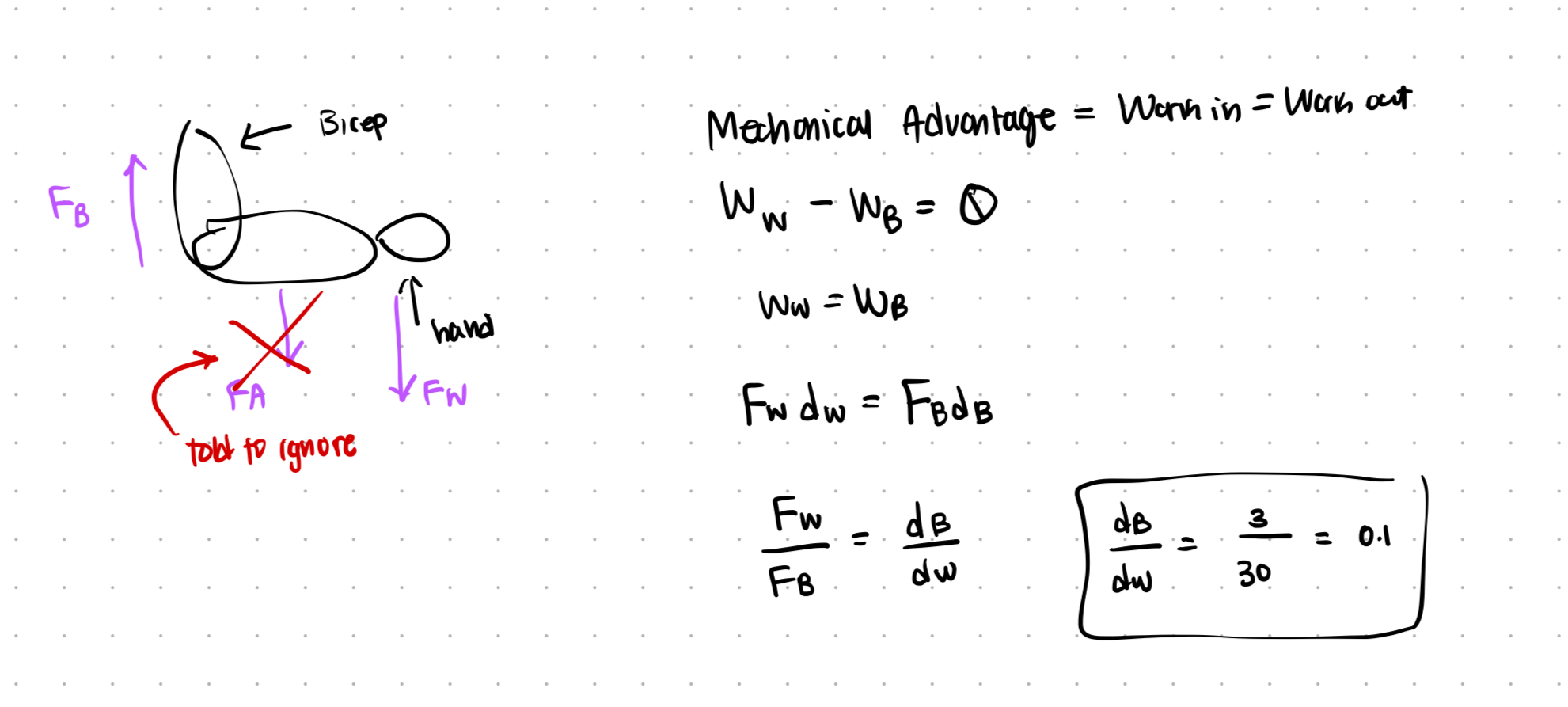
mechanical advantage



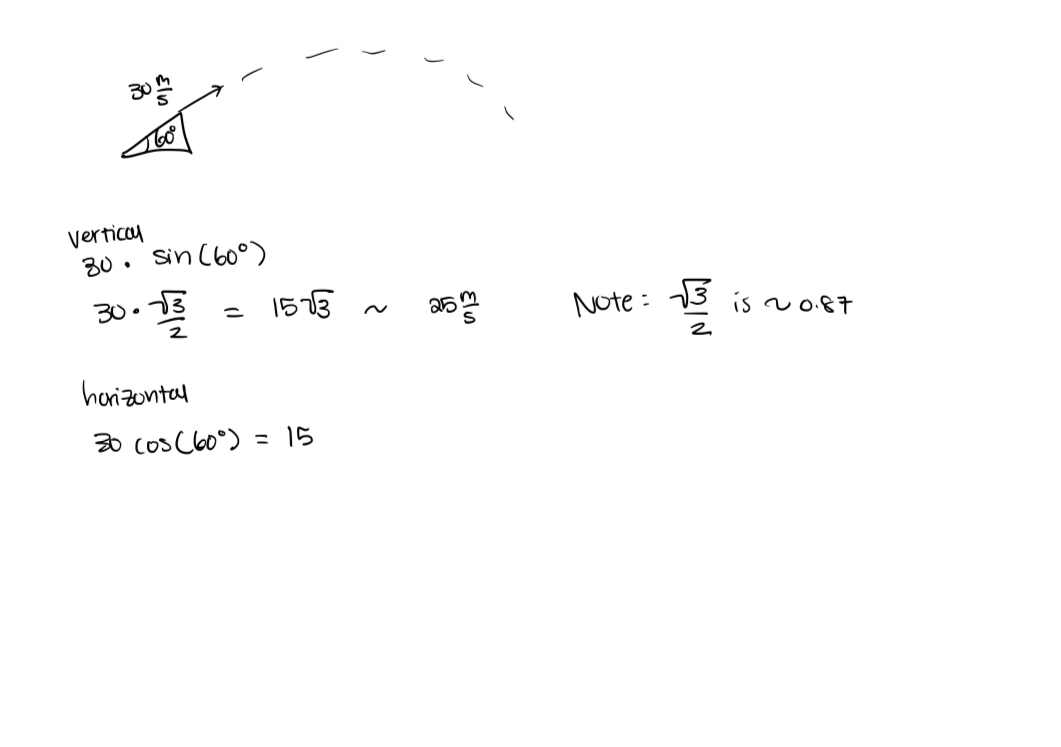
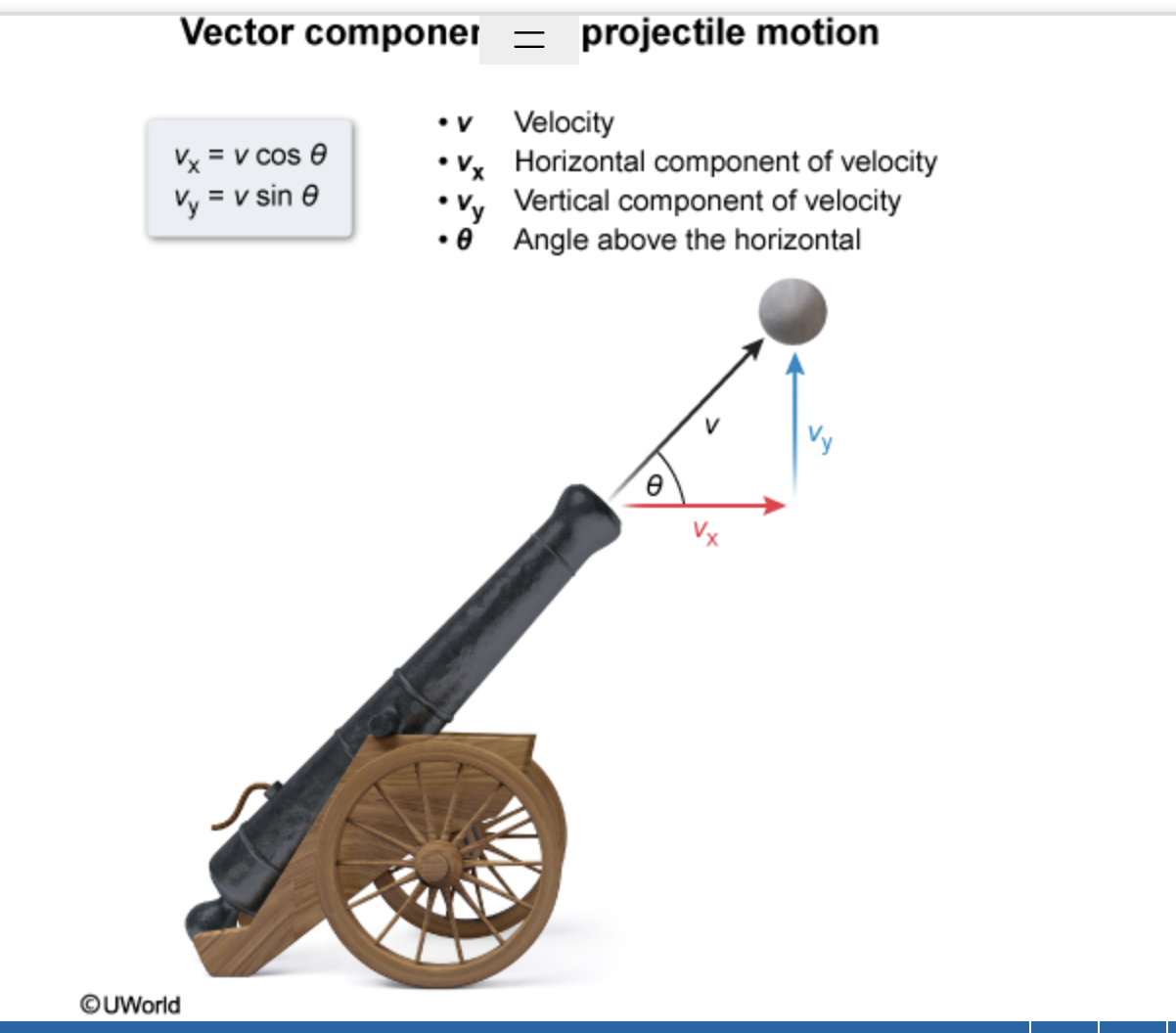
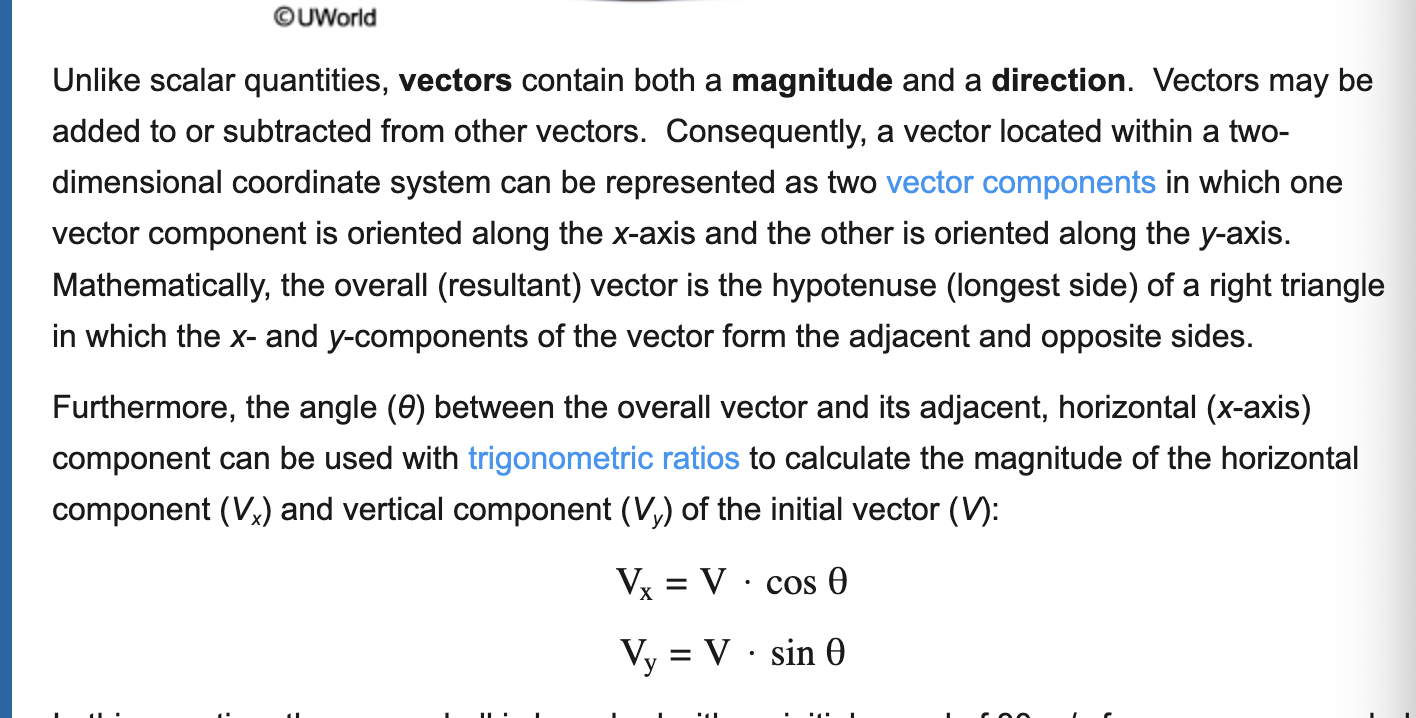
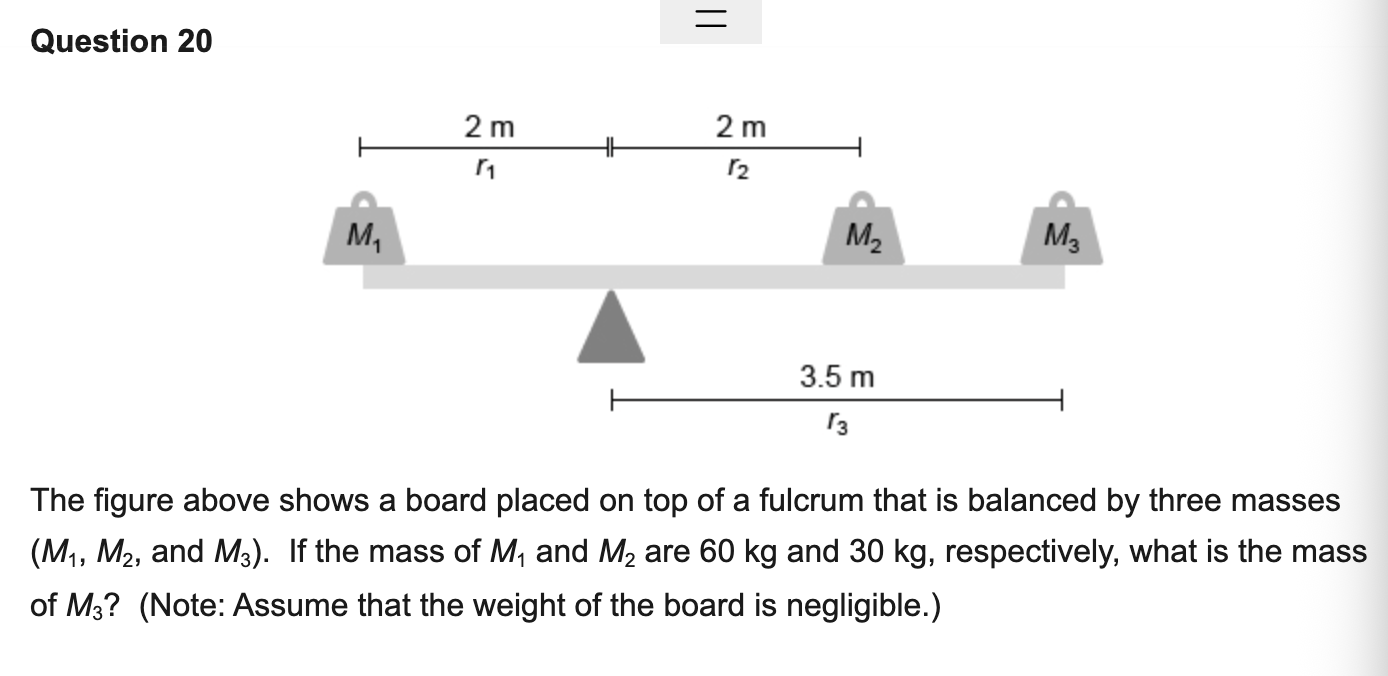
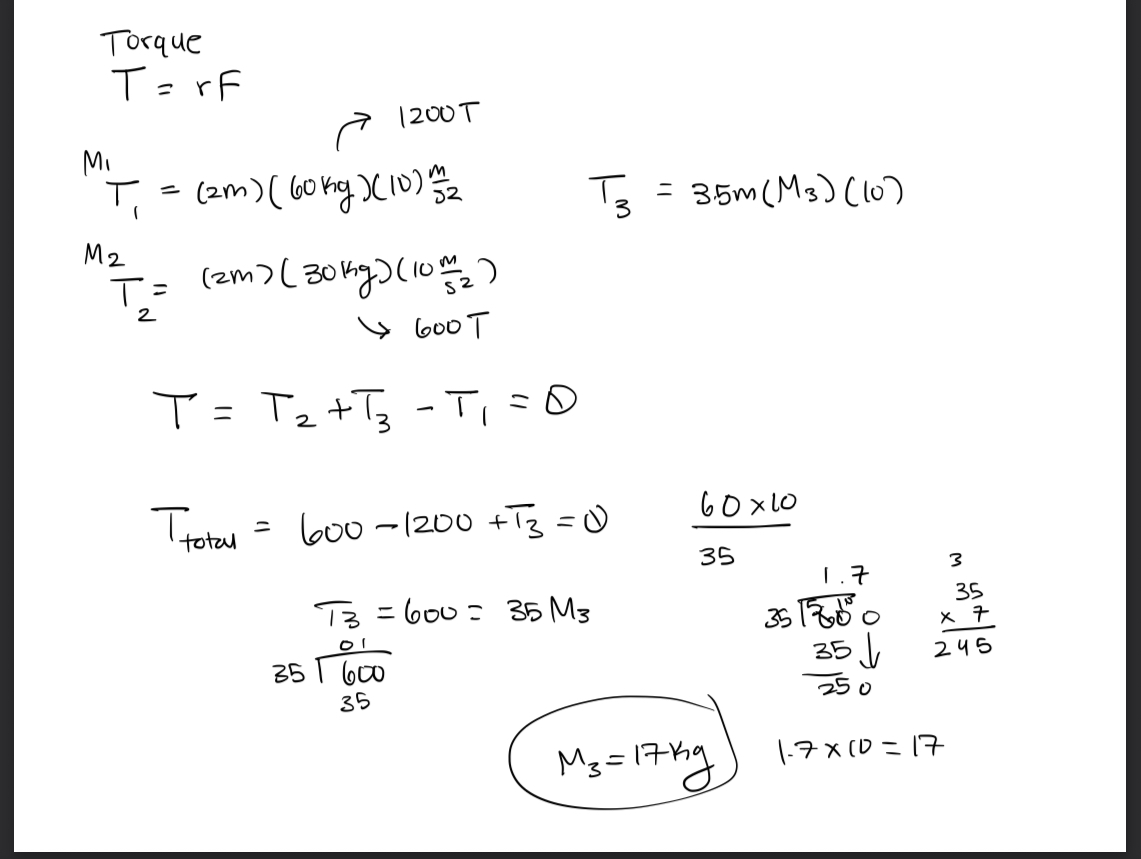
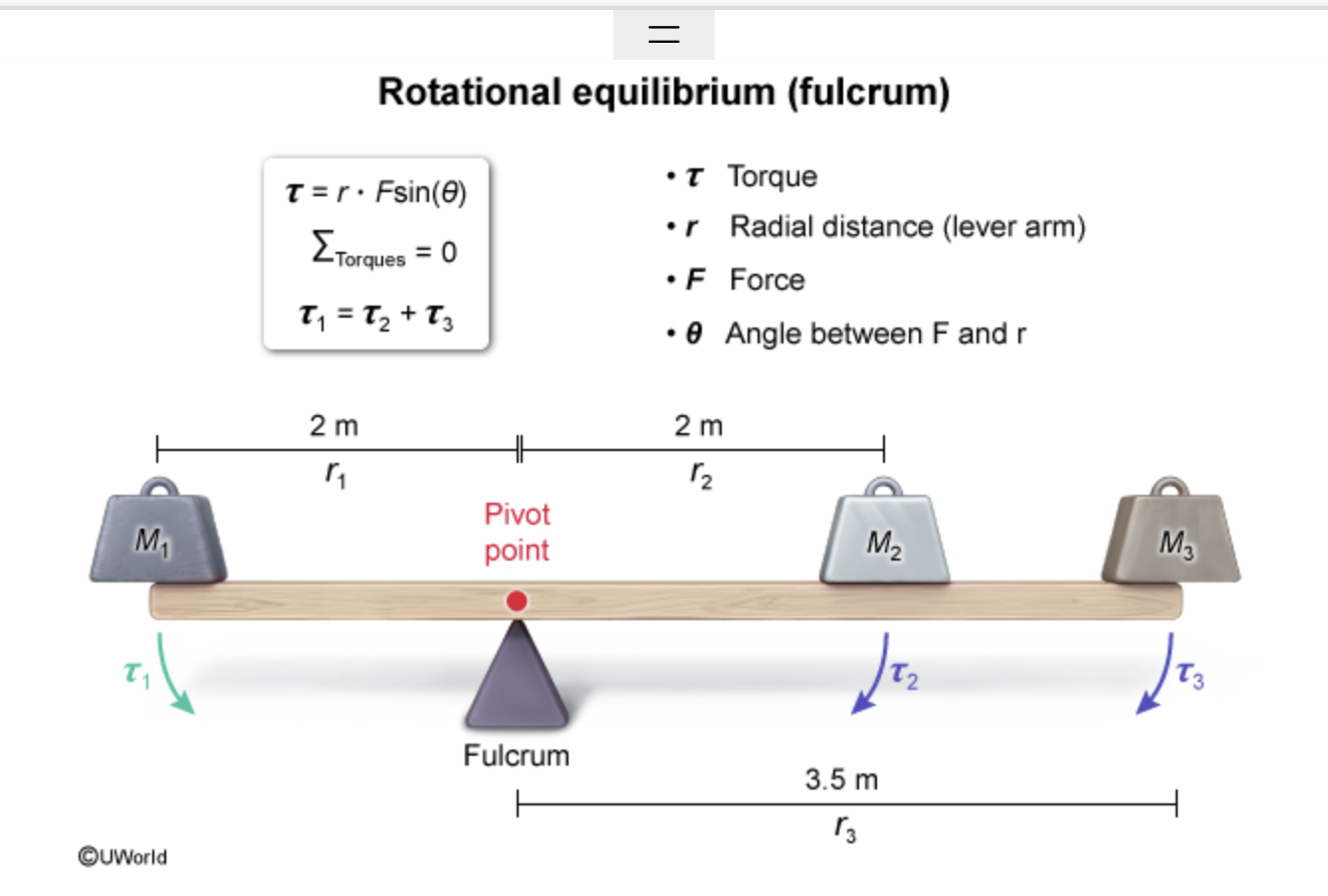
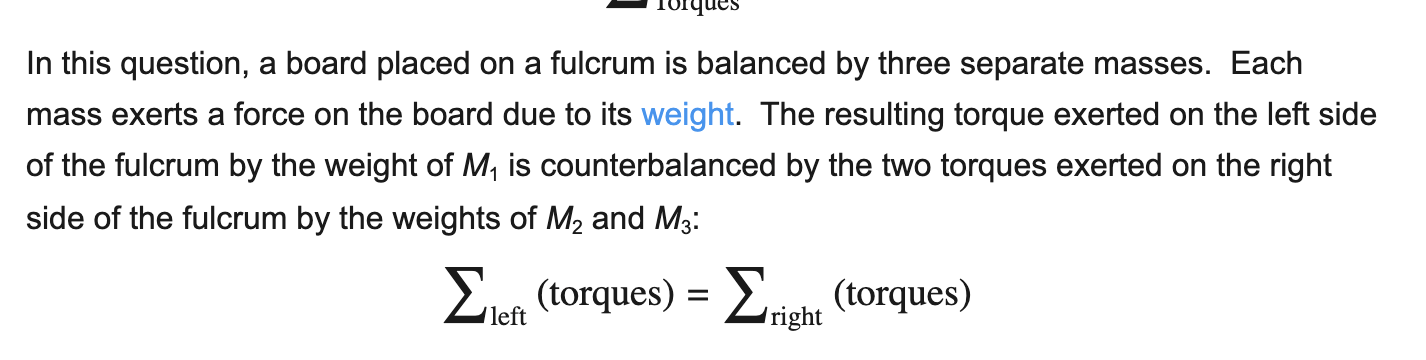
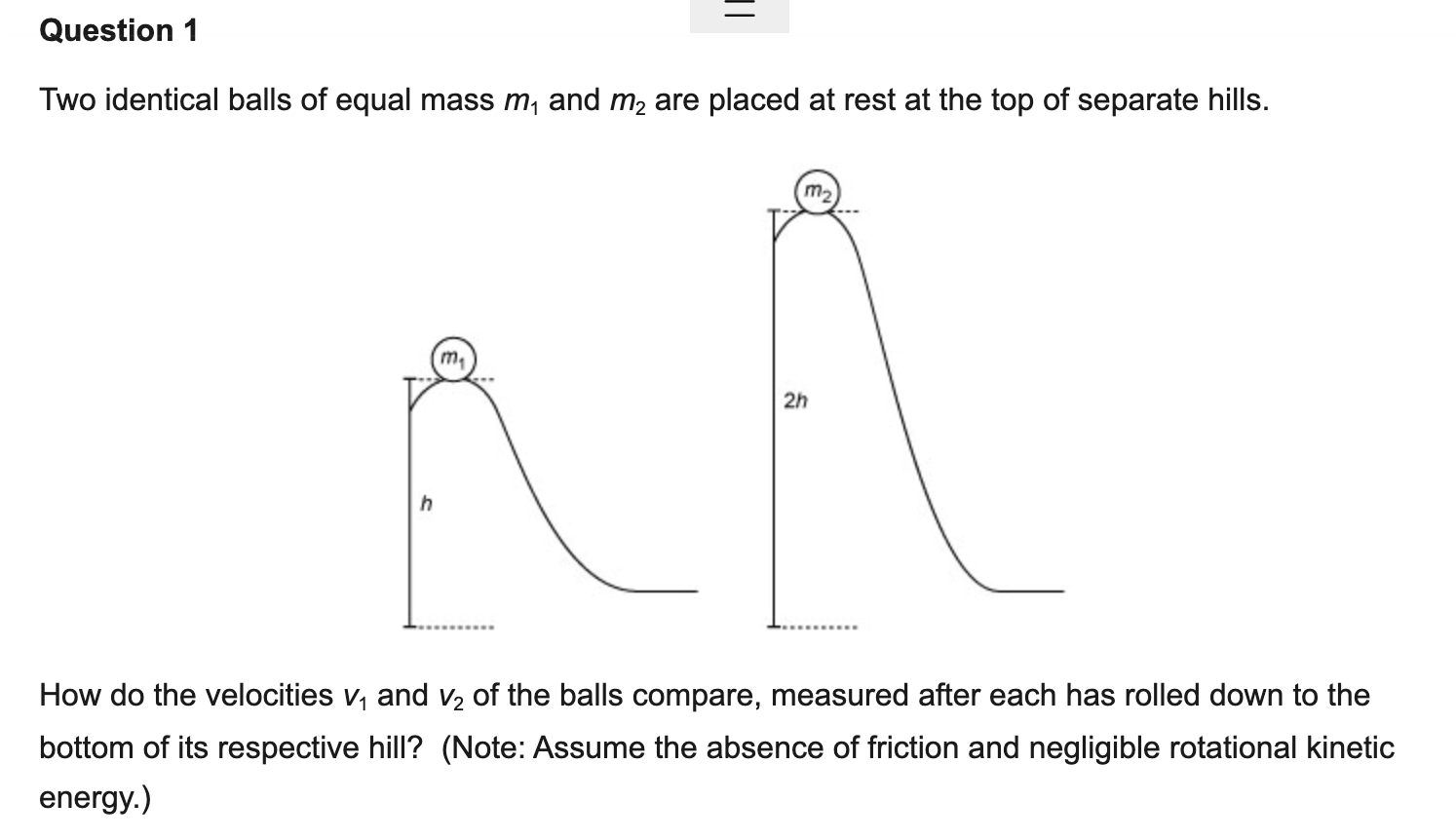
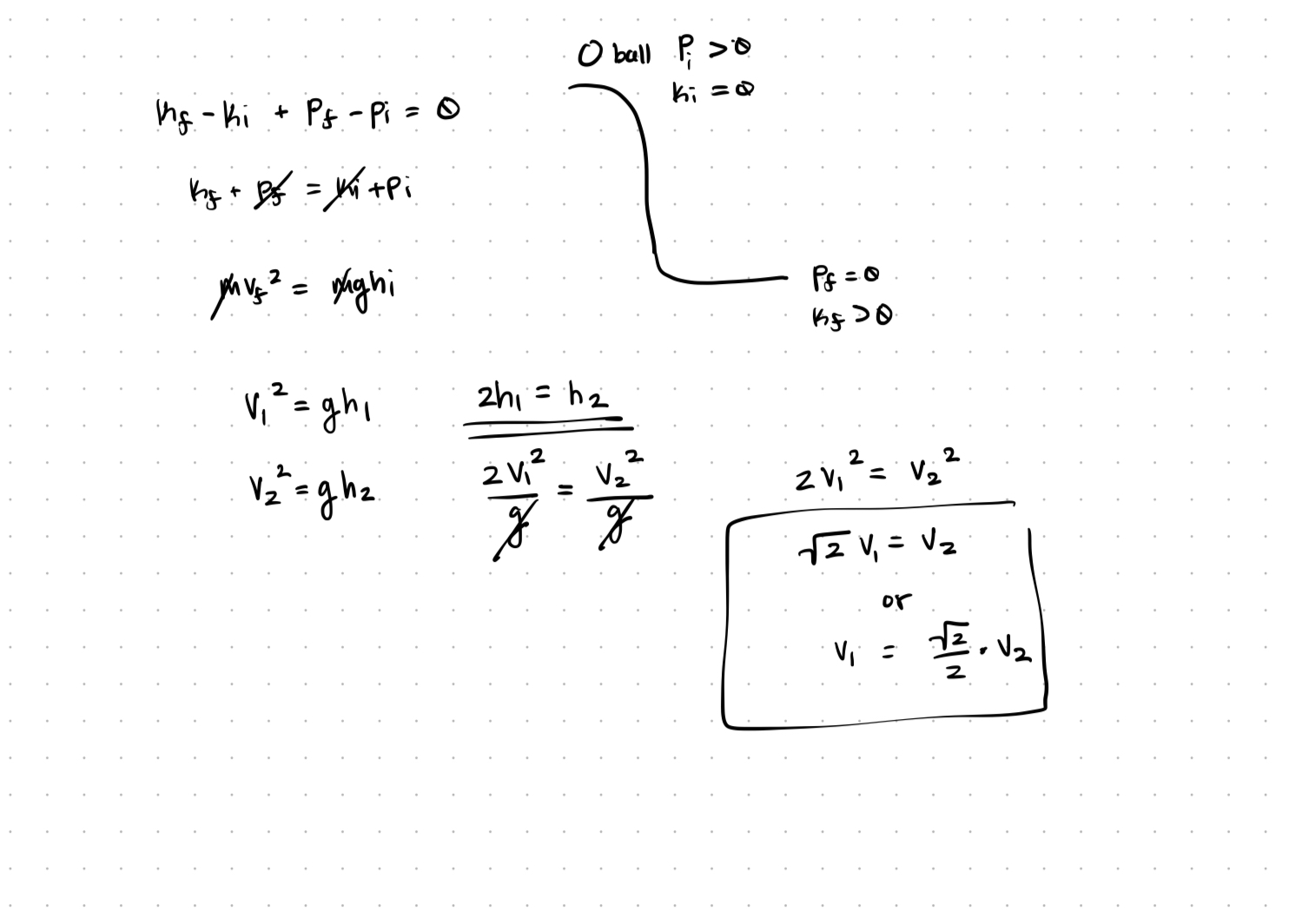
Note: it should be KE= ½ mv²
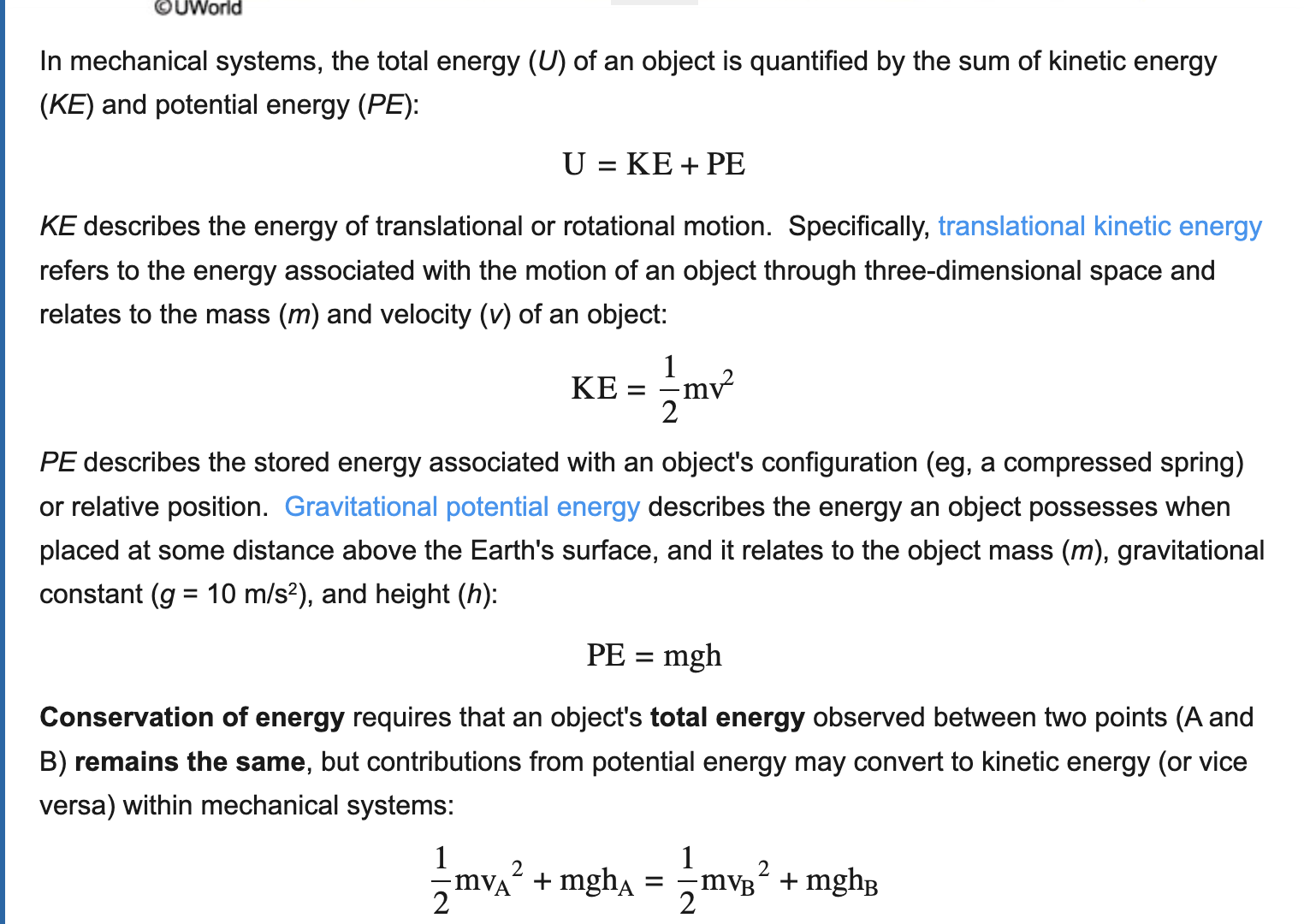

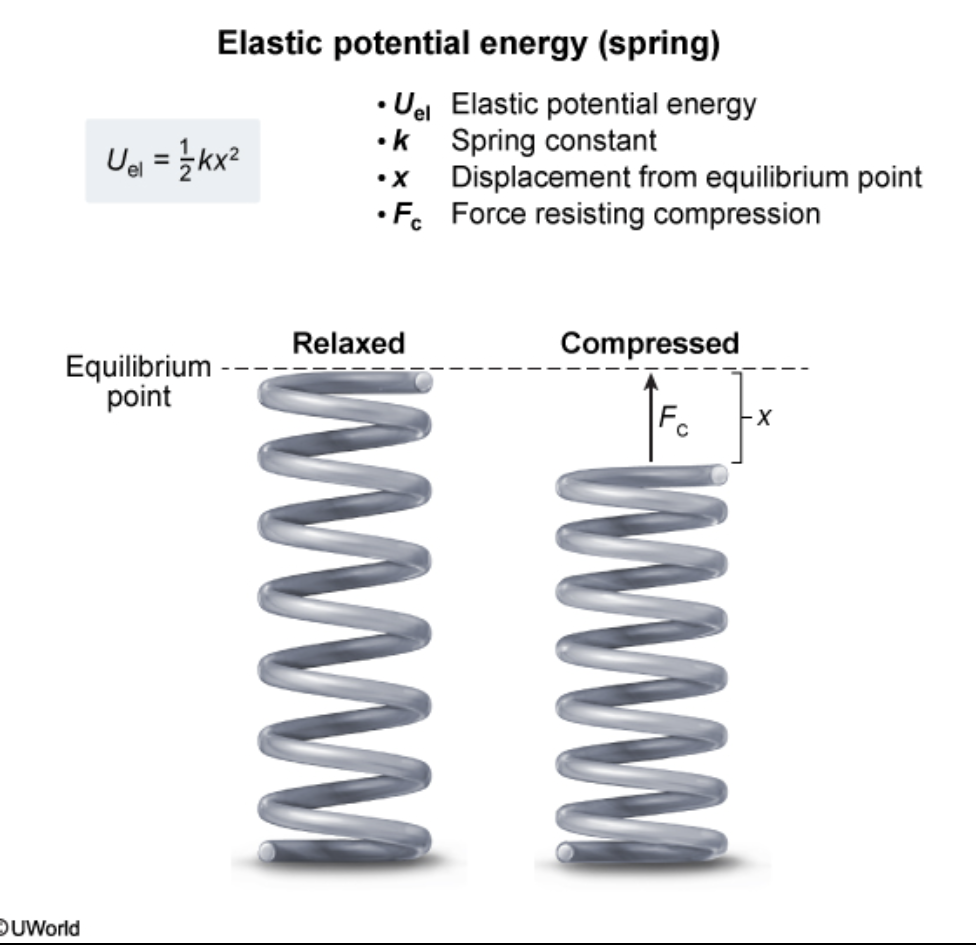
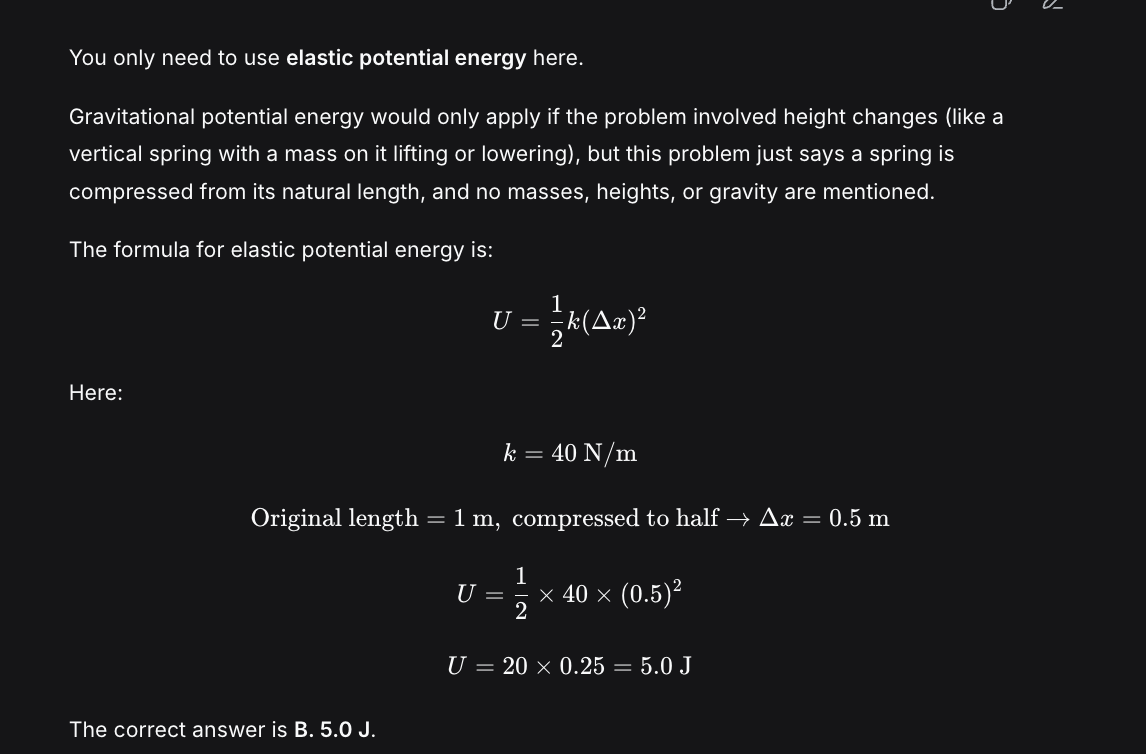
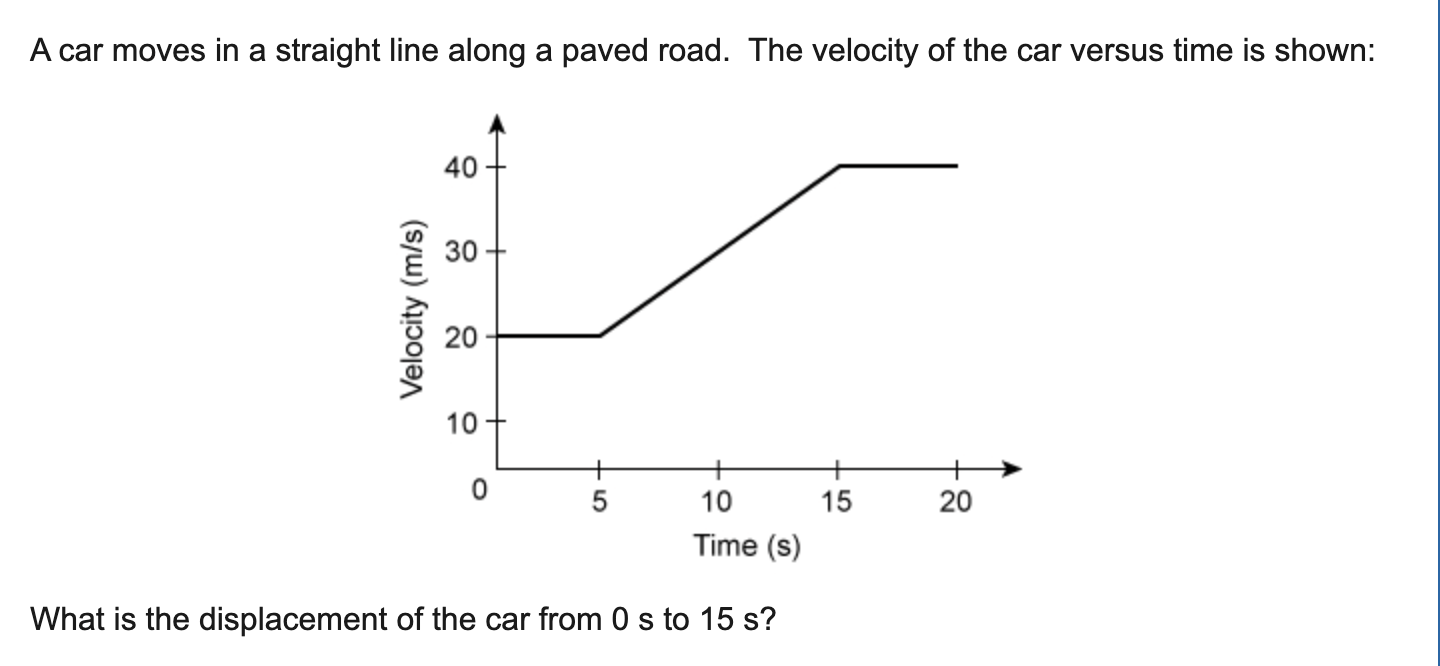
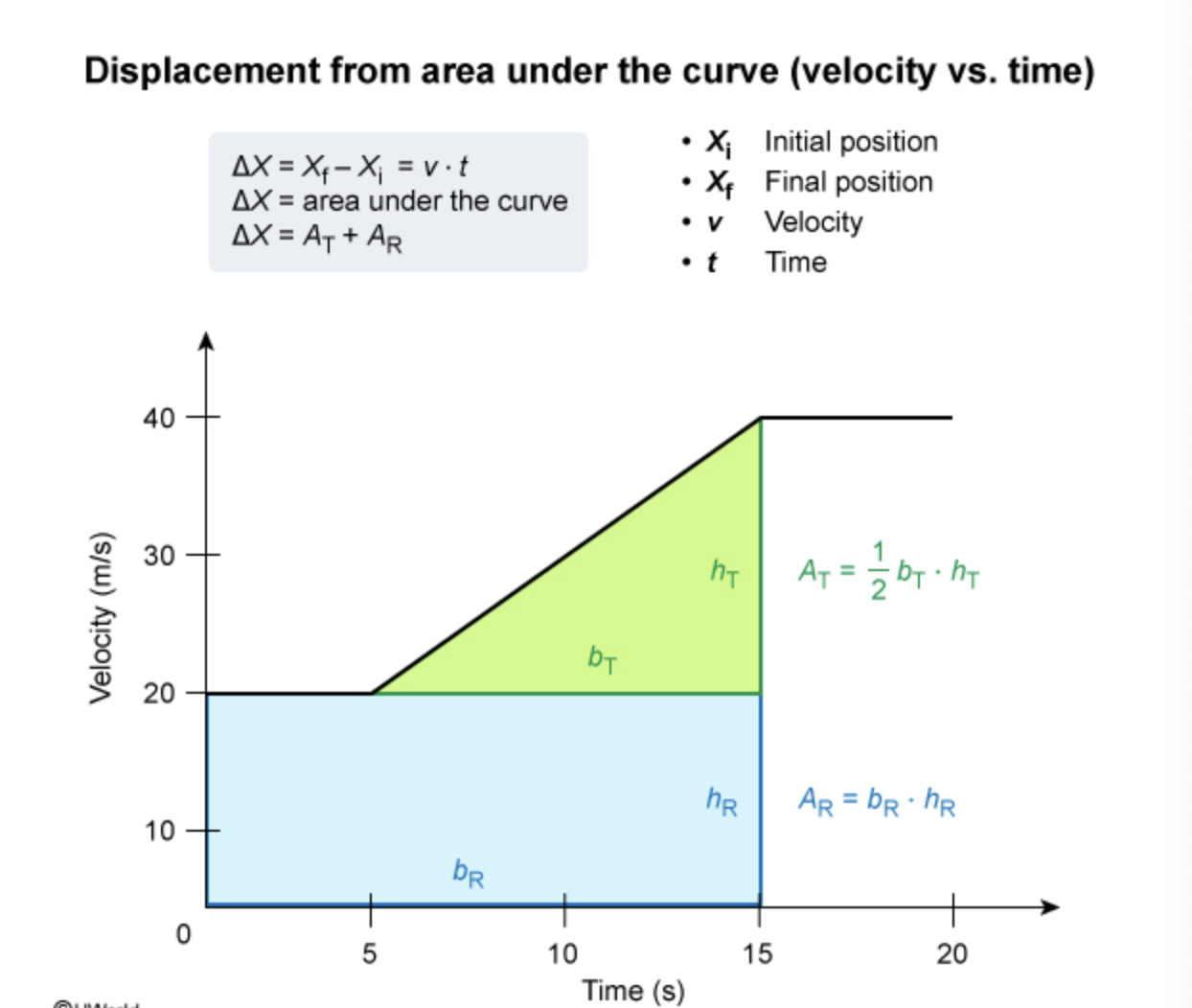
10×20×1/2=100
5×20=100
10×20=200
answer: 400m
Passage C
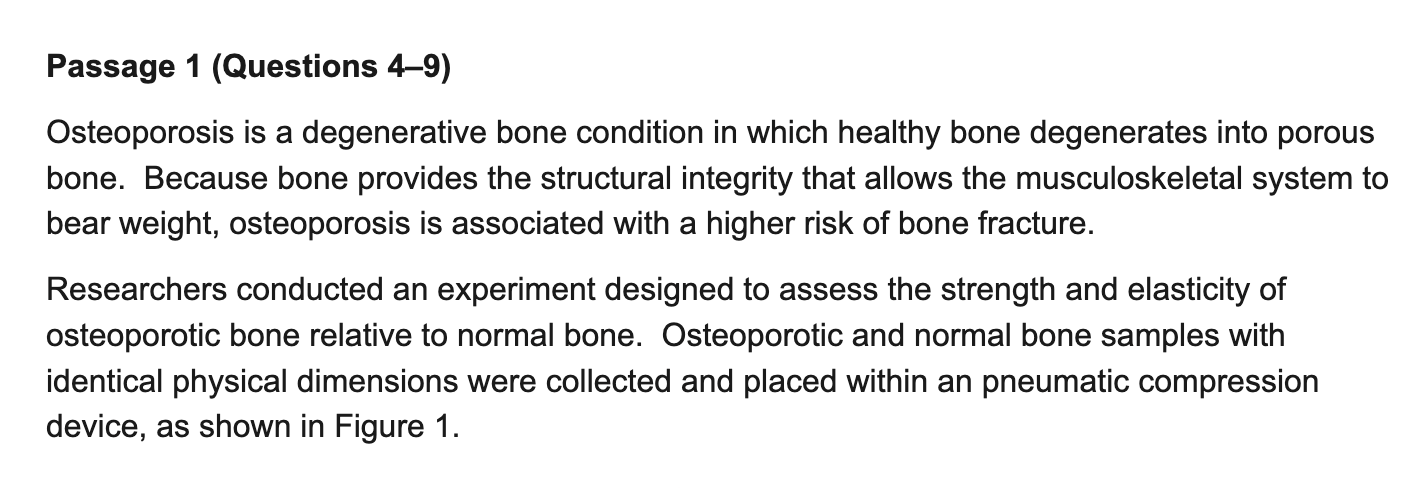
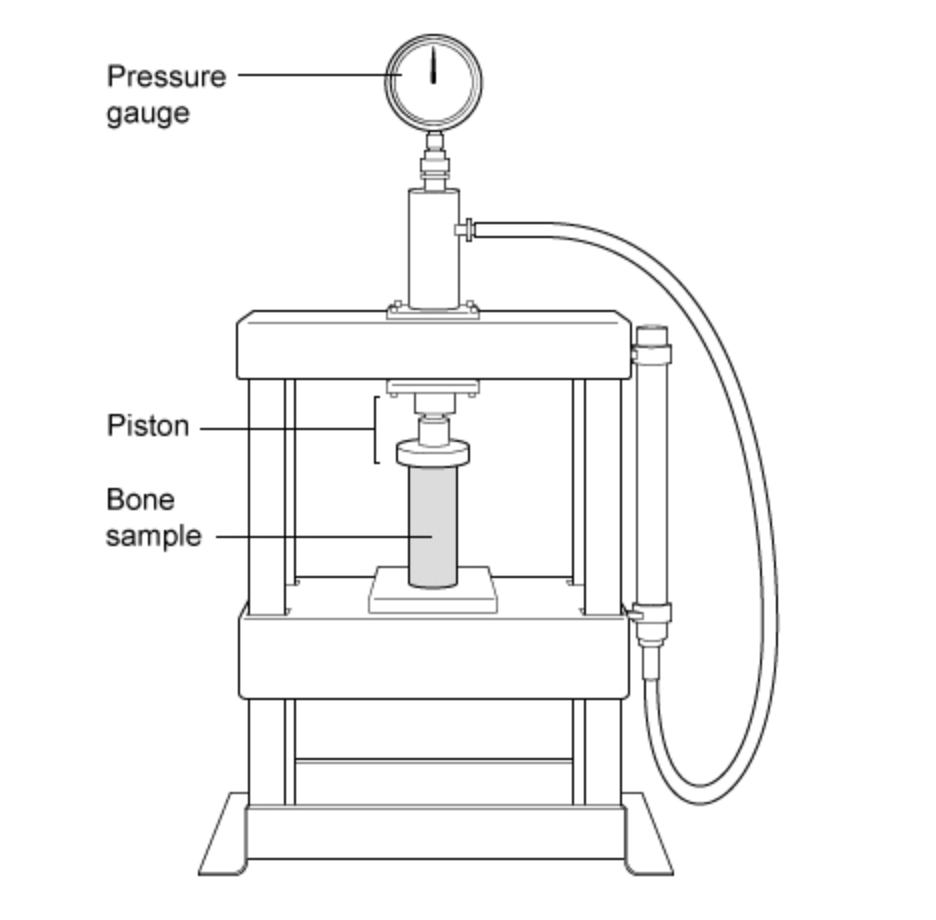
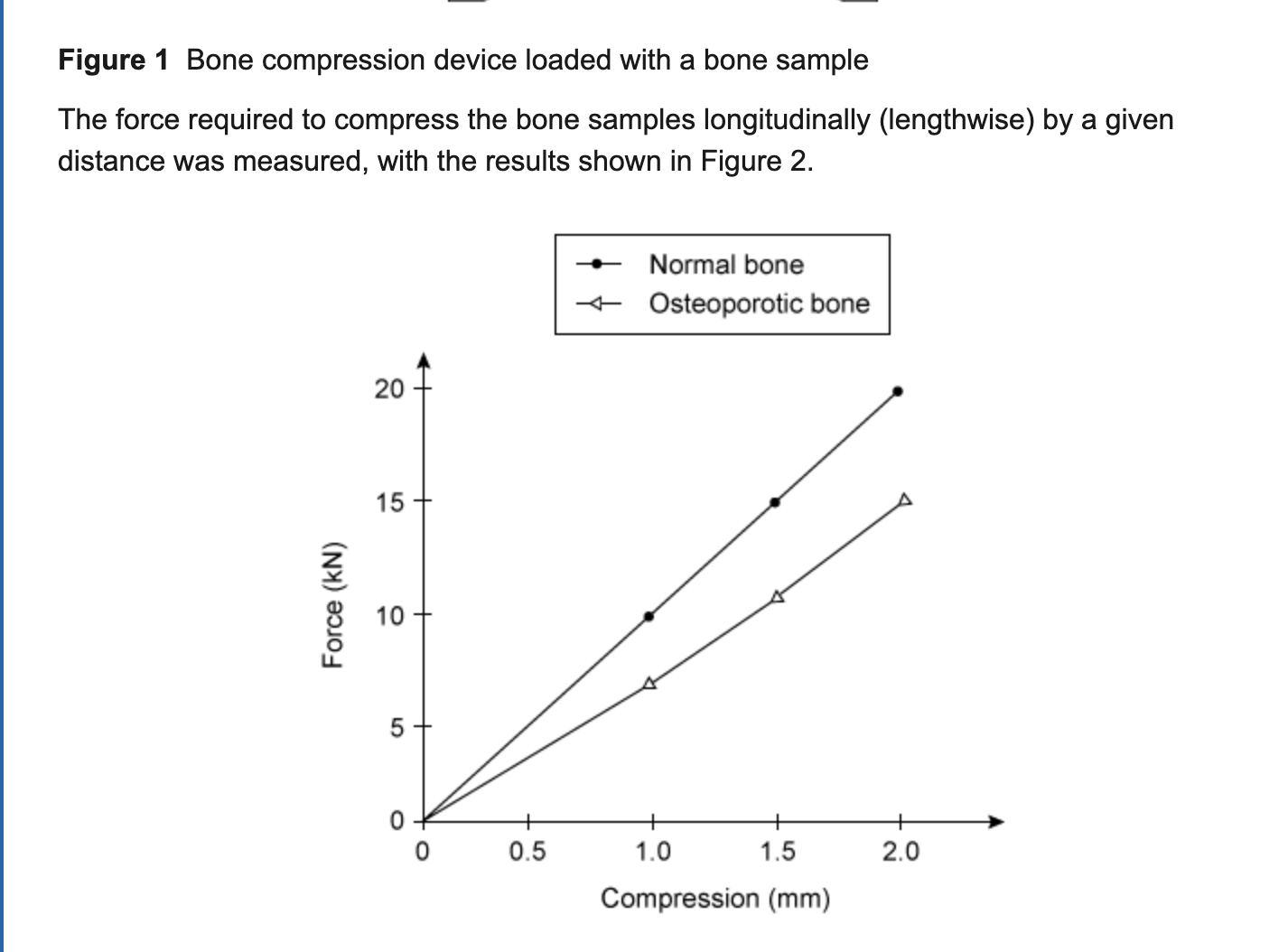
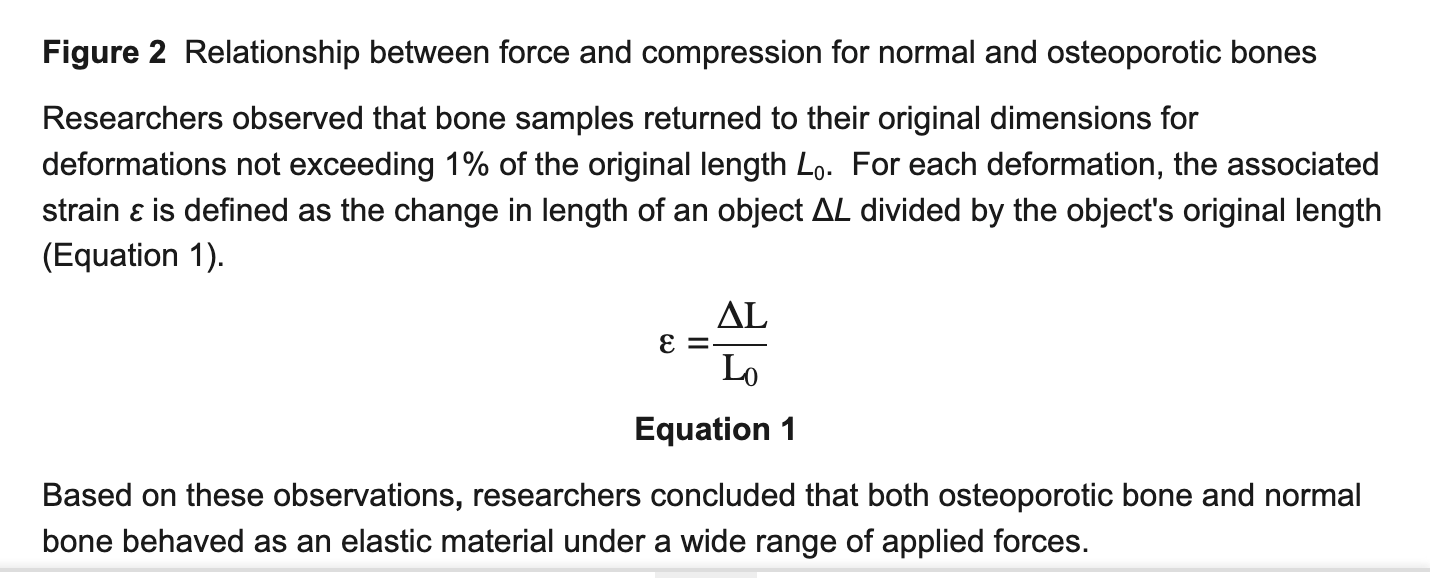
Passage C

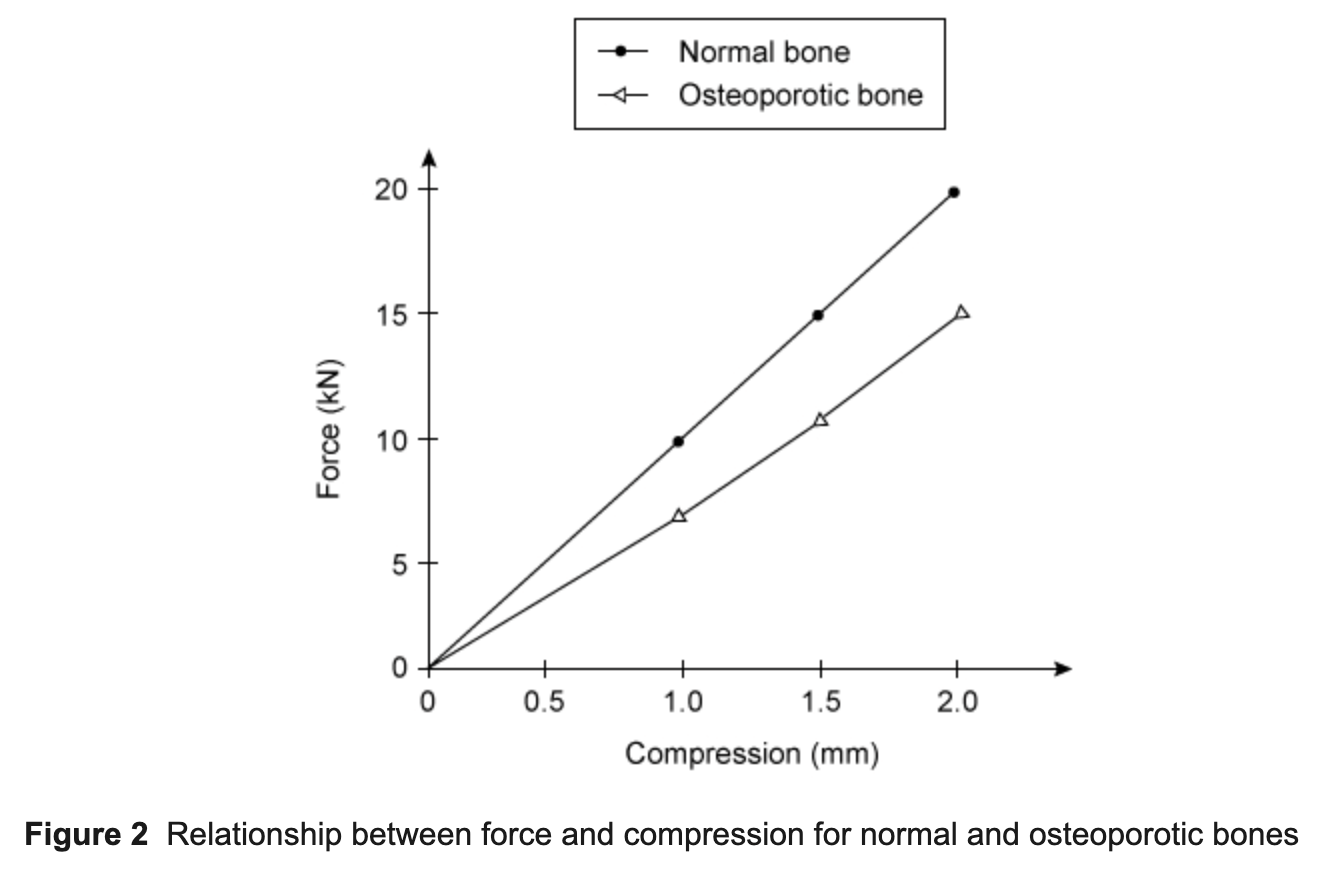
at x=1.5, y=15
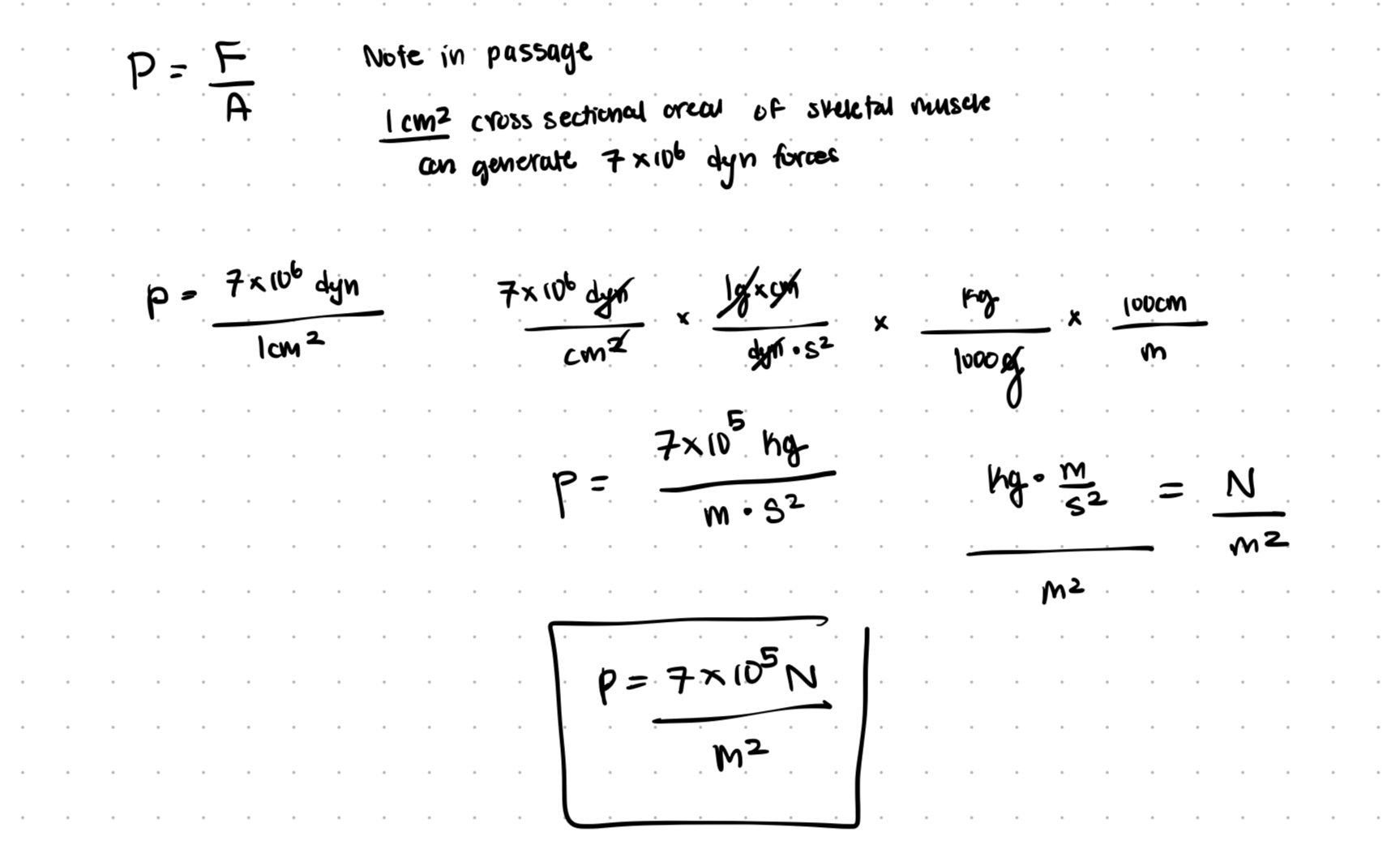
note: Pressure P= F/A
so 15kN/10 mm² = 1.5kN/mm²

Passage C
W= F* d
Wnormal= 20×2=40
Wobone= 15×2=30
so its 4/3 times greater than Wobone
Passage C
What is the spring constant k for normal bone?
Rise over run
Rise (10kN) over run (1mm) slope= 10kN/mm = k constant

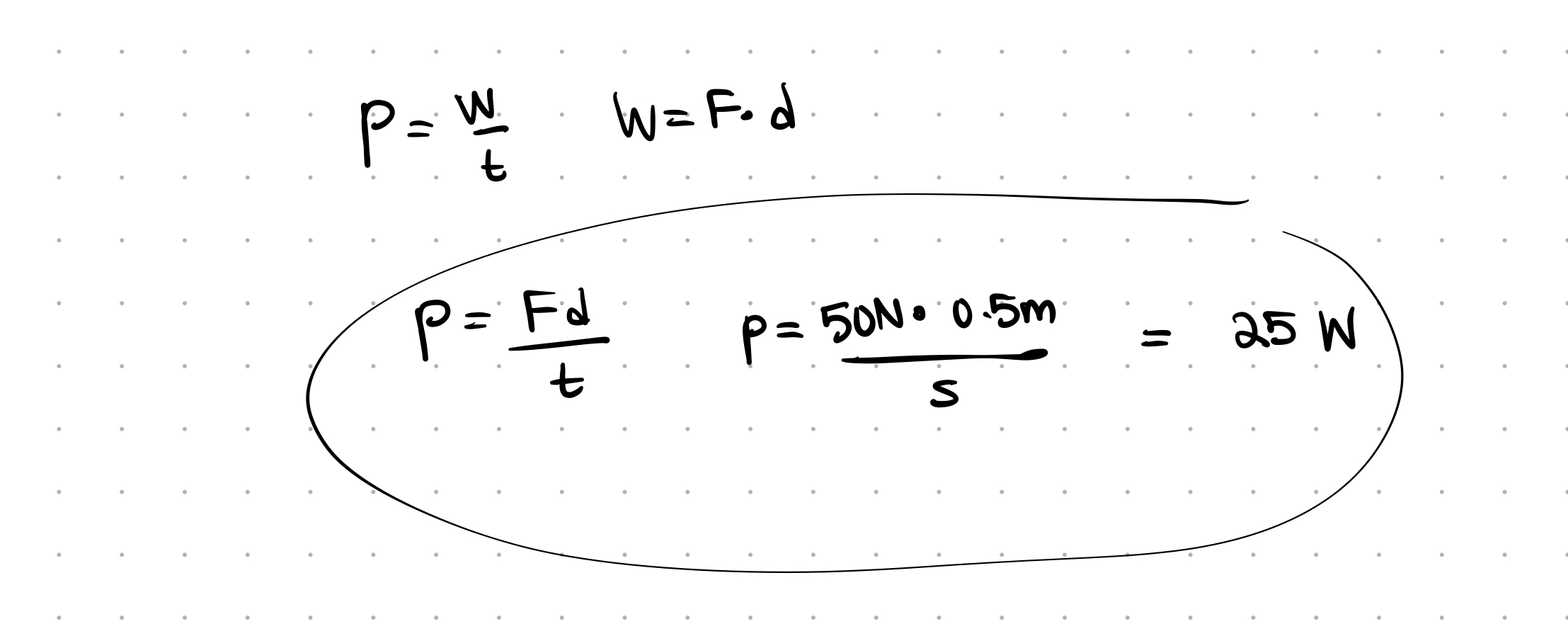
Power = work/ time
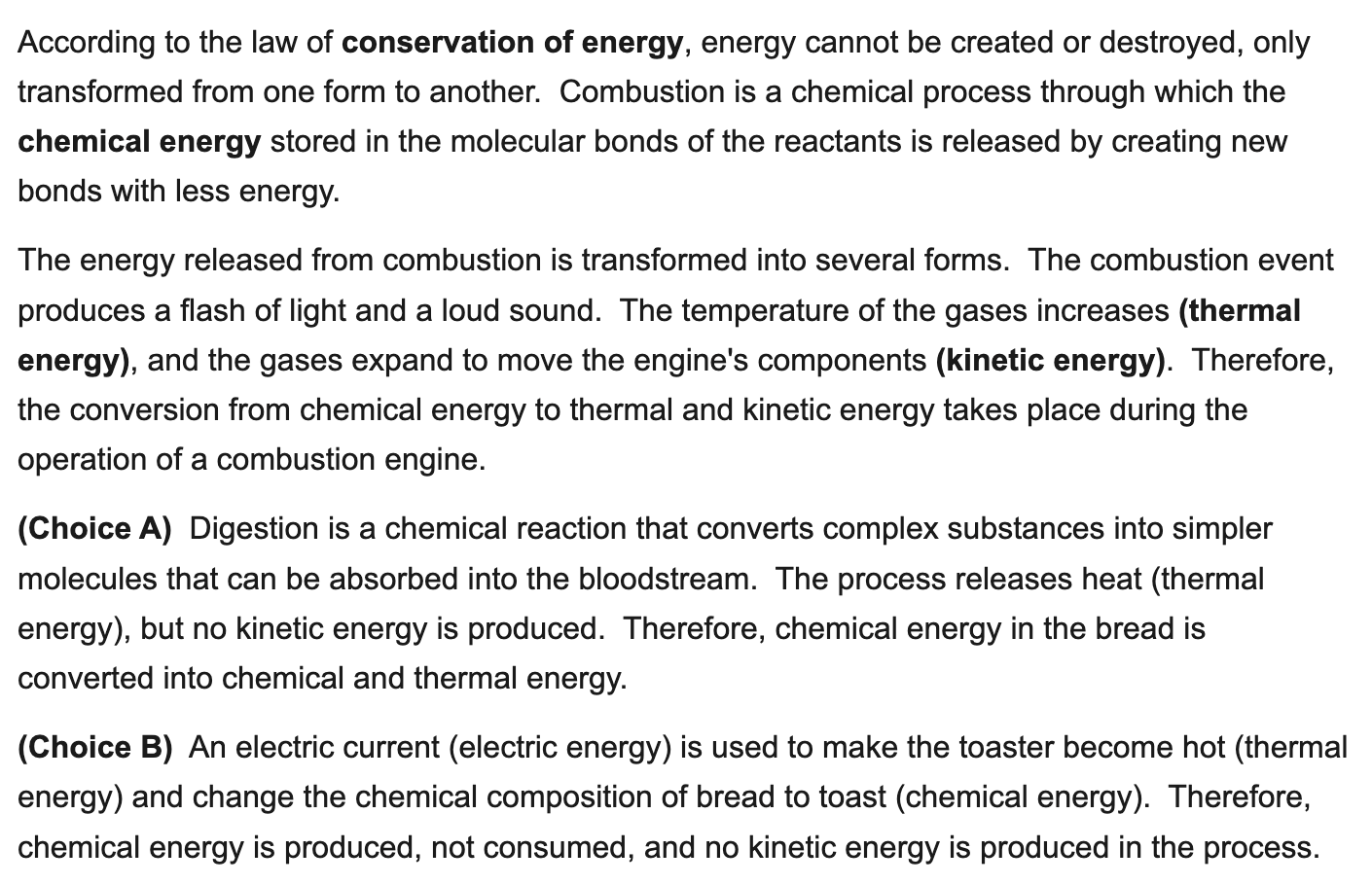
80/5= 16 W




Answer: B
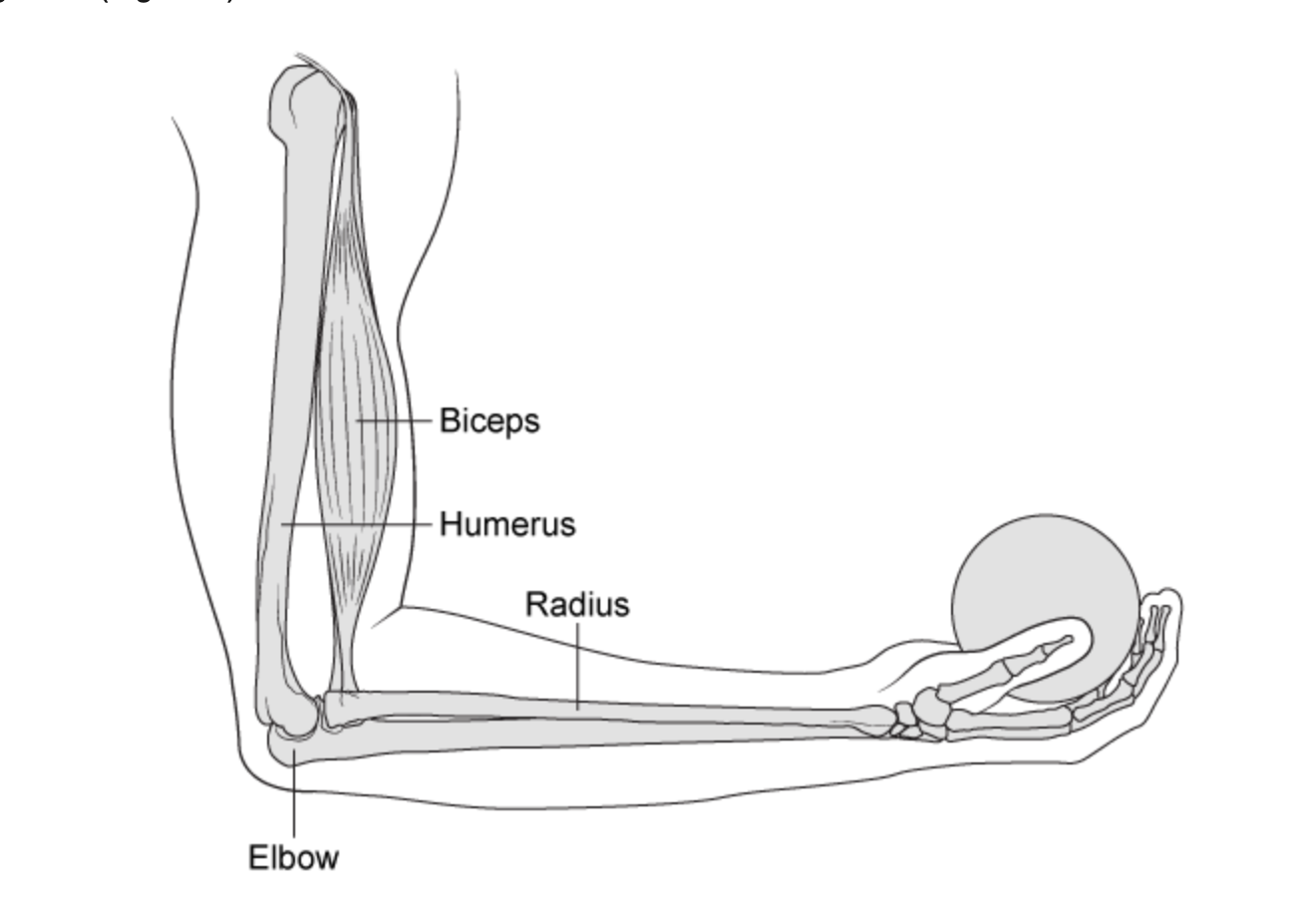
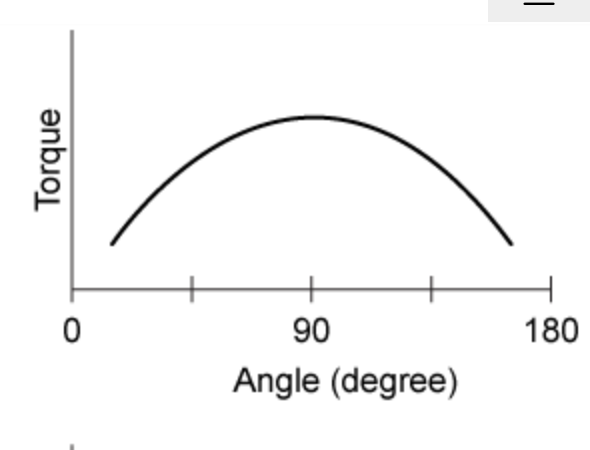
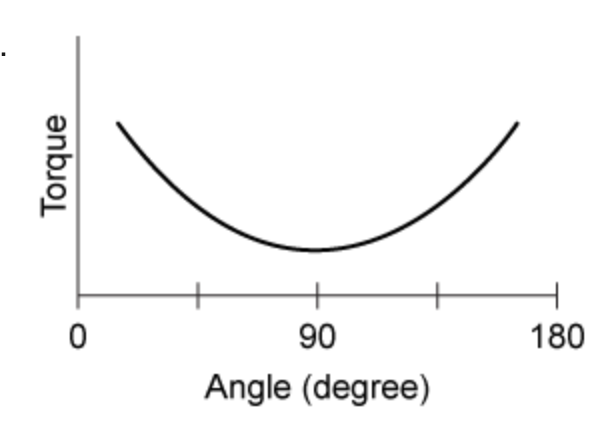
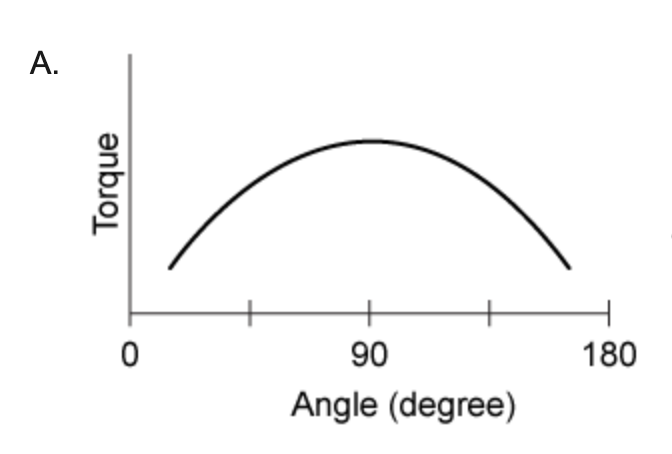
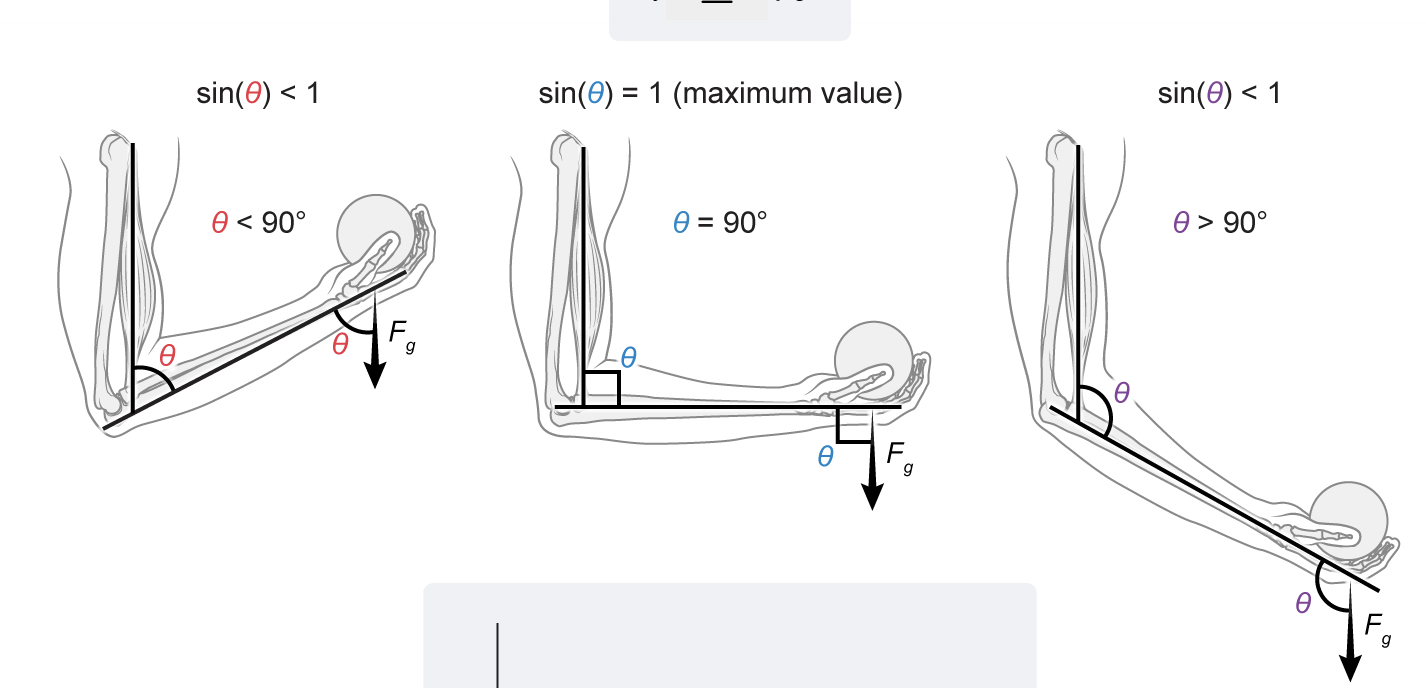
Torque= (Force )( distance) * sin (theta)
so applied force, bone length, and angle of applied force

Passage C

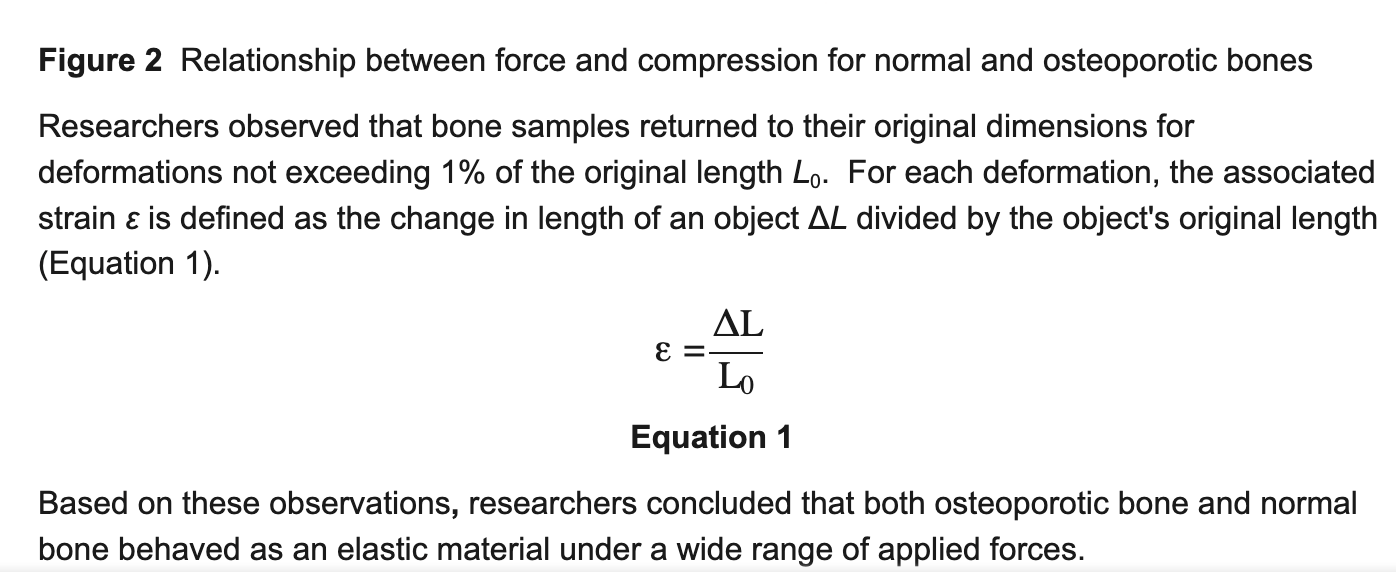
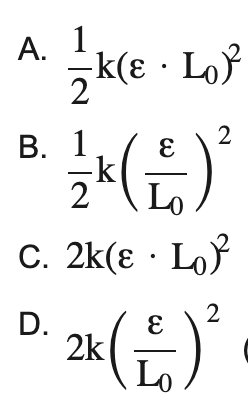
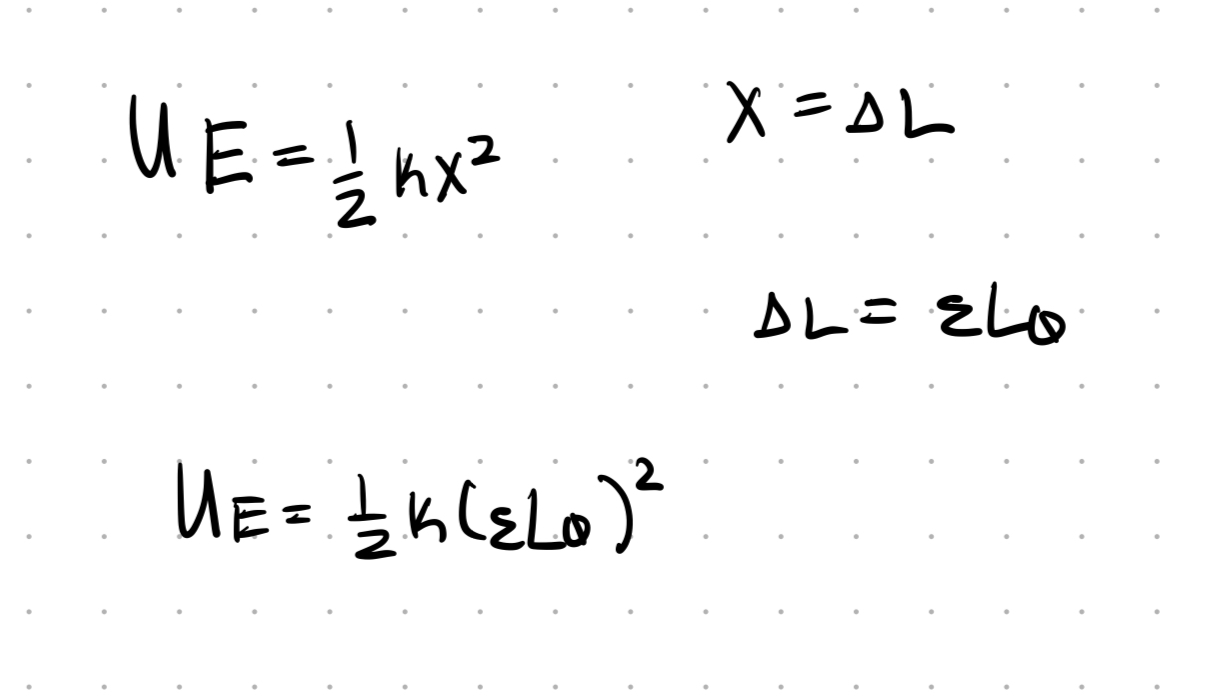
Answer: A

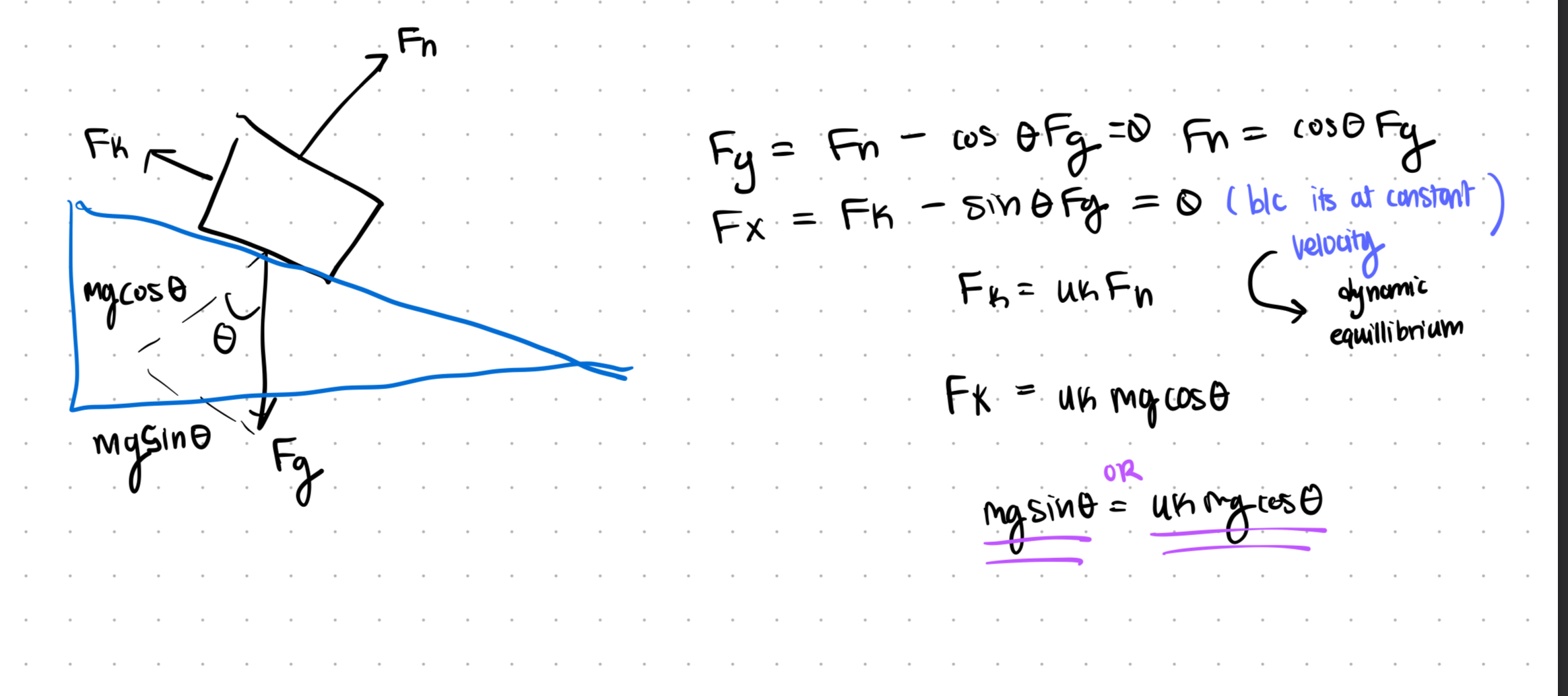
Passage D

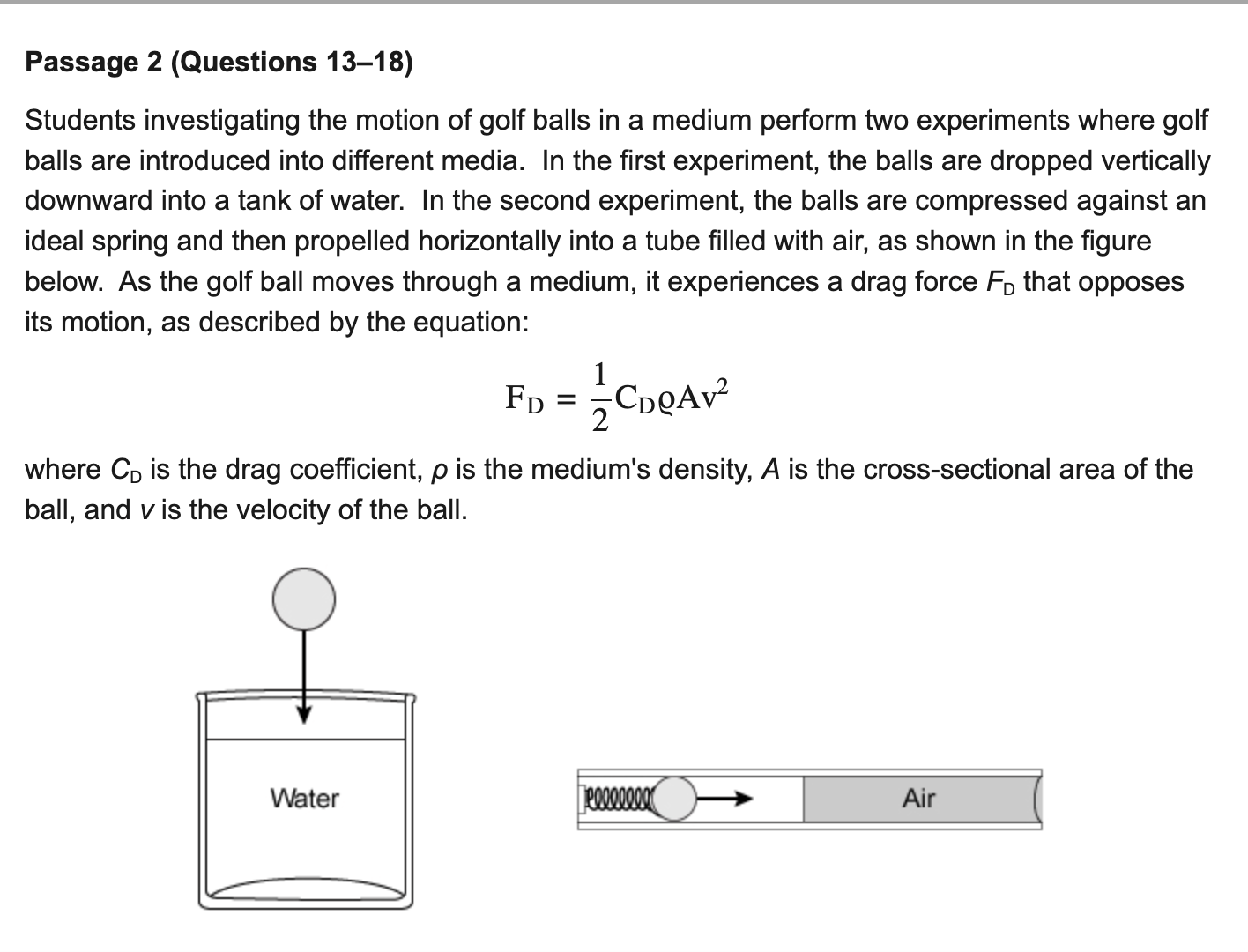
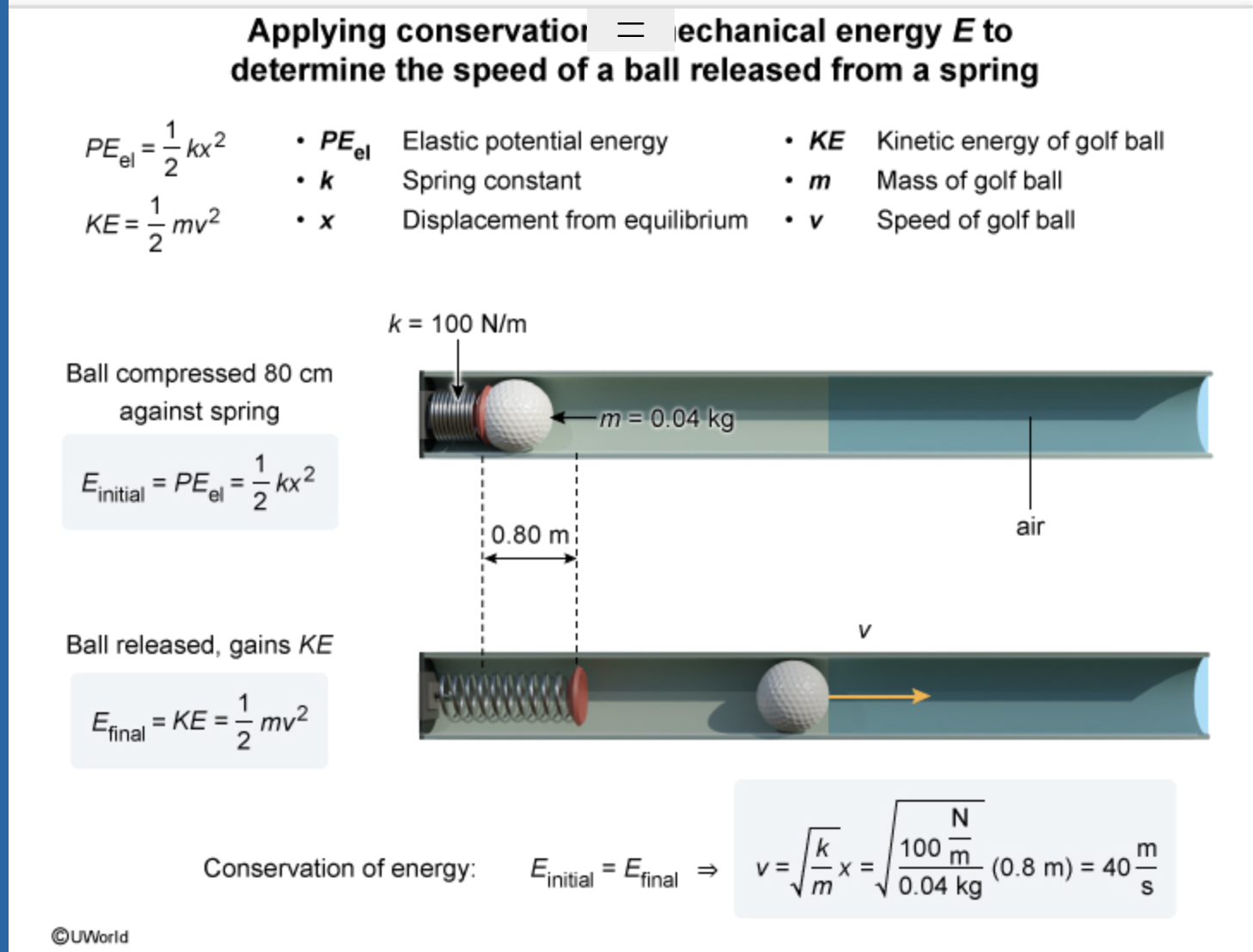
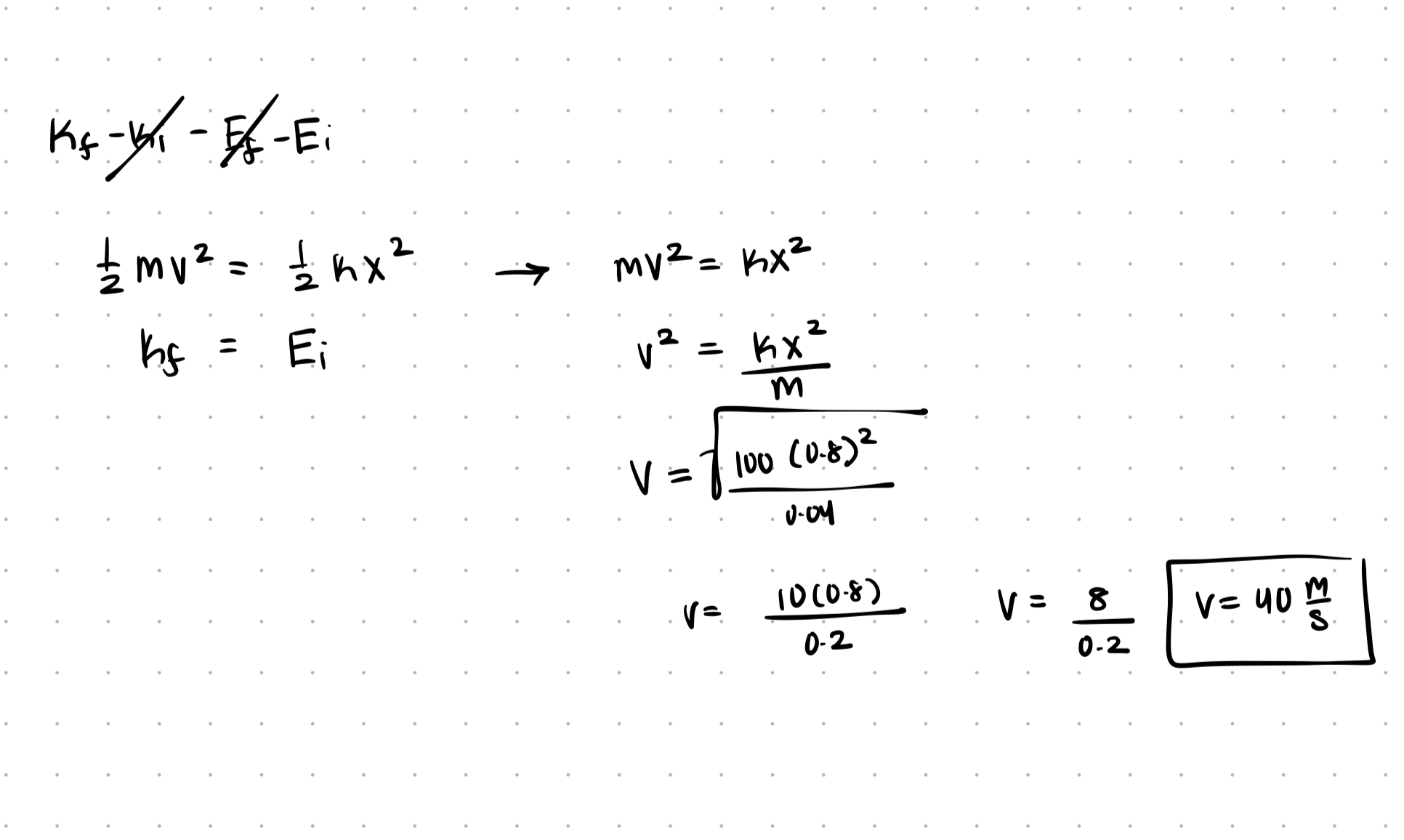
Passage D

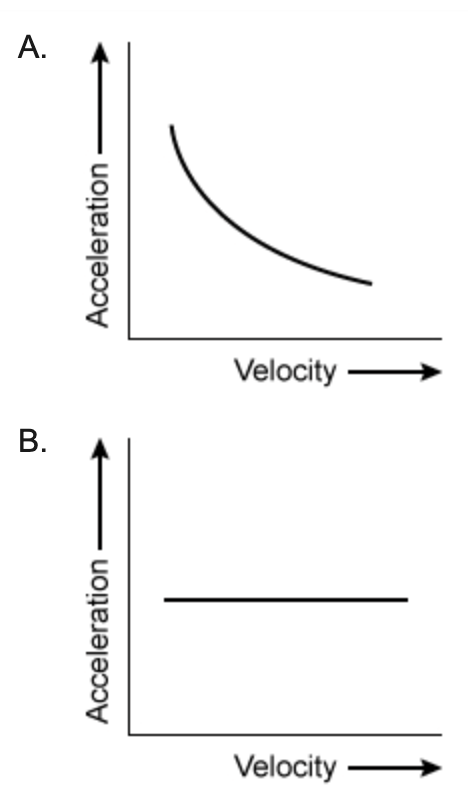
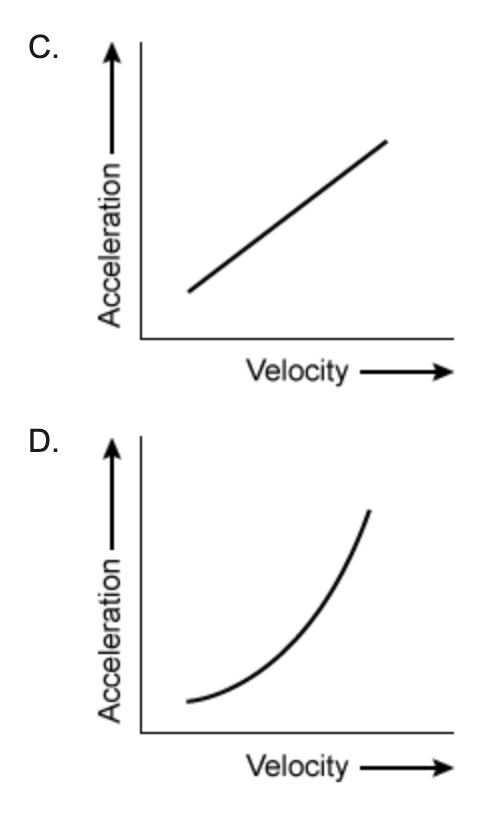
Answer:D
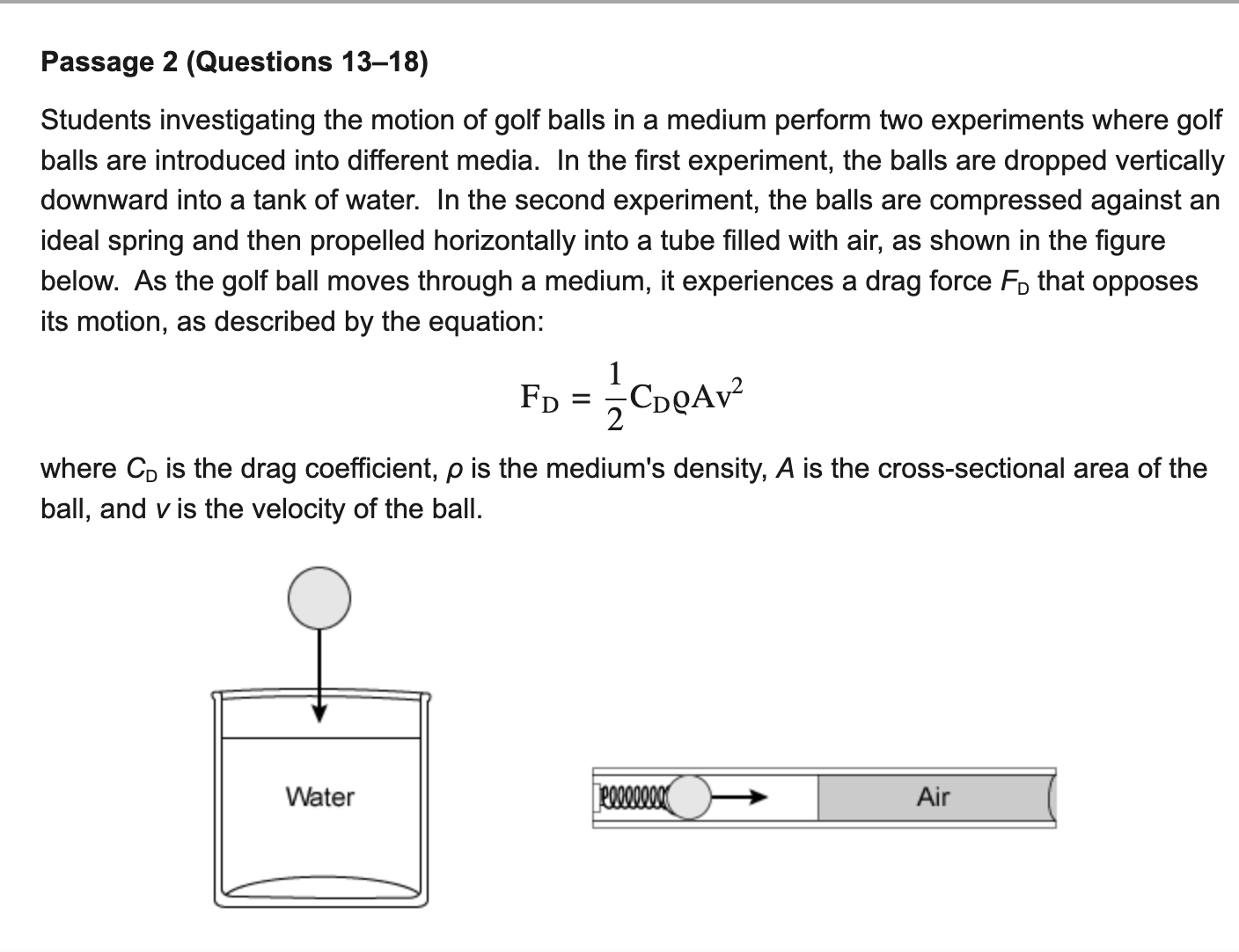
Set the drag force equal to F=am
as Acceleration increases, velocity ² increases so it increases but nonlinearly
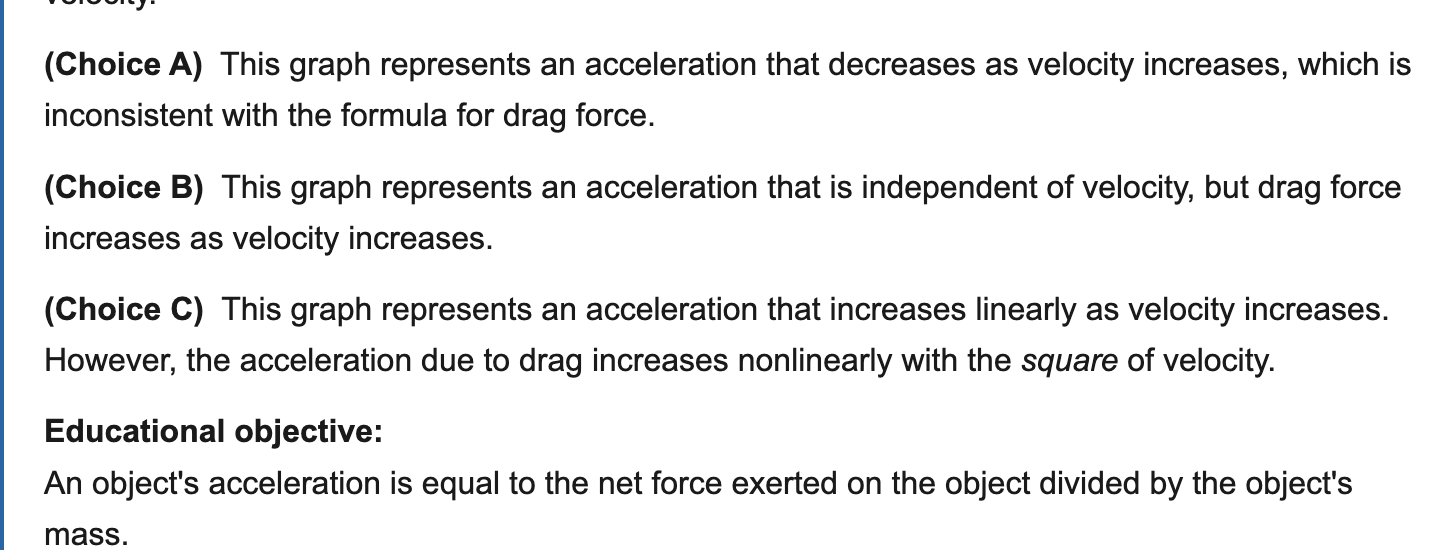
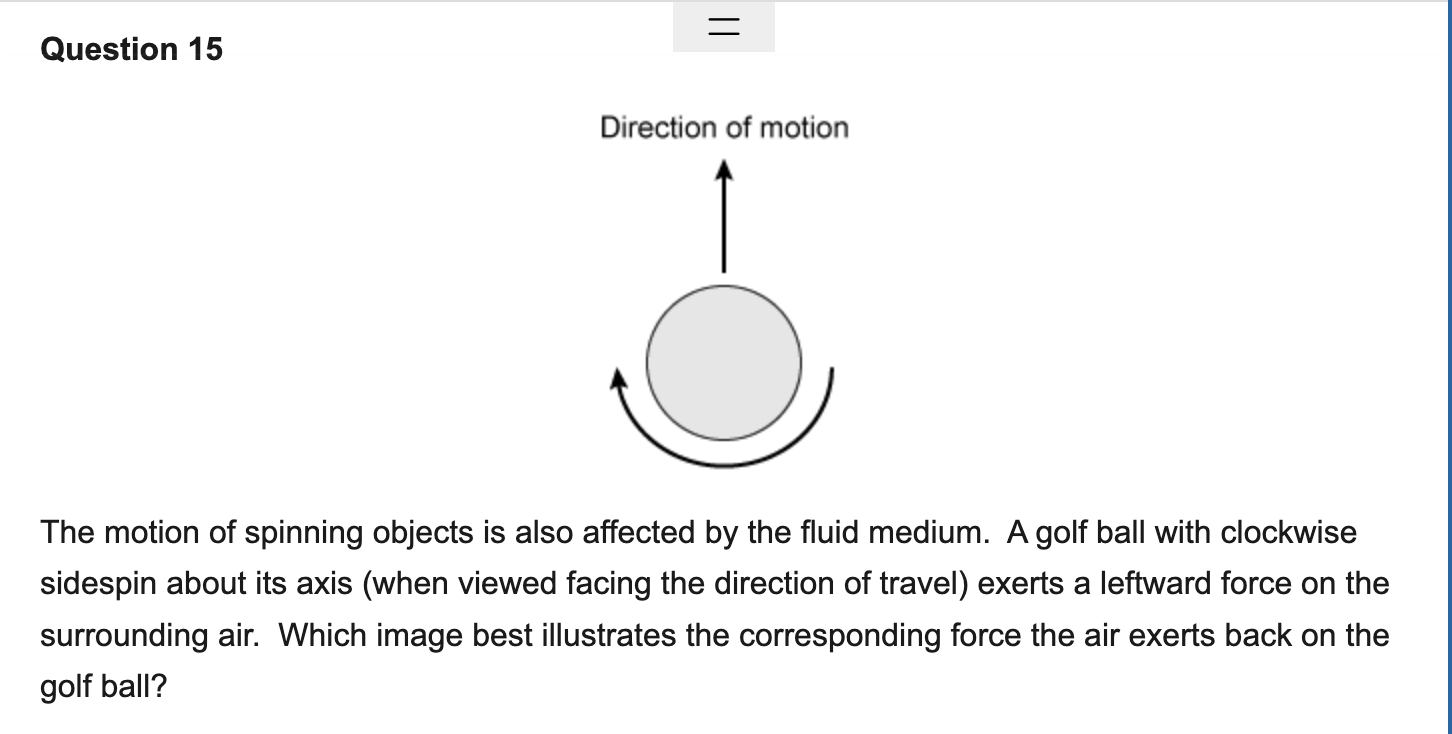
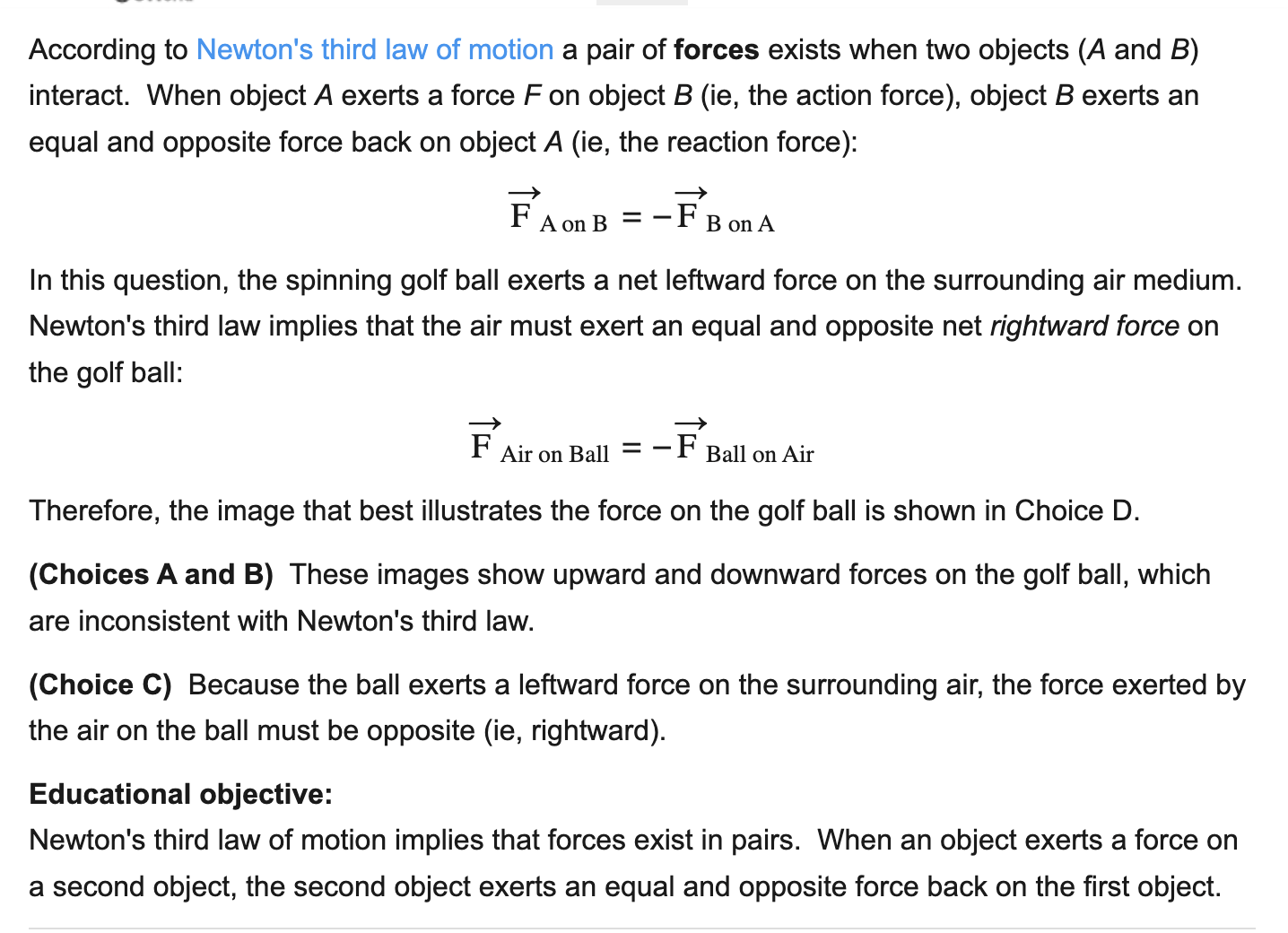
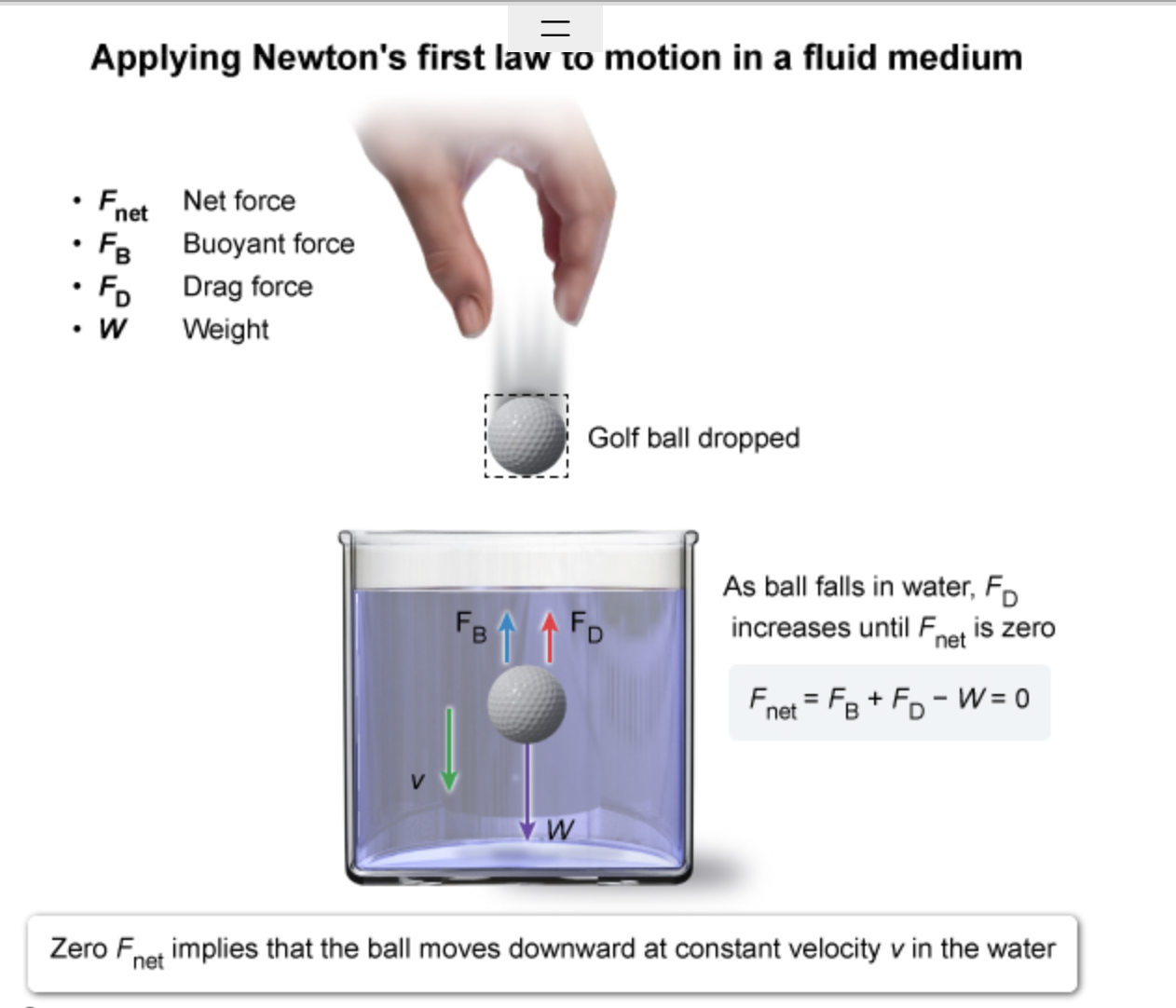
Just answer which direction of the force of air
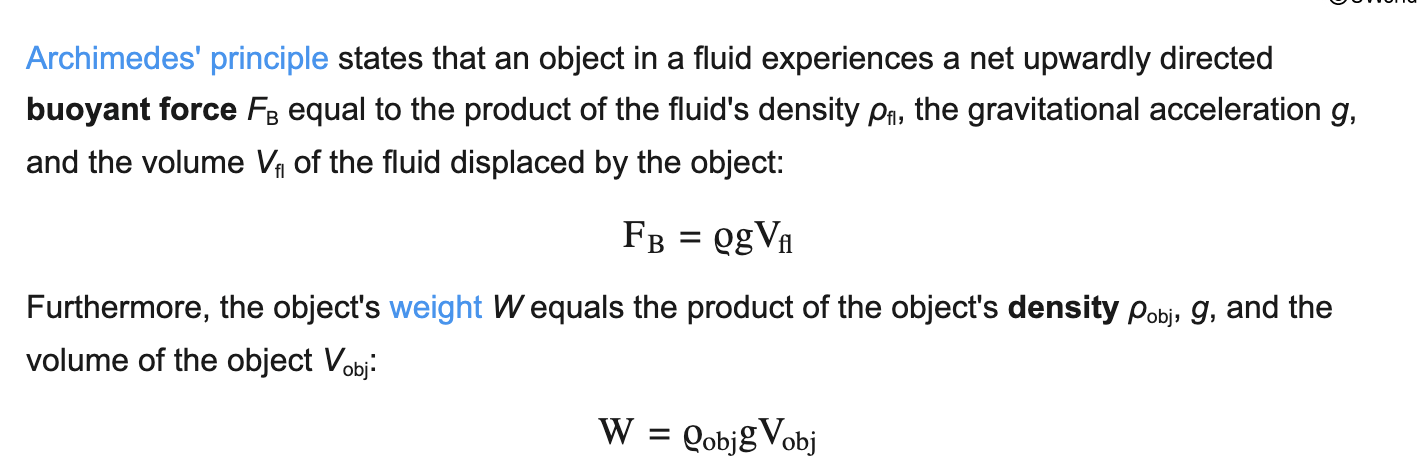
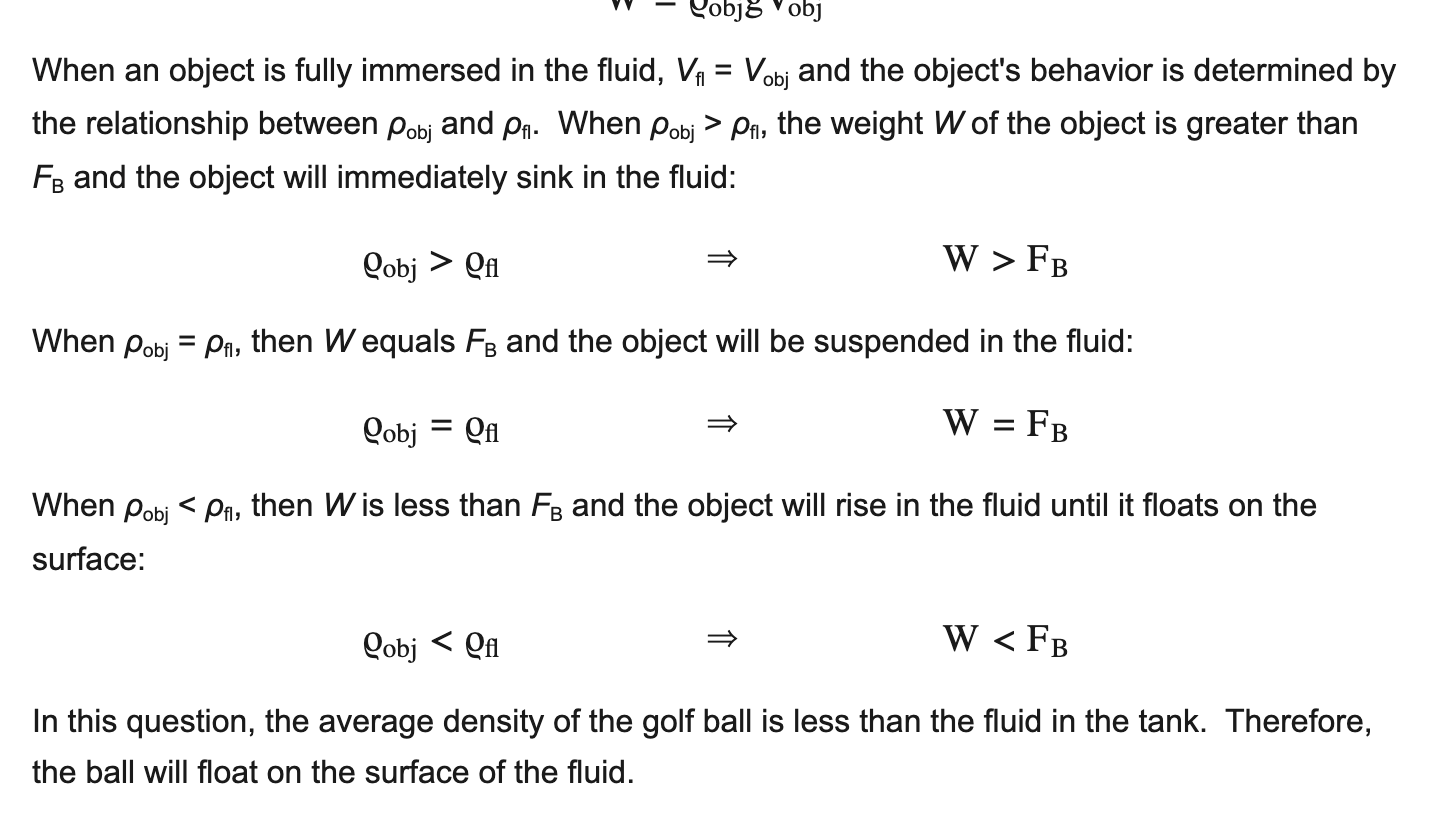
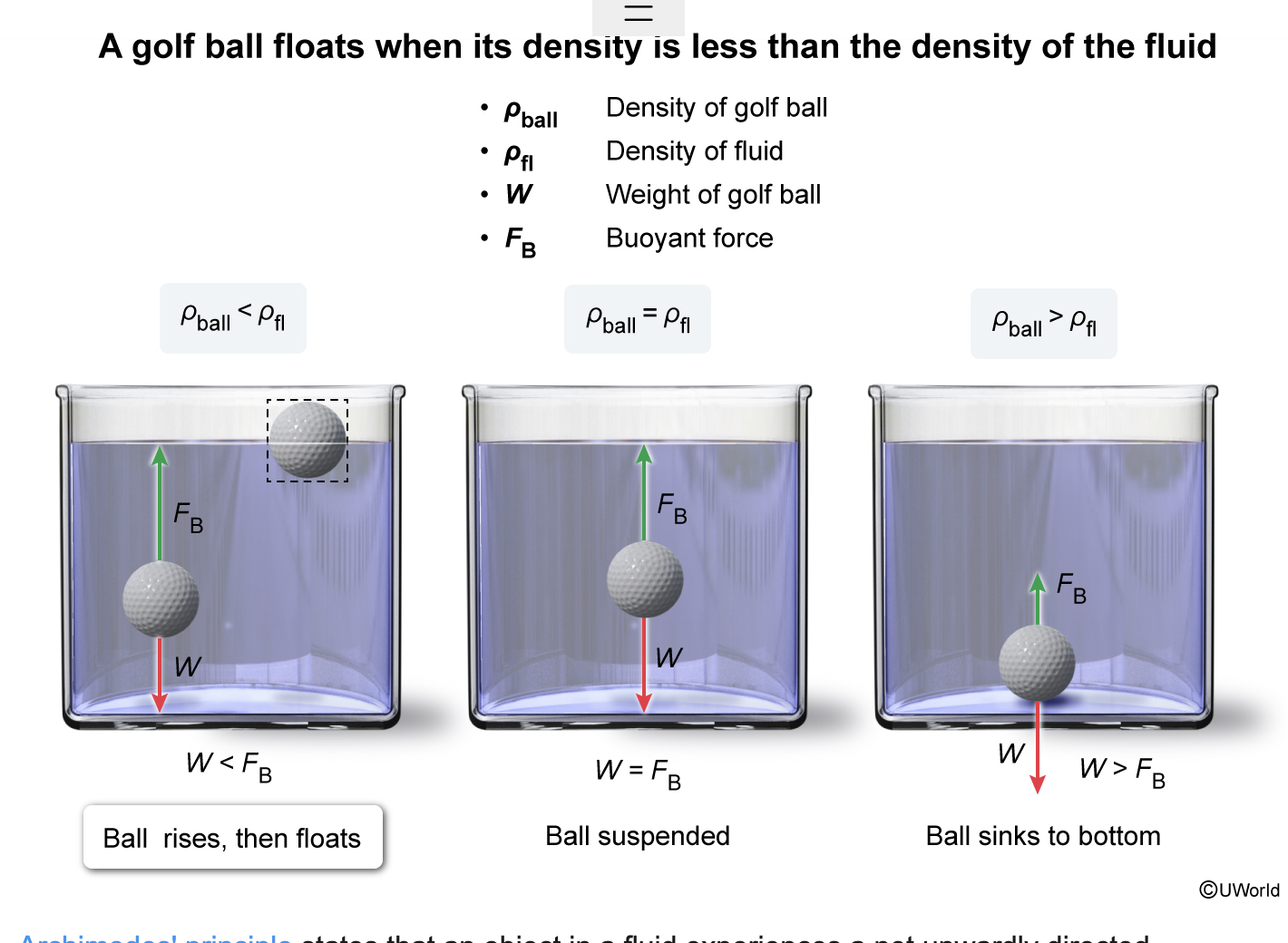
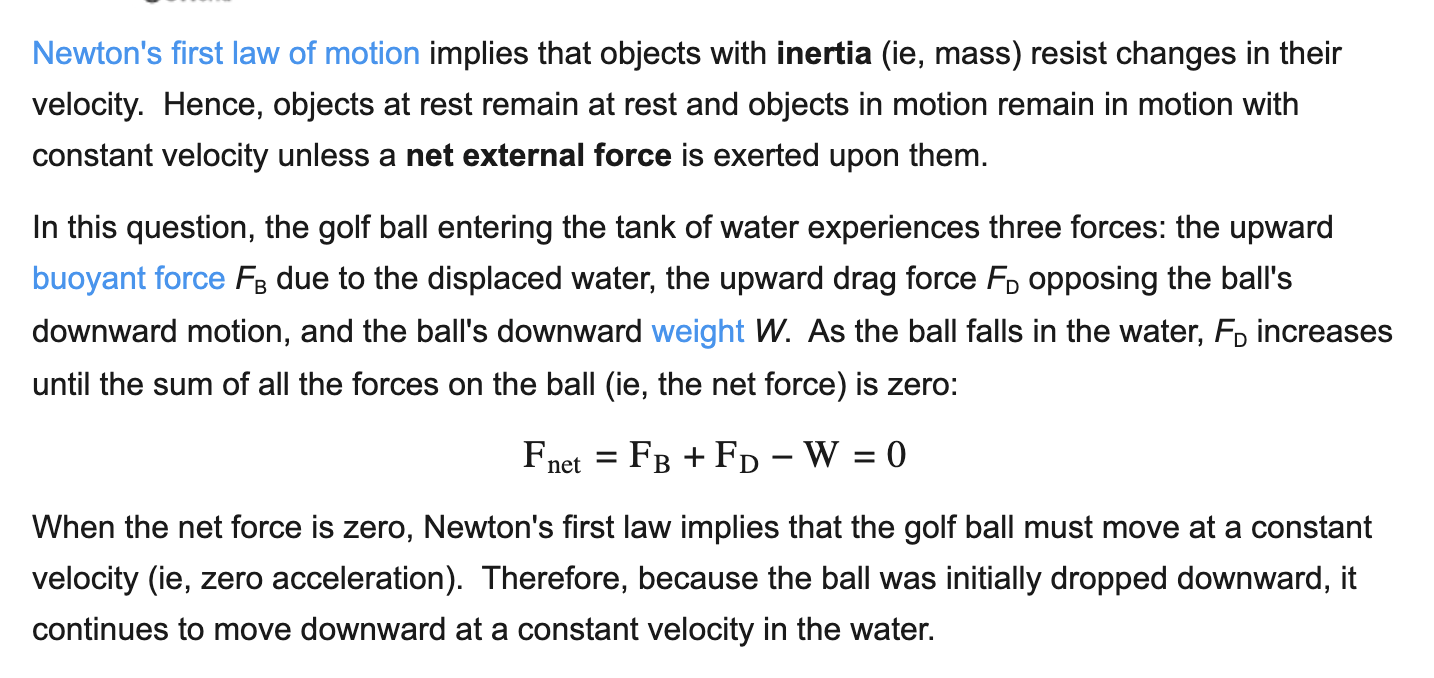
When an object is in water (Archimede’s principle)
When do objects float, suspend, or sink
Passage D

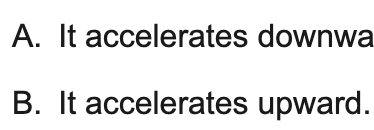
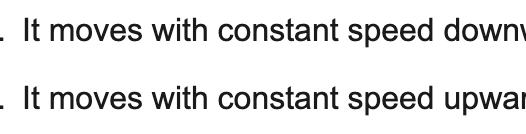
Answer:C

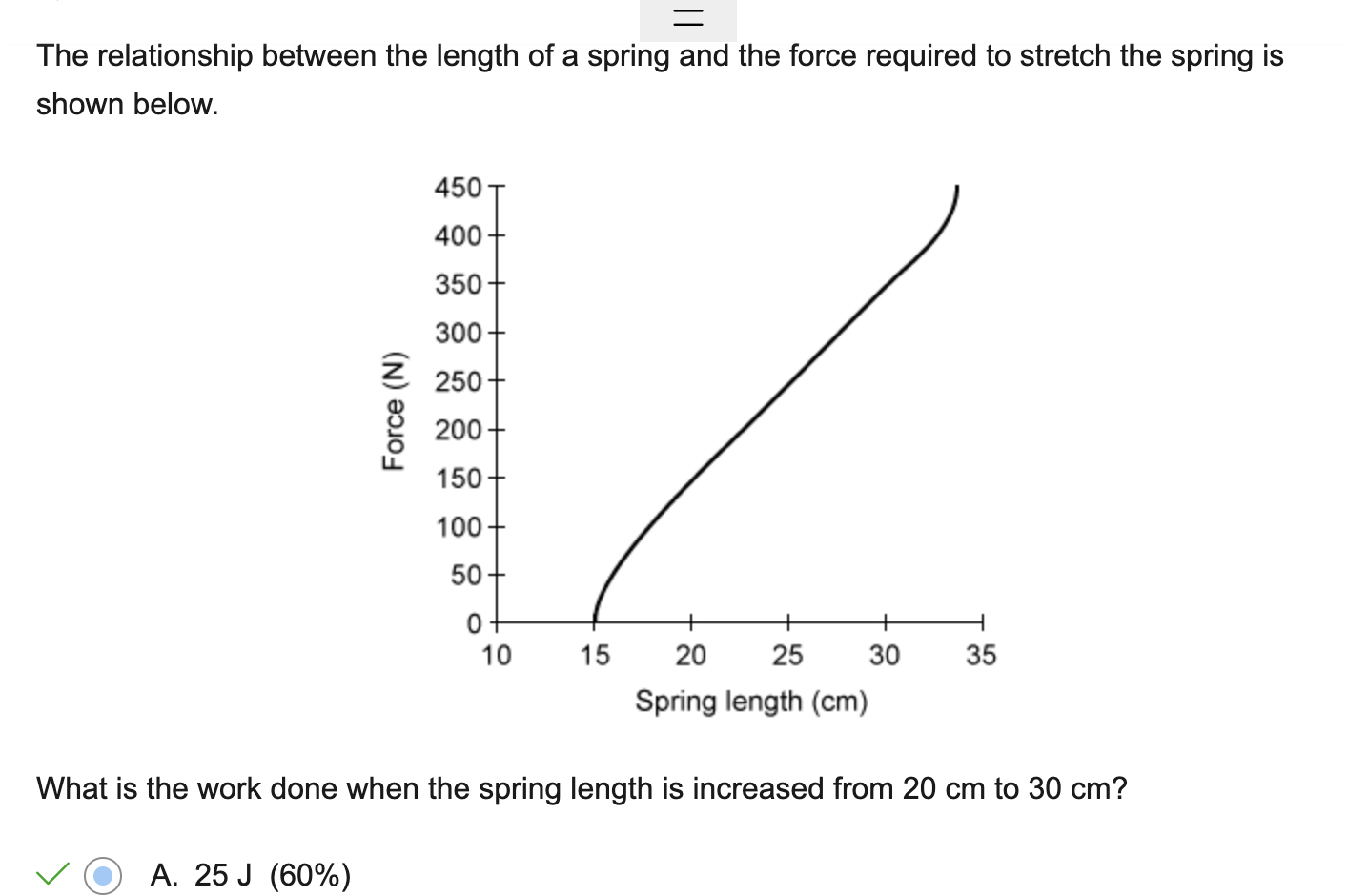
you can solve based on areas of rectangles and triangles or solve with W=Fd
Find the force at 20 and 30cm and multiply with the the respective distance.
Then W30-W20= 25J

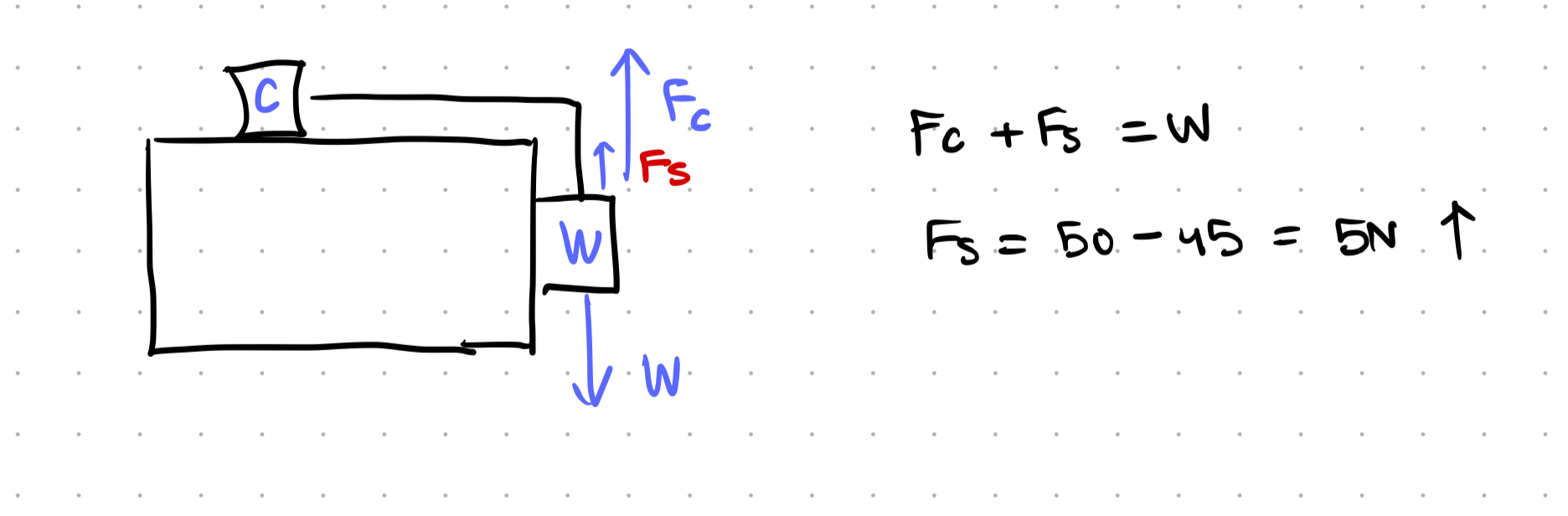
Passage E
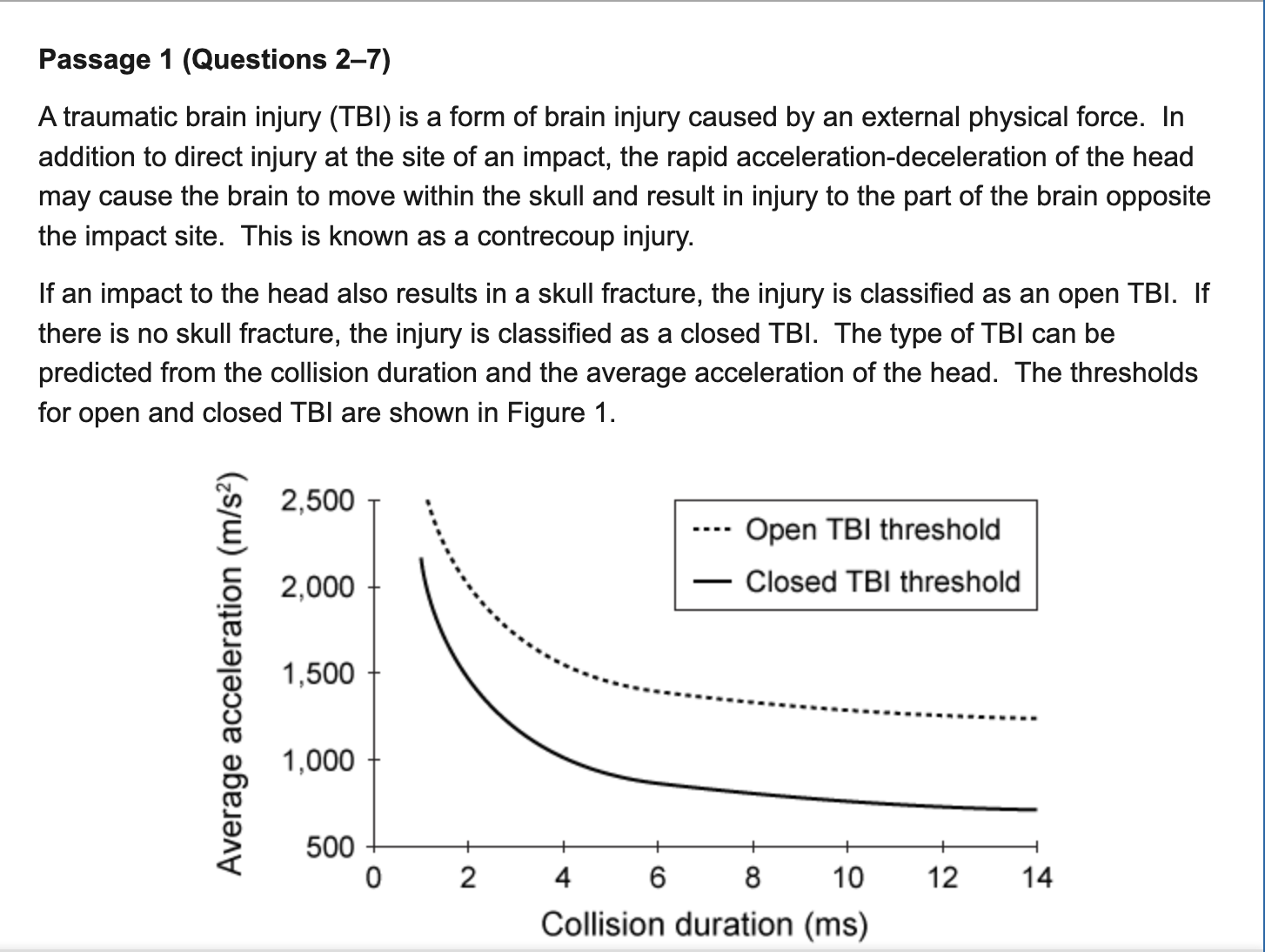
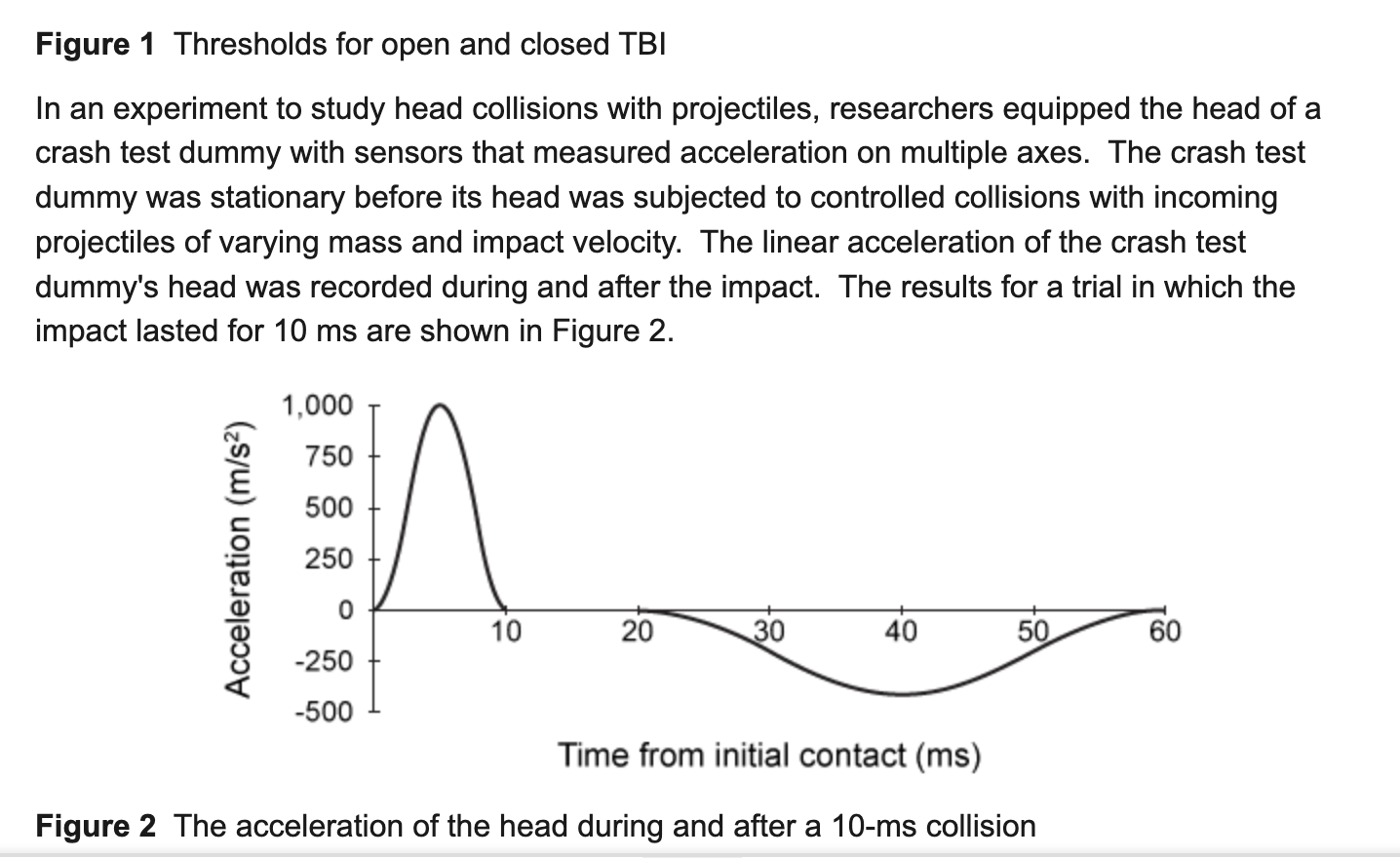
Passage E

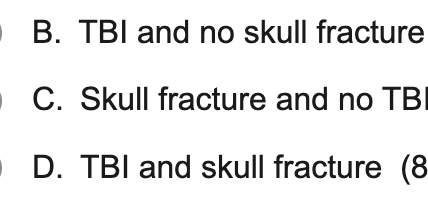

Answer: B
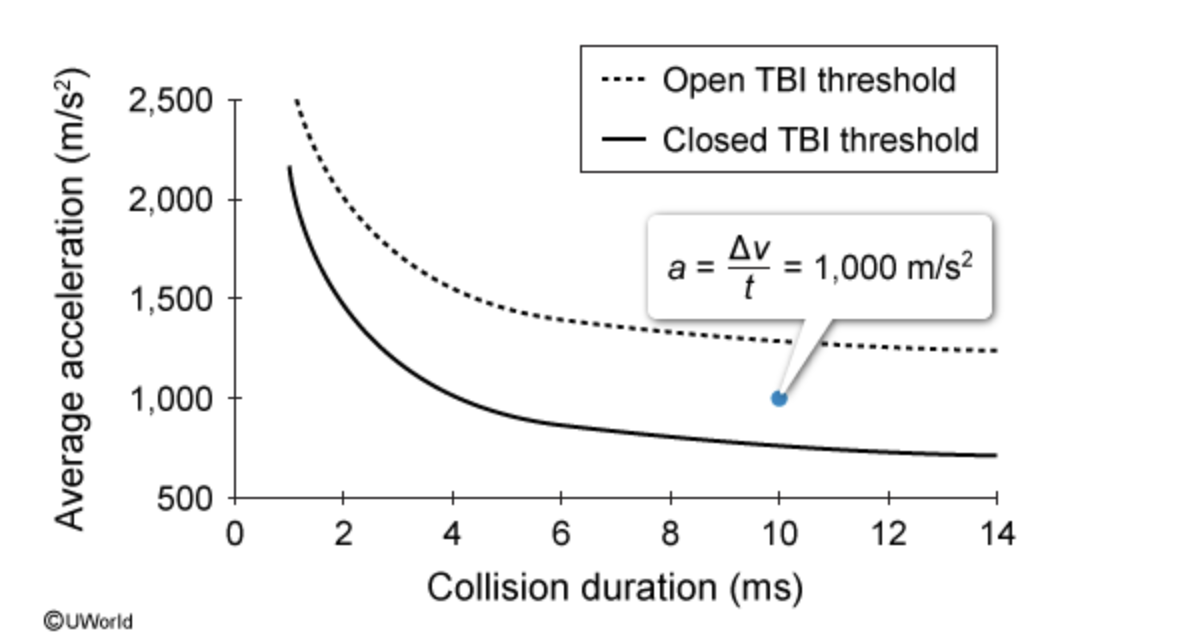
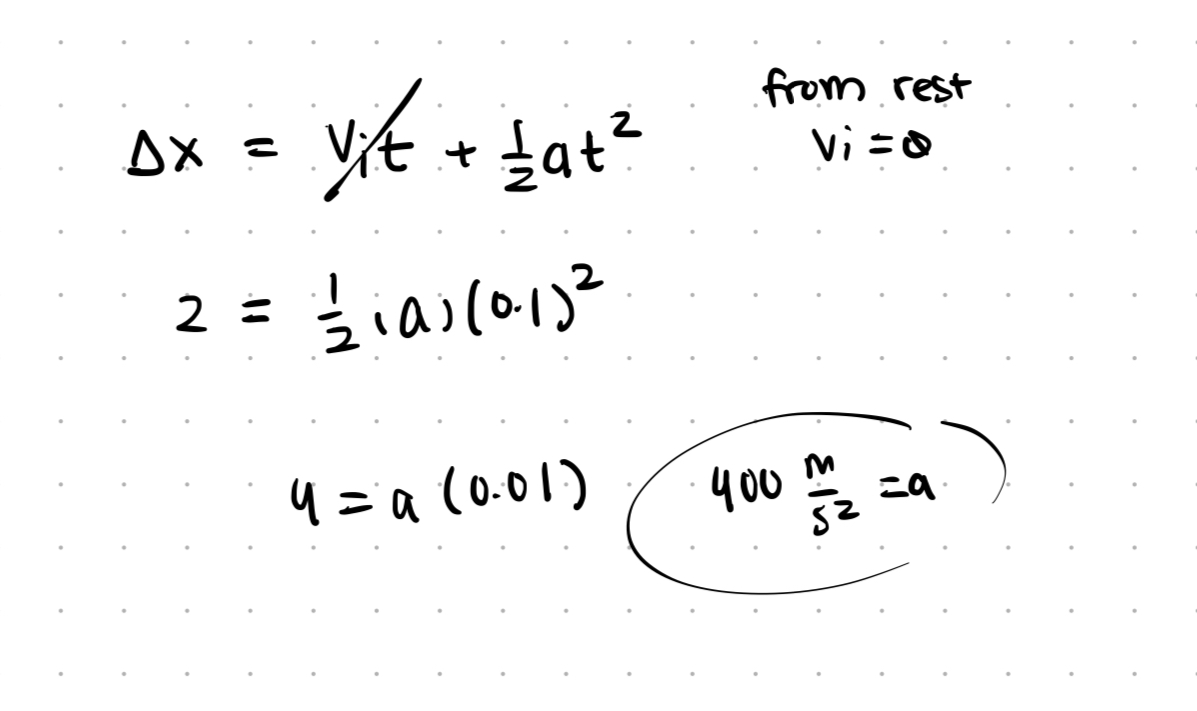
solve for acceleration —> 1000m/s²





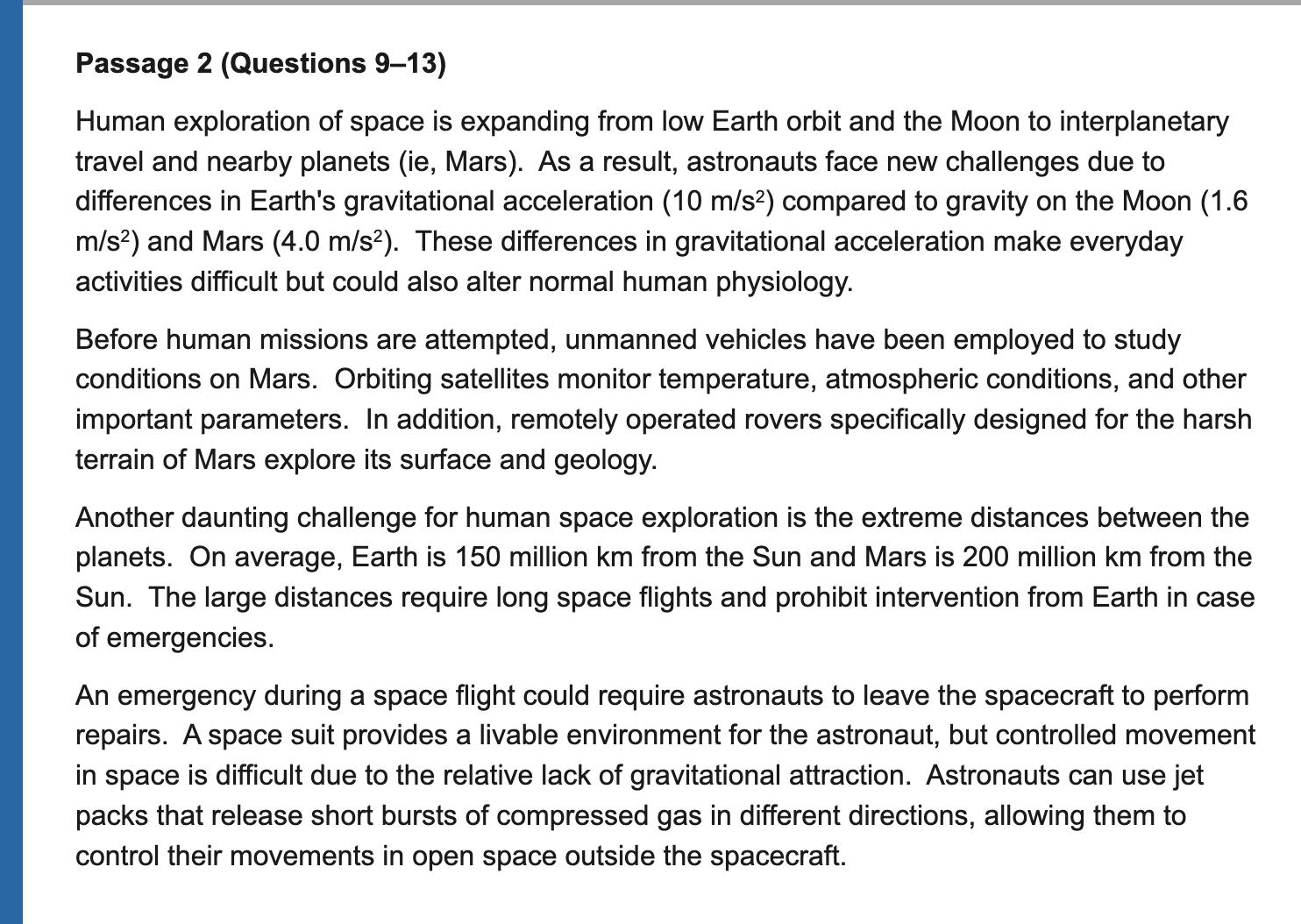
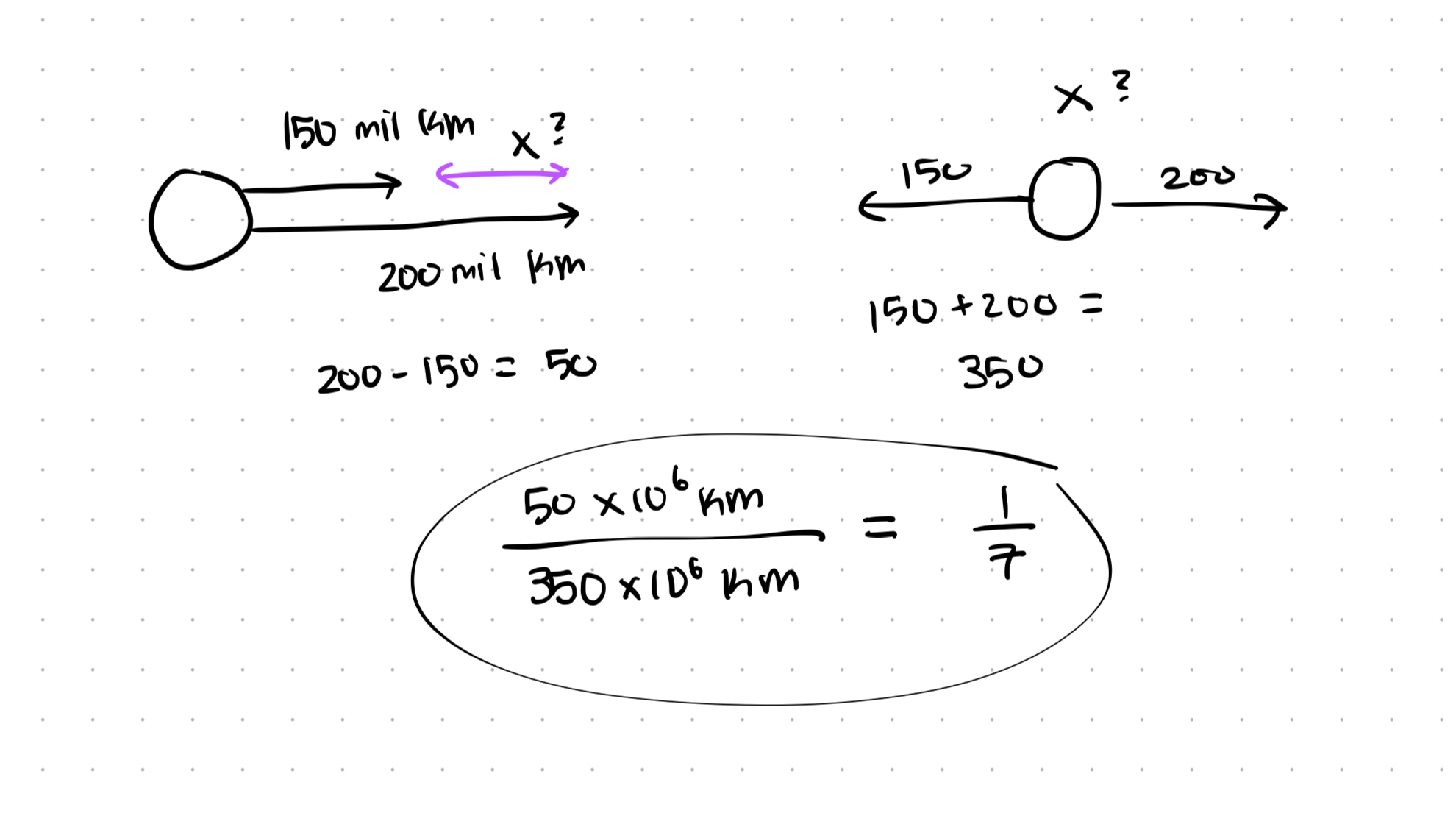

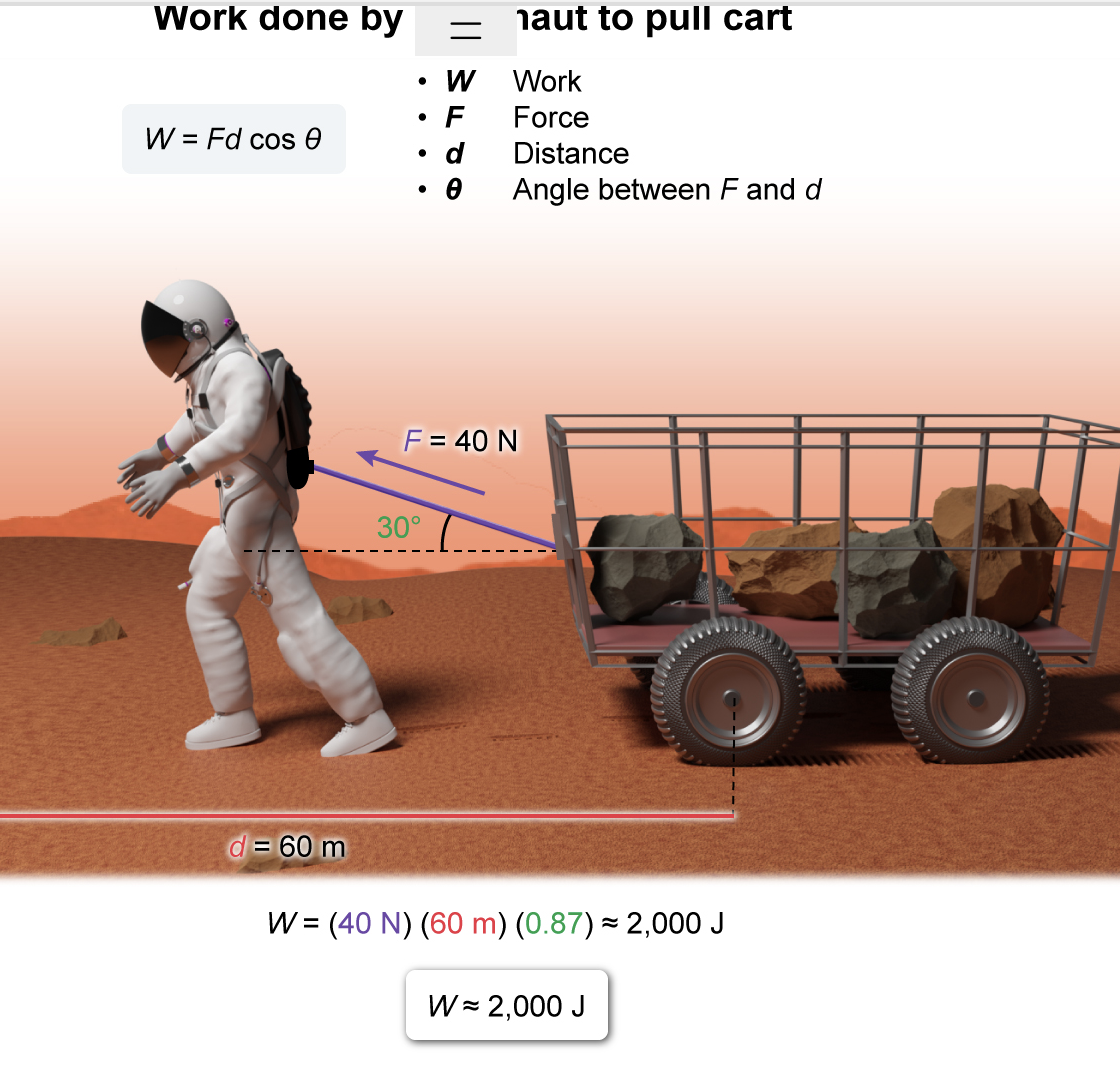
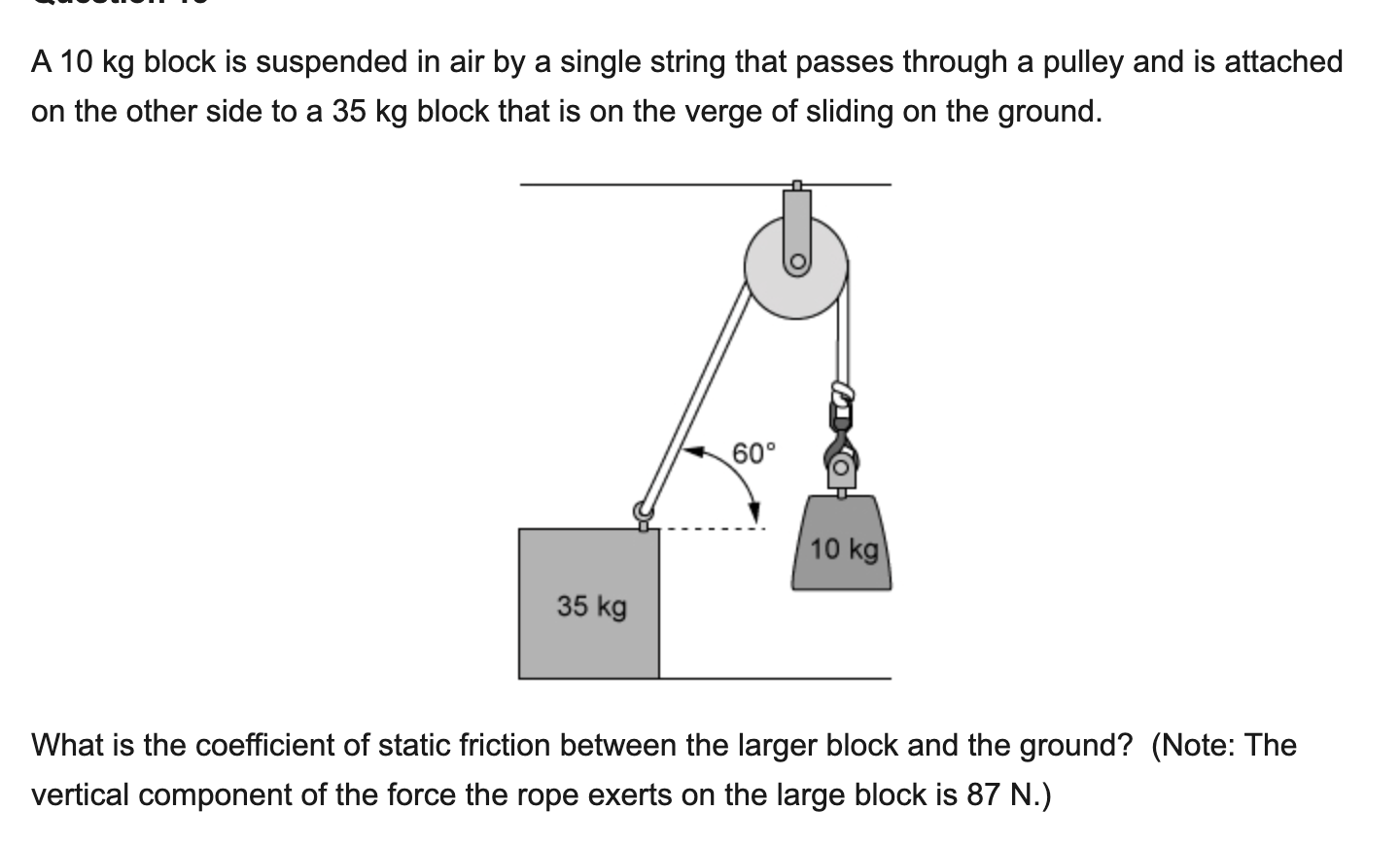
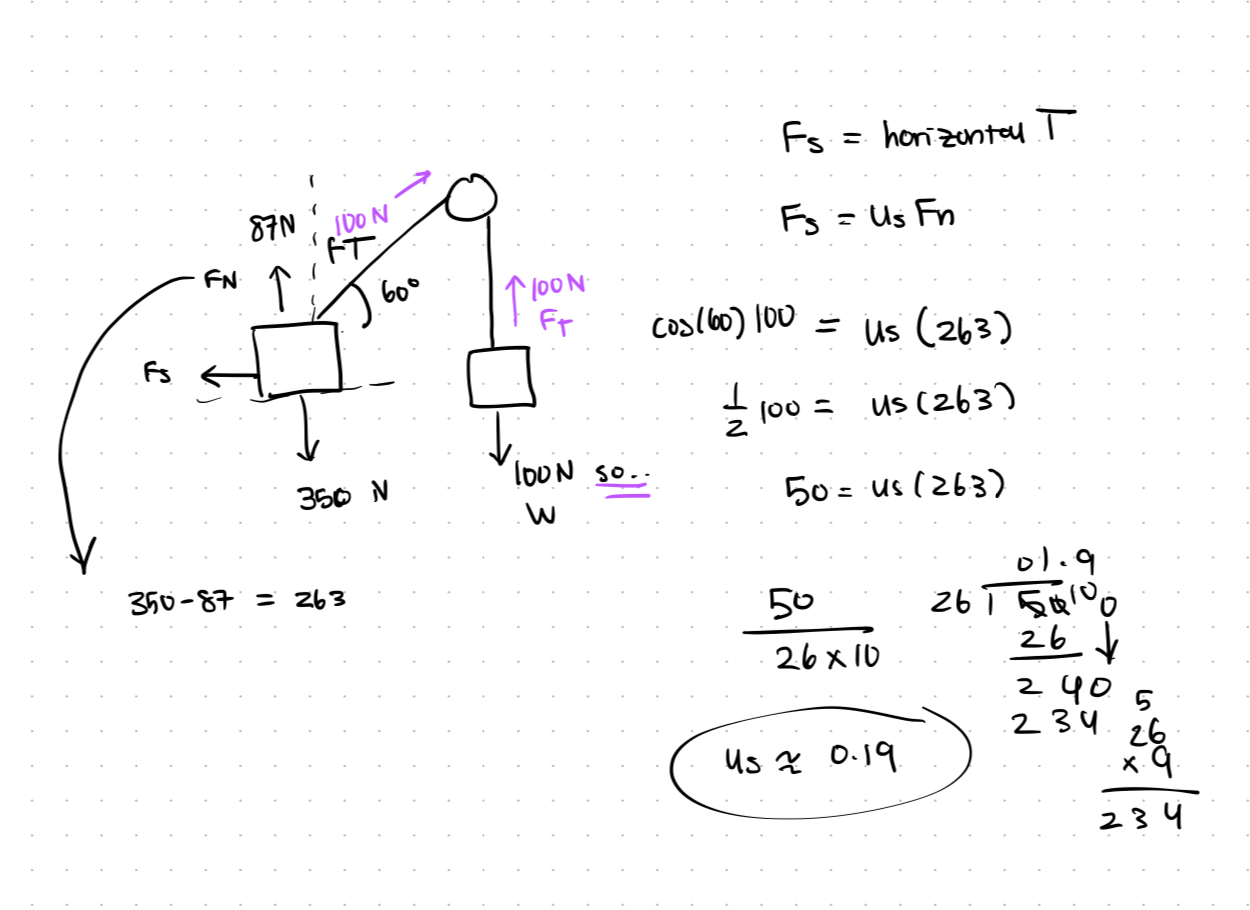


Answer: C
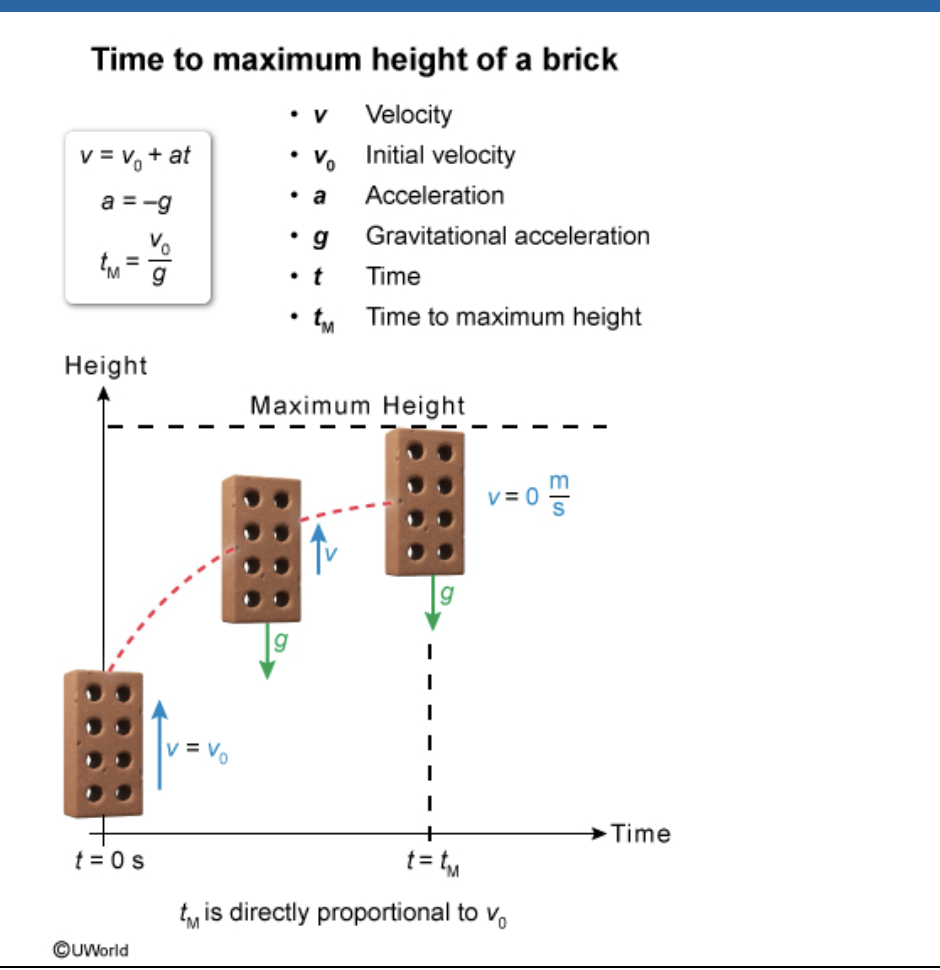

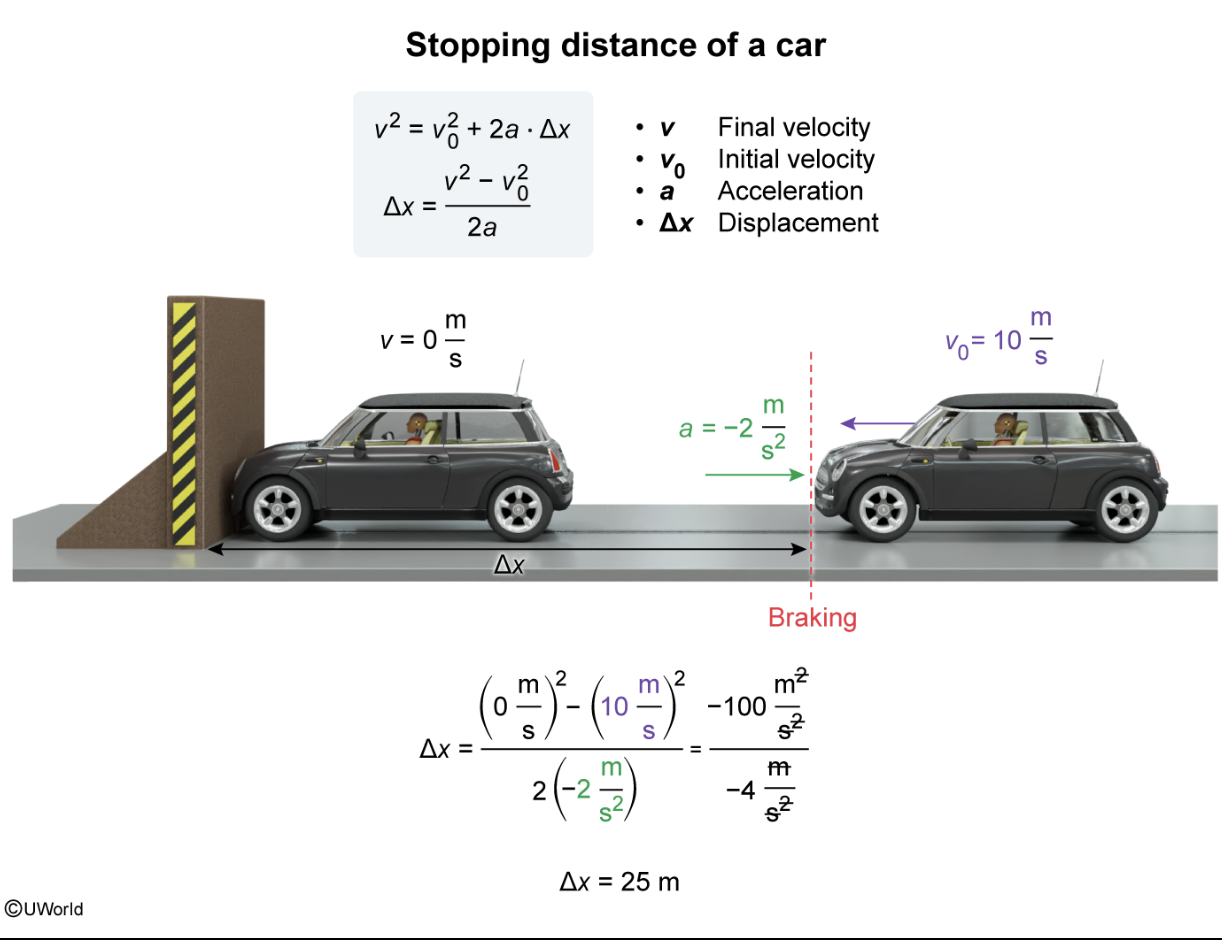

A. Static friction coefficient of barrier is grater than kinetic friction coefficient for car
D. the inertia of the barrier is much greater than the inertia of the car.

Answer D


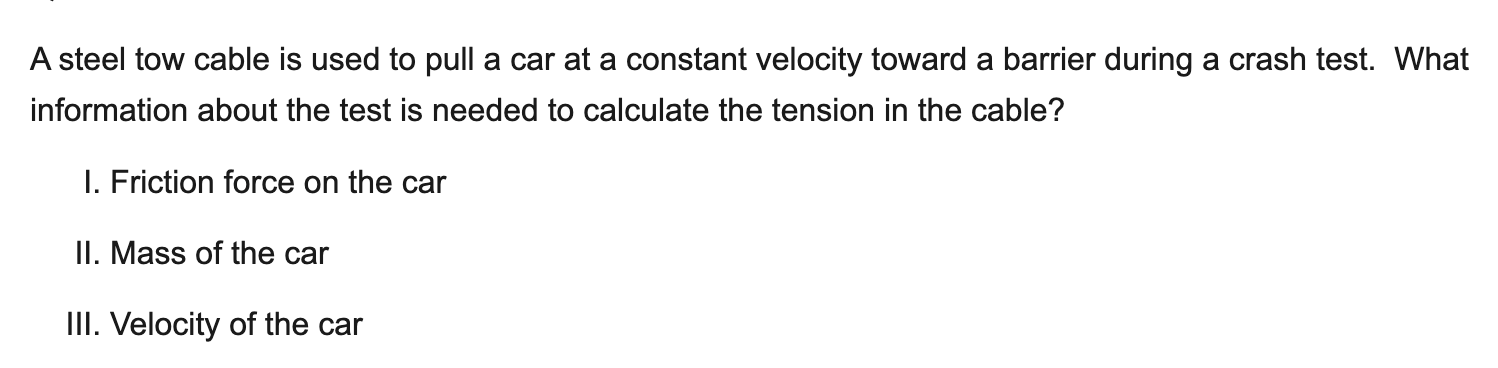
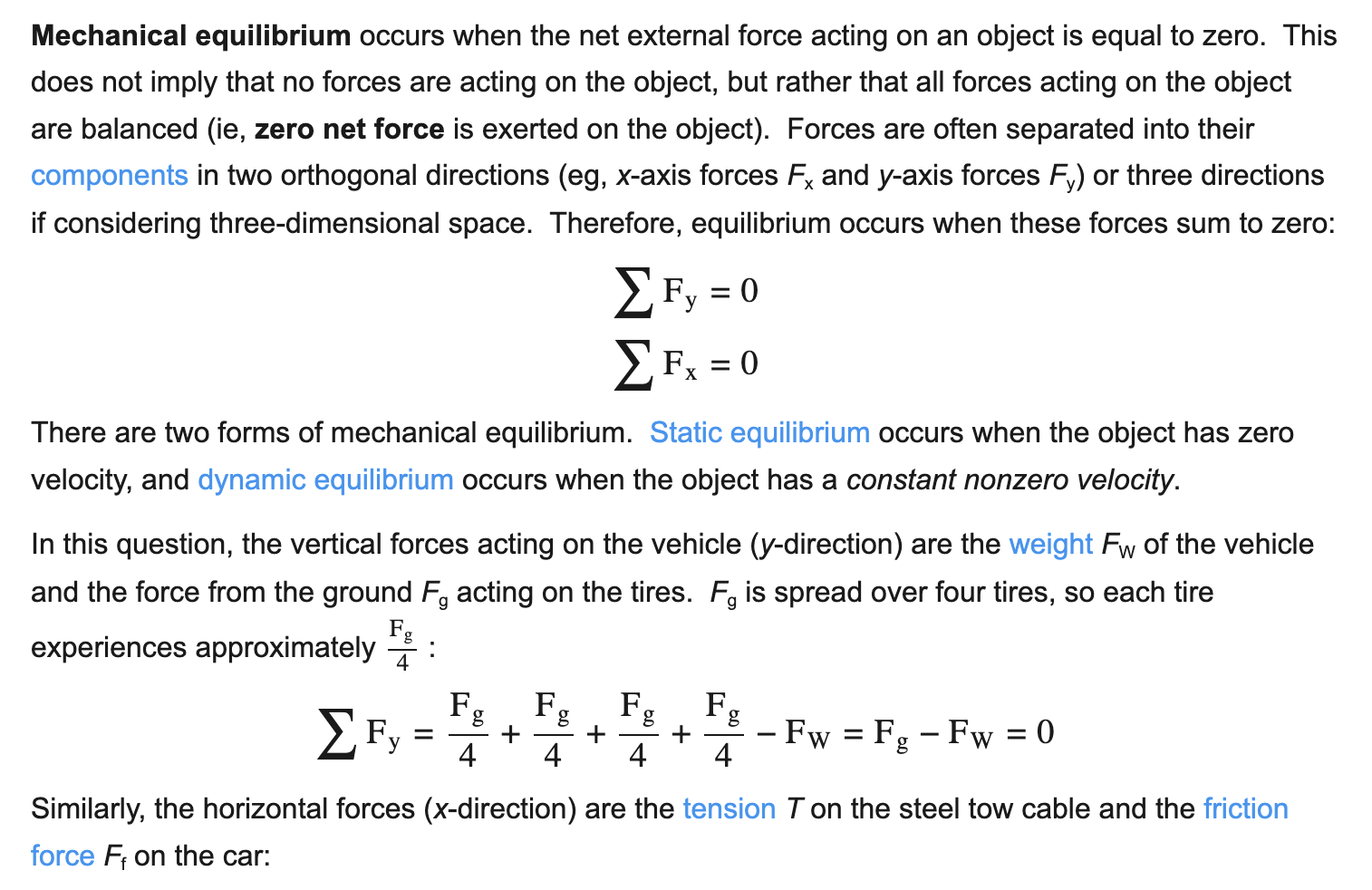
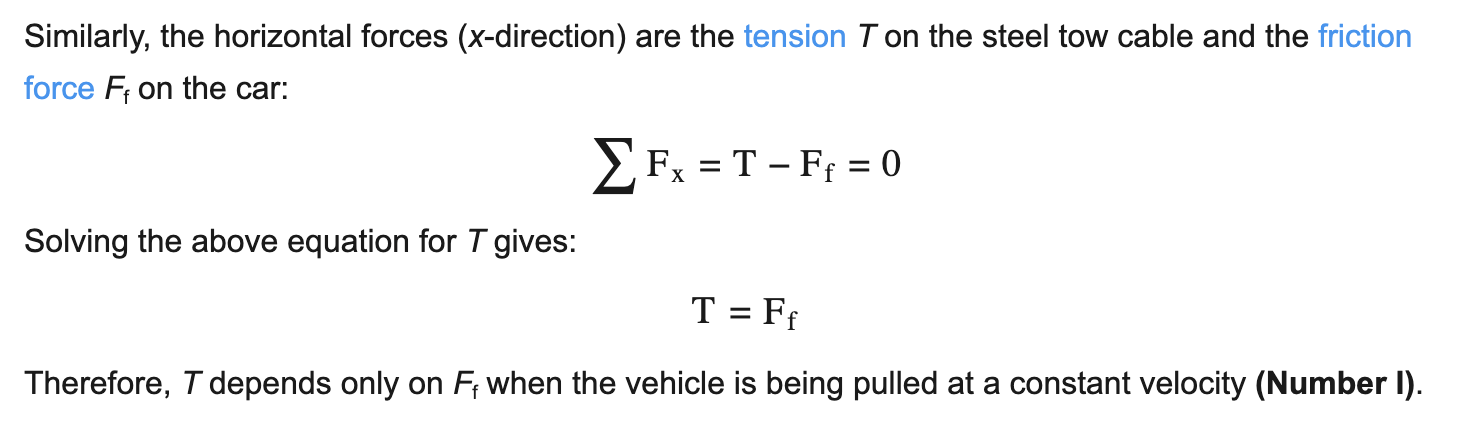
1 only

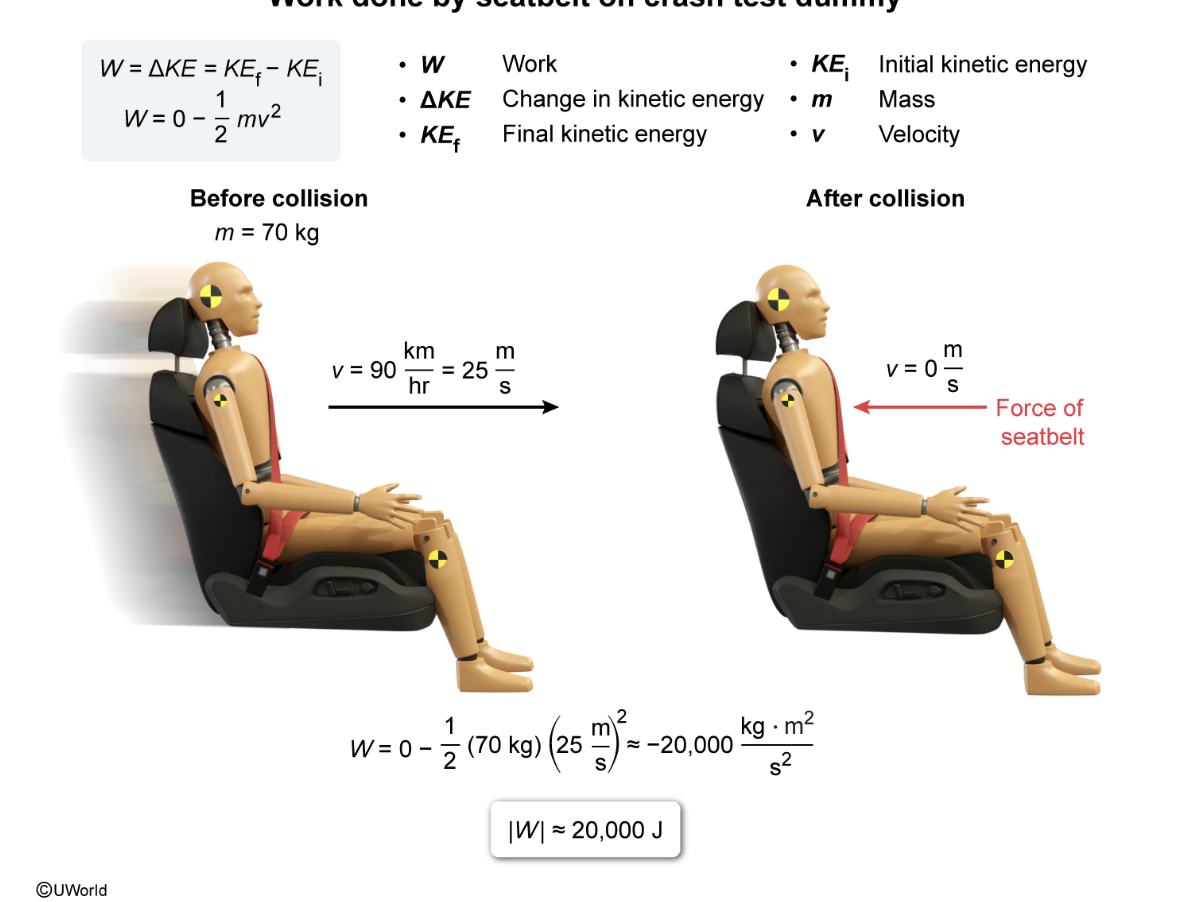



Answer A

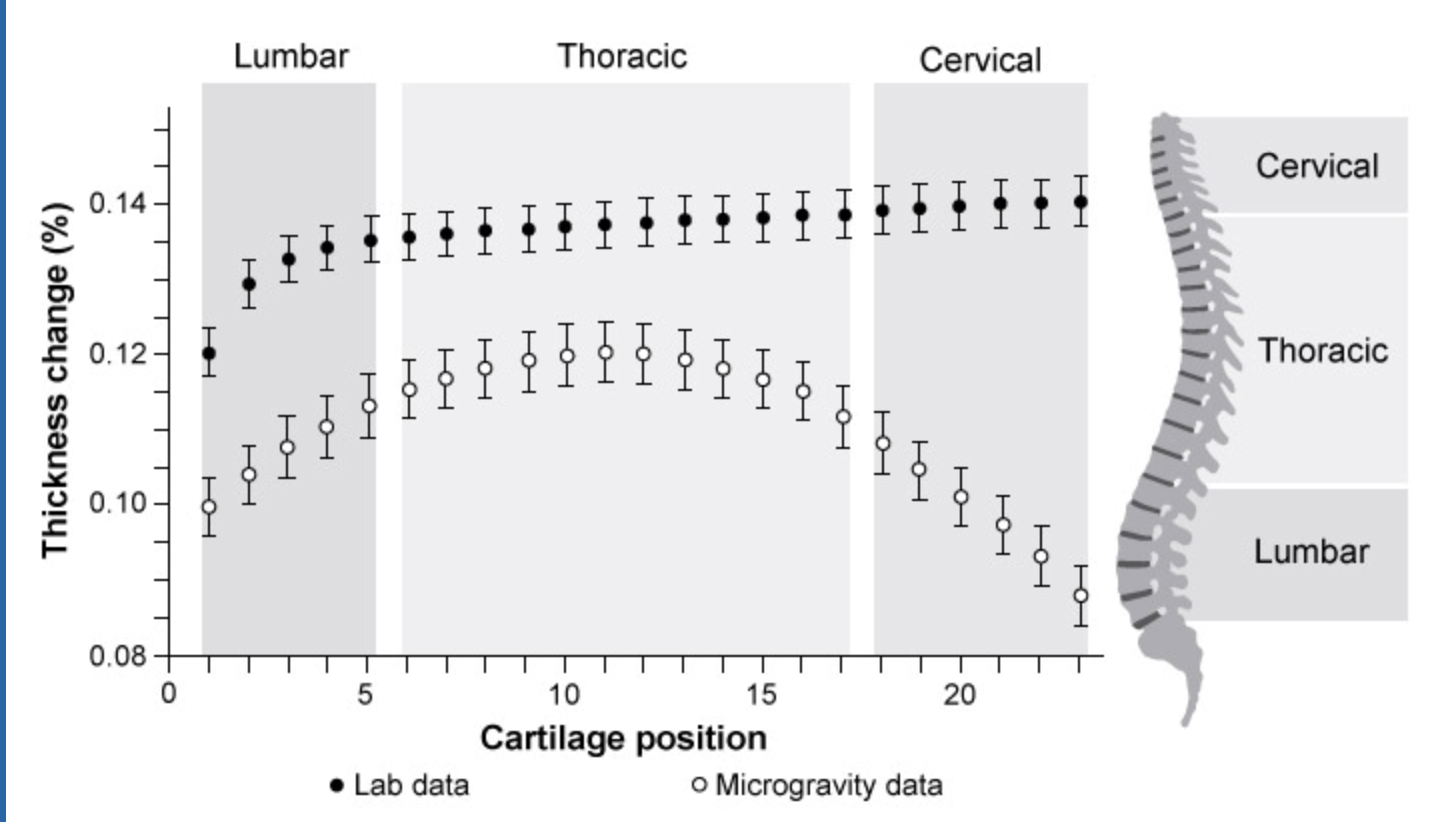
Note: where is the lumbar positioned? helps determine the percentage of body mass required
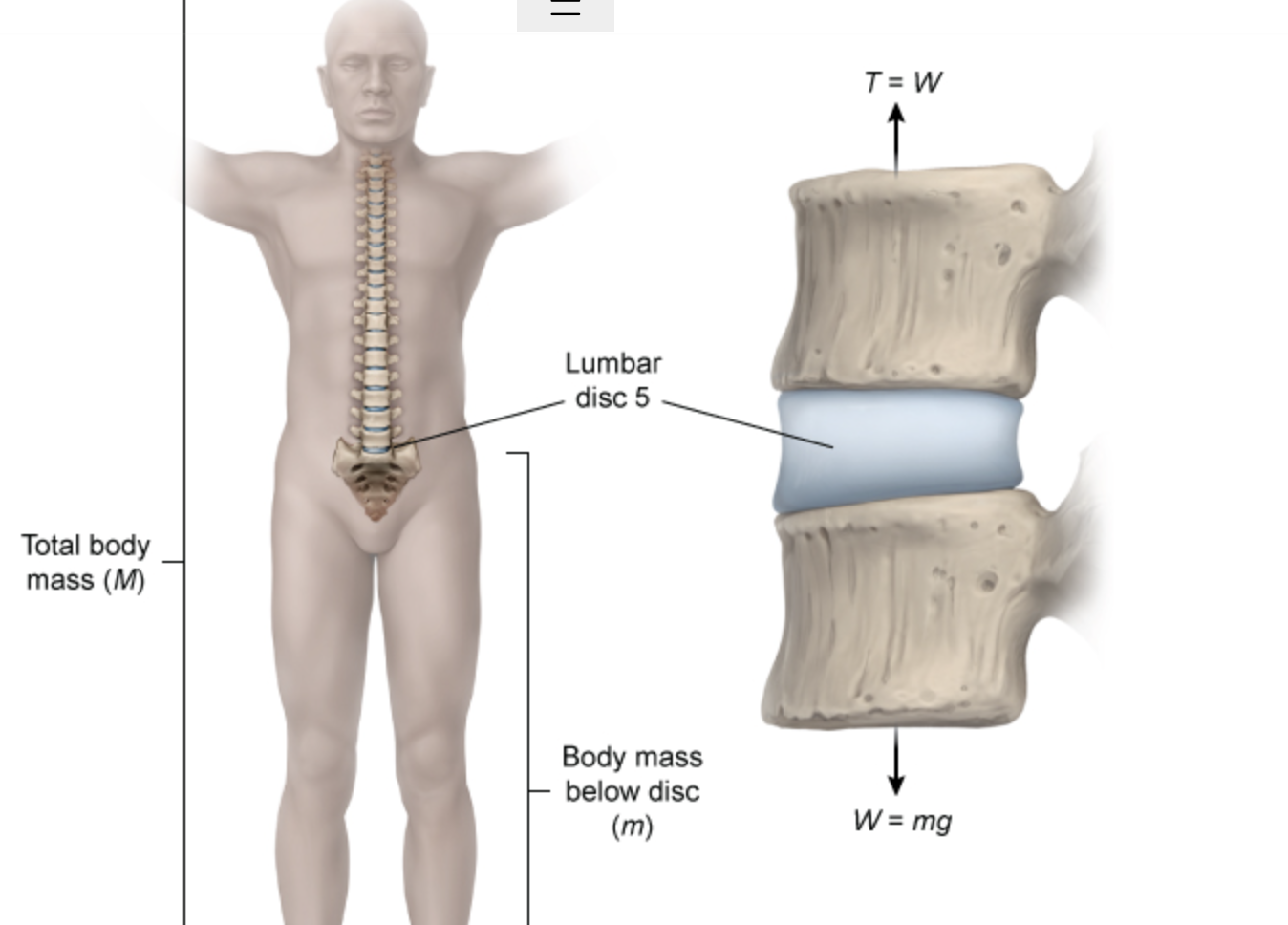
80kg * 10 = 800N
lumbar is placed where it can support 50% of the body mass

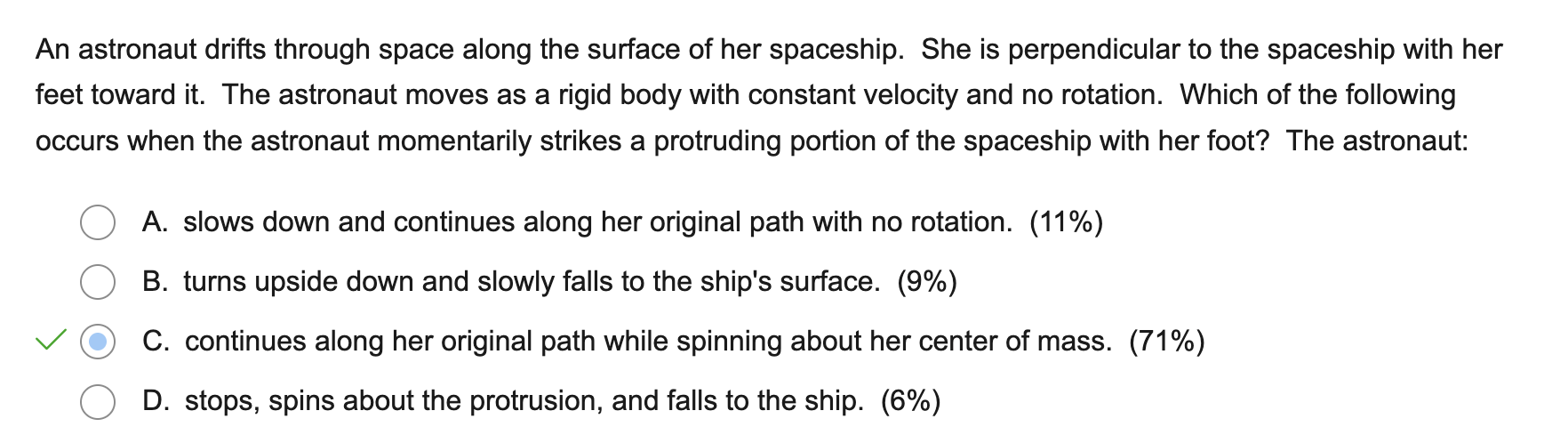
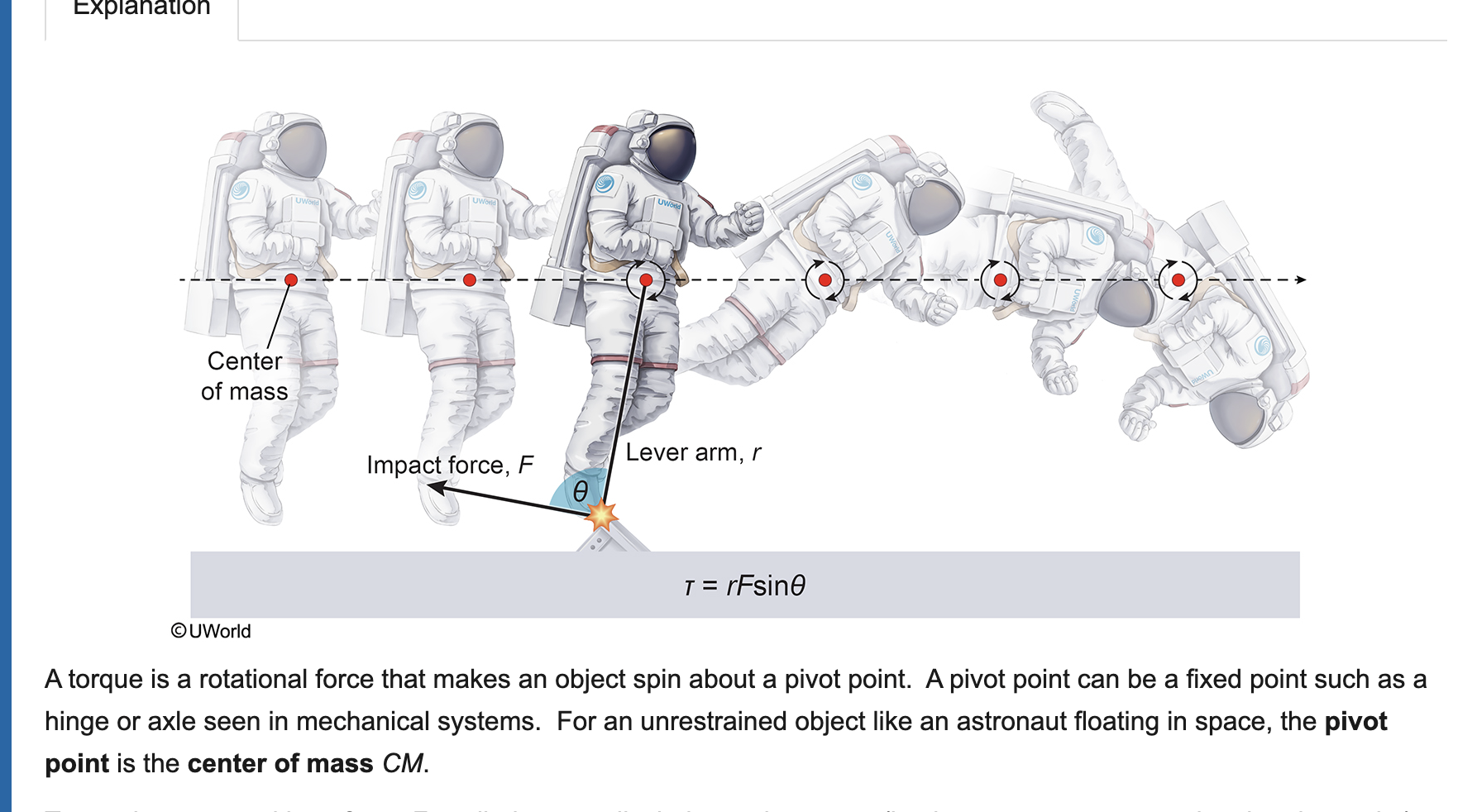
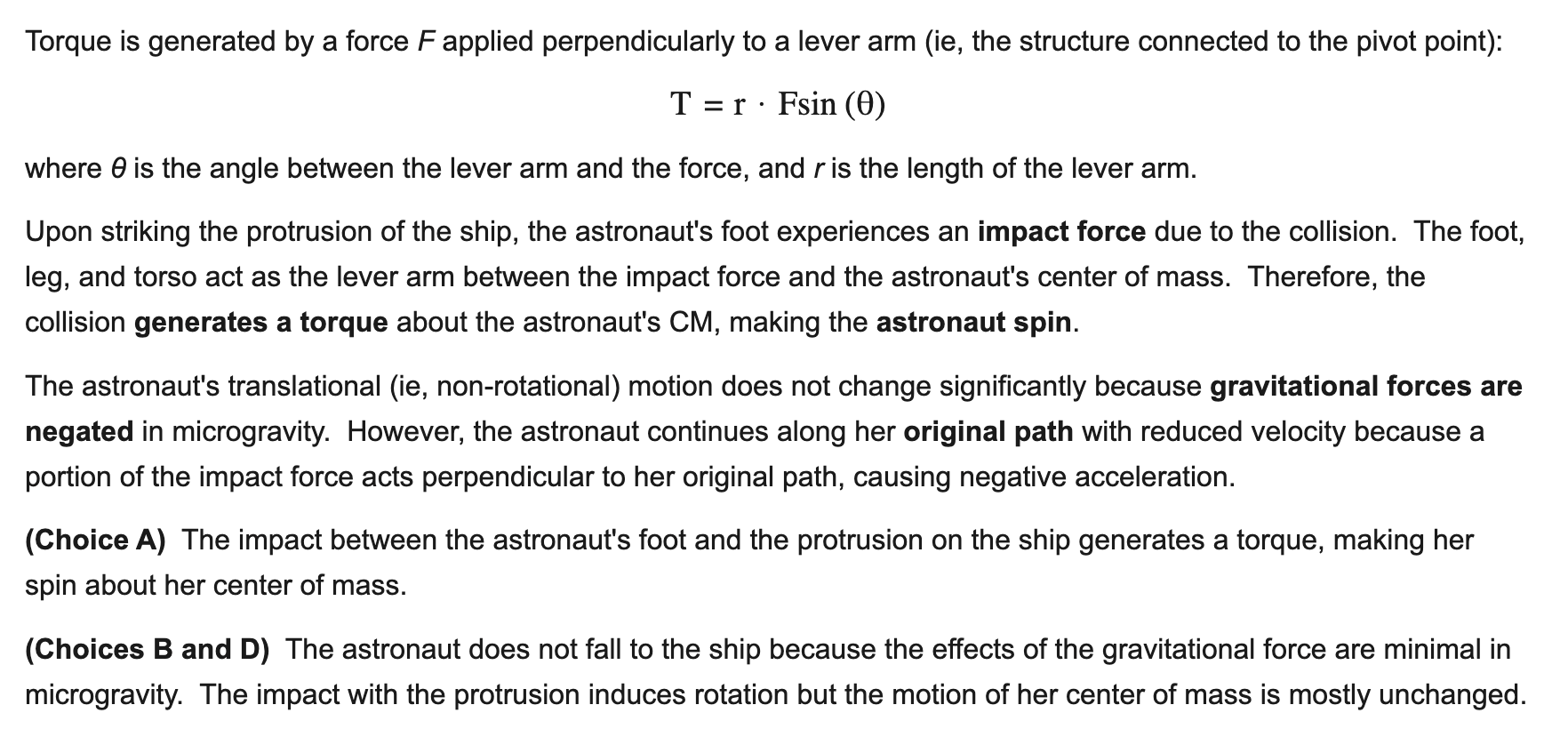




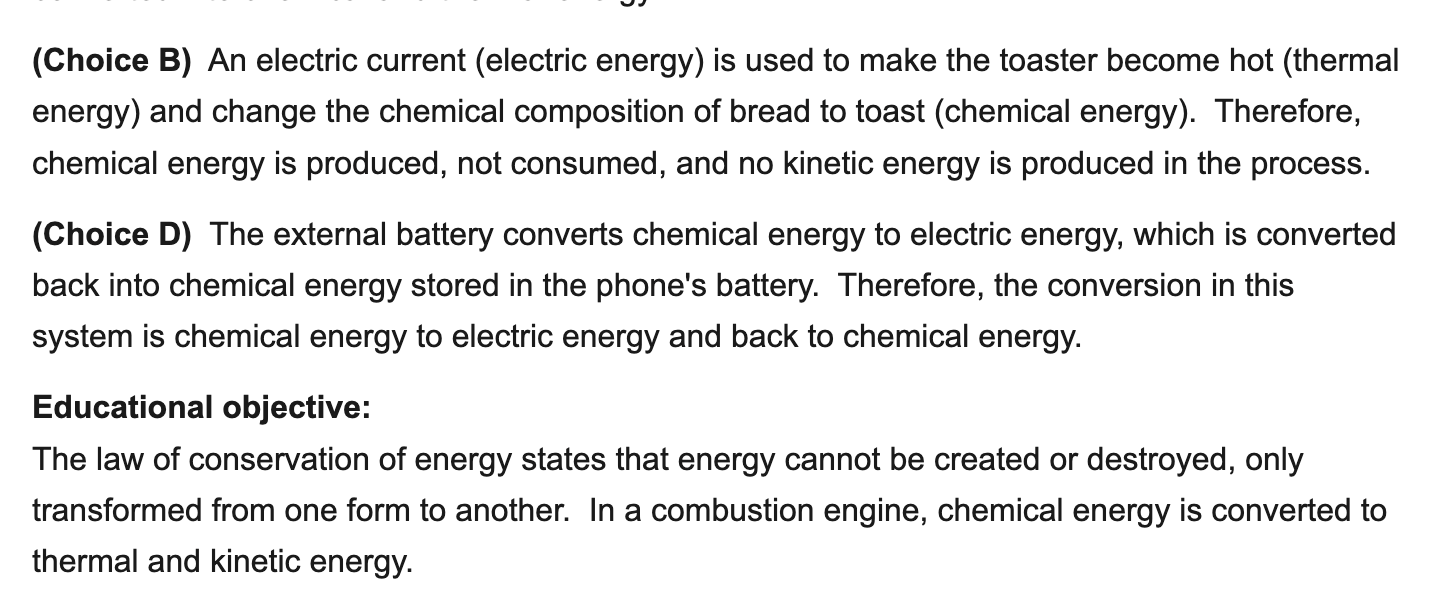
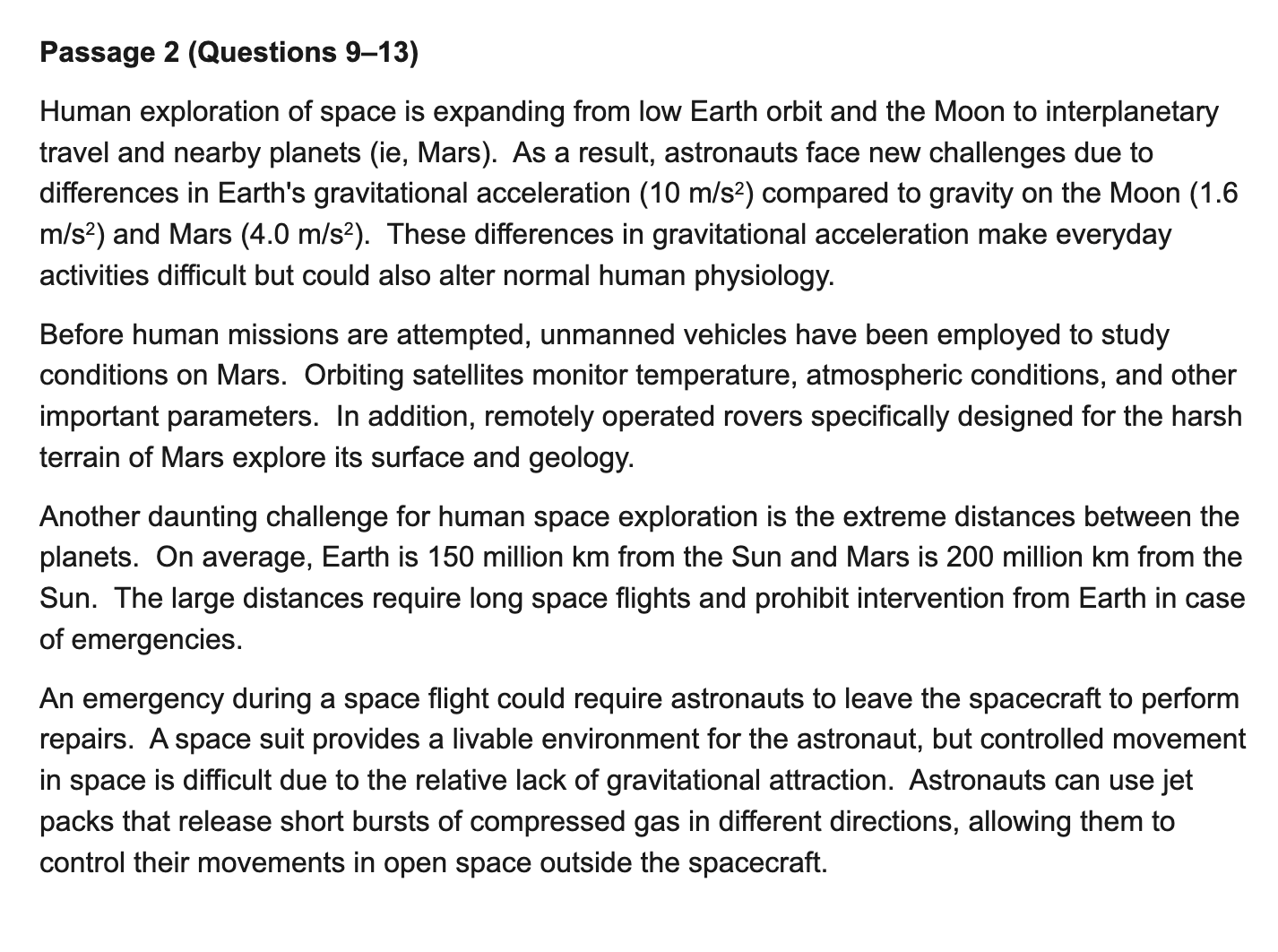
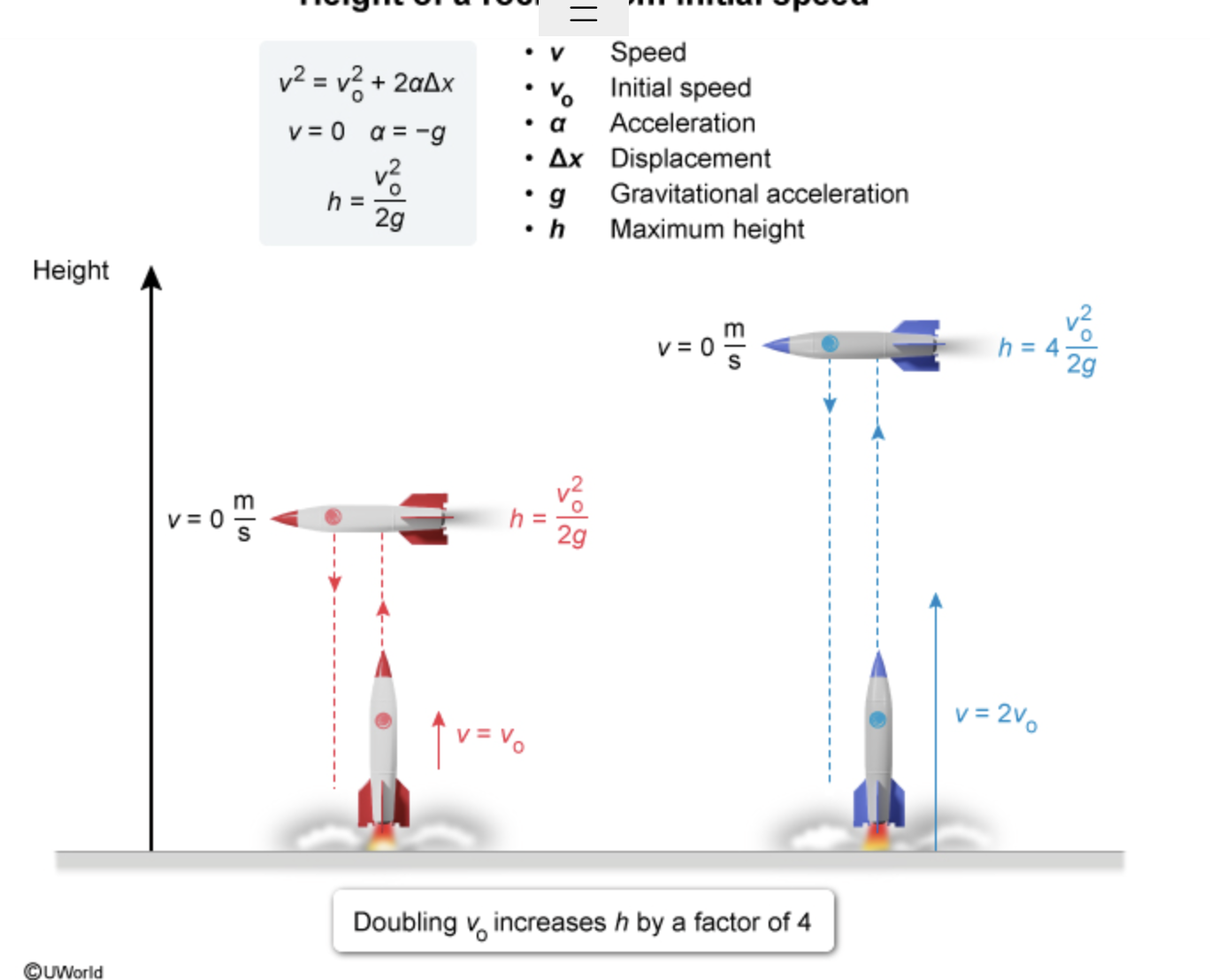
leaving due to burst (kinetic energy)—→ basically a jump—→ gravity pull —> converts to potential energy