endocrine NICU
 Call Kai
 Learn
Learn Practice Test
 Spaced Repetition
 Match
Match Flashcards
 Knowt Play
1/12

There's no tags or description
Looks like no tags are added yet.
Name | Mastery | Learn | Test | Matching | Spaced | Call with Kai | Chat |
|---|
No analytics yet
Send a link to your students to track their progress
13 Terms
risk factors for hypoglycemia in newborns
pancreatic agenesis
A rare congenital condition where the pancreas is absent at birth, leading to insulin deficiency and high risk of hypoglycemia.
causes of neonatal onset of diabetes mellitus
include genetic mutations, autoimmune destruction of pancreatic beta cells, pancreatic agenesis, rare congenital disorders and exposure to maternal hyperglycemia during pregnancy.
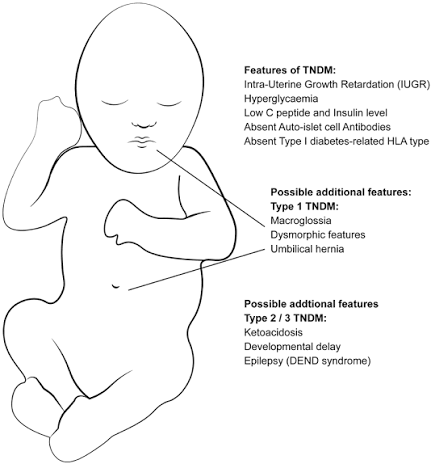
transient neonatal diabetes mellitus (TNDM)
Transient neonatal diabetes mellitus (TNDM) is a rare, temporary monogenic condition appearing in the first weeks of life. About 90% of cases stem from chromosome 6q24 imprinting defects (overexpressing paternal genes PLAGL1 and HYMAI) or mutations in potassium channel genes (KCNJ11 and ABCC8). Symptoms typically resolve by 18 months. It is characterized by elevated blood sugar levels due to insulin deficiency.
symptoms:
hyperglycemia
severe dehydration
low birth weight 2/2 IUGR
poor weight gain
rare ketoacidosis
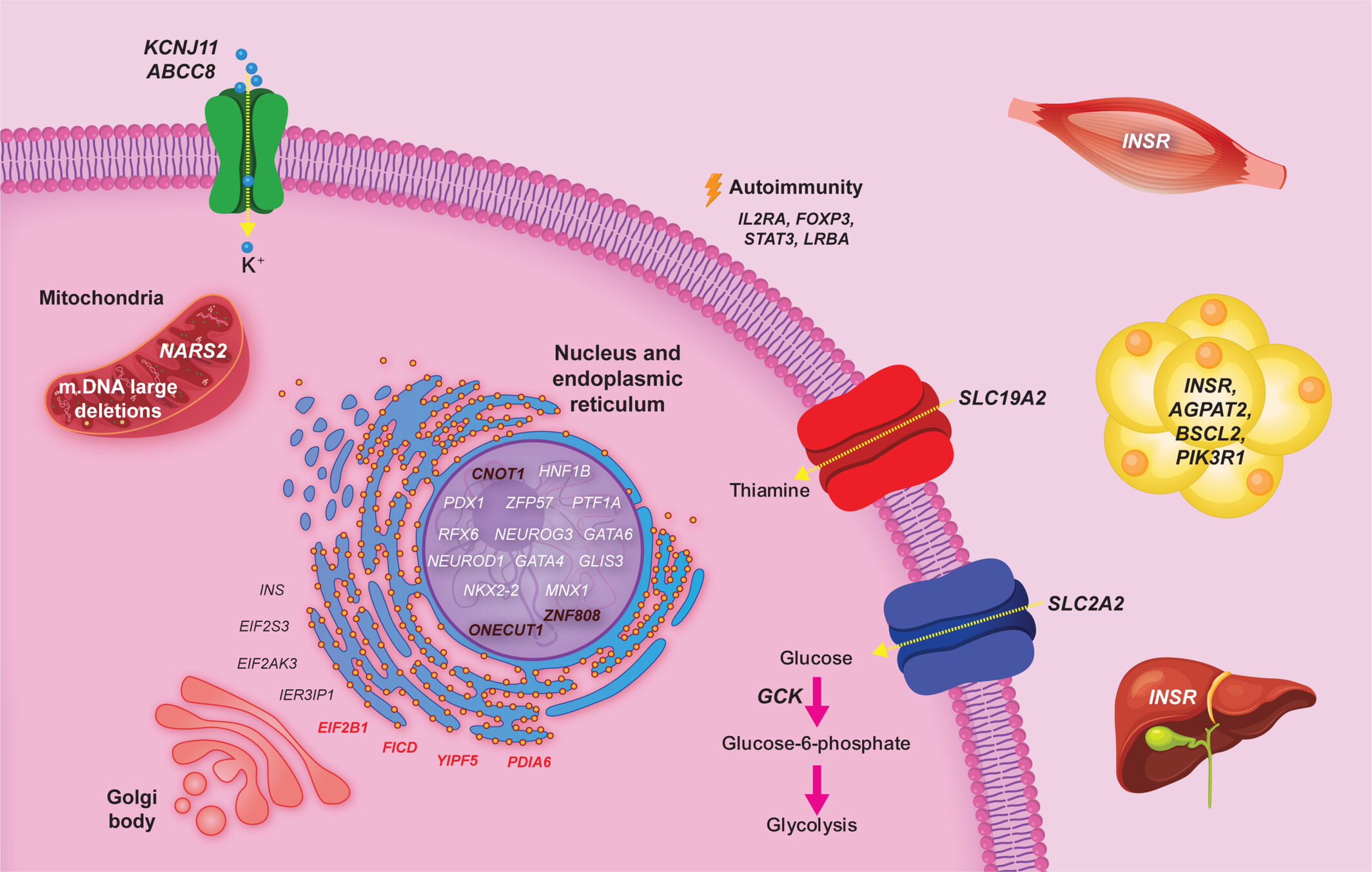
pathologic
conditions resulting from illness or injury that adversely affect normal function in the body.
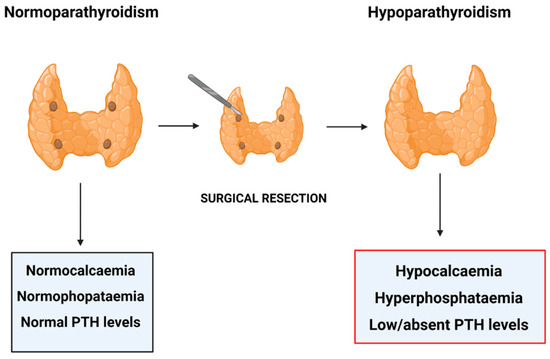
Transient hypoparathyroidism
of preterms is a temporary shortage of parathyroid hormone (PTH) common in premature and low-birth-weight infants. It leads to low blood calcium (hypocalcemia) because the immature parathyroid glands fail to respond properly to extrauterine mineral demands. It typically resolves on its own as the infant matures. [1, 2, 3, 4, 5]
hypoparathyroidism
↓ parathyroid hormone (PTH) → ↓ blood calcium levels. It can be transient in neonates, particularly in preterm infants.
hypocalcemia
hyperphosphatemia
etiology
removal of small neck glands during thyroid/throat surgery
autoimmune attacks
genetic conditions
severe low blood magnesium
hyperparathyroidism
↑ PTH → ↑ blood calcium
hypercalcemia
hypophosphatemia
etiology
primary hyperparathyroidism: autonomous, intrinsic overproduction of PTH independent of normal calcium feedback
single parathyroid adenoma: bening tumor on one gland
multigland hyperplasia: enlargement of two or more glands
multiple adenomas: less common cause of multi-glandular disease
parathyroid carcinoma: rare malignant tumor
genetic syndromes: multiple endocrine neoplasia type 1
secondary hyperparathyroidism
physiologic compensatory response where low calcium or vitamin d levels persistently stimulate the glands to produce more PTH
CKD: most common cause, failing kidneys fail to activate vitamin D and clear phosphate → hypocalcemia
vitamin d deficiency
intestinal malabsorption: 2/2 bariatric surgery or other weight loss procedures can impair calcium and nutrient uptake
tertiary hyperparathyroidism
autonomous hyperplasia: direct consequence of severe, prolonged secondary hyperparathyroidism (typically in ESRD)
gland autonomy: parathyroid tissue undergoes hyperplastic changes and loses responsiveness to normal calcium feedback, continuing to overproduce PTH even after initial secondary trigger or kidney failure is managed (such as post-kidney transplant)
IDM
infant of diabetic mother
LPT
late pre-term
if an LPT or term IDM/SGA infant has <40 mg/dL glucose and is symptomatic what nutrition intervention is indicated:
IV glucose
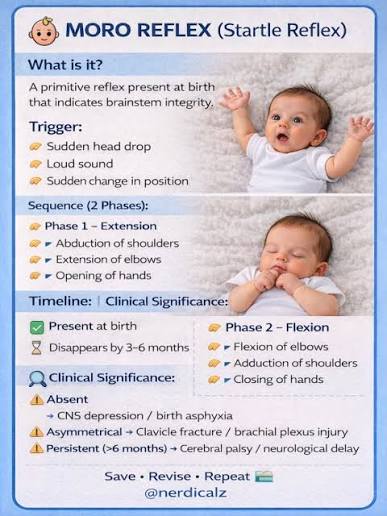
moro reflex
A reflex in infants characterized by a splaying of the arms and legs in response to sudden stimuli, such as a loud noise or feeling of falling.
what EN is first choice to treat hypoglycemia
mother’s colostrum