1.1 Osteology
 Call Kai
 Learn
Learn Practice Test
 Spaced Repetition
 Match
Match Flashcards
 Knowt Play
1/53

There's no tags or description
Looks like no tags are added yet.
Name | Mastery | Learn | Test | Matching | Spaced | Call with Kai | Chat |
|---|
No analytics yet
Send a link to your students to track their progress
54 Terms
axial skeleton
composed of centrally located bones of the body such as the vertebral column, ribs, and sternum; does NOT include pelvis or clavicles
cervical region
most superior vertebral region; 7
thoracic region
vertebral region where the ribs connect; 12
lumbar region
vertebral region in lower back; 5
sacral region
vertebral region that makes up the sacrum; 5 fused
coccygeal region
vertebral region that makes up the coccyx; 4-fused
lordosis
anterior portion → convex, posterior portion → concave; cervical and lumbar regions are in this curvature
kyphosis
anterior portion → concave, posterior portion → convex; thoracic and sacral regions are in this curvature
intervetebral discs
promotes cushioning and flexibility between vertebrae
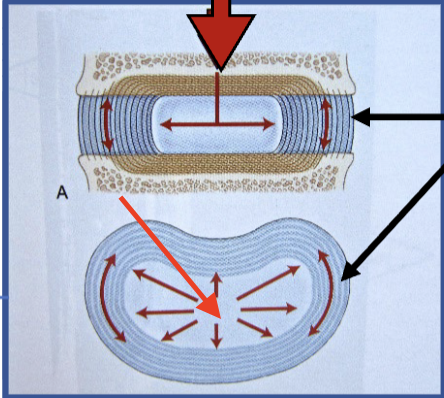
anulus fibrosis
outer rim of intervertebral disc made up of layers of fibrocartilage to stabilize disc
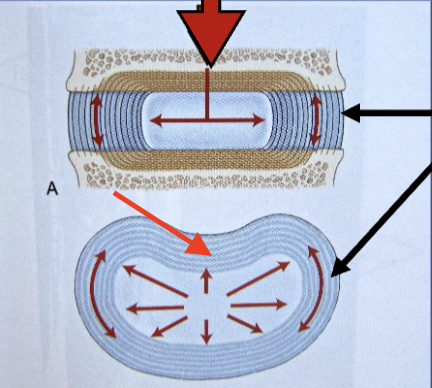
nucleus pulposus
watery gel-like core of intervertebral disc that allows for flexibility and cushioning
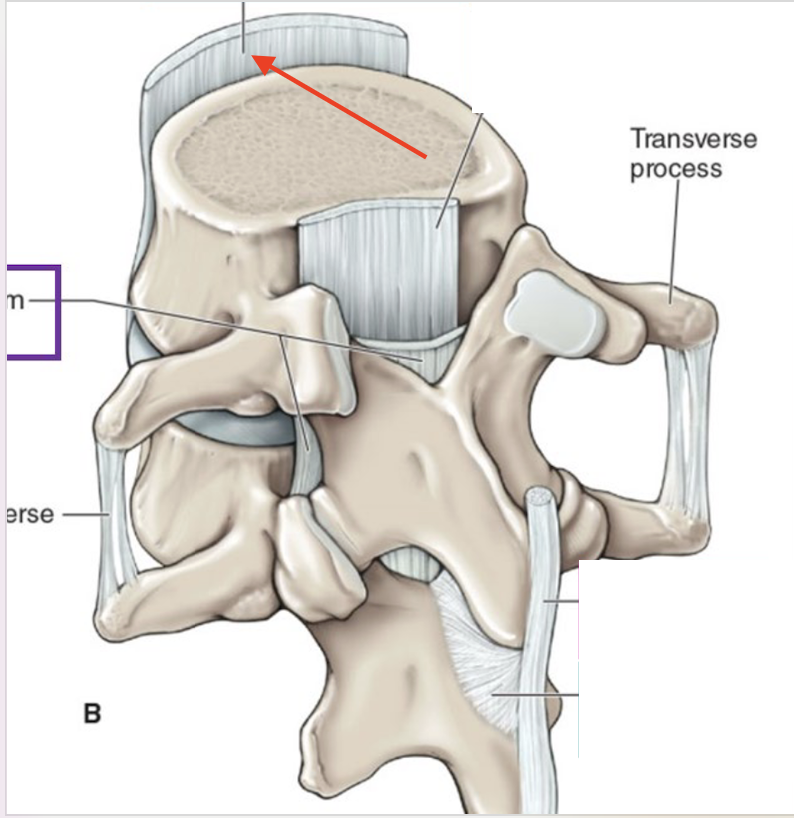
anterior longitudinal ligament
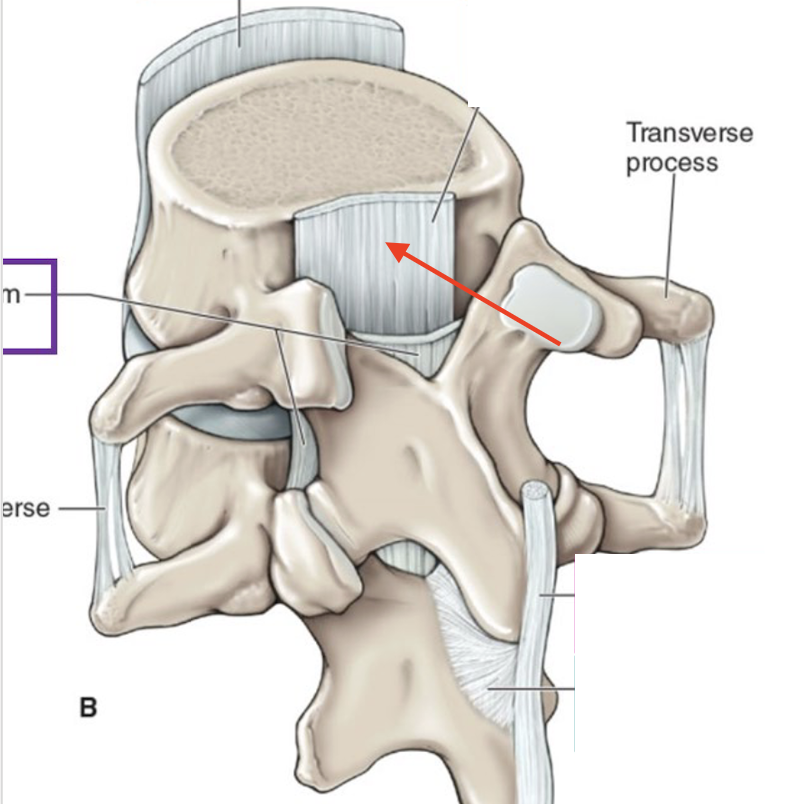
posterior longitudinal ligament
supraspinous ligament

intertransverse ligament

interspinous ligament
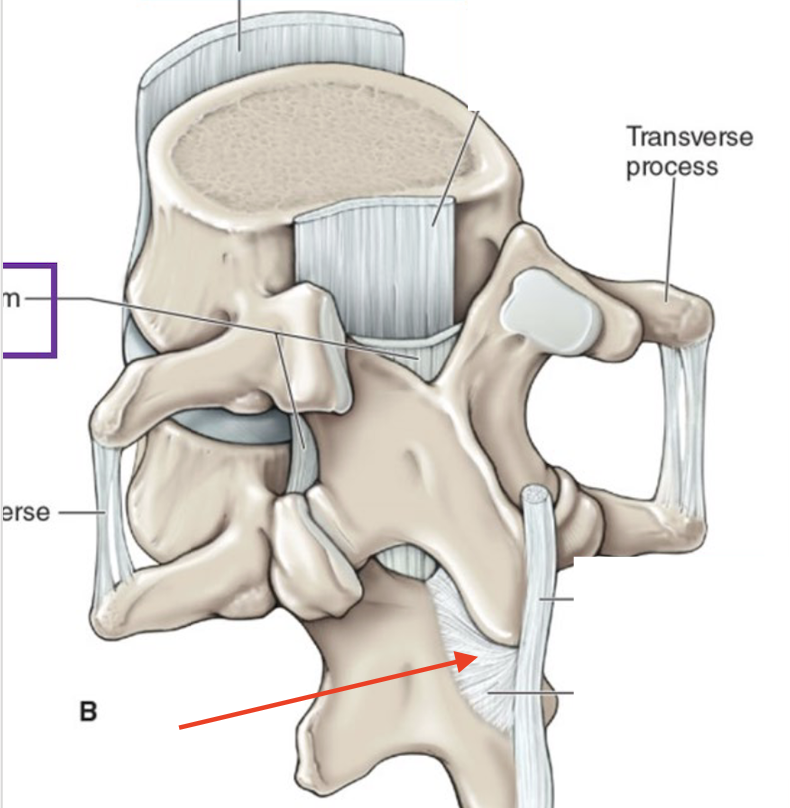
ligamentum flavum
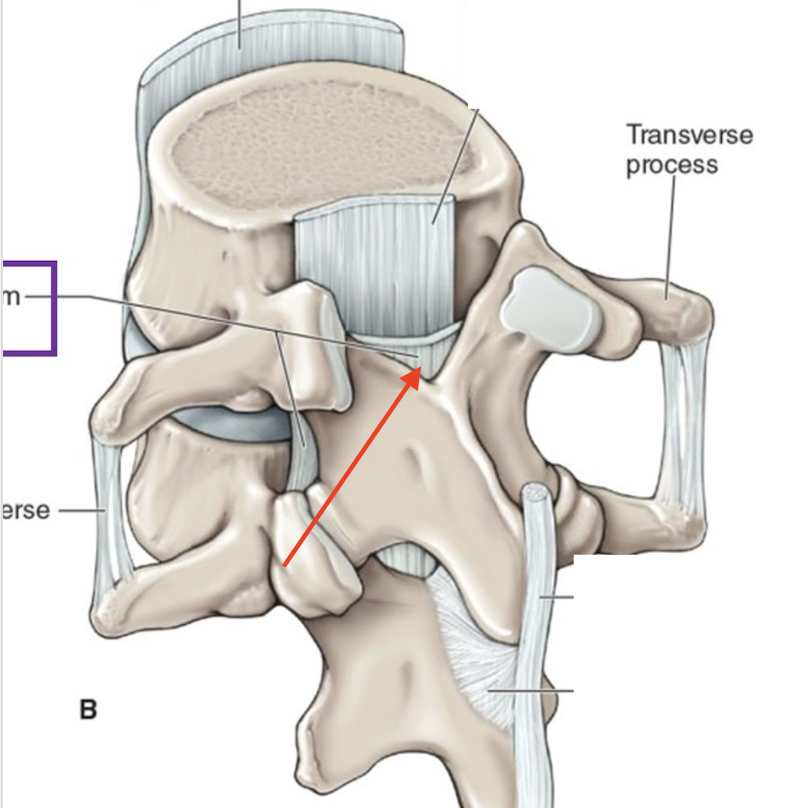
radiculopathy
compression of a nerve root or any spinal nerve segment
flexion/extension

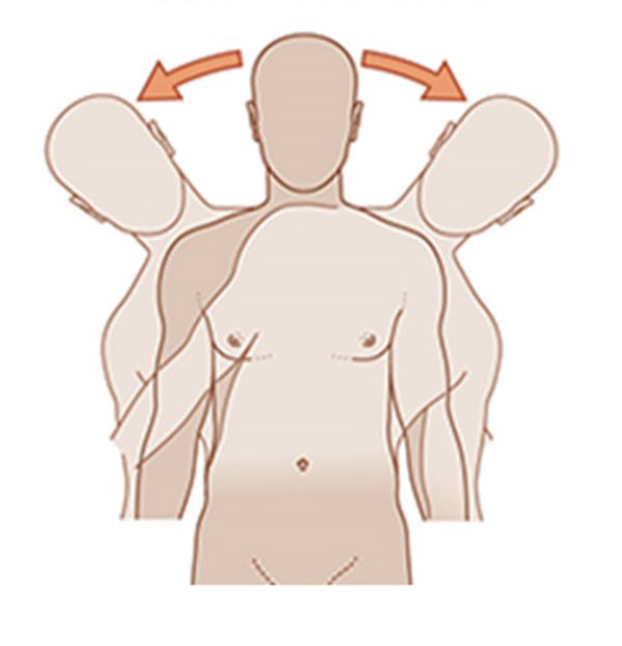
lateral flexion
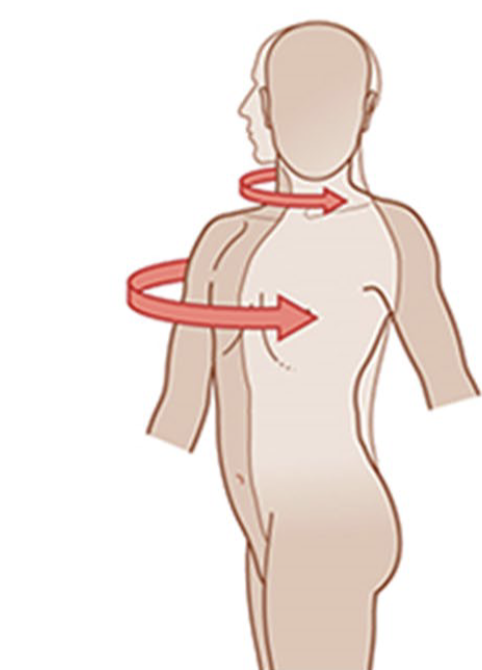
rotation
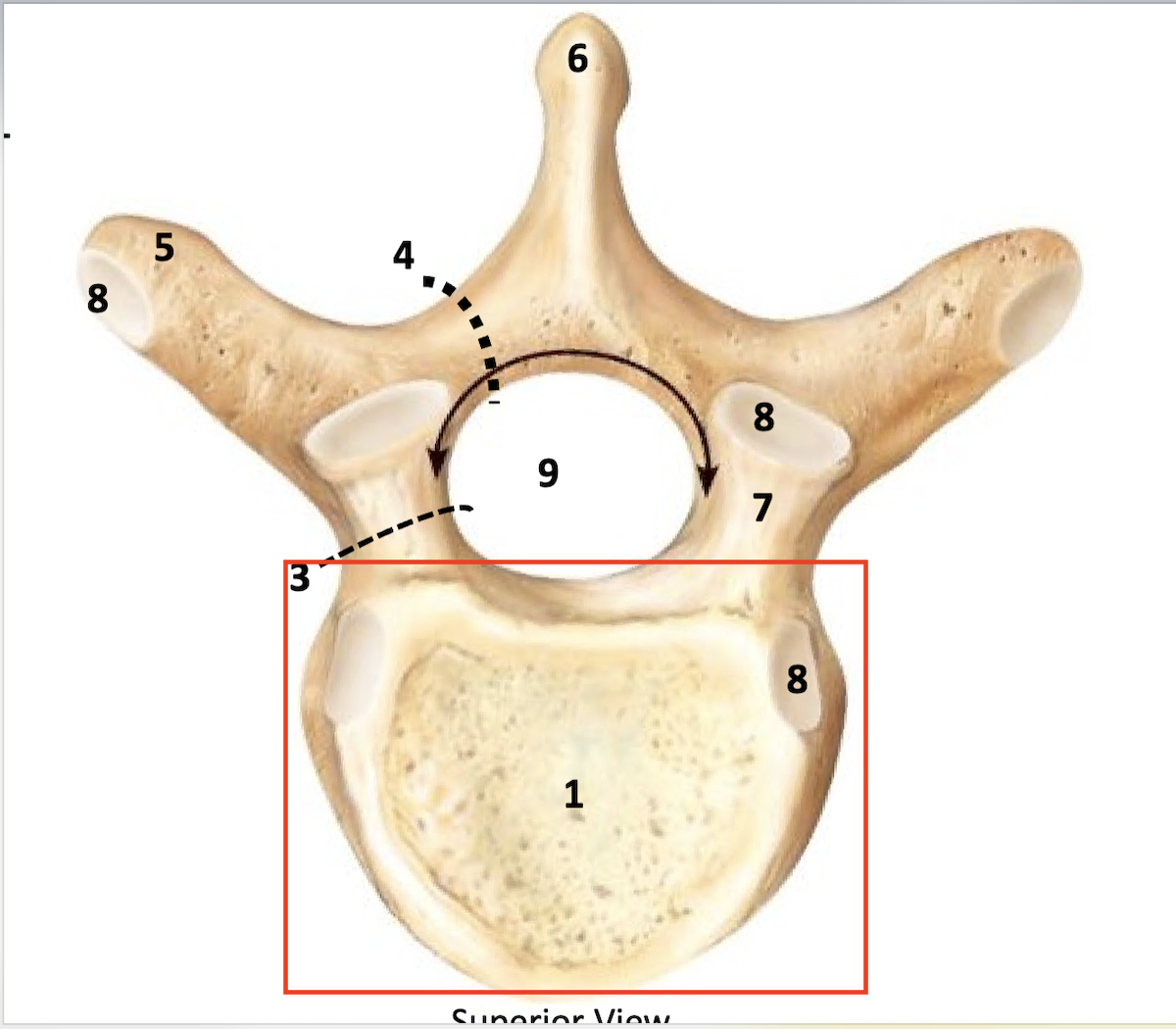
vertebral body
weight bearing portion of the vertebrae
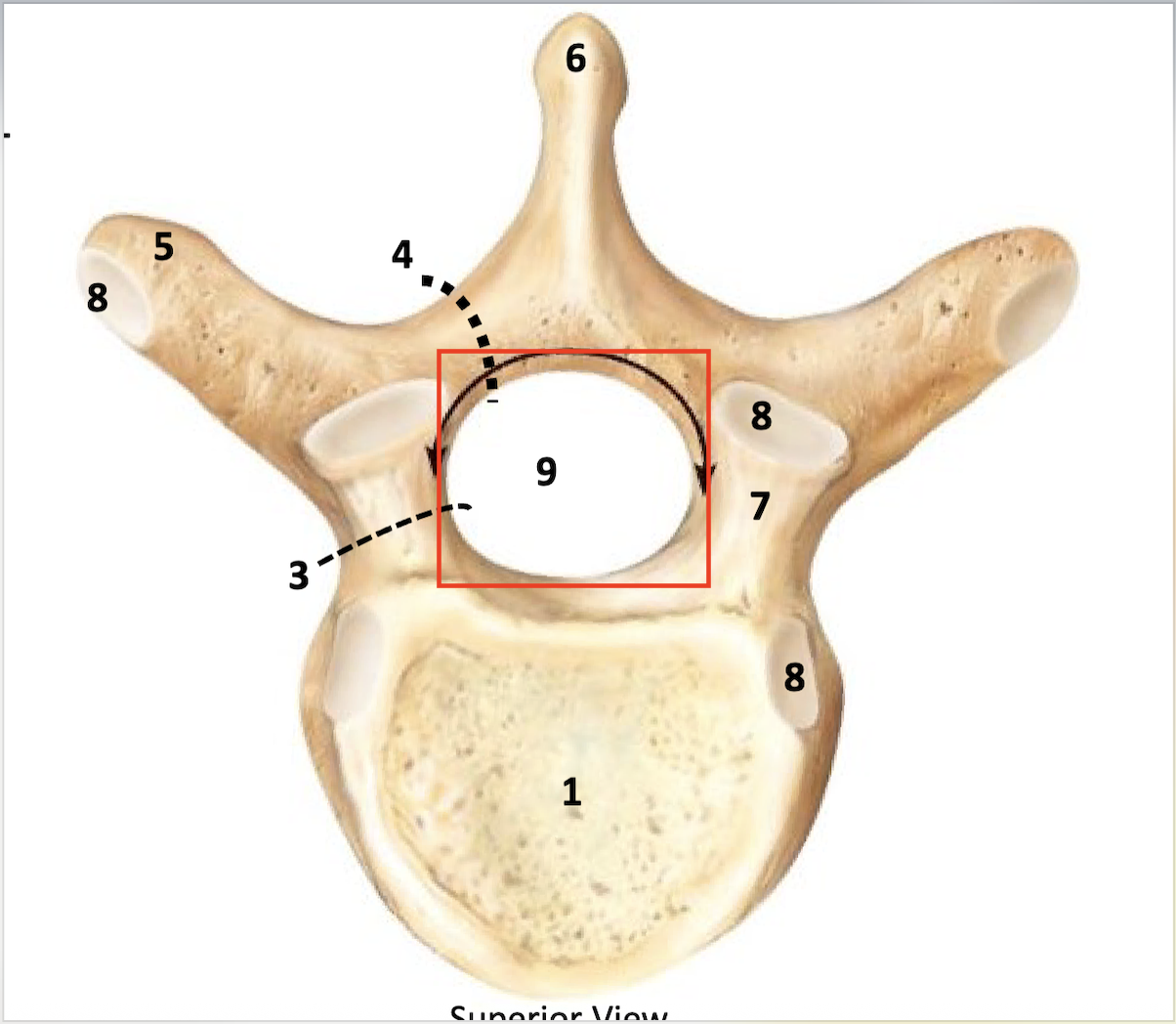
vertebral foramen
provides opening for spinal cord to pass through
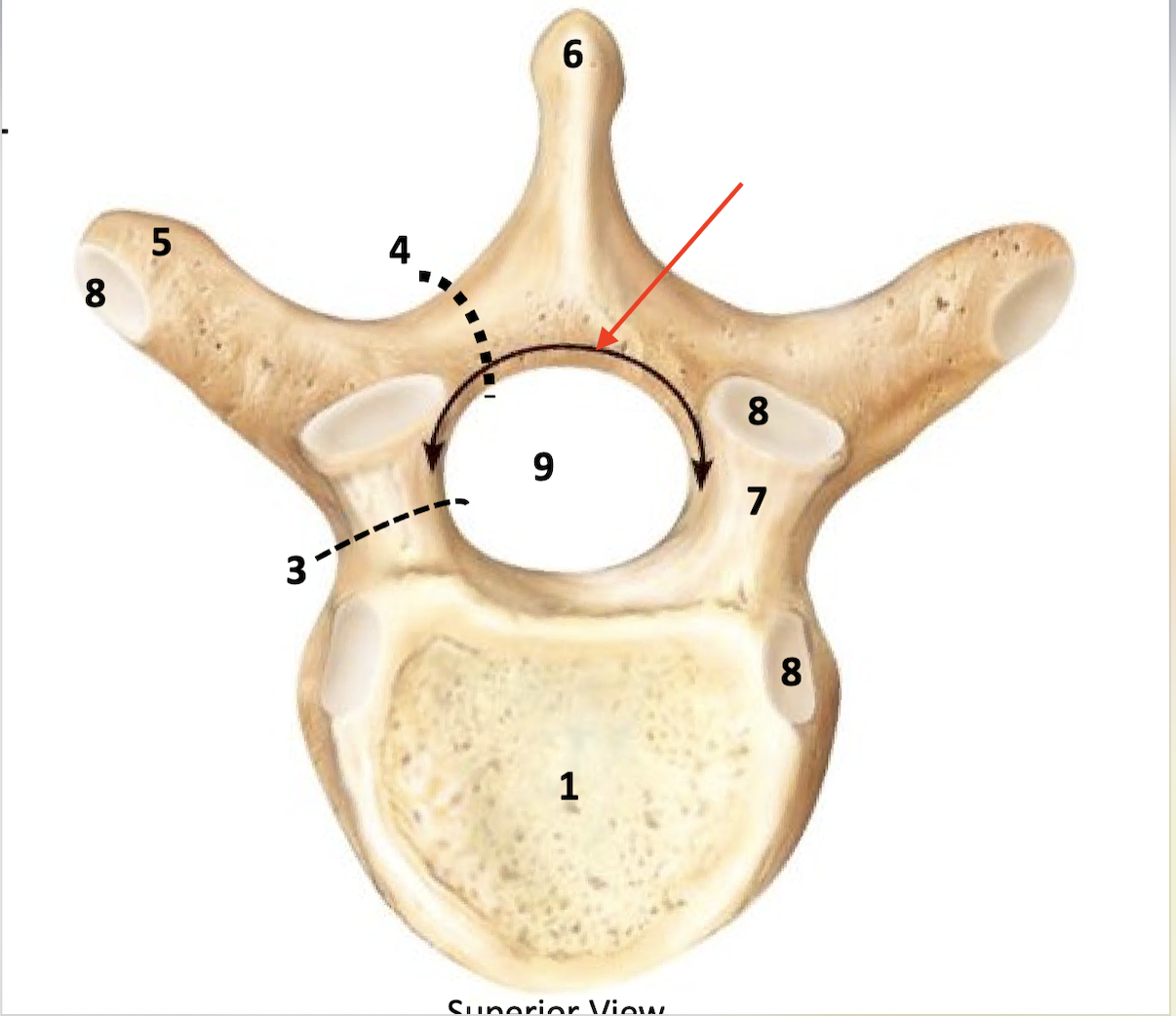
vertebral arch
provides support for vertebral forament posteriorly
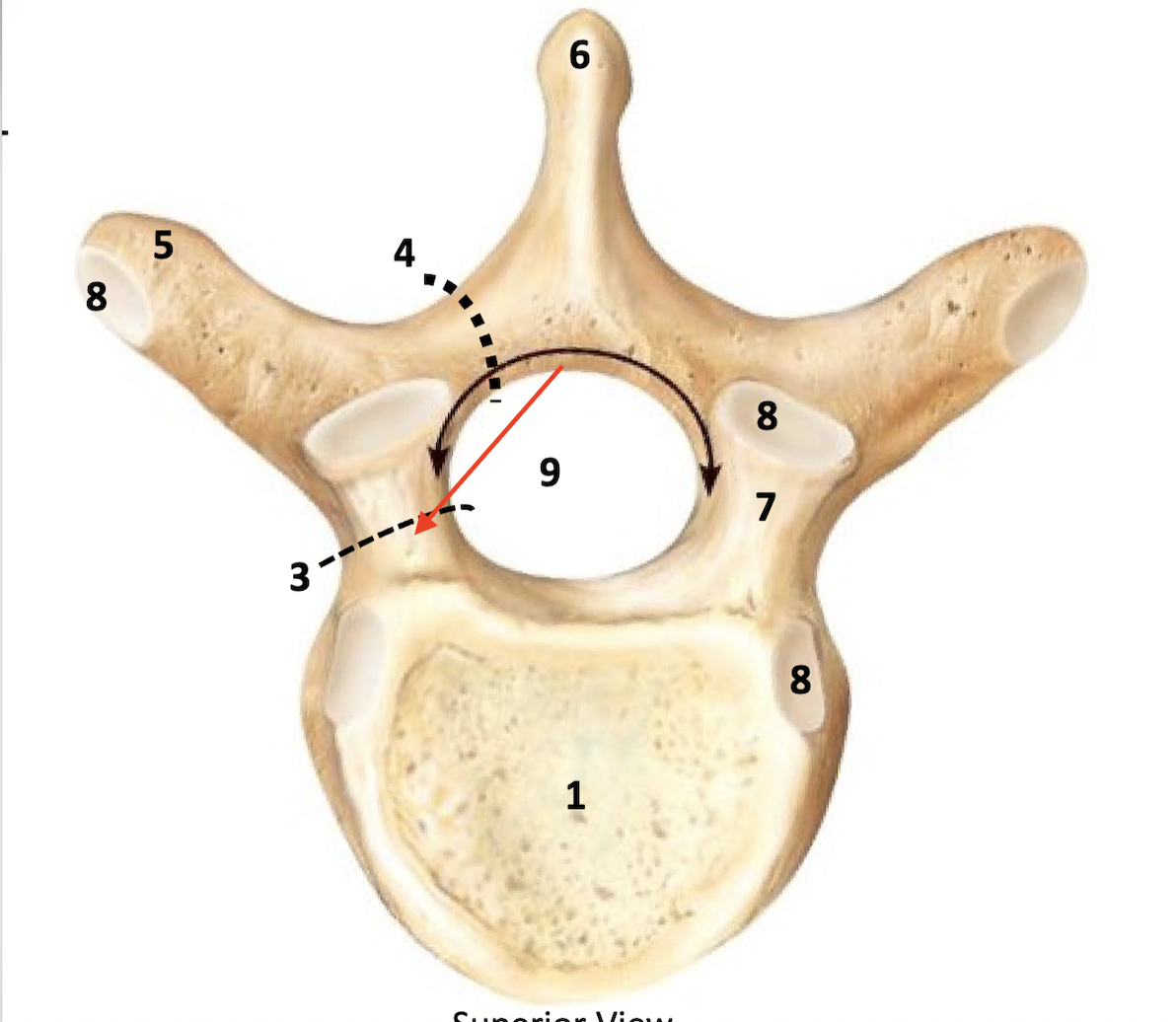
pedicle
lamina

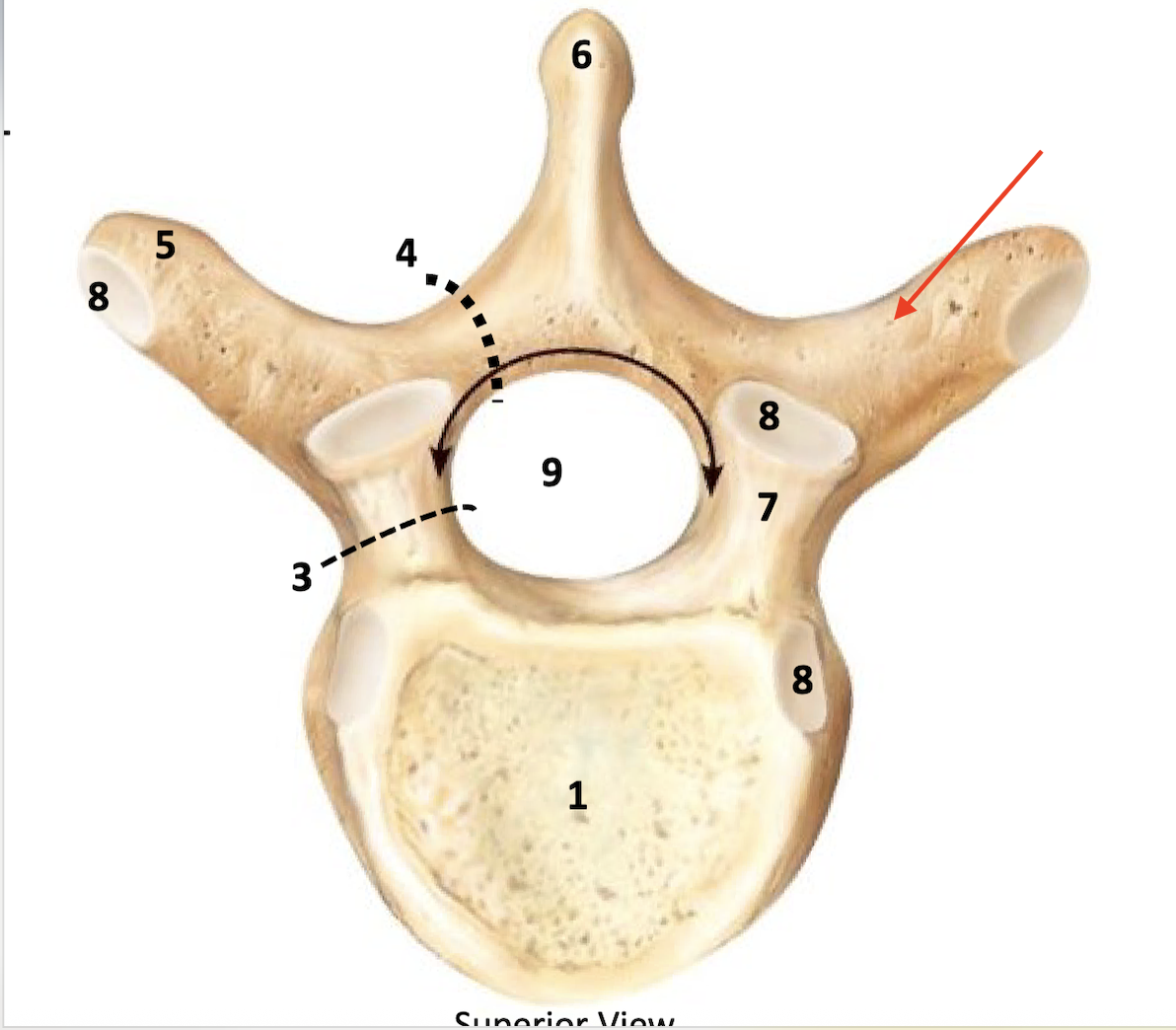
transverse process
site for muscle attachment, facet to articulate with tubercle of the rib in the throacic region
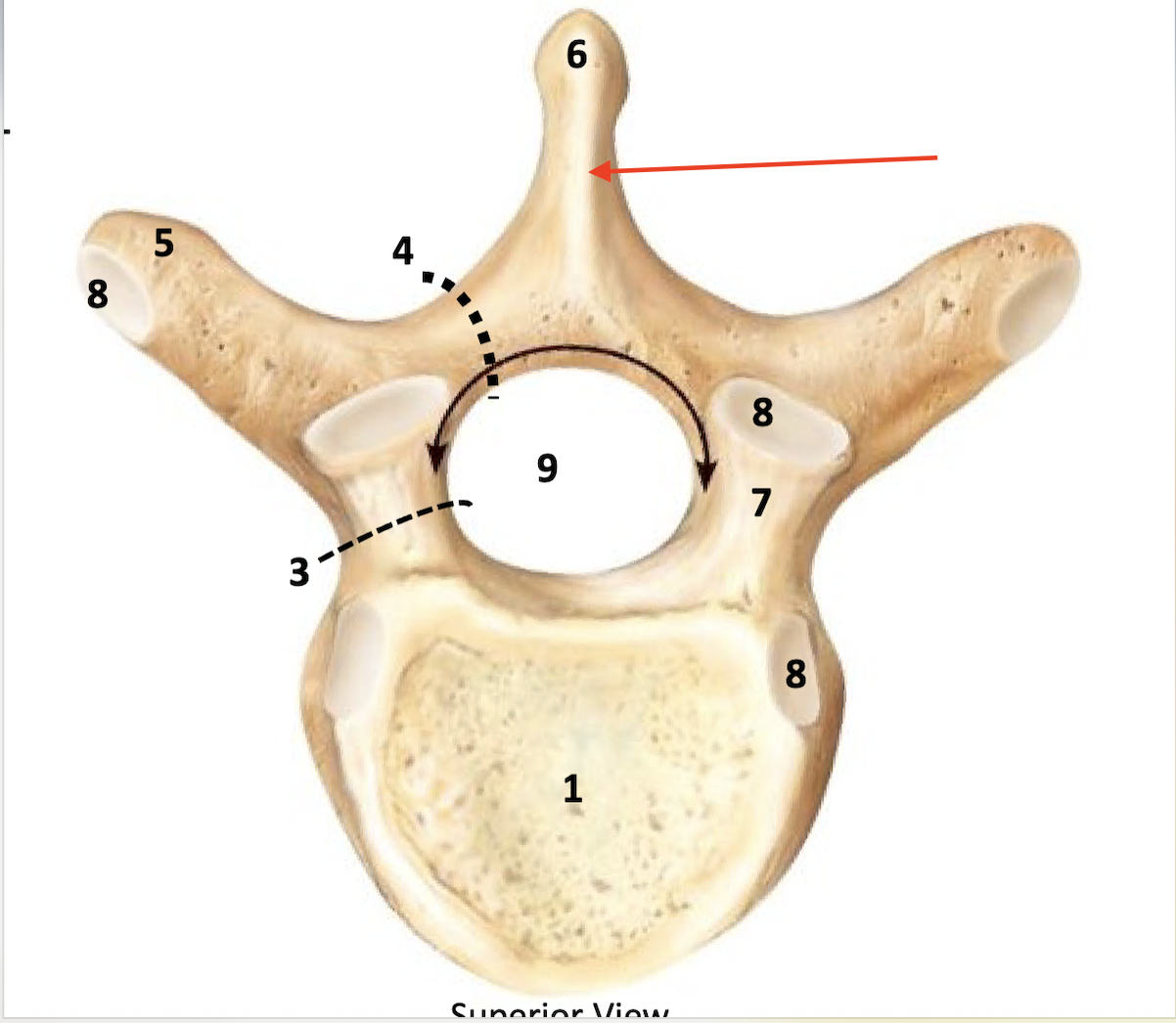
spinous process
site for muscle and ligament attachment
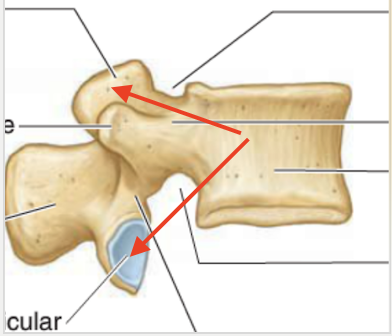
superior and inferior articular processes
IAP articulates with inferior SAP
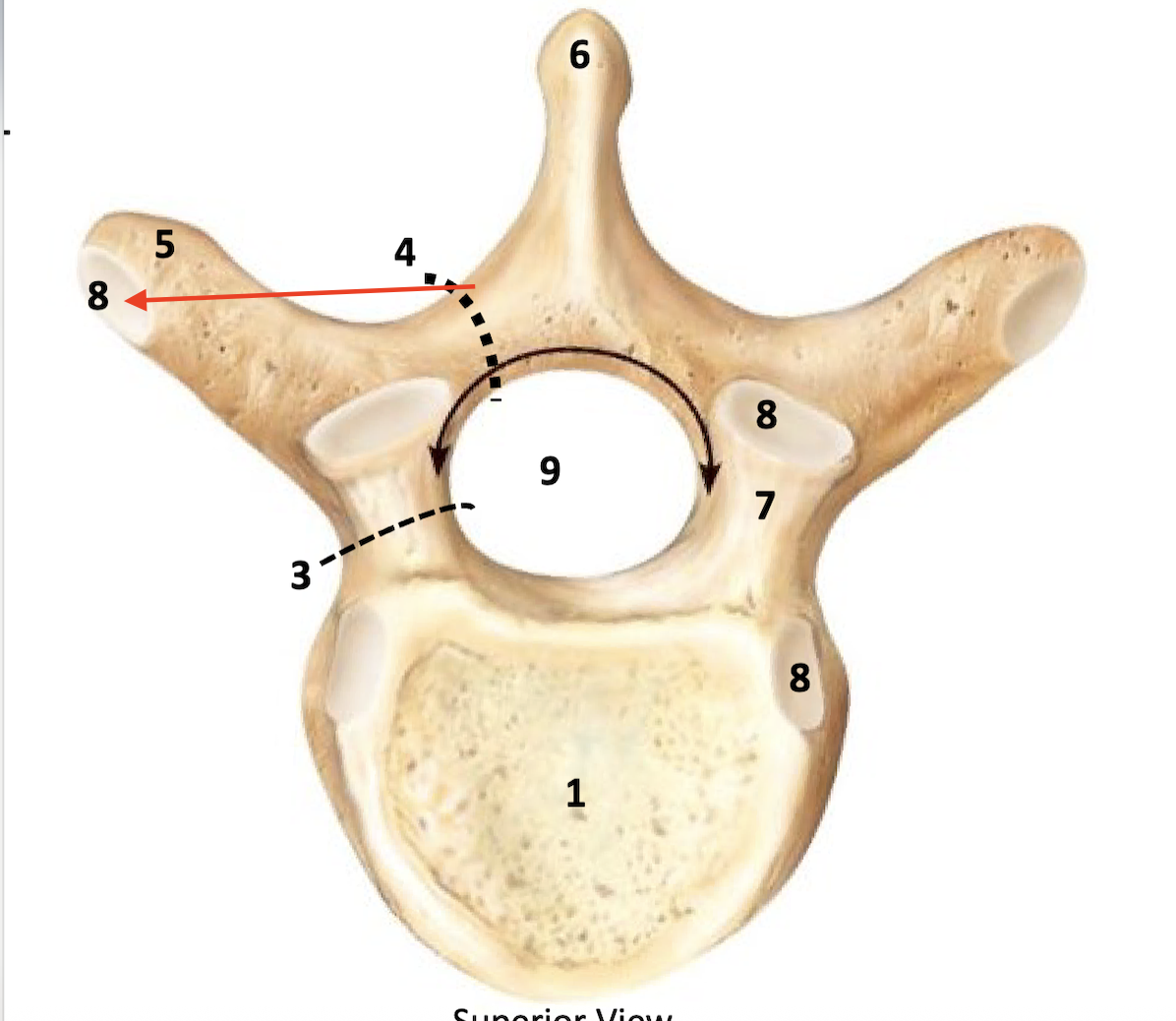
articular facets
surfaces for articulation
superior and inferior vertebral notch
forms openings for spinal nerves to exit vertebral foramen

zygapophysial joints
joints between the SAP and IAP of vertebrae
oblique horizontal plane
zgp joints aligned in this plane in the cervical region; provides highest ROM, but increases risk of injury
frontal plane
zgp joints aligned in this plane in the thoracic region; allows for rotation but limited extension
sagittal plane
zgp joints aligned in this plane in the lumbar region; allows for flexion and extension, but limited rotation
Cervical vertebrae
-smallest vertebral body
-largest vertebral foramen
-bifid spinous processes
-transverse foramina for vertebral artery
-SAP and IAP in oblique horizontal plane
-uncinate process to “hold intervertebral discs in”
Thoracic vertebrae
-vertebral body size increases
-vertebral foramen size decreases
-inferior projected spinous processes
-costal facets for rib articulation
-SAP & IAP orient in frontal plane
Lumbar vertebrae
-largest vertebral bodies
-small, triangular vertebral foramen
-posterior projected, blunt spinous process
-long, slender transverse process
-SAP & IAP orient in sagittal plane
sacrum
made of 5 fused vertebrae
atlas (C1)
superior facets articulate with occipital condyles; has no vertebral body
atlantoccipital joint
the articulation of superior facets of the atlas and the occipital condyles; synovial condyloid joint; allows for flexion and extension of neck
Axis (C2)
articulates with the atlas, has the otdontoid process or dens
atlanto-axial joint
articulation of dens of the axis and anterior arch of the atlas; synovial pivot/plane joint; allows for rotational movement of neck
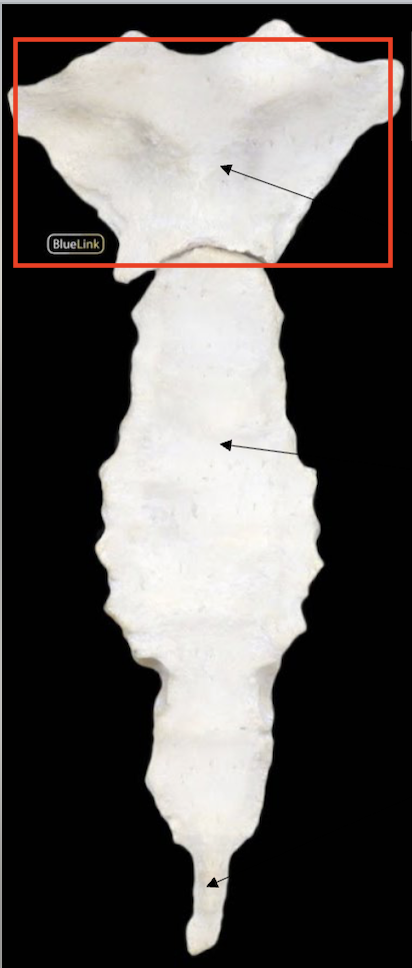
manubrium
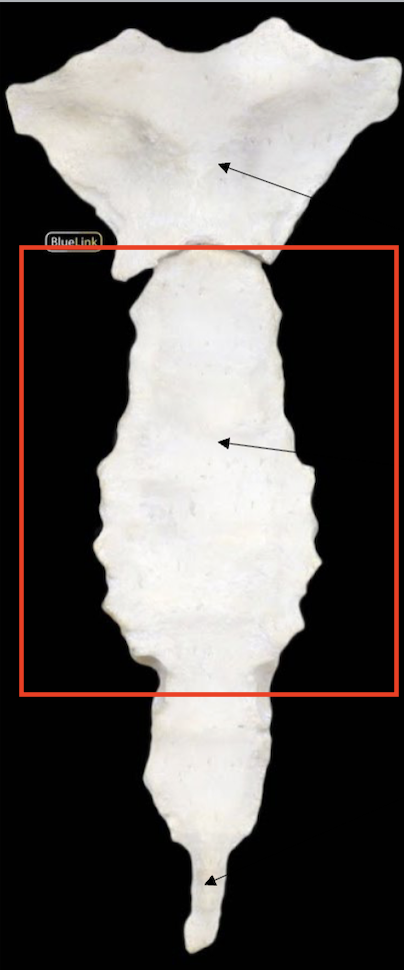
body
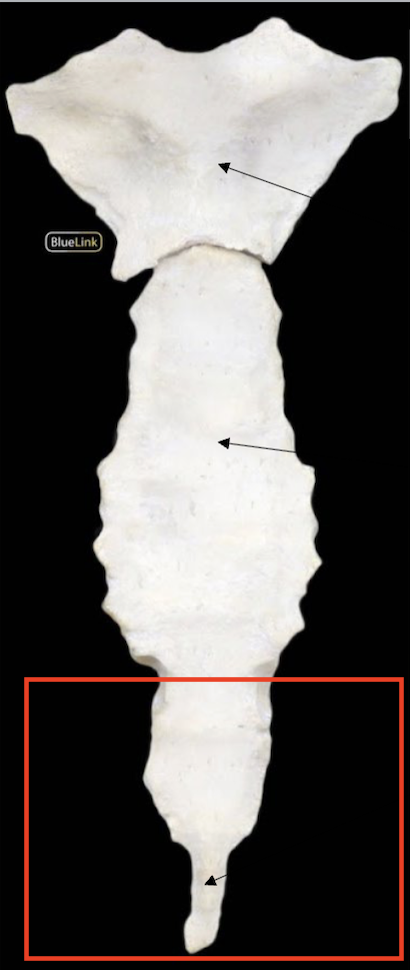
xiphoid process
1-10
number of ribs that articulate with costal cartilage
11-12
number of false ribs
1-7
number of ribs connected directly to sternum
8-10
number of ribs connected to superior costal cartilage
intercostal nerve
anterior rami of T2-T12, innervates muscle and skin related to spinal cord level and intercostal space
intercostal space
space between ribs, named for the superior rib to the space
superior thoracic aperature
space between 1st rib, thoracic vertebrae, and jugular notch of the sternum
inferior thoracic aperature
space enclosed by diaphragm