India: Notable Artists and Architects (and their Art and Architecture)
 Call Kai
 Learn
Learn Practice Test
 Spaced Repetition
 Match
Match Flashcards
 Knowt Play
1/25

There's no tags or description
Looks like no tags are added yet.
Name | Mastery | Learn | Test | Matching | Spaced | Call with Kai | Chat |
|---|
No analytics yet
Send a link to your students to track their progress
26 Terms
Gandhara School of Art (All Facts)
School of Indian art which originated in the namesake province of northwest India around the 100s CE
School of Indian art characterized by blending and synthesizing Greek and Buddhist
Up until that point, artists had closely followed Buddhist iconographical rules, representing the image of the Buddha symbolically
By that point, however, the Buddha was portrayed with European features and replete with images of Ancient Greece
The Greek Buddhas were found all over the namesake province in the form of statues and paintings, particularly in Taxila and the great monastery of Takhti-Bahi
Gandhara Buddha (All Facts)
Great Monastery of Takhti-Bahi (All Facts)
Buddhist Art during the Gupta Empire (All Facts)
Reached its peak of development with distinct iconography
The Buddha
Was shown in various mudras
Had a majestic silhouette with broad shoulders and long streamlined legs
Had a face that was finely drawn
Had an enigmatic smile
Had his eyes half-closed in deep meditation
Mathura School (All Facts)
School of Buddhist Art
Sarnath School (All Facts)
School of Buddhist Art which found a fine balance between beauty of form and spiritual suggestion
Mudras (All Facts)
Gestures which the Buddha was represented in within Buddhist art
Each gesture related to a different episode of his life
Gestures that were shown included
Sitting
Meditating
Teaching
Standing
Gestures showed him with his arm half-bent in a compassionate gesture
Kaliasa Temple at Ellora (All Facts)
Constructed during the reign of Krishna of the Rashtrakuta Empire
Sringeri Sharada Peetham Matha (All Facts)
Ratha (All Facts)
Shrine built like a pyramid
Many were constructed during the Pallava Dynasty

Shrine of Sanchi / Sanchi Stupa (All Facts)
Founded by Ashoka of the Mauryan Dynasty
Located in the state of Madhya Pradesh
Became one of the great religious centers of Indian Buddhism
Buried within it were the relics of the Buddha, kept in a casket
Was admired without reservation by the thousands of pilgrims who flocked to it from all over India
Its original monument or stupa still dominated over the lesser shrines built surrounding it
It was first built of brick and topped by a stone umbrella-canopy, but was extended and embellished over time
It became a solid construction of bricks and rubble, faced in concrete, 54 feet high, shaped like a dome and still shaded by a stone umbrella
A stone railing ten feet high encircled the shrine
It was broken by four exquisite gateways of stone; their pillars and crossbars carved with lions, elephants, demi-gods, caryatids, and various forms of erotica
Dravidian Architecture (All Facts)
Reached a peak of sophistication under the Chola Empire
427 - Nalanda Monastery (All Facts)
Built during the reign of Kumaragupta
Destroyed by the Arab Muslims in 1197

700s - 800s - Orissan-Style Temples (All Facts)
Built at Bhuvanesvar in East India
Features hollow-terraced pyramids supporting conical beehive-shaped spires
1000 - Rajarajeshwara Temple (All Facts)
Constructed during the reign of Rajaraja of the Chola Empire
Located at Thanjavur

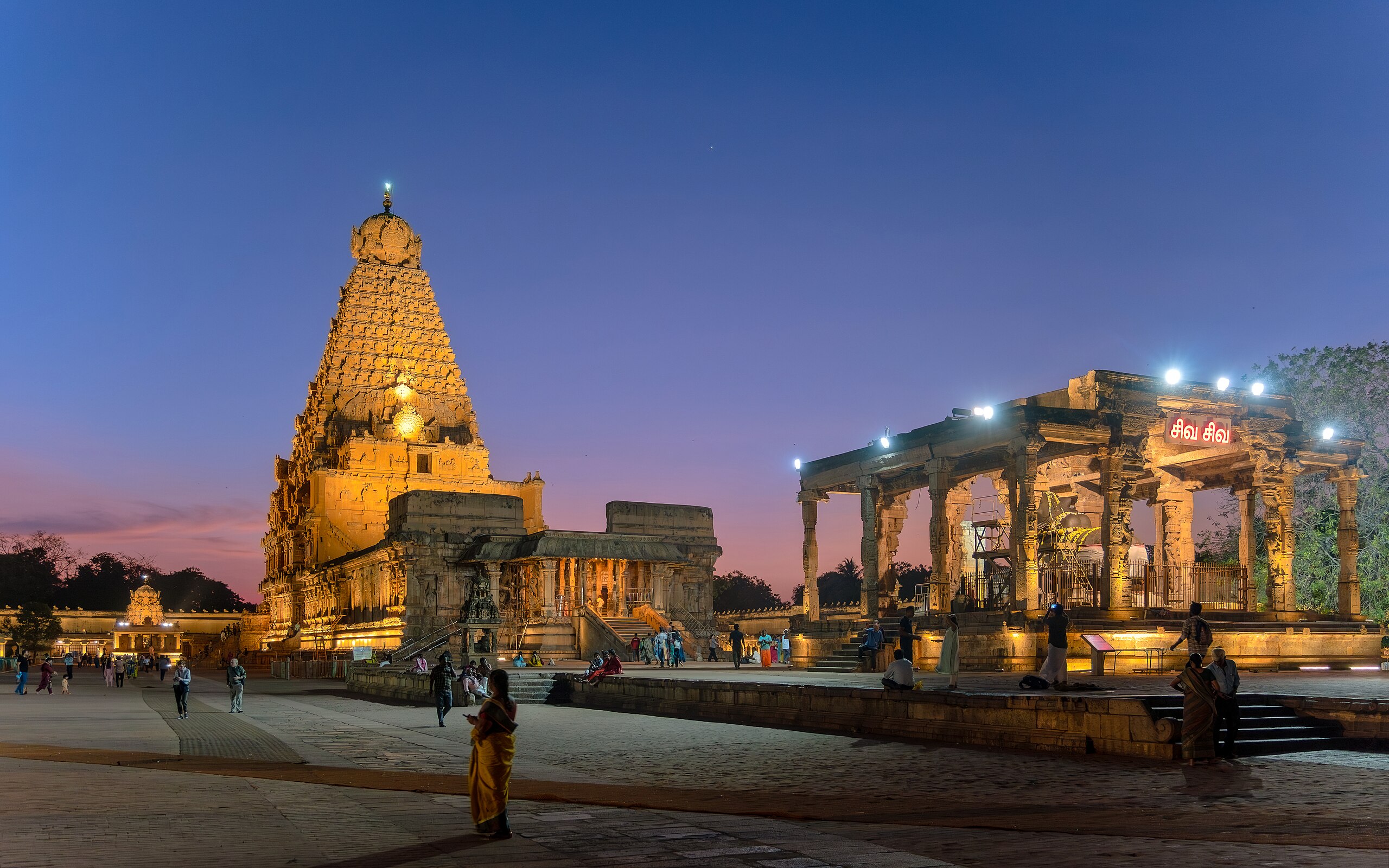
1010 - Brihadisvara Temple (All Facts)
Constructed during the reign of Rajaraja of the Chola Empire
Also known as the Great Temple of Shiva at Tanjore, its pyramid and dome-shaped finial profoundly influenced Southeast Asian architecture
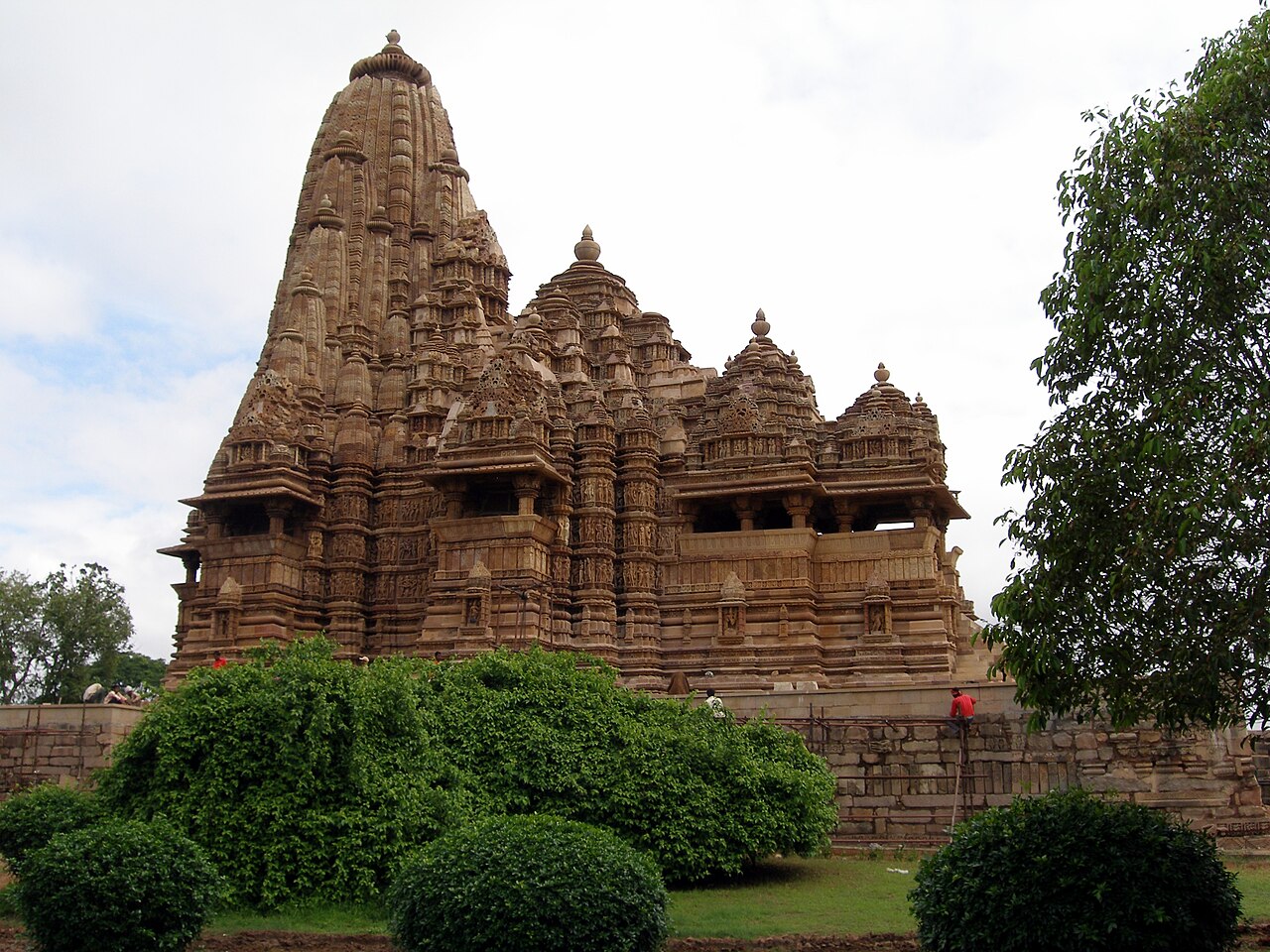
1025 - Kandariya Mahadeva Temple (All Facts)
Temple of the Chandela Dynasty
Located at Khajuraho
It is the greatest masterpiece of the Chandela, surpassing the smaller temples built by the dynasty prior to it
It was built in fine cream-colored sandstone
Its phallic spire rises for 116 feet, though it appears even higher because of the deep basement and the vertical lines on the spire, surrounded by lesser spires
Inside the Temple is a Pradaksina, or walkway, provided with shaded balconies
At the lower levels of the Temple, depictions of scenes from hunting, warfare, and courtly life are depicted
At the higher levels of the Temple, friezes depict representations of gods and goddesses, along with scenes of lovemaking, depicting couples and trios indulging in all the erotic variety which the vivid imagination of the gods had ordained
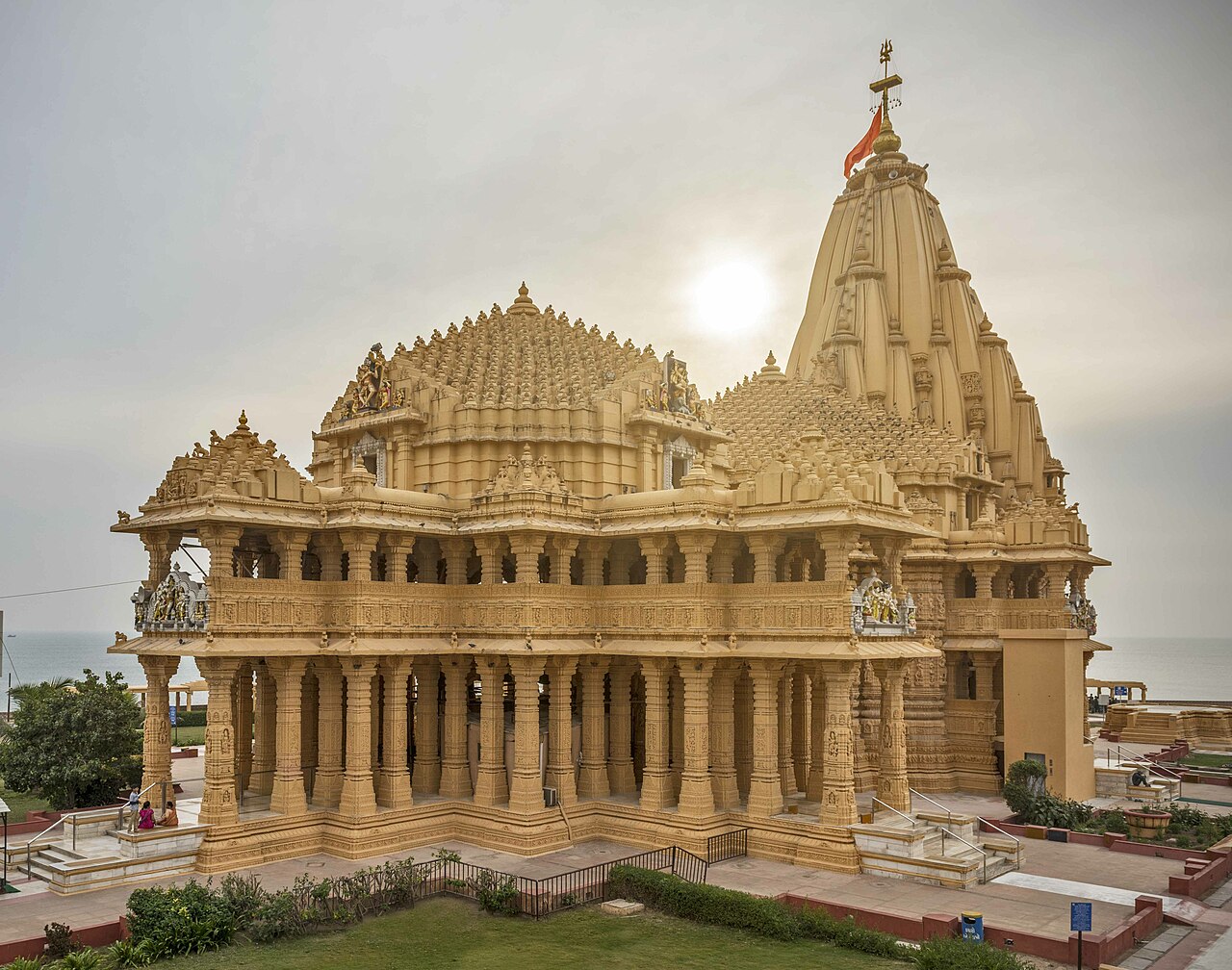
1026 - Siva Temple (All Facts)
Precious Hindu Temple which was notably sacked, plundered, and damaged by Mahmud of the Ghaznavid Empire
1199 - Qutub Minar (All Facts)
Constructed during the Delhi Sultanate, it is located in the city of Delhi
It features a style in which buildings melded the intricate artistic details of Hindu art with the geometric patterns preferred by Islamic architecture, representing a an artistic and architectural syncretism between Islam and Hinduism
An elaborate mosque was built on top of a Hindu temple in its location and used materials for the mosque from nearby Hindu and other religious shrines
Towering over the mosque is the namesake structure, a gigantic leaning tower
It functioned as a symbol of Islamic influence and, at one time, the dominance of northern India

1200 - Nataraja Temple (All Facts)
Located at Chidambaram in Tamil Nadu
Built under the Chola Empire
Hindu Temple
It was grand yet simple, adorned with exquisite sculpture and dwarfed by its four beehive-shaped “gopuras” or gate towers
No gopuras so large, so intricately carved or so beautifully proportioned had been seen in India up to that point

1250 - Konark Sun Temple (All Facts)
Jain Temple of the Sun
Massive “Black Pagoda”
Began construction in 1200
Only the base, carved with erotic relief, survives

Jama Mosque (All Facts)
Built during the reign of Akbar of the Mughal Empire

Charminar (All Facts)
Located in Hyderabad

1604 - Golden Temple of Amritsar (All Facts)
Sikh Temple built during the reign of Emperor Akbar of the Mughal Empire
It was located at the namesake, a waterhole which the Sikhs renamed the “pool of immortality,” in the Punjab region of India
It has a copper dome, walls, and cupolas covered with gold foil that glistens in the Indian sun
Its two-story interior is as memorable as the exterior, displaying some of the most beautiful floral and geometrical motifs of India

1590 - 1624 - Ustad Mansur (All Facts)
Mughal Painter under Jahangir
He was given by Jahangir the title “Nadir al-Wasr” meaning “the Wonder of the Age”
He was a genius of Mughal miniature painting who recorded the natural world around him as ordered by his emperor Jahangir
He produced exquisite paintings of zebras, wild goats, pheasants, and tukey cocks