Microbial Identification: Staphylococcus, Streptococcus, Fungi, and Food Safety
 Call Kai
 Learn
Learn Practice Test
 Spaced Repetition
 Match
Match Flashcards
 Knowt Play
1/108

There's no tags or description
Looks like no tags are added yet.
Name | Mastery | Learn | Test | Matching | Spaced | Call with Kai | Chat |
|---|
No analytics yet
Send a link to your students to track their progress
109 Terms
What type of bacteria is Staphylococcus?
Clusters of gram-positive cocci.
What is the most common species of Staphylococcus found on human skin?
Staphylococcus aureus.
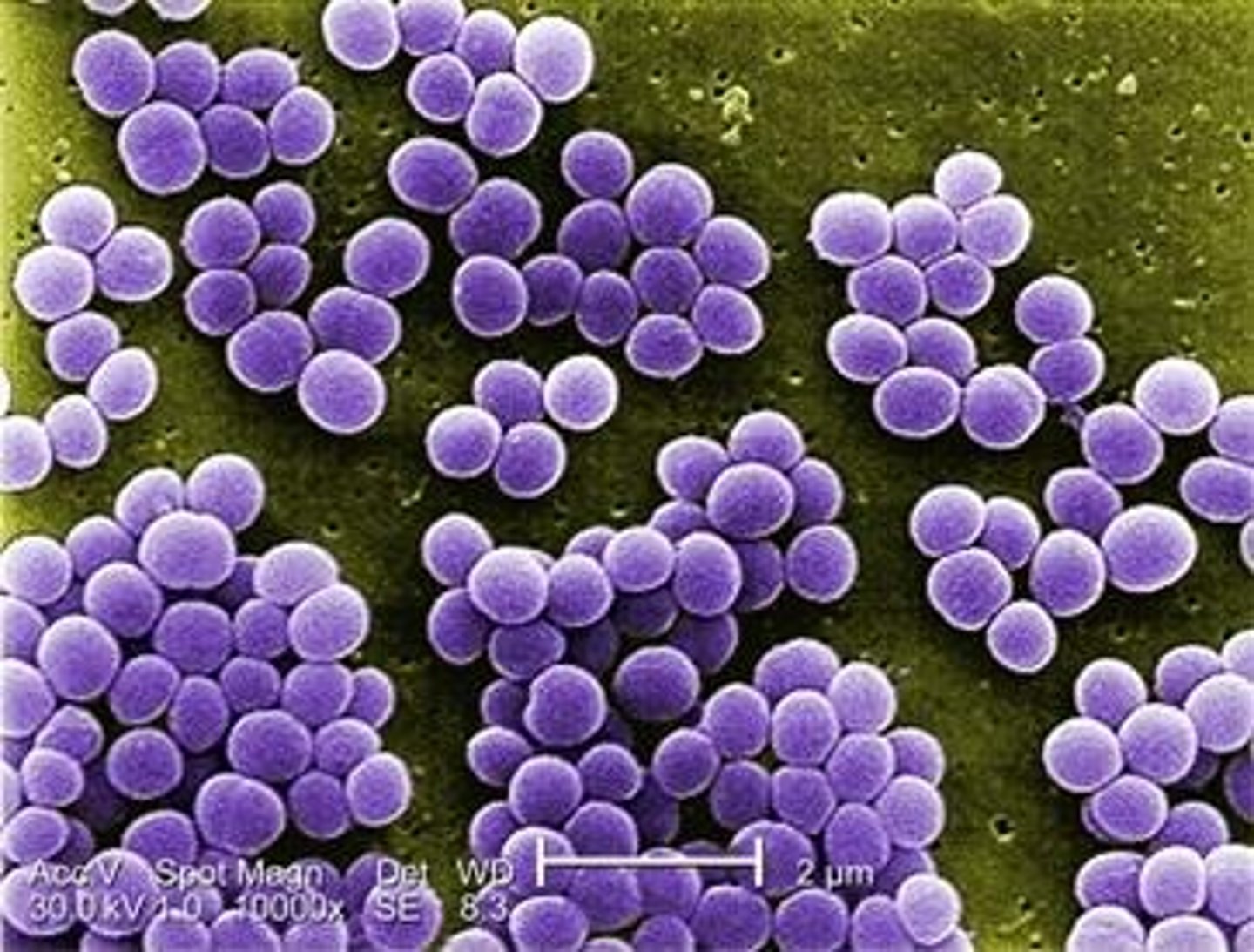
What is MRSA?
Methicillin-resistant Staphylococcus aureus, an opportunistic pathogen.
What type of infections does MRSA commonly cause?
Nosocomial infections.
What is the primary disease caused by Streptococcus pyogenes?
Strep throat.
What are the three types of hemolysis in Streptococcus?
β-hemolytic, α-hemolytic, and γ-hemolytic.
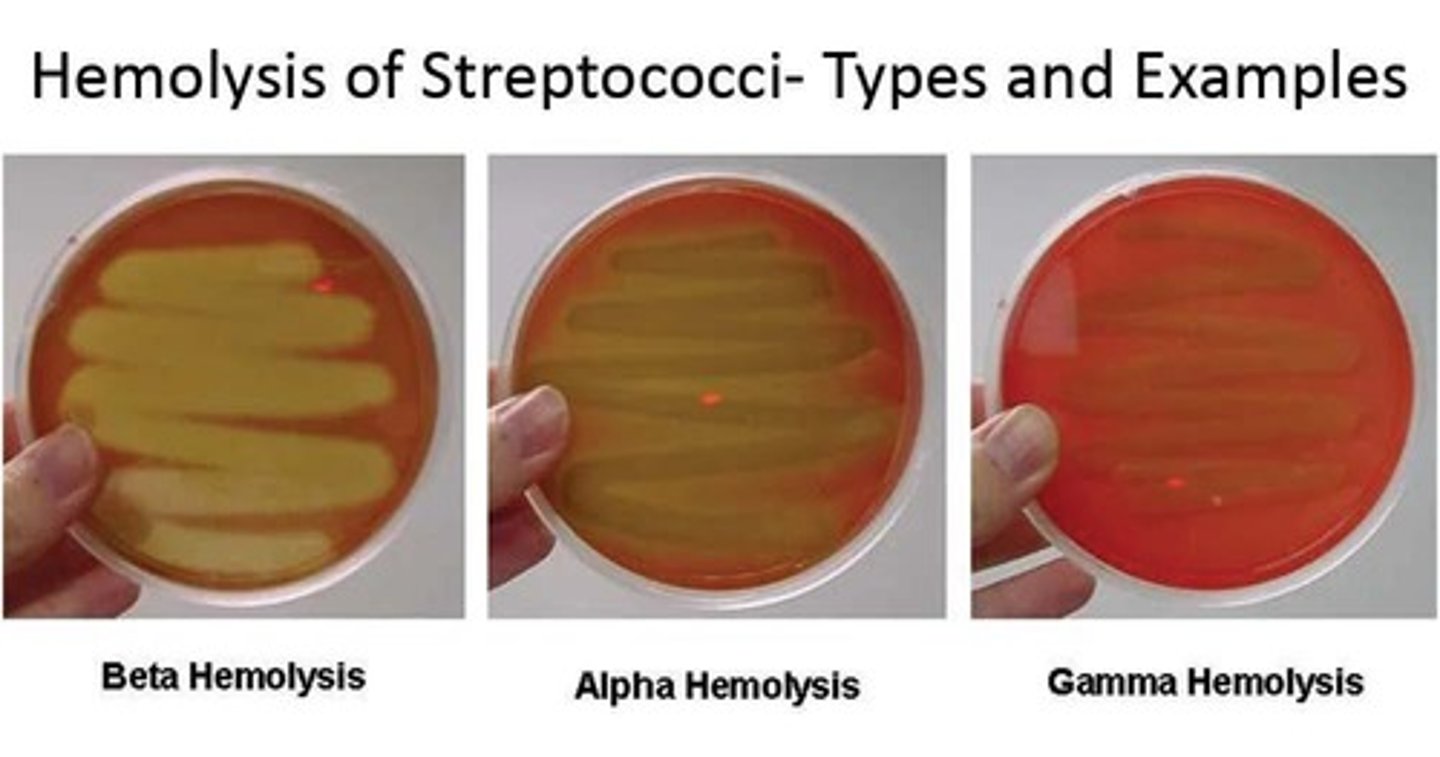
What distinguishes β-hemolytic Streptococcus?
It completely destroys red blood cells, leaving a clear zone on blood agar.
What does α-hemolytic Streptococcus do?
Partially destroys red blood cells, resulting in a greenish-yellow zone around colonies.
What is the significance of the index case in epidemiology?
It is the first incident of a disease outbreak, helping to trace the spread of the disease.
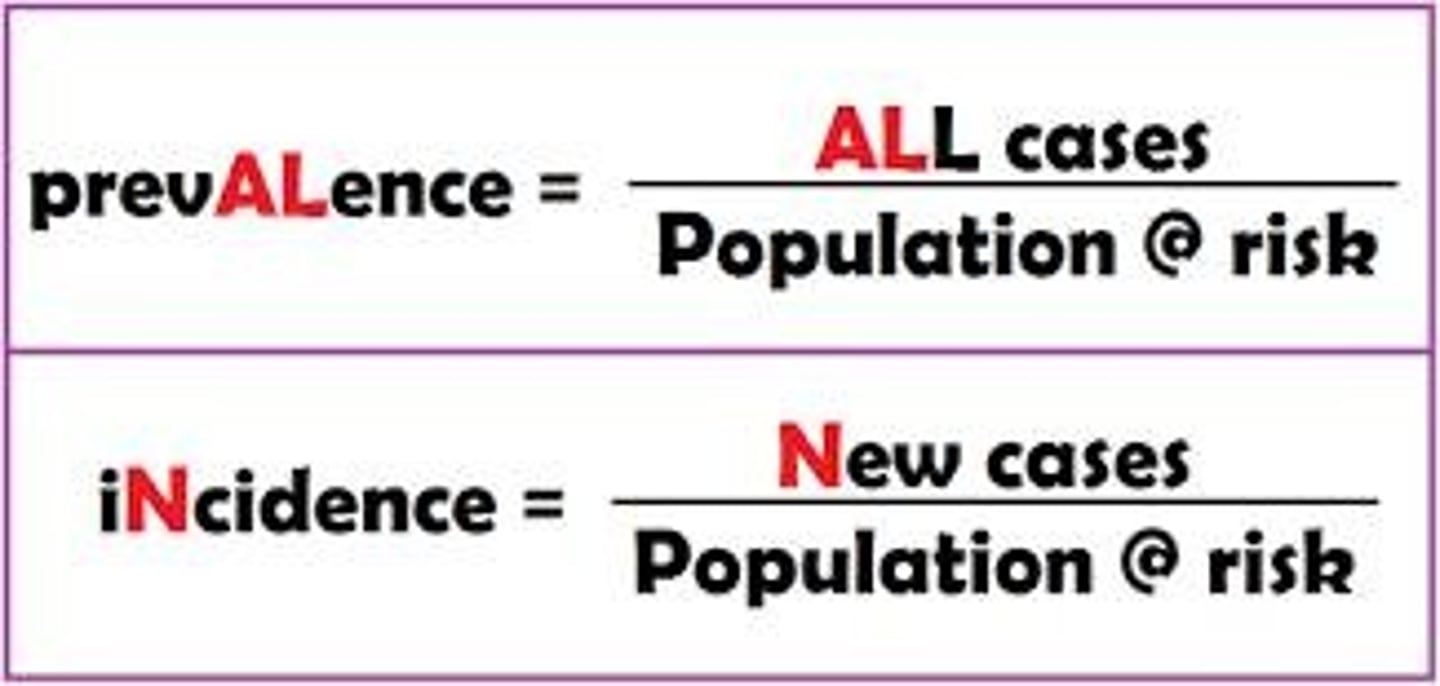
What is the difference between incidence and prevalence?
Incidence refers to new cases in a defined period, while prevalence refers to total existing cases.
What is a common source epidemic?
An epidemic where many individuals are infected through a common source.
What is the purpose of quarantine?
To separate individuals exposed to an infectious agent to prevent or slow transmission.
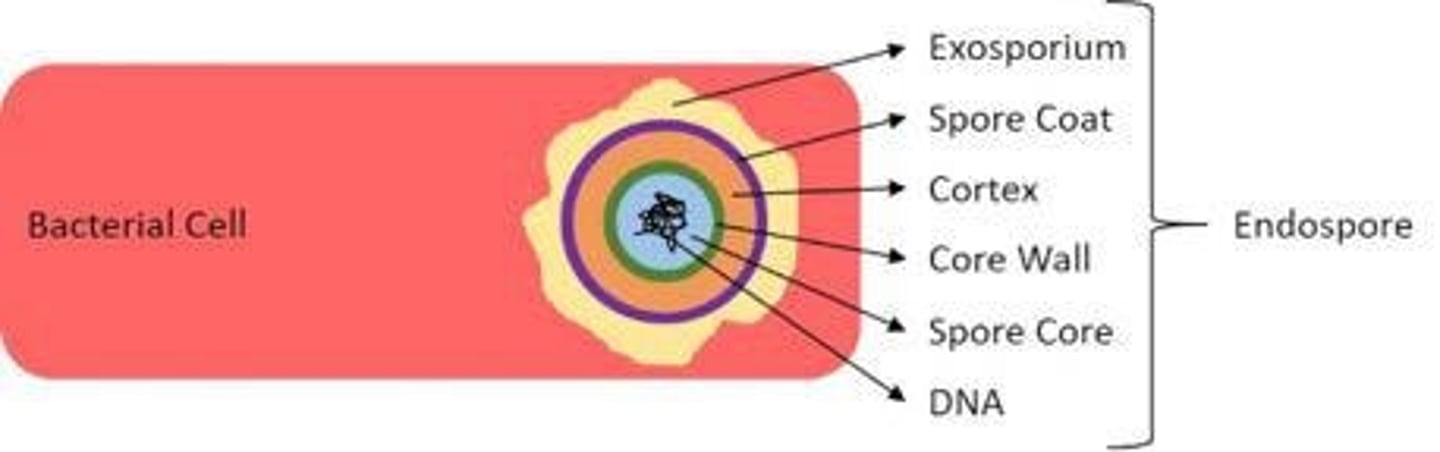
What is an endospore?
A tough, resistant structure formed by some bacteria to survive poor environmental conditions.
Which genera of bacteria are known for producing endospores?
Bacillus and Clostridium.
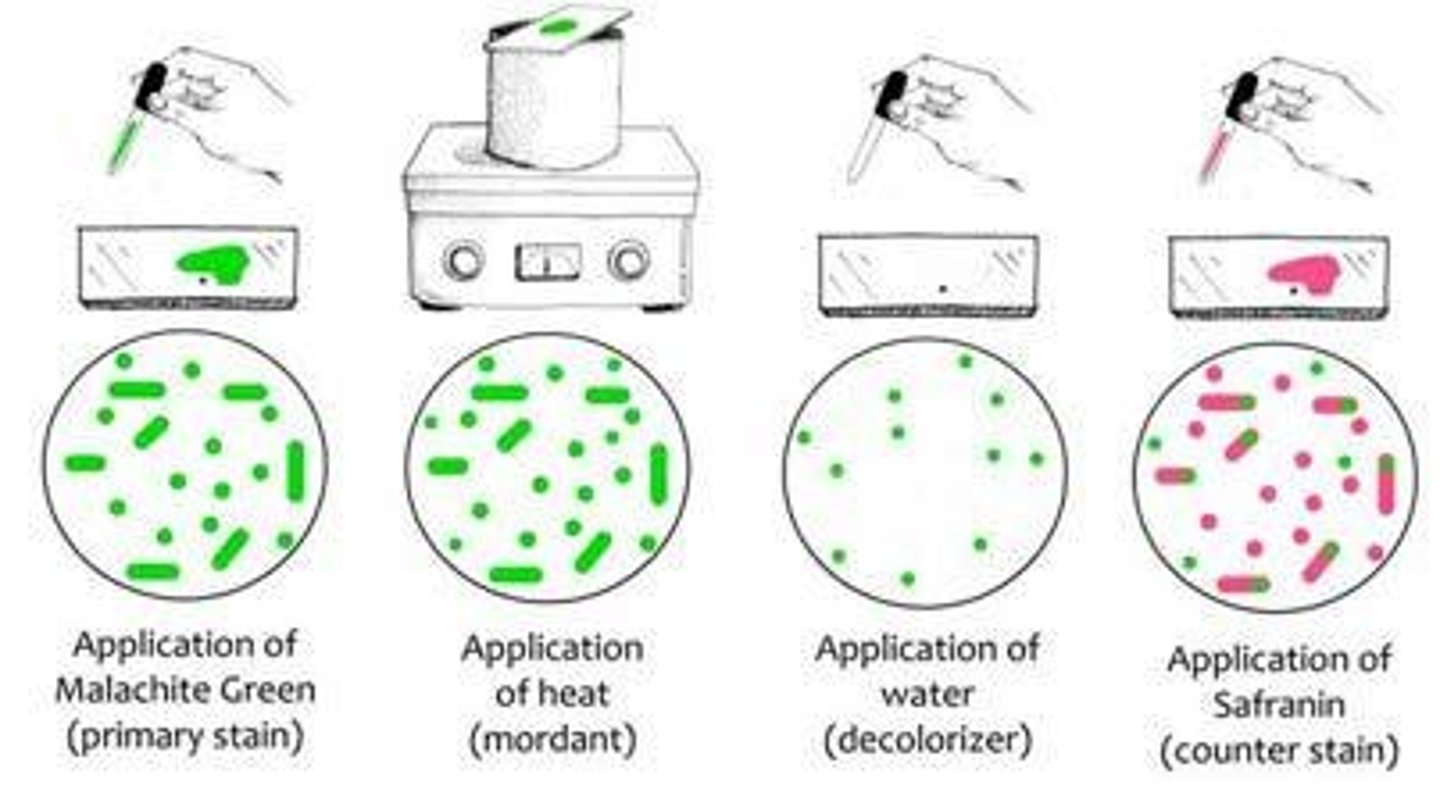
What is the primary stain used in endospore staining?
Malachite green.
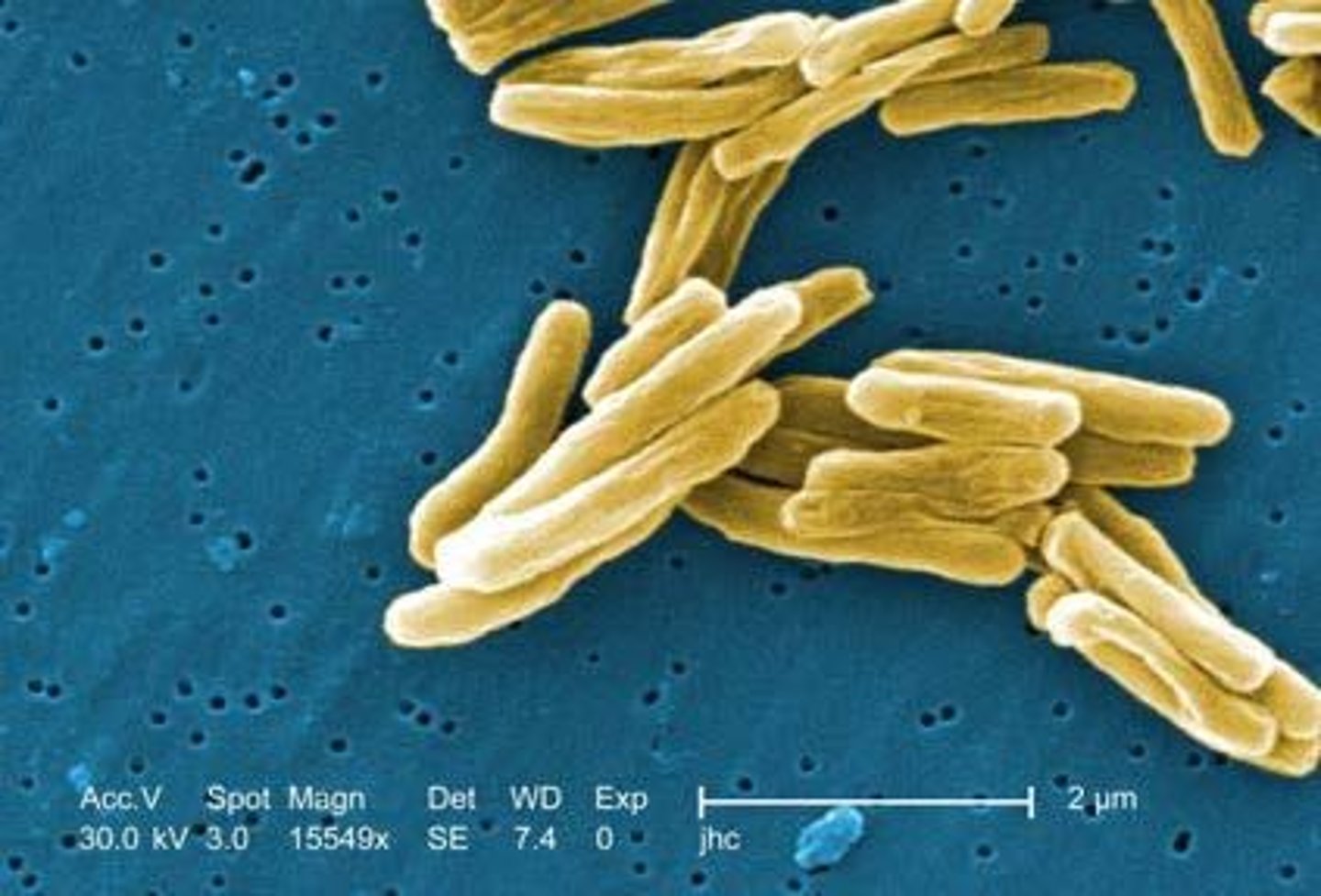
What is the role of mycolic acid in Mycobacterium?
It provides resistance to decolorization and prevents Gram staining.
What is the primary stain used in acid-fast staining?
Carbol fuchsin.
What color do acid-fast positive cells appear after staining?
Fuchsia.
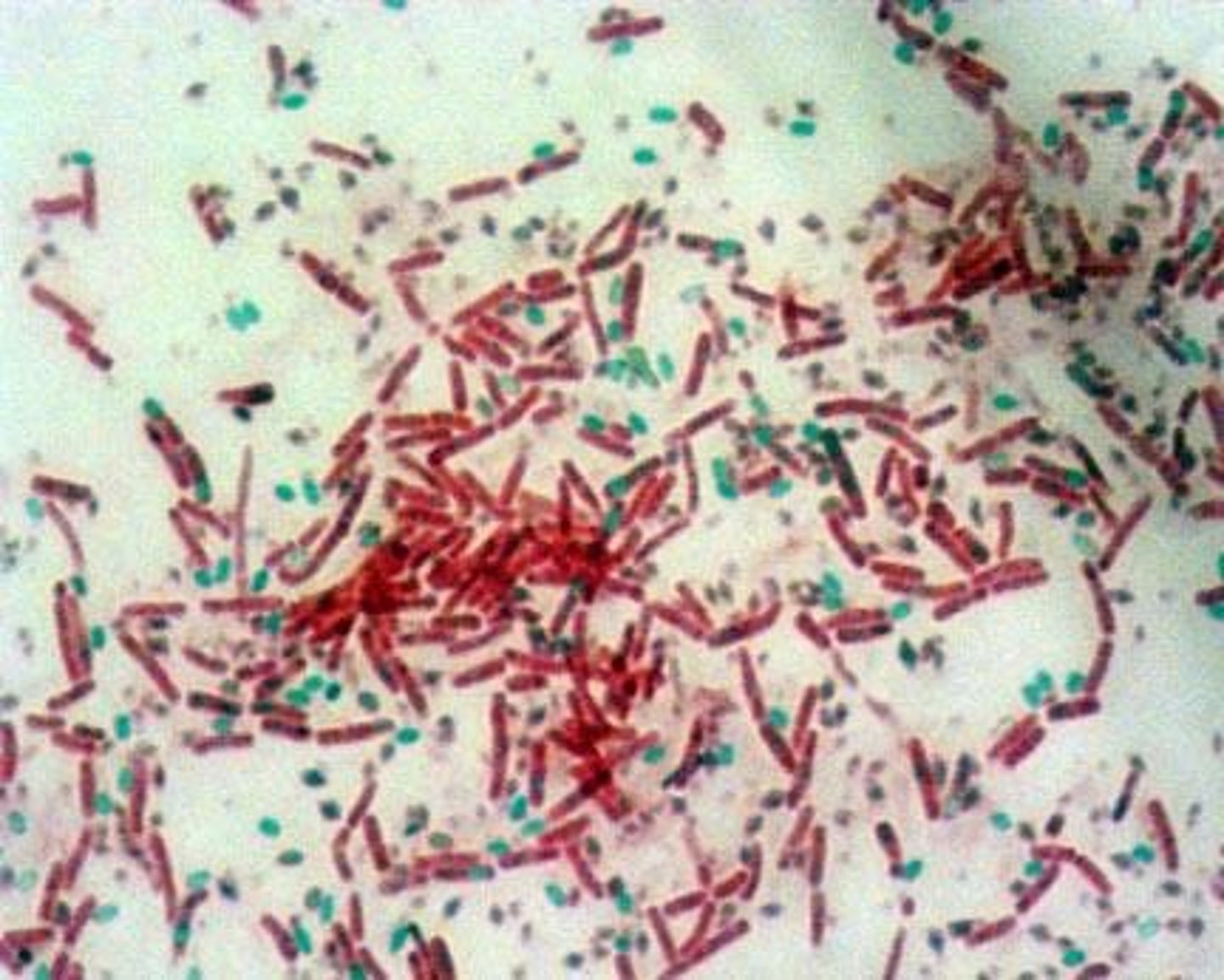
What is the counterstain used in acid-fast staining?
Methylene blue.
What is the expected result of a catalase reaction?
Effervescence (bubbles) indicates a positive result.
What is the incubation temperature for culturing microbes in the lab?
37°C.
What is the purpose of using sterile swabs in the lab?
To collect samples without introducing contaminants.
What is the significance of using a control plate in the lab?
To compare results and ensure the experiment's validity.
What is the typical outcome for the control group in a microbial culture experiment?
No positive cases should turn red.
What type of bacteria is identified using the Ziehl-Neelsen procedure?
Members of the genus Mycobacterium.
What is the morphology of bacteria that are gram-positive cocci?
They appear as spherical shapes.
What is the role of steam in endospore and acid-fast staining?
To drive the stain into the spores or cells.
What does catalase convert hydrogen peroxide into?
Water and gaseous oxygen.
What is the purpose of the Bacitracin Test?
To determine if the microbe is resistant or sensitive to Bacitracin.
What is the method for performing the Bacitracin Test?
Divide a TSA plate in half, make a bacterial slurry, swab it onto the plate, and place a Bacitracin disk in the center.
What enzyme does the PYR Test detect?
L-pyroglutamate aminopeptidase.
What indicates a positive result in the PYR Test?
The disk turns red within 5 minutes.
What does mannitol fermentation test for?
The ability of the microbe to ferment mannitol as a carbon source.
What color change indicates a positive mannitol fermentation test?
Yellow, indicating acid production.
What is the first step in preparing yogurt?
Heat 200 mL of milk to 185°F (82°C).
What organisms are commonly used to produce yogurt?
Lactobacillus delbrueckii subsp. bulgaricus and Streptococcus thermophilus.
What is the purpose of the Optochin Test?
To test if the microbe is resistant or sensitive to the antibiotic Optochin.
What is the MR-VP test used for?
To determine if a species ferments glucose to produce stable organic acids or neutral alcohol end-products (acetoin).
What indicates a positive result in the Methyl Red test?
The media turns red when acids are produced.
What does the Coagulase Test differentiate?
It differentiates Staphylococcus aureus (positive) from Coagulase Negative Staphylococcus (CONS).
What does starch hydrolysis test for?
The ability of an organism to produce exoenzymes that hydrolyze starch.
What indicates that starch has been hydrolyzed in the starch hydrolysis test?
A clearing around the bacterial growth after adding iodine.
What is the significance of the Zone of Inhibition in antibiotic sensitivity tests?
It indicates whether the microbe is resistant or sensitive to the antibiotic tested.
What is the incubation temperature for yogurt fermentation?
37°C for 24 hours.
What is the purpose of using phenol red in mannitol fermentation tests?
To indicate pH changes based on acid production.
What is the role of iodine in starch hydrolysis tests?
To reveal the presence of starch by turning blue, purple, or black.
What is the first step in the PYR Test method?
Obtain a PYR card and place it on a clean surface.
How is a bacterial slurry prepared for testing?
By adding several loopfuls of bacteria into 0.5 mL of sterile water.
What is the result of a negative PYR Test?
Blue or no color change.
What happens to the pH of the medium if mannitol is fermented?
The pH of the medium will drop.
What is the significance of the control section in the simulated epidemic results?
It should show no growth to confirm the test's validity.
What is the purpose of the Novobiocin Test?
To test if the microbe is resistant or sensitive to the antibiotic Novobiocin.
What is the incubation time for the Coagulase Test?
Incubate with rabbit plasma at 37°C for up to 4 hours.
What is the purpose of the Starch Test?
To determine if bacteria can hydrolyze starch, indicated by clearing around colonies after iodine is added.
What does a positive Coagulase Test indicate?
It differentiates Staphylococcus aureus (positive) from Coagulase Negative Staphylococcus (CONS).
What are the main pathogens causing foodborne illnesses?
Bacteria, fungi, and multicellular parasites.
How many Americans suffer from foodborne illnesses annually?
Approximately 48 million.
What is the Direct Plate Count method used for?
To grow and count the CFUs of bacteria that grow on foods.
What is the significance of the MR-VP test?
It tests whether a species ferments glucose to produce stable organic acids or a neutral alcohol end product (acetoin).
What color indicates a positive result in the Methyl Red test?
Red, indicating stable organic acids are produced.
What is the role of Voges-Proskauer reagents A and B?
They detect the presence of acetoin, turning the solution cherry red if present.
What is the first step in preparing a bacterial slurry for testing?
Mix several loopfuls of bacteria into 0.5 mL of sterile water.
What should you never do with yogurt in the lab?
Eat it, as it contains Lactobacillus bulgaricus.
What is the purpose of cleaning microscope lenses?
To avoid unacceptable images caused by dirt, dust, or oil.
What dilution does adding 20g of food to 180 mL of sterile water represent?
A dilution factor of 1:10.
What is the CFU calculation formula?
CFUs/gram = number of colonies x food volume / volume of pour plate.
What is the API 20E System used for?
For the identification of Enterobacteriaceae and other Gram-negative bacteria.
What should be done to prevent air bubbles when using the API 20E System?
Hold the API strip at a 45° angle while inoculating.
What is the significance of the clearing around colonies in the Starch Test?
It indicates that the bacteria have hydrolyzed starch.
What is the expected outcome for a negative MR-VP test?
The solution will turn a copper color, indicating no acetoin production.
What is the recommended order for cleaning microscope lenses?
In order of magnification: 4x, 10x, 40x, and lastly 100x.
What happens to the agar after it has been added to the plates?
It must solidify before inverting the plates for incubation.
What is the role of government agencies like the USDA and FDA in food safety?
To inspect and determine the source of suspected outbreaks of foodborne pathogens.
What should you do after calculating the number of CFUs/gram of food?
Record data, dispose of plates in the Biohazard Bin, and report data to your TA.
What is the purpose of using a sterile blender jar in food microbiology tests?
To blend food samples with sterile water for accurate bacterial counts.
What is the expected result of the Coagulase Test for Staphylococcus aureus?
A positive result indicates the presence of the enzyme coagulase.
What is the incubation requirement for anaerobic tests in the API 20E System?
A drop of mineral oil is required on top of the microtubes.
What does the term 'CFU' stand for?
Colony Forming Unit.
What is the significance of the 1:10, 1:100, and 1:1000 dilutions in testing?
They help capture the number of CFUs accurately for analysis.
Why is it important to critique identification methods in microbiology?
To assess confidence in results and explore future testing directions.
What are protists?
A diverse group of eukaryotes that are not monophyletic and do not all evolve from a recent common ancestor.
What is endosymbiosis in the context of protists?
The evolutionary process where certain organelles, like mitochondria and chloroplasts, originated from free-living bacteria that were engulfed by ancestral eukaryotic cells.
What are the main characteristics of protists?
Compartmentalization of internal cell structures, mitotic/meiotic cell division, and the presence of mitochondria and chloroplasts.
What are animal-like protists called?
Protozoa, which are usually unicellular and heterotrophic.
Name two examples of protozoan parasites.
Giardia lamblia and Plasmodium.
What distinguishes plant-like protists from plants?
Plant-like protists, or algae, lack cell specialization and tissue differentiation.
What is the role of chloroplasts in plant-like protists?
Chloroplasts enable them to carry out oxygenic photosynthesis.
What is a Winogradsky column?
A microcosm used to observe nutrient cycling and microbial metabolism under varying conditions.
Who developed the method to study microbial nutrient cycling known as the Winogradsky column?
Sergei Winogradsky.
What are chemotrophs?
Organisms that obtain their energy from the oxidation of chemicals.
What is the difference between autotrophs and heterotrophs?
Autotrophs obtain carbon from CO2, while heterotrophs obtain carbon from organic molecules.
What are the major phyla of fungi?
Basidiomycota, Ascomycota, and Glomeromycota.
What is chitin?
A structural component found in the cell walls of fungi.
What are the two types of reproductive structures in fungi?
Asexual (e.g., sporangium, conidia) and sexual reproductive structures (e.g., fruiting bodies).
What is the ecological role of fungi in decomposition?
Fungi break down organic matter, recycling nutrients that would otherwise remain locked in dead material.
What is a lichen?
A symbiotic association between fungi and a photosynthetic partner, such as cyanobacteria or algae.
What are yeasts?
Single-celled fungi that can reproduce asexually via budding and may have multicellular characteristics.
What is Saccharomyces cerevisiae?
A species of yeast used in baking and alcoholic fermentation.
How do mycorrhizal fungi benefit plants?
They provide mineral nutrients and water to plants in exchange for carbon.
What is the significance of the API 20E strip in microbiology?
It is used for identifying bacterial species based on biochemical tests.