IOB Visual Sources
 Call Kai
 Learn
Learn Practice Test
 Spaced Repetition
 Match
Match Flashcards
 Knowt Play
1/16

Earn XP
Description and Tags
Visual sources for the Invention of the Barbarian paper
Name | Mastery | Learn | Test | Matching | Spaced | Call with Kai | Chat |
|---|
No analytics yet
Send a link to your students to track their progress
17 Terms
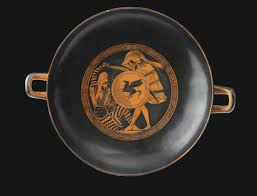
Triptolemos red-figure kylix (5th Century BCE)
Attic helmet vs phrygian helmet
Dominant vs defensive position
Plain tunic vs patterned trousers
Sword vs bow
Greek soldier central position delivering final strike
Large hoplite shield with pegasus
South Frieze at the Temple of Athena Nike (426-421 BCE)
Submissive vs dominant positions
Persians on horseback
Draper
Heroic nudity
Crescent vs Greek shield
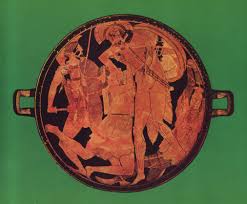
Penthesilea Attic red-figure kylix (470-450 BCE)
Dead Amazon hands tied submissive, patterned trousers
Central Greek soldier dominating amazon and locking eyes
Penthesilea has short peplos
Greek armour
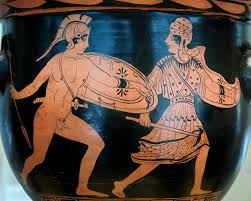
Lucanian red-figure bell krater (late 5th Century BCE)
Heroic nudity vs tight patterned peplos
Battle axe vs spear
Hoplite shield vs thracian shield
Corinthian helmet vs phrygian cap
Locking eyes like myth
Chasing her
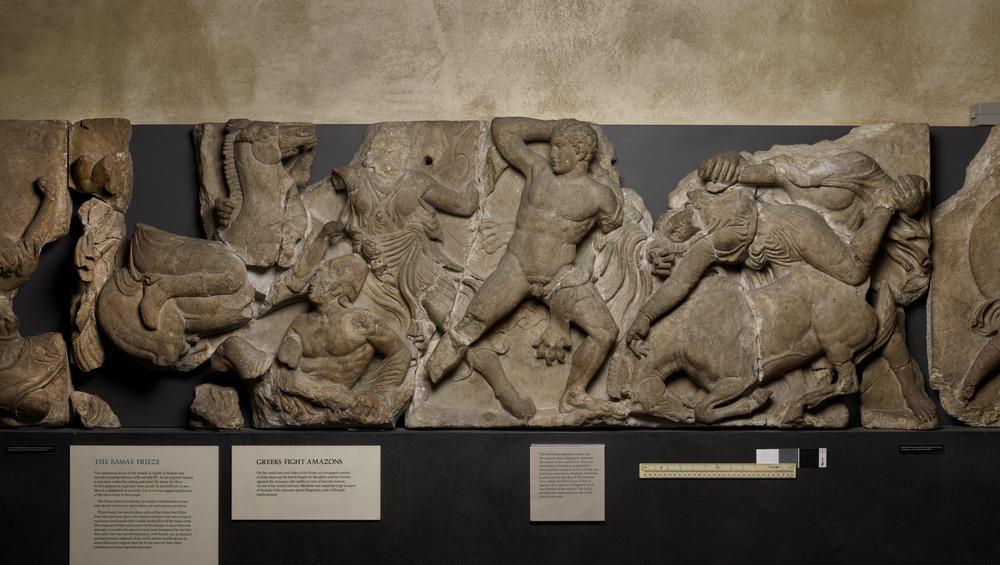
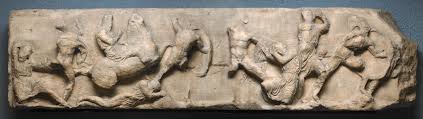
Frieze of Apollo at Bassae (Mid 5th Century)
Billowing impractical peplos vs heroic nudity
Amazon being pulled of horse by hair
Greek being trampled by amazon on horseback
Wounded Greeks being supported
Wet drapery
Hoplite shields
Phrygian cap vs Corinthian helmet
Spear vs bow
Amazon’s working together
Achilles wearing skin of Nemean lion trying to take Hippolytas belt
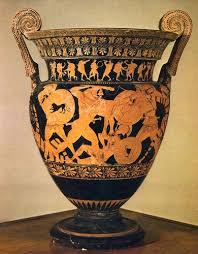
Euphronios Attic red-figure bell krater (6th Century BCE) (before G-P Wars)
Mix of Greek/Barbarian dress for amazon’s
Less feminine
Hoplite shields
Bows
Phrygian cap
Patterned trousers suit
Herakles in lion suit
Greek submissive
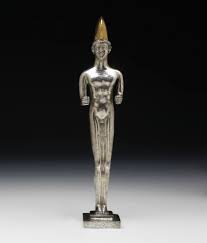
Statuette of a naked youth - Oxus Treasure (5-4th century BCE)
pierced ears, roll of hair, fists with holes = good craftsmanship
given to solidify a promise = shows Persian culture
silver with gold gilding = luxury/wealth
no beard, nudity and pose = Greek influence - vastness of empire
Persian headdress = vastness of empire
very stylised human form = clear Greek influence as not very Persian - vastness of empire
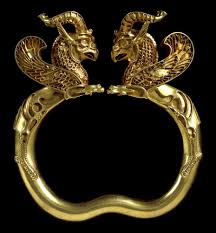
Gold armlets with griffins - Oxus Treasure (5-4th century BCE)
griffin inlaid with glass/stone = good craftmanship (griffins crafted separately then added)
gift given in Persian court = Persian culture (also seen in Apadana relief)
gold, cloisons inlaid with stones/glass = luxury and wealth of empire
goldsmith influence is Egyptian = influence of vastness of empire
luxury item - not worn everyday
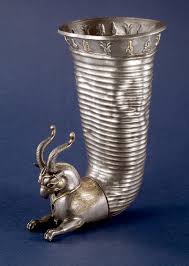
Silver rhyton ending in a griffin (5th century BCE)
mane and horns on griffin are ornate = good craftmanship
silver with gold gilding, stone/glass inlay in eye = wealth/luxury of empire, only an everyday item (wine pourer)
eastern style griffin copied in Greek art (cauldron handle) = vastness/influence of empire
held 1.5 litres of wine to be poured into a shallower bowl - not even the main receptacle
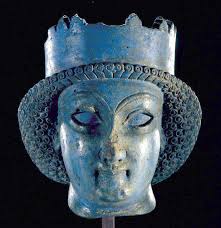
Head of a young Persian prince in lapis lazuli from the Apadana (6th century BCE)
made of lapis lazuli a rare rock = wealth and luxury of empire
stylised eyebrows = clear Egyptain influence - vastness/influence of empire
almond shaped eyes = influence of Greek Archaic statues - vastness/influenced by empire
beardless, castellated crown, eyes would have been inlaid
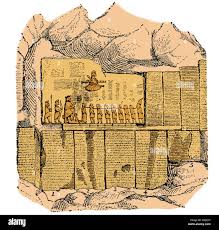
Rock relief at Bisitun (6-5th century BCE)
defeated rebel groups - 9 liar kings in ethnic dress = diversity of empire
inscriptions in Elamite, Babylonion and old Persian = diversity of empire
Darius 1.72m, Liar Kings 1.17m, show autobiography of Darius saving empire from imposter, show of power = Persian culture
Scythian hat on Skunkha = influence by vastness of empire
Ahura Mazda depicted
Darius standing on Smerdis the imposter
Scythian Skunkha added 519 BCE
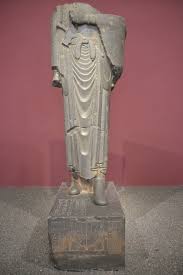
Statue of Darius I from Susa (circa 486 BCE), sandstone
cartouches of Thrace, Cush and Medea = diversity of empire (‘King of Kings’ concept)
Hieroglyphs = diversity of empire
made in Egypt on Darius’ orders (only free standing Persian statue) = Persian culture
Egyptian style but Persian dress = influenced by empire, synthesis of cultures
pleats inscribed in cuneiform of the 4 official languages of empire = diversity/vastness
Greek influence of Kouros statues = influenced by vastness of empire
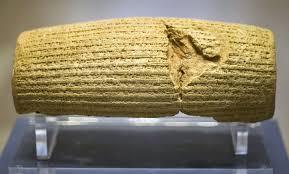
Cyrus Cylinder (539 BCE) buried in foundations of walls of Babylon, baked clay tablet
‘I, Cyrus, King of the World’ = diversity of empire
inscribed in 3 languages (show no desire to have one overall language) = tolerance of empire
says being in empire beneficial and shows he imagined himself as liberator saving Babylon from a tyrannical king
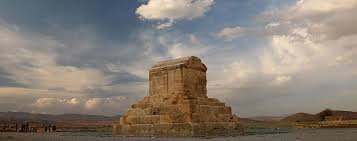
Tomb of Cyrus the Great, Pasargardae (550-525 BCE)
dominant ziggurat structure on flat surface = Persian culture treating kings like gods
initially lined with gold and tapestries = wealth/luxury of empire
synthesis of various influences across the empire including Ionia - unique in Persia
“I am Cyrus, and I won for the Persians their empire. Do not begrudge me this little earth which covers my body” = clear focus on Cyrus’s greatness and achievement, contrasts with Greek mythological foci
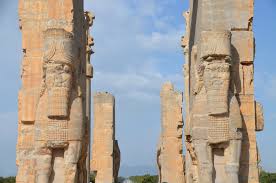
Gate of all nations - palace at Persepolis (6-5th century)
trilingual inscription (saying Xerxes built gates and Ahura Mazda made Xerxes) = diversity of empire
17.5m tall
Lamassu (winged bull with human head) = Assyrian deity that Persians used to ward off evil - cultural influence of empire on court
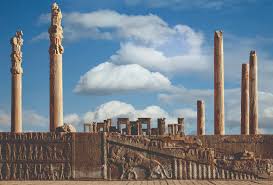
The Apadana (6-5th century) - Palace at Persepolis
‘audience hall’ where tribute paid and gifts handed out = culture
started by Darius finished by Xerxes
20m tall = imposing, domineering
2 staircases giving access
roof probably made of wood
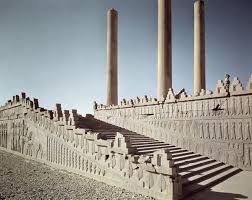
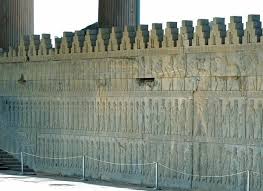
Apadana East Stairs (6-5th Century) Palace at Persepolis
Greeks in Lydian clothing carrying cups, bowls and textiles = diversity of empire - Persian misconception of Greeks
depicts nations of Persia - includes Greeks
stylised beards and hair but no heroic nudity
22 nations distinguished by inaccurate dress, each group lead by a Persian/Mede with leaf/tree behind before next group
delegations have to pass to make tribute = showing diversity which gives Kings diversity
Greek, Egyptian and Assyrian influences
realism unimportant