Miller and Levine Biology Chapter 8 Cell Structure and Function
 Call Kai
 Learn
Learn Practice Test
 Spaced Repetition
 Match
Match Flashcards
 Knowt Play
1/52

There's no tags or description
Looks like no tags are added yet.
Name | Mastery | Learn | Test | Matching | Spaced | Call with Kai | Chat |
|---|
No analytics yet
Send a link to your students to track their progress
53 Terms
The Cell Theory
1. All living things are made up of cells
2. Cells are the basic units of structure and function in living things.
3.New cells are produced from existing cells.
How do microscopes work
Use lenses to magnify the image of an object by focusing light or electrons
Prokaryotic Cells
Do not separate genetic material in a nucleus; no membrane-bound organelles
Eukaryotic Cells
Nucleus separates genetic material from the rest of the cell; have membrane-bound organelles
Cell
Basic unit of life
Cell membrane (plasma membrane)
A thin, flexible barrier around a cell; regulates what enters and leaves the cell; composed of a bi-layer of phospholipids with embedded proteins
Nucleus
A large membrane enclosed structure that contains genetic material in the form of DNA and controls many of the cell's activities
Cytoplasm
The portion of the cell outside the nucleus.
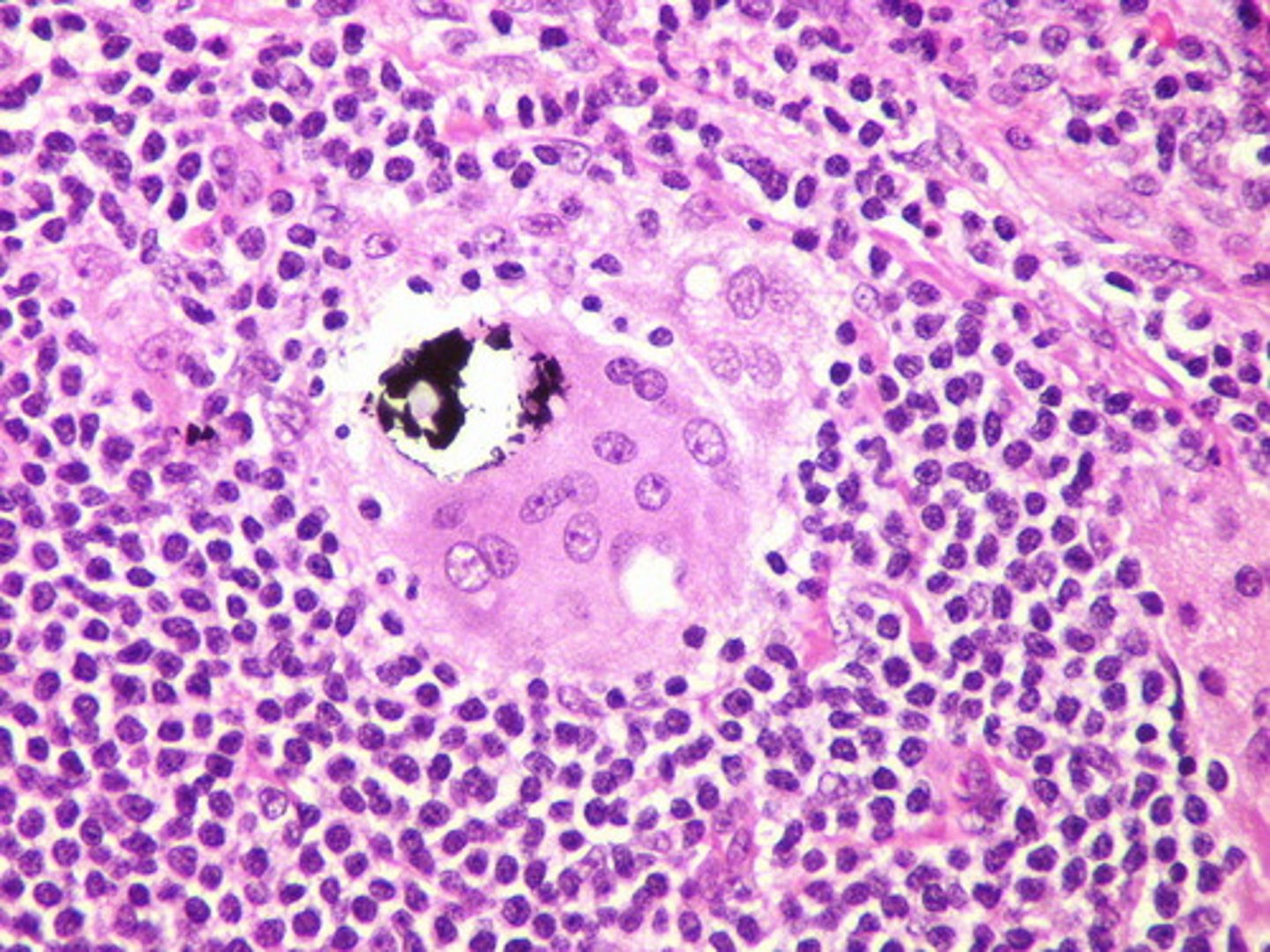
Organelles
little organs which perform specific functions in the cell
Vacuole
Large saclike, membrane-enclosed structures that store materials like salts, proteins, and carbohydrates.
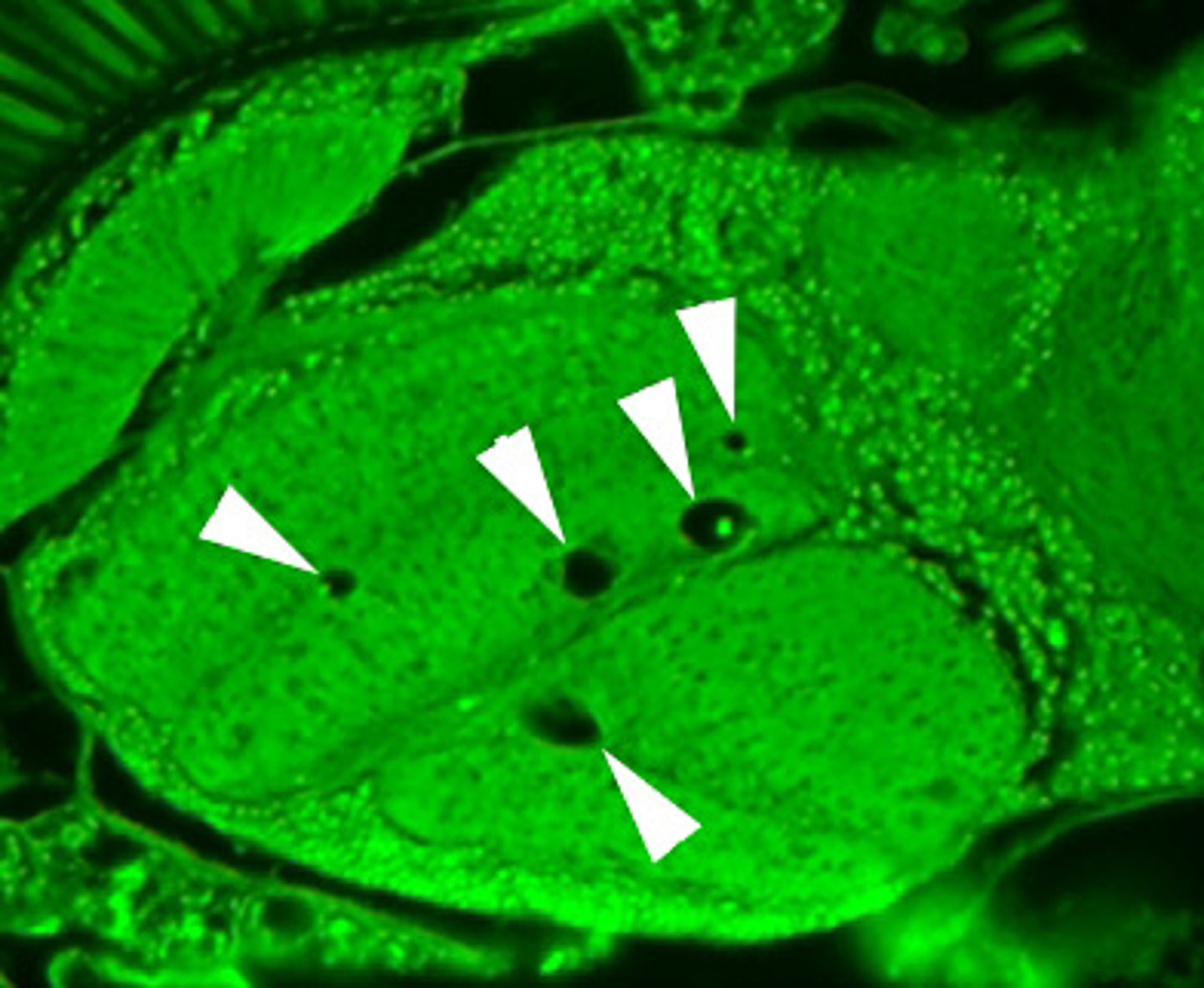
Lysosome
S: Small organelles filled with enzymes.
F: Break down lipids, carbs, and proteins to be used by rest of cell.
Break down organelles which aren't useful anymore.
Cytoskeleton
S: Network of protein filaments
F: Helps cell maintain shape and is involved in movement

Microfilaments
S: Threadlike structures made up of actin protein. Extensive network.
F: Help cells move, support cell. Responsible for cytoplasmic movements.
Microtubules
S:Hollow structures made up of proteins called tubulins.
F: Maintain cell shape, help separate chromosomes in cell division(centrioles in animal cells)
Centrioles
S: Organelles in animal cells formed from tubulins.
F: Help organize cell division
Ribosome
S: Small particles of RNA and protein found throughout the cytoplasm.
F: Produce protein by following instructions from DNA
Endoplasmic Reticulum
S: Internal membrane system
F: Assembles lipids and proteins
Rough ER
S: Ribosomes found on surface
F: involved in synthesis of Proteins, chemically modify newly made proteins
Smooth ER
S: No ribosomes found on surface
F: Contains collections of enzymes that perform specialized tasks such as lipid production and detoxification of drugs
Golgi Apparatus
S: stack of Flattened membranes
F: Modifies, sorts, and packages proteins and materials for storage in cell or release outside of the cell.
Chloroplast
An organelle found in plant and algae cells where photosynthesis occurs; contain green pigment, chlorophyll
Mitochondrion
Cell organelle that converts the chemical energy stored in food into compounds that are more convenient for the cell to use
Cell Wall
S: Porous barriers that surround the cell membrane
F: Shapes, supports, and protects the cell
Phospholipid Bilayer
Flexible, double layered sheet that makes up the cell membrane and forms a barrier between the cell and its surroundings
Selectively Permeable
A property of cell membranes that allows some substances to pass through, while others cannot
Active transport
Requires cell energy
Passive transport
Movement of materials across the membrane without cellular energy
Diffusion
Random movement of particles from an area of higher concentration to an area of lower concentration due to their kinetic energy
Facilitated Diffusion
Movement of specific molecules across cell membranes through protein channels from an area of higher concentration to an area of lower concentration
Aquaporin
A transport protein that facilitates the diffusion of water
Osmosis
Diffusion of water through a selectively permeable membrane from an area of lower solute concentration to an area of higher solute concentration
Isotonic
Describes a solution whose solute concentration is equal to the solute concentration inside a cell
Hypertonic
when comparing two solutions, the solution with the greater concentration of solutes
Hypotonic
when comparing two solutions, the solution with the lesser concentration of solutes
Osmotic Pressure
Pressure that must be applied to prevent osmotic movement across a selectively permeable membrane
Homeostasis
Relatively constant internal physical and chemical conditions that organisms maintain
Tissue
A group of similar cells that perform the same function.
Organ
A collection of tissues that carry out a specialized function of the body.
Organ System
Group of organs that work together to perform a specific function
Receptor
a specific protein whose shape fits that of a specific molecular messenger
Levels of Organization
1. cells
2. tissue
3. organs
4. organ systems
5. organisms
light microscope
light passes through one or more lenses to produce an enlarged image of a specimen
electron microscope
microscope that forms an image by focusing beams of electrons onto a specimen
micrograph
A photograph taken through a microscope.
Transmission Electron Microscope (TEM)
a microscope that passes an electron beam through very thin sections stained with metal atoms and is primarily used to study the internal ultrastructure of cells
Scanning elctron microscope (SEM)
Look at surface of (3D) objects with high resolution. Can't use on living: preparation is extensive (sample needs to be dried and coated). Costly. Electrons bounce of the the surface of the sample that has been coated with silver or gold
Vesicle
A membrane bound sac that contains materials involved in transport of materials within the cell as well as to and from the cell membrane.
fluid mosaic model
The currently accepted model of cell membrane structure, which envisions the membrane as a mosaic of individually inserted protein molecules drifting laterally in a fluid bilayer of phospholipids.
active transport
Energy-requiring process that moves material across a cell membrane against a concentration difference(from an area of lower concentration to an area of high concentration
bulk transport
The process by which large particles and macromolecules are transported through plasma membranes. Inc. exocytosis and endocytosis
Endocytosis
process by which a cell takes material into the cell by infolding of the cell membrane
Exocytosis
release of substances out a cell by the fusion of a vesicle with the membrane.
cell specialization
the process in which cells develop in different ways to perform different tasks