Scotland: Notable Religious Figures, Theologians, and Philosophers
 Call Kai
 Learn
Learn Practice Test
 Spaced Repetition
 Match
Match Flashcards
 Knowt Play
1/6

There's no tags or description
Looks like no tags are added yet.
Name | Mastery | Learn | Test | Matching | Spaced | Call with Kai | Chat |
|---|
No analytics yet
Send a link to your students to track their progress
7 Terms
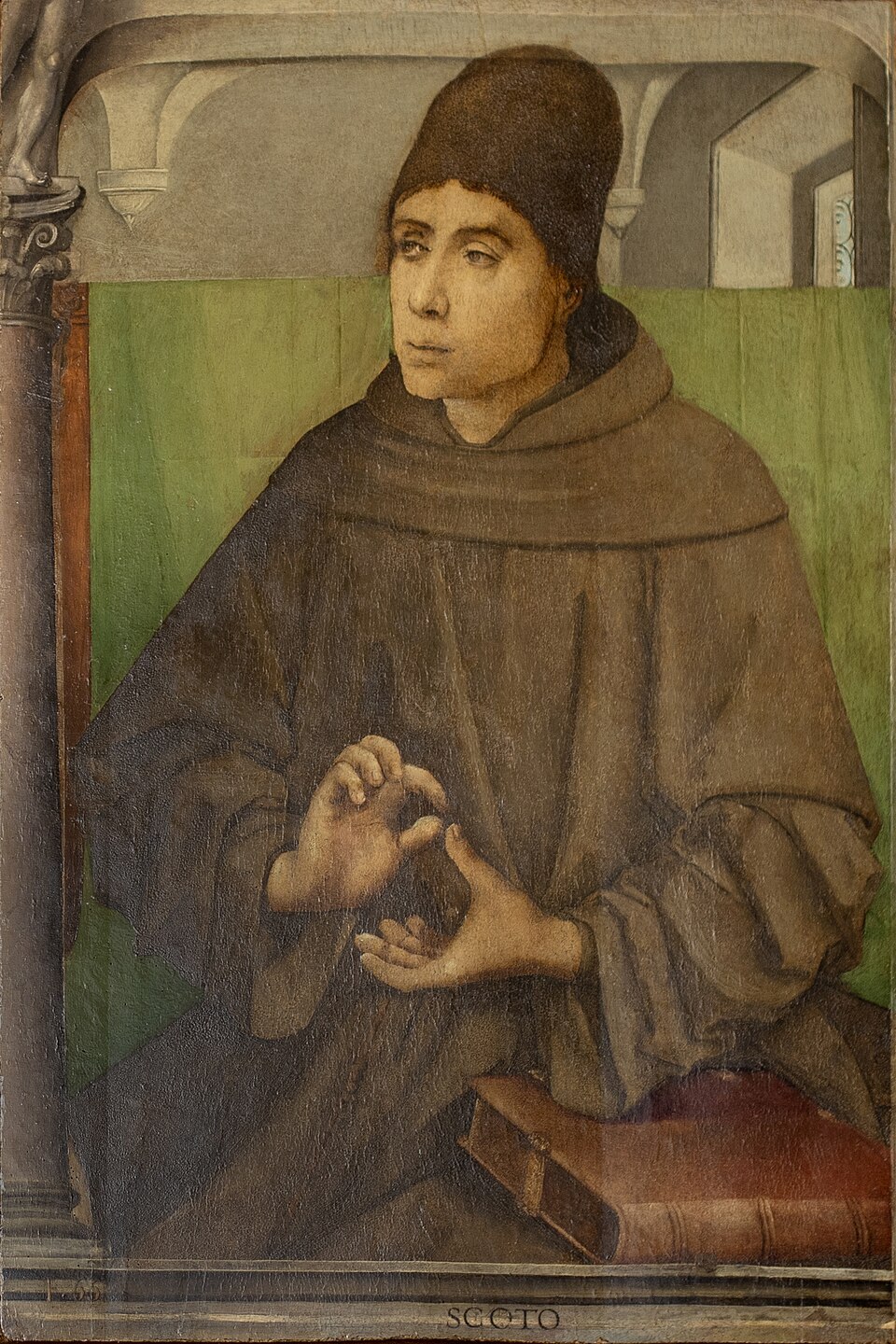
1265 - 1308 - Duns Scotus (All Facts)
Scottish, Franciscan, and Catholic Scholastic Philosopher, Theologian, and Monk
He was heavily influenced by and derived much of his thought from Plato
He was a realist, denying the nominalist view that the qualities we perceive, such as the color green, are merely products of thought and do not exist in the real world
He rejected the idea of predestination and inclined to the Pelagian view that man can alter his fate by his conduct
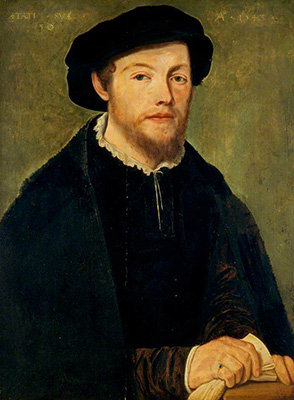
1513 - 1546 - George Wishart (All Facts)
Scottish Protestant Reformer
He preached the Lutheran doctrine of sola fide
He was burnt to death on the orders of Cardinal Beaton
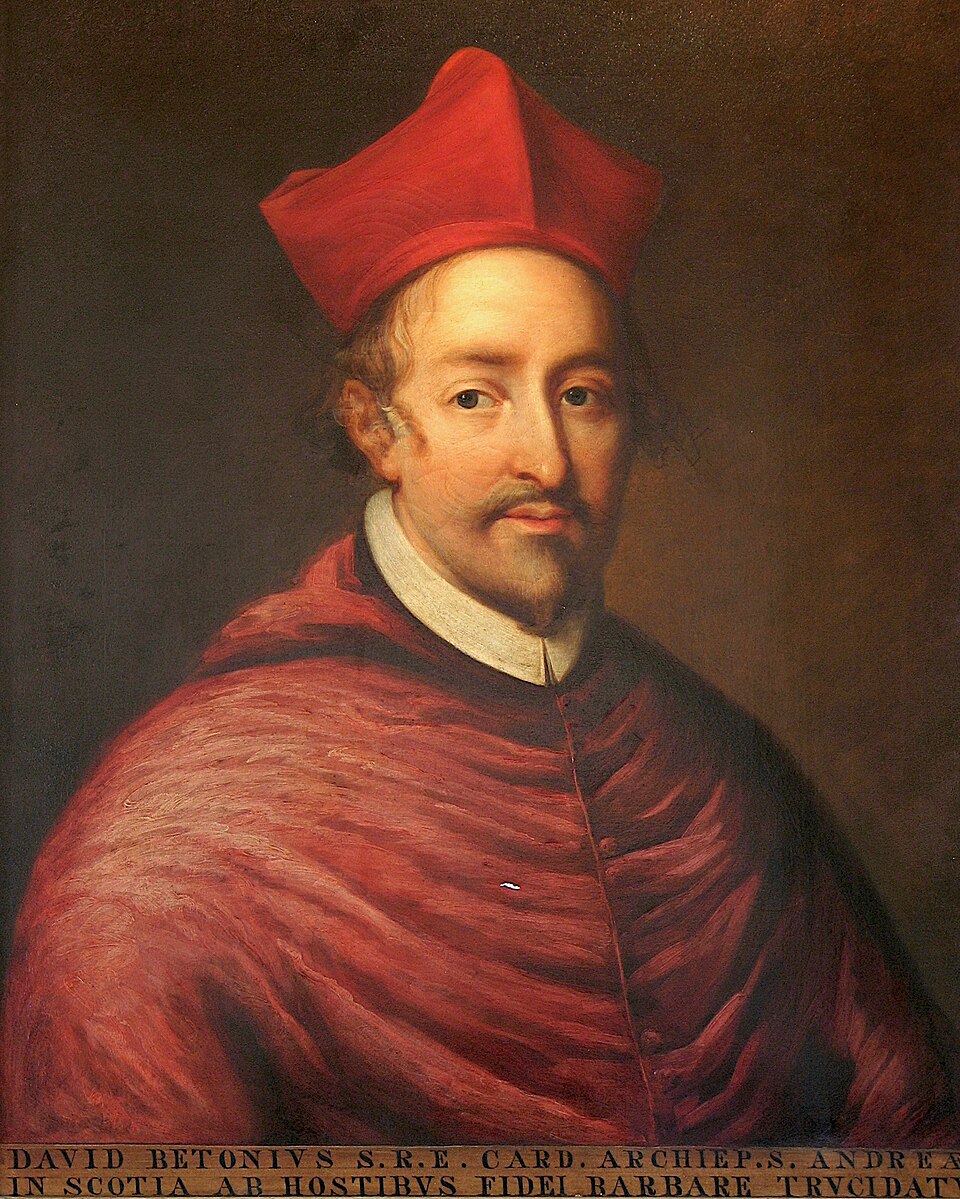
1539 - 1546 - David Beaton (All Facts)
Scottish Catholic Cardinal, the last prior to the Scottish Reformation
He was the Archbishop of St. Andrew’s
He oversaw a sustained persecution of Protestants
He beat to death George Wishart for preaching the doctrine of Sola Fide
After the death of King James V, he produced a forged will, appointing himself and three other regents of the kingdom
He was later arrested for this
However, he later became a chancellor
He adopted a pro-French policy (likely due to the Catholic commonality)
He was assassinated by a band of conspirators who took possession of his castle
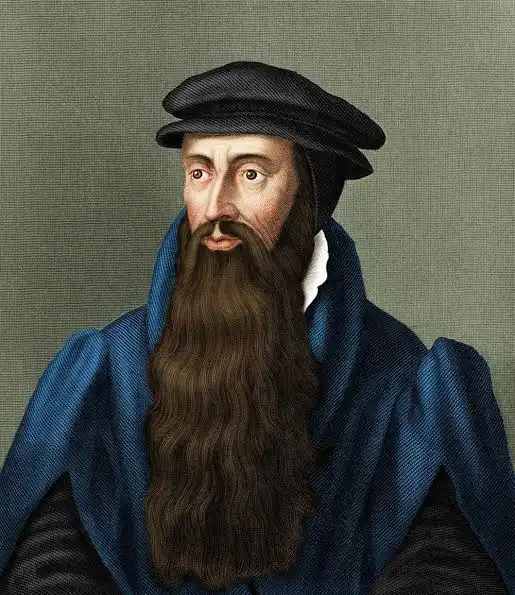
1514 - 1572 - John Knox (All Facts)
Founder of the Church of Scotland
He was a Scottish Protestant Reformer
He was a disciple of George Wishart
He was a disciple of John Calvin (Calvinist)
He went to Geneva in Switzerland became strongly influenced by John Calvin there
He returned to Scotland and began to preach Calvinism
He then was forced to flee to Geneva when condemned to further exile for his Protestant beliefs in then-Catholic Scotland at the time
He returned to Scotland when they rebelled against Queen Mary of Scotland (in 1559)
He was the leader of the Scottish Reformation
He advocated for and preached Calvinism amongst the Scottish people
He drafted the Scots Confession, the Protestant Confession of Faith which Parliament accepted which renounced papal authority in Scotland and forbade the saying of Mass there
He essentially laid the foundations for Presbyterianism
He was captured by royalist forces at St. Andrew’s Castle after a siege
St. Andrew’s Castle was being held by Protestants since the assassination of Cardinal Beaton
After his capture at St. Andrew’s Castle, he was exiled and condemned to the French galleys by the regent Mary of Guise under the reign of Queen Mary
He spent two years in prison after being captured by the French
After the English intervened, he was released and fled to Geneva, where he was inspired by Calvin’s teachings
He died in Edinburgh
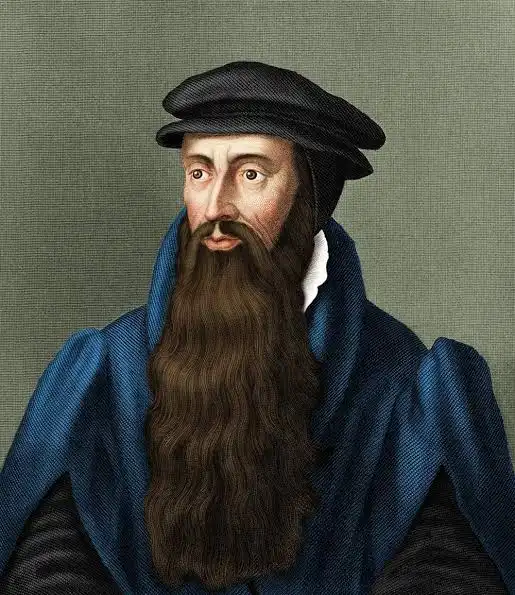
1558 - John Knox: First Blast of the Trumpet Against the Monstrous Regiment of Women (All Facts)
Work in which the namesake author argues that rule by women is contrary to the Bible, thus attacking female monarchs of his time (like Queen Mary of Scotland and Queen Mary of England)
Work in which the namesake author later conceded to Queen Elizabeth of England that it was mainly aimed at the pro-French Queen mother in Scotland, Mary of Lorraine, and her daughter Mary of Guise and her marriage to King Francis II (not at all female monarchs)
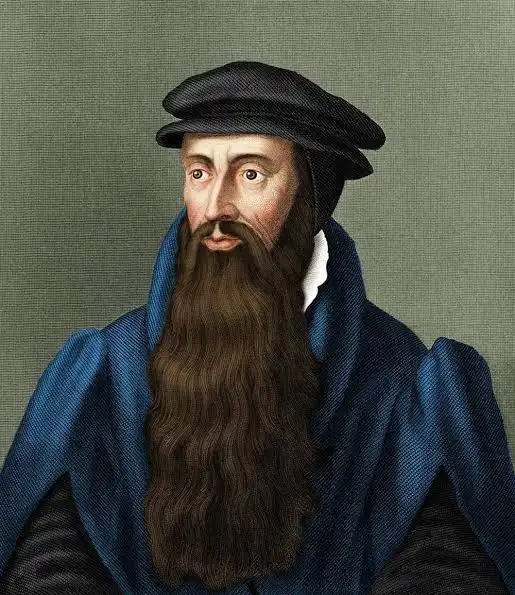
1560 - John Knox: (First) Book of Discipline (All Facts)
Work in which the namesake author sets out a (new at the time) Scottish church constitution based on the Calvinist model
1599 - James VI: The True Laws of Free Monarchies (All Facts)
Treatise by the namesake King of Scotland which argues for / defends absolute monarchy