Midterm Study Set
 Studied by 0 people
 Call Kai
 Learn
Learn Practice Test
 Spaced Repetition
 Match
Match Flashcards
 Knowt Play
1/62

There's no tags or description
Looks like no tags are added yet.
Name | Mastery | Learn | Test | Matching | Spaced | Call with Kai |
|---|
No analytics yet
Send a link to your students to track their progress
63 Terms
argument by example
"...arguments [that] offer one or more examples in support of a generalization about a small set of things...[and] the examples must be accurate [and] representative" (Weston 9-11)
argument by causes
"cause and effect arguments", they start with correlations (may have alternate explanations)
- event A is regularly associated with event B
- therefore, event A causes event B
argument by analogy
An attempt to persuade a listener/reader through the use of a comparison between two similar things.
"...one specific example... reasoning that because the two examples are alike in many ways, they are also alike in one further specific way" (Weston 19)
argument by authority
dependent on the expert's credibility in the area or field related to the topic
"...better-situated people, organizations, surveys, or reference works—[that are] sources [who] must be qualified to make the statements they make" (Weston 23-25)
justification by definition
it is true by definition
justification by perception
you have seen it, experienced it, tasted it, smelled it, touched it, heard it
justification by testimony
another person testifies to what they have perceived
justification by authority
someone who has authority on the matter can speak about it
justification by reasoning
you can give solid reasons [logic] for the belief and these reasons hold up under scrutiny (power of the human mind)
descriptive statements
are statements about how the way things are, were, or would be (facts/truth)
normative statements
are statements about what is good or bad, about how things should be, or about who should do what (subjective)
what are fallacies?
- l allow one to evaluate thoughts for consistency and coherence; helps identify errors in reasoning
- false/mistaken ideas or seemingly plausible arguments that use false or invalid inferences/conclusions
- associated with deception, erroneousness, and trickery
argument from consequences fallacy
fallacy occurs when the person making the argument chooses only certain effects and ignores the others.
example; they may point out only the positive effects when the negatives truly outweigh the positives--leading to a false conclusion.
straw man fallacy
when a speaker ignores the actual position of an opponent and substitutes it with a distorted/exaggerated position;
instead of dealing with the actual issue, it attacks a weaker version of the argument
appeal to irrelevant authority fallacy
a fallacy when the "authority" cited is not an expert on the issue, that is, the person who supplies the opinion is not an expert at all, or is one, but in an unrelated area
equivocation fallacy
when a keyword/phrase in an argument is used with more than one meaning. (due to the phrase as a whole having two distinct meanings)
false dilemma fallacy
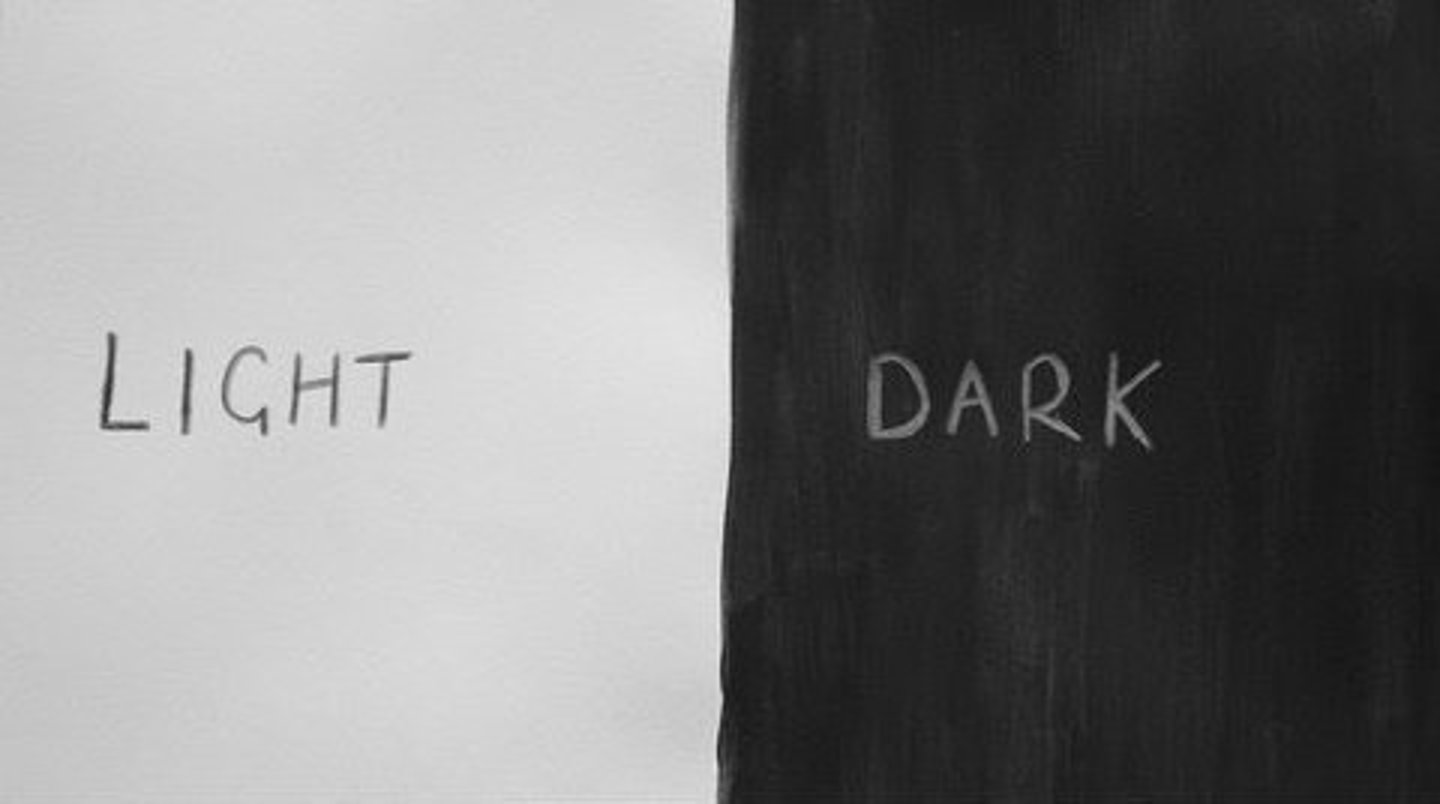
a fallacy that tries to force you to choose either black or white when gray is an available alternative
not a cause for a cause fallacy
a fallacy when a person reasons to a causal conclusion based solely on the supposed cause preceding its "effect". (confusing correlation with causality)
appeal to fear fallacy
an appeal to emotion is a type of argument or rhetorical technique that attempts to arouse the emotions of its audience in order to gain acceptance of a conclusion or bring about a change in behavior.
hasty generalization fallacy
argument in which a speaker draws a conclusion based on too few or inadequate examples
appeal to ignorance fallacy
an argument for a conclusion based on a lack of evidence/ error of assuming that a claim must be true because no one has shown it to be false
no true scotsman fallacy
the fallacy redefines the terms of a general claim to exclude certain members from the claim after the original claim is shown to be false.
genetic fallacy
the fallacy avoids the argument by shifting focus onto something's or someone's origins b/c it leverages existing negative perceptions to make someone's argument look bad, without actually presenting a case for why the argument itself lacks merit.
guilt by association fallacy
a fallacy when the attempt is to discredit an idea based upon disfavored people or groups associated with it; also called the bad company fallacy
affirming the consequent fallacy
- a fallacy when it infers the opposite from the original statement.
[ If A is true, then B is true.
B is True.
therefore, A must be true. ]
ex: if it is raining, then I am wet.
I am wet
therefore, it is raining.
appeal to hypocrisy fallacy
countering a charge with a charge, rather than addressing the issue being raised, with the intention of diverting attention away from the original argument
slippery slope fallacy
a logical fallacy that assumes once an action begins it will lead, undeterred, to an eventual and inevitable conclusion
appeal to the bandwagon fallacy
fallacy when one argues for an idea based upon an irrelevant appeal to its popularity.
ad hominem fallacy
a fallacy of logic in which a person's character or motive is attacked/criticized instead of that person's argument
circular reasoning fallacy
a fallacy when any argument in which the conclusion is also one of the premises (it brings you back to where you started)
composition fallacy
an assumption about the whole based on the parts
division fallacy
an assumption about the parts based on the whole
appeal to ethos
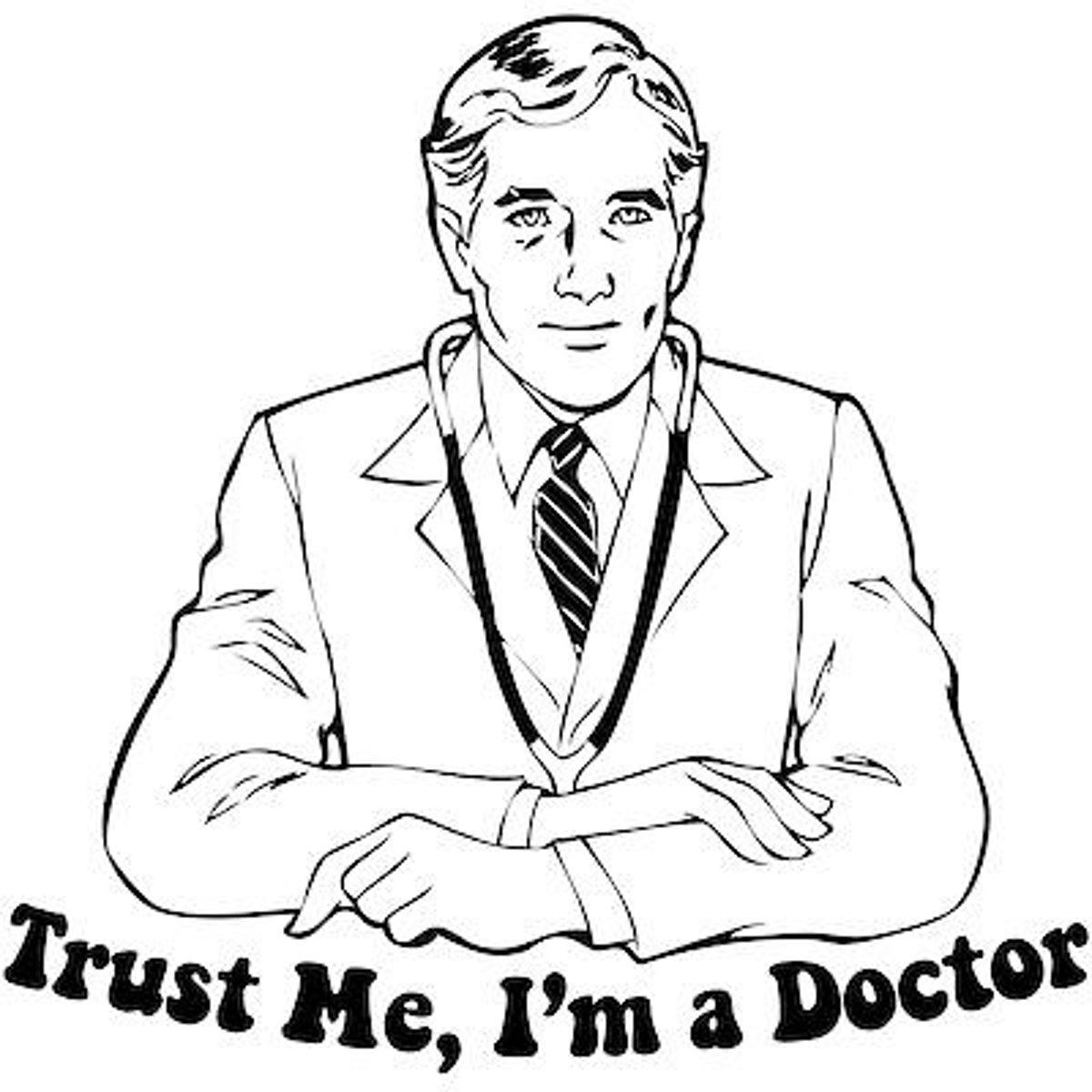
an appeal to a person's character, credibility, sincerity, or trustworthiness
appeal to logos
an appeal to a person's sense of logic and reason (statistics, facts...)

appeal to pathos
appeal to emotion and feelings (to the heart) rather than to strict reason
chain of reasoning
the logical relationships linking the premises of an argument that lead to the demonstration and support of a position.
values
the ideas, beliefs, and attitudes about what is important that help guide the way you live
rhetorical situation: audience
who the speaker is presenting the argument to
rhetorical situation: channel
The delivery method (publication), the where and how
ex: article, speech, novel, video, magazine, etc.
counter argument
an argument or set of reasons put forward to oppose an idea or theory developed in another argument.
argument shorthand
P1.
P2.
P3.
———————
C.
persuasion
- an attempt to persuade is to concede that your points need explanation and defense
- you need to justify (give reasons for) your stance/position
- that the claim needs to be studied
issue
- a question not settled yet
- something people disagree over how to answer/solve
- it is debatable
- something the readers think is significant and worth caring about (exigence)
exigence
importance specific to a certain (timely) issue, problem, or situation that causes/prompts someone to write or speak
main claim (conclusion/thesis)
- a statement that is spoken or written so that people will think it is true
- debatable answers to questions raised by issues
smaller claim, evidence, & reasoning
- smaller claims are related to the ways you use evidence and reason
- evidence is the support to the claims
- reasoning is how ideas connect
assumptions
a belief that is accepted as true or fact; something that's certain to happen, without proof or evidence.
ex: a writer's values
reliable premises
when it is common knowledge & when an argument's audience feels justified in accepting it (via 5 modes of justification)
relevant premises
premises are relevant, "when [they] provide some reason to think the conclusion is true, whether on its own or in combination with other premises" (Morrow 35).
"strong enough" premises
if a premise is "strong enough", the author has seen it and considered it.
claims of fact or definition
these claims argue about what the definition of something is or whether something is a settled fact.
claims of cause and effect
these claims argue that one person, thing, or event caused another thing or event to occur.
claims about solutions or policies
these are claims that argue for or against a certain solution or policy approach to a problem.
claims about value
These are claims made of what something is worth, whether we value it or not, how we would rate or categorize something.
Wait, What?
This is used to ask for clarificationn; you are asking for help understanding. It stops yourslef from making snap judgements.
I Wonder why/if?
This phrase expresses curiosity or engagement with the world. That curiosity leads to knowledge and change.
Couldn’t We At Least?
This phrase is used to get unstuck, to find common ground, to try an idea, and to make progress; sparks movement.
How Can I Help?
This phrase asks how you can be of assistance or supportive, inviting others to share their needs or challenges.
What Truly Matters?
This phrase encourages reflection on priorities and values, prompting individuals to focus on what is important.
Argument
a form of inquiry, a process in which you test your beliefs, consider other views, and stay open to changing your mind
Knowledge
is the awareness or understanding gained through experience or education, encompassing facts, information, and skills.
Beliefs
are convictions or acceptance that something is true or exists, often shaped by personal experiences, culture, and education.
Sub-Conclusion
is a statement that supports a main conclusion in an argument, serving as a stepping stone in the reasoning process.
 Note
Note  Flashcards (22)