GEOL 118 Exam 1
 Call Kai
 Learn
Learn Practice Test
 Spaced Repetition
 Match
Match Flashcards
 Knowt Play
1/117

Earn XP
Description and Tags
Chapters 1-4 (updated thru ch 3)
Name | Mastery | Learn | Test | Matching | Spaced | Call with Kai | Chat |
|---|
No analytics yet
Send a link to your students to track their progress
118 Terms
natural hazard
a natural event that poses potential disaster
natural disaster
a natural event that occurs from a natural hazard; widespread impact
rapid-onset disaster
a disaster with no warnings or signs; earthquakes usually
slow-onset disaster
a disaster that take multiple days or weeks to develop; floods
very slow-onset disaster
a disaster that develops over months, years, or decades, also know as stealth disasters; sea level rises, drought, groundwater depletion
primary disaster
destruction from a natural hazard event
secondary disaster
triggered by a primary disaster; tsunamis from an earthquake (always secondary)
tertiary disaster
long-term societal disasters due to primary and secondary disasters
frequency
how often a disaster happens
recurrence interval (RI)
the average time between events of a certain size (requires a historical record), __=t/N
annual probability (AP)
the likelihood that an event will happen in a given year; 1/RI=AP
evacuees
people that are displaced within the country
refuguees
people that are displaced outside of the country/into another country
exposure
the likelihood of disaster impacts
vulnerability
how bad the disaster will hurt the community if it happens
risk
probability AND size of loss due to a natural disaster; can increase due increasing population, climate change, and land modification
disaster watch
tells when to look out for a disaster
disaster warning
tells that the disaster is happening now
disaster insurance
decreases the impact of disasters on an individual or a community; makes them less vulnerable
atmosphere
made of nitrogen and oxygen, water vapor (holds energy, fuels severe weather)
weather
short-term atmospheric changes
climate
long-term atmospheric changes
hydrosphere/cryosphere
70% of earth’s surface, 97% saltwater, 3% freshwater, ice in cold areas, sea level changes when ice melts or evaporates
geosphere
mostly solid, rocky, dense matter, continents and oceans; oceans are a low zone, surface moves and changes
biosphere
all living things on earth, biological activity greatly affects atmosphere
internal energy
leftover heat from formation of earth, deeper=hotter, heat from radioactive decay, drives movement of the solid earth
external energy
radiation from the sun, heats land & water surfaces, causes winds
gravity
potential energy, causes land movement, rainfall, and river flow
convection
the heating and cooling that drives motion in the earth and above the surface; winds, mantle material, etc.
core
dense iron material in the earth (egg yolk), makes a magnetic field from the outer part churning
mantle
rocky material surrounding the core (egg whites), mostly low-silica
crust
thin layer, mantle melting, surface (egg shell)
mineral
a material that has recurring, regular atomic patterns (naturally occurring, generally inorganic, homogeneous, crystalline solid, definable composition)
rock
holds itself together (coherent), naturally occurring, aggregate of minerals (many mineral grains attached to one another)
crystalline rocks
minerals packaged together
clastic rocks
made from fragments of minerals (cemented together)
igneous rock
a type of rock that forms when molten rock cools and hardens
silica-rich magma
viscous and doesn’t release pressure easily (kaboom)
low-silica magma
runny magma that flows easily
physical weathering
when rocks break into fragments called clasts
chemical weathering
when the minerals in rocks dissolve and new minerals form (ex: clay, mud, etc.)
quartz
resists weathering, becomes sands
sedimentary rock
formed from sediments: accumulation of clasts, precipitation of minerals from dissolved stuff in water
beds
near-horizontal layers of deposited sediment
metamorphic rock
existing rock that transformed through heat and pressure, deep burial and/or magma intrusions, may develop a foliated texture (like a book)
slate
when small clay minerals become foliated
schist
when larger mica minerals (a group of natural silicate minerals that split easily into very thin, flexible sheets) become foliated
seismic waves
earthquake vibrations, speeds vary, refect when crossing into different layers of earth
s-waves
waves that cannot go through liquid, but can go thru solid, shearing motion perpendicular to travel direction
p-waves
waves that can thru both liquid and solid, but decrease in velocity, motion parallel to travel direction
oceanic crust
7-10km thick, silica-poor rock, runny, basalt (dense)
continental crust
25-70km thick; silica-rich, igneous, sedimentary, and metamorphic rock
lithosphere
rigid, upper unit (crust and some upper mantle)
asthenosphere
below the lithosphere, hotter; plastic flow (still solid!!!), allows lithosphere to glide on top
continental drift
the theory that there was once a super continent (Pangea) and the plates shifted and spread apart so now there are 7 continents, Alfred Wegener
mid-atlanic ridge
center of the atlantic ocean, central valley, fracture zones, where new crust is created, ocean is expanding
plate tectonic theory
earth's crust is broken into huge pieces that slowly move over the soft, hot mantle
divergent boundary
boundary where plates are moving apart from each other (rift valley exists)

convergent boundary
boundary where plates are coming towards each other (mountains or trenches)

transform boundary
boundary where plates slides horizontally past each other (san andreas fault)

subduction
when the older plate sinks down into the mantle at a convergent boundary
continental rift
when two plates split apart (divergent), ex: east african rift (many volcanoes, earthquakes, and new lakes)
hot spots
volcanoes not at plate boundaries (ex: hawaii)
uniformitarianism
the theory that in the past, the earth works the same as it does now, "we infer what happened in the past, “the present is the key to the past”
geological time scale
a time scale based on fossils and rocks, figure out which fossils are older based on what rock they’re found in, maps evolution and extinction over time
seismic waves
caused by build up and release of stress (energy) in the earth, elastic rebound
stick-slip motion
fault is locked (high friction), tectonic motion causes rocks to bend, stress builds, stress causes materials to break, fault slips, rock snaps back, seismic waves released, cycle repeats
fault
a fracture in rock that has moved/slipped
normal fault
hanging wall moves down fault line plane relative to footwall (divergent boundaries, can create rifts)

reverse fault
hanging wall moves up the fault plane relative to the footwall

thrust fault
reverse fault with a small angle (common at convergent boundaries, subduction zones)
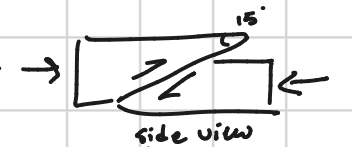
strike-slip fault
two sides scrape past each other (san andreas fault, transform boundary)
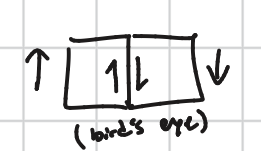
mainshock
largest earthquake of the sequence
aftershock
cluster of smaller earthquakes following the mainshock (10x smaller, frequency diminishes over time, can be damaging)
foreshock
cluster of small earthquakes that may precede a mainshock (not always)
body waves
waves that travel thru the interior of the earth
surface waves
waves that travel along the surface of the earth
r-waves
vertical motion of rolling undulations, like waves in a pond
l-waves
horizontal shearing motion, like a snake
refraction
a wave’s travel direction changes as the wave passes thru a change in rock type
reflection
bounce off different types of rocks, some bounce off the top of the mantle
attenuation
when waves usually weaken with increasing distance from the focus
amplification
if waves move into a weaker material, the wave amplitude often increases
seismometer/seismograph
a device that measures and records ground motion (seismic waves, vertical and NSEW motion measured)
seismogram
the record of an earthquake produced by a seismograph
s-p time
tells the distance of a seismometer from an earthquake, you can triangulate the focus using 3 seismometers
richter scale
a scale that is based on amount of ground motion at a seismometer and the distance from that to the epicenter (obsolete now, ML)
moment magnitude scale
a scale that is based on areal size of the fault slip, average amount of slip, and rock rigidity, represents energy released by the earthquake (used today, Mw)
magnitude
a logarithmic scale used to measure earthquakes (10 is not the max, ex: Mw7 is 32x more energy than Mw6)
modified mercalli intensity scale
a scale that measures intensity according to perception of shaking using historical data or reports from people (uses roman numerals I-XII, intensity maps)
divergent boundary seismicity
mid-ocean divergent boundaries, normal and transform faults, shallow-focus earthquakes, mostly far from population centers, earthquakes here have little societal impact (ex: atlantic ocean)
transform boundary seismicity
population centers near continental transform boundaries are at a risk, shallow-risk earthquake are common (ex: california)
convergent boundary seismicity
shallow-focus and large slip areas generate megathrust earthquake, shallow, intermediate, and deep-focus earthquakes (ex: japan, chile, etc.)
megathrust earthquake
an earthquake that has a MW > 8.6 (the strongest type of earthquake)
intraplate seismicity
earthquakes occur along ancient, pre-existing faults, usually shallow-focus, NOT on a plate boundary
induced seismicity
human caused, caused by disposal wells that inject wastewater into the ground (especially hydrofracturing), water pressure from reservoirs, and fracking, increased water pressure weakens existing faults
ground ruptures
wide-open fissures from this are uncommon, surface ruptures tear apart infrastructure, liquefaction, shaking causes most fatalities
ground shaking
each type of seismic wave creates unique ground motion, surface waves are more destructive, shaking severity depends on magnitude, surface waves, and distance from focus
peak ground acceleration
acceleration is the key number, not the distance of movement, compared to the acceleration by gravity
shaking duration
depends on: in larger earthquakes, the fault slips for longer, so shaking lasts longer; distance from fault break (greater distance = longer duration)