3.5 CPU Features, Expansion Cards, Cooling
 Call Kai
 Learn
Learn Practice Test
 Spaced Repetition
 Match
Match Flashcards
 Knowt Play
1/18

There's no tags or description
Looks like no tags are added yet.
Name | Mastery | Learn | Test | Matching | Spaced | Call with Kai | Chat |
|---|
No analytics yet
Send a link to your students to track their progress
19 Terms
x64/x86 platform
The x64/x86 platform uses CISC instruction set architecture that allows the CPU to process either 64 or 32 bits of data at a time. x64 when working with 64 bits, x86 when working with 32 bits.
x64/x86 Drivers and Apps
Hardware drivers are specific to the OS version, 32- vs 64- bit. 64-bit OS can run both 32- and 64-bit apps, but 32-bit OS can run only 32-bit apps.
ARM (Advanced RISC Machine)
A CPU architecture developed by Arm Ltd. and featuring a simplified instruction set. Traditionally used for mobile and IoT devices, but now being adopted for laptops and desktops
Processor cores
The individual processors inside a CPU that read and execute instructions are called cores. Processors are often referred to by the number of cores, dual-core, quad-core, octa-core, and multi-core. Multiple cores can perform multiple threads of instructions simultaneously with their own caches.
What can you use to expand the functionality/capabilities of your computer?
Modern computers are designed to be modular, expansion cards placed in the motherboard’s expansion slots. OS automatically identifies the card and installs the necessary drivers.
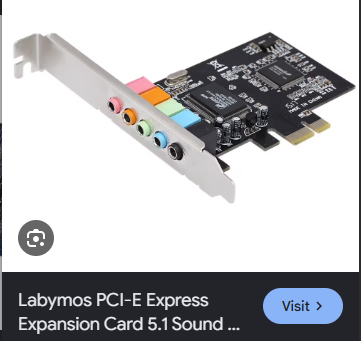
Sound Card
Provides high end audio output beyond the motherboard’s sound capabilities, usually with multiple inputs.
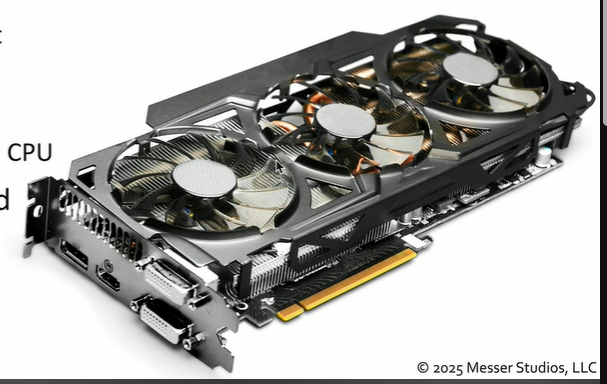
Video Card
While most CPUs include integrated GPUs for general graphics, but you can get a separate discrete graphics card for outputting video beyond motherboard capabilities for gaming and graphic design.
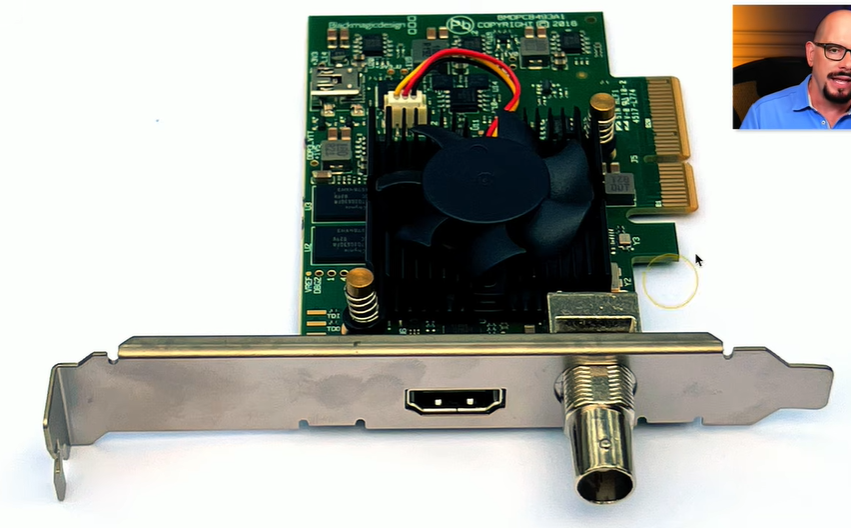
Capture Card
Converts video signals to digital signals. When taking video lots of data is being transferred so high bandwidth, to handle this it uses a PCIe connection.
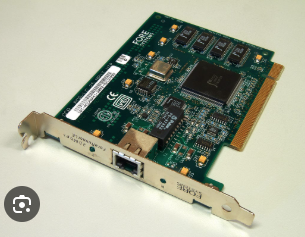
NIC (Network Interface Card)
Provides a device with the capability to connect to a network, may support wired or wireless connections. Useful when motherboard may not include a NIC or has a broken NIC. May provide additional internet connections for servers, routers, or security devices.
Documentation for expansion cards
Check the motherboard documentation for the available number and type of slots. Check the minimum hardware and software requirements for any cards being added. Check knowledge base and support forums
Driver installation
Check documentation first. Driver may install automatically when hardware installed or may need to be installed before installing hardware. Can manually manage device drivers from Windows Device Manager or manufacturer provided setup programs.
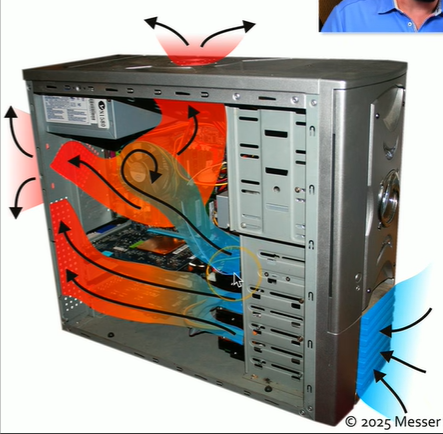
Case Fans
Fans pull cool air into case, move it over hot components, and push out the heated air
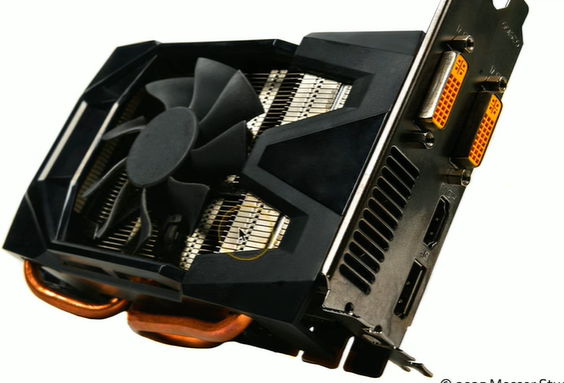
On-board fans
May have fans on individual components for extra cooling or integrated with a heat sink.
Fan Specifications
Standard sizes, 80 mm, 120 mm, 200 mm; different speeds and noise levels
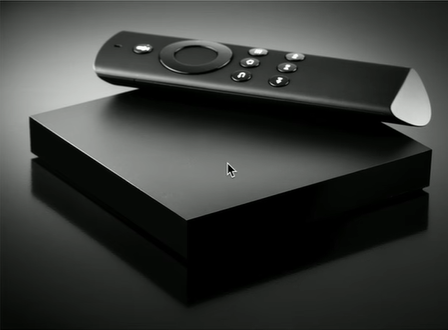
Fanless/Passive Cooling
Used for silent operation and specialized functions, functions are controlled to maintain temperature, use low-power components and heat sinks
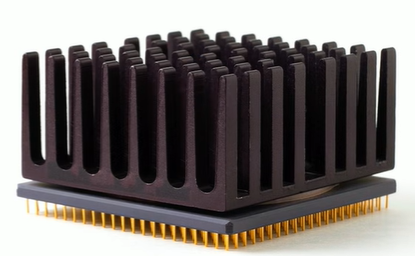
Heat Sink
Dissipate heat through thermal conduction by increasing the surface area of a component in order to transfer heat more quickly to the cooler air.
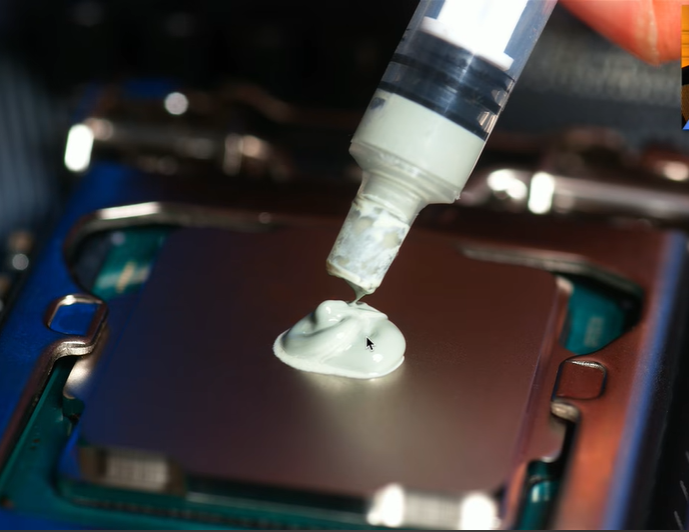
Thermal paste
Thermally conductive adhesive used to connect a heat sink and component, with the aim of improving thermal conductivity and moving heat away from the component. A little goes a long way
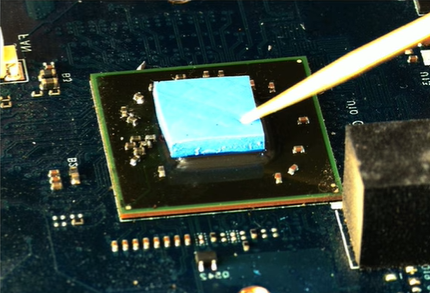
Thermal pad
Used to connect a heat sink and component, not as effective as thermal paste but less messy. Not reusable, must remove and replace.
Liquid Cooling
Coolant is circulated through a computer, liquid transfers from CPU to radiator wit fans to be cooled. Liquid cooling is more effective than air, good for high-end systems and overclocking