biochem--quiz 1
 Call Kai
 Learn
Learn Practice Test
 Spaced Repetition
 Match
Match Flashcards
 Knowt Play
1/103

There's no tags or description
Looks like no tags are added yet.
Name | Mastery | Learn | Test | Matching | Spaced | Call with Kai | Chat |
|---|
No analytics yet
Send a link to your students to track their progress
104 Terms
describe the plasma membrane
barrier to keep in and out separate
all organisms have one
describe the cytoplasm
organelles
supramolecular structures (ribosomes)
cytosol: highly concentrated soluble material (proteins, lipids, nucleic acids, carbohydrates)
how do cells differ from one another
by the dimensions (radius and surface:volume)
different shapes based on their function
what are some of the universals with life on earth
lipids are cell membranes (all organisms we know about have them)
DNA replication is semi-conservative
glucose is a preferred sugar source for energy (glycolysis is an ancient pathway
ATP as an energy currency
what does aerobic mean
likes oxygen
what does anaerobic mean
does not like oxygen
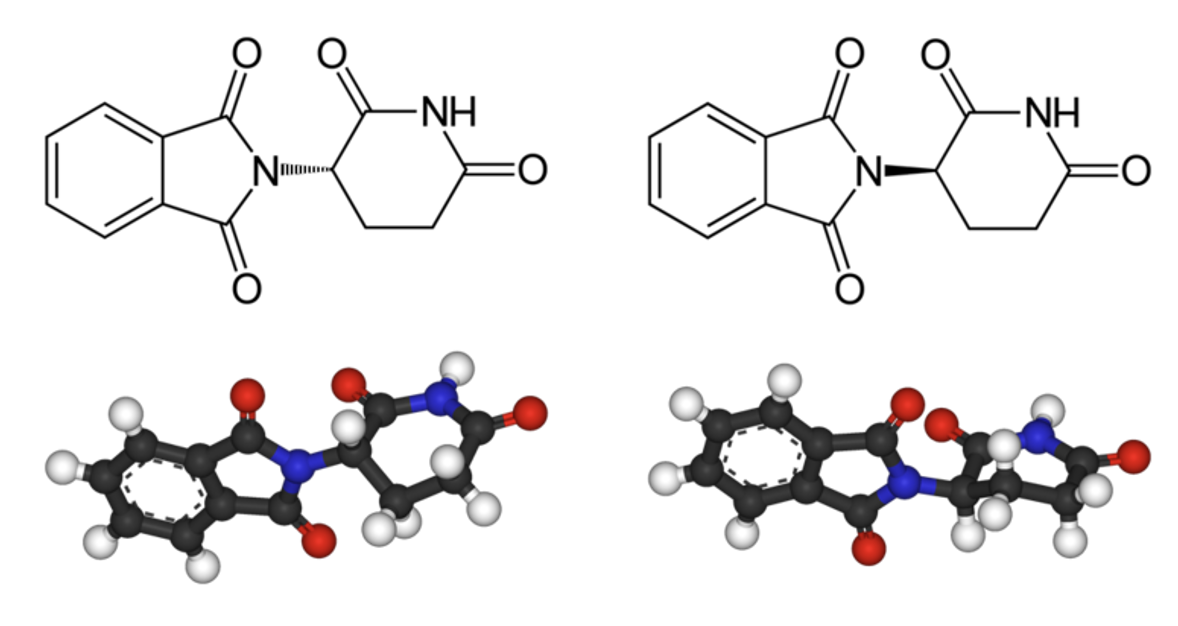
give an example of chirality making a big difference
thalidomide helped with morning sickness in one form and the other caused malformations and miscarriages due to downregulation of transcription factors
our body naturally switches between the two forms
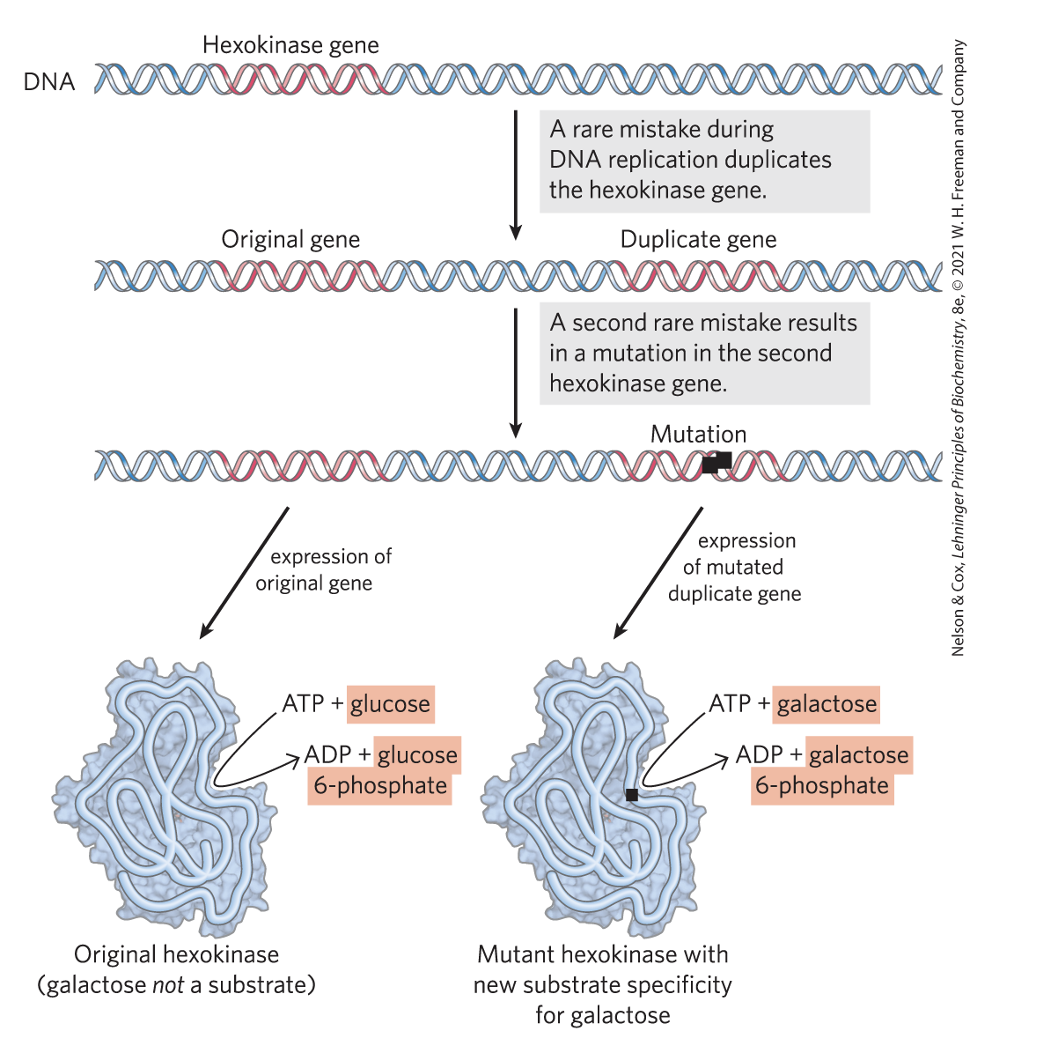
how can biochemistry teach us how organisms are evolving
gene duplication events are a driving force for organisms evolving new abilities
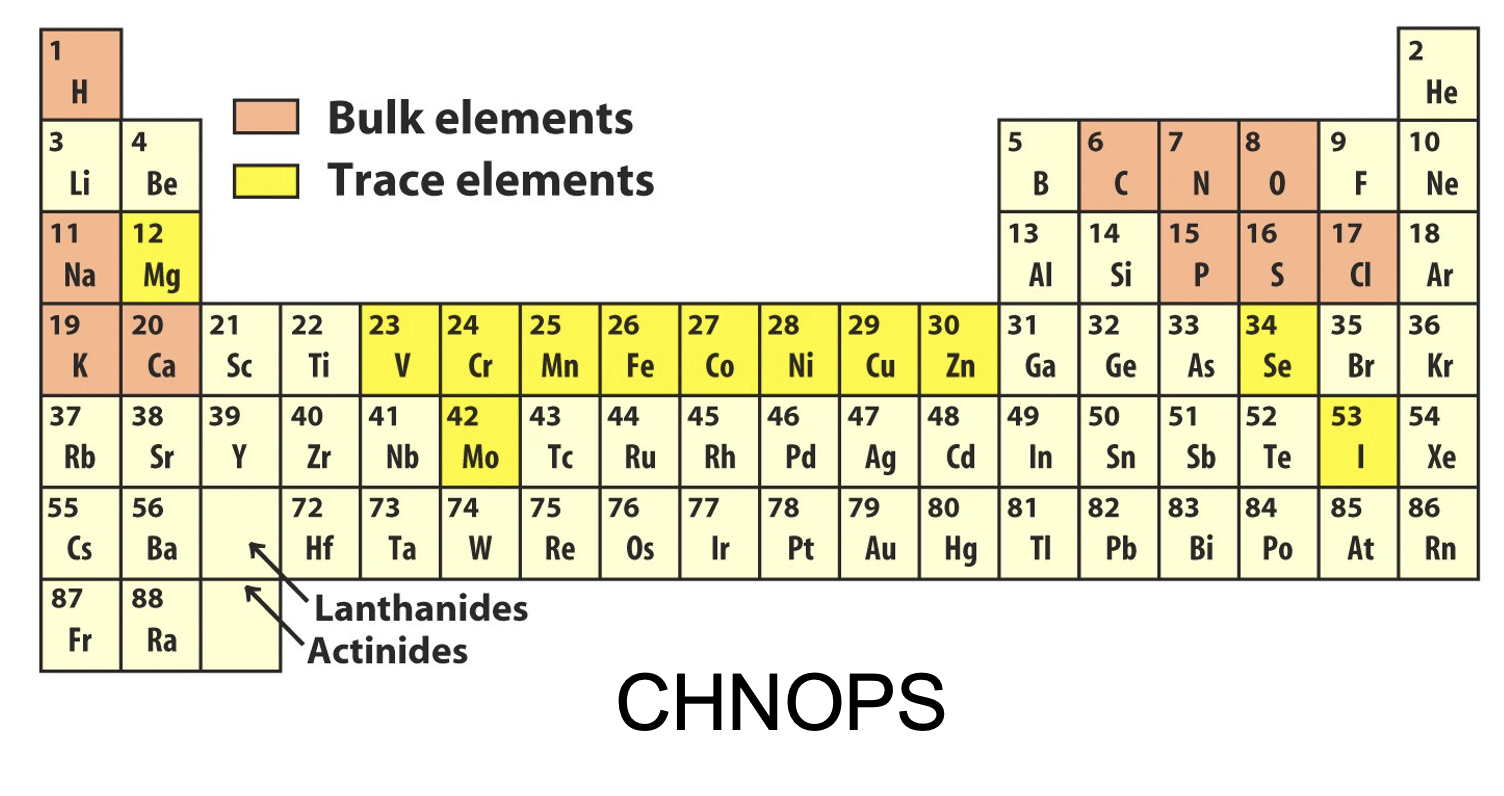
what are the main elements pertienent to biochemistry
CHNOPS (carbon, hydrogen, nitrogen, oxygen, phosphurous, sulfur)
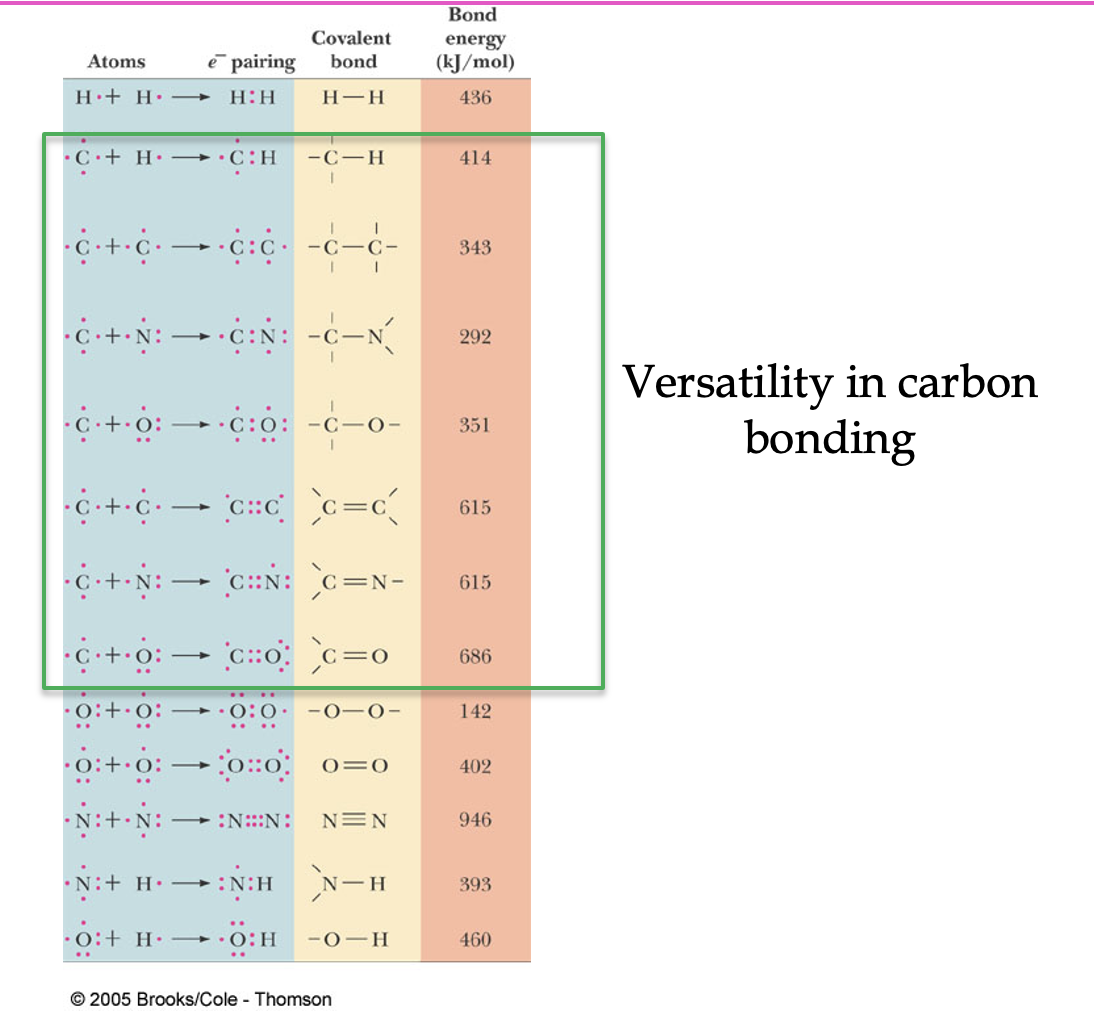
describe the common chemical bonds in cells and organisms
H, O, C, N make up 99% of the atoms in the human body
their ability as the lightest elements to form covalent bonds by electron-pair sharing makes life on Earth possible
name the functional group
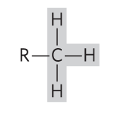
methyl
name the functional group
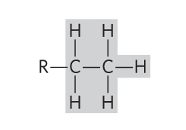
ethyl
name the functional group
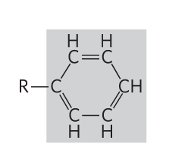
phenyl
name the functional group

carbonyl (aldehyde)
name the functional group
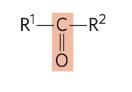
ketone
name the functional group
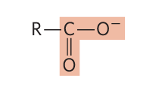
carboxyl
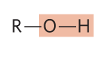
name the functional group
hydroxyl (alcohol)
name the functional group
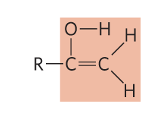
enol
name the functional group
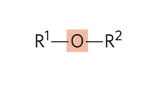
ether
name the functional group
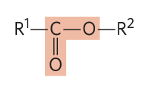
ester
name the functional group

acetyl
name the functional group
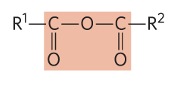
anhydride (two carboxylic acids)
name the functional group
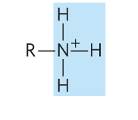
amine (protonated)
name the functional group
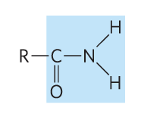
amido
name the functional group
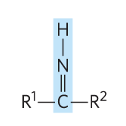
imine
name the functional group
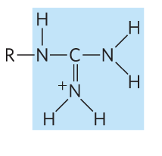
guanidinium
name the functional group

imidazole
name the functional group
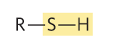
sulfhydryl
name the functional group
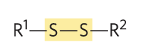
disulfide
name the functional group

thioester
name the functional group

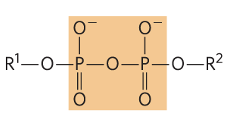
phosphoryl
name the functional group
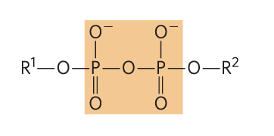
phosphoanhydride
draw the functional group methyl

draw the functional group ethyl

draw the functional group phenyl
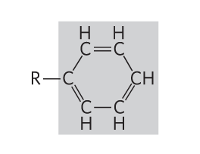
draw the functional group carbonyl (aldehyde)
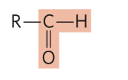
draw the functional group carbonyl (ketone)
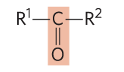
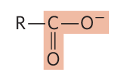
draw the functional group carboxyl
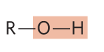
draw the functional group hydroxyl (alcohol)
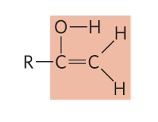
draw the functional group enol
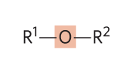
draw the functional group ether
draw the functional group ester
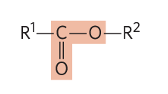
draw the functional group acetyl

draw the functional group anhydride (two carboxylic acids)
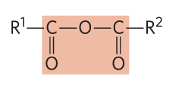
draw the functional group amino (protonated)
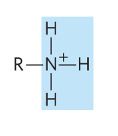
draw the functional group amido
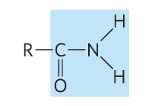
draw the functional group imine

draw the functional group guanidinium

draw the functional group imidazole
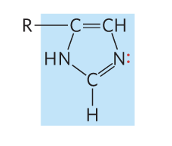
draw the functional group sulfydryl
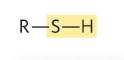
draw the functional group disulfide
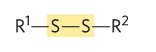
draw the functional group thioester

draw the functional group phosphoryl
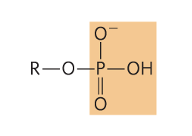
draw the functional group phosphoanhydride
what do the different colors in this molecule represent
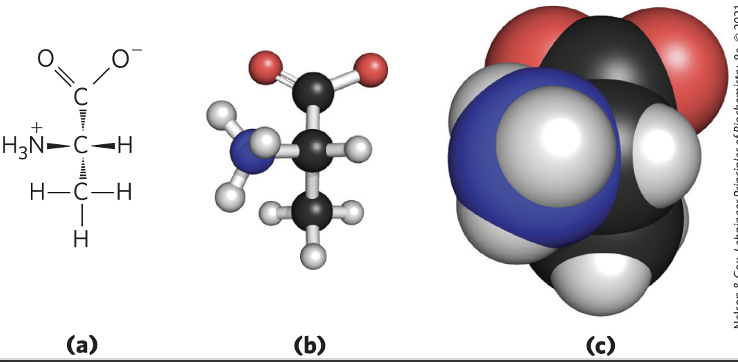
blue: Nitrogen
red: Oxygen
black: Carbon
describe macromolecules
thousands of atoms held by strong covalent bonds
four types: carbohydrates, lipids, proteins, amino acids
describe catabolism
break down covalent bonds
describe anabolism
build up covalent bonds
what are the four types of noncovalent (“weak”) interactions among biomolecules aqueous solvent
hydrogen bonds
ionic interactions
hydrophobic effect
van der Waals interactions
describe ionic bonds
rare in aqueous solutions
not nearly as strong as covalent
either hold molecules together or repulse them
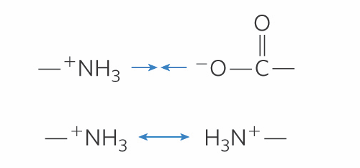
describe hydrogen bonds
unequal distribution of charge that results when a hydrogen atom (partially positive) is covalently bonded to an electronegative atom, such as oxygen or nitrogen (partially negative)
further spacing between molecules decreases the space

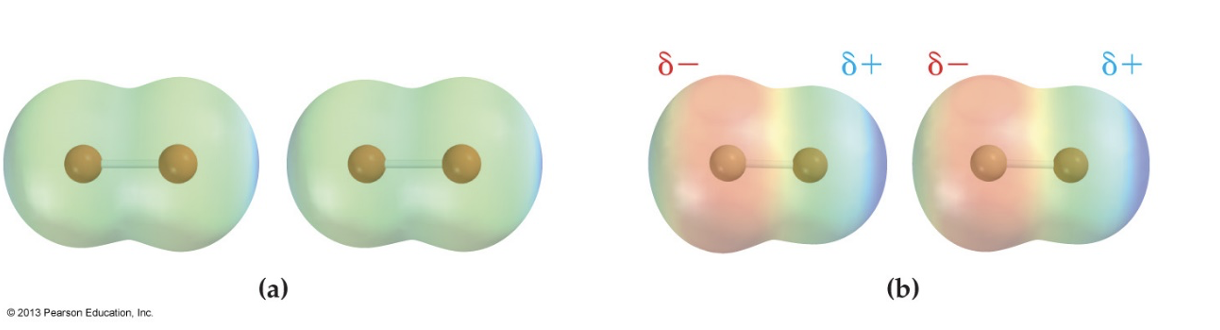
describe van der waals interactions
transient attractive interactions when atoms are spaced appropriately
the molecules have equal amounts of electrons sharing but the electrons have to be somewhere at sometime, making partial positives and partial negatives that cause the attraction
what is the bond strengths of the bonds typically found in living organisms
covalent > ionic > h-bonding > van der waals
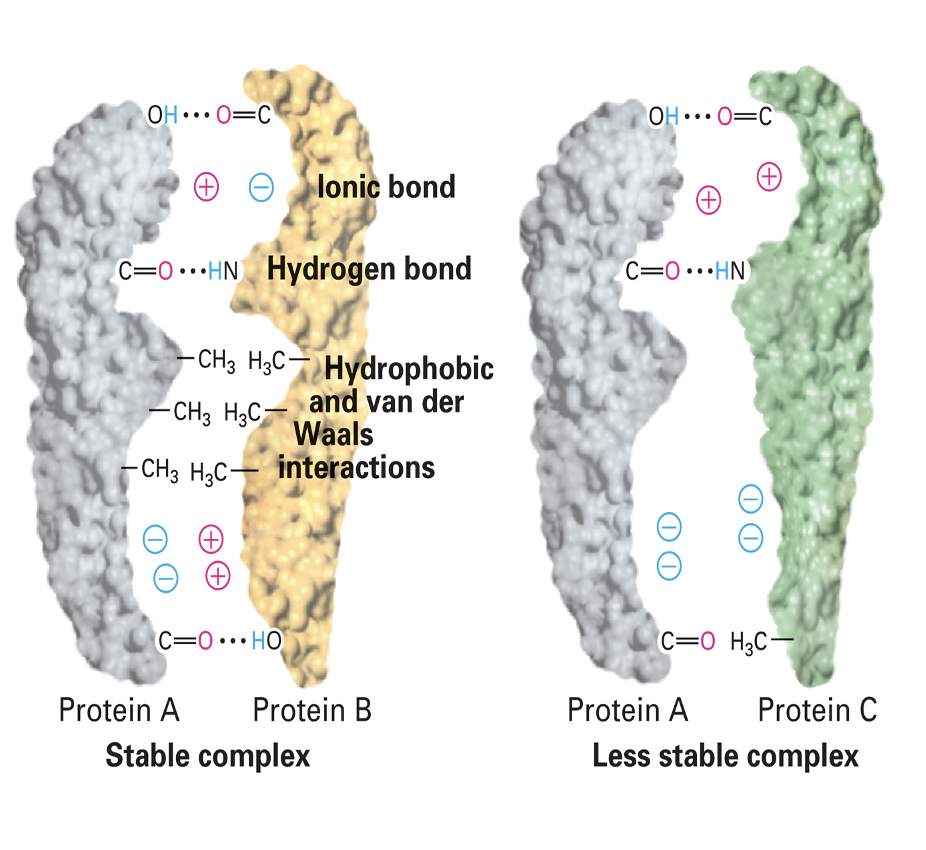
describe molecular complementarity
the language of biochemical interactions
mediated via noncovalent interactions that permits tight, highly specific binding of biomolecules
depending on the number and strength of the noncovalent interactions between two molecules and their environment, their binding may be tight or loose and, as a consequence, either long-lasting or transient, respectively
describe proteins
long polymers of amino acids
catalytic enzymes, structural, signal receptors, trasnporters
size =. MW 5000-1,000,000 Daltons
describe nucleic acids
polymers of nucleotides to make DNA or RNA
store/transmit genetic information
size = MW up to 1,00,000,000 Daltons
monomers act as energy sources—ATP
describe polysaccharides
polymers of simple sugars
energy-yeilding fuel stores
extracellular structural elements
size = up to 1,000,000 Daltons
describe lipids
greasy hydrocarbons
structural components of membranes, energy-rich fuel stores, pigments, intracellular signals
size = MW 750-1500 daltons
what is one dalton equivalent to
1 g/mole or about one hydrogen atom
what is the concentration of proteins in a typical cell
200-300 g/L
describe the basics of water
over 70% of weight of most organisms
chemical reactions occur in aqueous environments
water is a critical determinant of the structure and function of proteins, nucleic acids, and membranes
a significant amount of life lives in an aqueous environment
each molecule can H-bond with up to four other water molecules, but they only last picosecons
water hydrogen bonds with polar solutes
solutes hydrogen bond with solutes
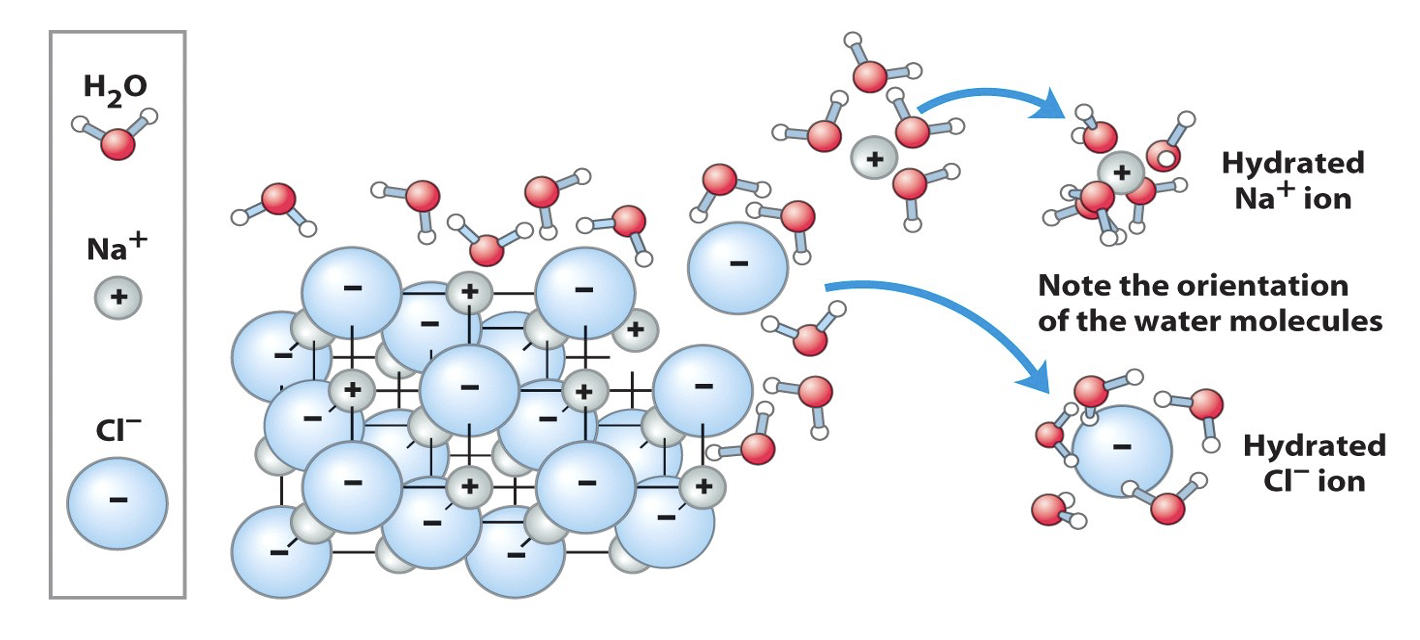
describe water in relationship to the hydration of ions
increase the entropy of the system (thermodynamically favorable) by breaking apart the extremely organized salt crystal
ions can’t bond as the water in in the way
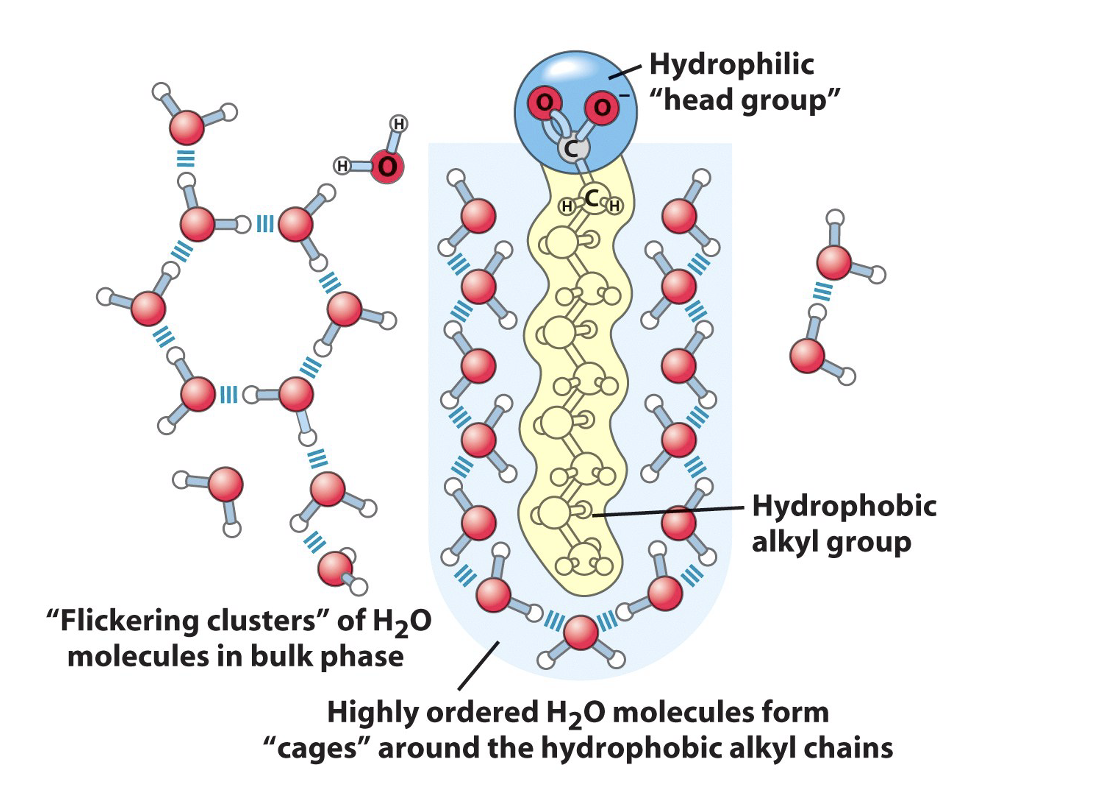
describe water and amphipathic molecules
contain regions that are polar (charged, hydrophilic) and regions that are nonpolar (hydrophobic)
water molecules position themselves in a specific cage-like manner called clathrate where multiple layers are organized decreasing entropy
describe the hydrophobic effect of water
the association or folding of nonpolar molecules in aqueous solution is one of the main factors behind:
formation of lipid micelles
protein folding
protein-protein association
binding of steroid hormones to their receptors
nonpolar association does not arise due to direct, attractive forces between molecules
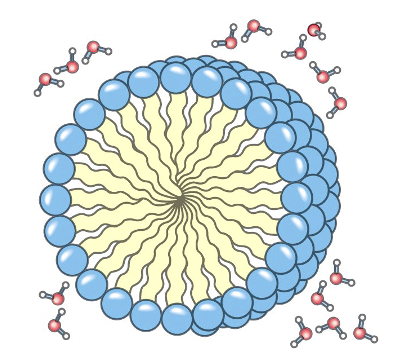
describe clusters of lipid molecules
only lipid portions at the edge of the cluster force the ordering of water
fewer water molecules are ordered, and entropy is increased
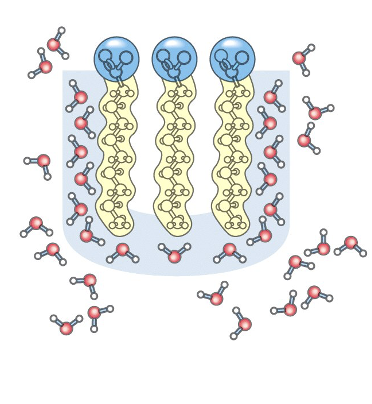
describe micelles
all hydrophobic groups are sequested from the water; ordered shell of water molecules is minimized, and entropy is further increased
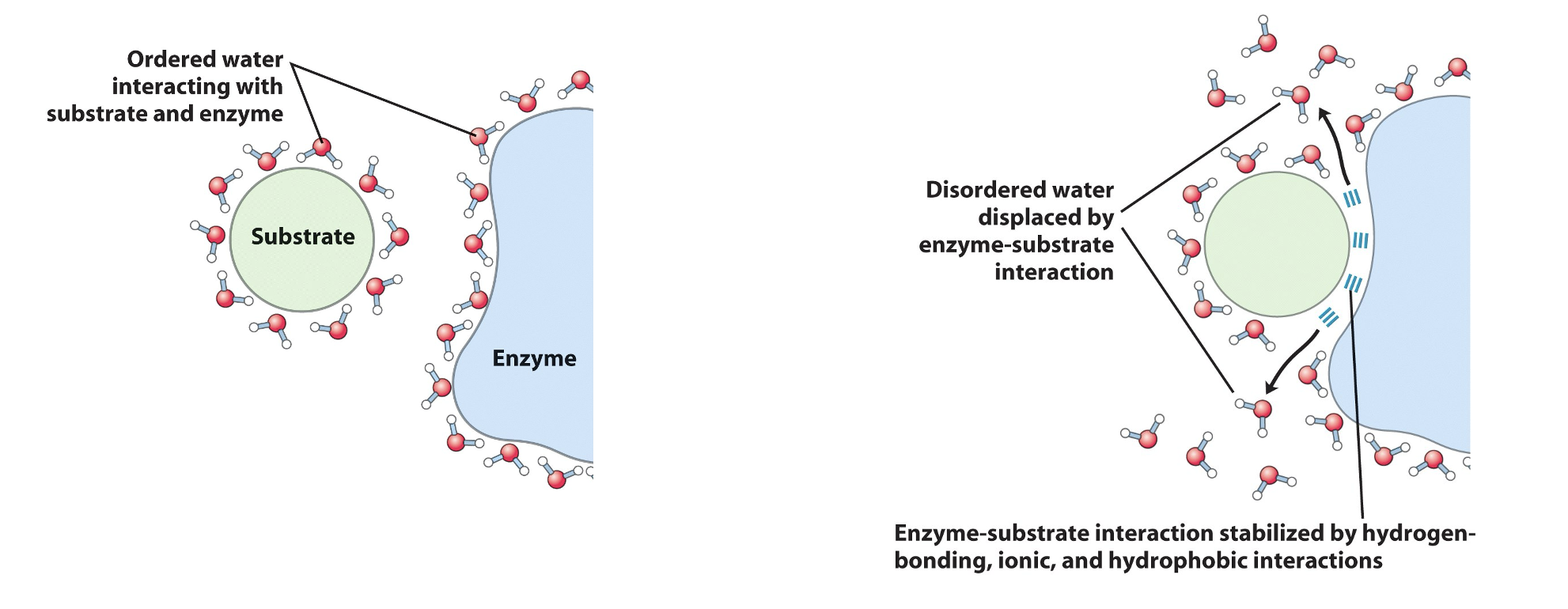
describe water helping substrates and ligands binding
binding of substrates, or ligands, “frees some water into bulk surrounding (increases entropy)
helps push formation of enzyme-substrate (ligand-receptor) complexes
describe how water is ionizable
when a water molecule dissociates, one of its polar H—O bonds breaks and the products are a proton (H+, H3O+) and a hydroxide ion (OH-)
dissociation of water is a rapid, reversible process
most water molecules remain un-ionized (the equilibrium is strongly to the left)
approx. 2/1,000,000,000 are ionized which matters because its at a high concentration
at about 55M, this ionization can be significant and affect biomolecule structure and function by altering the pH
although very weak, ionization is important in maintaining and regulating the body’s acid-base homeostasis
describe pH values and biological fluids
all aqueous solutions contain specific concentrations of positively charged hydrogen ions (H+) and negatively charged ions (OH-) and therefore all have pH
because these ions are the dissociation products of water, they are constituents of all living systems, and they are liberated by many reactions that take place between organic molecules within cells
the relative amount of ions can be measured and used for a pH scale
what are causes of acidosis (blood pH <7.35) in the body
severe diabetes
starvation
obstructive lung disease
binge drinking
hypoventilation (due to narcotics, sedatives, anesthesia)
what are causes of alkalosis (blood pH > 7.45) in the body
prolonged vomiting
ingestion of excessive amounts of alkaline drugs
hyperventilation (due to infection, drugs, hormones)
describe the effects of pH on the blood
the pH affects the structures and function of biomolecules—blood pH is commonly used in medical diagnoses
the pH range for blood that is compatible with human life is 6.8-7.8 with 7.35-7.45 being considered normal
if blood pH drops below 7.35, the central nervous system (CNS) becomes depressed, resulting in coma and eventually death
if blood pH rises above 7.45, the CNS is overexcited and muscles go into a state of spasm, leading to convulsions and respiratory arrest
microbes live over much broader pH ranges, and some at extremes
what are the different pH equations
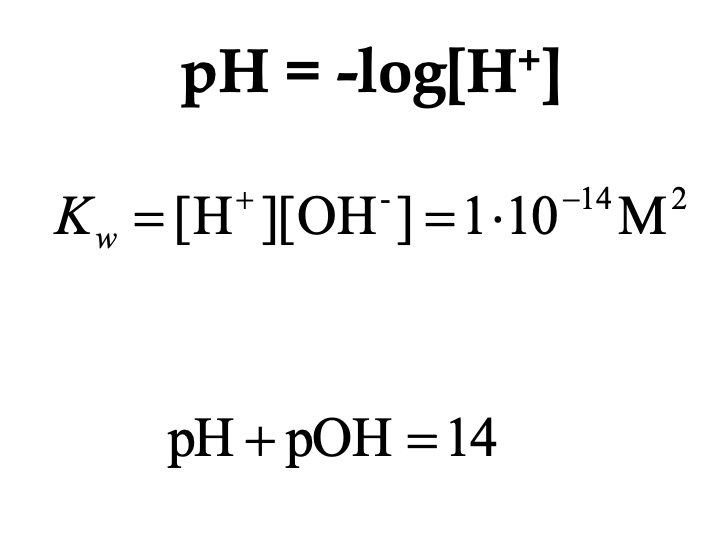
what happens when the concentration of hydrogen is greater than the concentration of OH
the blood is acidic
what happens when the concentration of hydrogen is smaller than the concentration of OH
the blood is basic
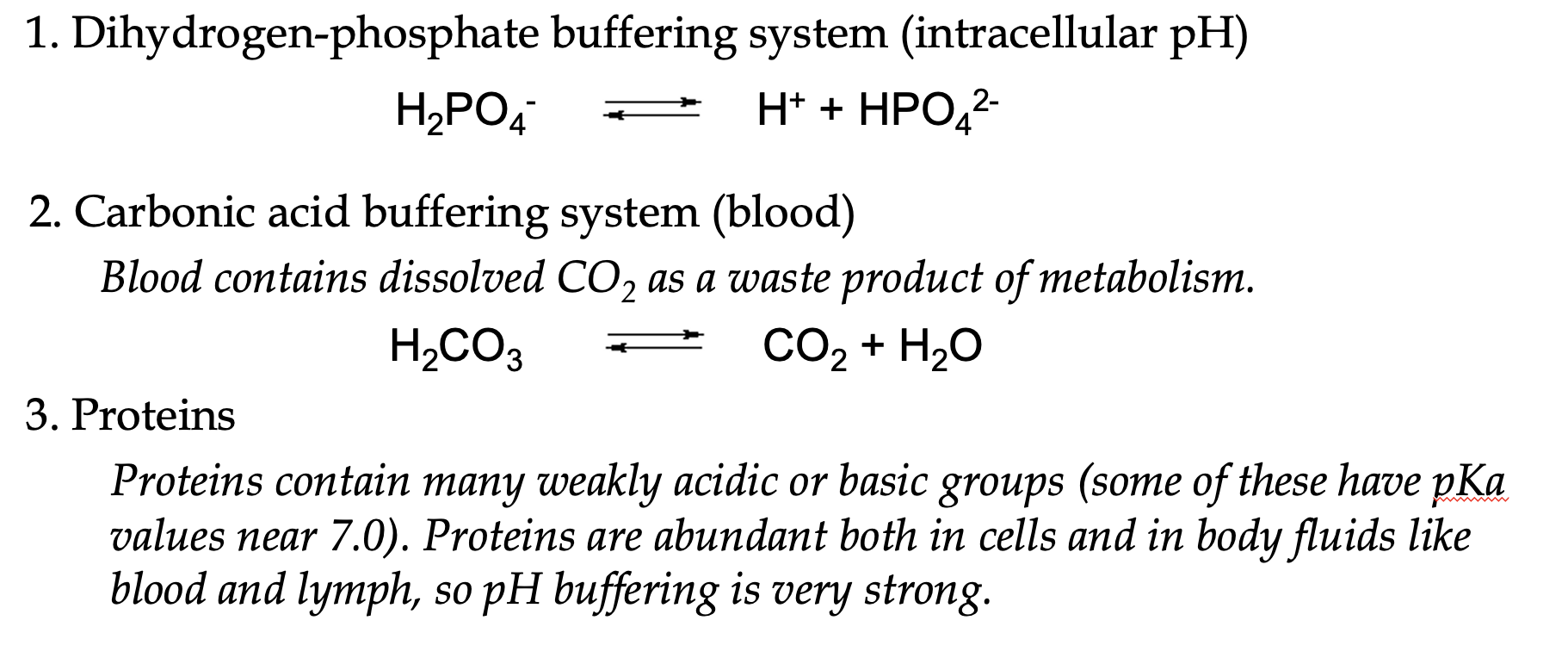
describe biological buffers that control the pH
an optimal acid-base balance is maintained in body fluids and cells despite large fluxes of metabolites
a buffer system protects the body from fluctuations in pH by “soaking up” excess H+ or OH-
abundant buffering systems in cells:
dihydrogen-phosphate buffering system (intracellular pH)
carbonic acid buffering system (blood)
proteins
describe the dissociation of strong acids
the dissociation is complete so the concentration of H+ is the same as the concentration of acid
describe the dissociation of weak acids
the dissociation is incomplete
extent of dissociation is determined by the acid dissociation constant Ka

what does a larger value for Ka mean
the stronger the acid
what does the lower the pKa mean
the larger the Ka and the stronger the acid
how are buffers able to work
resist the changes in pH because an equilibrium between the buffer’s components is established
at equilibrium, [conjugate acid] and [conjugate base] are large and therefore able to neutralize small amounts of other acids and bases when they are added to the solution
![<ul><li><p>resist the changes in pH because an equilibrium between the buffer’s components is established</p></li><li><p>at equilibrium, [conjugate acid] and [conjugate base] are large and therefore able to neutralize small amounts of other acids and bases when they are added to the solution</p></li></ul><p></p>](https://assets.knowt.com/user-attachments/1646162d-0ef6-4321-b65d-c84bd6b49b54.png)
what does a strong acid react with when mixed with a buffer
reacts with the weak base in the buffer to form a weak acid, which produces few H+ ions in solution and therefore only a little change in pH
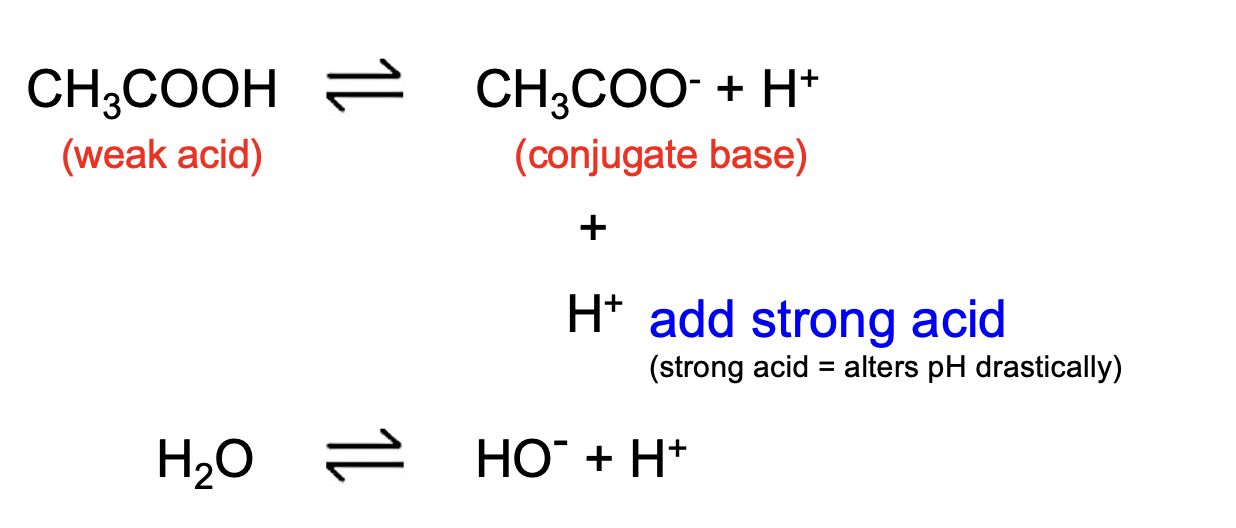
what does a strong base react with when mixed with a buffer
reacts with the weak acid to form water
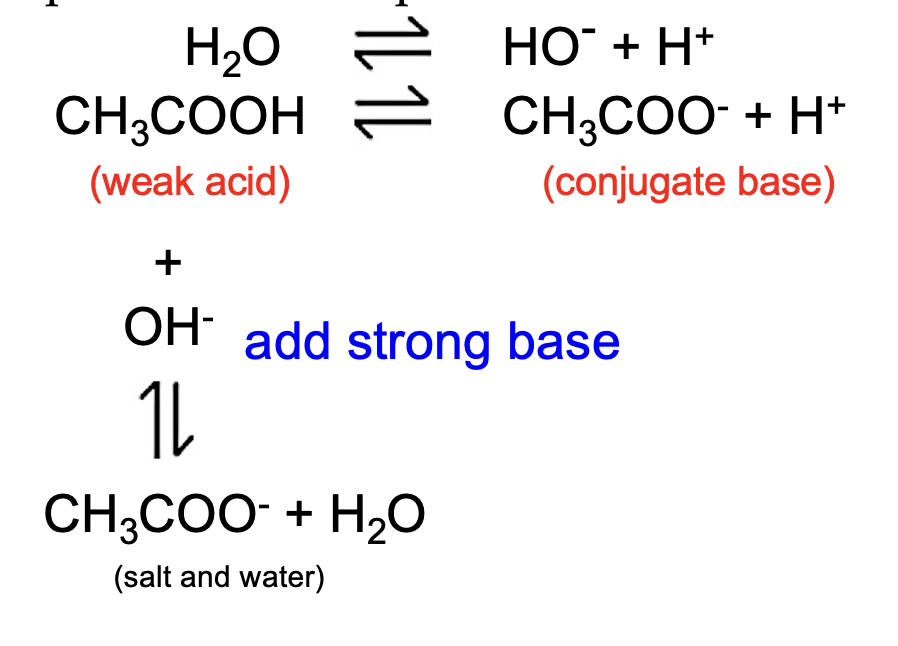
what is special when pH=pKa
there is a 50:50 mixture of acid and anion forms of the compounds
when the buffering capacity of acid/anion system is greatest
buffering capacity is lost when the pH differs from pKa by more than one pH unit
what does the titration curve of acetic acid look like

why do some molecules have multiple pKas
different functional gropus can add to the buffering zones

what is the Henderson-Hasselbalch Equation

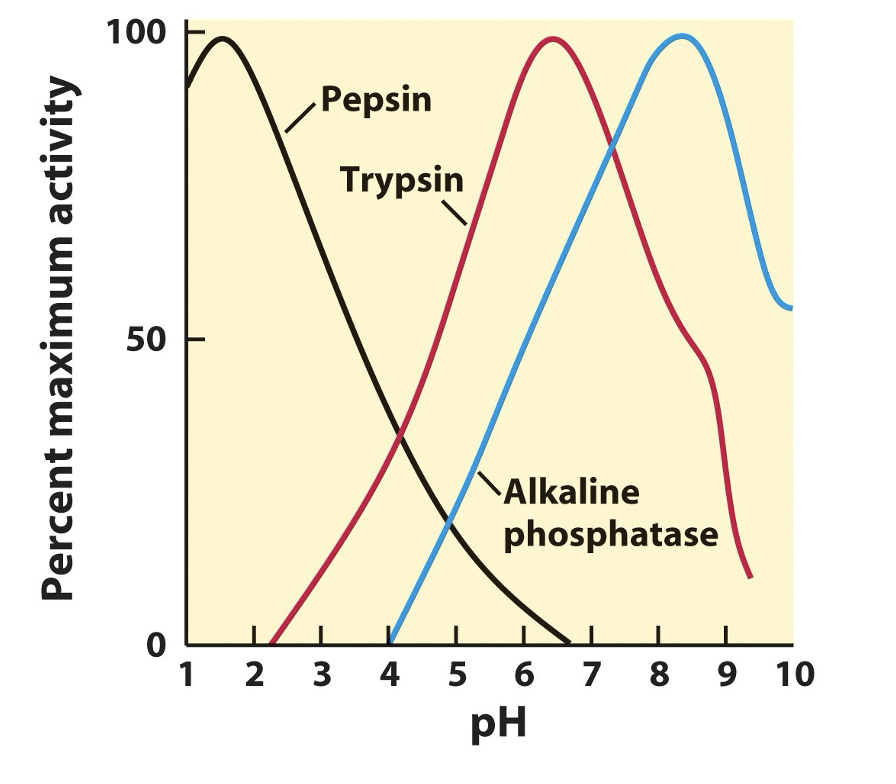
describe why enzymes have an optimum pH for activity
maintenance of a specific and constant pH, (typically near 7.0) is needed by cells and organisms—small changes in pH can have a large impact on rate of cellular processes
what are the main rolls of proteins
catalysis, transport, structure, motion
describe proteins for catalysis
enolase (in the glycolytic pathway)
DNA polymerase (in DNA replication)