NHA CCMA EXM
 Call Kai
 Learn
Learn Practice Test
 Spaced Repetition
 Match
Match Flashcards
 Knowt Play
1/720

There's no tags or description
Looks like no tags are added yet.
Name | Mastery | Learn | Test | Matching | Spaced | Call with Kai | Chat |
|---|
No analytics yet
Send a link to your students to track their progress
721 Terms
MA Scope of Practice: DO
Clinical:
Vitals, height/weight/BMI
12-lead ECG and rhythm strips
capillary and venous blood collection
waived CLIA/lab testing
Ear irrigation
Administer medication
Prep patients, supplies, and exam room real time documentation and update/verify patient information
Administrative: anything that doesn’t require a professional's judgment/medical license
Medications MAs can administer
PO, topical, inhaled, and injections per state law
MA Scope of practice: DO NOT
Clinical:
diagnose
interpret test results
change/adjust/prescribe medication/treatments
invasive/complex procedures
pelvic exams/pap smears
sedate
act outside of training, policy, or state law
Administrative:
give medical advice (in person/over the phone)
Prescribe medications
Sign official orders/plans
Obtain formal informed consent
POCT (Point of Care Testing) - allowed
Urinalysis (UA), blood glucose, pregnancy test, strep A, flu A and B, COVID, Occult Blood (FIT), RSV (if waived)
Lab Specimen Collection: allowed
Capillary (finger or heel stick), Venous (venipuncture)
Diagnostic tests: allowed
12-lead ECG & rhythm strips, spirometry (if trained and permitted)
When required, always make sure get …
Provider order
What to do with abnormal findings
Report immediately
When to escalate to provider
abnormal vital signs, critical lab or POCT results, medication reactions, patient distress, any task outside scope of practice, questions/concerns
True or False: regulations and policies are the same in every state and for every employer
false
Government - role in healthcare system
create laws, policies, and fund health programs
Financing - role in healthcare system and examples
Pay for healthcare services. Ex: insurance companies, medicare, medicaid
Providers
Doctors, nurses, allied health professionals, and other healthcare workers
Facilities
place where healthcare is provided
patients
receive care and follow treatment plans
Private healthcare
run by individuals or businesses for profit
Public healthcare
run by government and funded by taxes
not-for-profit healthcare
run by organizations that use money to improve services, not for profit
managed care
combines insurance and healthcare services to control costs and improve quality
Ambulatory/outpatient care
patients go in and out the same day
Ambulatory care examples
physician offices, clinics, urgent care, outpatient surgical centers, diagnostic and imaging centers
Ambulatory care focus
prevention, early detection, treatment that doesn’t require overnight stay
Inpatient/Acute care
patients stay overnight for medical care and treatment
Inpatient care examples
Hospitals, ICU, maternity units, surgical units, emergency department
Inpatient care focus
treating serious illness, injuries, and conditions that require 24 hour care
Long-term/continuing care
care for people with chronic conditions or disabilities
Long-term care examples
Nursing home, assisted living, rehab, hospice, home health care
Long-term care focus
help with daily activities, recovery, comfort, and maintaining quality of life
Community care/public health
services that promote and protect community health
community care examples
health departments, immunization clinics, WIC programs, school health and health education services
community care focus
prevention, education, and improving community health
Physicians
diagnose and treat illnesses
Nurses
provide and coordinate patient care
MA
support clinical and administrative tasks
Allied health professionals
Lab tech, phlebotomists, radiology techs, PTs, etc
administrators
manage and organize healthcare services
Spoken words on the phone are an example of what type of communication (verbal, nonverbal, written, electronic)
verbal
tone of voice is an example of what type of communication (verbal, nonverbal, written, electronic)
nonverbal
To effectively communicate, be…
respectful, clear, concise, complete, concrete, correct, courteous, considerate, confidential, and a good listener
effective communication allows for
safe, high quality patient care
barriers to effective communication
noise, environment, language, cultural differences, emotional/physical/technological barriers
therapeutic communication techniques
Open ended questions (what/how/why), close ended questions (is/are/do), active listening, reflecting, summarizing back to patient, clarifying
best communication technique for building rapport
active listening
Communicating with patients
greet patient and introduce yourself
use patients name
explain procedures in simple terms
speak clearly at normal pace
eye contact
caring attitude
respect privacy and cultural differences
encourage questions
thank the patient
Make patients feel
heard, safe, respected
SBAR
Situation - Background - Assessment - Recommendation: use for reports and updates for healthcare teams
communicating with the healthcare team
SBAR
Share accurate and complete info
ask questions
follow chain of command
be professional and respectful
Documentation
chart facts only
accurate, clear, complete, timely
correct spelling and grammer
NEVER guess
Poor communication leads to
misunderstandings, errors, poor patient care
Teach-back method
Ensure patients understand instructions by having them repeat them back in their own words. Clarify and re-explain if needed
Low health literacy: what to do
simple words and short sentences
avoid medical jargon
speak slowly and clearly
use visuals, models, or written instructions
teach-back method
Cultural competency: what to do
be respectful and open-minded; avoid assumptions or stereotypes
ask about beliefs or preferences that might affect care
inclusive language
respect privacy and personal boundaries
Translators/interpreters: best practices
use professionl medical interpreters when available
introduce the interpreter and explain their role
speak to patient not interpreter
use short setnances and pause to allow time for interpretation
maintain confidentiality
teach-back method
Nonverbal communication: what to do
maintain eye contact
calm, friendly tone
smile and nod to show empathy and understanding
sit at eye level
be aware of personal space and touch
pay attention to nonverbal cues
Nonverbal clues to look for
confusion, discomfort, pain, fear, anxiety
Superior/cranial
towards head
inferior
towards feet
medial
towards midline
lateral
away from midline
proximal
closer to point of limb attachment or trunk
distal
farther from trunk
dorsal
toward the back
ventral/anterior
toward the front
superficial/external
toward or at the body surface
deep/internal
away from body surface, closer to core
flexion
decrease angle between bones
abduction
move away from midline
medial rotation
rotate towards midline
extension
increases angle between bones
adduction
move towards midline
lateral rotation
rotate away from midline
sagittal plane
divides body into right and left
frontal/coronal plane
divides body into front and back
tranverse/horizontal
divides body into upper and lower
midline
imaginary line that divides body into equal left and right halves
bilateral
applies to both sides of the body
unilateral
applies to one side of the body
ipsilateral
on the same side
contralateral
on the opposite side
caudal
towards tailbone or lower part
palmar/volar
palm of hand
plantar
sole of foot
olfactory
regarding sense of smell
oral
regarding mouth
antebrachial
regarding forearm
popiteal
regarding back of knee
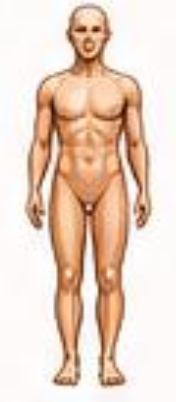
anatomical
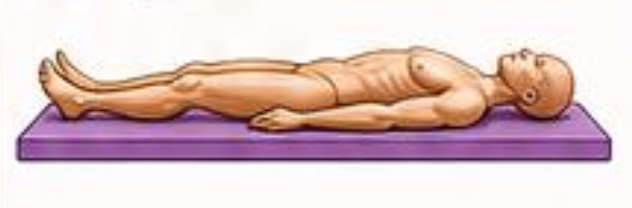
supine/horizontal recumbent
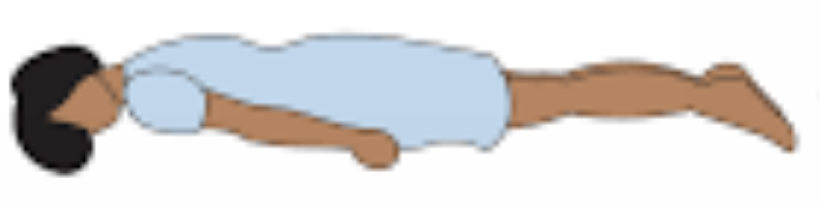
prone
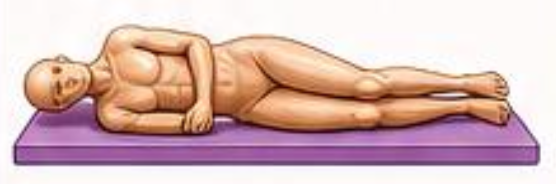
lateral recumbent
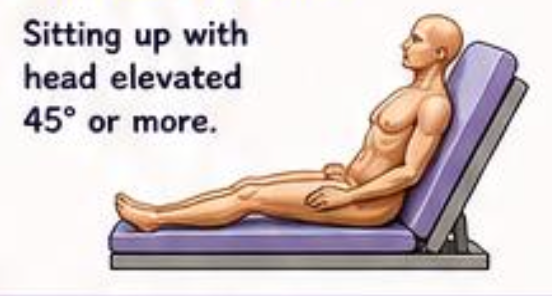
fowler’s
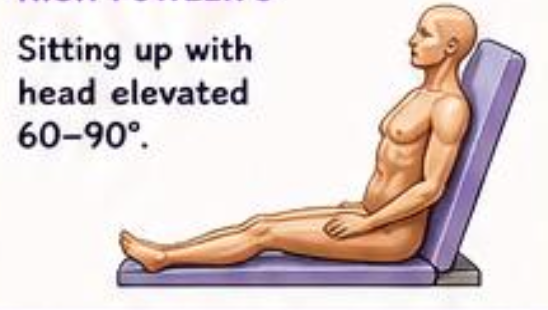
high fowler’s
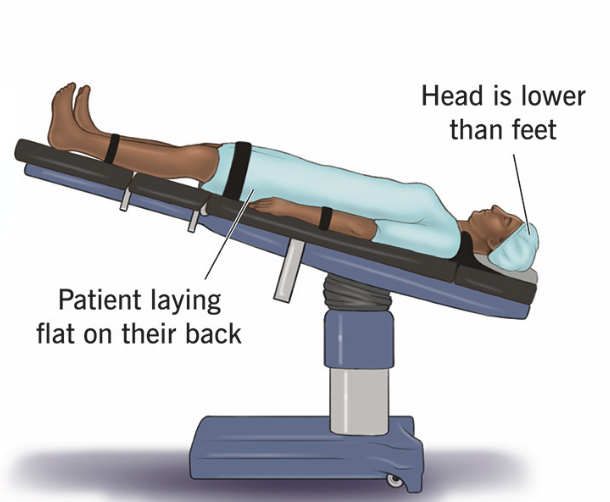
trendelenburg
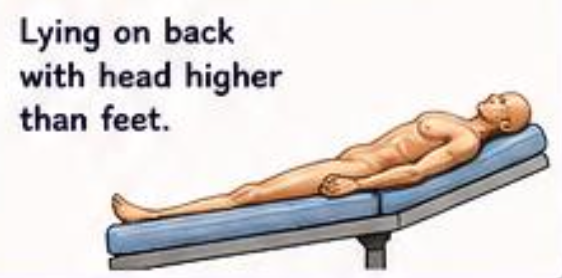
reverse trendelenburg

sims’ position

head of bed elevated 30-45 degrees
semi-fowler’s

knee-chest (genupectoral)

prone with pillow

lithotomy

head of bed elevated less than 30 degrees
semi-recumbent