Biorefinery Finals - Part I
0.0(0)
Studied by 1 person Call Kai
 Learn
Learn Practice Test
 Spaced Repetition
 Match
Match Flashcards
 Knowt Play
Card Sorting
1/492

Earn XP
Last updated 1:25 PM on 2/14/23
Name | Mastery | Learn | Test | Matching | Spaced | Call with Kai | Chat |
|---|
No analytics yet
Send a link to your students to track their progress
493 Terms
1
New cards
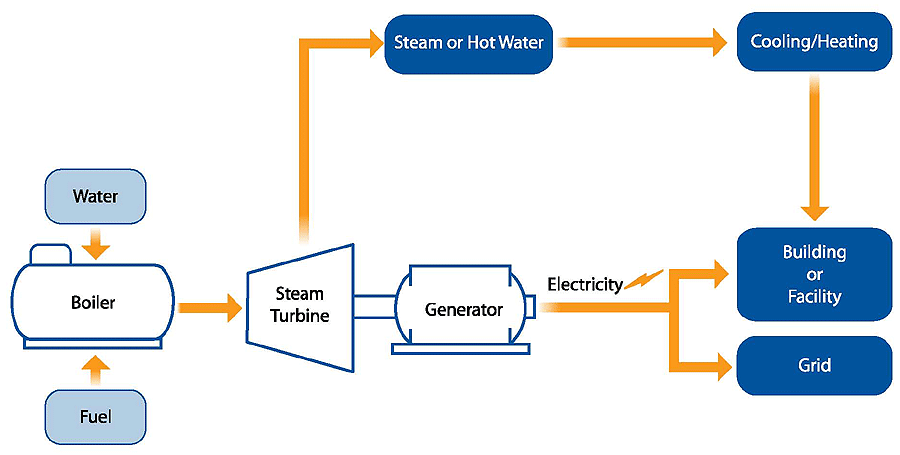
Schematic Diagram of Cogeneration of Heat & Power
2
New cards
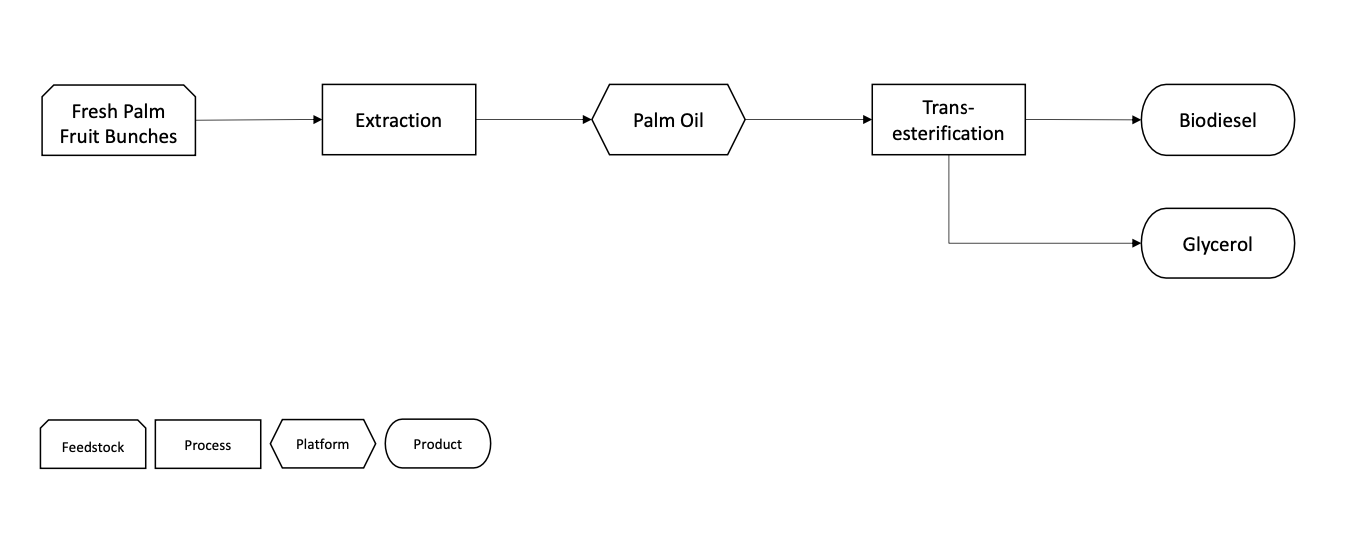
Biorefinery Type I
3
New cards
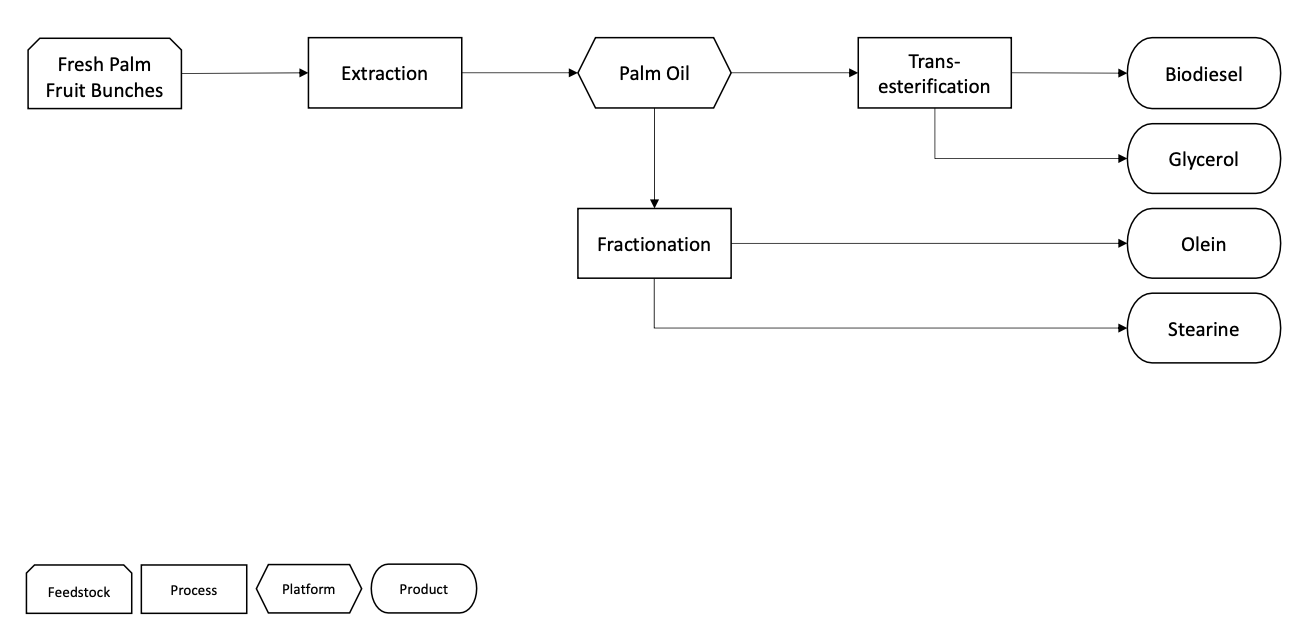
Biorefinery Type II
4
New cards
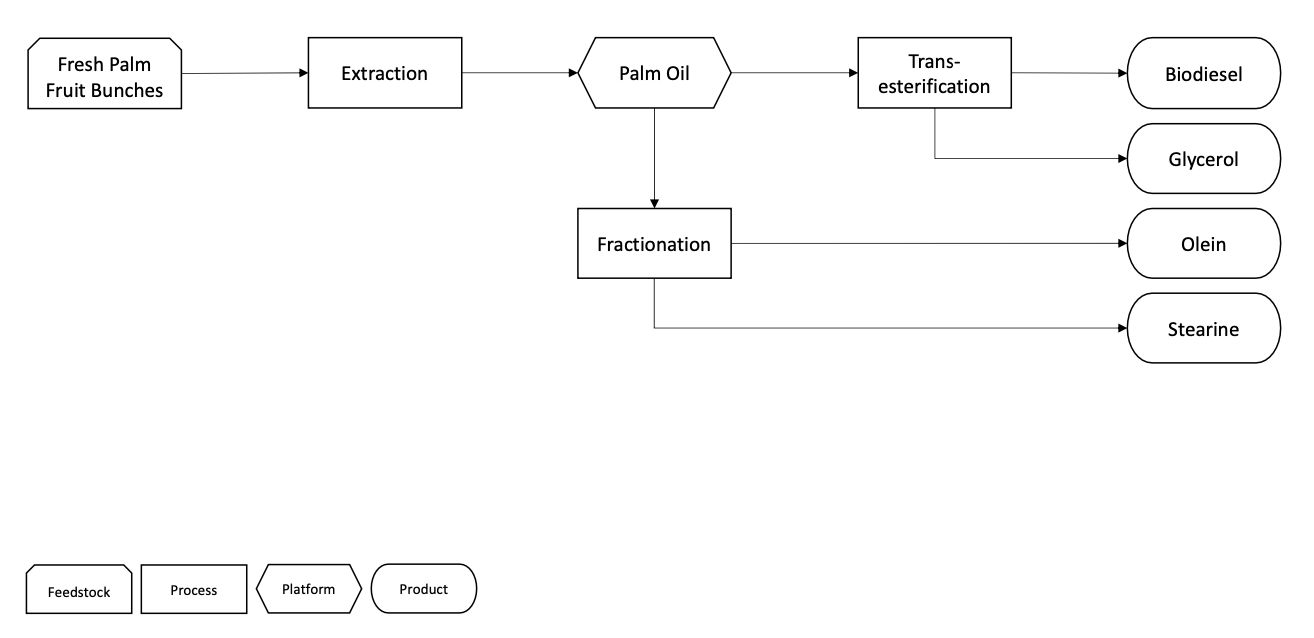
Biorefinery Type III
5
New cards
crude oil
Oil refineries convert _____ to products.
6
New cards
biomass
Biorefinery convert ____ to products.
7
New cards
trap the heat
GHG emission ________ on earth.
8
New cards
2050
Malaysia Carbon Neutral by ______
9
New cards
Carbon Capture & Storage (CCS)
current effort by oil & gas companies. It involves capturing, transporting and storing greenhouse gas emissions from fossil fuel power stations, energy intensive industries, and gas fields by injecting the captured greenhouse gases back into the ground.
10
New cards
Biorefining
is the sustainable processing of biomass into a spectrum of marketable products and energy.
11
New cards
Biorefinery
is a facility that integrates biomass conversion processes and equipment to produce fuels, power, and chemicals from biomass.
12
New cards
Biomass
anything derive from plant, animal & microbial
13
New cards
Biomass from animals
example products: biogas, protein extract, milks & its derivatives, enzymes
14
New cards
Biomass from plants
example products: heat/energy, composite, cooking oil, sugar, vitamins, essential amino acids, fatty acid derivatives or oleochemicals
15
New cards
Biomass from microbes
example product: Biofuel from cyanobacteria (blue‐green algae), cellulose from *Acetobacter xylinum* *& Gluconacetobacter xylinus.*
16
New cards
Biocompost
used as fertilizer soil conditioner, a type of organic fertilizer produced through the aerobic decomposition of organic waste in a controlled environment, providing essential plant nutrients and improving soil health
17
New cards
Biogas
used as cooking gas, produced through the anaerobic digestion of organic matter in a biorefinery
18
New cards
Biochar
used as soil conditioner and adsorbent, a stable, carbon-rich material produced by the pyrolysis of organic matter, commonly used as a soil amendment to improve soil fertility, water retention, and carbon sequestration
19
New cards
Biodiesel
used as fuel for diesel engine, renewable, biodegradable fuel made from vegetable oils, animal fats, or recycled cooking grease, used as an alternative to petroleum diesel to reduce greenhouse gas emission and dependence on fossil fuels
20
New cards
Bioethanol
use as fuel for automobile, renewable alcohol fuel produced through the fermentation of sugar or starch from crops such as corn, sugarcane, or wheat commonly used as an alternative to gasoline to reduce ghg emissions and dependence on fossil fuels
21
New cards
Charcoal
used as solid fuel, a porous, black solid material produced by heating wood or other organic matter in a low oxygen environment, used as fuel, in water purification, and in the production of iron and steel
22
New cards
Platform/Intermediate Chemical
is a compound that leads to a number of products. Examples: triglycerides (from plant oils, fat, waste cooking oil), glycerol, fatty acids, sugars, syngas
23
New cards
Triglycerides
major component of many natural lipids. Can be converted into biodiesel. Soaps. Plastics.
24
New cards
Glycerol
simple, colorless, and odorless alcohol compound with the chemical formula C3H8O3. It is a by-product of the production of biodiesel from vegetable oils and animal fats. Used as a component in pharmaceutical products such as cough syrups. Used in cosmetics such as lotions. Humectant and sweetener in food. Antifreeze in refrigeration and air condition systems, as well as engine coolants.
25
New cards
Fatty Acids
are organic molecules that consist of a long hydrocarbon chain with a carboxylic acid functional group (-COOH) at one end. They are the building blocks of fats and oils, which are widely found in nature.
26
New cards
Sugars
also known as saccharides, are a type of carbohydrate that play an important role in biorefineries as platform or intermediate chemicals. They can be produced from various renewable sources, such as sugarcane, corn, and beets, and can be transformed into a variety of high-value products through chemical and biochemical processes.
27
New cards
Syngas
is a mixture of carbon monoxide (CO) and hydrogen (H2) that is produced through gasification or partial oxidation processes. It can be produced from various renewable sources, such as biomass, municipal waste, and agricultural residues and can be turned into methanol, hydrogen, synthetic natural gas.
28
New cards
Processing Technologies
pretreatment, reaction, purification/separation
29
New cards
Pretreatment
physical, chemical, physicochemical, thermochemical, biological
30
New cards
Reaction
hydrolysis, transesterification, gasification, pyrolysis, hydrothermal liquefaction, fermentation / saccharification
31
New cards
Purification / separation
distillation, evaporation, extraction, adsorption, chromatography
32
New cards
feedstock, platform, product, processing technologies
Biorefinery system/plant consists of these elements:
33
New cards
feedstock
using biomass
34
New cards
Platform
component that has potential for valorisation / derivatization
35
New cards
Product
high demand, recyclable, biodegradable
36
New cards
Valorization
refers to the process of converting a raw material into a high-value product through chemical or biochemical transformations
37
New cards
maximize
The objective of valorization is to ____ the economic and environmental benefits of a raw material by using it to produce a range of valuable products, rather than simply disposing of it.
38
New cards
Economy of Scale
cost per unit output decreasing with increasing scale
39
New cards
Thermal & catalytic cracking
processes in oil refining that use high heat, pressure, and/or a catalyst to break down heavy crude oil into lighter and more valuable products like gasoline, diesel, and aviation fuel.
40
New cards
Reforming
is a process in oil refining that uses heat, pressure, and a catalyst to convert lower-value naphtha into higher-value products such as gasoline and hydrogen by rearranging the molecular structure of the hydrocarbons.
41
New cards
Hydrotreatment
a set of operations that remove sulfur and other impurities
42
New cards
Biomass Gasification
a mature technology pathway that uses a controlled process involving heat, steam, and oxygen to convert biomass to hydrogen and other products, without combustion.
43
New cards
Pyrolysis
biorefinery process that converts organic materials, such as biomass or waste, into a liquid bio-oil through heating in the absence of oxygen.
44
New cards
Fermentation
a biorefinery process that converts organic matter, such as biomass or waste, into useful chemicals, fuels, or energy through the action of microorganisms, such as yeast or bacteria, that break down the organic matter into simpler compounds.
45
New cards
Anaerobic Digestion
a biorefinery process that uses microorganisms, such as bacteria, to break down organic matter in the absence of oxygen and produce biogas, a mixture of methane and carbon dioxide, as well as a solid residue called digestate.
46
New cards
Hydrocracking
is a refining process that uses hydrogen and a catalyst to convert heavy, high-molecular-weight hydrocarbons into lighter, more valuable products. The process is commonly used in oil refineries to convert heavy crude oil into lighter and more valuable products, such as gasoline, diesel, and jet fuel.
47
New cards
Bioseparation
process used in biorefineries to separate and purify different components from a mixture of biomass or other renewable feedstocks using biological systems, such as enzymes or microorganisms.
48
New cards
Preprocessing for Oil Refineries
3-phase separator, 2-phase separator, desalting
49
New cards
Pretreatment
physical, chemical, thermochemical, physicochemical & biological
50
New cards
Hydrocracking
is a refining process that upgrades heavy or high-sulfur petroleum feedstocks into lighter, high-value products such as diesel fuel and kerosene.
51
New cards
Hydrotreater
is a refining unit in an oil refinery that removes impurities such as sulfur, nitrogen, and metals from petroleum feedstocks by catalytically reacting them with hydrogen under high temperature and pressure.
52
New cards
Hydrodesulfurization
key step in the refining process that removes sulfur impurities from petroleum feedstocks by reacting them with hydrogen under high temperature and pressure in the presence of a catalyst, resulting in the production of cleaner fuels that meet low-sulfur specifications.
53
New cards
Fluid Catalytic Cracking
is a refining process in which heavy petroleum feedstocks are converted into lighter, high-value products such as gasoline and diesel fuel by breaking down large hydrocarbon molecules into smaller ones using a catalyst in a fluidized bed reactor at high temperatures.
54
New cards
Pyrolysis
thermal process that convert biomass into valuable products such as bio-oil, biochar, and syngas by heating it in the absence of oxygen, breaking down the organic matter into its constituent components and retaining the carbon content in solid form as biochar.
55
New cards
Gasification
process in a biorefinery that converts biomass into syngas (a mixture of carbon monoxide and hydrogen) by partially oxidizing it with air or oxygen and steam in a gasifier at high temperatures, producing a clean and renewable source of energy that can be used as a fuel or converted into various chemical products.
56
New cards
Fermentation
biological process that converts sugars derived from biomass into alcohol (such as ethanol) and organic acids (such as lactic acid or carbonic acid) through the action of microorganisms, providing valuable building blocks for the production of biofuels, chemicals, and materials.
57
New cards
Anaerobic Digestion
a process that converts biomass into biogas (primarily methane and carbon dioxide) through the action of microorganisms in the absence of oxygen, providing a renewable source of energy and reducing the organic waste.
58
New cards
Transesterification
is a chemical process that converts lipids (such as vegetable oils and animal fats) into biodiesel by reacting them with an alcohol (such as methanol or ethanol) in the presence of a catalyst, producing a renewable, biodegradable, and low-emission diesel substitute.
59
New cards
Hydrolysis
process that breaks down complex biomolecules (such as carbohydrates, proteins, or lipids) into simpler compounds (such as sugars, amino acids, or fatty acids) using water and enzymes, providing valuable building blocks for the production of biofuels, chemicals, and materials.
60
New cards
Saponification
chemical process that converts lipids (such as vegetable oils or animal fats) into soap by reacting them with an alkaline solution (such as sodium hydroxide), providing a renewable alternative to traditional petrochemical-based soap products.
61
New cards
Isomerization
is an upgrading process in which straight-chain hydrocarbons are converted into branched-chain isomers, improving the octane number and therefore the performance of gasoline fuels.
62
New cards
Alkylation
upgrading process that combines low-molecular-weight olefins with isobutane to produce high-octane alkylate, which is a premium component of gasoline fuels.
63
New cards
Esterification
upgrading process that converts carboxylic acids and alcohols into esters (such as biodiesel), improving the properties of biofuels and providing a renewable alternative to traditional petroleum-based fuels.
64
New cards
Hydrogenation
upgrading process that adds hydrogen atoms to unsaturated fatty acids in lipids (such as vegetable oils or animal fats), resulting in the formation of saturated fatty acids and improving the stability and performance of biofuels.
65
New cards
synthesis process
The goal of the _____ is to produce high-value products from renewable resources while minimizing waste and reducing the carbon footprint of the production process.
66
New cards
Atmospheric distillation
separation process in oil refineries in which crude oil is heated and the resulting vapors are separated into various fractions, such as naphtha, kerosene, diesel, and gas oil, based on their boiling points under atmospheric pressure, to produce different fuels and chemicals.
67
New cards
Vacuum distillation
part of the refining process that helps to produce petroleum products out of the heavier oils left over from atmospheric distillation.
68
New cards
Vacuum Distillation
It is a separation process in oil refineries in which crude oil is heated under reduced pressure to separate its components into different fractions based on their boiling points, resulting in the production of heavier fuel oils and residuals.
69
New cards
Solvent Extraction
is a process which involves extracting oil from oil-bearing materials by treating it with a low boiler solvent as opposed to extracting the oils by mechanical pressing methods (such as expellers, hydraulic presses, etc.)
70
New cards
Stripping
is a separation process in oil refineries that involves removing unwanted components, such as residual solvents, from a mixture using a stream of a stripping gas, such as nitrogen or steam, to produce purified products.
71
New cards
Adsorption
separation process in biorefineries where target compounds are selectively adsorbed, or attracted and held, onto a solid adsorbent material to separate and purify the target compounds from a mixture.
72
New cards
Solvent absorption
is a separation process in biorefineries where a mixture is passed through a column containing an adsorbent material and a specific solvent, resulting in the selective adsorption of the target components, which can then be easily eluted from the column to obtain purified product.
73
New cards
Chromatography
is a separation process in biorefineries where a mixture is passed through a column containing a stationary phase and a mobile phase, causing different components to separate based on their individual interaction with the stationary phase, resulting in the purification of specific compounds.
74
New cards
Cogeneration of heat & power
simultaneous production of electricity and thermal energy from a single fuel source
75
New cards
Improve energy conversion
a combined heat & power (CHP) __________ efficiency of power generation for biorefinery plant
76
New cards
Heat & water integration
implementation of __________ can reduce the energy & fresh water demand as well as minimizing waste water volume.
77
New cards
Heat & water integration
refers to the optimization of the use of heat and water resources to increase efficiency, reduce costs, and improve sustainability in the conversion of biomass into valuable products.
78
New cards
Economic of Scale
The production cost could be reduced by increasing the scale of production. For example, automation reduces dependency of human labor, while increasing the productivity.
79
New cards
huge capital investment
Biorefinery that aims for product diversification from multiple sources of feedstocks could lead to bad economic feasibility due to the _______ required, yet low quantity produced or low demand for derivatized products.
80
New cards
Type I
single feedstock, fixed process, and no product diversification
81
New cards
Type I
biodiesel plant using vegetable oils, which have no process flexibility and produce fix amount of fuels and no coproducts
82
New cards
Type II
single feedstock, multiple and flexible processes, and product diversification
83
New cards
Type II
biorefinery plant using crude palm oil with various processes to adapt multiple productions (biofuel, biolubricant, fertilizer, animal feed & etc.) depending on product demands and market prices
84
New cards
Type III
multiple feedstocks, highly integrated and flexibly processes for production of highly diverse portfolio of products
85
New cards
Type III
biorefinery plant that utilizes more than one feedstock for conversion into multiple products and including the high value products
86
New cards
Energy conversion efficiency
energy input < energy output (biorefinery process indicator)
87
New cards
Cumulative primary energy
low consumption of primary resource of energy (biorefinery process indicator)
88
New cards
Abiotic resource use
preserve the usage of nonrenewable resources such as water, land, minerals & etc (biorefinery process indicator)
89
New cards
Land Use
less land used per unit biomass production (biorefinery process indicator)
90
New cards
Water Use
fresh water use must be recoverable (biorefinery process indicator)
91
New cards
Greenhouse gas emission
not causing greenhouse effect (biorefinery process indicator)
92
New cards
Eutrophication
(over enrichment of nutrients), maintain nutrients composition to preserve aquatic life (biorefinery process indicator)
93
New cards
Acidification
low sulfur and nitrogen oxide gas emissions which causes acid rains (biorefinery process indicator)
94
New cards
Photochemical oxidation potential
low volatile organic carbon emission to prevent ground level ozone formation (biorefinery process indicator)
95
New cards
Aquatic toxicity
no toxic substance emissions to water bodies (biorefinery process indicator)
96
New cards
Economic Margin
profitable (biorefinery process indicator)
97
New cards
higher energy output
Biomass is a good source of energy. However, the energy yield is still not satisfactory. Should aim for _______ over the potential energy input.
98
New cards
lower primary energy consumption
Increasing the scale of biorefinery for product diversification purposes (requires high energy usage from the grid (the primary source of energy). A _______ is possible with the CHP.
99
New cards
minimize
Biorefinery should _____ the use of non-renewable resources such as crude oil, coal & metal catalysts (molybdenum, platinum, ruthenium & nickel).
100
New cards
Abiotic Resource
non-living natural resource, such as minerals, fossil fuels, and other non-renewable resources, that is formed from geological processes and used by humans for various purposes.