USA - transition work - section 3 - forging the nation
 Call Kai
 Learn
Learn Practice Test
 Spaced Repetition
 Match
Match Flashcards
 Knowt Play
1/9

There's no tags or description
Looks like no tags are added yet.
Name | Mastery | Learn | Test | Matching | Spaced | Call with Kai | Chat |
|---|
No analytics yet
Send a link to your students to track their progress
10 Terms
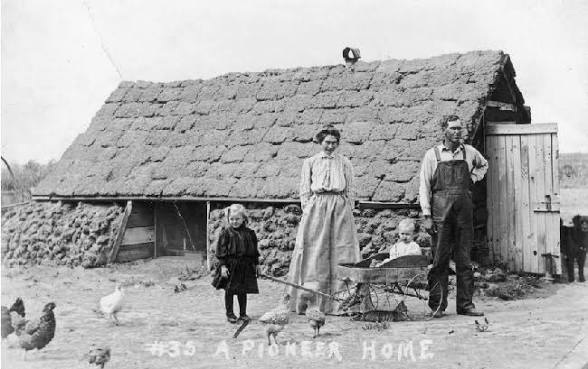
Who were the Homesteaders?
Settlers—including American families, European immigrants, and freed slaves (Exodusters)—who claimed land on the Great Plains under the 1862 Homestead Act.
What problems were there for farmers on the Plains?
Extreme climate (droughts, blizzards), lack of timber for fuel/fencing, dense prairie sod difficult to plough, grasshopper plagues, social isolation, and expensive railroad freight rates.
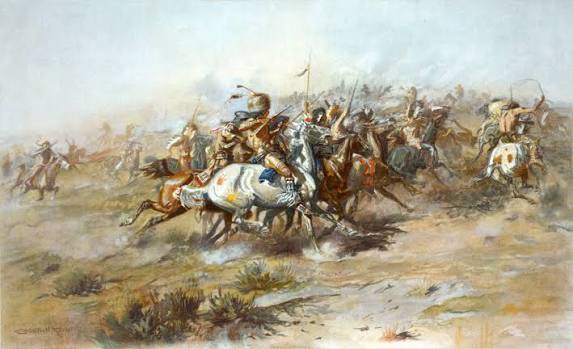
What happened during the Great Sioux War (1876–1877)?
Conflict triggered by white gold prospectors invading the sacred Black Hills (violating the Fort Laramie Treaty). It included Custer’s defeat at the Battle of Little Bighorn, but ultimately ended with the defeat and reservation containment of the Sioux and Cheyenne.
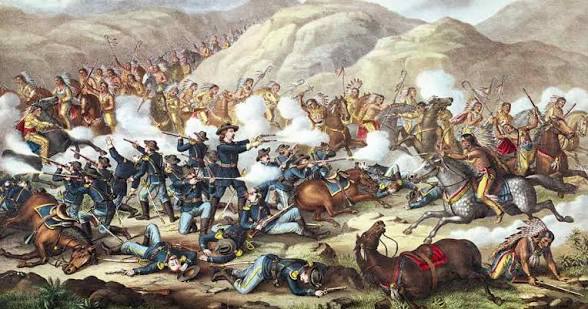
Who was involved in the Great Sioux War, what were the consequences, and what was the Wounded Knee Massacre (1890)?
War: Lakota Sioux/Cheyenne (led by Sitting Bull & Crazy Horse) vs US Army. Consequence: Forced surrender of the Black Hills and destruction of Plains Indian independence.
Wounded Knee Massacre (1890): US 7th Cavalry disarmed a group of Ghost Dancers at Wounded Knee Creek, killing 150–300 Lakota men, women, and children. Marked the end of armed Native resistance on the Plains.
When were African Americans freed from slavery?
1863: Lincoln issued the Emancipation Proclamation (freed slaves in Confederate-held territory).
December 1865: The 13th Amendment officially abolished slavery nationwide.
What does Reconstruction mean and what did Southern states have to do after the Civil War?
The era (1865–1877) focused on rebuilding the South and readmitting former Confederate states to the Union.
Requirements: Southern states had to rewrite state constitutions, ratify the 13th, 14th, and 15th Amendments, abolish slavery, and take oaths of loyalty to the Union.
Who were the main political groups in America after the Civil War?
Republicans: Divided into Radical Republicans and Moderate Republicans.
Democrats: Divided into Northern Democrats and Southern/Conservative Democrats (Bourbon Democrats).
What were the aims of the main political groups during Reconstruction?
Radical Republicans: Punish former Confederates, protect civil and voting rights for freedmen, enforce strict military Reconstruction.
Moderate Republicans: Reorganise Southern states quickly, secure basic emancipation, and preserve national unity.
Southern Democrats: Restore white supremacy, reclaim local political power ("Redemption"), and end Northern military occupation.
What are the rights of individual states in America?
Under federalism (specifically the 10th Amendment), states retain reserved powers not explicitly granted to the federal government—including managing intra-state commerce, local taxation, public education, policing, and electoral regulations.
How is the system of governing in America different from Britain?
USA: Written Constitution, Federal system (power split between national and state governments), Republic with an independently elected President, rigid separation of powers with checks and balances.
Britain: Unwritten/uncodified Constitution, Unitary state (centralised power in Westminster), Constitutional Monarchy with a Parliamentary system (Executive drawn directly from Parliament).