Abstract Expressionism
 Studied by 0 people
 Call Kai
 Learn
Learn Practice Test
 Spaced Repetition
 Match
Match Flashcards
 Knowt Play
1/21

There's no tags or description
Looks like no tags are added yet.
Name | Mastery | Learn | Test | Matching | Spaced |
|---|
No study sessions yet.
22 Terms
Modernism Affirms the Power of Human Beings
• Make
• Improve
• Deconstruct
• Design
• Reshape
Theatre de la mode
Creating small scale replicas to show their clients, how French fashion survived WWII
Traditional Art Forms:
Fundamentally about order
The more ordered the better society
Why as art and design changed so readily since 1863?
The industrial revolution- started in textile mills
New technologies
Rising middle class
Mass production
Capitalism and consumption culture- Now happens way faster (1980-now)
American post-world War II art movement
Started in New york, called them selves the NY School, First specfically american movement to achieve worldwide influence action painters and color field painters, along with sculptors, poets, writers, fiber artists and more.
Image of being
rebellious, anarchic, and
emotionally intense
• Paintings in this
movement were usually
very large and required
careful planning
• Attracted the attention
of the CIA in the 1950s
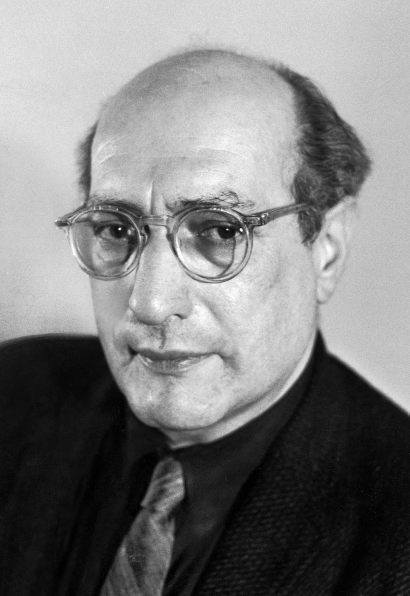
Mark Rothko (1903-1970)
Was known as a color field painter
Wanted to see the end of totalarinism
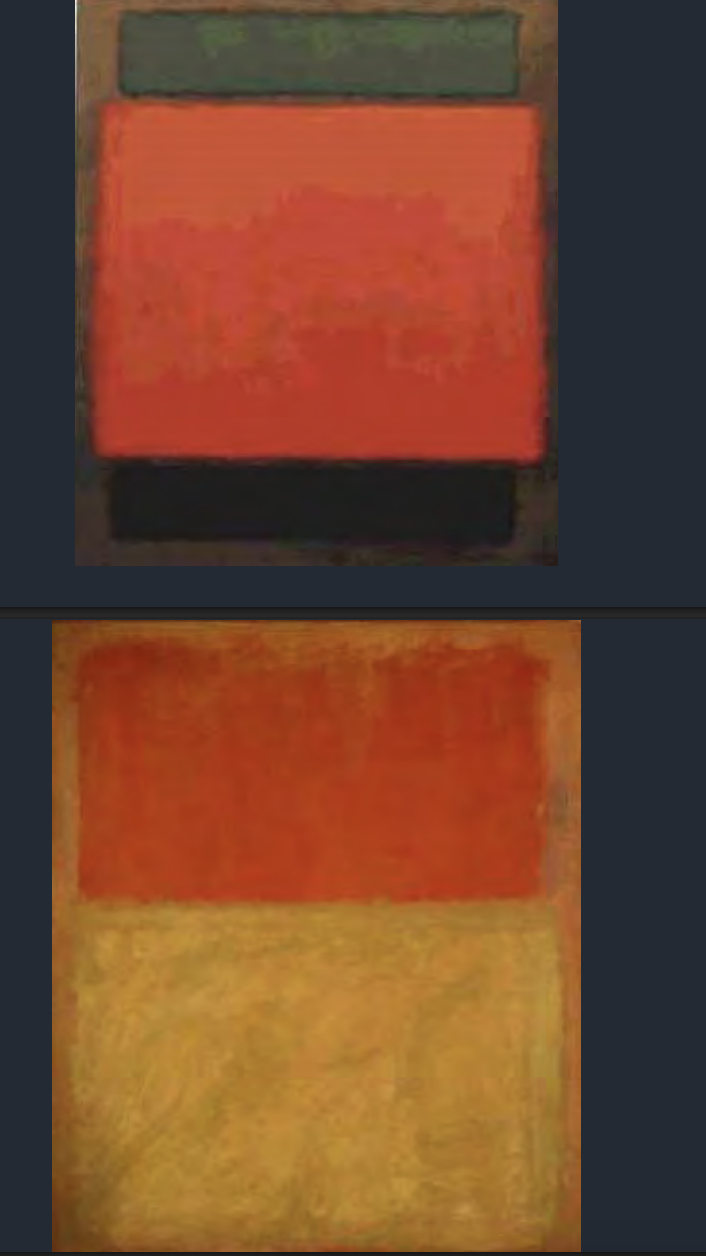
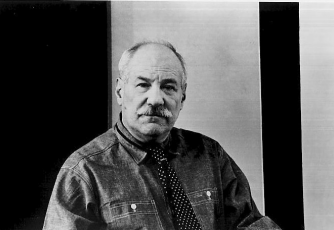
Barnett Newman
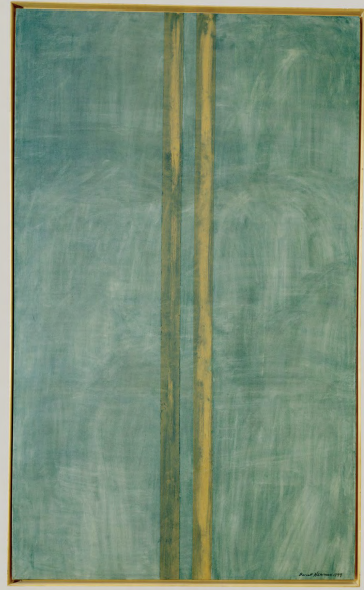
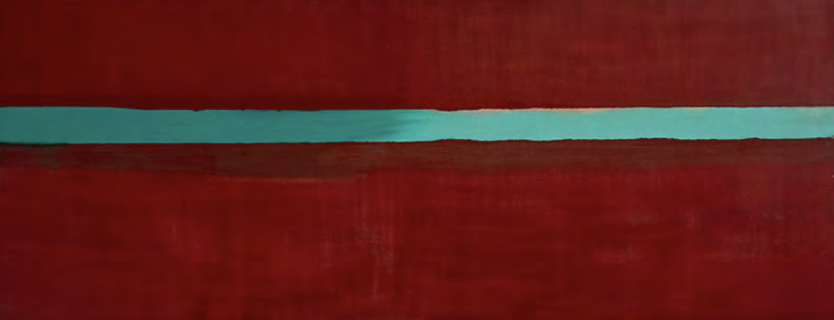
Barnett Newman
Horizon Light
Oil on canvas, 1949
29 x 71 3/16 inches
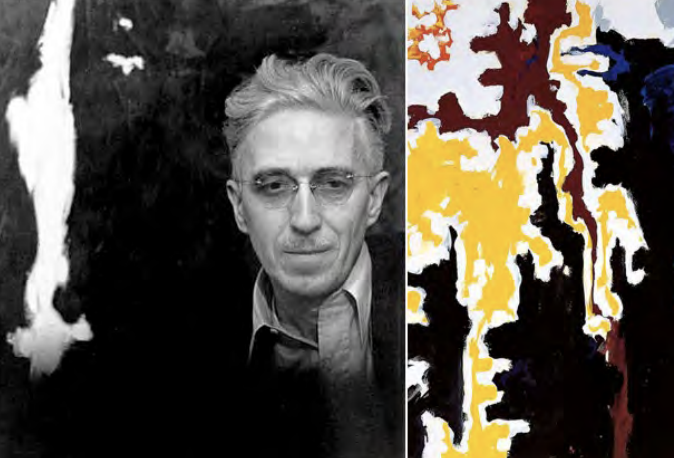
Clyfford Still
Large contribution to abstract art, “they are life and death, mergining in fearful union”
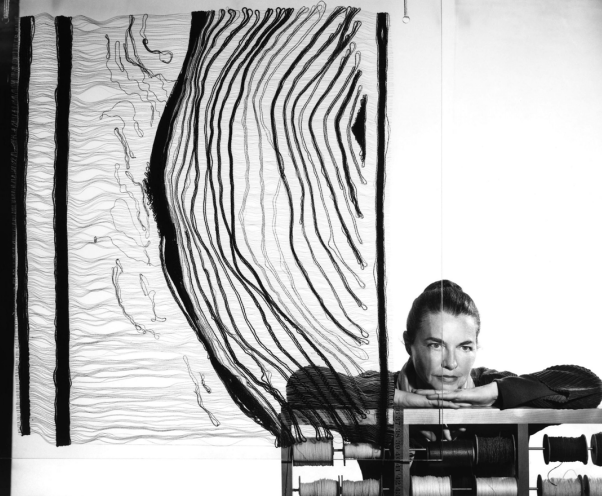
Lenore Tawney
Fiber art movement in NY in 1950-1960s, redefine possibilities of weaving.
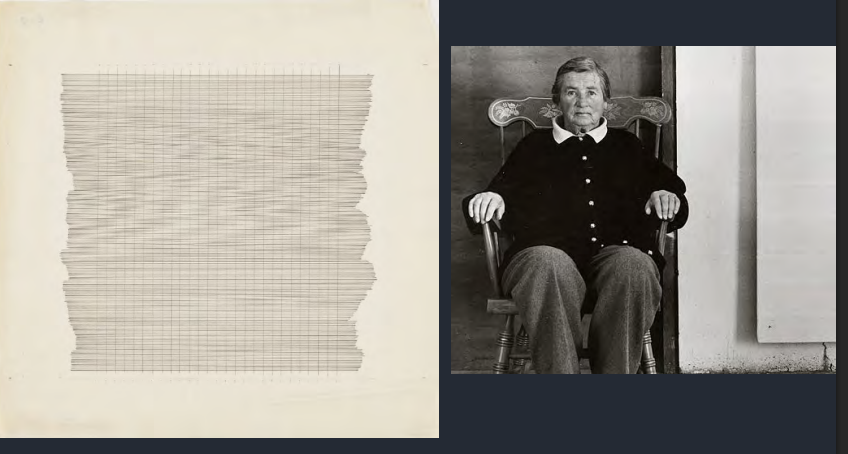
Agnes Martin
Canadian, 6ft x 6ft, grids from edge to edge, no ruler, only pencil, friends with Georgia O’keff
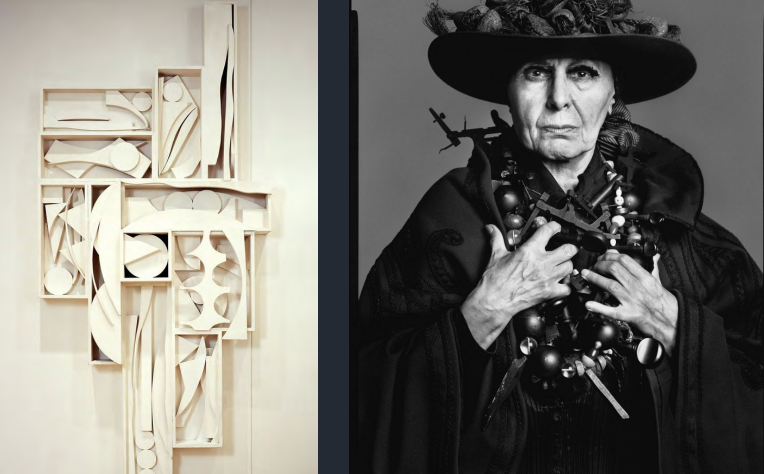
Louise Nevelson
American, known for monochromatic wall structures, used found objects
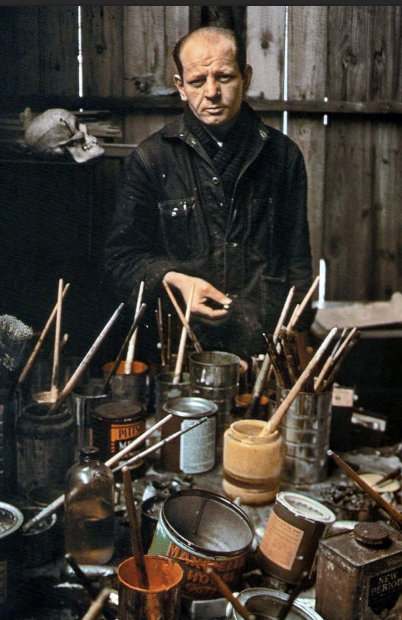
Jackson Pollock (1912-1956)
Born in Wyoming and grew up in californa, 1st solo 1943 at Gugenhiem.
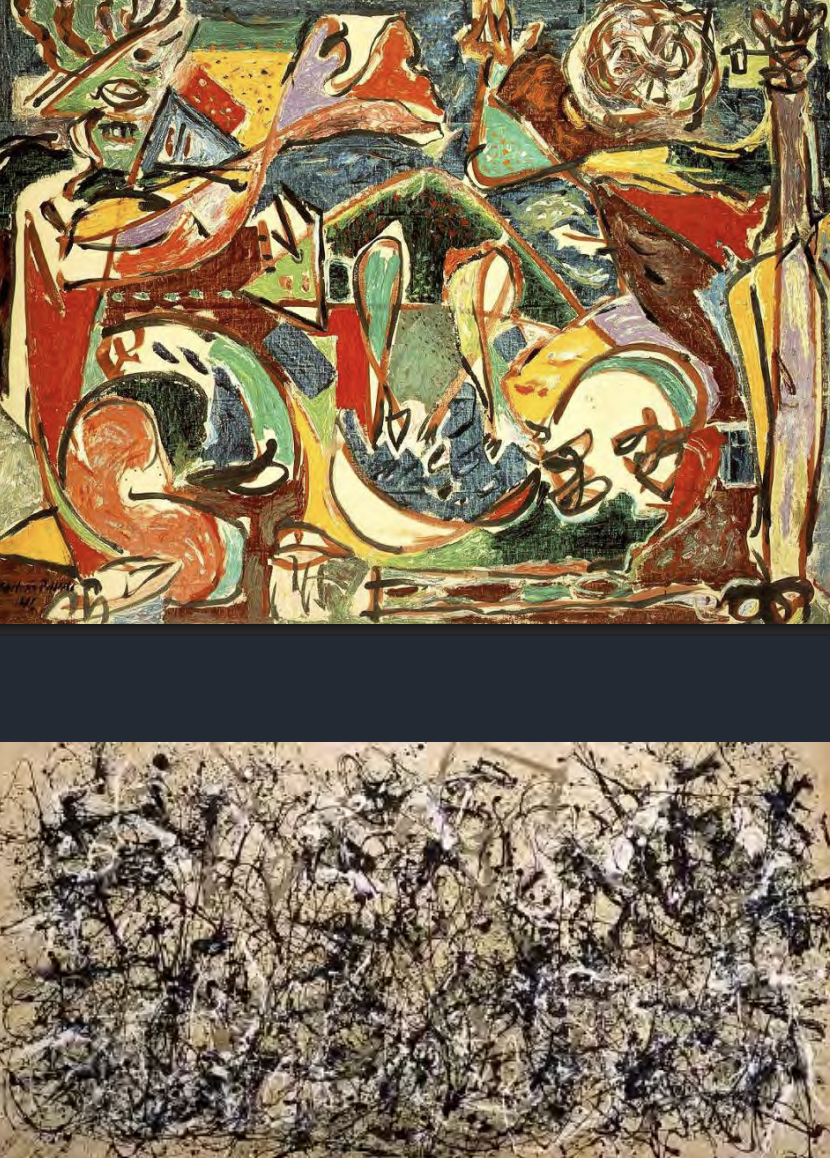
Jackson Pollock Paintings
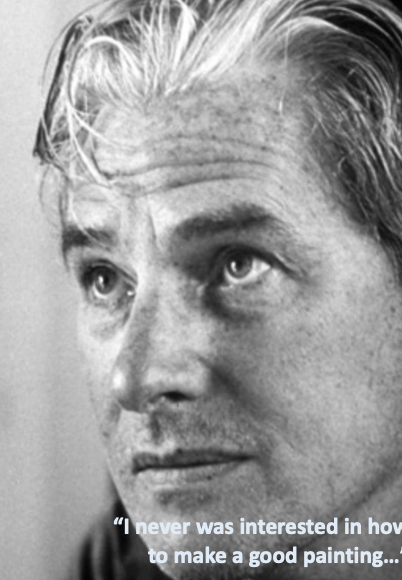
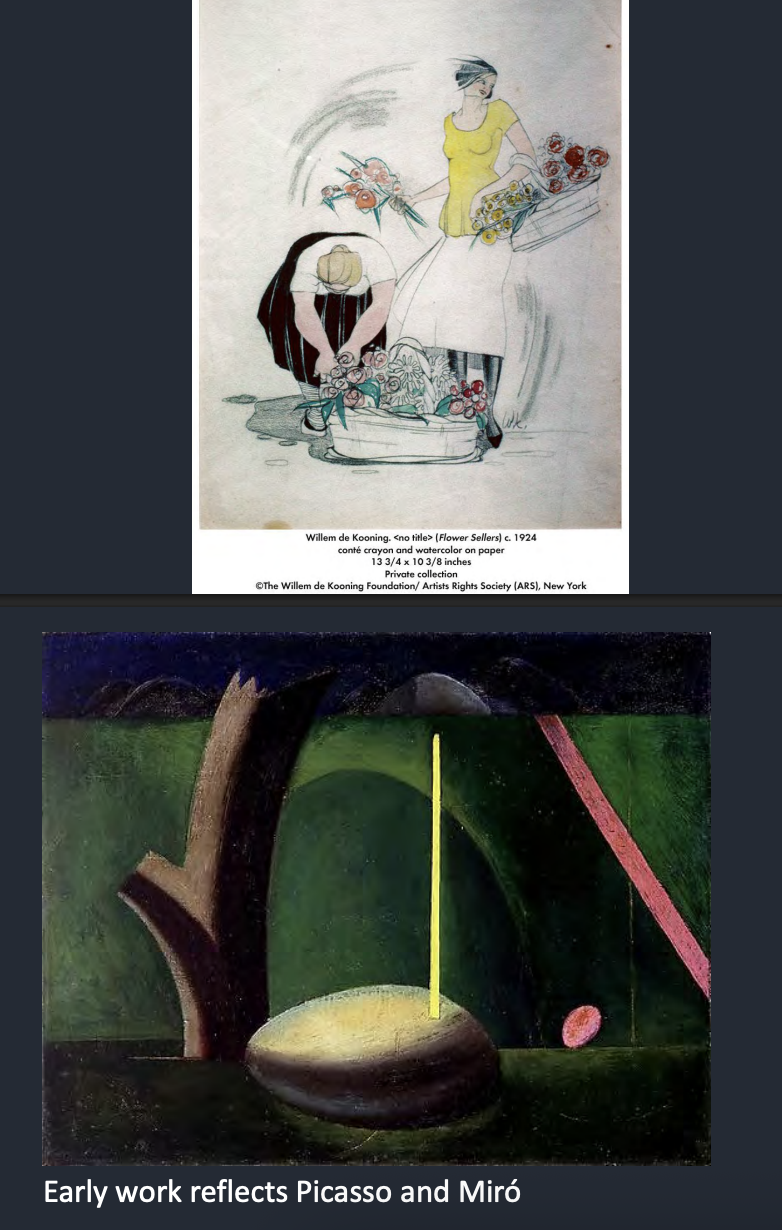
Willem de Kooning (1904 ~ 1997)
• Born in the Netherlands.
• Apprenticed with commercial artists and decorators in 1916
• Enrolled in the Rotterdam Academy of Fine Arts at the same time
Early work reflects Picasso and Miro
Willem de Kooning Paintings
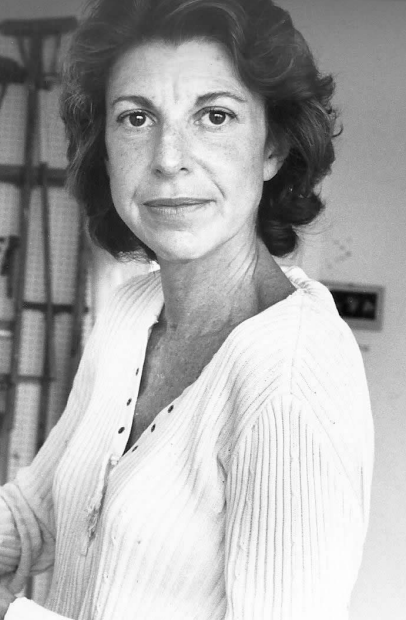
Helen Frankenthaler (1928 ~ 2011)
• American “post-painterly abstraction” artist
• Born in New York City
• Father was a justice on the NY Supreme Court
• Career launched in 1952 with exhibition of Mountains and Sea
A major departure from first-generation Abstract Expressionism, Frankenthaler was an abstract artist for whom the natural landscape -rather than the existential confrontation with the canvas or search for the sublime - served as the major focus and inspiration.
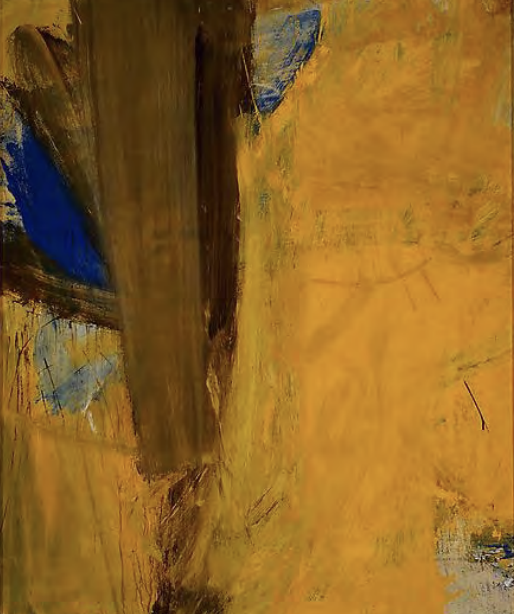
Montauk Highway, 1958, Willem de Kooning
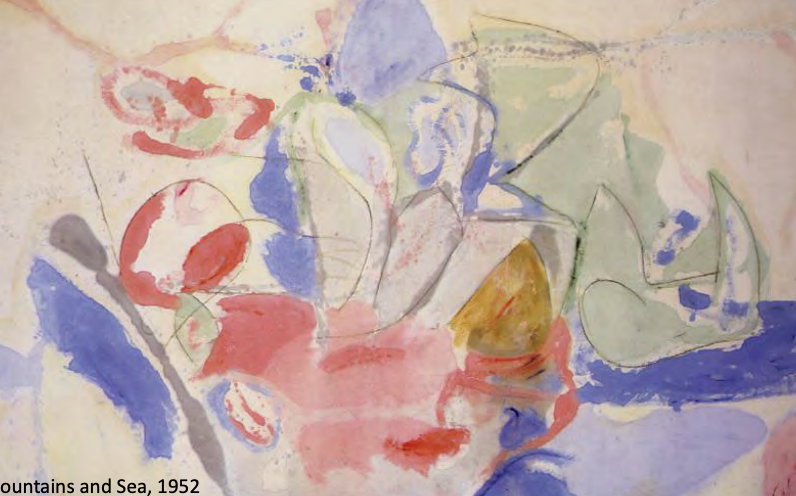
Mountains and Sea, 1952, Helen Frankenthaler
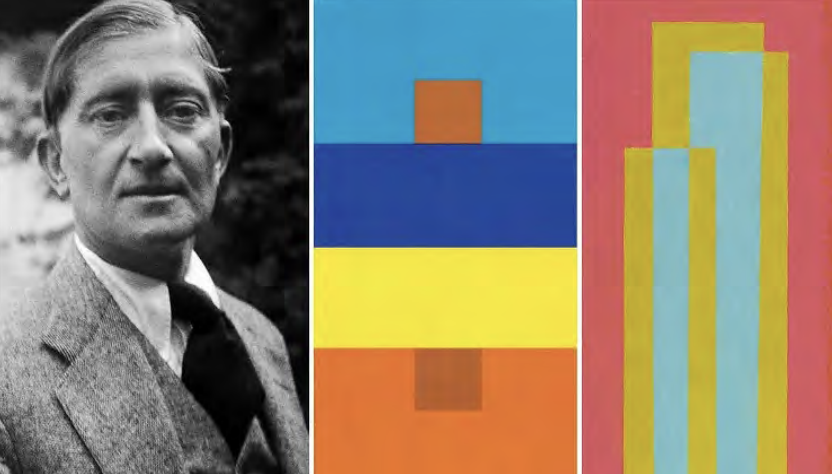
Josef Albers > Bauhaus > Color Theorist > Artist > Professor
Robert Rauschenberg
(1925 - 2008)
• Born in Texas
KC Art Institute
• Académie Julian in Paris
• Black Mountain College in
North Carolina