U2 Vocabulary
0.0(0)
Studied by 23 people View linked note
 Call Kai
 Learn
Learn Practice Test
 Spaced Repetition
 Match
Match Flashcards
 Knowt Play
Card Sorting
1/35

Earn XP
Description and Tags
Last updated 4:14 PM on 10/5/22
Name | Mastery | Learn | Test | Matching | Spaced | Call with Kai | Chat |
|---|
No analytics yet
Send a link to your students to track their progress
36 Terms
1
New cards
Cloture
Senate motion to end a filibuster that requires a 3/5 vote
2
New cards
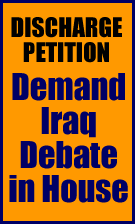
Discharge Petition
a motion to force a bill to the House floor that has been bottled up in a Committee
3
New cards
Filibuster
nonstop Senate debate that prevents a bill from coming to a vote
4
New cards
Franking privilege
allows member of Congress to send mail postage free

5
New cards
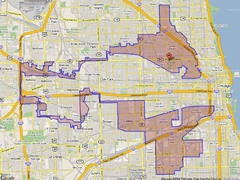
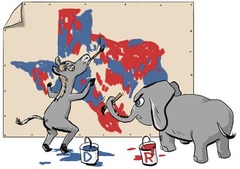
Gerrymandering
redrawing district lines to favor one party at the expense of the other
6
New cards
Logrolling
when two members of Congress agree to vote for each other's bill
7
New cards
Pocket Veto
presidential killing of a bill by inaction after Congress adjourns
8
New cards
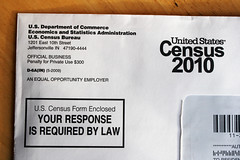
Reapportionment
reallocation of House seats to the states on the basis of changes in state populations, as determined by the census
9
New cards
Redistricting
redrawing of congressional district boundaries by the party in power of the state legislature
10
New cards
Standing Committees
the permanent congressional committees that handle legislation
11
New cards
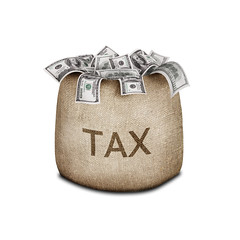
Ways and Means Committee
House committee that handles tax bills
12
New cards
Bureaucracy
departments, agencies, bureaus, and commissions in the executive branch of government
13
New cards
constituents/constituency
the people who are represented by elected officials
14
New cards
Executive Agreement
an agreement between the President and another head of state that, unlike a treaty, does not require Senate consent
15
New cards
Executive Order
presidential rule or regulation that has the force of law
16
New cards
Impoundment
refusal of a president to spend money that has been appropriated by Congress
17
New cards
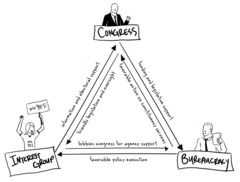
Iron Triangle
an informal association of federal agency, congressional committee, and interest group that is said to have heavy influence over policy making
18
New cards
Oversight
the effort by Congress, through hearings, investigations, and other techniques, to exercise control over the activities of executive agencies
19
New cards
Line item veto
power of most govenors (and President Clinton for only a few years) to delete a bill on a line by line basis
20
New cards
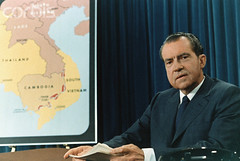
War Powers Act (1973)
President could send troops overseas to an area where the hostilities were imminent only if:
*He notified Congress within 48 hours *He withdrew troops within 60-90 days *He consulted with Congress if troops were to engage in combat. Congress can pass resolution to have troops withdrawn at any time.
*He notified Congress within 48 hours *He withdrew troops within 60-90 days *He consulted with Congress if troops were to engage in combat. Congress can pass resolution to have troops withdrawn at any time.
21
New cards
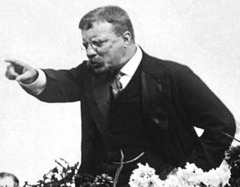
Bully Pulpit
the president's use of his prestige and visibility to guide or enthuse the American public
22
New cards
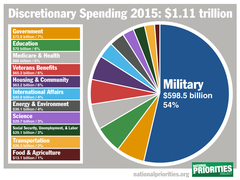
Discretionary Spending
spending category about which government planners can make choices
23
New cards
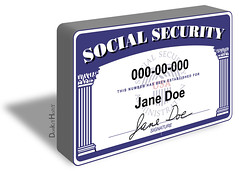
Mandatory Spending
spending on certain programs that is mandated, or required, by existing law
24
New cards
Entitlement spending
spending that Congress has authorized by prior law, primarily providing support for individuals

25
New cards
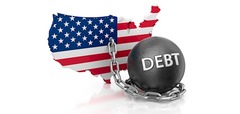
Budget deficit
the difference between tax revenue and government spending when government spending exceeds tax revenue
26
New cards
Pork-barrel legislation
Legislation giving benefits to constituents through sometimes unnecessary of unwise projects within a state or district, to enhance a member's chance of reelection
27
New cards
Divided government
Governance divided between the parties, as when one holds the presidency and the other controls one or both houses of Congress.
28
New cards
"lame duck" president
president with no real power because his or her period in office will soon end
29
New cards
Trustee model
a model of representation in which a member of the House or Senate follows his or her own conscience when deciding issue positions
30
New cards
Delegate Model
The view that an elected represent should represent the opinions of his or her constituents.
31
New cards
Politico Model
Legislators should follow their own judgment (that is, act like a trustee) until the public becomes vocal about a particular matter, at which point they should follow the dictates of constituents
32
New cards
Emergency powers
Wide-ranging powers a president may exercise during times of crisis or those powers permitted the president by Congress for a limited time.
33
New cards
Stare decisis
A Latin phrase meaning "let the decision stand." Most cases reaching appellate courts are settled on this principle.
34
New cards
Judicial activism
Philosophy proposing that judges should interpret the Constitution to reflect current conditions and values.
35
New cards
Judicial restraint
Philosophy proposing that judges should interpret the Constitution to reflect what the framers intended and what its words literally say.
36
New cards
Precedent
an earlier event or action that is regarded as an example or guide to be considered in subsequent similar circumstances.