Diving and Environmental Emergencies
 Call Kai
 Learn
Learn Practice Test
 Spaced Repetition
 Match
Match Flashcards
 Knowt Play
1/25

There's no tags or description
Looks like no tags are added yet.
Name | Mastery | Learn | Test | Matching | Spaced | Call with Kai | Chat |
|---|
No analytics yet
Send a link to your students to track their progress
26 Terms
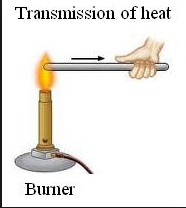
Conduction
The direct transfer of heat from one substance to another substance that it is touching.
Convection
Heat transfer from air or water.

Radiation
Energy that is radiated or transmitted in the form of rays or waves or particles.
Ex) Mammals emit this heat

Evaporation
The change of a substance from a liquid to a gas; sweat accumulates on our skin, the water absorbs the heat from out body, then released into the air
-Humid days restricts this from working well
Respiration
Inhalation and exhalation of air.
Hypothemia
Abnormally low body temperature.
Mild: 90-95 degrees
Moderate: 85-90 degrees
Severe: less than 85 degrees
Dead: below 82 degrees
-You do not have to be "freezing" to become hypothermic. Drowning in a 90 degree pool will lower body temperature to 90
Who is more vulnerable to heat related emergencies?
-Elderly due to poor circulation, nerves, metabolism (makes energy to produce heat)
-Young due to poor sweat glands, and little blood and muscles to generate heat
-Diseased/Weak
-Diabetics due to metabolism issues (makes energy to produce heat), poor blood vessels
S/S of early hypothermia
Epi release, generates movement to make heat
-May be tachycardic, elevated BP
-Goose bumps make valleys in skin to hold heat
S/S of hypothermia, transitioning to late
Shivering
S/S of late hypothermia
Epi release stops, decreased pulse, breathing, BP, LOC
-Body attempting to conserve energy
General versus local hypothermia
General hypothermia is when the entire body temperature has dropped
Local is when specific parts have frozen (cold burns); examples are ears, nose, fingers, etc
General Hypothermia Treatment
If mental status is okay, warm; goal is to warm 1 degree/hour (if you warm too fast can cause body to shutdown)
-Can do passive warming: warm blankets, warm IV, warm oxygen, heater on, and remove wet clothing
-Do not let your patient walk around, do not give caffeine, alcohol to drink. You can give other fluids if not nauseated or vomiting
-Avoid rough handling, keep horizontal the best you can in order to maintain perfusion. Rough handling or the patient standing up can put them into V-Fib.
How many times can you shock a hypothermic patient?
1
Frost Nip
- often involves ears, nose, cheeks, chin, fingers, and toes
- occurs when there severe cold
- red, numbness

Frost Bite
Damage to tissues as the result of exposure to cold, frozen body parts.
-Remove from weather/environment.
-Frozen, waxy, white color
-Do not that unthaw a frozen part if there is a chance it can refreeze
-Do not message a frozen part, it can rupture cells that have frozen
-Wrap loose, seperate with fingers/toes, remove jewelry
-You can unthaw a body part if you can place the part in water that will stay at 105 degrees consistently

Hyperthermia
Abnormally high body temperature
-Higher risk of happening in hot and humid days
-Temperature of 101 or higher
Muscle Cramps
Electrolyte and fluid imbalance.
-Best if to give water, but you can give 50/50 gatorade if not nauseated.
-Normally, electrolytes are normal, but need more fluid (like mixing Koolaid and water)
-Commonly abdominal and legs cramping
Heat Exhaustion
S/S: Headache, tachycardia, thirst, major sweating, fatigued
-Give water (preferred), or 50/50 gatorade mix if not nauseated.
Heat Stroke
This is a true emergency, body temperature of 104/105 or higher. At 107 human can only live 45 seconds to 2 minutes.
-Remove from heat, remove all clothing, dump ice on groin, neck, pelvis to cool fast.
-You can rapidly cool a hyperthermic patient. Stop cooling when they begin shivering
-Patient will likely have warm, hot skin
Near drowning
When a patient drowns but they live at least 24 hours after being removed from the water
Drowning
When a patient dies within 24 hours of being pulled out of the water
Three concerns we have with all drownings:
Spinal injury, hypothermia, hypoxia
Treatment of downings if patient is dead
If dead in water, as soon as you pull the head out of water, start mouth to mouth.
-Pulse check should last at least 30 seconds because the pulse may be weak and slow
-Not dead until warm, dry and dead
Treatment of drownings, overall goal
Difficulty breathing due to laryngospasms, giving a rescue breath will open the vocal cords. Patient will likely cough profusely.
Diving injuries occur when you go up or down too fast?
Coming up too fast, patient can get the bends.
S/S of diving injuries
The bends - as person dives deeper, the pressure from the water makes the cells smaller, if they come up too fast, cells expand too quickly causing them to rupture. Capillaries may rupture (rash on skin)
-S/S: Eardrums rupture, bloodshot eyes, aching joints, may have a pulmonary embolism, support ABC