AZ Nail Tech License Exam: Anatomy of Arms, Legs, Feet, Hands
 Call Kai
 Learn
Learn Practice Test
 Spaced Repetition
 Match
Match Flashcards
 Knowt Play
1/54

Earn XP
Description and Tags
Anatomy and physiology of hands/feet/arms/legs
Name | Mastery | Learn | Test | Matching | Spaced | Call with Kai | Chat |
|---|
No analytics yet
Send a link to your students to track their progress
55 Terms
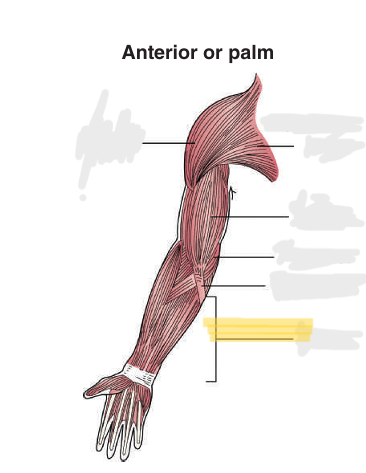
Flexor: Extensor muscles of the wrist are involved in bending the wrist.
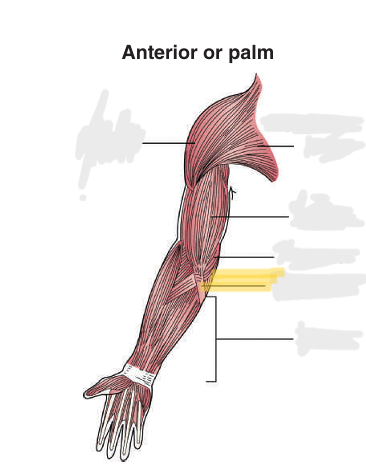
Supinator: Muscle of the forearm that rotates the radius (forearm) outward and the palm upward.
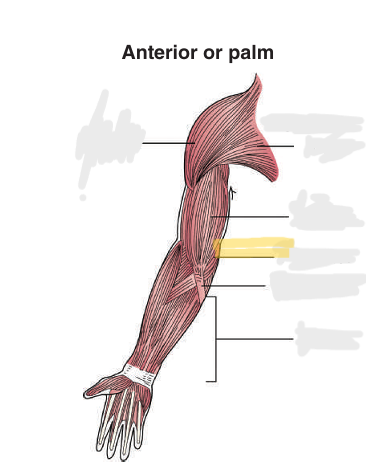
Pronator: Muscles that turn the hand inward so that the palm faces downward.
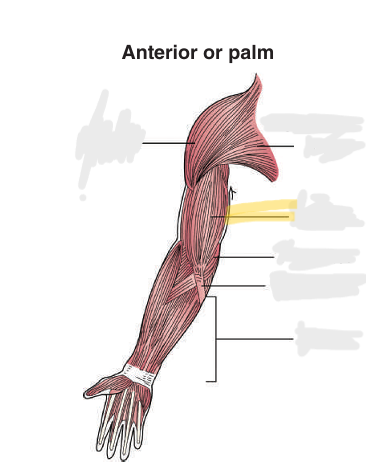
Biceps: Muscle producing the contour of the front and inner side of the upper arm; they lift the forearm and flex the elbow.
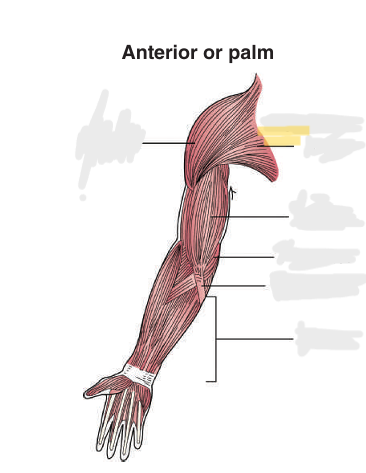
Pectoralis Major: Muscles of the chest that assist the swinging movements of the arm.
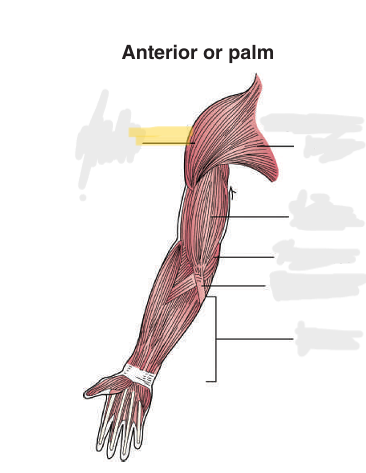
Deltoid: Large, triangular muscle covering the shoulder joint that allows the arm to extend outward and to the side of the body.
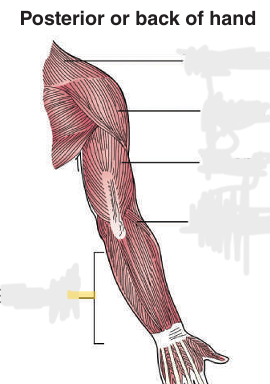
Extensors: Muscles that straighten the wrist, hand, and fingers to form a straight line.
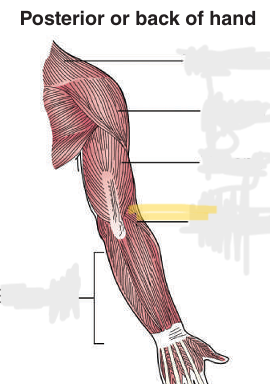
Extensors: Muscles that straighten the wrist, hand, and fingers to form a straight line.
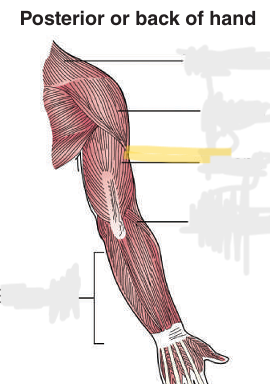
Triceps: Large muscle that covers the entire back of the upper arm and extends the forearm.
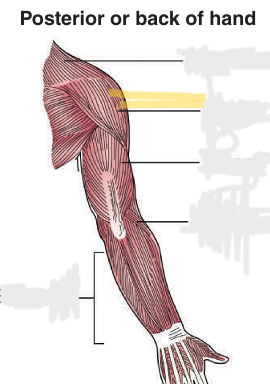
Deltoid: Large, triangular muscle covering the shoulder joint that allows the arm to extend outward and to the side of the body.
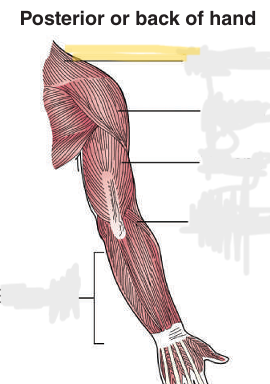
Trapezius: Muscle that covers the back of the neck and upper and middle region of the back; rotates and controls swinging movements of the arm.
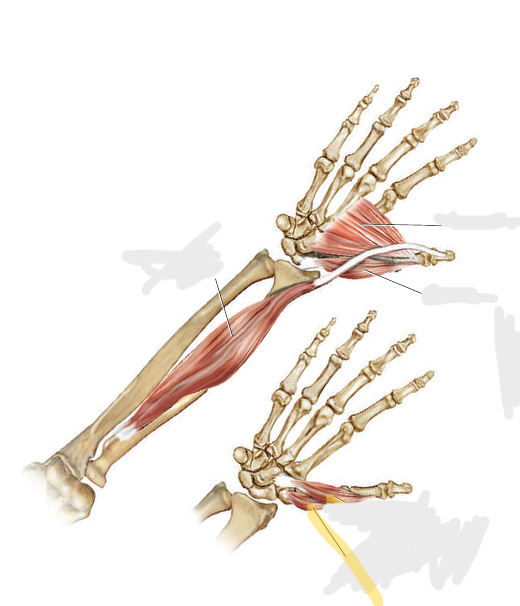
Opponens pollicis
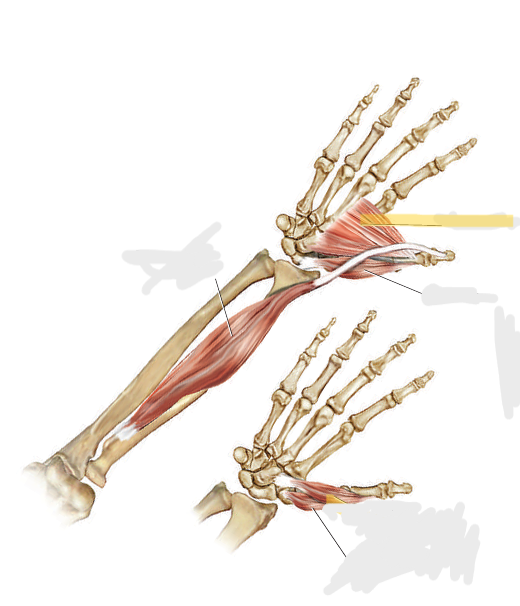
Adductor
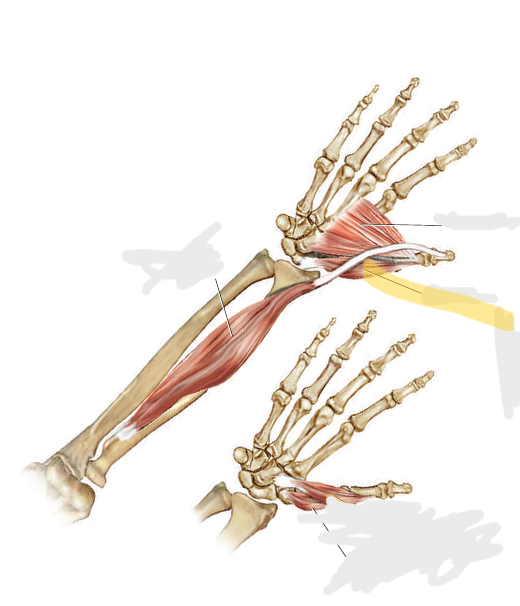
Abductor
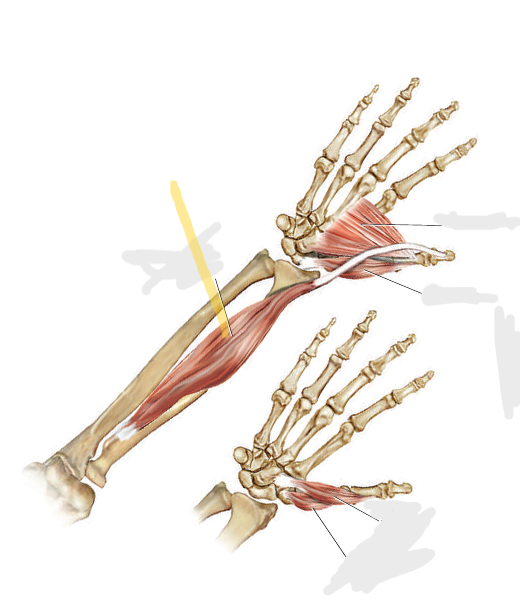
Flexor (pollicis longus)
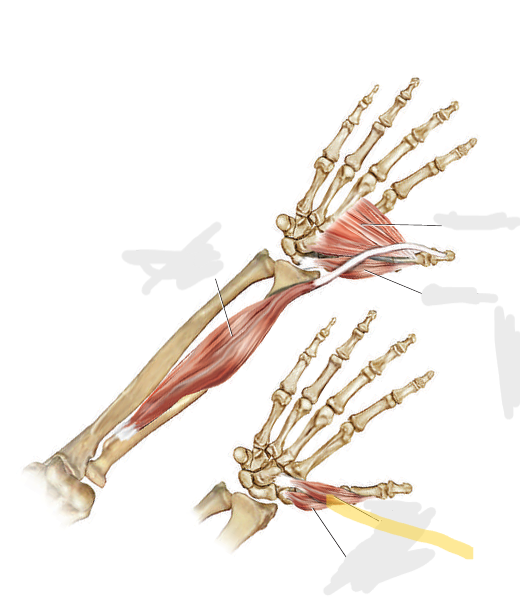
Flexor (pollicis brevis)
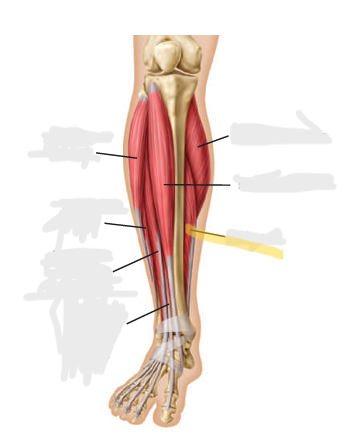
Soleus: originates at the upper portion of the fibula and bends the foot down.
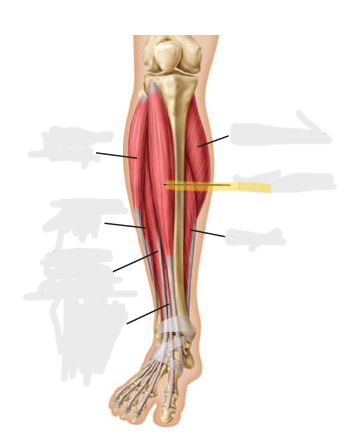
Tibialis Anterior: covers the front of the shin. It bends the foot upward and inward.
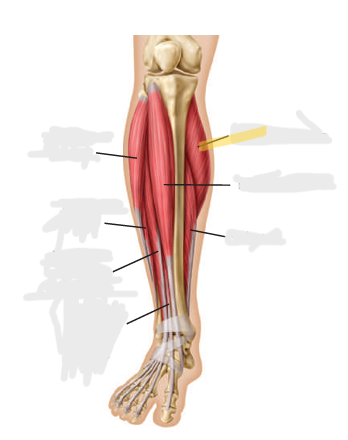
Gastrocnemius: is attached to the lower rear surface of the heel and pulls the foot down.
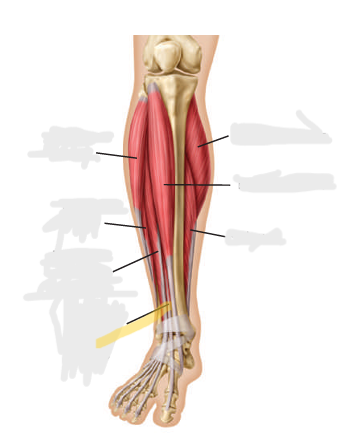
Extensor hallucis longus
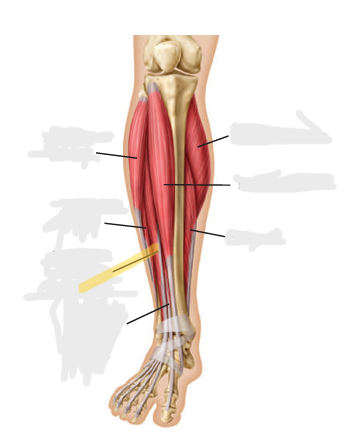
Extensor digitorum longus: bends the foot up and extends the toes.
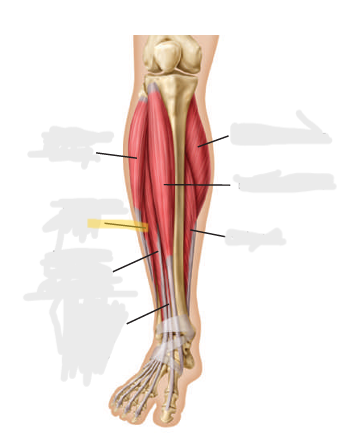
Peroneus brevis: originates on the lower surface of the fibula. It bends the foot down and out.
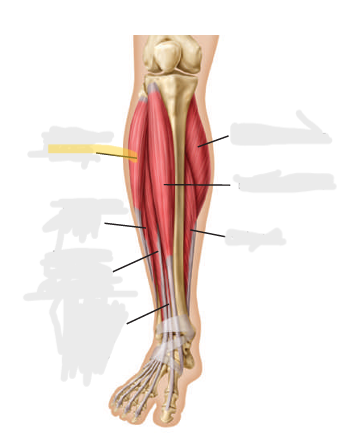
Peroneus longus: covers the outer side of the calf and inverts the foot and turns it outward.
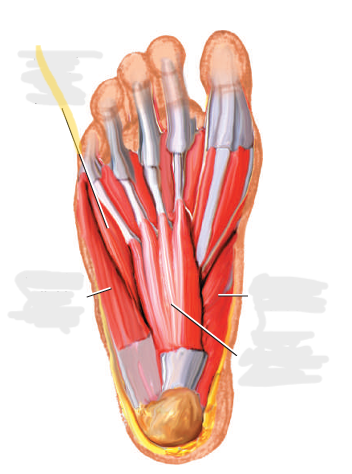
flexor digiti minimi: moves the little toe.
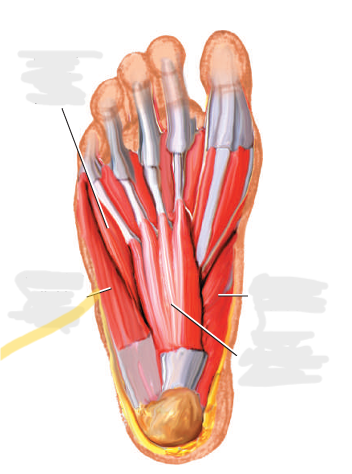
abductor digiti minimi: separates the toes.
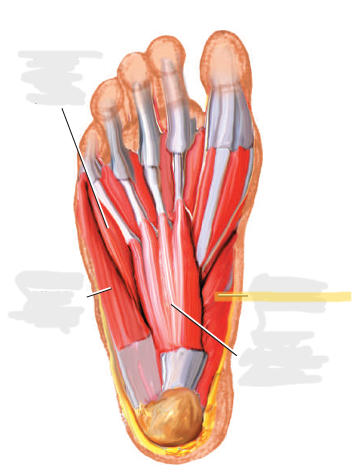
abductor hallucis: moves the great toe and helps maintain balance while walking and standing.
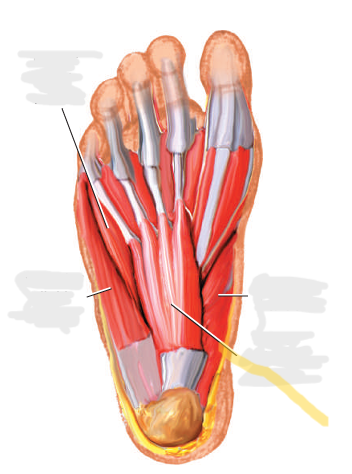
flexor digitorum brevis: moves lesser toes and helps maintain balance while walking
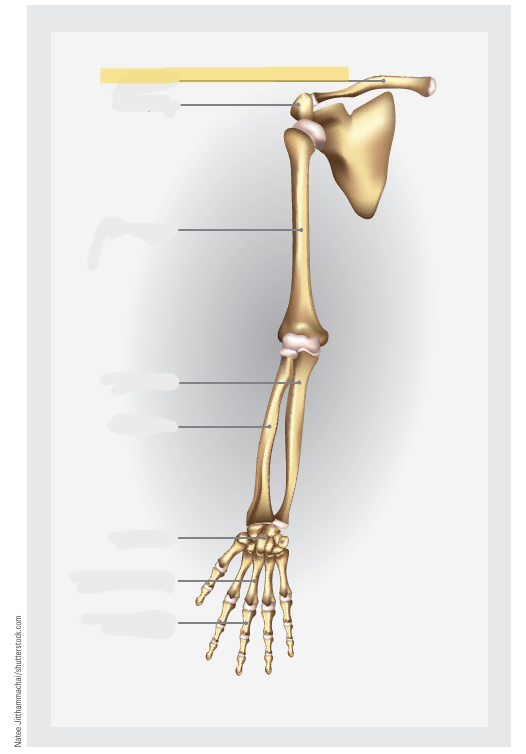
clavicle
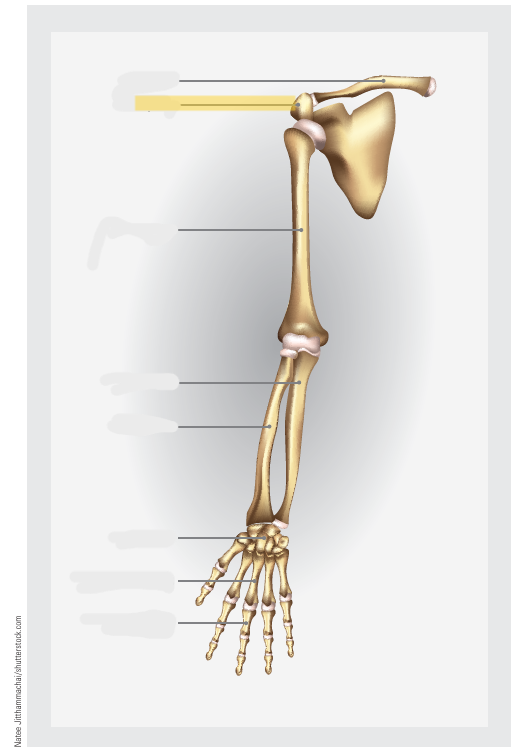
scapula
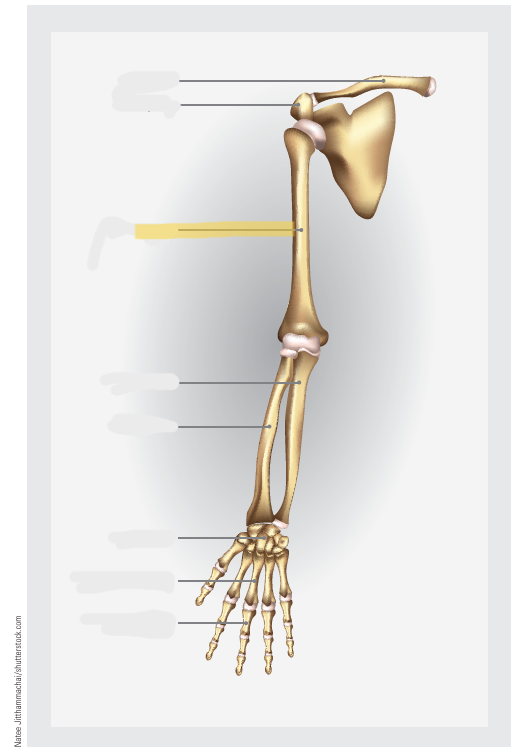
Humerus
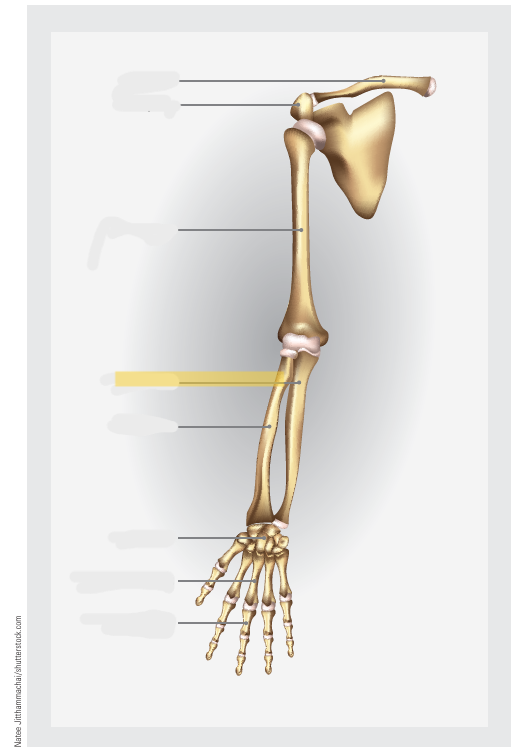
Radius
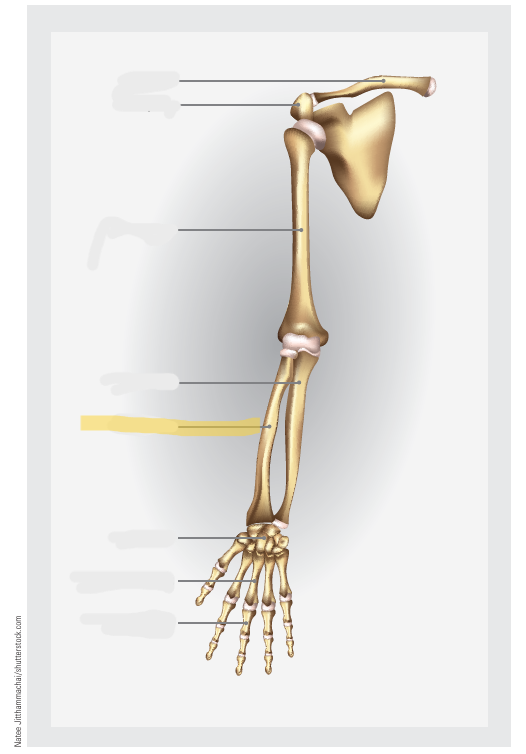
Ulna
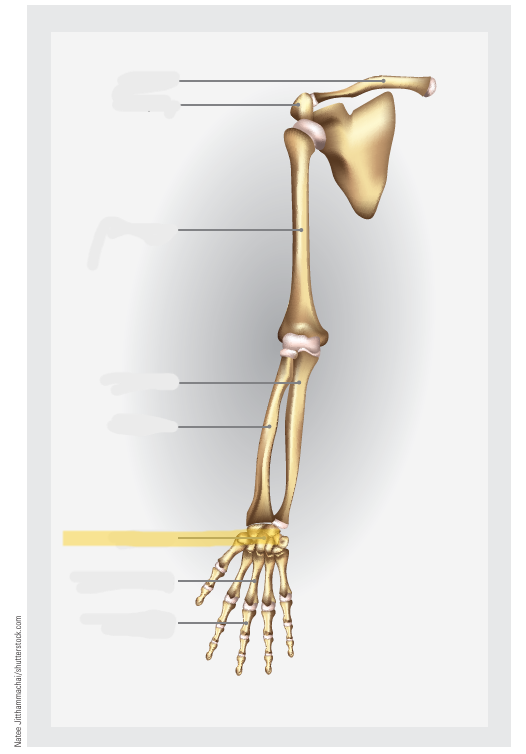
Carpus
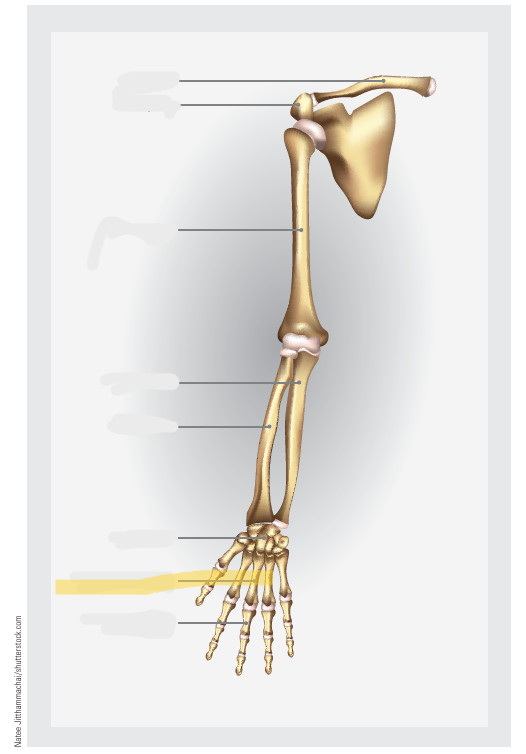
Metacarpus
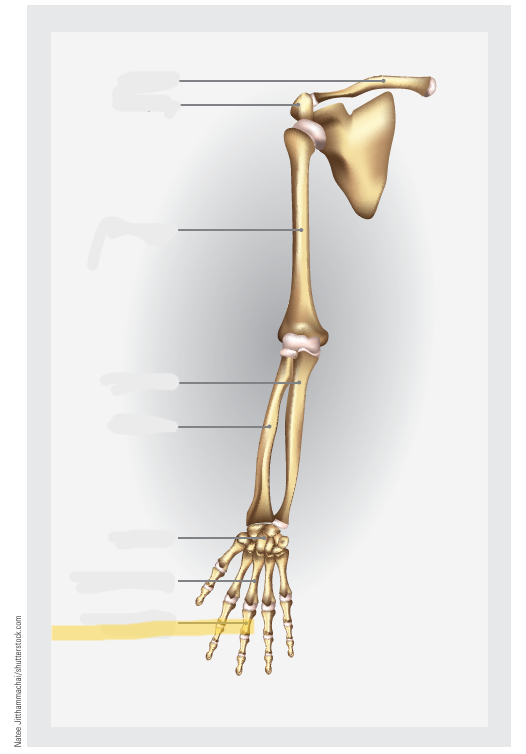
Phalanges
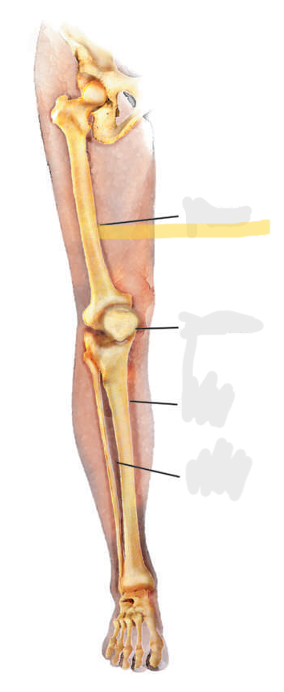
Femur
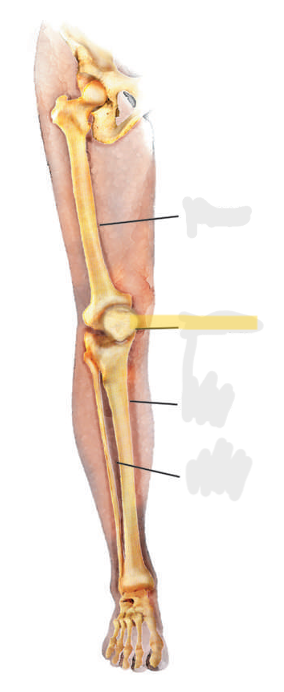
Patella
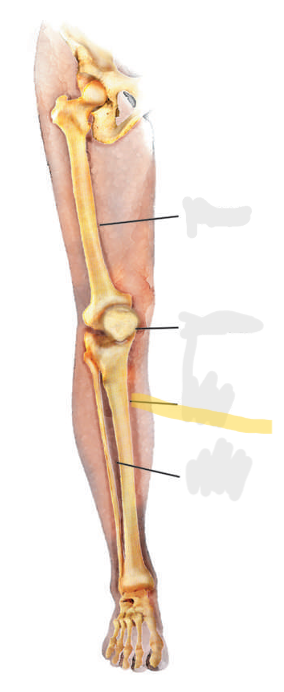
Tibia
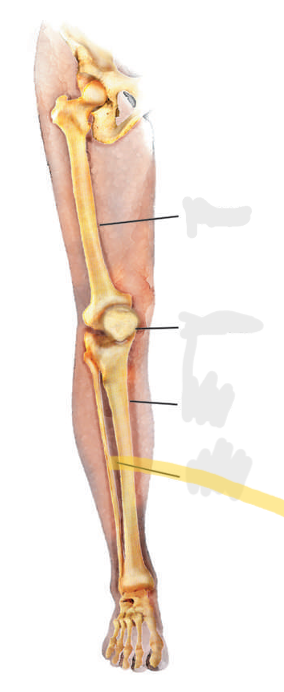
Fibula
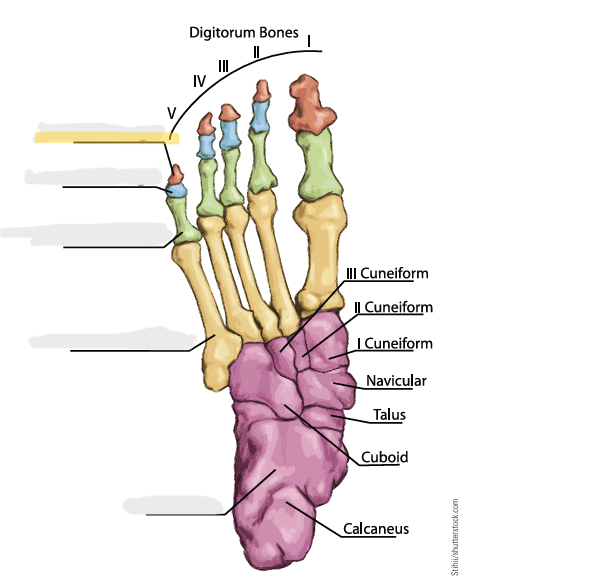
distal phalanges
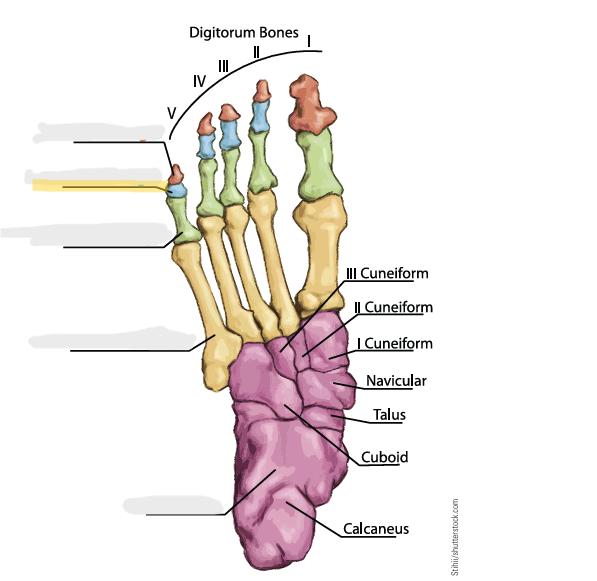
medial phalanges
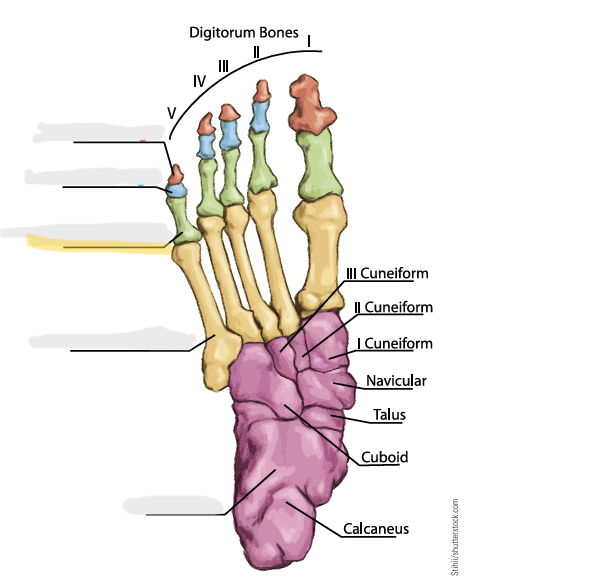
proximal phalanges
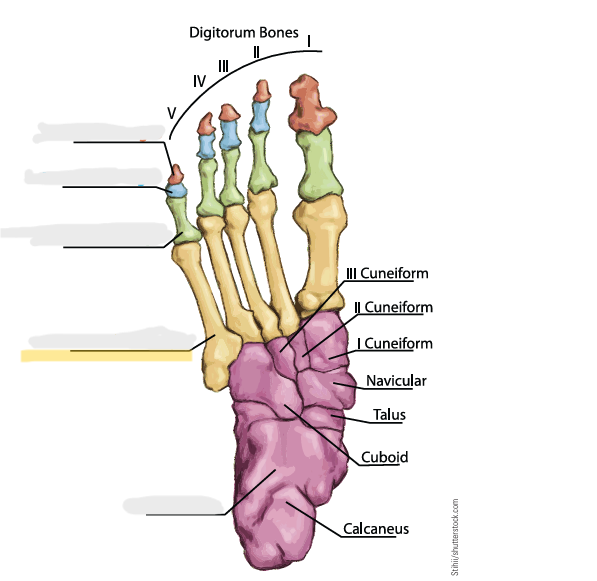
metatarsal phalanges
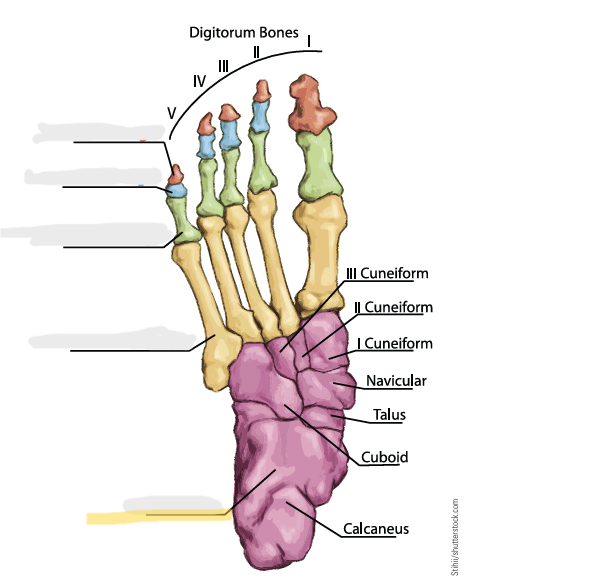
tarsal phalanges
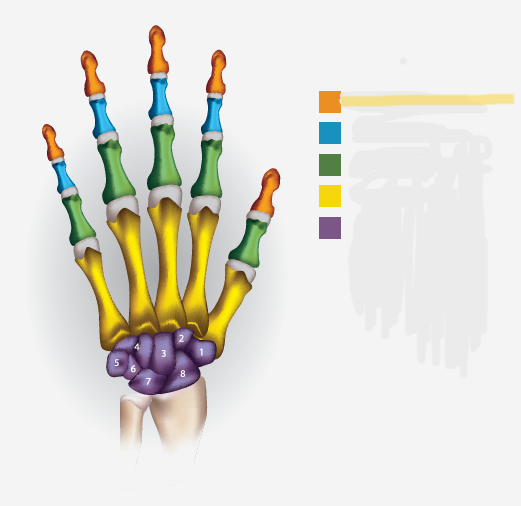
Digital phalange
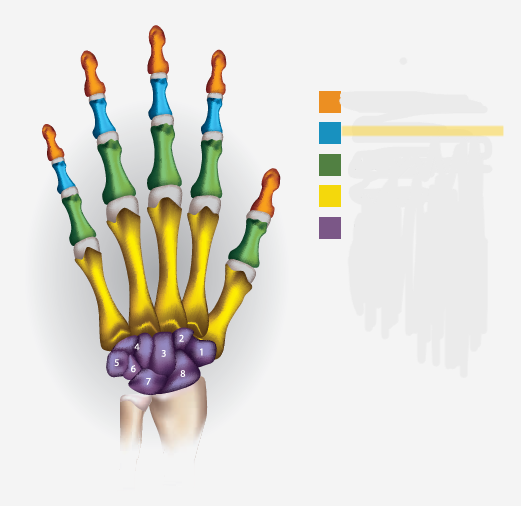
Middle phalange
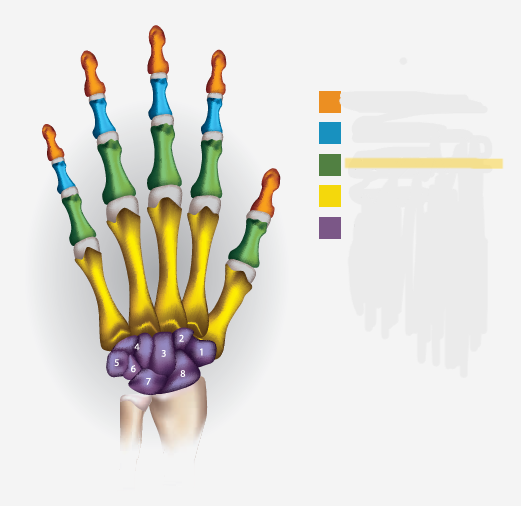
Proximal phalange
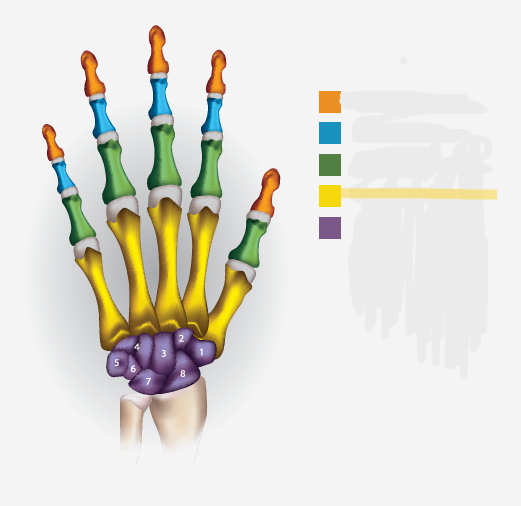
Metacarpal
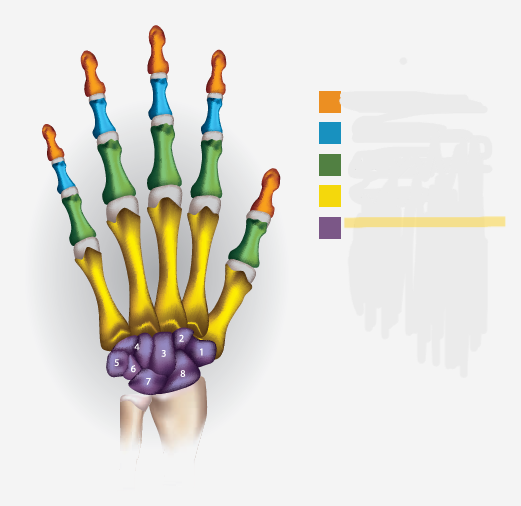
Carpal
infectious disease
caused by pathogenic (harmful) organisms that enter the body
How diseases are transmitted
Direct transmission, indirect transmission, airborne/respiratory
5 potentially harmful organisms:
bacteria, virus, fungi, parasite, biofilm
Hepatitis
is a bloodborne virus that causes disease and can damage the liver. it can be present in all body fluids of those who are infected, and can live on a surface outside the body for long periods of time.
Steps of infection control
Cleaning- make sure all residue is removed from tools
Disinfection- the process that eliminates most, but not necessarily all, microorganisms on nonporous surfaces.
3 Methods of Cleaning Implements/Tools Are
Washing with soap and warm water and then scrubbing them with a clean and properly disinfected nailbrush
Using an ultrasonic unit
Using a chemical cleaner