Anatomy Unit 1 Study Guide
 Call Kai
 Learn
Learn Practice Test
 Spaced Repetition
 Match
Match Flashcards
 Knowt Play
1/57

There's no tags or description
Looks like no tags are added yet.
Name | Mastery | Learn | Test | Matching | Spaced | Call with Kai | Chat |
|---|
No analytics yet
Send a link to your students to track their progress
58 Terms
Anatomy
The study of the structure of the body.
Focuses on what body parts are and where they are located.
Physiology
The study of how the body and its parts function.
Focuses on what body parts do and how they work.
Difference:
Anatomy = structure
Physiology = function
Digestive System
Function: Breaks down food and helps the body obtain nutrients.

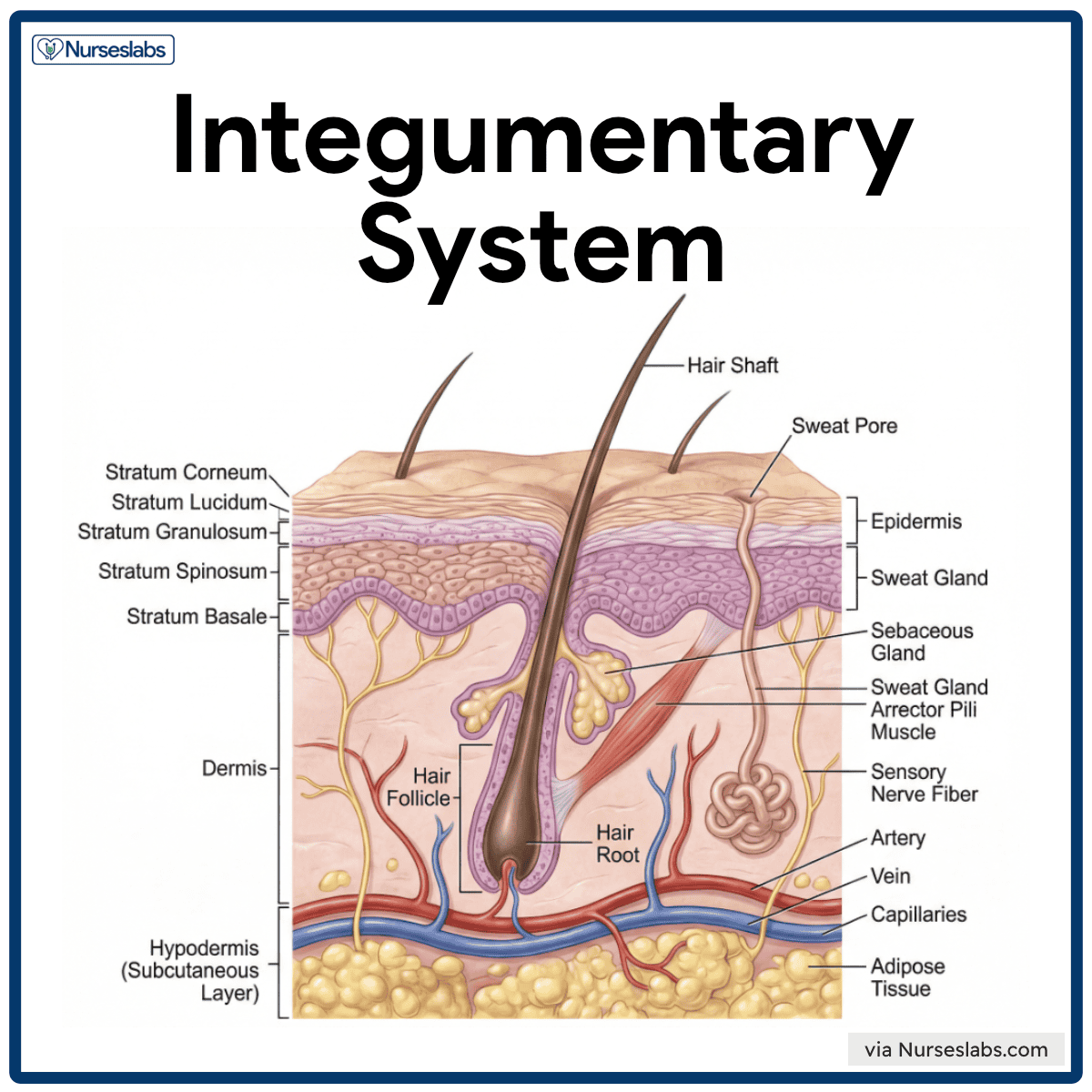
Integumentary System
Function: Includes the body’s outer covering and helps protect the body.
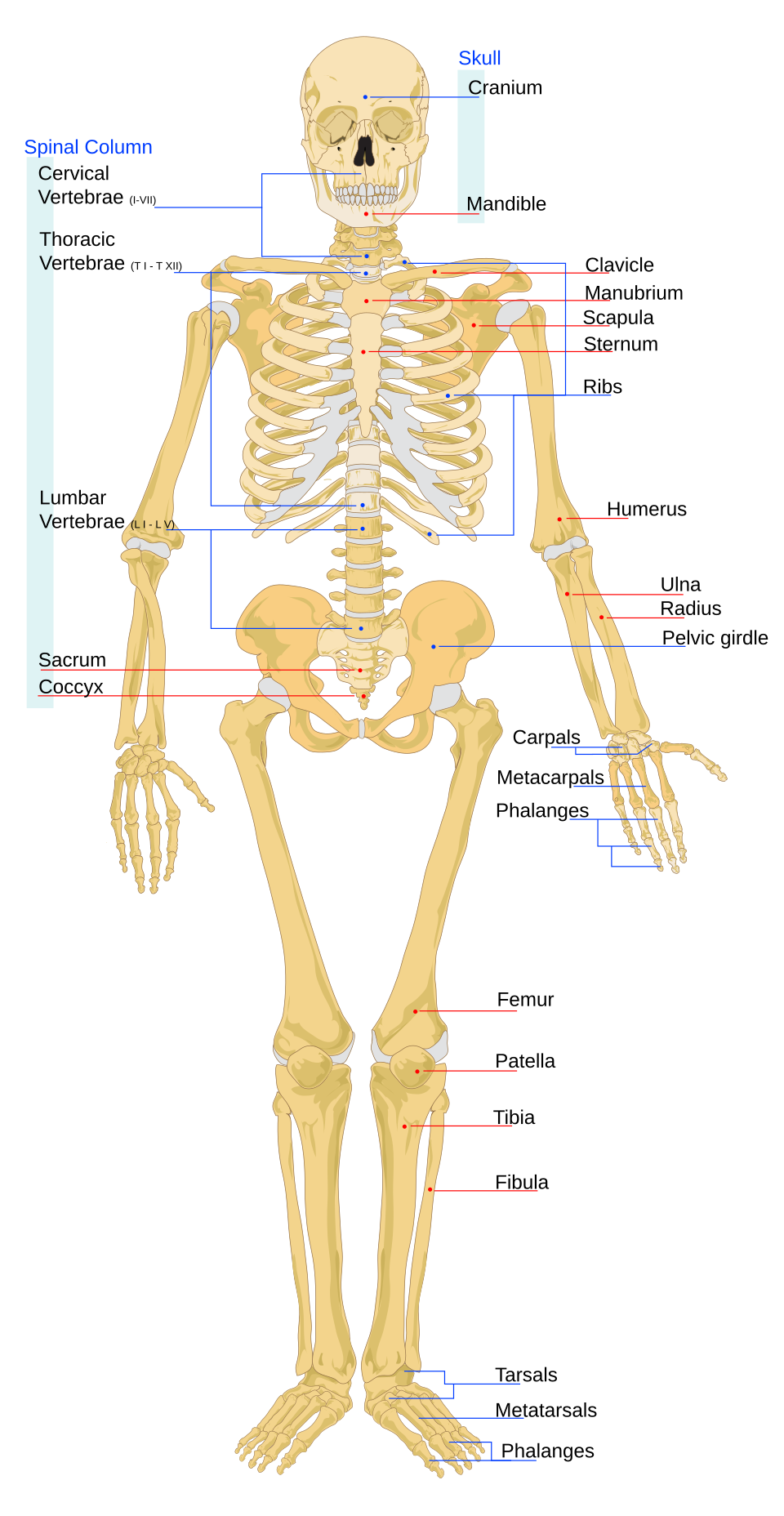
Skeletal System
Function: Provides the body’s framework and support.
Reproductive System
Function: Involved in reproduction.

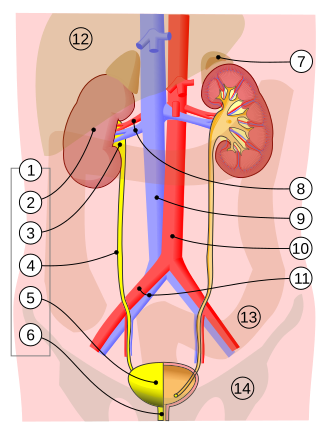
Urinary System
Function: Removes wastes from the body through urine.
Muscular System
Function: Allows the body to move.

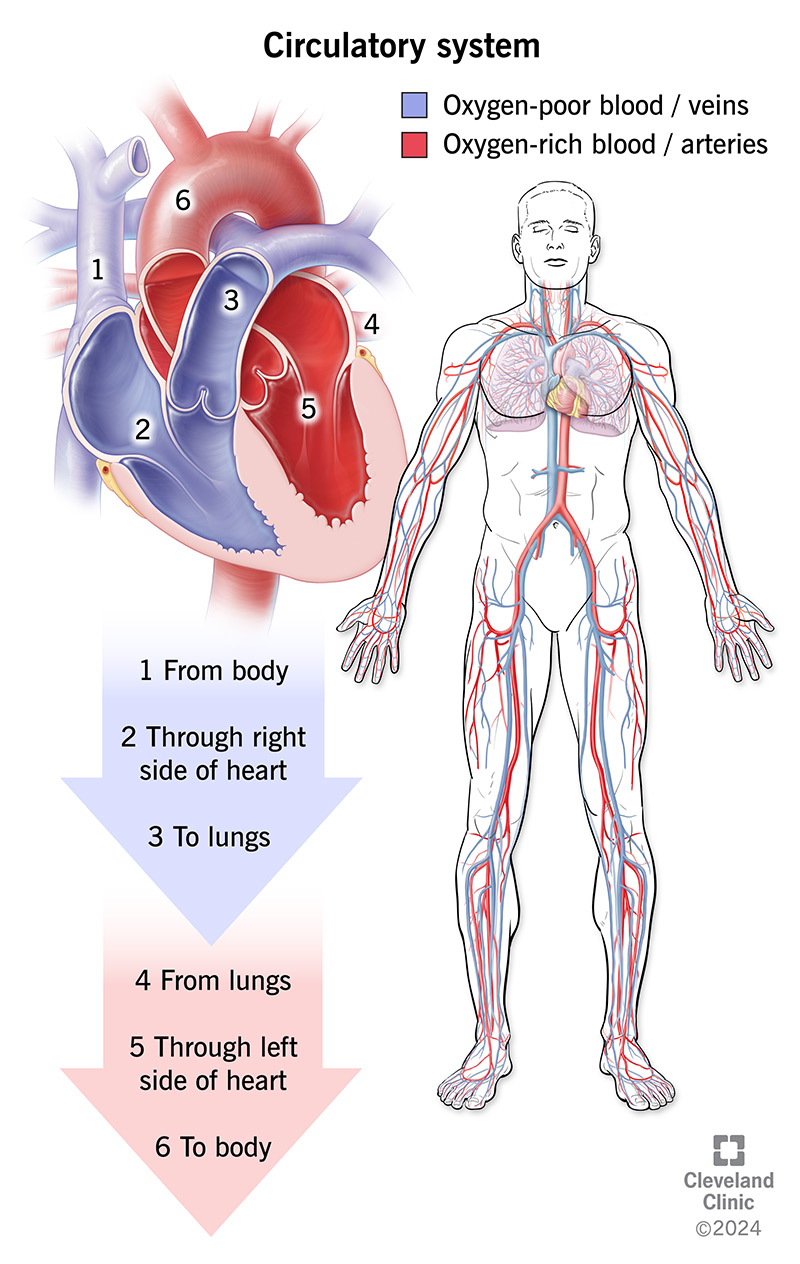
Circulatory/Cardiovascular System
Function: Circulates materials throughout the body.
Respiratory System
Function: Involved in breathing and the exchange of gases.

Endocrine System
Function: Uses hormones to help regulate body functions.

Nervous System
Function: Controls and coordinates body activities through signals.

Immune/Lymphatic System
Function: Helps protect the body and is involved in immune defense.

Digestive ↔ Circulatory
Digestion provides nutrients that can be transported throughout the body.
Respiratory ↔ Circulatory
The respiratory system provides gases that the circulatory system transports.
Urinary ↔ Circulatory
The urinary system removes wastes from materials carried in the blood.
Nervous ↔ Muscular
The nervous system sends signals that help control muscles.
Skeletal ↔ Muscular
Muscles work with bones to produce movement.
Endocrine ↔ Other systems
Hormones help regulate functions throughout the body.
Diagram #1

Medial
Toward the body’s midline
Lateral
Away from the body’s midline
Anterior
Toward the front
Posterior
Toward the back
Ventral
Toward the front/belly side
Dorsal
Toward the back
Proximal
Closer to the point of attachment
Distal
Farther from the point of attachment
Ipsilateral
On the same side of the body
Contralateral
On opposite sides of the body
Deep
Farther inside the body
Superficial
Closer to the body’s surface
Superior
Above
Inferior
Below
Examples of applying them
The nose is medial to the eyes.
The ears are lateral to the eyes.
The head is superior to the chest.
The feet are inferior to the knees.
The elbow is proximal to the wrist.
The fingers are distal to the elbow.
The skin is superficial to the muscles.
The heart is deep to the skin.
Diagram #2

Transverse Plane
Divides the body into upper and lower portions.
(Mid)Sagittal Plane
Divides the body into left and right portions.
Equal left and right portions.
Frontal/Coronal Plane
Divides the body into front and back portions.
Diagram #3

Cranial Cavity
Located in the head.
Cervical Cavity/Region
Located in the neck.
Pectoral Cavity
Located in the chest area.
Thoracic Cavity
Located in the chest.
Abdominal Cavity
Located in the abdomen/belly area.
Pelvic Cavity
Located in the pelvic area.
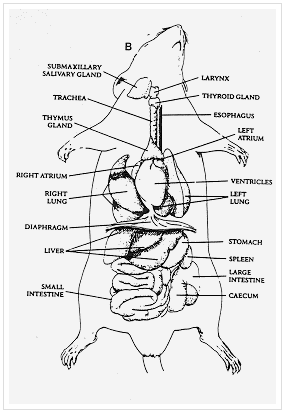
Diagram #4
Homeostasis
Maintaining a stable internal environment in the body.
Feedback Loops
Involves a stimulus and a response.
Stimulus
A change that causes the body to react.
Response
The body’s reaction to the stimulus.
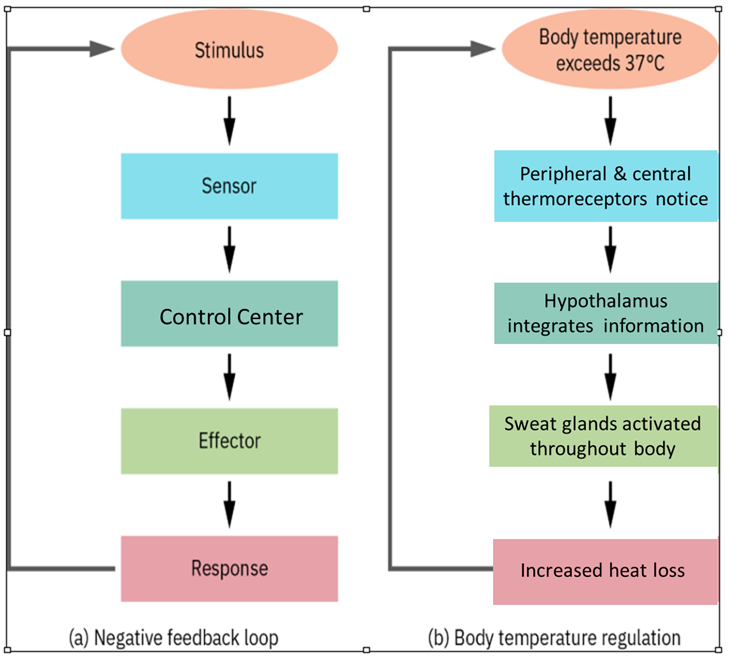
Negative Feedback Loop
Helps maintain homeostasis.
The response counteracts/reverses the original change.
Negative Feedback Loop Example:
Body temperature rises → body responds → temperature decreases
The response works to bring the body back toward its normal state.
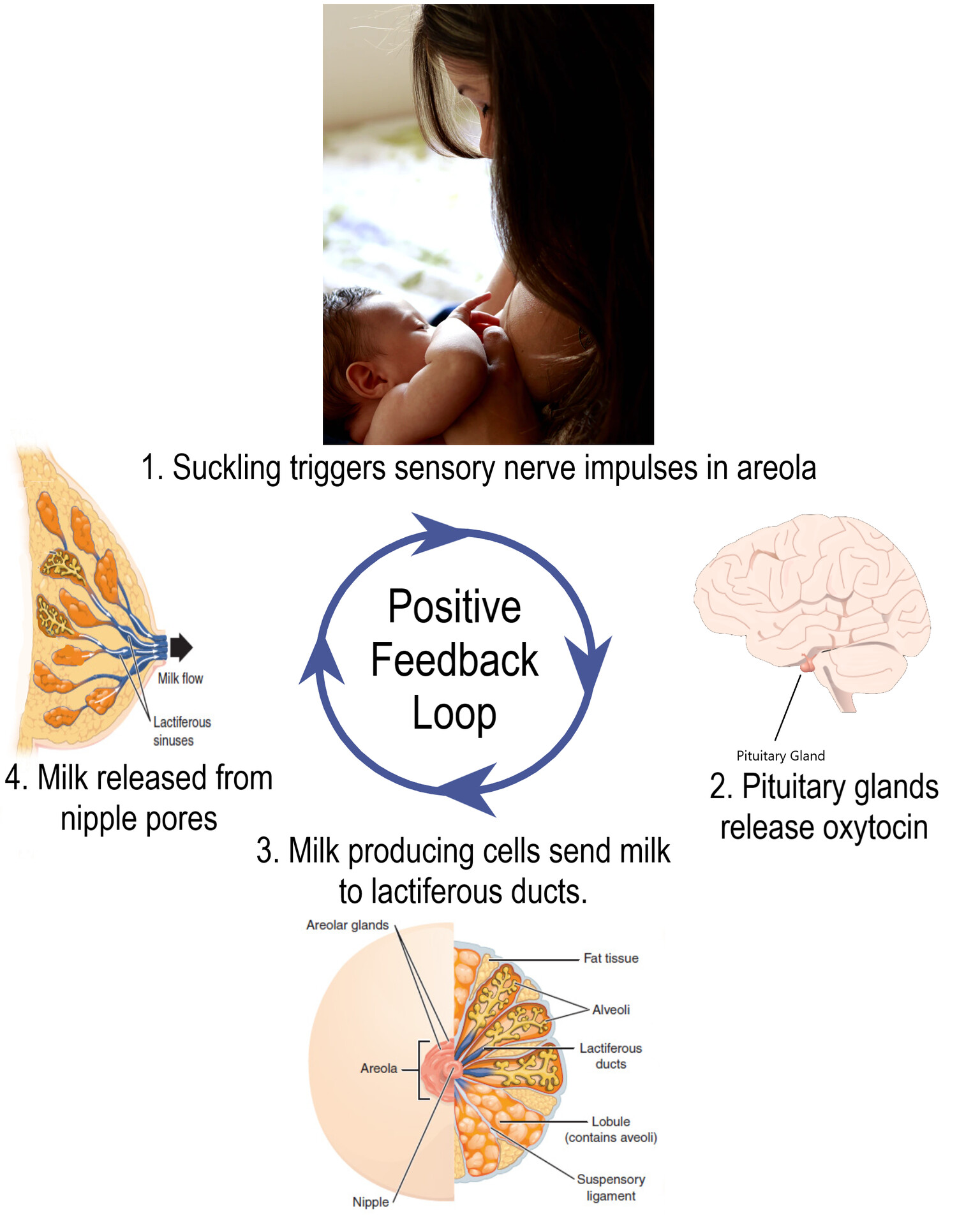
Positive Feedback Loop
The response increases or strengthens the original change.
Positive Feedback Loop Example
Stimulus → response → response increases the original stimulus
Negative vs Positive Feedback Loop

Anatomical Position
The standard reference posture used globally in medicine and biology to describe the human body clearly and without confusion