US History Exam 1
 Call Kai
 Learn
Learn Practice Test
 Spaced Repetition
 Match
Match Flashcards
 Knowt Play
1/73

There's no tags or description
Looks like no tags are added yet.
Name | Mastery | Learn | Test | Matching | Spaced | Call with Kai | Chat |
|---|
No analytics yet
Send a link to your students to track their progress
74 Terms
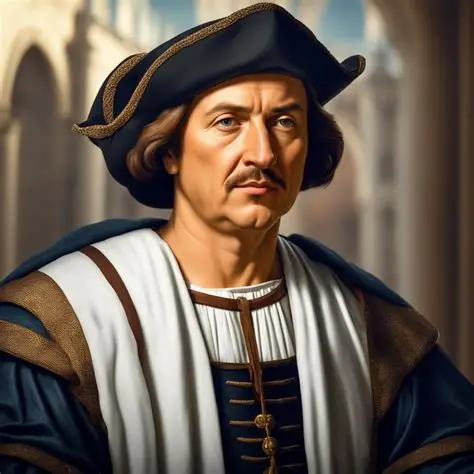
Christopher Columbus
Explorer who reached the Americas in 1492.
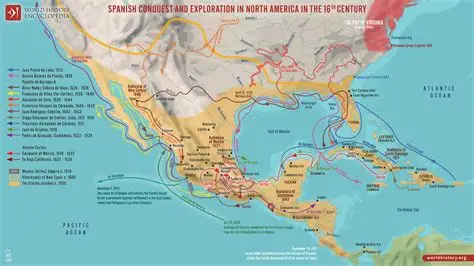
Spanish exploration and colonization
Spain’s early conquest and settlement of the Americas.
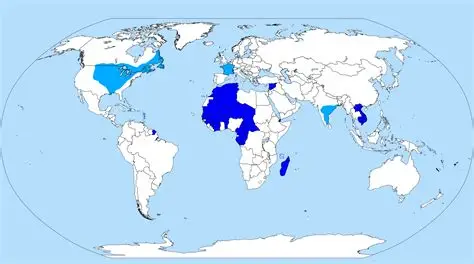
French exploration and colonization
France’s North American trade‑focused settlements.
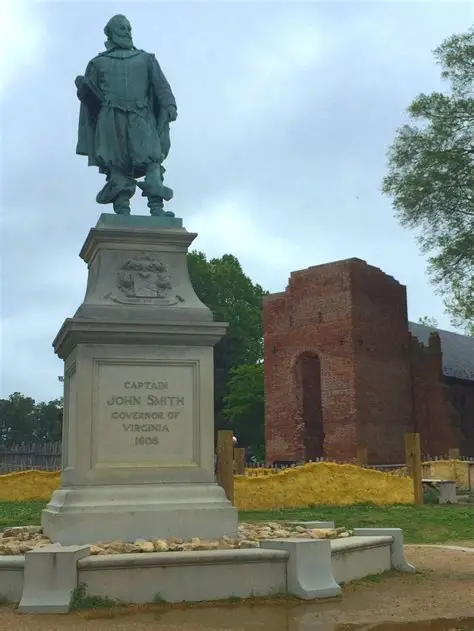
John Smith, John Rolfe, and Jamestown
Leaders who helped Jamestown survive and profit.
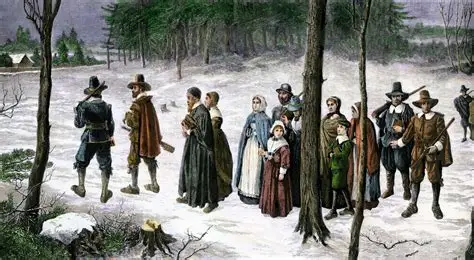
Separatist Puritans
Puritans who left England to form independent churches.

Joint-stock company
Business where investors share profits and risks.
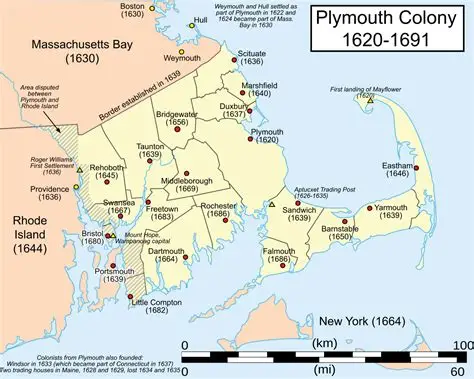
Plymouth Colony / “Pilgrims”
Separatists who founded Plymouth in 1620.
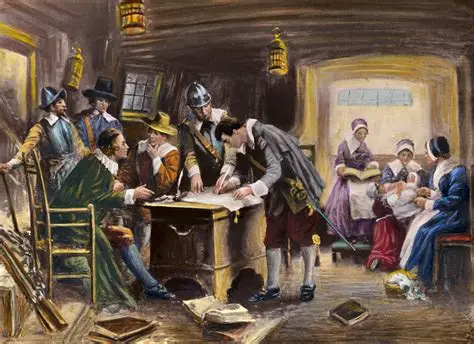
Mayflower Compact
Early self‑government agreement by Pilgrims.
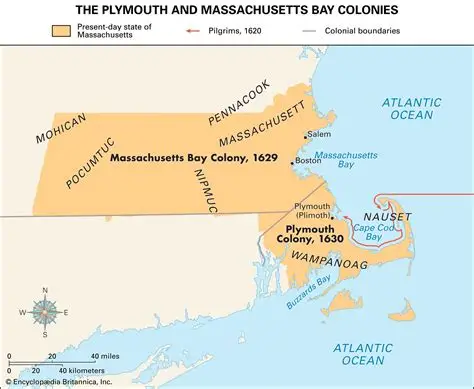
Massachusetts Bay Colony
Large Puritan colony founded in 1630.
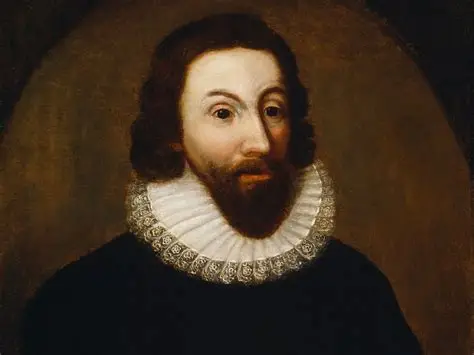
“A Model of Christian Charity”
Winthrop’s sermon promoting unity and moral duty.
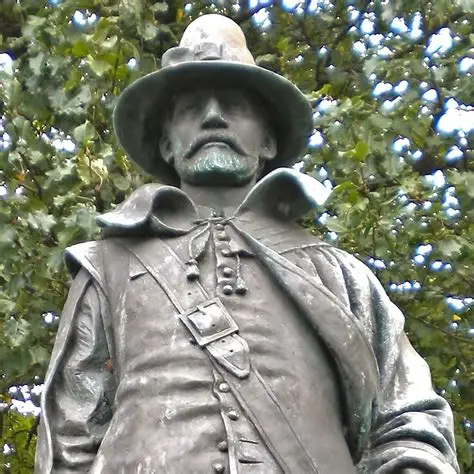
William Bradford
Pilgrim leader and longtime governor of Plymouth.
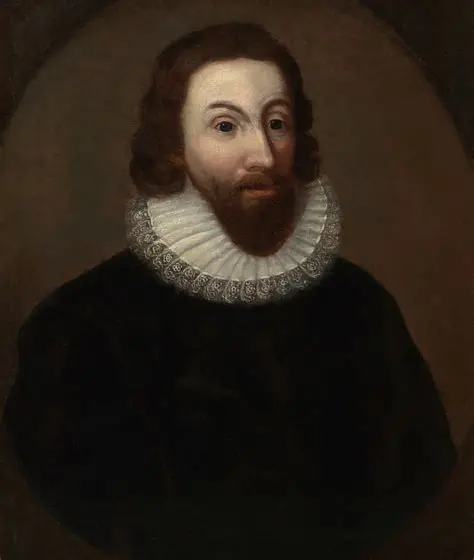
John Winthrop
Puritan governor who led Massachusetts Bay.
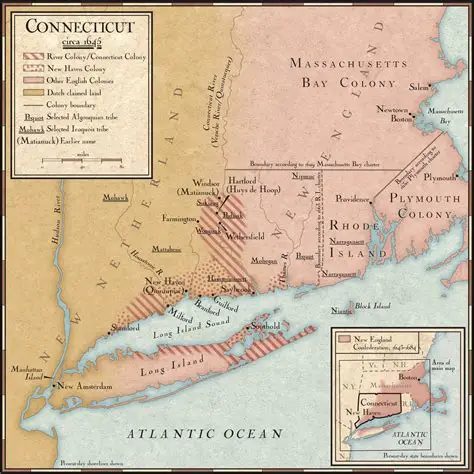
Founding of Connecticut
Colony formed by Puritan settlers seeking new land.
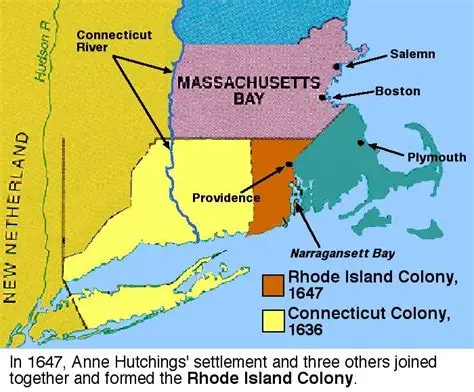
Founding of Rhode Island
Colony founded for religious freedom by dissenters.
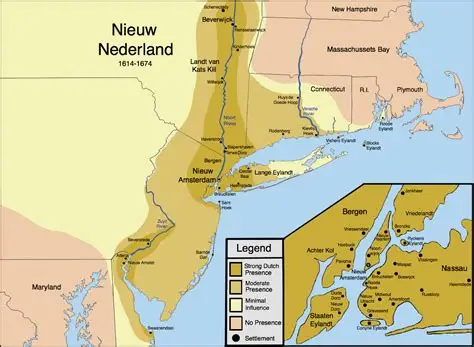
New Netherlands becomes New York
Dutch colony taken by England in 1664.
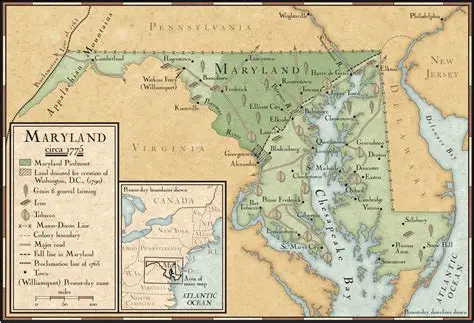
Founding of Maryland
Colony founded as a refuge for Catholics.

Founding of Pennsylvania
Quaker colony founded by William Penn.
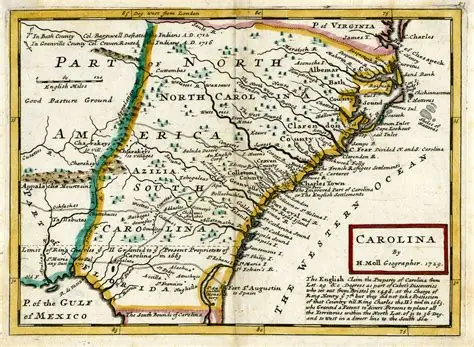
Founding of Carolina
Restoration colony created for English settlers.
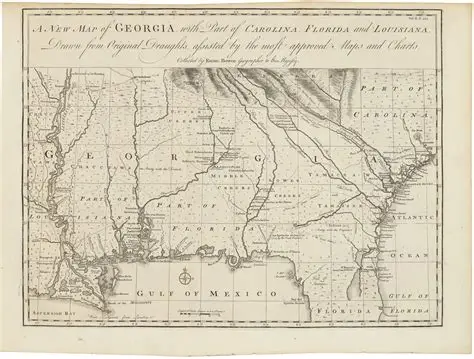
Founding of Georgia
Buffer colony and refuge for debtors.
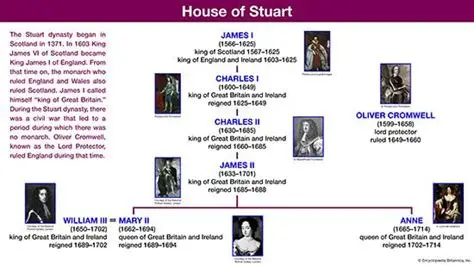
The Stuart kings
English monarchs ruling during early colonization.
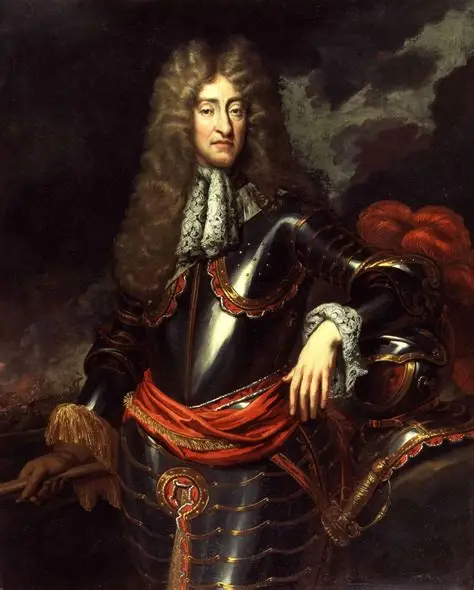
James II of England
Stuart king overthrown in the Glorious Revolution.

The Glorious Revolution
1688 overthrow establishing constitutional monarchy.
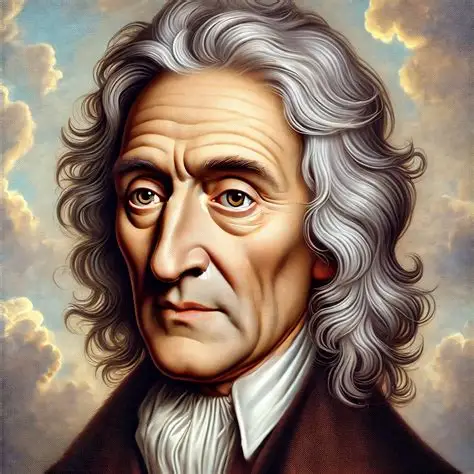
John Locke
Philosopher promoting natural rights and consent.
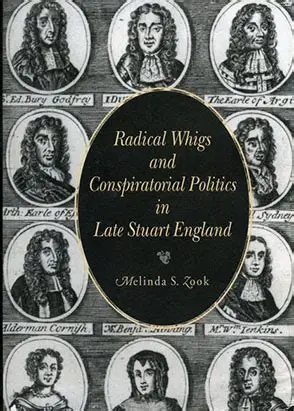
Radical Whigs
Political thinkers warning against tyranny.
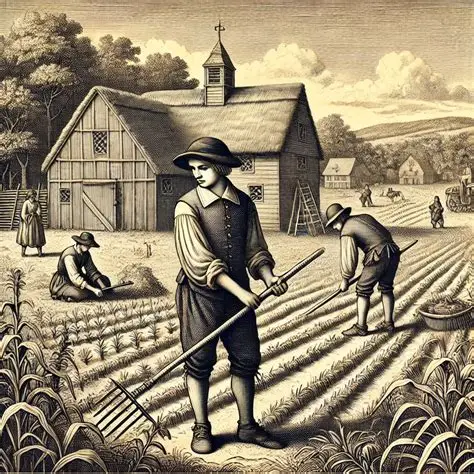
Indentured servanthood
Labor system exchanging work for passage.
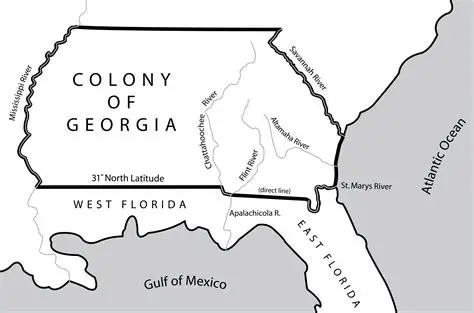
Settlement of Georgia
Planned colony for defense and social reform.

Benign (salutary) neglect
Loose British oversight of colonies.
Jonathan Edwards
Key preacher of the First Great Awakening.
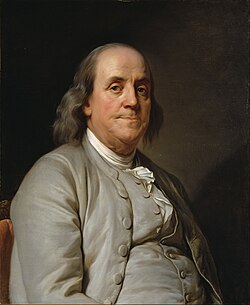
Benjamin Franklin
Colonial writer, scientist, and political leader.
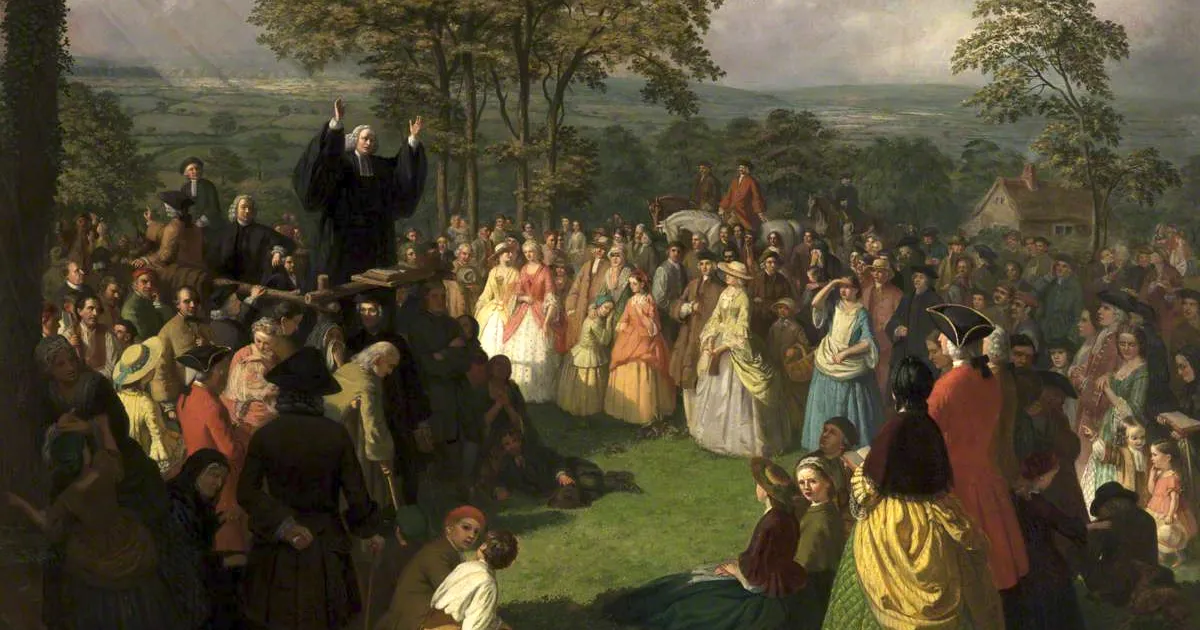
The First Great Awakening
Religious revival stressing personal faith

George Whitefield
Traveling preacher who spread revivalism.
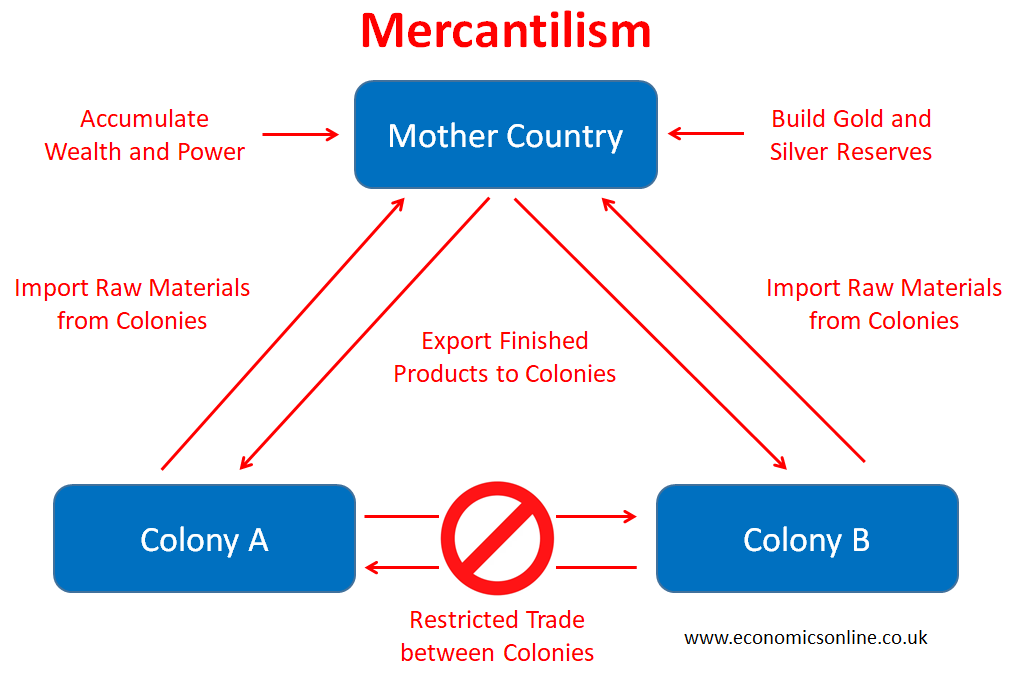
Mercantilism
Economic system controlling trade for national gain.

Seven Years’ War
Global conflict; in America, French vs. British.

French & Indian War (DATES)
1754–1763.
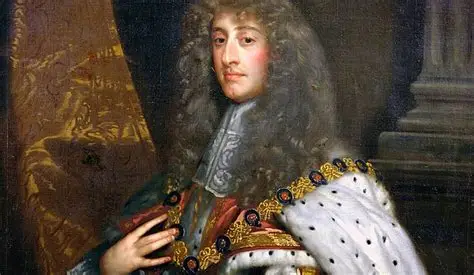
George III of England
British king during colonial crisis.

Proclamation of 1763
Banned settlement west of Appalachians.

Stamp Act
Tax on printed materials in colonies.
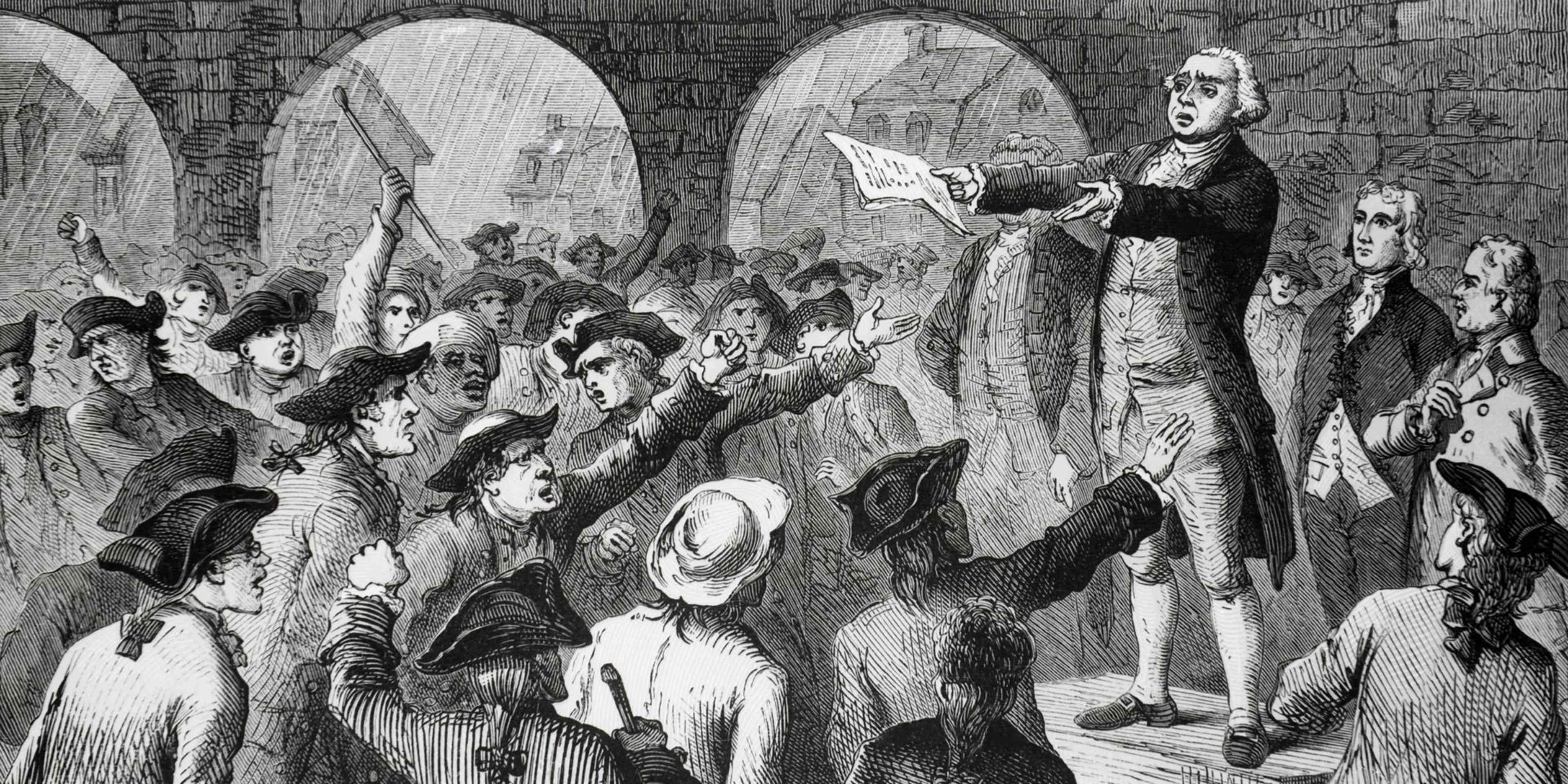
Sons of Liberty
Colonial group resisting British taxes.
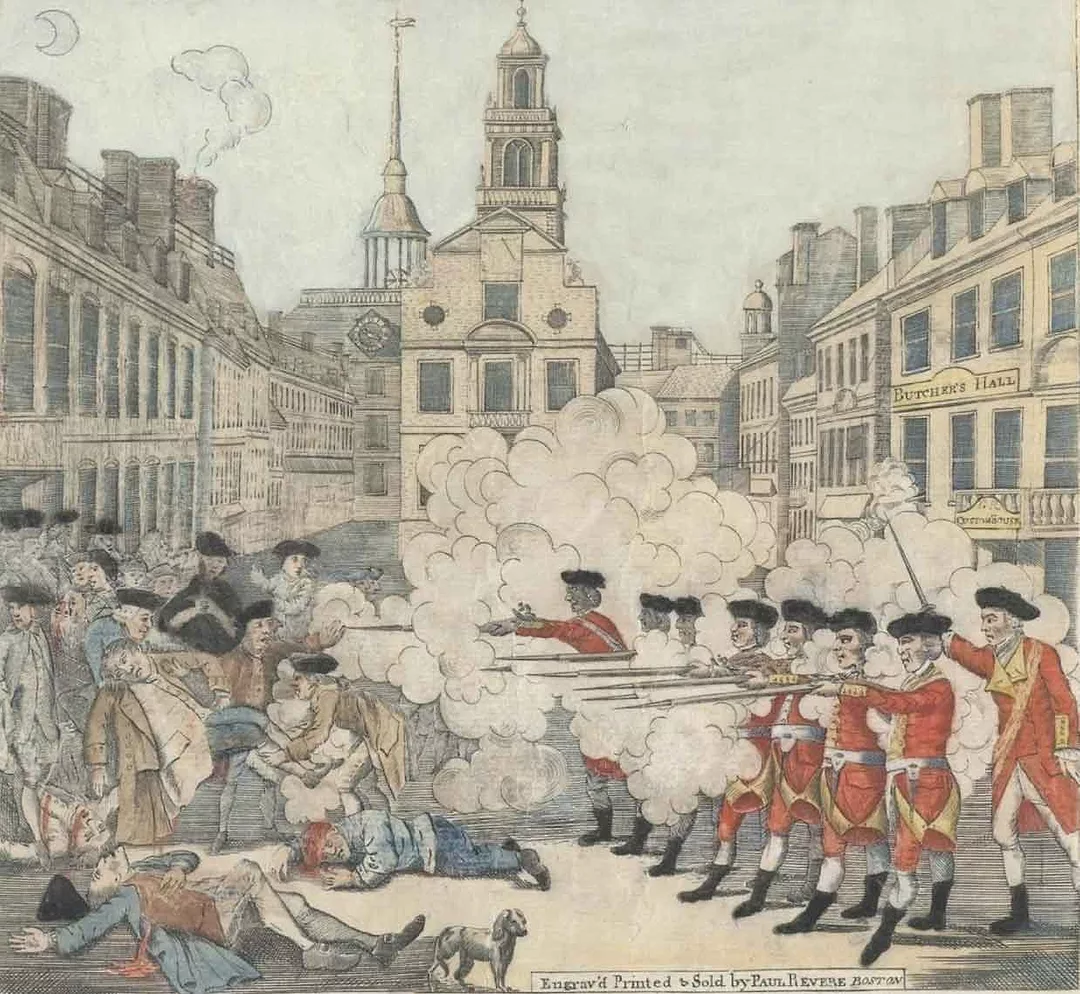
Boston Massacre
1770 clash where British soldiers killed colonists.

Gaspee Incident
Burning of British customs ship by colonists.

Boston Tea Party
Colonists dumped British tea in protest.

Coercive (Intolerable) Acts
Punitive laws after the Tea Party.

First Continental Congress
Colonial meeting to coordinate resistance.

Revolutionary War (DATES)
1775–1783.

Lexington and Concord
First battles of the Revolutionary War.

Second Continental Congress
Body that managed the war and independence.

Battle of Bunker Hill
Early battle showing colonial resistance.

Declaration of Independence
1776 document declaring U.S. independence.

Whigs (Patriots) vs. Tories (Loyalists)
Supporters vs. opponents of independence.
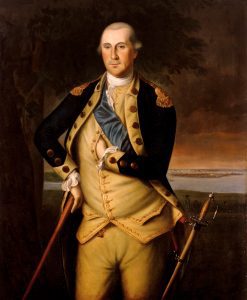
George Washington (commander-in-chief)
Leader of Continental Army.

Thomas Paine / Common Sense
Pamphlet urging independence.

Battles of Trenton and Princeton
Washington’s surprise victories in 1776–77.

Valley Forge
Harsh winter camp where army trained.

Battle of Saratoga
Turning point that brought French alliance.
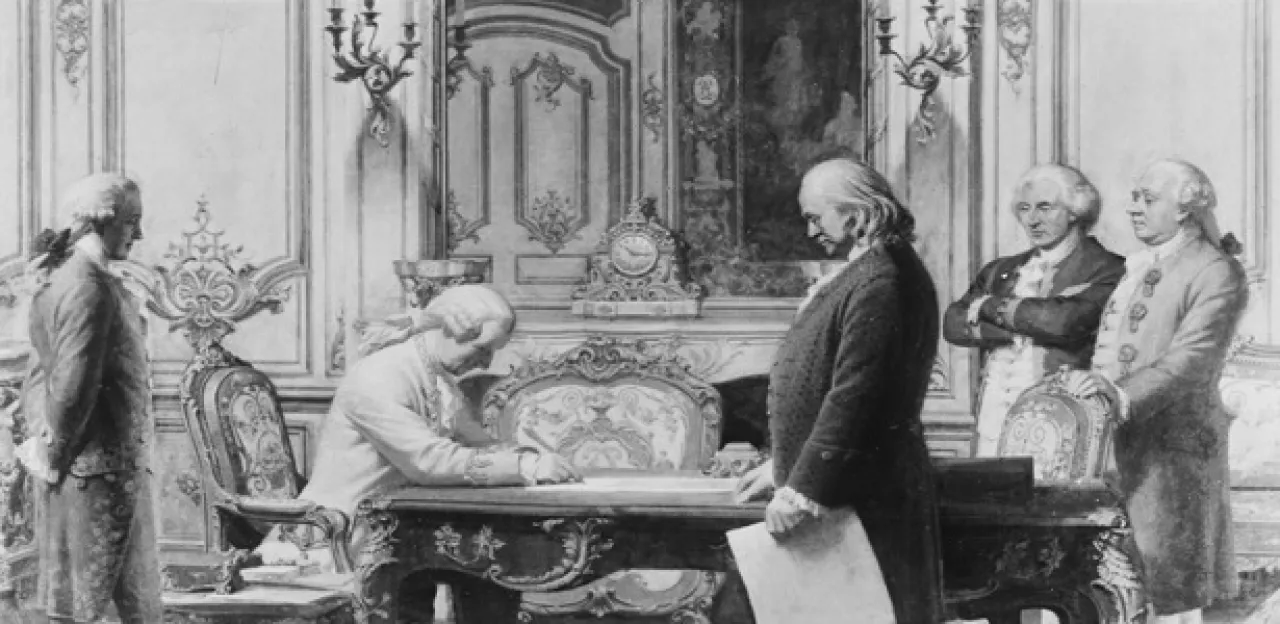
Alliance with France
French military support for the colonies.

Lord Cornwallis
British general defeated at Yorktown.

Nathaniel Greene / war in the South
American general using hit‑and‑run tactics.
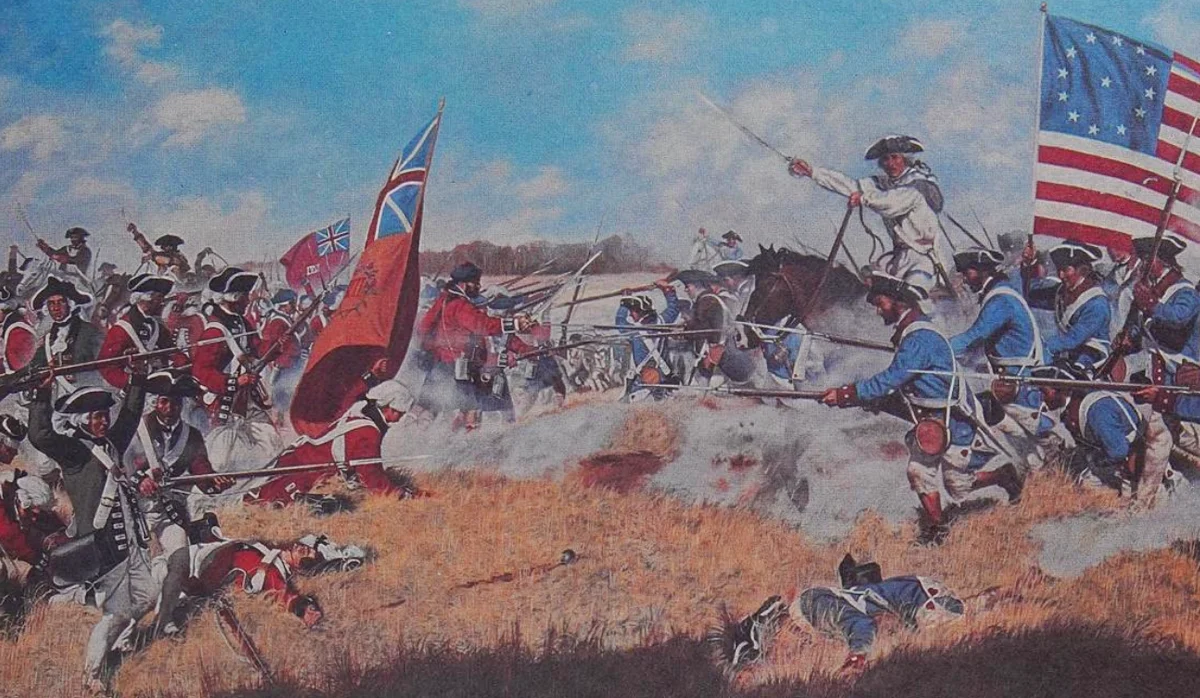
Battle of Cowpens
Major American victory in the South.

Battle of Guilford Courthouse
Costly British win weakening Cornwallis.

Battle of Yorktown
Final major battle; British surrender.

Treaty of Paris (1783)
Ended the war and recognized U.S. independence.

Articles of Confederation
First U.S. government; weak central power.

Constitutional Convention (1787)
Meeting to create the U.S. Constitution.

Washington & Franklin at Convention
Prestigious leaders who guided the process.

James Madison
“Father of the Constitution.”

Alexander Hamilton
Strong nationalist; key constitutional advocate.

Virginia Plan
Representation based on population.
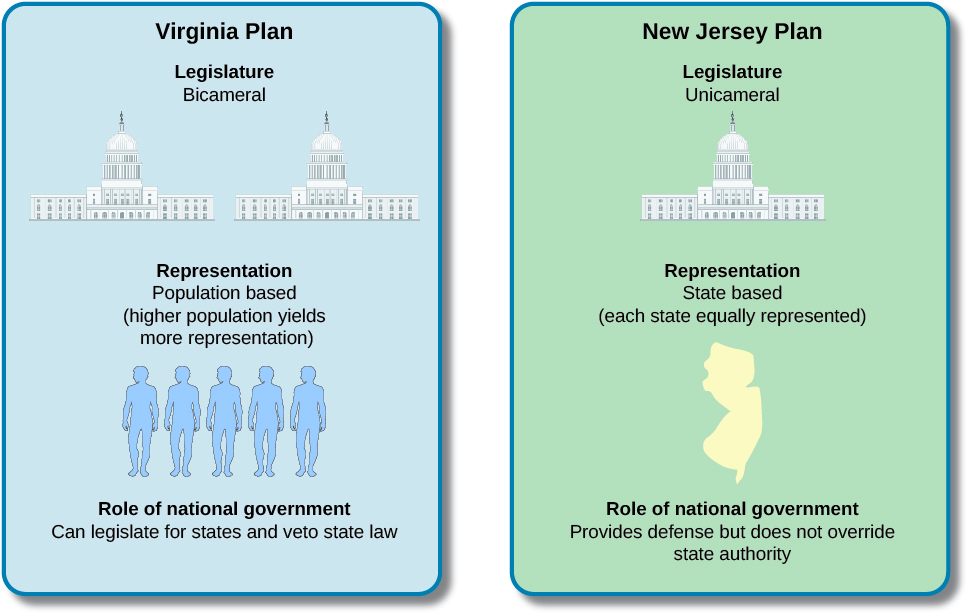
New Jersey Plan
Equal representation for states.

Connecticut Compromise
Combined both plans into two‑house Congress.

Three Fifths Compromise
Counted enslaved people as 3/5 for representation.

Bill of Rights
First ten amendments protecting liberties.

Ratification debate
Federalists vs. Anti‑Federalists over Constitution.

Federalists vs. Anti-Federalists
Supporters vs. critics of strong central government.
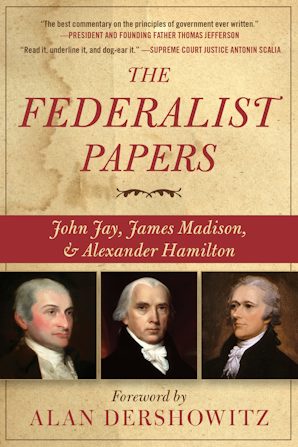
The Federalist Papers
Essays supporting Constitution ratification.