Digestive System: Anatomy, Disorders, and Medical Procedures
 Call Kai
 Learn
Learn Practice Test
 Spaced Repetition
 Match
Match Flashcards
 Knowt Play
1/67

There's no tags or description
Looks like no tags are added yet.
Name | Mastery | Learn | Test | Matching | Spaced | Call with Kai | Chat |
|---|
No analytics yet
Send a link to your students to track their progress
68 Terms
Upper GI Tract
Mouth, pharynx, esophagus, stomach
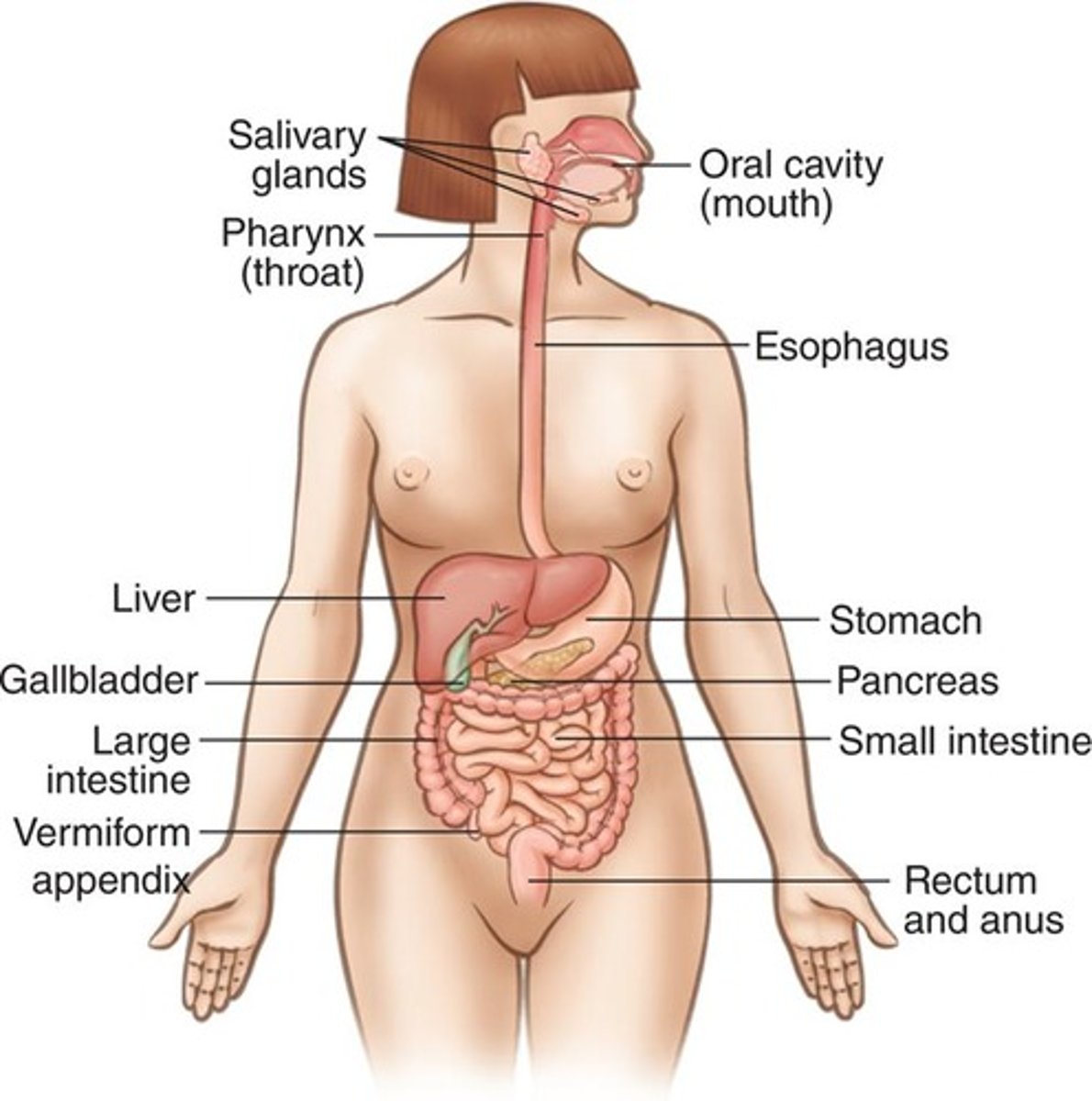
Lower GI Tract
Small and large intestines, rectum, anus
Accessory Organs
Liver, gallbladder, pancreas
Hard palate
Anterior portion of the palate; covered with specialized mucous membrane
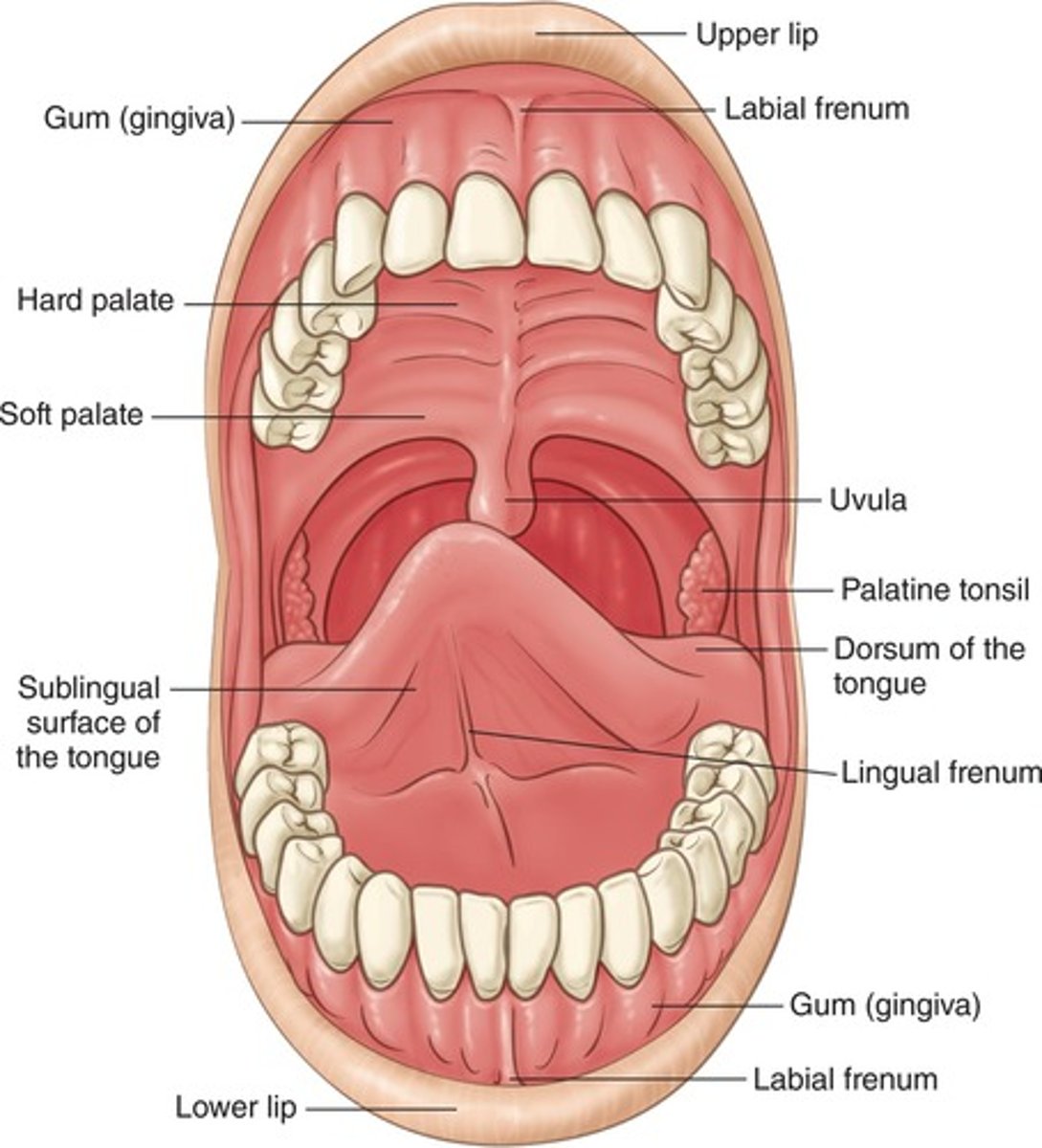
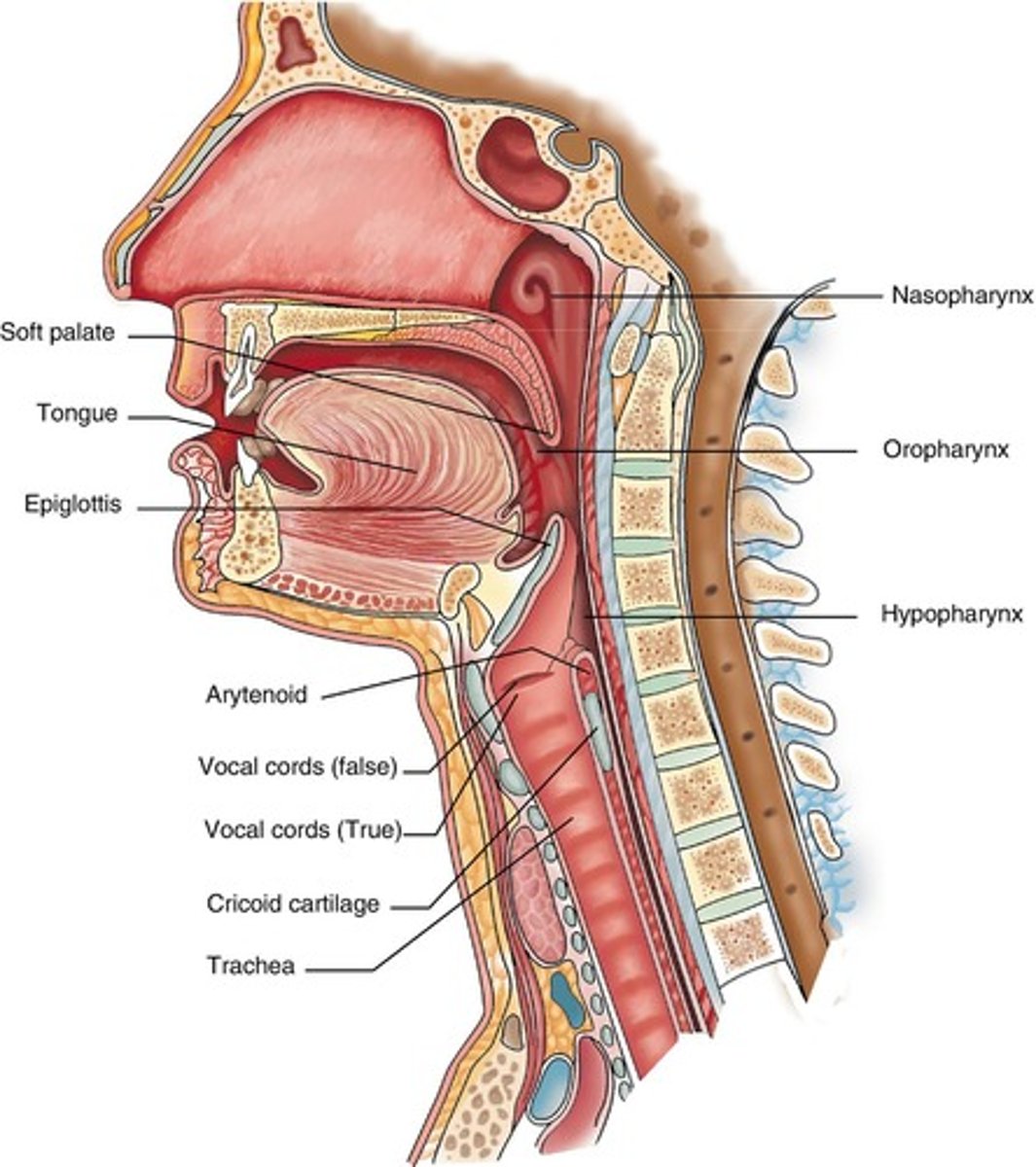
Soft palate
Flexible posterior portion of the palate; closes off nasal passage during swallowing preventing upward movement of food/liquid
Uvula
Plays role in swallowing, snoring, and speech
Tongue
Very strong, flexible, and muscular in nature; important in chewing, speaking, and swallowing
Dorsum
Upper surface of the tongue; contains taste buds
Sublingual surface
Under the tongue
Lingual frenum
Attaches tongue to the floor of the mouth
Saliva
Colorless liquid that maintains moisture in the mouth and begins the digestive process
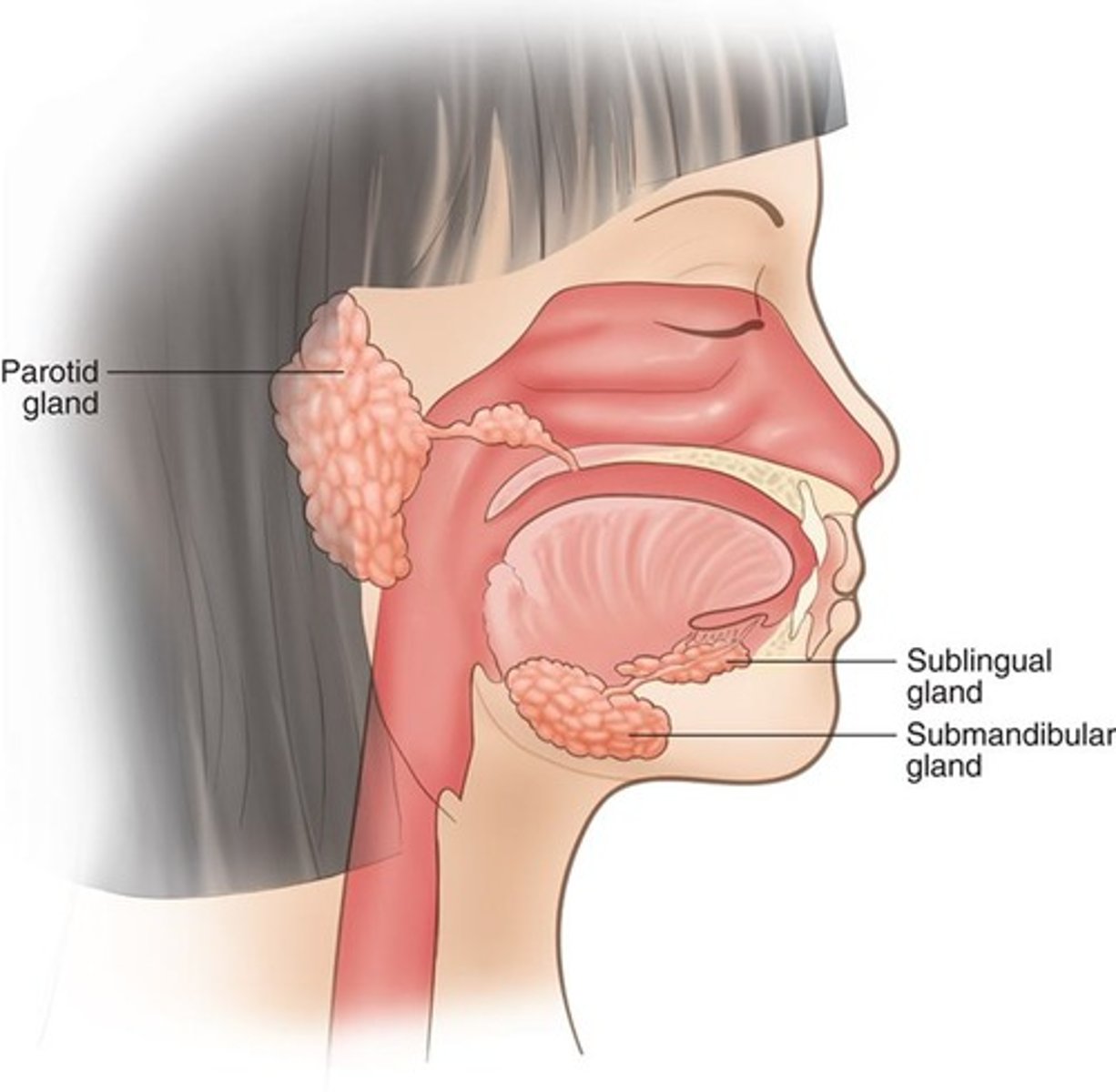
Parotid glands
Located slightly in front of each ear
Sublingual glands
Located on floor of the mouth under the tongue
Submandibular glands
Located on floor of the mouth near the mandible
Pharynx
Common passageway for respiration and digestion; important role in deglutition (swallowing)
Epiglottis
Closes entrance to trachea to prevent food and liquid from moving from pharynx during swallowing
Esophagus
Muscular tube for the passage of ingested food from pharynx to stomach
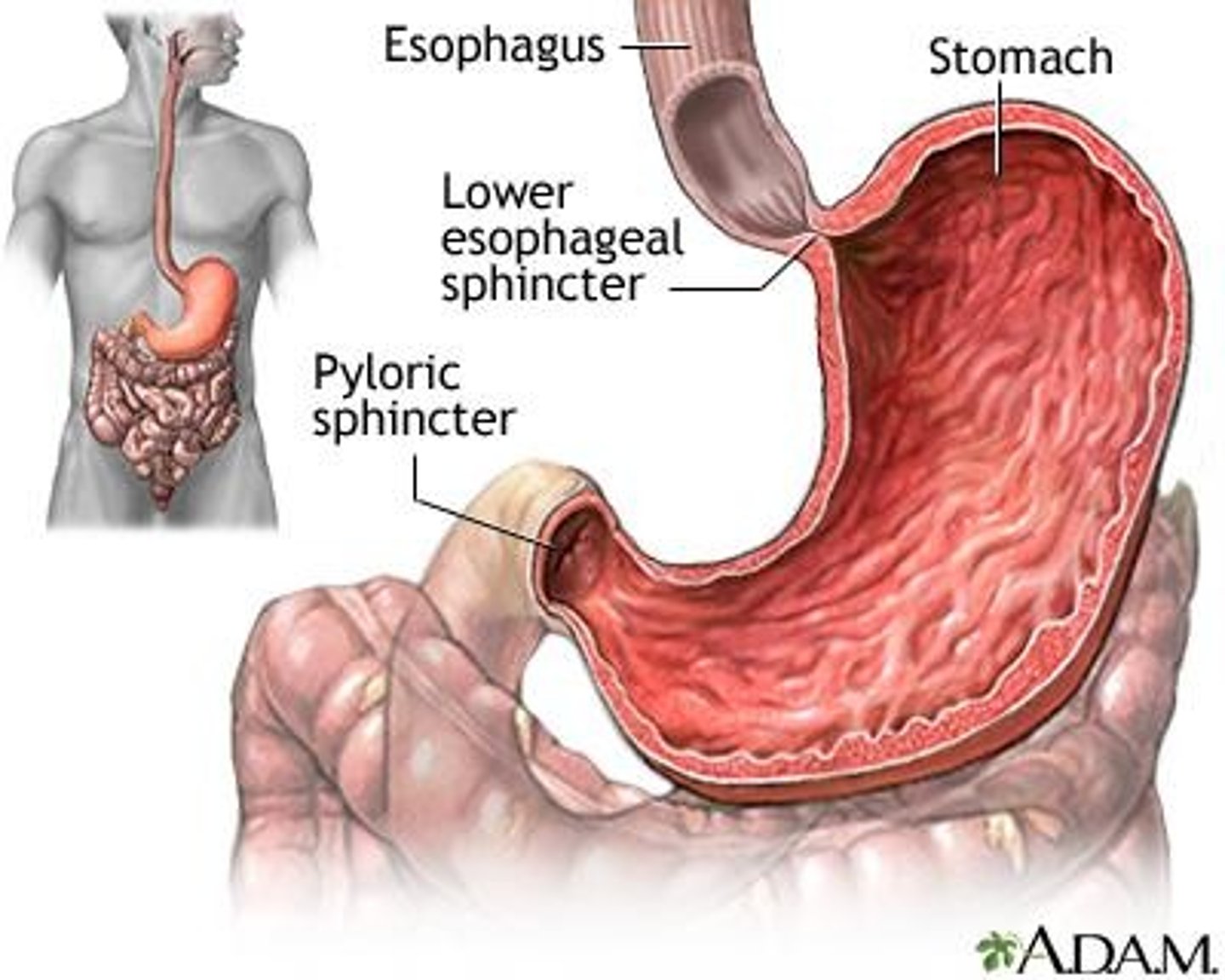
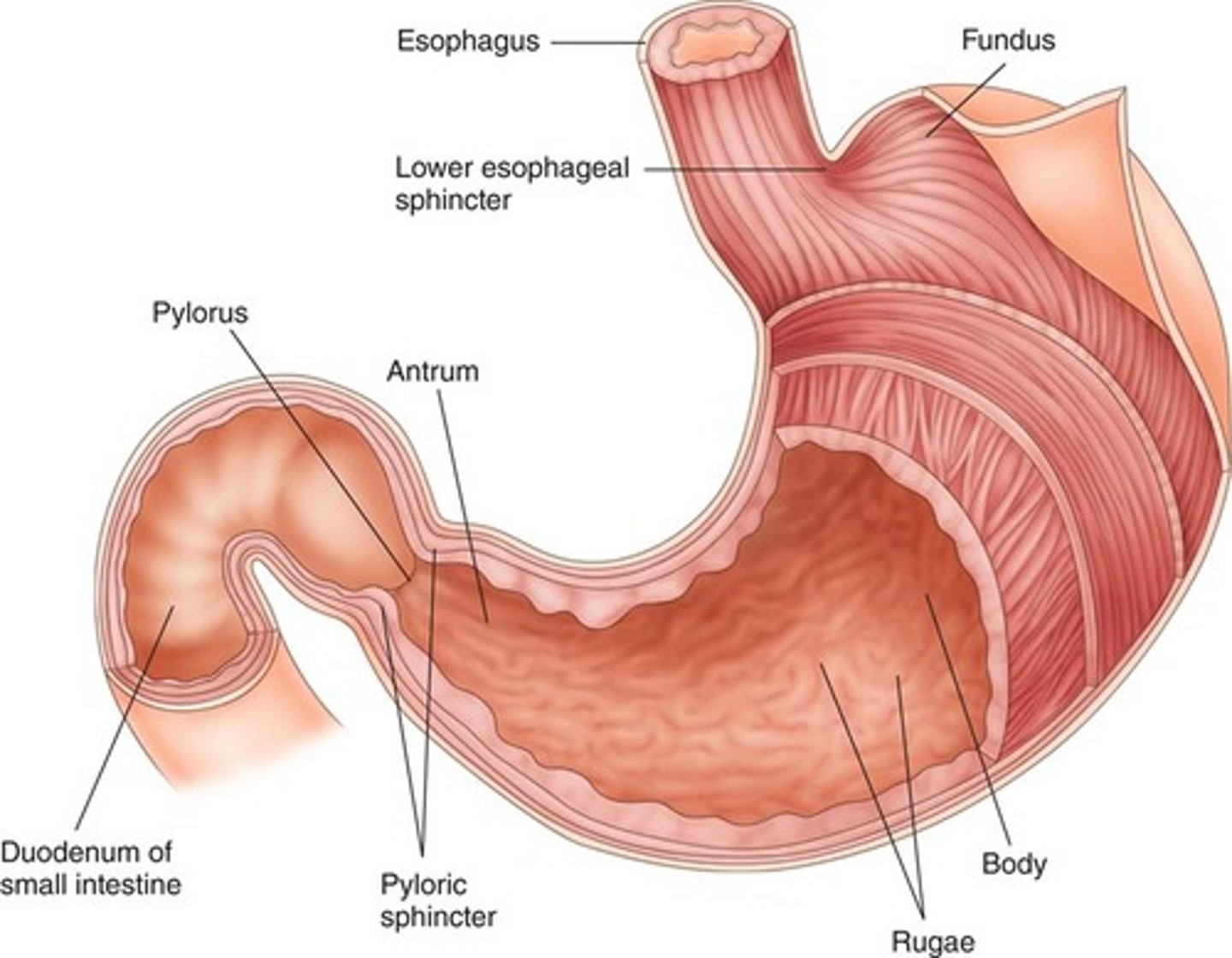
Lower esophageal sphincter
Muscular ring between esophagus and stomach that relaxes to allow food to enter the stomach
Rugae
Folds in mucosa lining allowing the stomach to increase and decrease in size
Gastric juices
Enzymes and hydrochloric acid that aid in food digestion
Chyme
Gastric juices and partly digested food
Pyloric sphincter
Ring-like muscle at base of stomach that controls the flow of partially digested food from stomach to the duodenum
Duodenum
First portion of the small intestine
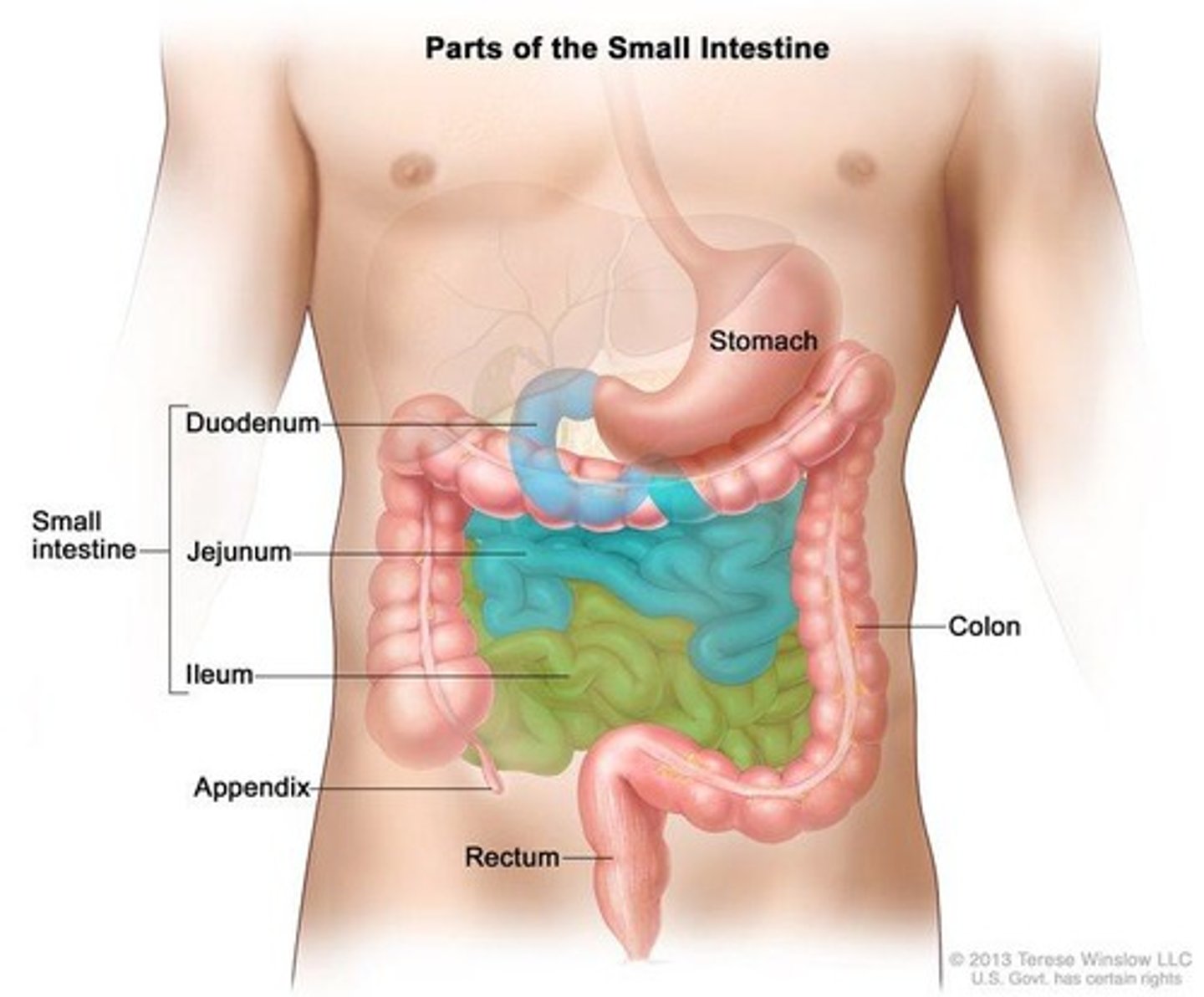
Jejunum
Middle portion of the small intestine
Ileum
Longest portion of the small intestine
Cecum
First part of the large intestine
Colon
Four parts of the large intestine
Rectum
Final section of the large intestine
Anus
Opening at the end of the digestive tract
Digestion
Process by which complex food is broken down into nutrients to be used by the body
Metabolism
Chemical reactions involved in body's use of nutrients
Anabolism
Builds up cells/substances by use of nutrients
Catabolism
Breaks down cells/substances releasing energy and carbon dioxide
Cleft lip
Deep groove of the lip upward to the nose as a result of portion of the lip failing to close during prenatal development
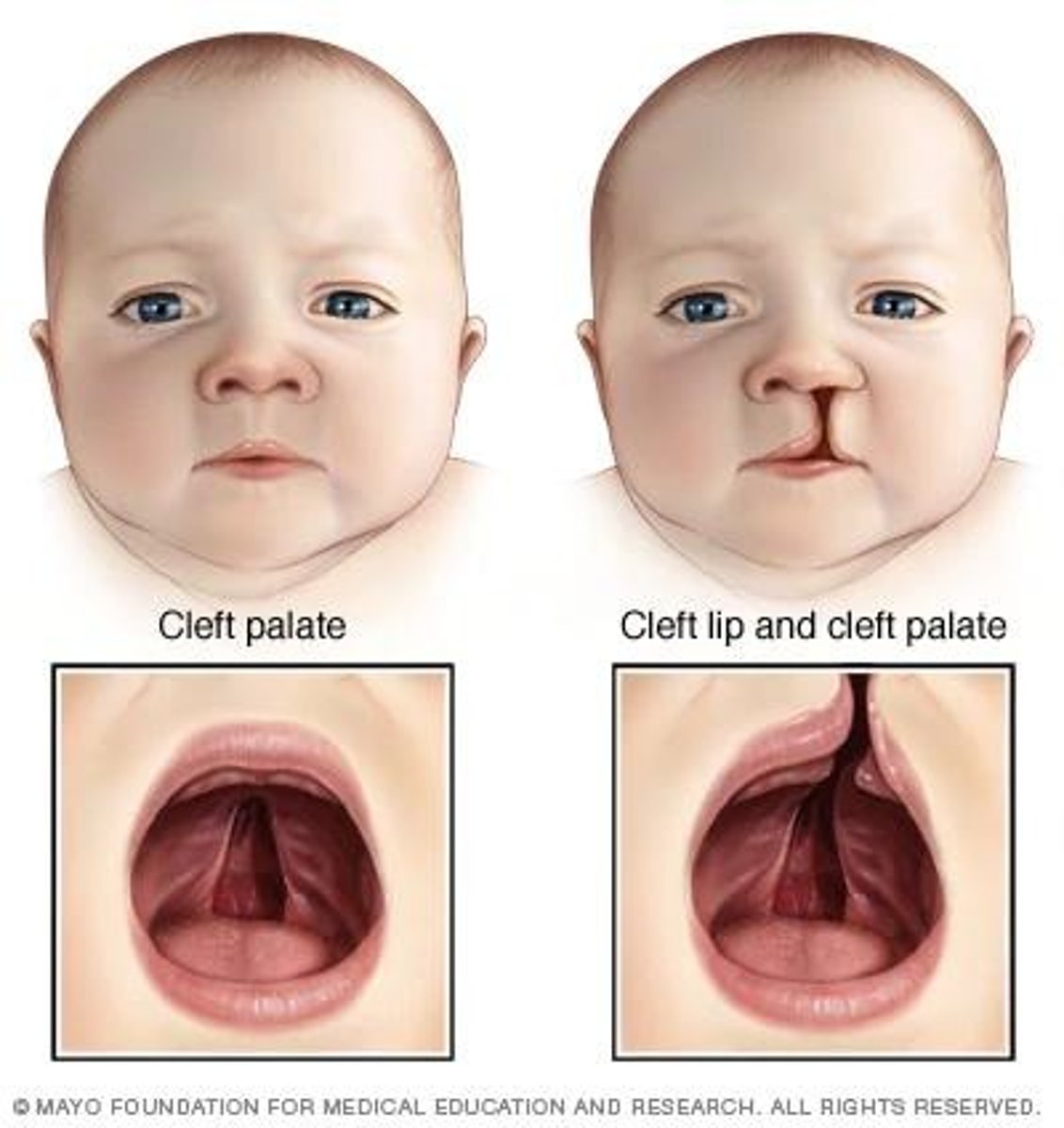
Cleft palate
Failure of palate to close during early development of the fetus
Dysphagia
Difficulty in swallowing
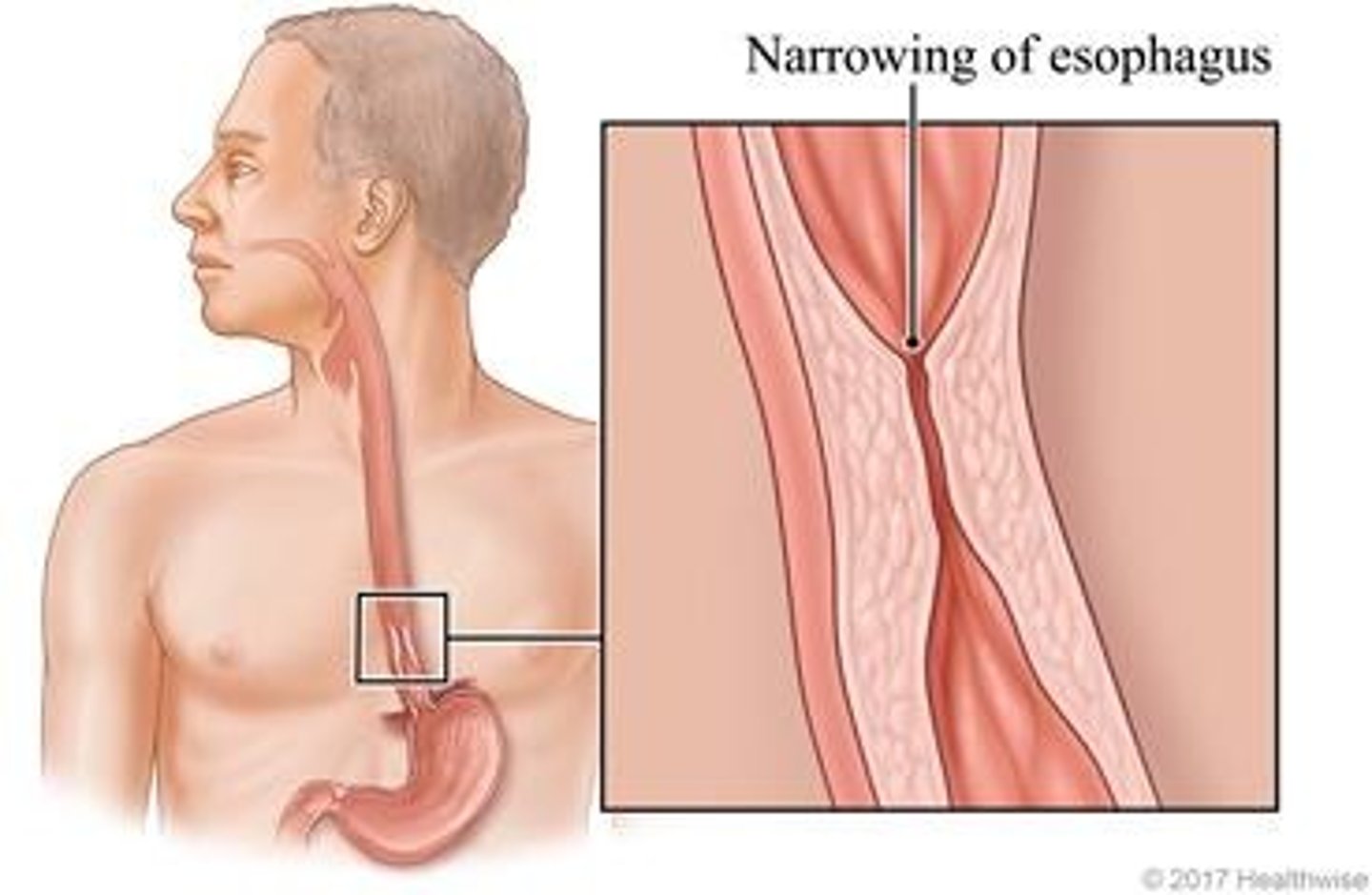
Stricture
Abnormal narrowing of the esophagus due to scar tissue or other damage
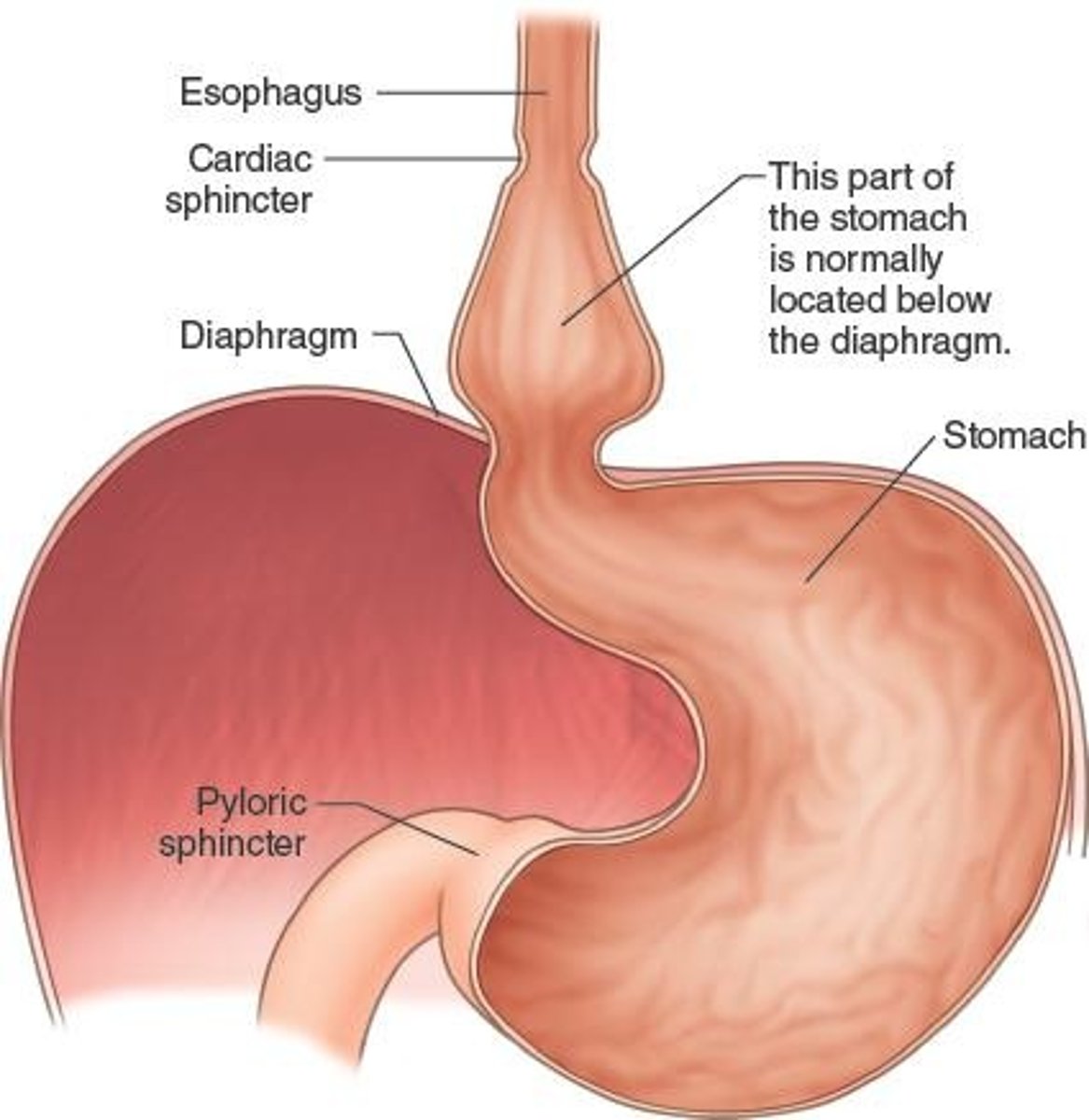
Hiatal Hernia
An anatomical abnormality in which a portion of the stomach protrudes upward into the chest, through an opening in the diaphragm
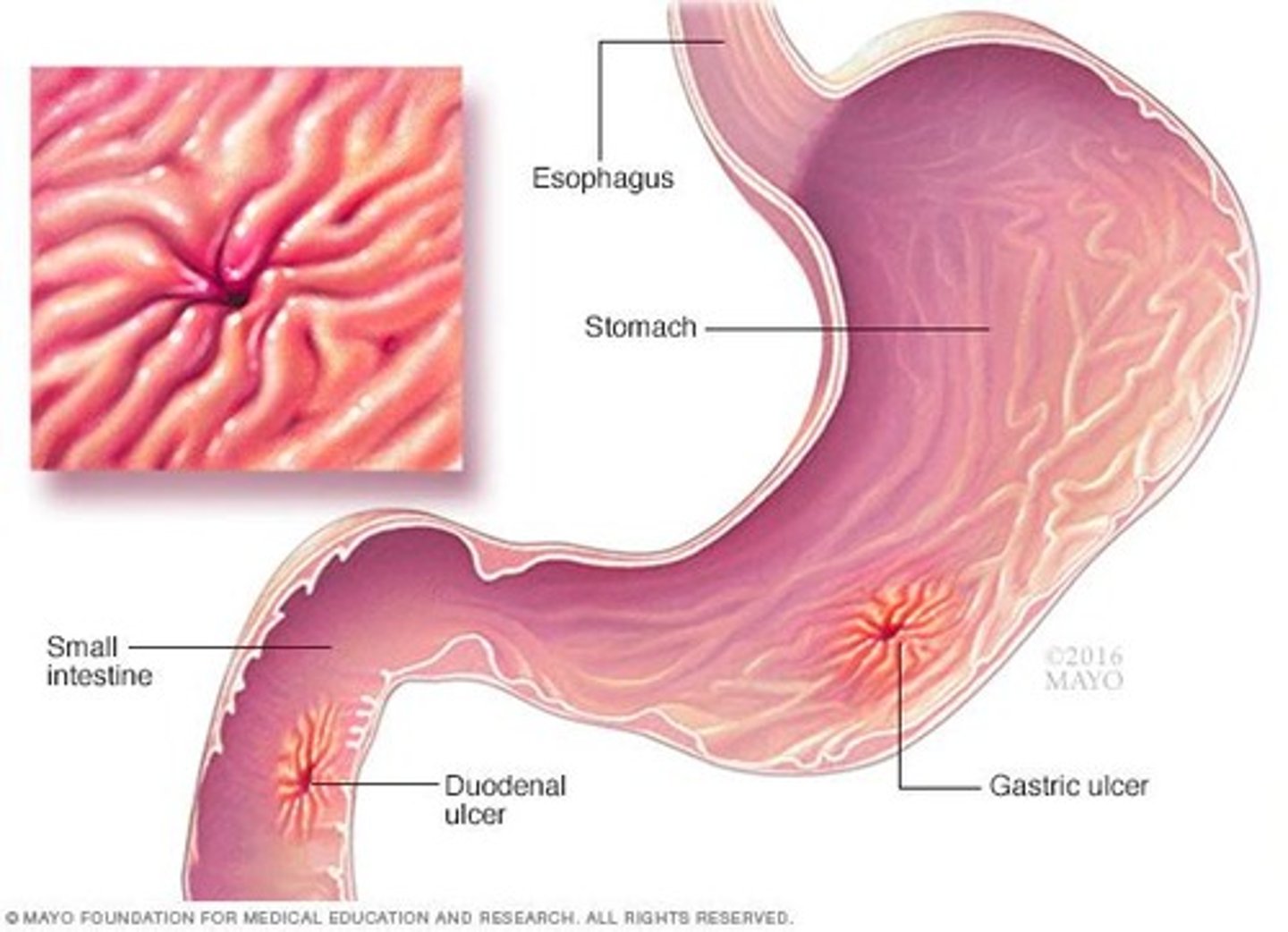
Peptic ulcers
Gastric ulcers that occur in the stomach
Duodenal ulcers
Occur in the upper part of the small intestine
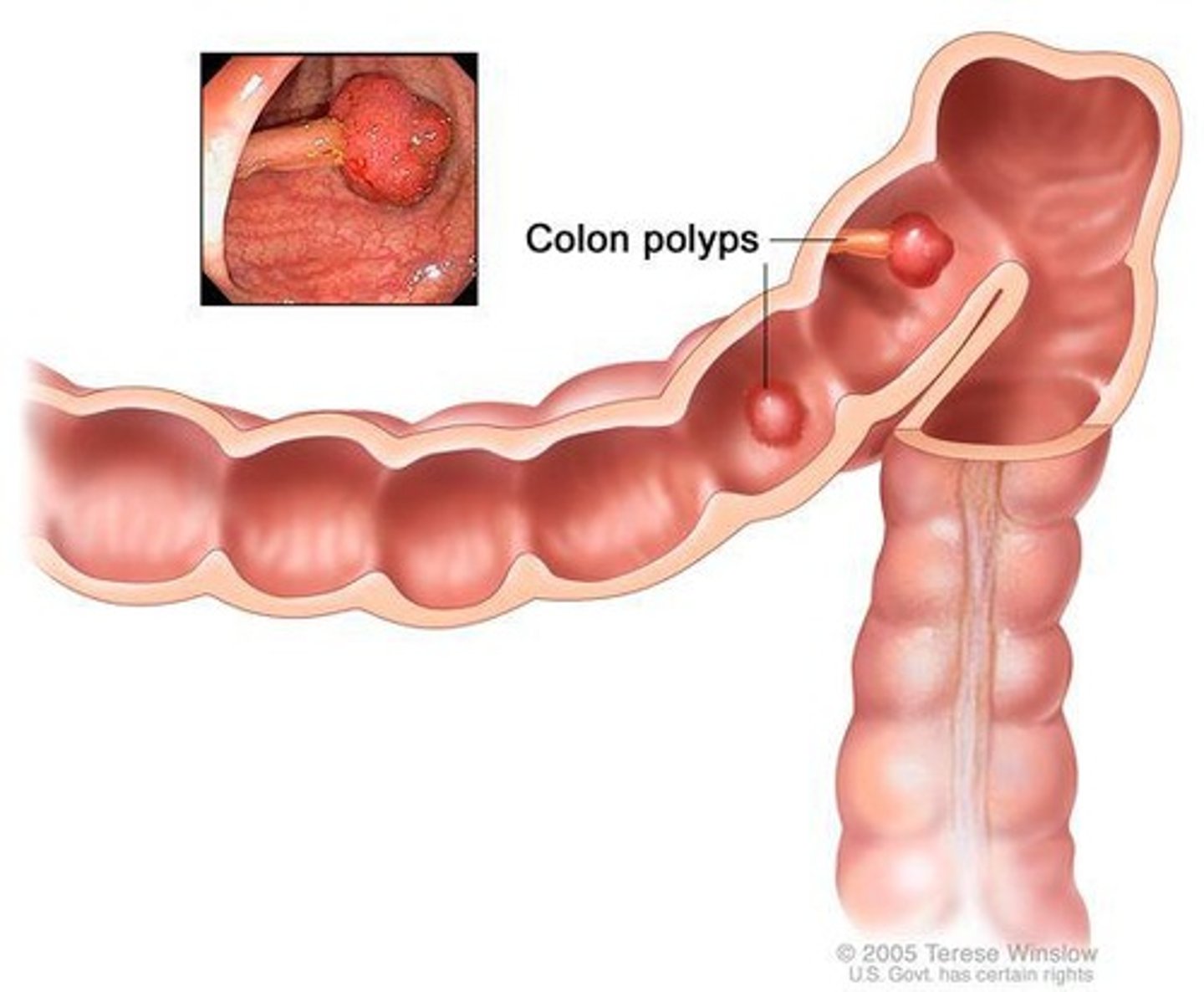
Polyp
Mushroom-like growth from the surface of the mucous membrane; may be benign or malignant
Enteritis
Inflammation of the small intestine; may be viral or bacterial
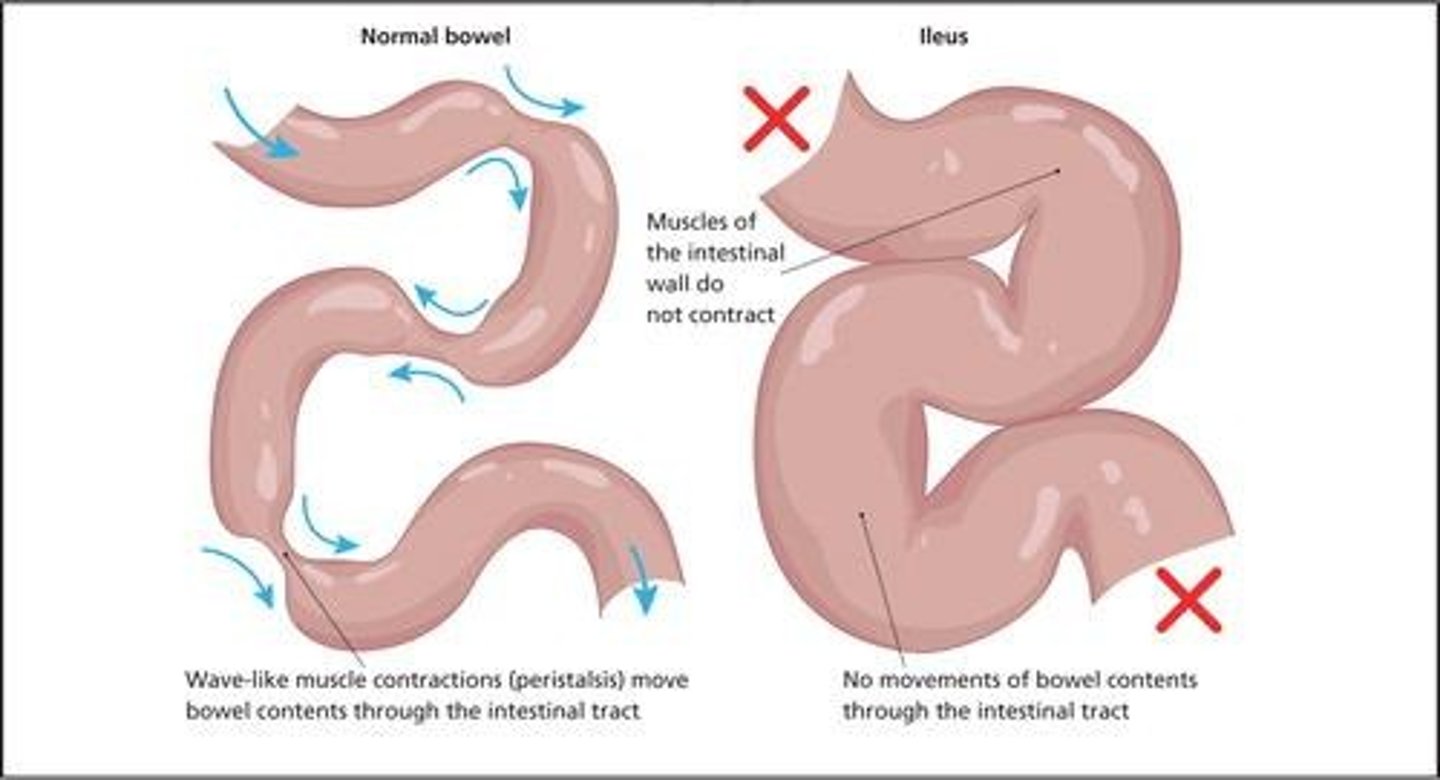
Intestinal Obstruction
Partial or complete blockage of small or large intestine
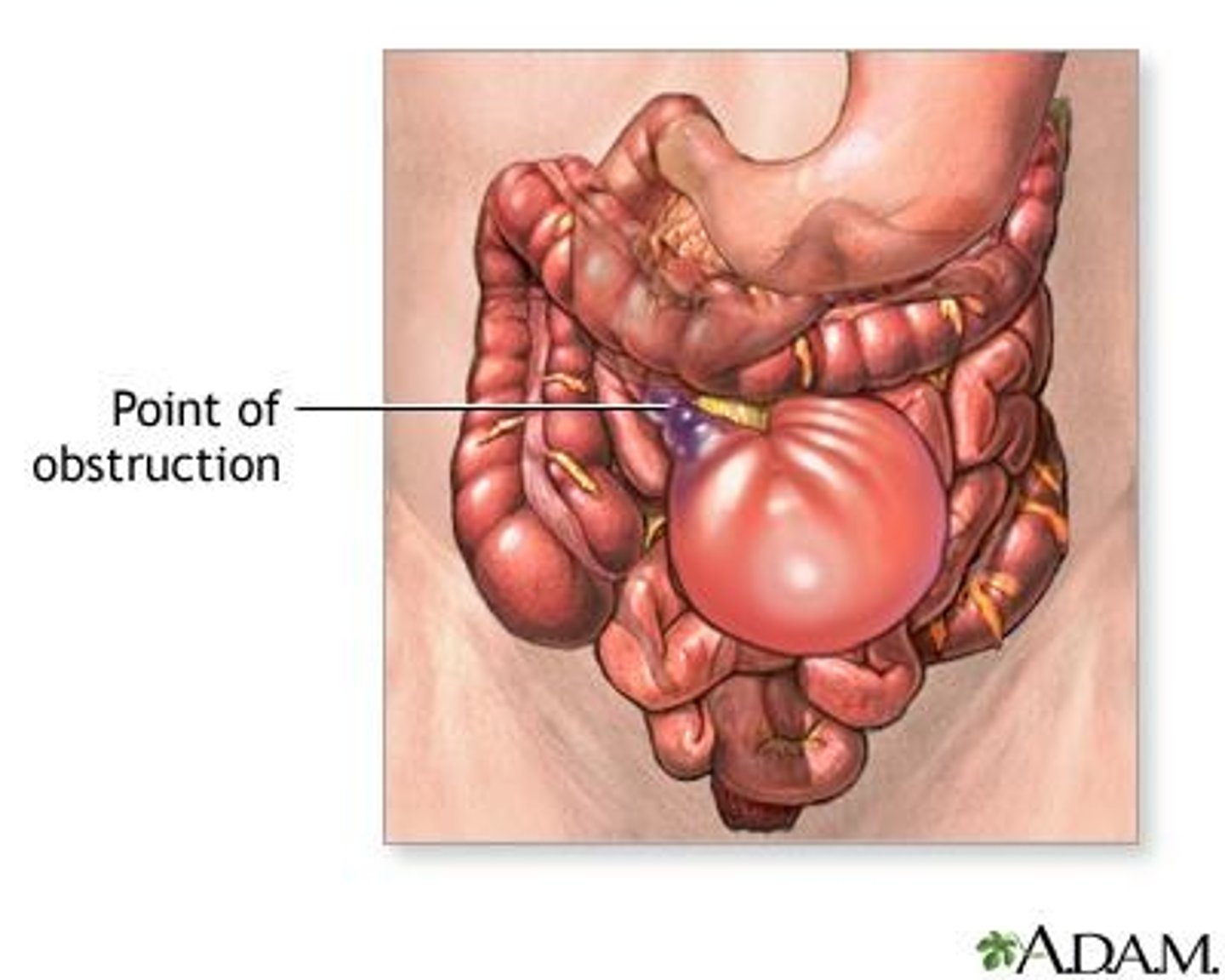
Volvulus
Twisting of the intestine on itself
Intussusception
Telescoping of one part of the small intestine into the opening of the adjacent part
Ascites
Abnormal accumulation of serous fluid in peritoneal cavity; may be the result of severe liver disease
Hepatomegaly
Abnormal enlargement of liver
Jaundice
Yellow discoloration of skin, mucous membranes, and eyes due to increased bilirubin in the blood
Hepatitis
Inflammation of liver usually caused by viral infection
Cholangitis
Acute inflammation of bile duct usually caused by bacterial infection
Cholecystitis
Inflammation of gallbladder often associated with gallstones
Gallstone
Hard deposit in gallbladder and bile ducts due to concretion of bile components
Cholelithiasis
Presence of gallstones in gallbladder or bile ducts
Cholangiography
Radiographic examination of bile ducts with the use of contrast medium
Enema
Placement of solution into rectum/colon to empty the lower intestine
Esophagogastroduodenoscopy (EGD)
Allows direct visualization of upper GI tract
Upper and Lower GI Series
Radiographic studies to examine digestive system
Capsule Endoscopy
Use of tiny video camera that is swallowed by patient
Nasogastric (NG) Intubation
Placement of feeding tube through nose into the stomach to provide nutrition
Gastrostomy tube
Surgically placed feeding tube from exterior of body directly into stomach to provide nutrition
Bariatric surgery
Treats morbid obesity by restricting amount of food entering the stomach for digestion
Sleeve Gastrectomy
The stomach is sutured to make it into a small tube, reducing its capacity by about 75 percent
Colectomy
Surgical removal of all or part of the colon
Colotomy
Surgical incision into the colon
Colostomy
Surgical creation of artificial excretory opening between the colon and the body surface
Ileostomy
Surgical creation of artificial excretory opening between ileum and outside of abdominal wall
Anastomosis
A surgical connection between two hollow, or tubular, structures
Cholecystectomy
Surgical removal of the gallbladder