AH Biology - Prelim
 Call Kai
 Learn
Learn Practice Test
 Spaced Repetition
 Match
Match Flashcards
 Knowt Play
1/421

There's no tags or description
Looks like no tags are added yet.
Name | Mastery | Learn | Test | Matching | Spaced | Call with Kai |
|---|
No analytics yet
Send a link to your students to track their progress
422 Terms
What is a hazard?
A hazard is something that can cause harm to you.
What is a risk?
A risk is the likelihood that a hazard will actually harm you.
What are hazards you must consider when carrying out field work?
Hazards you must consider when carrying out fieldwork are:
Terrain
Weather conditions
Isolation
Tidal changes
Why can terrain be a hazard when carrying out fieldwork and how can the risk from it be minimised?
Terrain can be a hazard when carrying out fieldwork because the land can be uneven or hilly. The risk can be minimised by:
Assessing land before carrying out fieldwork.
Wearing appropriate footwear.
Why can weather conditions be a hazard when carrying out fieldwork and how can the risk from them be minimised?
Weather conditions can be a hazard because weather can change rapidly and become dangerous. The risk can be minimised by:
Consulting the weather forecast.
Wearing suitable clothing.
Postponing or abandoning fieldwork in extreme weather conditions.
Why can isolation be a hazard when carrying out fieldwork and how can the risk from it be minimised?
Isolation can be a hazard because fieldwork can be in remote or isolated locations where it is not possible to easily get help. The risk can be minimised by:
Sharing routes and expected return time with a colleague in the lab.
Why can tidal changes be a hazard when carrying out fieldwork and how can the risk from them be minimised?
Tidal changes can be a hazard because tides can come in very quickly. The risk can be minimised by:
Consulting tide tables and planning timing of fieldwork around this.
What are risk assessments and what should they include?
Risk assessments are documents that are produced before fieldwork. They should include:
Potential hazards
Risks of each hazard
Control measures to reduce the risk of each hazard to a minimum.
What is it important to consider when sampling?
Things that are important to consider while sampling are:
Is the sample representative of the whole population? Does it have the same mean, variation, and range as the whole population.
Have you minimised your impact on wild species and habitats? You must leave it as untouched and natural as possible.
Have you checked if there are rare or vulnerable species and habitats which are protected by legislation? If so, do you need a license or permit to work there.
Have you picked the most suitable sampling technique for your study?
What are some of the different common sampling techniques?
Some of the different common sampling techniques are:
Point count
Remote detection
Quadrats and transects
Scat sampling
Capture techniques
What is point count sampling and what is it used to sample?
Point count sampling is a type of sampling where an observer stands in a fixed location and records all individuals seen or heard over a fixed period of time. This is repeated at different times and the data is compared. Point count sampling is used to sample birds.
What is remote detection sampling and what is it used to sample?
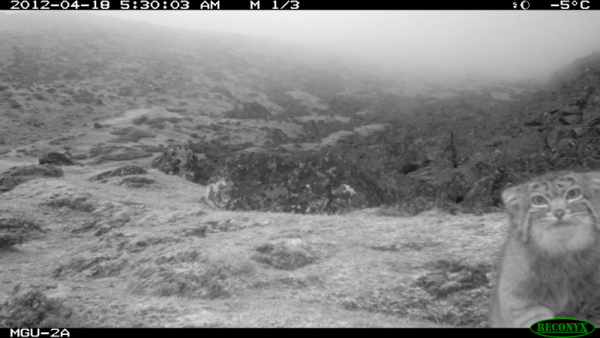
Remote detection sampling is a type of sampling where camera traps are set up to record animals. These camera traps are triggered when an animal walks past. The footage can be watched back to count individuals. Remote detection sampling is used to sample elusive species such as pallas’s cats (Otocolobus manul).
What is sampling using quadrats and transects and what is it used to sample?
Sampling using quadrats and transects is a type of sampling where a long tape measure is placed in a line. Every so many meters, a quadrat is placed and organisms are recorded, along with abiotic factors. These are often set up along terrain with changing abiotic factors, such as a beach. Quadrats and transects are used to sample plants and sessile organisms.
What is scat sampling and what is it used to sample?
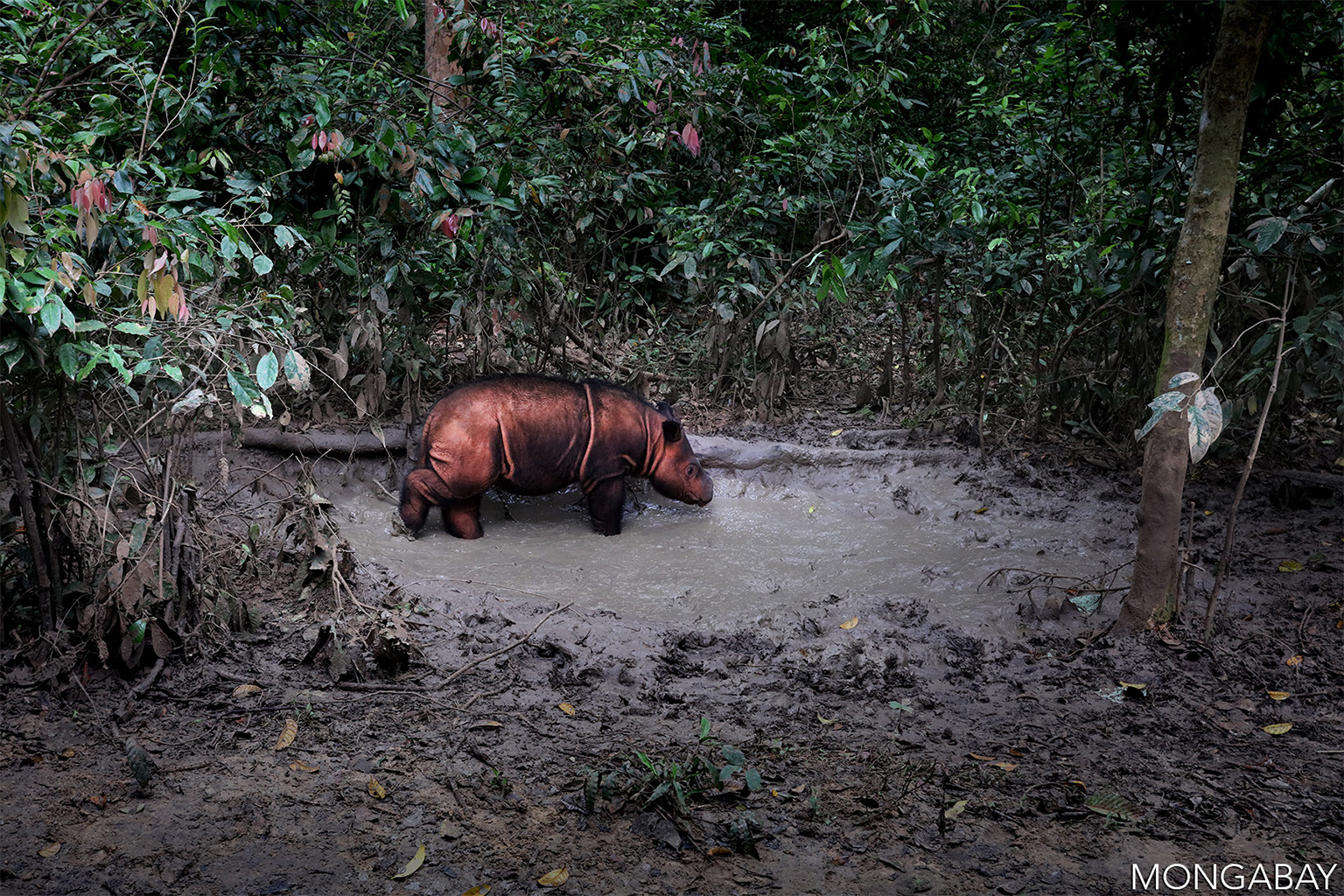
Scat sampling is a type of sampling where animal droppings are collected and analysed. This provides information on species abundance and diet. Scat sampling is used to sample elusive species, such as Sumatran rhinos (Dicerorhinus sumatrensis).
What is sampling using capture techniques and what is it used to sample?
Sampling using capture techniques is a type of sampling where traps and nets are used to catch individuals, which can then be recorded. Sampling using capture techniques is used to sample mobile species such as birds.
What is taxonomy?
Taxonomy is identifying and naming organisms and classifying them into groups based on shared characteristics.
What was classic taxonomy based on?
Classic taxonomy was based on morphology, the shape and structure of the organisms or parts of them.
What is phylogenetics?
Phylogenetics is the study of evolutionary history and relationships among individuals or groups of organisms.
What does phylogenetics use heritable traits, such as morphology, DNA sequencing, and protein structure, to do and what can be made from this?
Phylogenetics uses heritable traits, such as morphology, DNA sequencing, and protein structure, to make inferences about an organisms evolutionary history. From this a phylogeny or phylogenetic tree can be created.
What is a phylogenetic tree?
A phylogenetic tree is a diagram showing a hypothesis of an organisms evolutionary history and relationships to other organisms.
What does phylogenetics focus much more on?
Phylogenetics focuses much more on genetics and proteins to classify individual species.
As a result of genetic evidence becoming used more, what is happening to the traditional classification of many organisms?
As a result of genetic evidence becoming used more, the traditional classification of many organisms is changing. Many species who were thought to be closely related in evolutionary terms are actually not, but have shared characteristics which have evolved seperately.
What is divergent evolution?
Divergent evolution is when species inherit common features from a common ancestor. They have then evolved to become different from each other.
What is convergent evolution?
Convergent evolution is when species have both evolved a common feature independently from each other. They do not share a common ancestor with that common feature. For example, flight evolved separately in bats and birds.
What does taxonomy do?
Taxonomy classifies organisms into groups with similar features.
What does taxonomy allow scientists to do?
Taxonomy allows scientists to make predictions and inferences between an unknown or unusual organism and a better known model organism.
What are model organisms?
Model organisms are organisms that scientists have been studying for many years, a lot is known about them.
What can information gathered from model organisms be applied to?
Information gathered from model organisms be applied to other species that are more difficult to study.
What are the key taxonomic groups?
The key taxonomic groups are:
Nematodia. Nematodes are round worms and are very parasitic.
Arthropoda. Arthropods are jointed legged invertebrates. They have segmented bodies and paired appendages.
Chordata. Chordata is composed of tunicates, cephalochordates, and vertebrates.
What is the model organism for nematodia?
The model organism for nematodia is Caenorhabditis elegans
What is the model organism for arthropods?
The model organism for arthropods is Drosophila melanogaster.
What are the model organisms for chordates?
The model organisms for chordates are mice (Mus musculus), rats (Rattus norvegicus), and zebrafish (Danio rerio)
Why is it crucial to monitor populations?
It is crucial to monitor populations to understand environmental conditions and changes to them over time.
What are indicator species?
Indicator species are species that are either susceptible or favoured by particular environmental conditions.
What does the presence, absence, or abundance of indicator species indicate?
The presence, absence, or abundance of indicator species indicates information about the environmental quality and pollution levels. For example, lichen types can be used to indicate SO2 levels in the air.
What will susceptible indicator species be if the factor they are susceptible to is present in the environment?
Susceptible indicator species will be absent or in reduced numbers if the factor they are susceptible to is present in the environment.
What will favoured indicator species be if the factor they are favoured by is present in the environment?
Favoured indicator species will be abundant or in higher numbers if the factor they are favoured by is present in the environment.
What is the method for marking and recapturing to estimate population size?
The method for marking and recapturing to estimate population size is:
A sample of the population is captured, marked, and released.
After a period of time, a second sample is captured.
The number of individuals recaptured is counted.
Population size is estimated using the formula N=(MC)/R
What is the formula for marking and recapturing to estimate population size?
The formula for marking and recapturing to estimate population size is N=(MC)/R
What does the N represent in N=(MC)/R
The N in N=(MC)/R represents population size.
What does the M in N=(MC)/R represent?
The M in N=(MC)/R represents the sample of the population that have been captured, marked, and released.
What does the C in N=(MC)/R represent?
The C in N=(MC)/R represents the second sample captured.
What does the R in N=(MC)/R represent?
The R in N=(MC)/R represents the number of individuals recaptured.
What does the mark and recapture method assume?
The mark and recapture method assumes that:
All individuals have an equal chance of capture
There is no immigration or emigration
Individuals captured and released can mix fully and randomly with the total population.
What is it crucial to consider when marking individuals?
When marking individuals, it is crucial that whatever method of marking is used has a minimal impact on the species being studied and does not prevent it from behaving normally or reduce its chances of survival. However, it must still be clear enough to be seen in subsequent captures.
What are different methods of marking?
Different methods of marking are:
Ringing
Tagging
Surgical implantation
Painting
Hair clipping
What is ethology?
Ethology is the study of animal behaviour.
What are the three crucial measurements used to quantify animal behaviours?
The three crucial measurements used to quantify animal behaviours are:
Latency - The time between a stimulus occurring and the animals response behaviour.
Frequency - The number of times a behaviour occurs within the observation period.
Duration - The length of time each behaviour occurs during the observation period.
In the context of animal behaviour, what is latency?
In the context of animal behaviour, latency is the time between a stimulus occurring and the animals response behaviour.
In the context of animal behaviour, what is frequency?
In the context of animal behaviour, frequency is the number of times a behaviour occurs within the observation period.
In the context of animal behaviour, what is duration?
In the context of animal behaviour, duration is the length of time each behaviour occurs during the observation period.
What is an ethogram?
An ethogram is a table of species specific behaviour observed and recorded during the study period.
What can be done with the data recorded using an ethogram?
With the data recorded using an ethogram, the total duration of each of the behaviours can be calculated and from it, the proportion of time spent on each of these behaviours can be calculated to produce a time budget.
What must the behaviours be when describing behaviours?
When describing behaviours, they must be clear and unambiguous, so that a different observer could use your descriptions to repeat the investigation.
What must you avoid when recording animal behaviour?
When recording animal behaviour, you must avoid anthropomorphism. This is when human qualities, feelings, or emotions are credited to animals. They are not clear and must be avoided.
What is evolution?
Evolution is the change over time in the proportion of individuals differing in one or more inherited traits.
What happens to allele frequency during evolution?
During evolution, there are changes to the allele frequency in the population
What three key mechanisms do changes in allele frequency occur through?
The three key mechanisms that changes in allele frequency occur through are:
Natural selection
Sexual selection
Genetic drift
What are the two non-random key mechanisms that cause changes in allele frequency?
The two non-random key mechanisms that cause changes in allele frequency are:
Natural selection
Sexual selection
What is the random key mechanism that causes changes in allele frequency?
The random key mechanism that causes changes in allele frequency is genetic drift.
Is natural selection a non-random or random mechanism?
Natural selection is a non-random mechanism.
Is sexual selection a non-random or random mechanism?
Sexual selection is a non-random mechanism.
Is genetic drift a non-random or random mechanism?
Genetic drift is a random mechanism.
What is natural selection?
Natural selection is the non-random increase in the frequency of DNA sequences (alleles), that increase the organisms survival chances.
What is required for natural selection to occur?
Natural selection can only occur in populations that show genetic variation.
What does genetic variation in a population arise as a result of?
Genetic variation in a population arises as a result of mutations.
What are mutations?
Mutations are the original source of new DNA sequences. These new sequences can be new alleles.
What are mutations normally and what can occasionally arise?
Normally, mutations are harmful or neutral. Occasionally beneficial alleles arise that increase an individuals fitness.
What are the stages of natural selection?
The stages of natural selection are:
Mutations arise and produce new alleles
Populations produce more offspring than the environment can support. This creates a selection pressure that means not all individuals will survive.
Individuals that are better suited to their environment tend to survive longer and can produce more offspring.
These individuals breed and pass on their advantageous alleles to the next generation.
What is stage 1 of natural selection?
Stage 1 of natural selection is “Mutations arise and produce new alleles”
What is stage 2 of natural selection?
Stage 2 of natural selection is “Populations produce more offspring than the environment can support. This creates a selection pressure that means not all individuals will survive.”
What is stage 3 of natural selection?
Stage 3 of natural selection is “Individuals that are better suited to their environment tend to survive longer and can produce more offspring.”
What is stage 4 of natural selection?
Stages 4 of natural selection is “These individuals breed and pass on their advantageous alleles to the next generation.”
What happens over time due to natural selection?
Due to natural selection, over time, these advantageous alleles become more frequent in the population through inheritance.
What does natural selection result in?
Natural selection results in the non-random increase in the frequency of advantageous alleles and the non-random decrease in the frequency of deleterious alleles.
What is sexual selection?
Sexual selection is the non-random process involving the selection of alleles that increase the individuals chances of mating and producing offspring.
What do alleles selected by sexual selection not help?
Alleles selected by sexual selection do not help organisms survive.
What two key processes is sexual selection driven by?
The two key processes sexual selection is driven by are:
Male to male rivalry
Female choice
What is male to male rivalry?
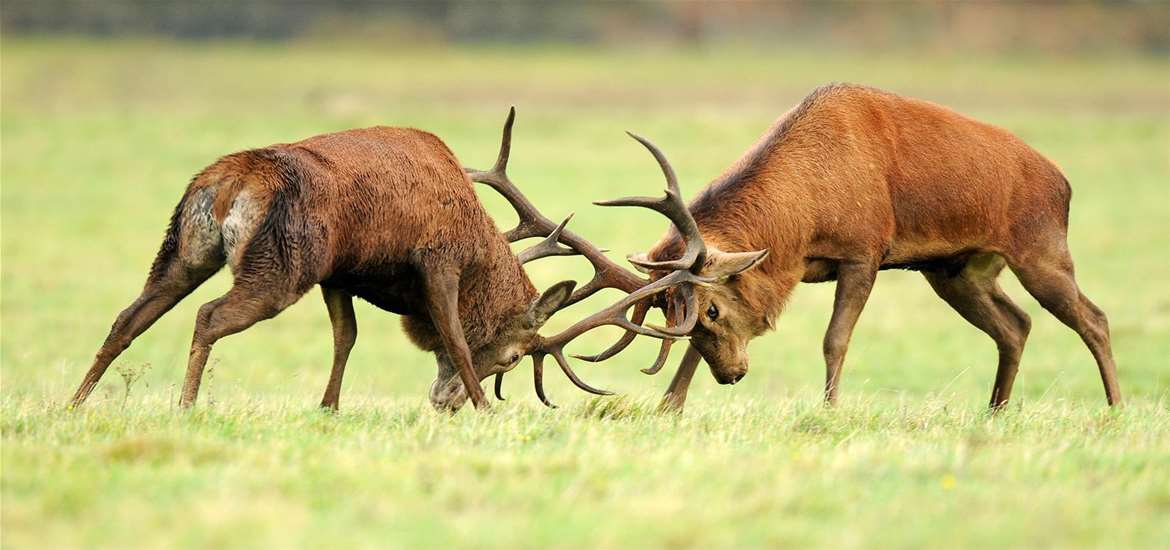
Male to male rivalry is a process where males are selected for larger body size or weaponry. Males use these through real or ritualised conflict to increase their access to females for mating and for dominance. Examples of features selected for are antlers or horns.
What is female choice?
Female choice is a process where females use honest signals such as tail feather length or bright plumage to assess male fitness and male parasite burden. Females are more likely to mate with fitter males who have less parasites. Generally, females invest more in their offspring, so are more selective of mates than males. (Quality over quantity)
What is sexual dimorphism?
Sexual dimorphism is when males and females of a species look different to each other. Normally males have a larger size and are more conspicuous in markings, structures, and behaviours. Females will often look inconspicuous to camouflage from predators while sitting on the nest or caring for young.
DELETE TO MERGE
What is sexual dimorphism driven by?
Sexual dimorphism is driven by sexual selection. DELETE when merge
When does genetic drift occur?
Genetic drift occurs when chance events cause unpredictable changes in allele frequencies from one generation to the next.
In what size of population is genetic drift more important in?
Genetic drift is more important in small populations because alleles are more likely to be lost from the populations gene pool.
As a result of genetic drift, what can happen to certain alleles?
As a result of genetic drift, certain alleles in the gene pool may be over-represented or under-represented in the next generation.
What are the two key processes that can occur during genetic drift?
The two key processes that can occur during genetic drift are:
The founder effect
The bottleneck effect
What is the founder effect?
The founder effect is when a few members are isolated from a larger population. The gene pool of the new population does not represent that of the original population.
What is the bottleneck effect?
The bottleneck effect is when a bottleneck occurs and the population size is reduced for at least one generation. This is often the result of a natural disaster. The gene pool of the new population does not represent that of the original one.
What are selection pressures?
Selection pressures are environmental factors that influence which individuals in a population pass on their alleles.
When selection pressures are strong, what is the rate of evolution?
When selection pressures are strong, the rate of evolution can be rapid.
What are examples of biotic selection pressures?
Examples of biotic selection pressures are:
Competition
Disease
Predation
Parasitism
What are examples of abiotic selection pressures?
Examples of abiotic selection pressures are:
Temperature
p.H
Light
Humidity
Salinity
What does the Hardy-Weinberg principle state?
The Hardy-Weinberg principle states that in the absence of evolutionary influences, allele and genotype frequencies in a population will remain constant over generations.
What are conditions that maintain the Hardy-Weinberg equilibrium?
Conditions that maintain the Hardy-Weinberg equilibrium are:
No natural selection
Random mating (Therefore no sexual selection)
No mutations (Therefore no new alleles)
Large population size (Therefore genetic drift has no effect)
No gene flow (No migration)
What are the two equations in the Hardy-Weinberg principle?
The two equations in the Hardy-Weinberg principle are:
p²+2pq+q²=1
p+q=1
What does p² represent in the Hardy-Weinberg principle?
In the Hardy-Weinberg principle, p² represents the frequency of the homozygous dominant genotype.
What does q² represent in the Hardy-Weinberg principle?
In the Hardy-Weinberg principle, q² represents the frequency of the homozygous recessive genotype.
What does pq represent in the Hardy-Weinberg principle?
In the Hardy-Weinberg principle, pq represents the frequency of the heterozygous genotype.
What is fitness?
Fitness is a measure of the tendency of some organisms to produce more surviving offspring than competing members of the same species.
What do fitter individuals do?
Fitter individuals survive longer and reproduce more.