Foundations of Government & Citizenship
 Call Kai
 Learn
Learn Practice Test
 Spaced Repetition
 Match
Match Flashcards
 Knowt Play
1/48

There's no tags or description
Looks like no tags are added yet.
Name | Mastery | Learn | Test | Matching | Spaced | Call with Kai | Chat |
|---|
No analytics yet
Send a link to your students to track their progress
49 Terms
Government
The institution through which a society makes and enforces its public policies
Public Policies
all the things a government decides to do; taxation, defense, education, etc.
Legislative Power
the power to make a law and to frame public policies
Executive Power
the power to execute, enforce, and administer law
Judicial Power
the power to interpret laws, to determine their meaning, and to settle disputes that arise within the society
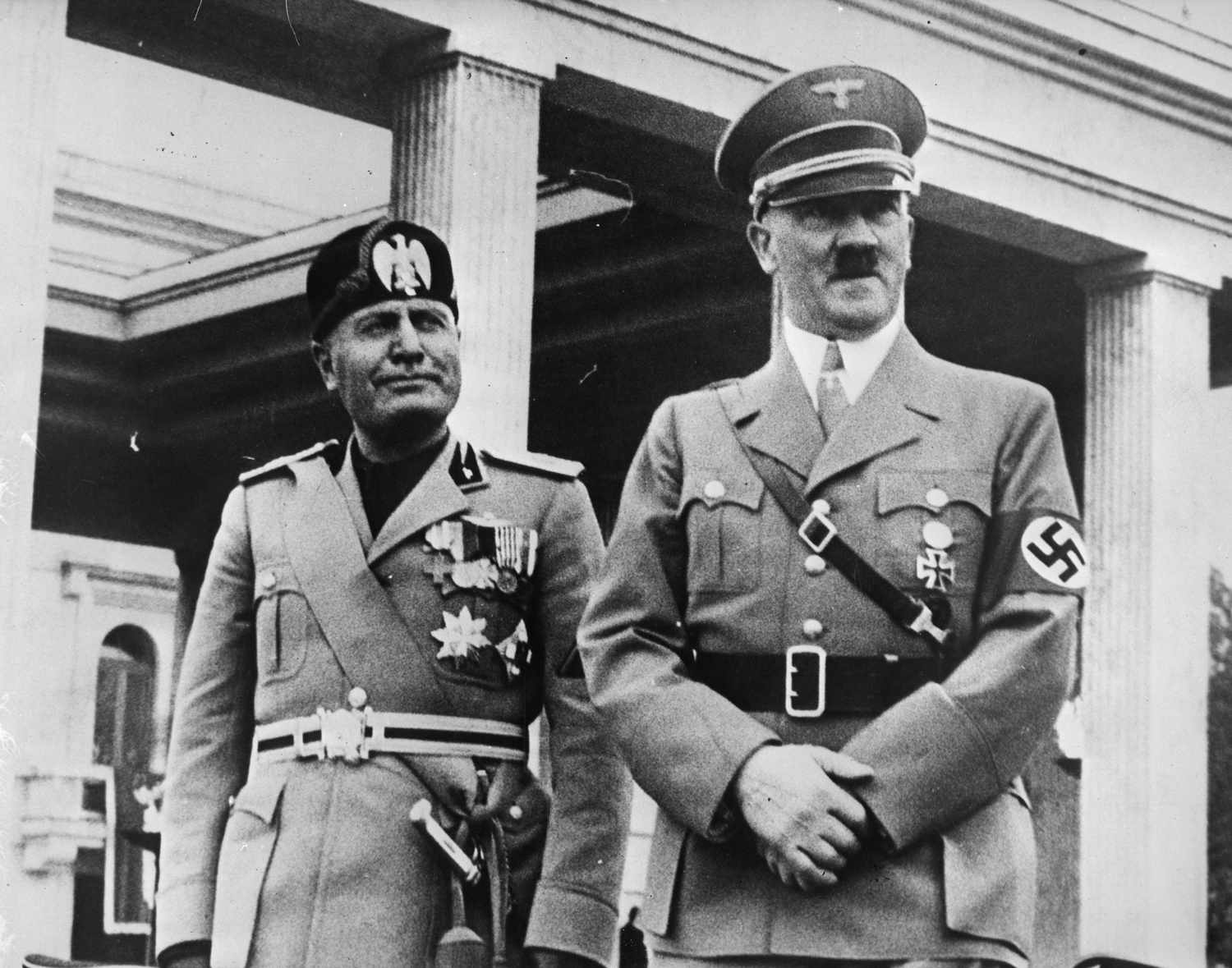
Dictatorship
A government controlled by one person or a small group of people
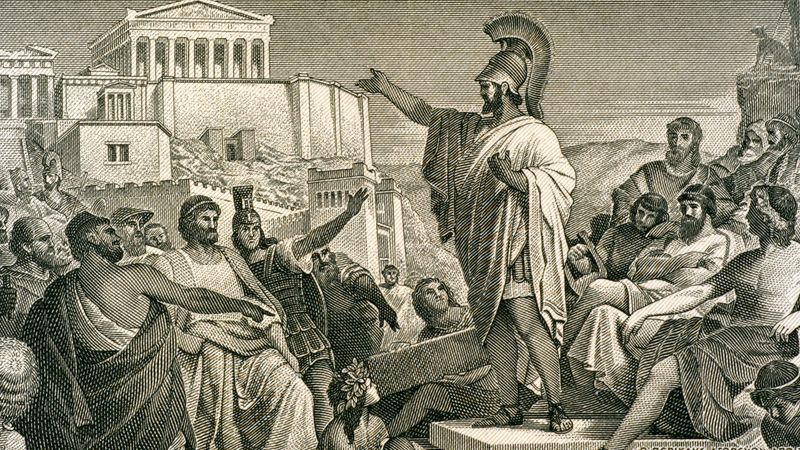
Democracy
government by the people
to ensure 1 branch didn't get too much power
Why did Framers separate powers?
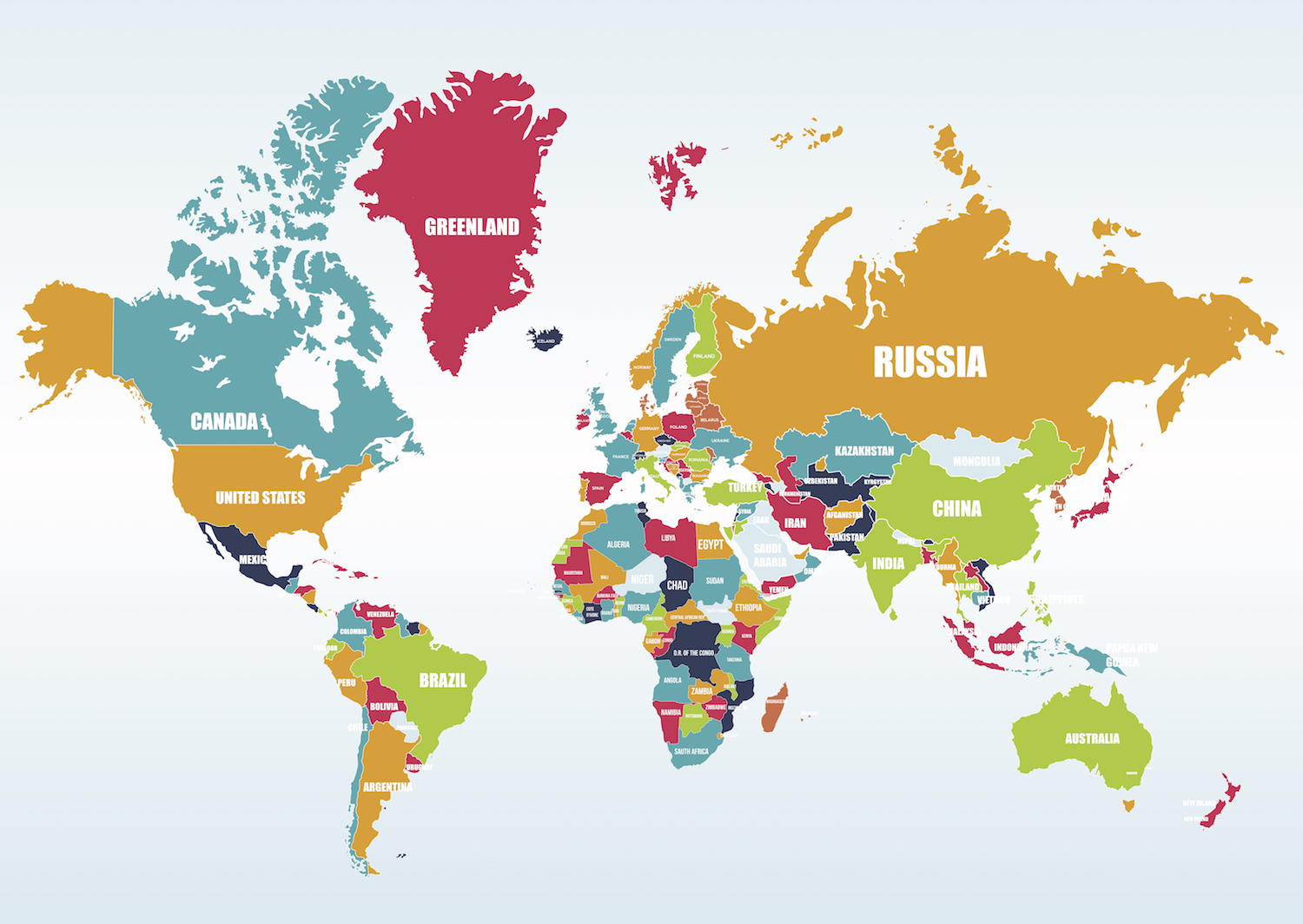
Population, Territory, Sovereignty, & Government
What makes a state?
Force Theory
Government emerged when all the people of an area were brought under the authority of one person or group.
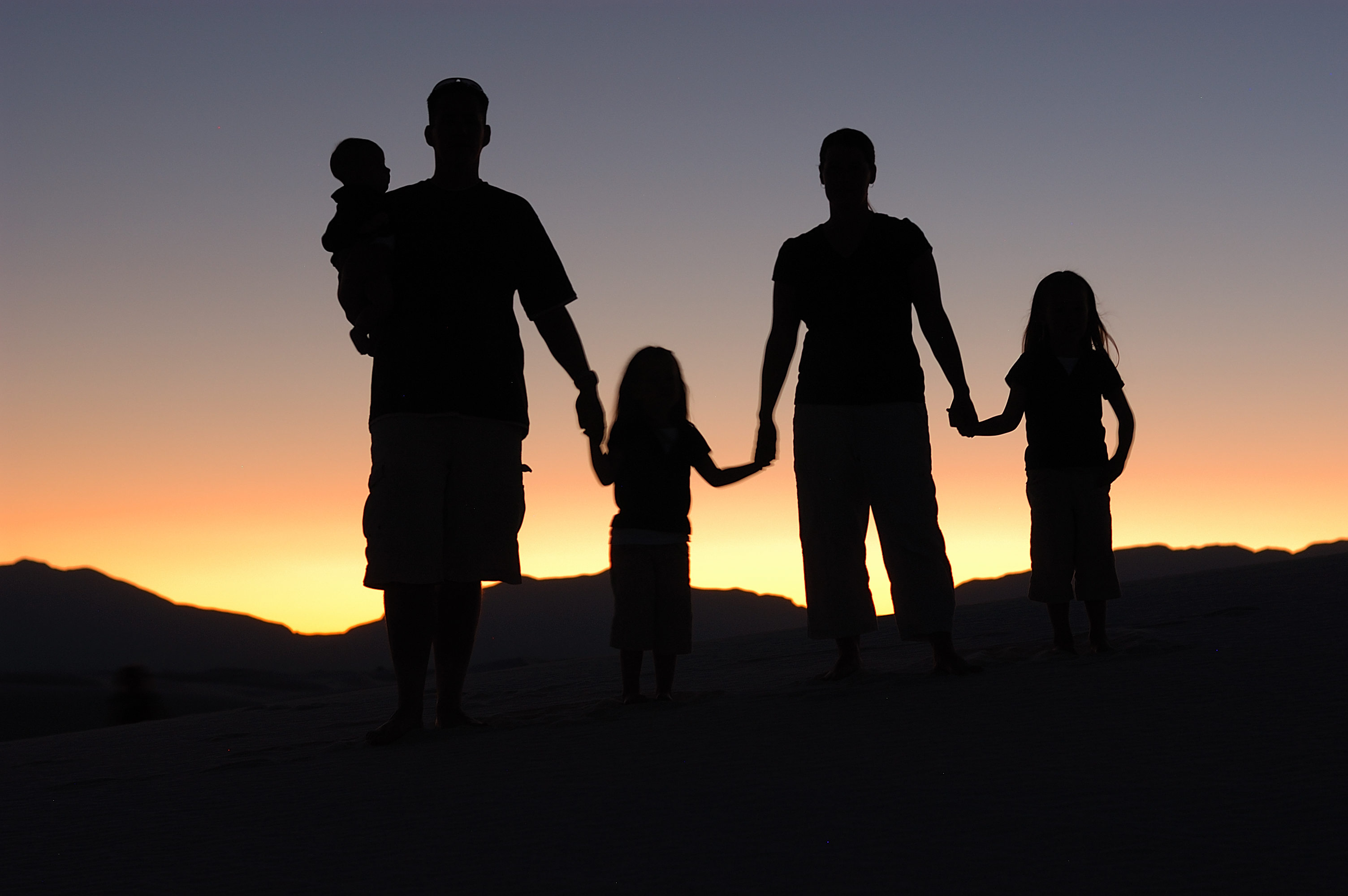
Evolutionary Theory
States emerged from early families and then grew into larger groups of families.
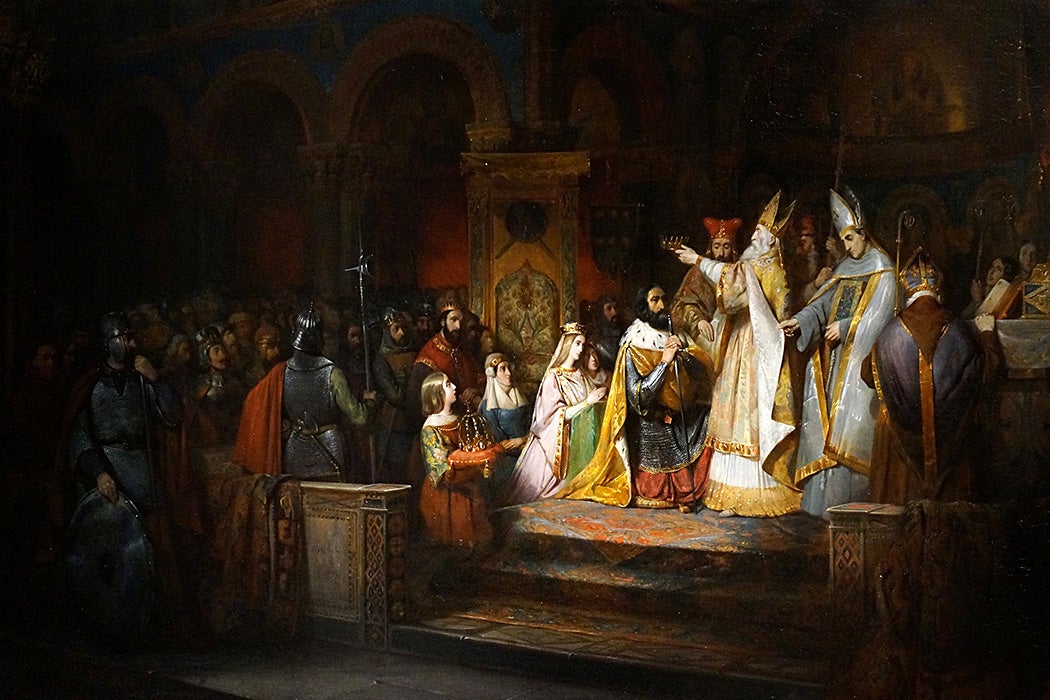
Divine Right of Kings Theory
held that God created the state and that God had given those of royal birth a "divine right" to rule
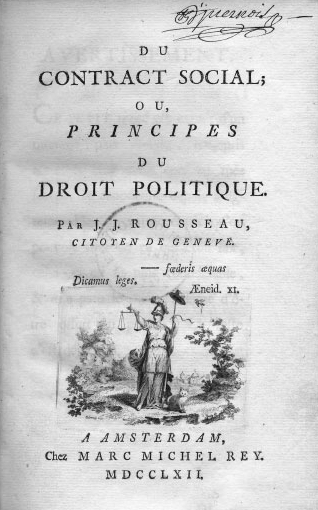
Social Contract Theory
A voluntary agreement between the government and the governed. Most important for the U.S. government!
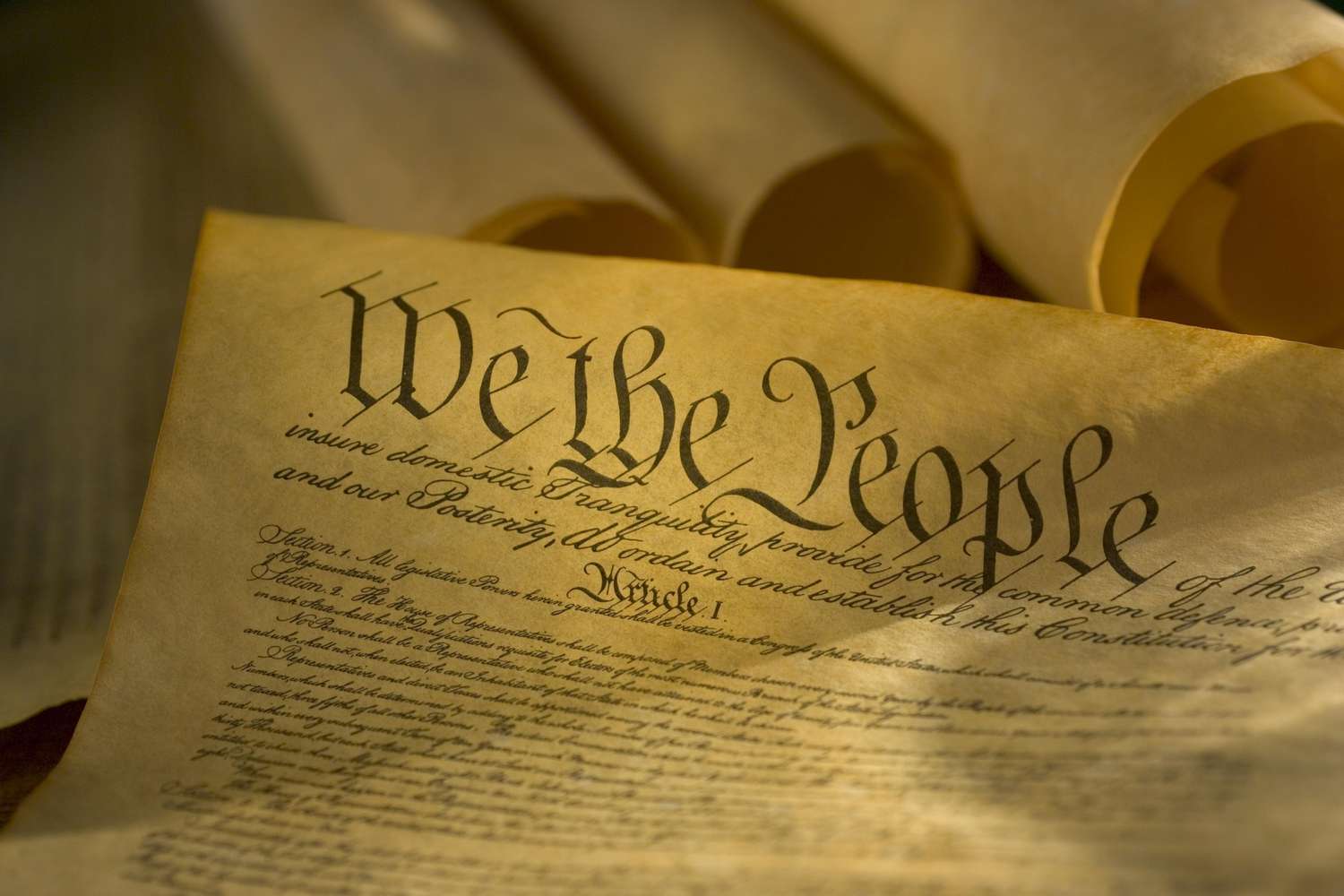
Social Contract
What ideas did the D.O.I. use?
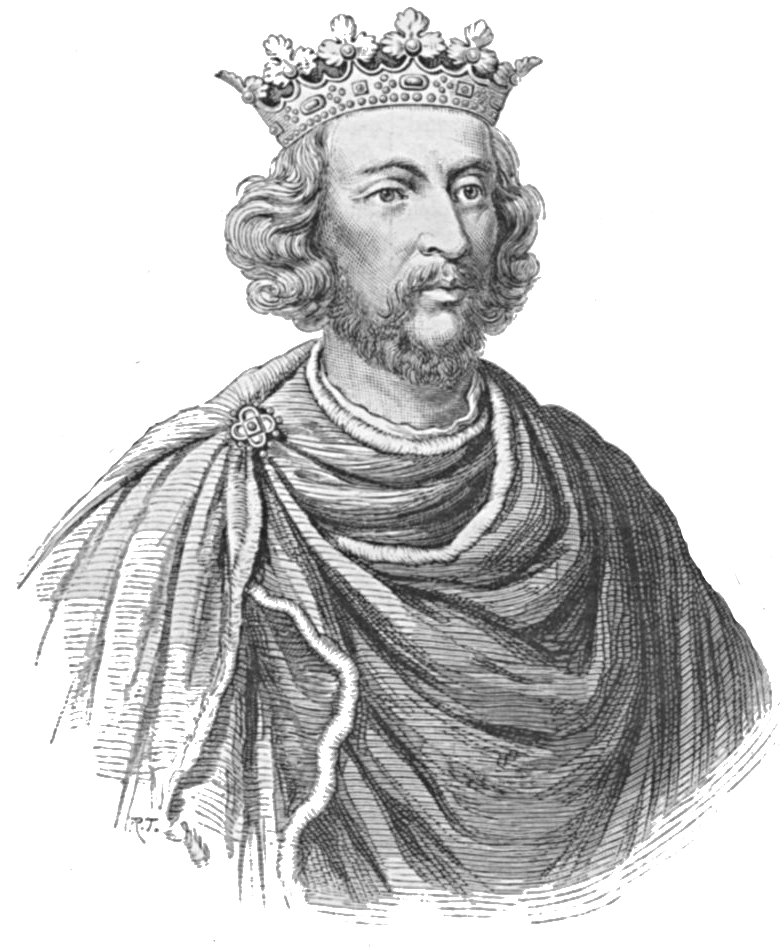
King Henry the 3rd
Who broke the agreement by violating their citizens rights?
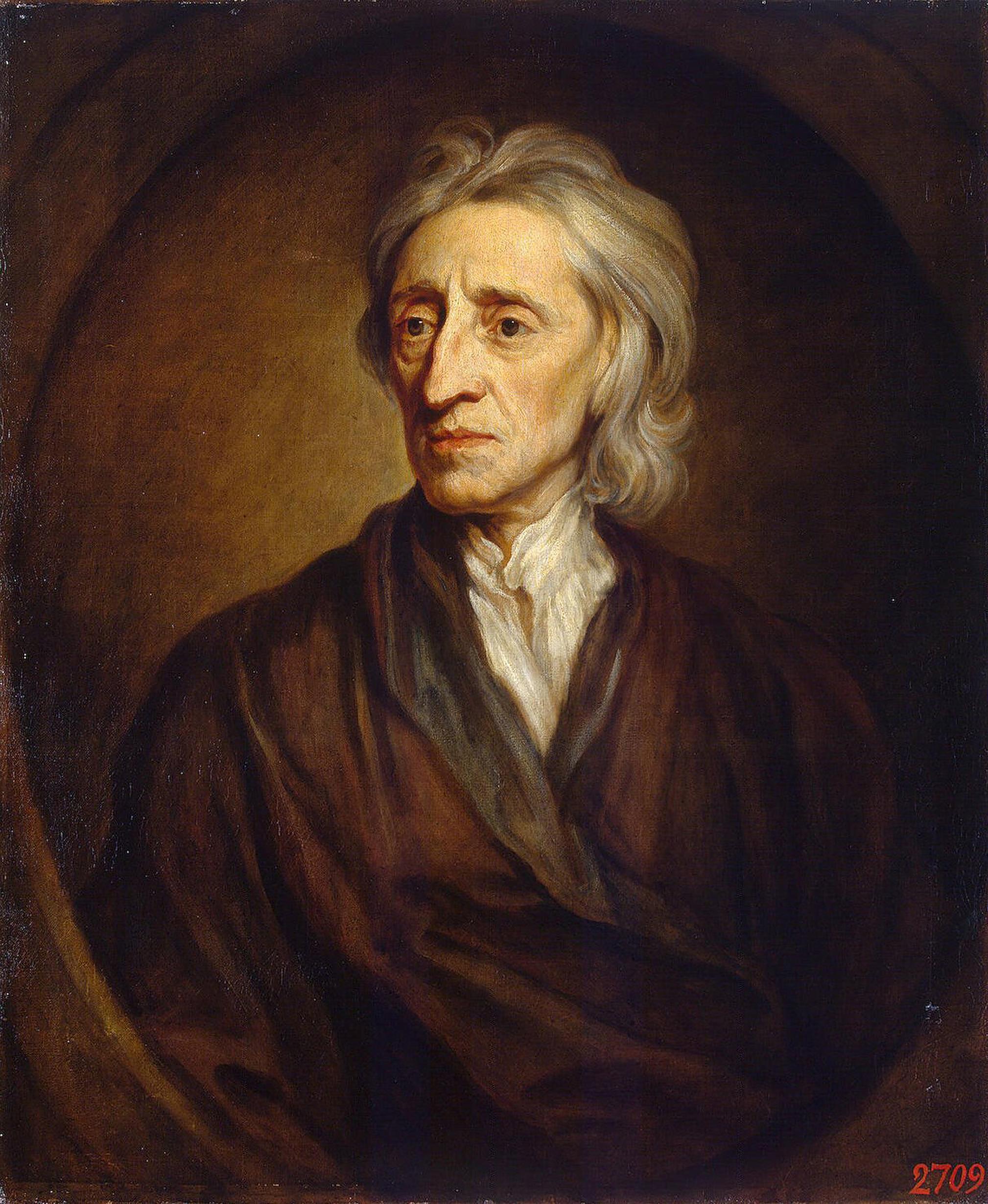
"pure Locke" because of John Locke's ideas.
What did Thomas Jefferson call the D.O.I.?
Natural Rights
the idea that all humans are born with rights, which include the right to life, liberty, and property/ the pursuit of happiness
The people
Who holds the sovereign power in a Democracy?
Everyone themselves
Who can participate in a direct democracy?
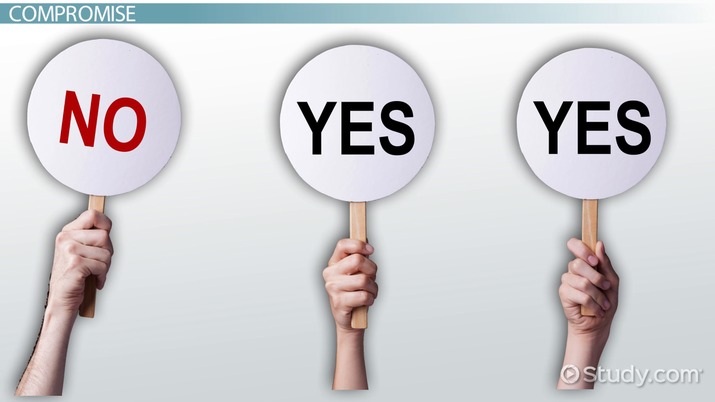
Some who was voted on by the majority of the people.
Who can participate in a indirect democracy?
Anyone who can vote
Who can participate in a republic?
The single leader
Who can participate in an autocracy dictatorship?

A few people/ small group
Who can participate in an oligarchy dictatorship?
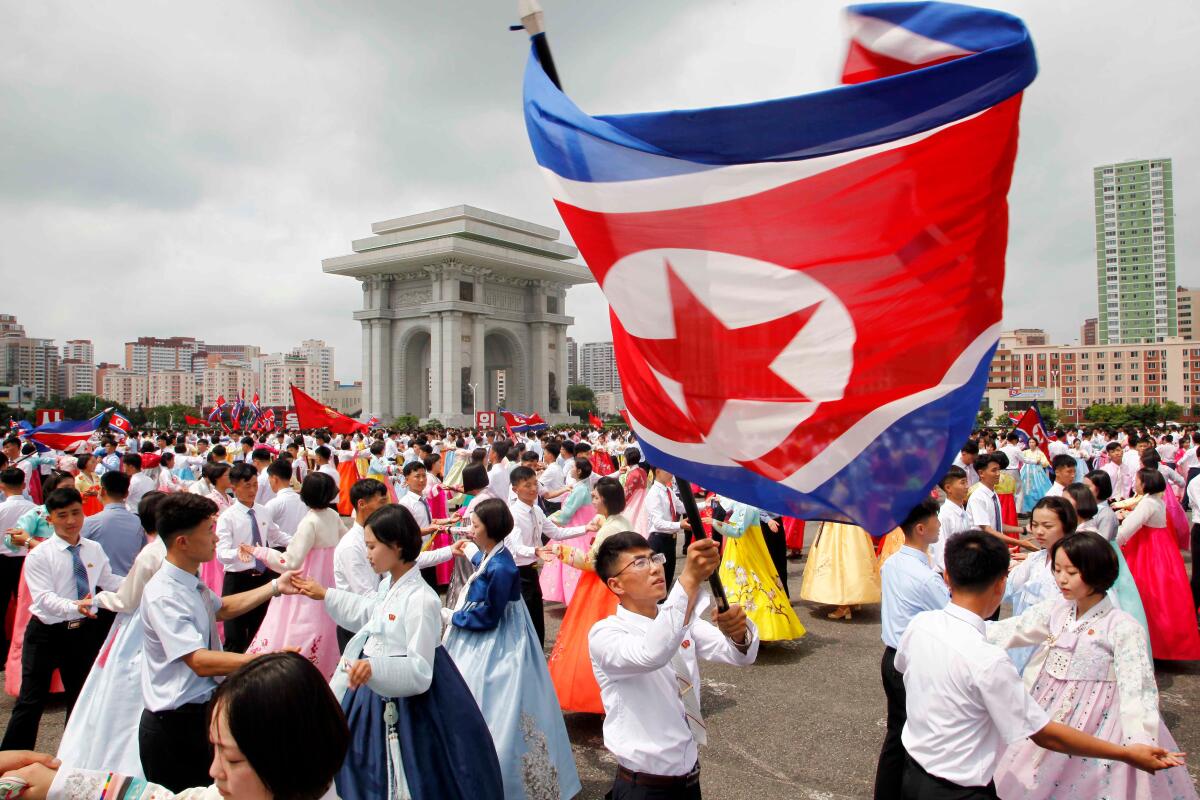
Totalitarian; the leader has complete power over their citizens lives.
What is the most common modern dictatorship & what makes it special?
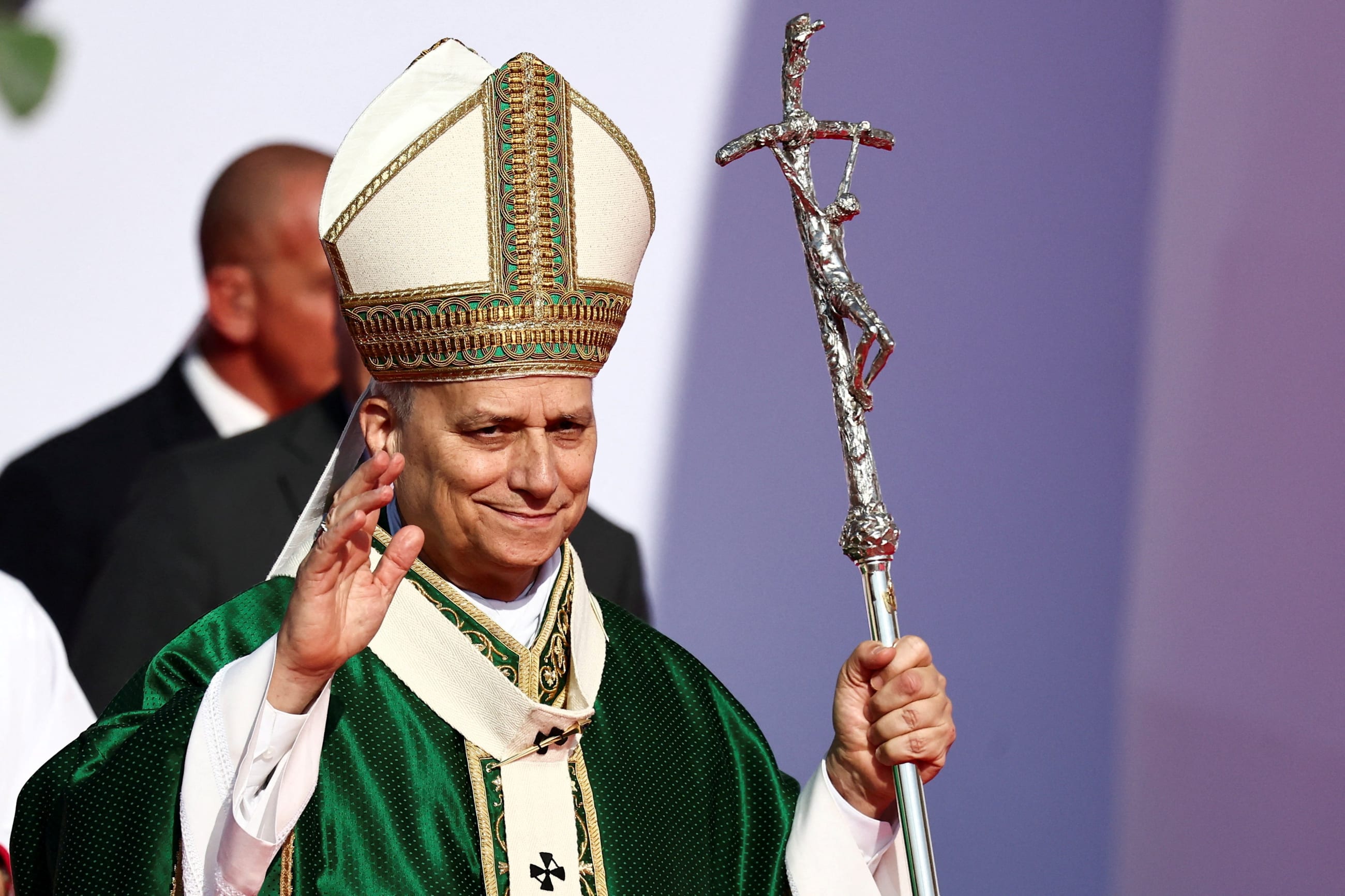
1 main leader (pope); When the government is ran by religion.
Who can participate in a theocracy & what is it?
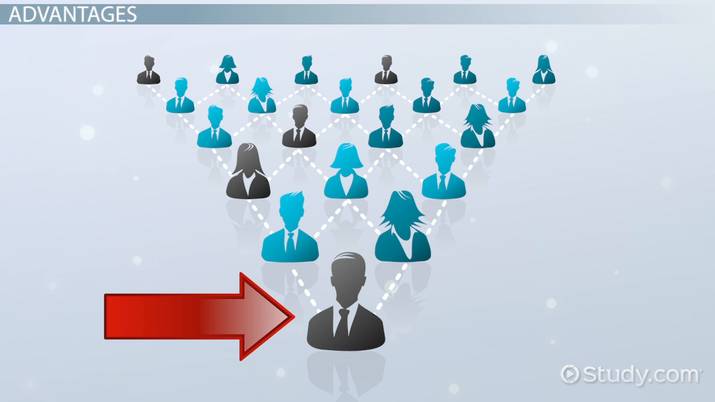
Centralized government
A unitary government in which power is concentrated in a central authority to which local governments are subject
Federal Government
A form of government in which powers are divided between a central government and several local governments.
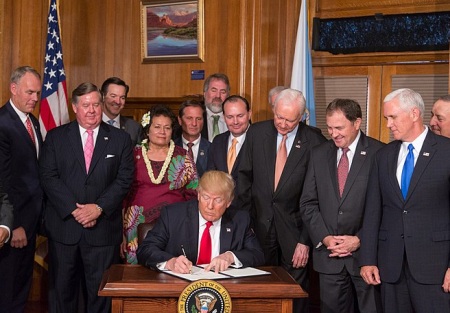
Presidential Government
a form of government in which the executive and legislative branches of the government are separate, independent, and coequal
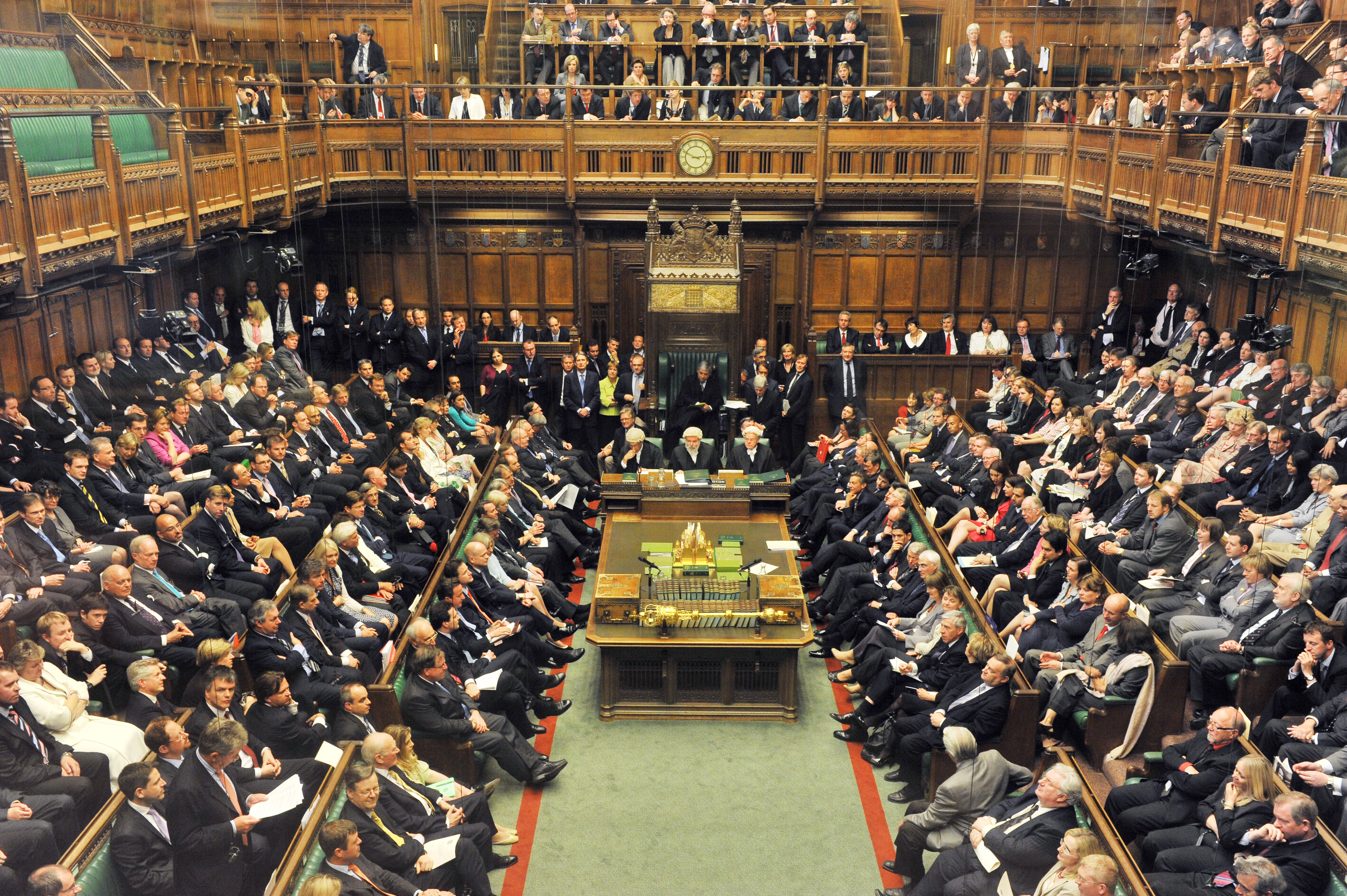
Parliamentary Government
the prime minister & cabinet are themselves of the legislative branch, the parliament
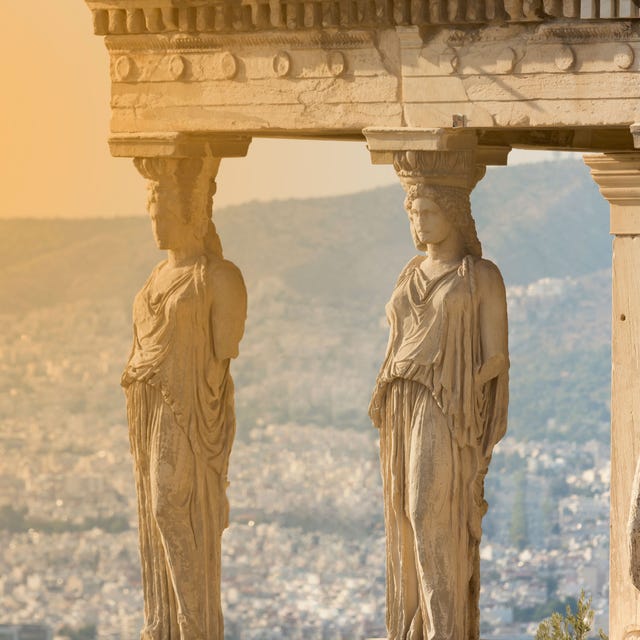
Athenian Democracy
a pure form of democracy, in which all adult citizens vote directly on matters affecting the community
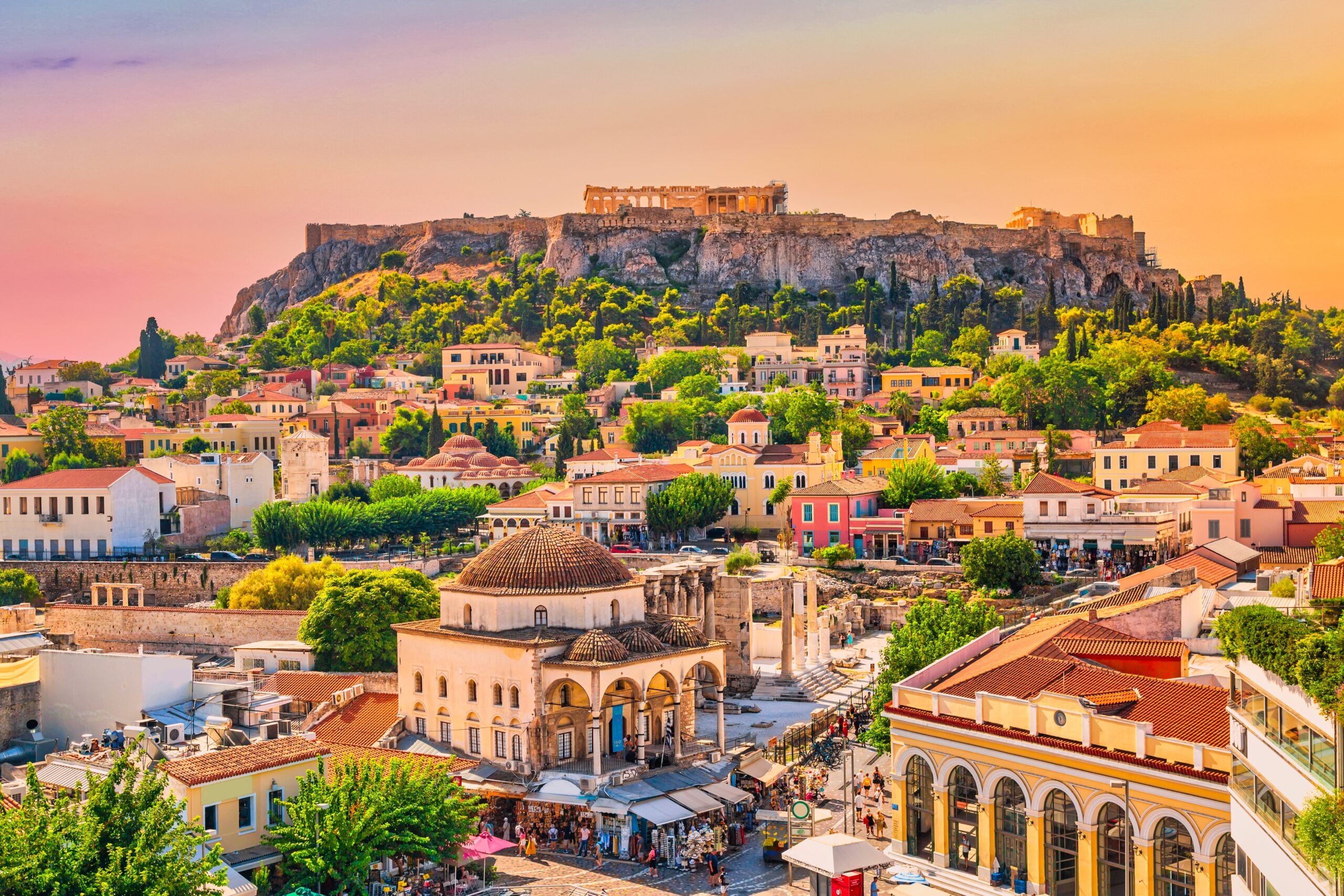
Athens
Who created democracy?
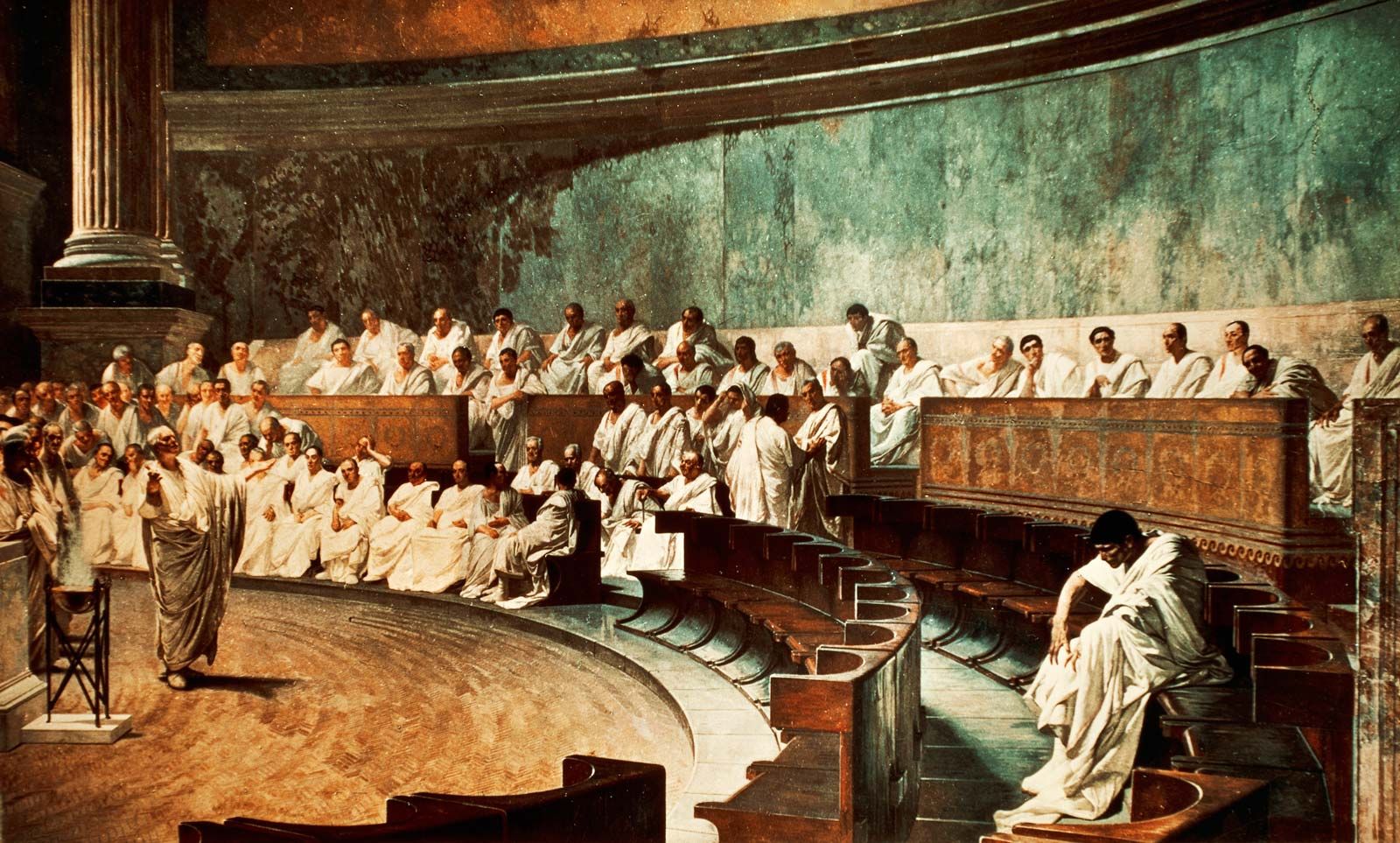
Roman Republic
Government was centered in the Senate; 300 people in two consoles chosen by Senate. Senators elected by the citizenry.
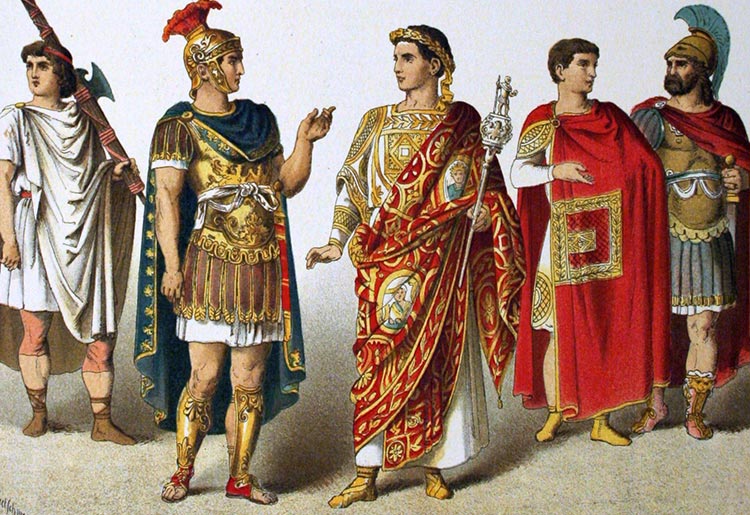
Romans
Who created the Republic?
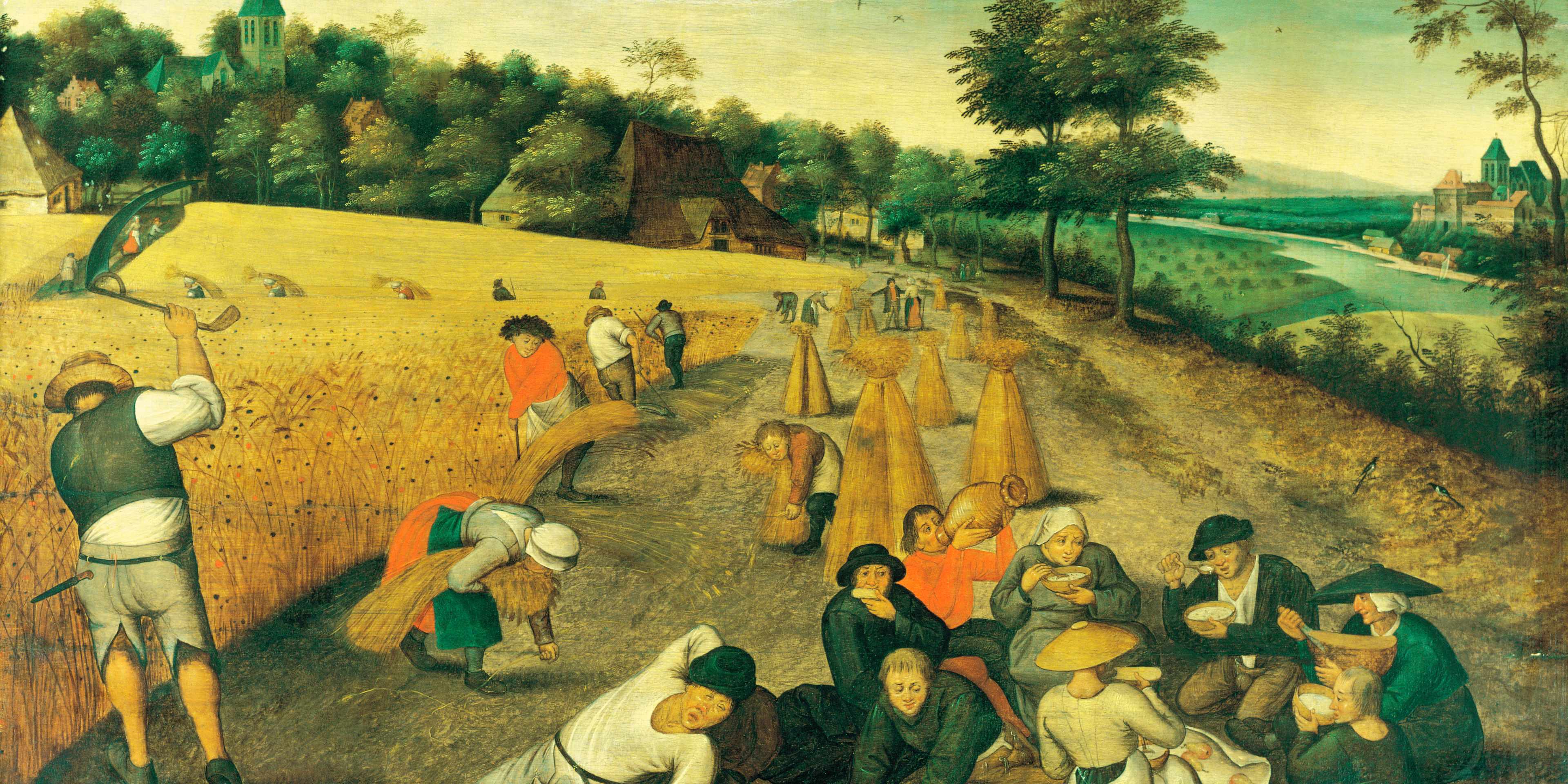
Feudalism
A loosely organized system in which powerful Lords divided their lands amongst other lesser Lords
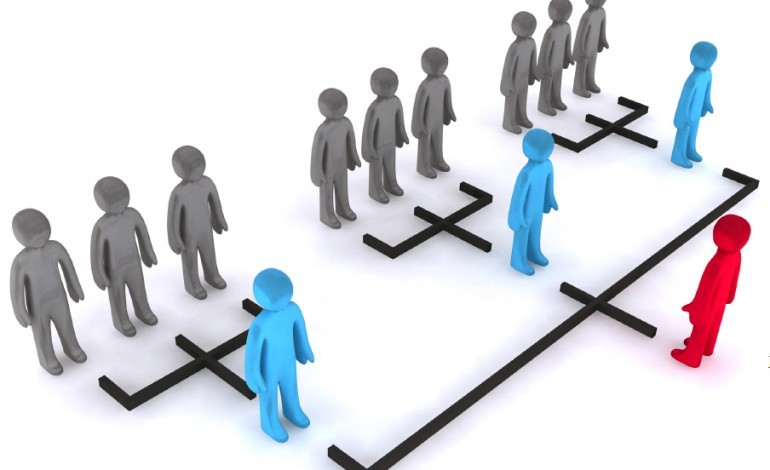
Lord, vassal, serf/peasant
What are the three tiers under feudalism?
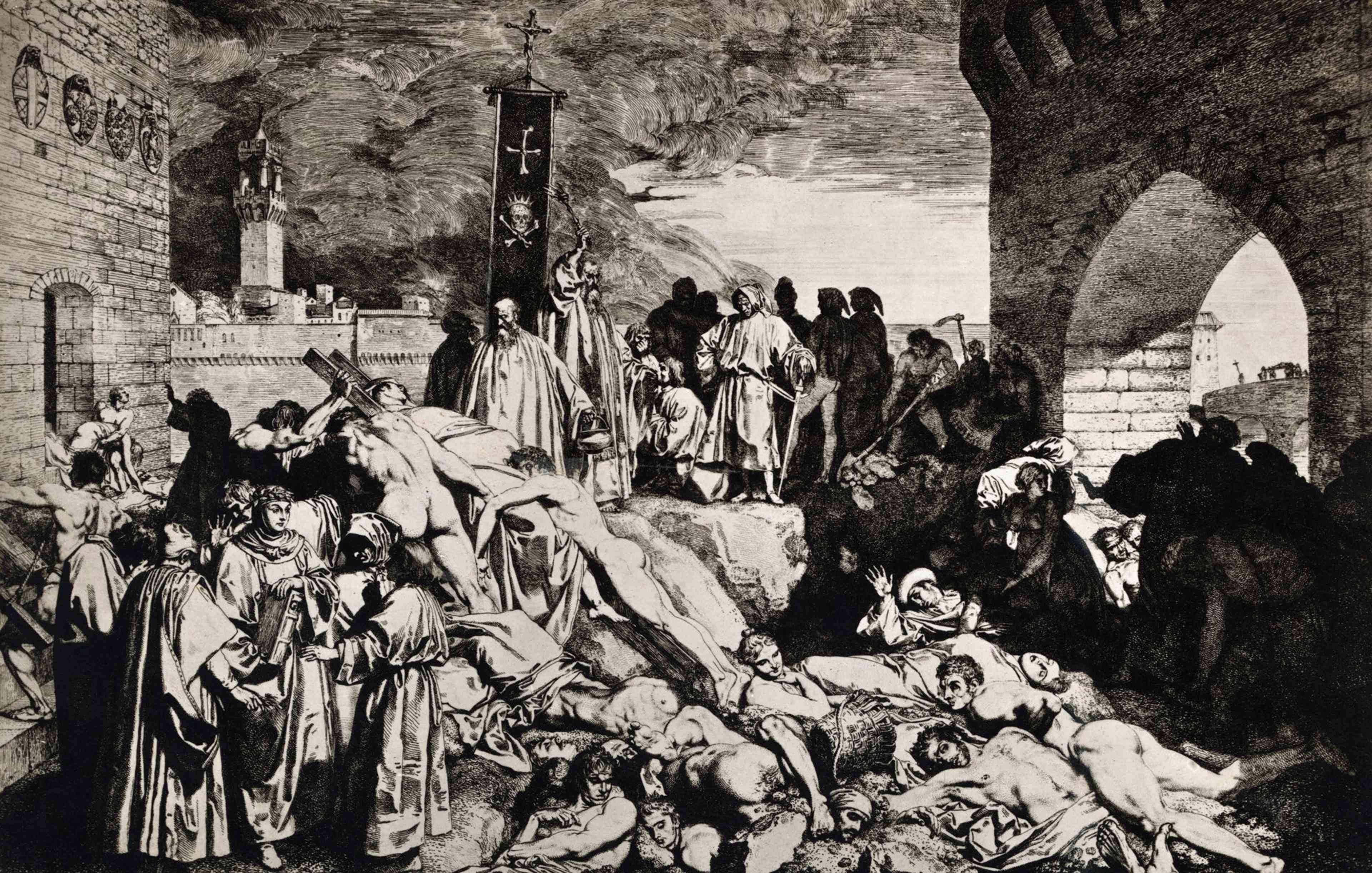
Black Plague; vast population decrease, prices of foods & crops feel, & lords made less $ on their land.
What ended feudalism and how?
After the plague, lords needed $, so they let free people set up towns on their lands for a fee under a charter.
How did towns emerge?
Rulers centralized power, established national governments, legal systems, & identities, & most importantly, national taxes
How did lords turn into monarchs?
Tradition & popular support
What are the 2 forms of legitimacy?
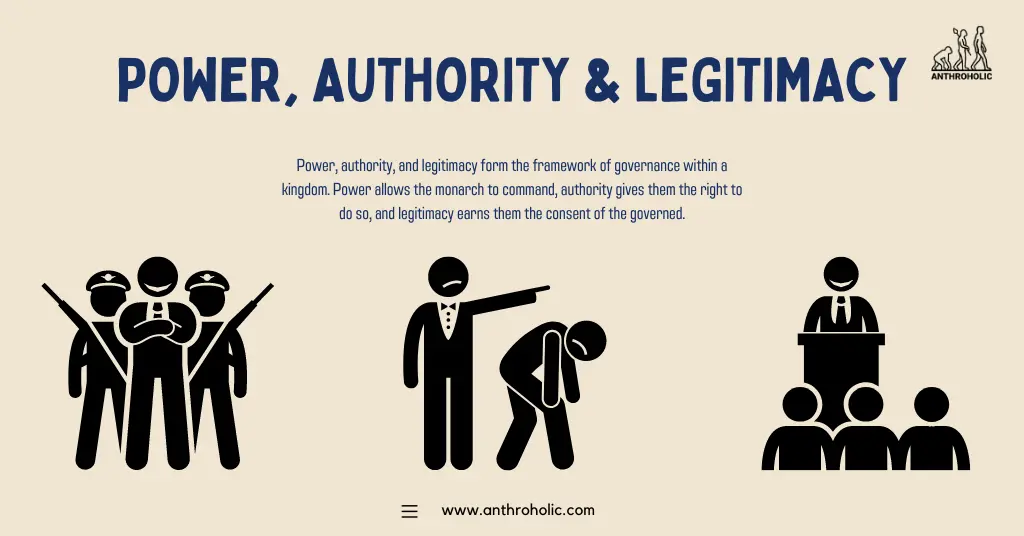
Legitimacy
When the people believe the government has the right to rule
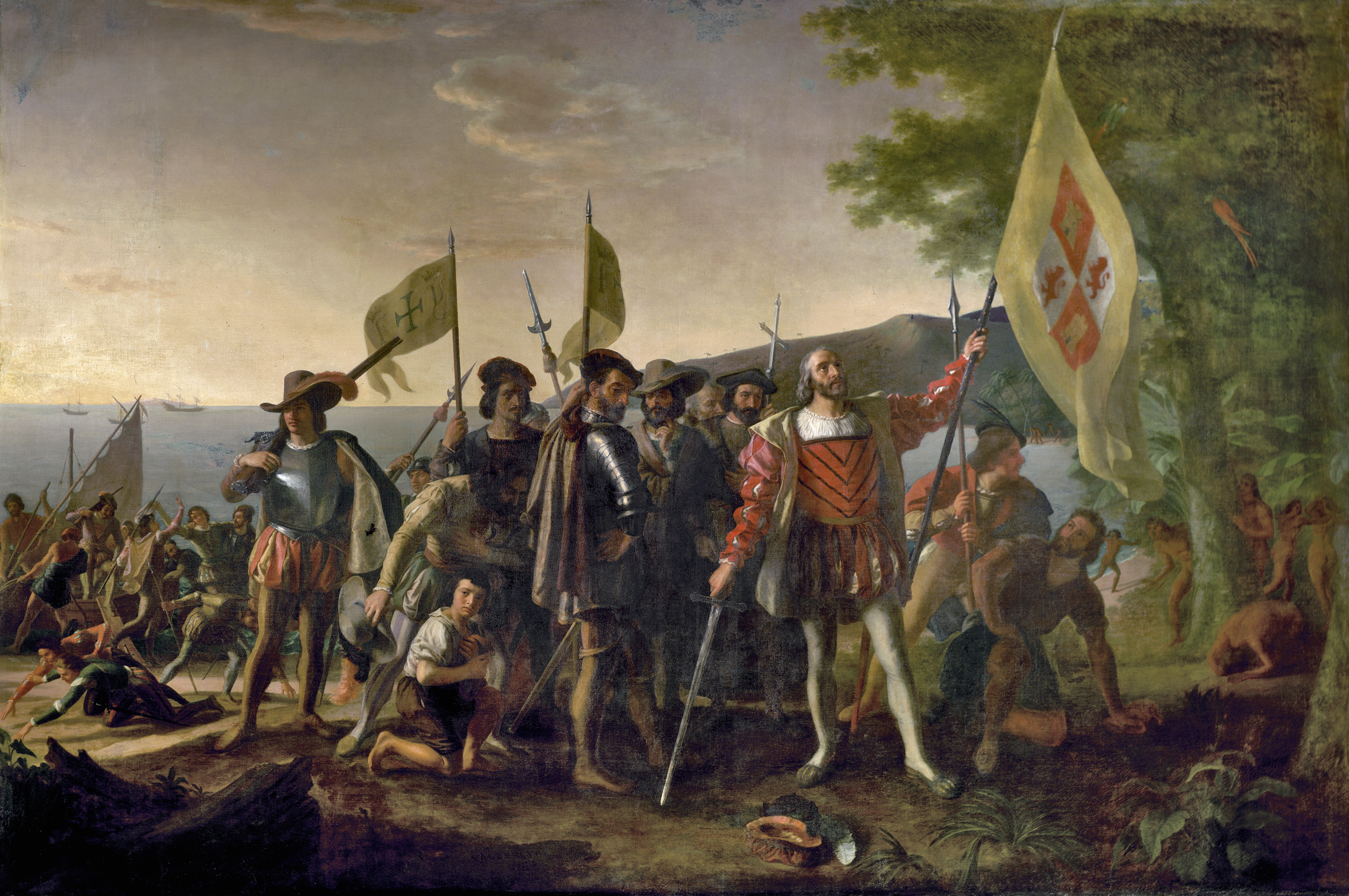
Colonialism
the policy or practice of acquiring full or partial political control over another country, occupying it with settlers, and exploiting it economically.
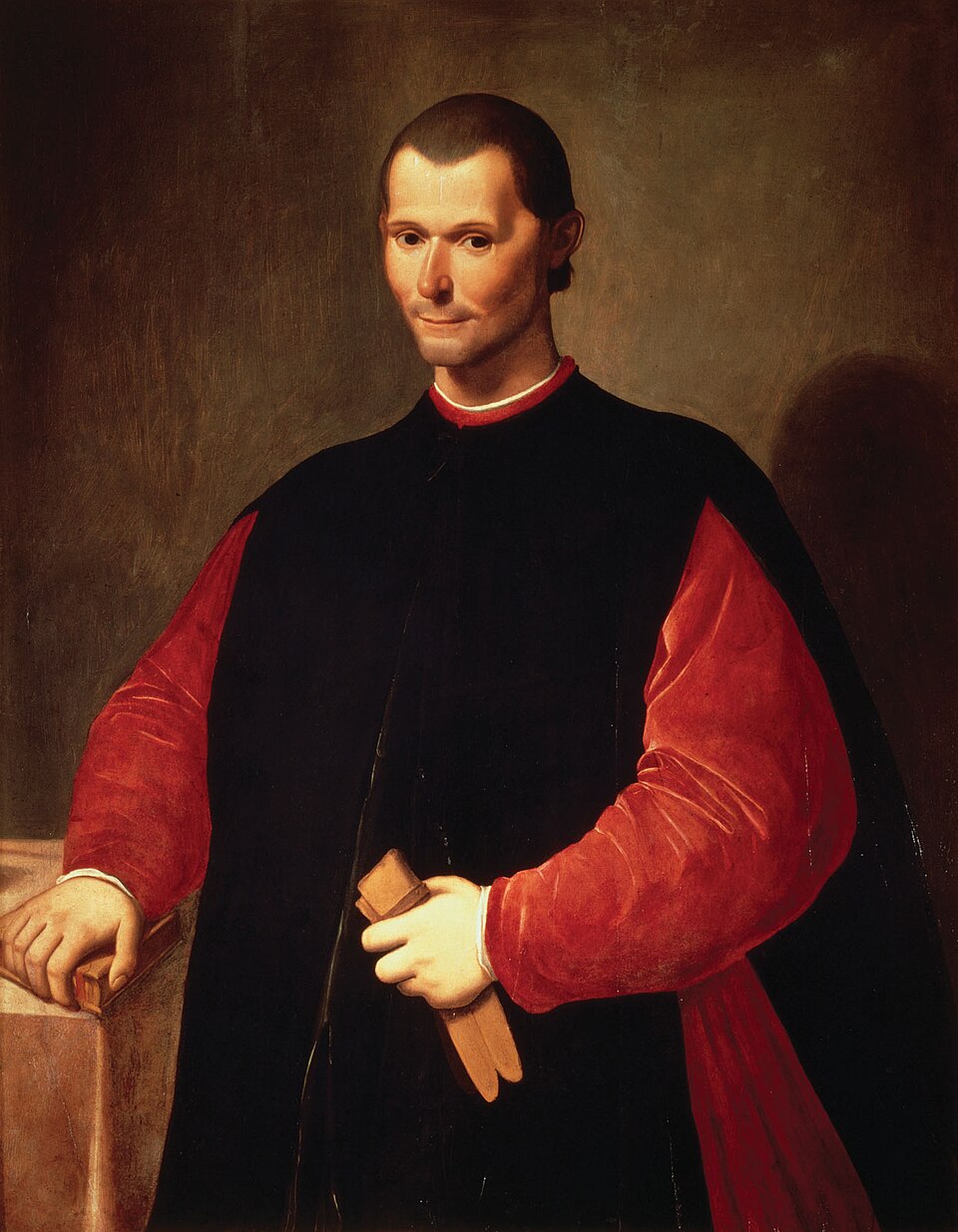
Niccolo Machiavelli
(1469-1527) Wrote The Prince which contained a secular method of ruling a country. "End justifies the means."
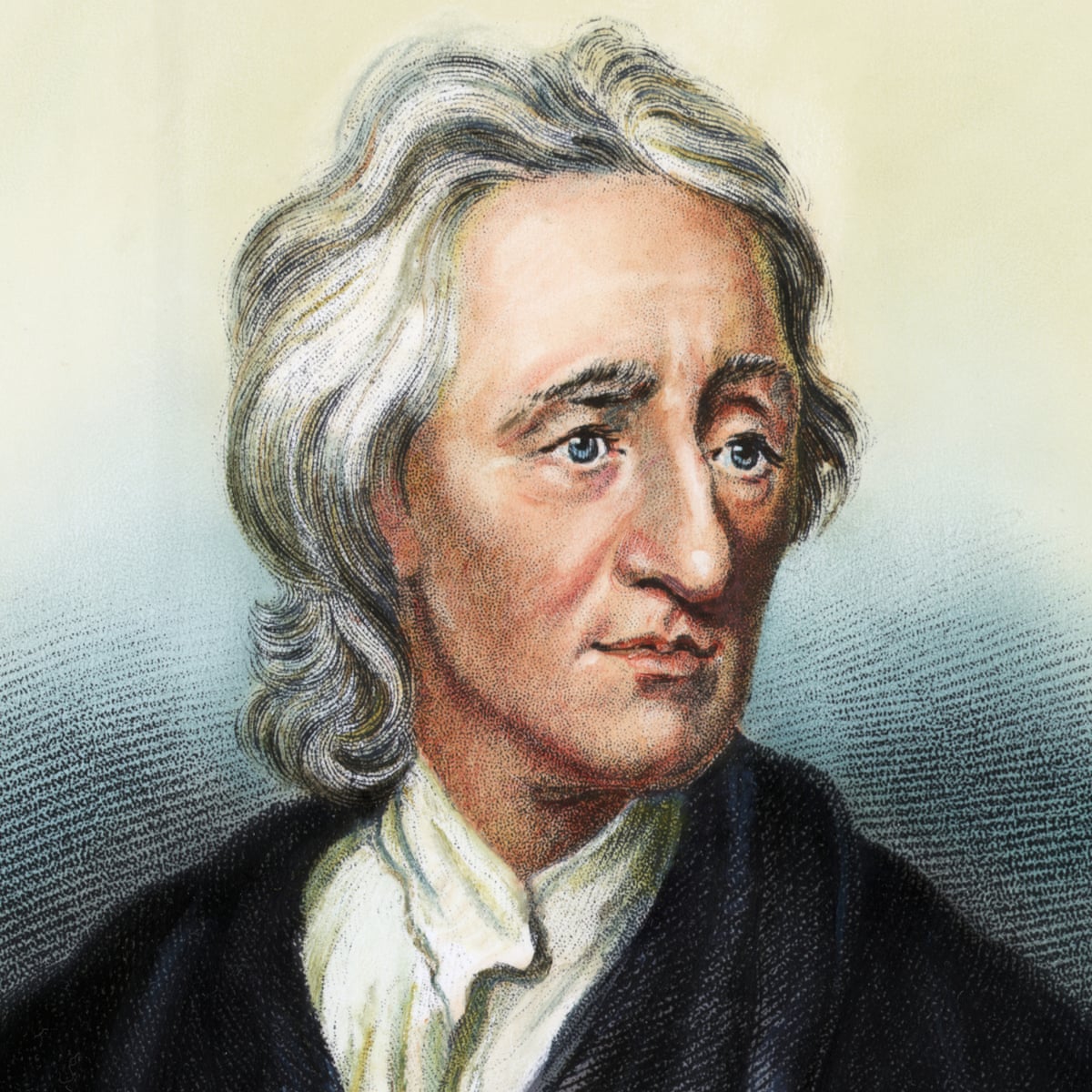
John Locke
17th century English philosopher who opposed the Divine Right of Kings and who asserted that people have a natural right to life, liberty, and property.
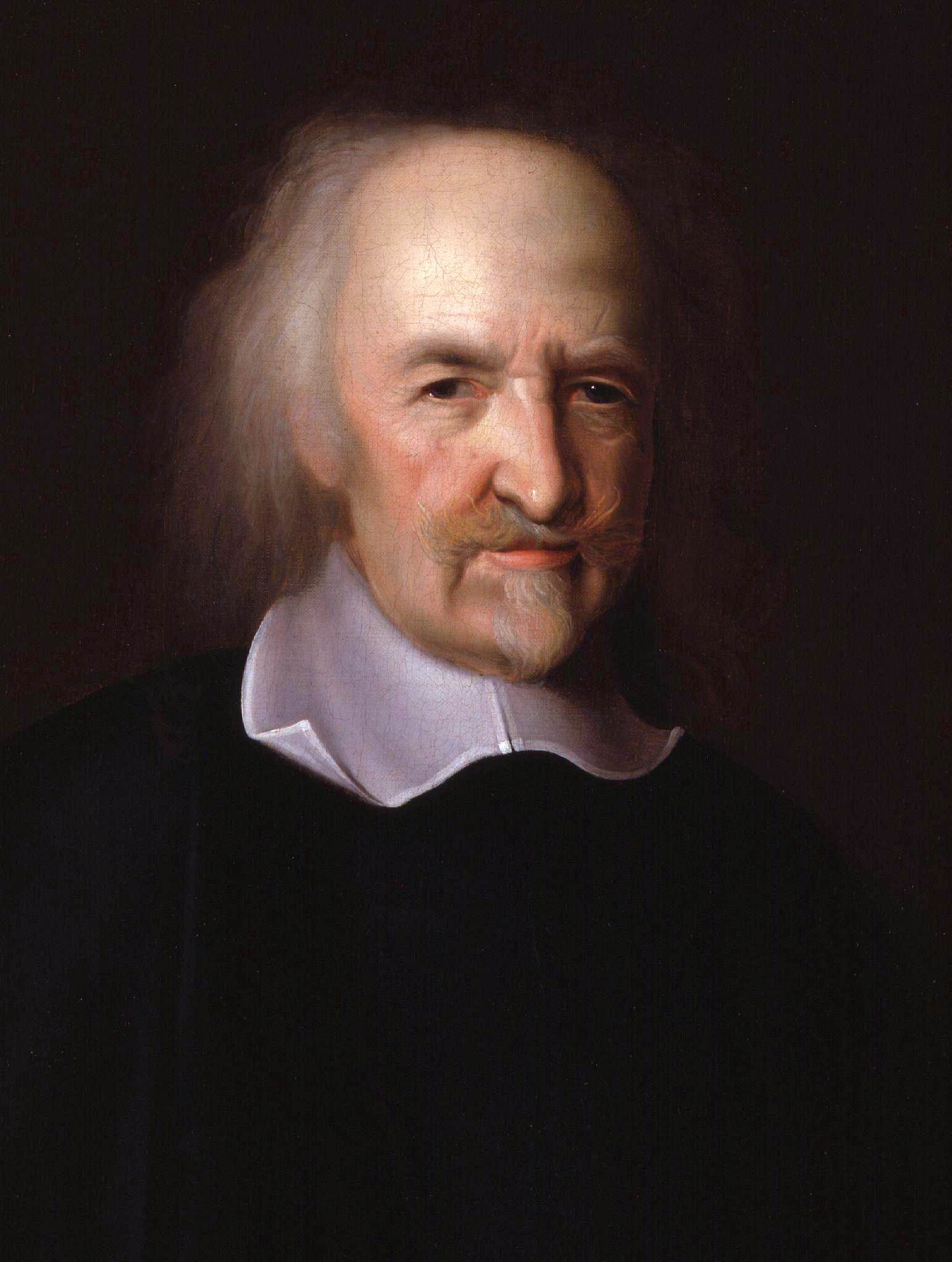
Hobbes
He wrote that humans in a natural state of chaos and constant war must give up their absolute freedom to a supreme ruler. In exchange for this surrendered freedom, the ruler provides peace, safety, and social order.
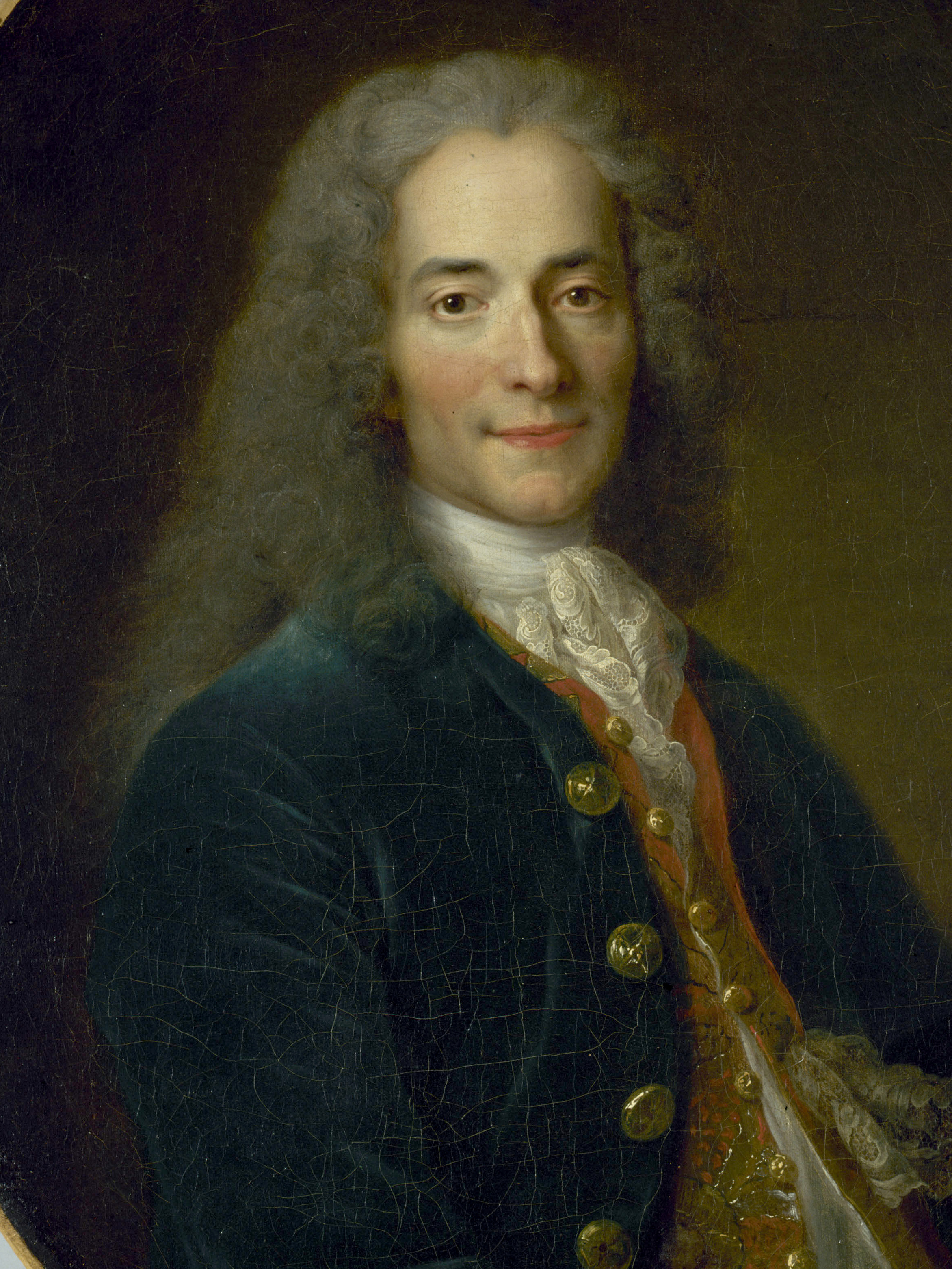
Voltaire
Advocated reason, freedom of religion, scientific observation importance, & The idea of human progress
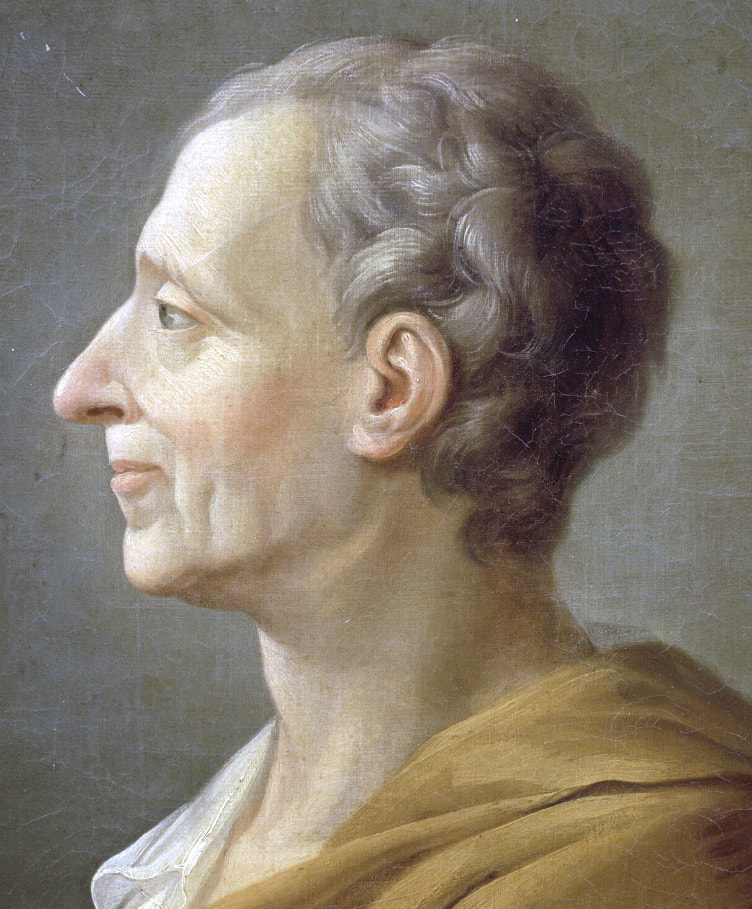
Montesquieu
French political philosopher who advocated the separation of executive and legislative and judicial powers (1689-1755)
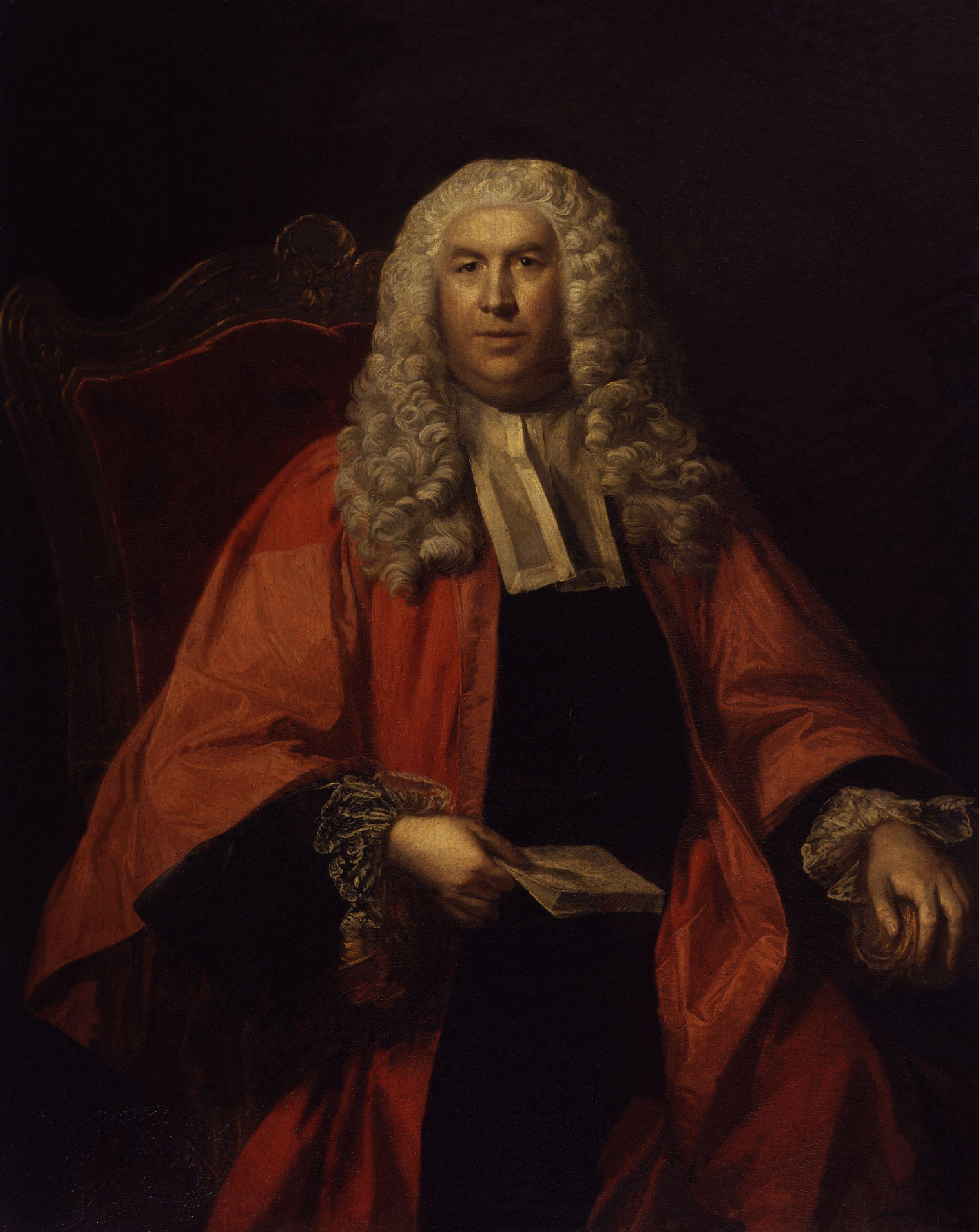
William Blackstone
created the idea of checks and balances (common law)
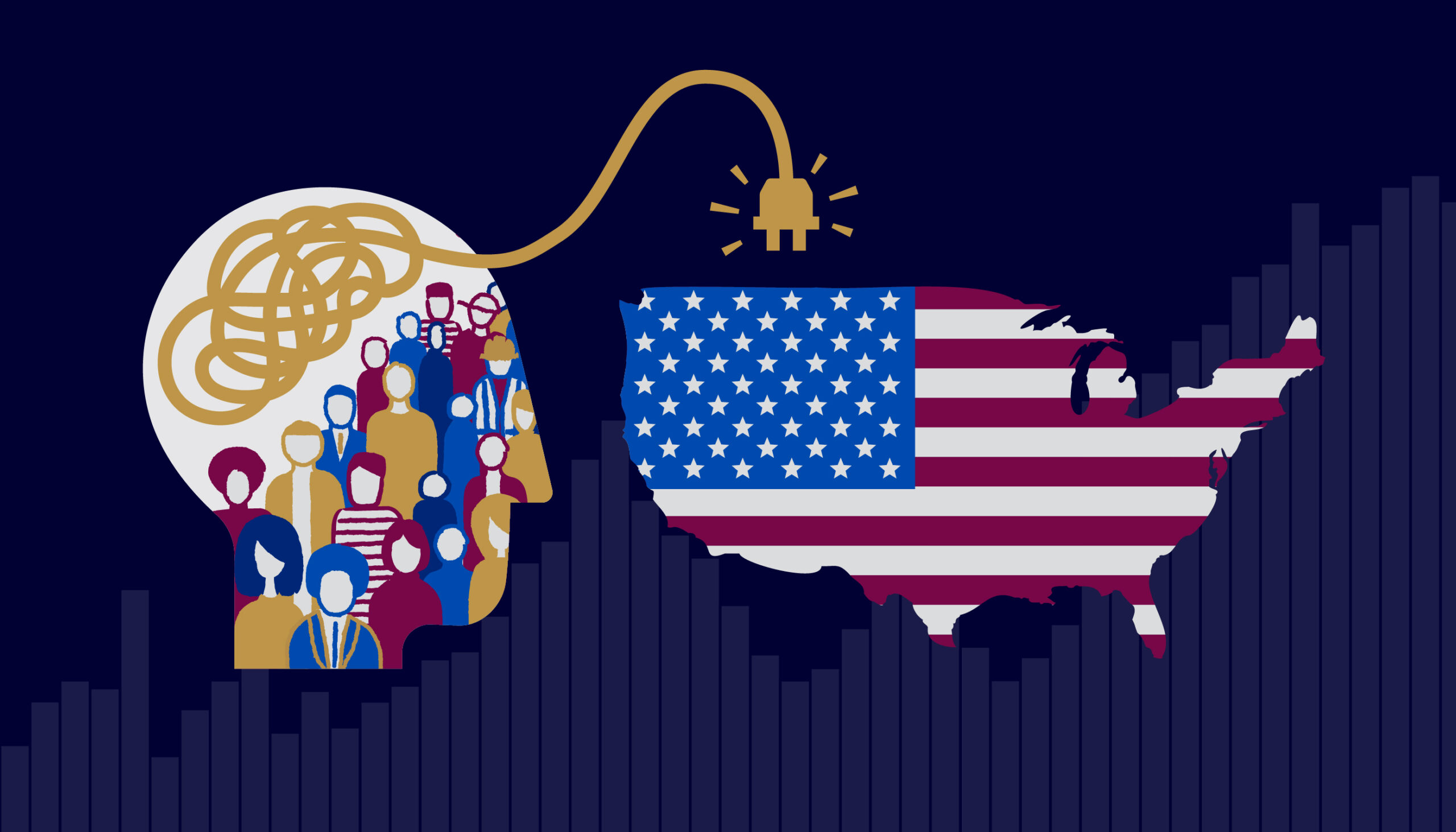
People vote for their leaders.
Everyone is supposed to be treated equally under the law.
People have rights and freedoms, like freedom of speech and religion.
Government power is limited by the Constitution.
Leaders can be replaced through elections.
The majority makes decisions, while the rights of minorities are protected.
American concept of democracy
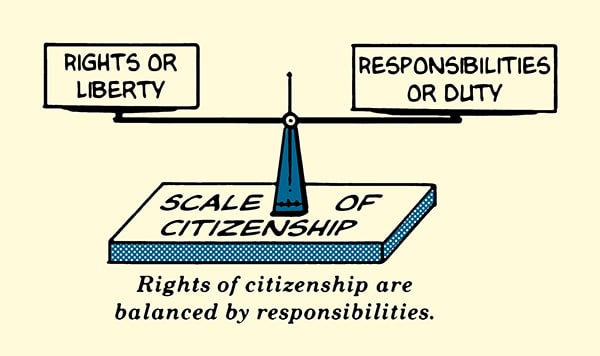
being well informed about civic affairs, serving in the military, voting, serving on a jury, observing the laws, paying taxes, and serving the public good
Responsibilities, duties, and obligations of citizenship