Comprehensive Gastroenterology: Celiac Disease, IBD, and IBS
 Call Kai
 Learn
Learn Practice Test
 Spaced Repetition
 Match
Match Flashcards
 Knowt Play
1/27

There's no tags or description
Looks like no tags are added yet.
Name | Mastery | Learn | Test | Matching | Spaced | Call with Kai | Chat |
|---|
No analytics yet
Send a link to your students to track their progress
28 Terms
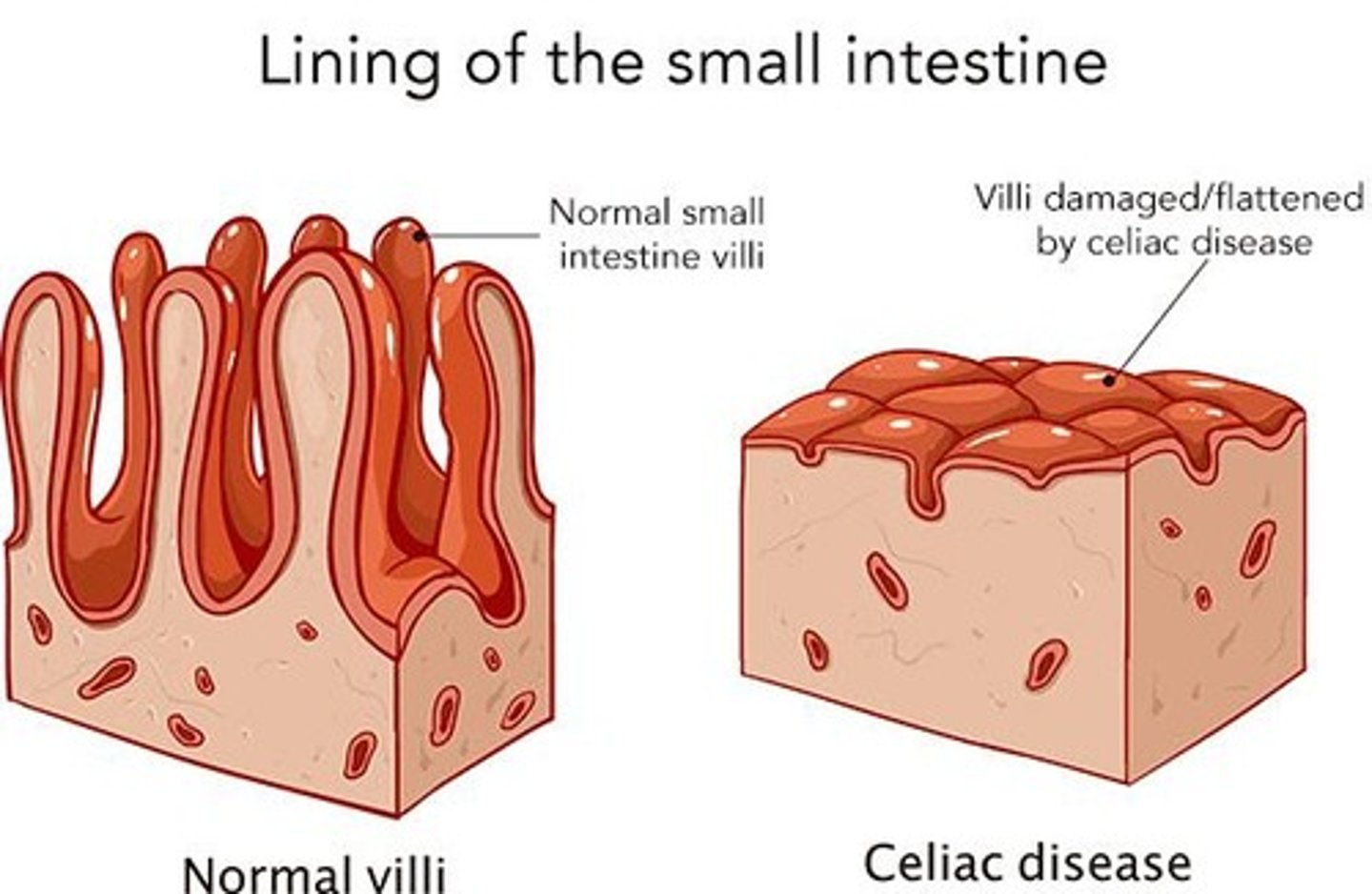
What is celiac disease?
An autoimmune disorder where gluten causes inflammation of the small intestine lining.
What percentage of the population is affected by celiac disease?
About 1%.
What genetic markers are associated with celiac disease?
>99% of people with celiac disease have HLA DR3-DQ2 and/or DR4-DQ8.
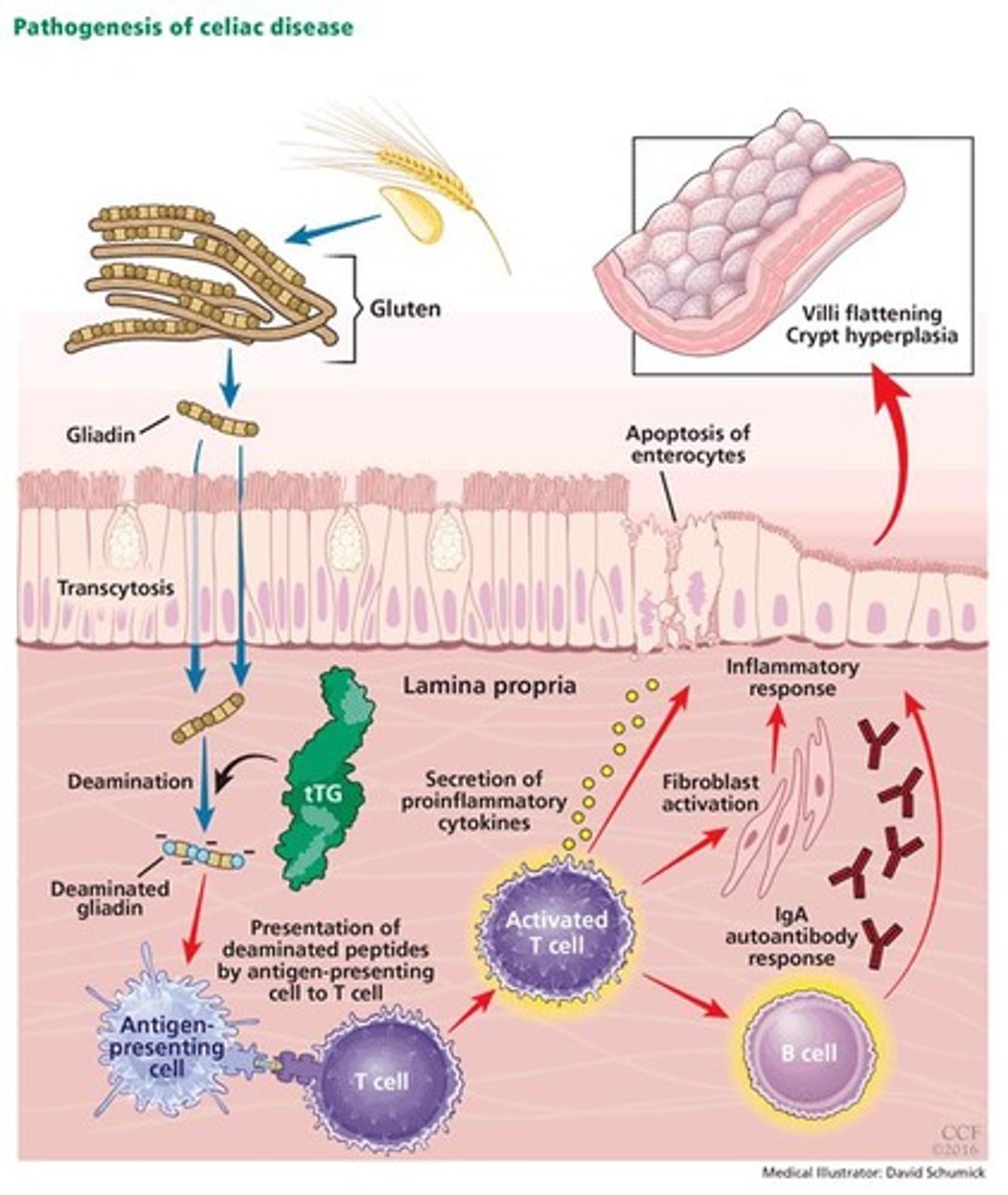
What triggers the immune response in celiac disease?
The ingestion of gluten, a protein found in wheat and some grains.
What are the primary symptoms of celiac disease?
Diarrhea, abdominal pain, fatigue, weight loss, flatulence, and skin rashes.
What is the gold standard test for diagnosing celiac disease?
Small bowel biopsies while on a gluten-containing diet.
What vitamin deficiencies are commonly associated with celiac disease?
Vitamin D, A, B12, E, copper, zinc, and folic acid.
What is the main treatment for celiac disease?
A strict gluten-free diet.
What is Inflammatory Bowel Disease (IBD)?
A group of disorders, including Crohn's disease and ulcerative colitis, characterized by chronic inflammation of the gastrointestinal tract.
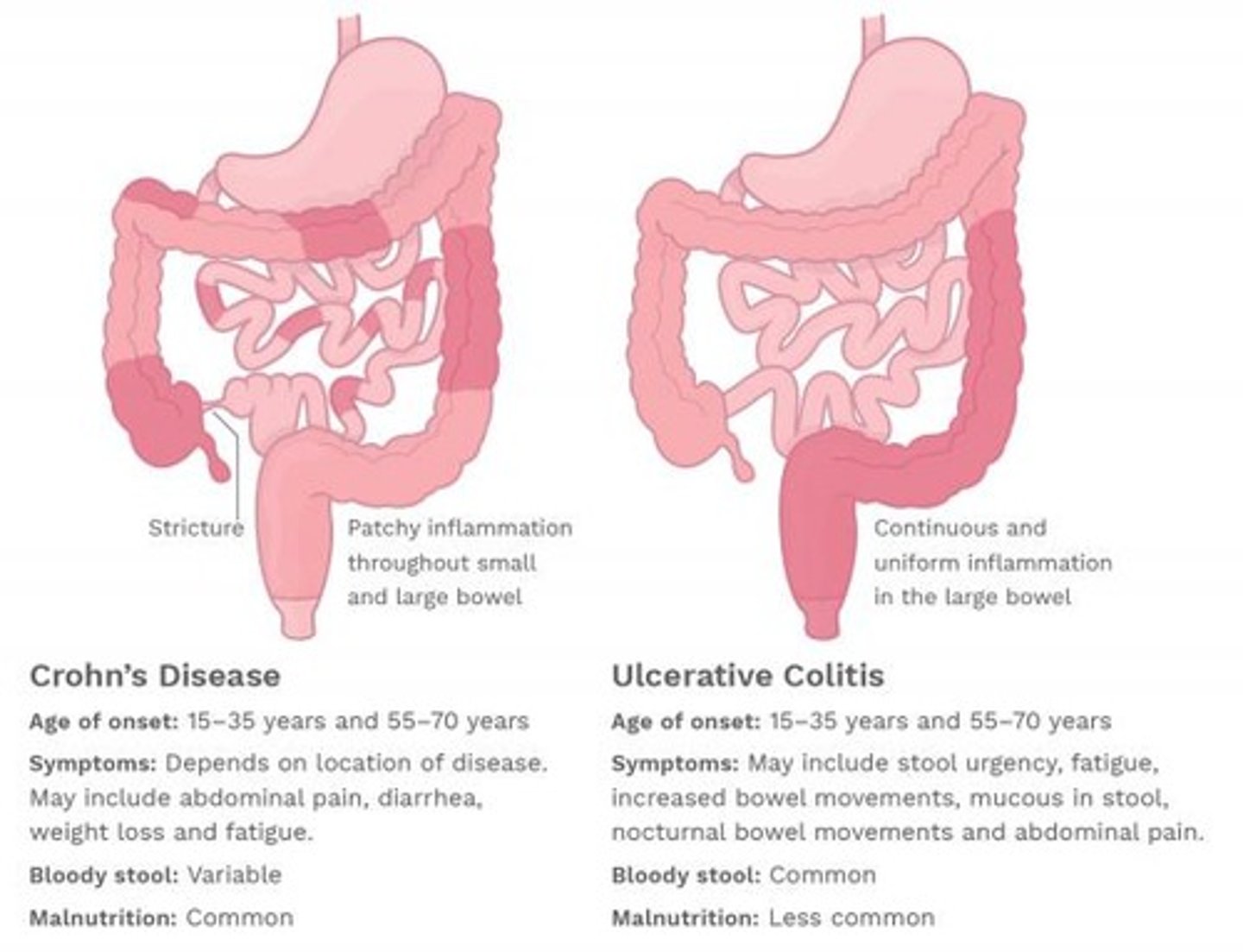
What distinguishes ulcerative colitis from Crohn's disease?
Ulcerative colitis is limited to the colon, while Crohn's disease can affect any part of the gut.
What are common symptoms of ulcerative colitis?
Bloody diarrhea, abdominal pain, fatigue, and anemia.
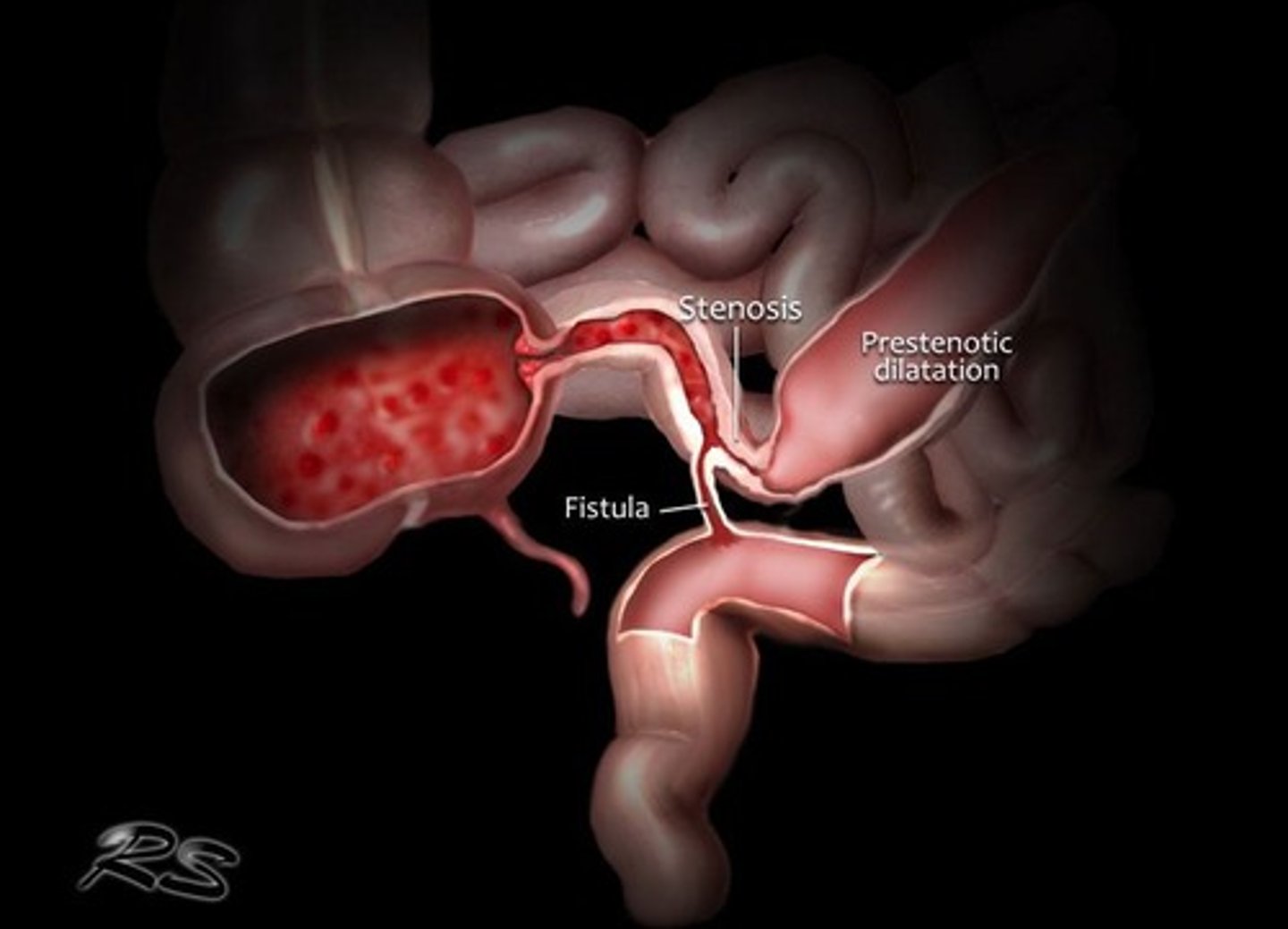
What is a common complication of Crohn's disease?
Blockages, abscesses, and malabsorption.
What should be avoided in the treatment of IBD?
NSAIDs (e.g., ibuprofen, naproxen) as they can exacerbate inflammation.
What is Irritable Bowel Syndrome (IBS)?
A syndrome characterized by chronic abdominal pain and changes in bowel habits without a clear underlying disease.
What percentage of people meet the criteria for IBS?
About 12%.
What are common dietary triggers for IBS?
Lactose, fructose, polyols, fructans, beans, and artificial sweeteners.
What is the recommended treatment approach for IBS?
Diet trials (like low FODMAP), antidepressants, and symptom management.
What is a common misconception about celiac disease?
That it is a common food allergy; it is an autoimmune disorder.
What is the relationship between celiac disease and type 1 diabetes?
About 6% of type 1 diabetics also have celiac disease.
What is the role of a dietician in managing celiac disease?
To help patients implement and maintain a gluten-free diet.
What is the significance of the HLA DQ phenotype in celiac disease?
It can be checked to assess the likelihood of having celiac disease if on a gluten-free diet.
What are extraintestinal manifestations of IBD?
Low back inflammation, arthritis, eye issues, rashes, and autoimmune liver disease.
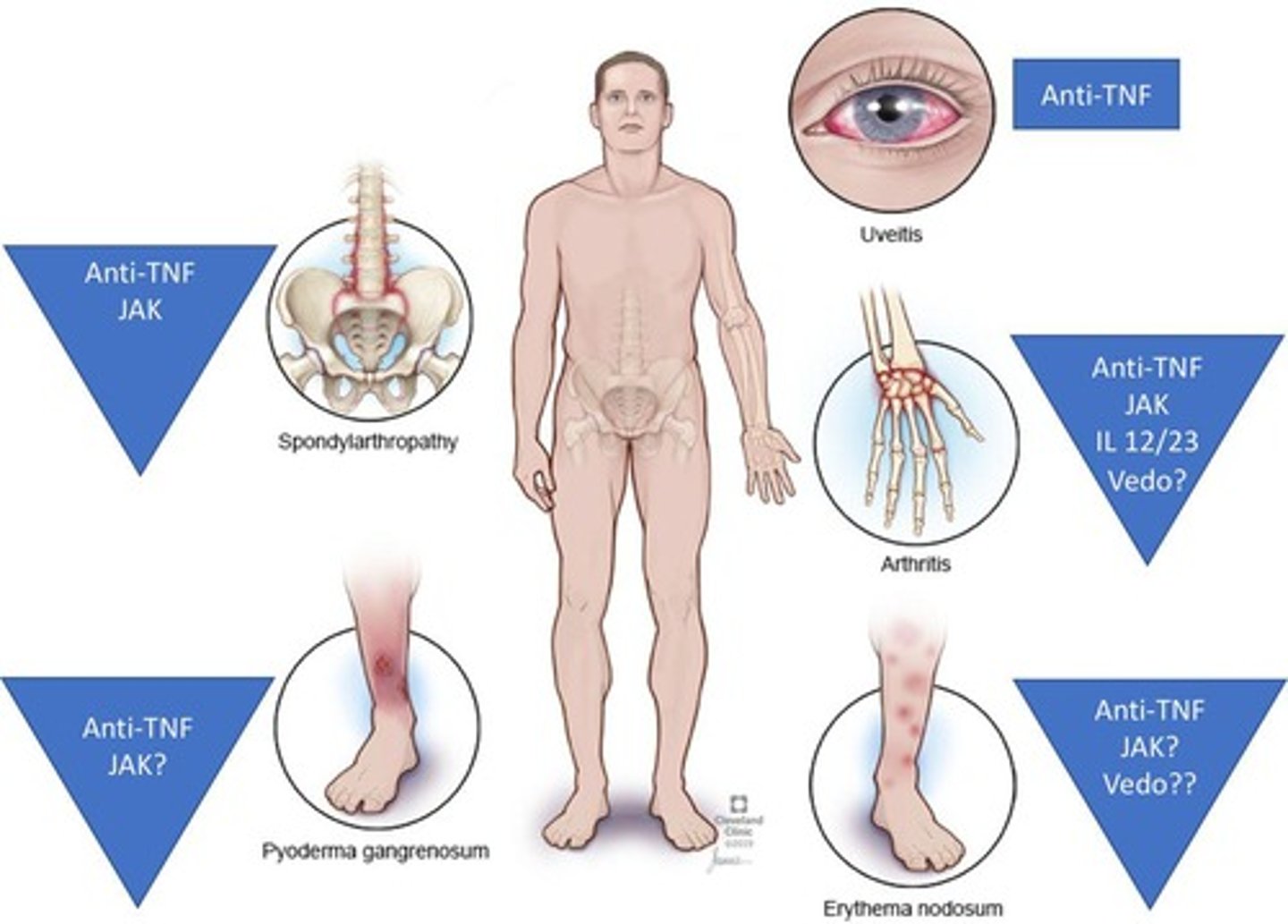
What is the impact of gluten on individuals with celiac disease?
It causes chronic inflammation leading to malabsorption of nutrients.
What is a common symptom of malabsorption in children with celiac disease?
Poor growth.
What is the primary goal of treatment for IBD?
To reduce inflammation and manage symptoms.
What is the difference between celiac disease and gluten intolerance?
Celiac disease is an autoimmune disorder, while gluten intolerance does not cause the same immune response.
What is the recommended action if a person with celiac disease accidentally ingests gluten?
Avoid gluten completely; even small amounts can trigger symptoms.
What is the relationship between IBS and mental health?
IBS is often associated with depression and other chronic pain conditions.