Global Issues Fall 26, Exam #1
 Call Kai
 Learn
Learn Practice Test
 Spaced Repetition
 Match
Match Flashcards
 Knowt Play
1/30

There's no tags or description
Looks like no tags are added yet.
Name | Mastery | Learn | Test | Matching | Spaced | Call with Kai | Chat |
|---|
No analytics yet
Send a link to your students to track their progress
31 Terms
International Relations
The study of relations of states with each other and with international organizations and certain sub-national entities.
Theory
A set of propositions that combine to explain phenomena by specifying the relationships among several concepts. Some of these concepts include Realism, Liberalism or Idealism, Marxism, and Constructivism; all with their respective critiques.
Hypothesis
Falsifiable statements that question the proposed relationship among two or more.
Anarchy
A set condition classified as having no world order and no world government. It runs as a “self-help” system; where states must rely on their resources to get what they want. English philosopher and political theorist Thomas Hobbes described this international system as being a “war of all against all.”
Power
The ability to coerce or force others to do something that you want, but that they’d not have done otherwise, different of sharing beliefs/opinions. State capabilities, such as a country’s culture and status, economy, and education, and military can build into this.
State
A tangible aspect of distinguishable territory, with clearly set borders and a population; consisting of a functioning government, economy, laws and institutions, diplomatic recognition of other states, sovereignty, and the support of its population.
Nation
An intangible aspect consisting of a group of individuals working towards a shared destiny, whether that be from a common past or future; these individuals share a sense of belonging sometimes helped by, but not necessarily, a common ethnicity, common religion, and/or a common language.
Sanctions
Not forceful, but has an effect in terms of behavior. They could either be negative or positive. In terms of negative, it’s generally punishment upon a target with the intent to change them. In terms of positivity, it’s generally a reward to the target after they've done what’s asked. This can fall into economic actions, political actions, or even cultural actions.
State Level of Analysis
Focuses on characteristics of the state such as the type of government (e.g., democratic or authoritarian), the type of economic system (e.g., capitalist or socialist), interest groups within the country, and/or the national interest.
International Level of Analysis
Focus is on the characteristics of that system (such as the distribution of "power") or with international and regional organizations and their relative strengths and weaknesses.
Individual Level of Analysis
Focuses on personality, perceptions, choices, and activities of individual decision makers and individual participants.

Qatar

Lebanon

Cyprus
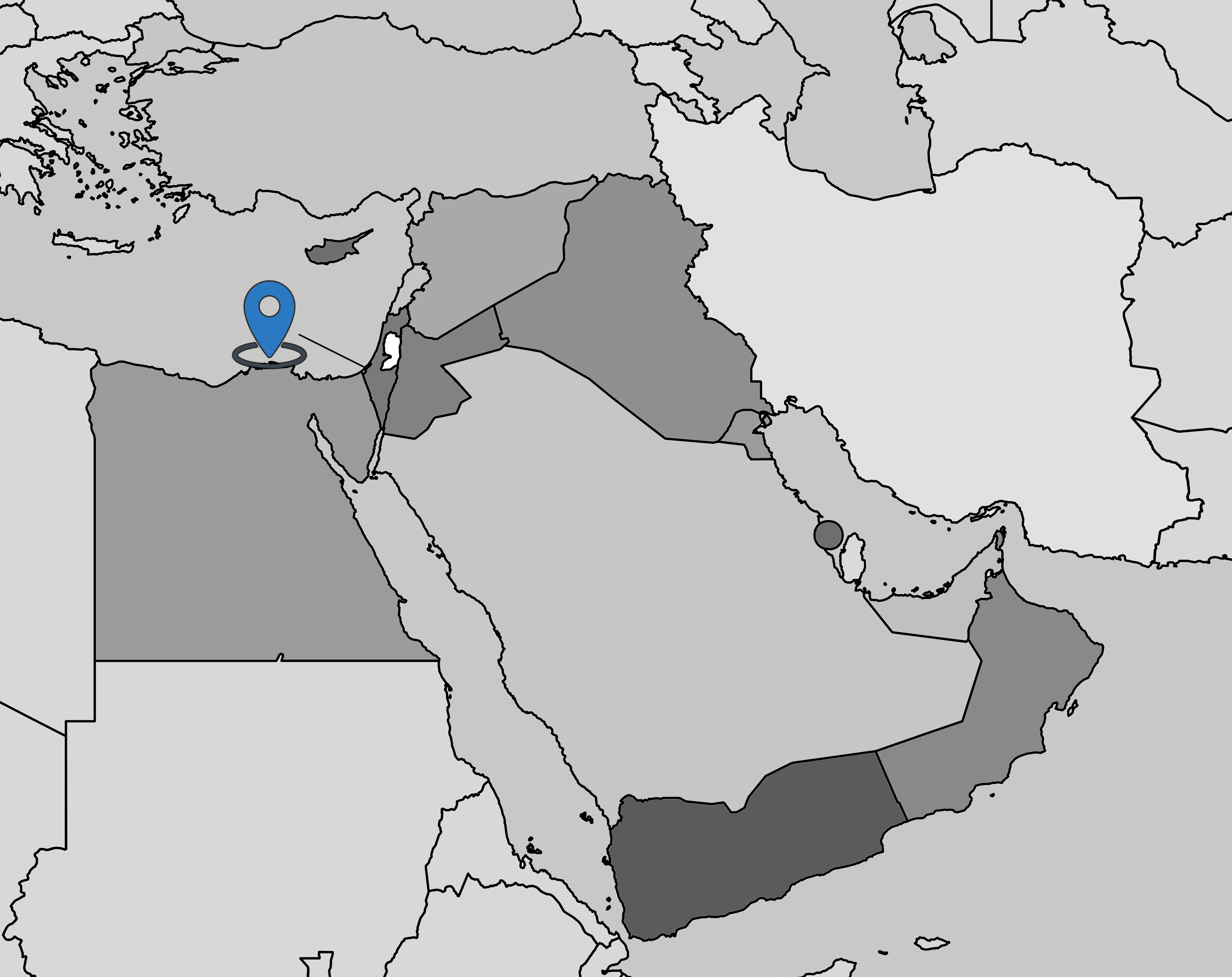
West Bank
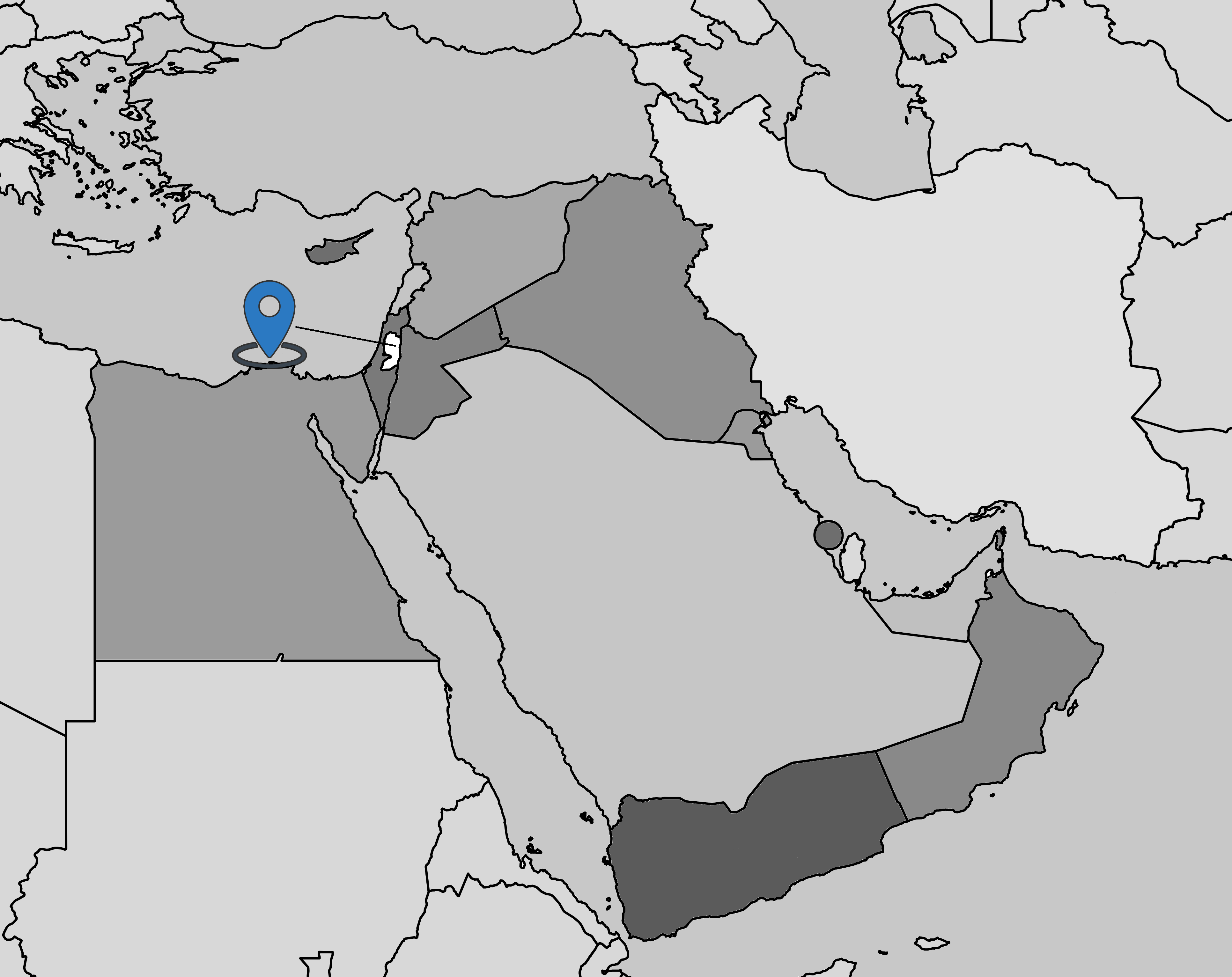
Gaza Strip

Israel

Jordan
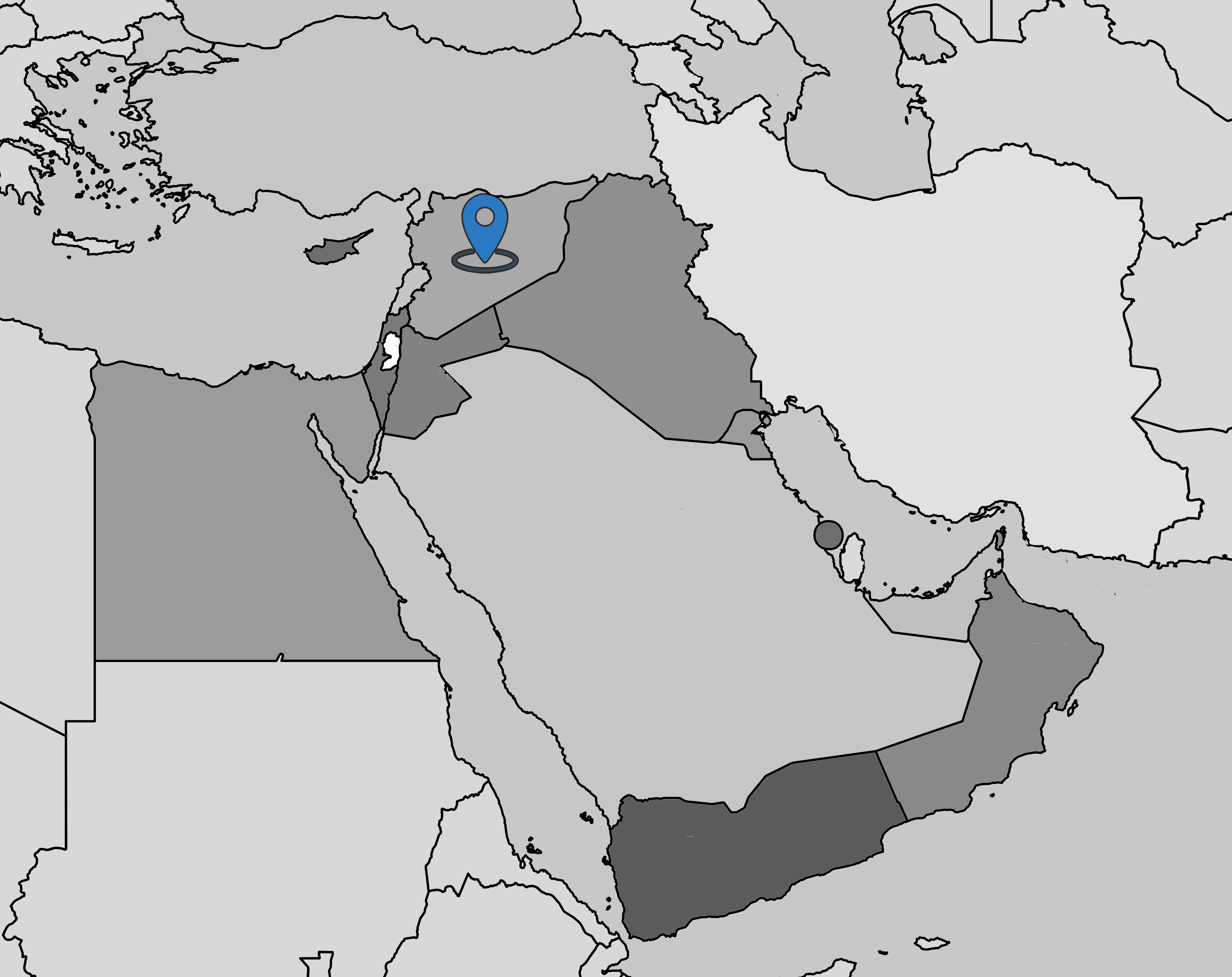
Syria

Iraq
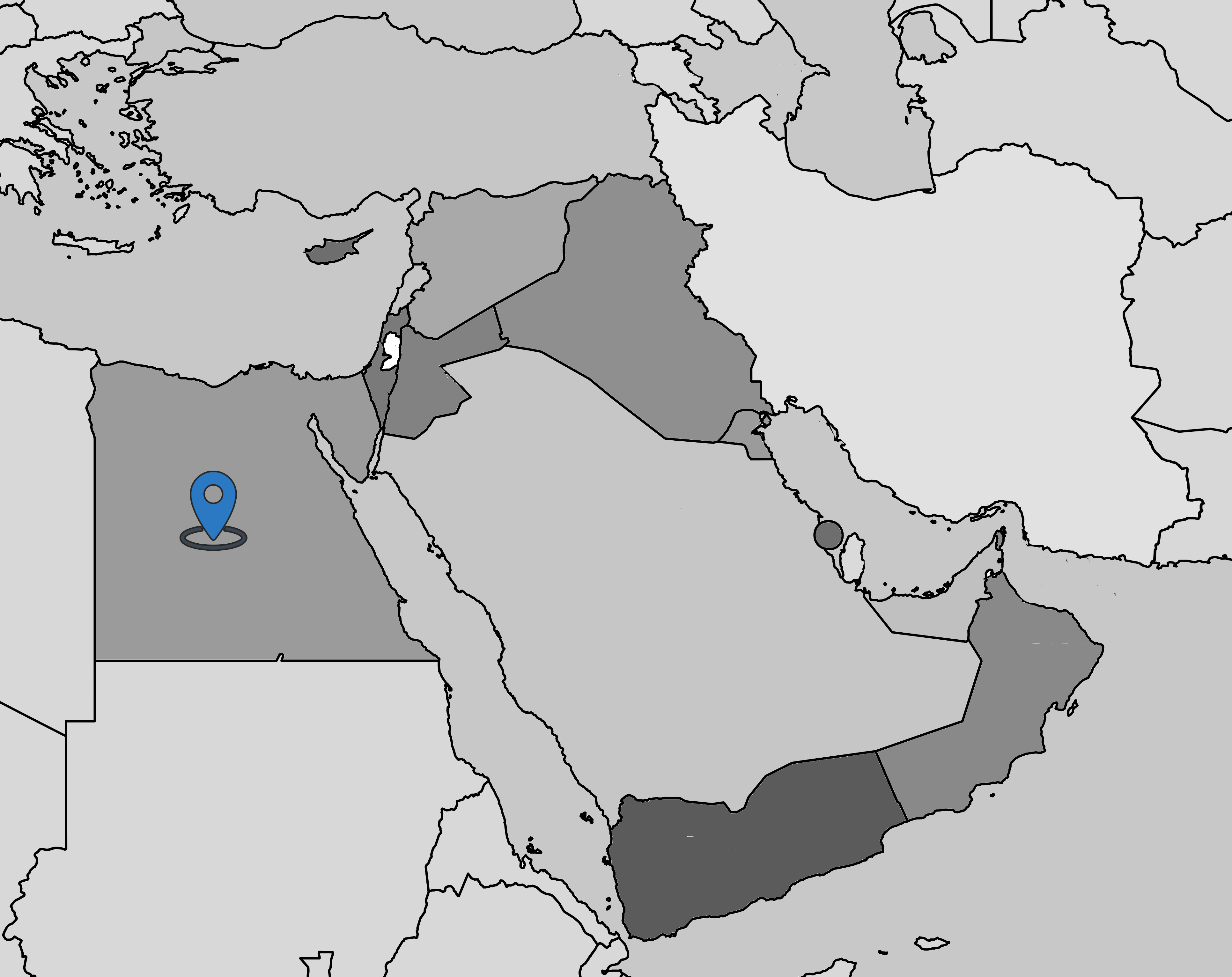
Egypt
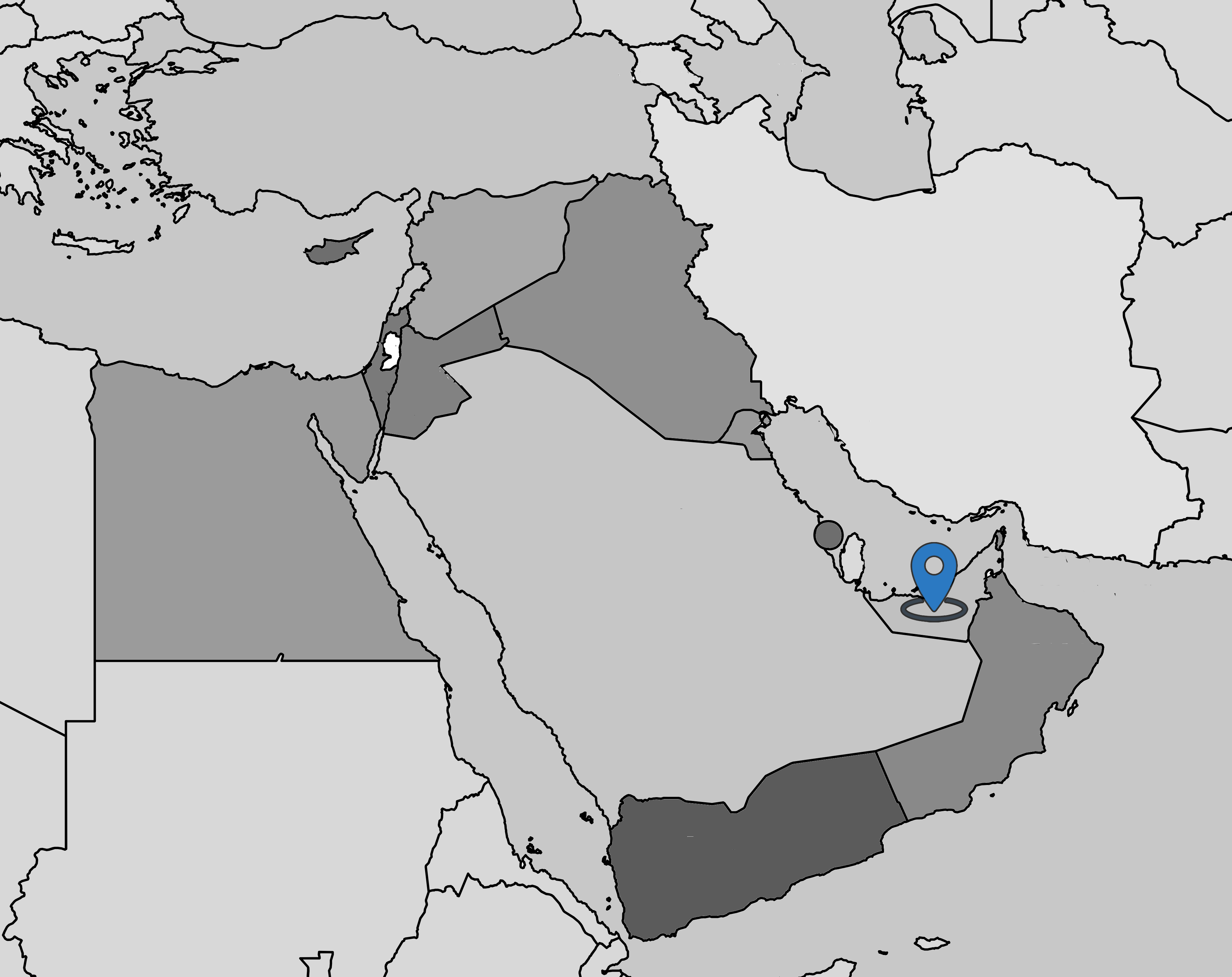
United Arab Emirates

Oman
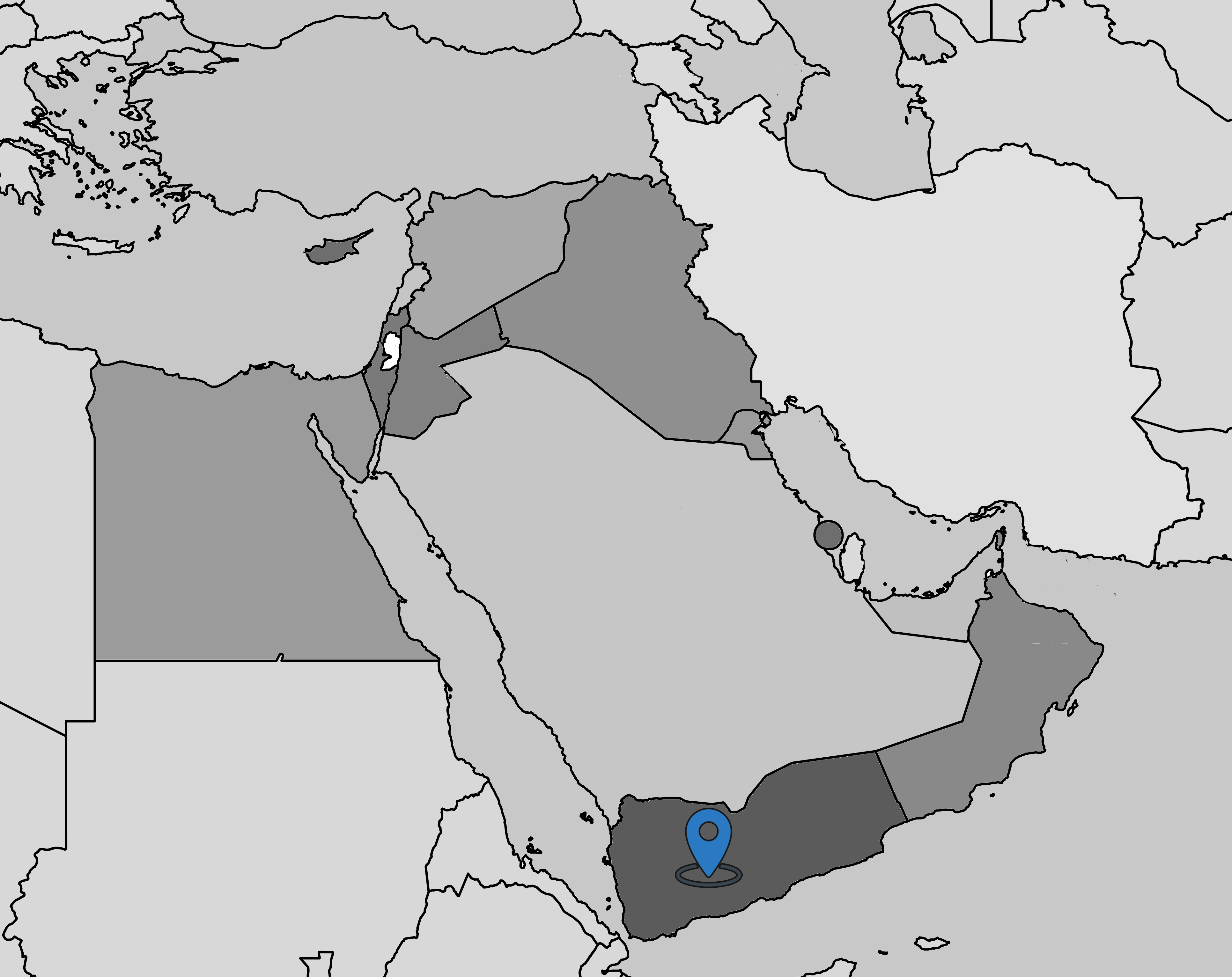
Yemen
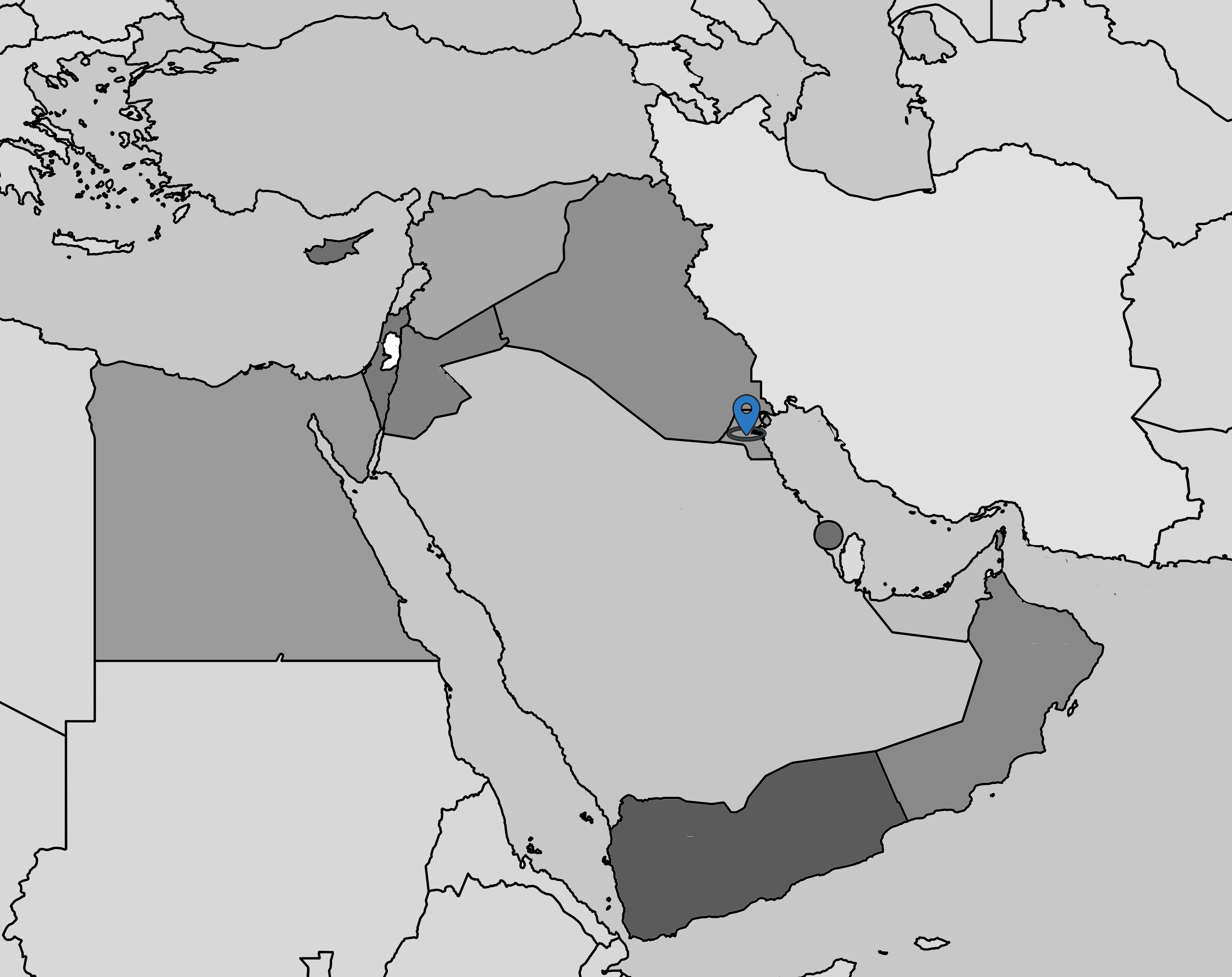
Kuwait

Bahrain

Saudi Arabia
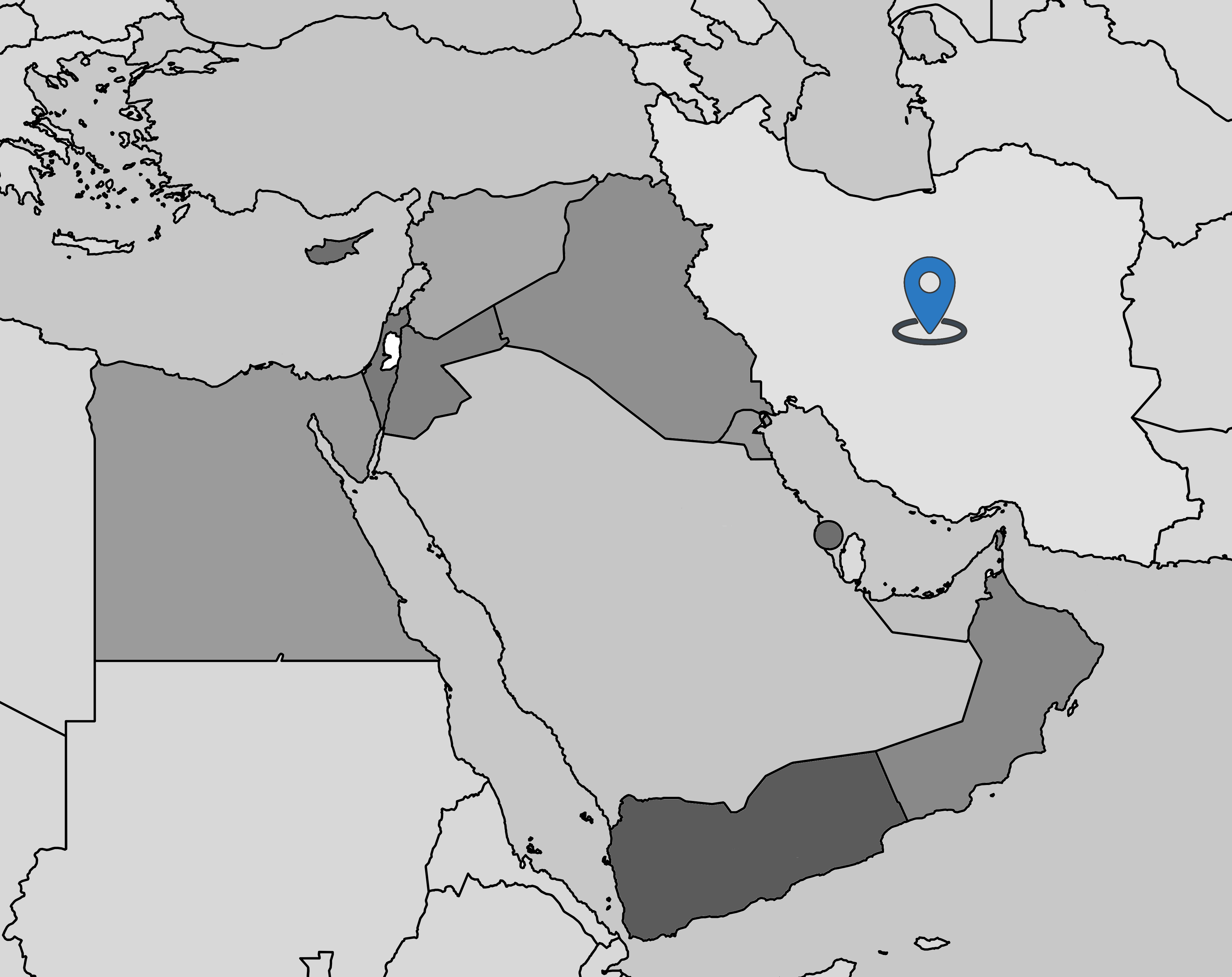
Iran

Azerbaijan
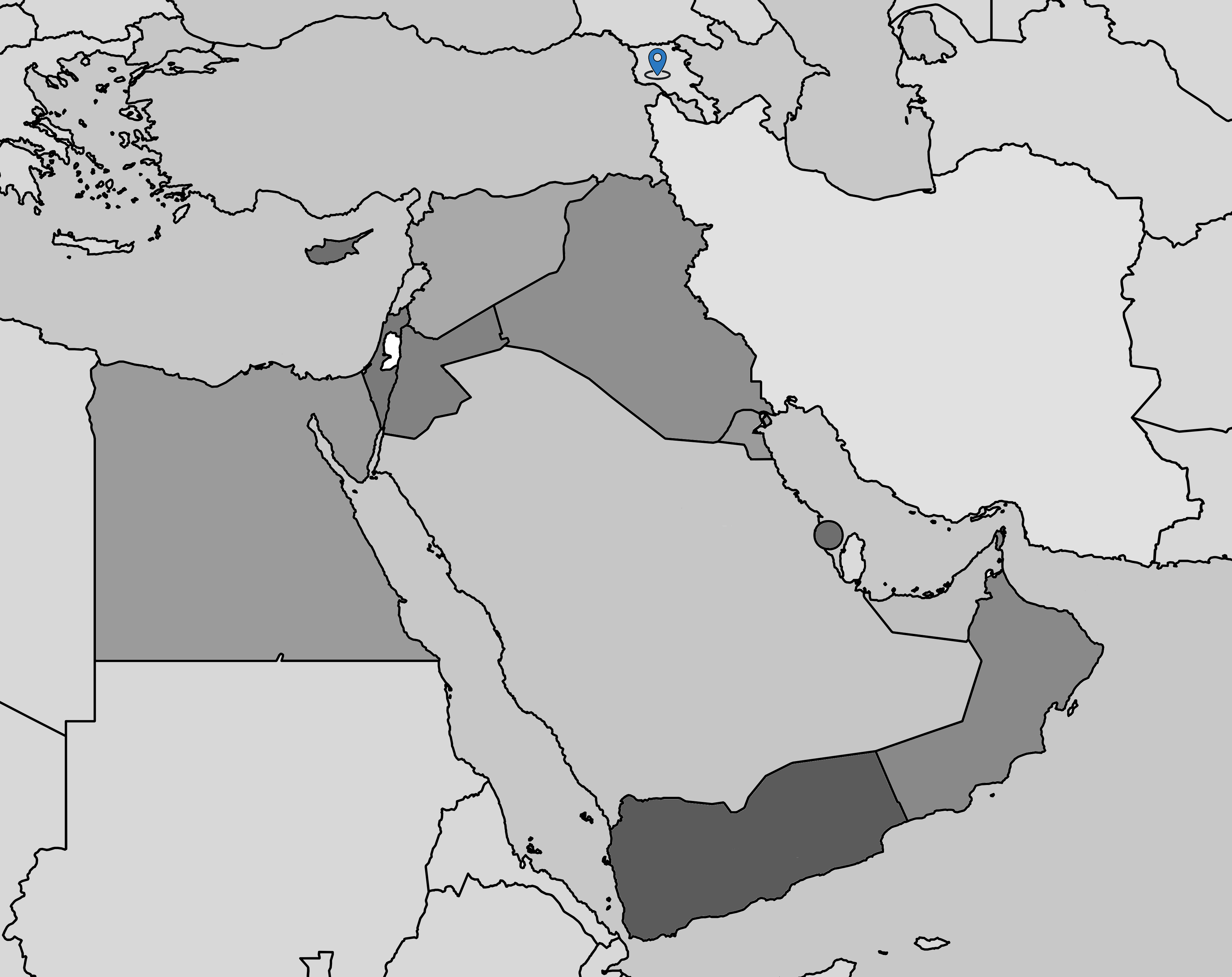
Armenia

Turkey