AAH 122 Midterm II
 Call Kai
 Learn
Learn Practice Test
 Spaced Repetition
 Match
Match Flashcards
 Knowt Play
1/22

There's no tags or description
Looks like no tags are added yet.
Name | Mastery | Learn | Test | Matching | Spaced | Call with Kai | Chat |
|---|
No analytics yet
Send a link to your students to track their progress
23 Terms
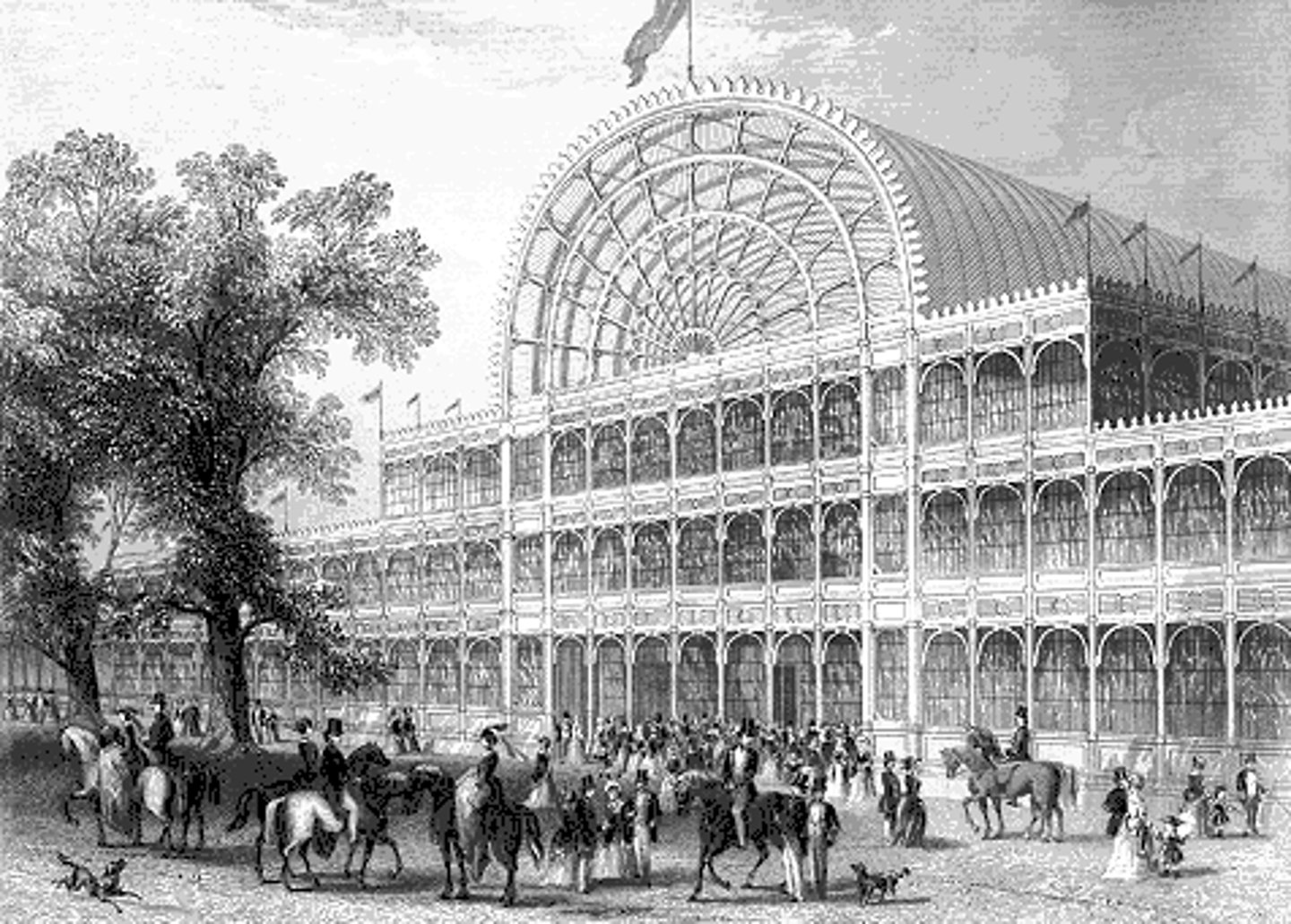
- prefabricated building, glass would "slide into place"
- glass only found in England, "bragging"
- Hyde Park provided a central location surrounded by nature
- Combines industry with art
- 1851 ft long, the year it was designed
- The idea came from greenhouses
Joseph Paxton, Crystal Palace, Hyde Park, London, 1851
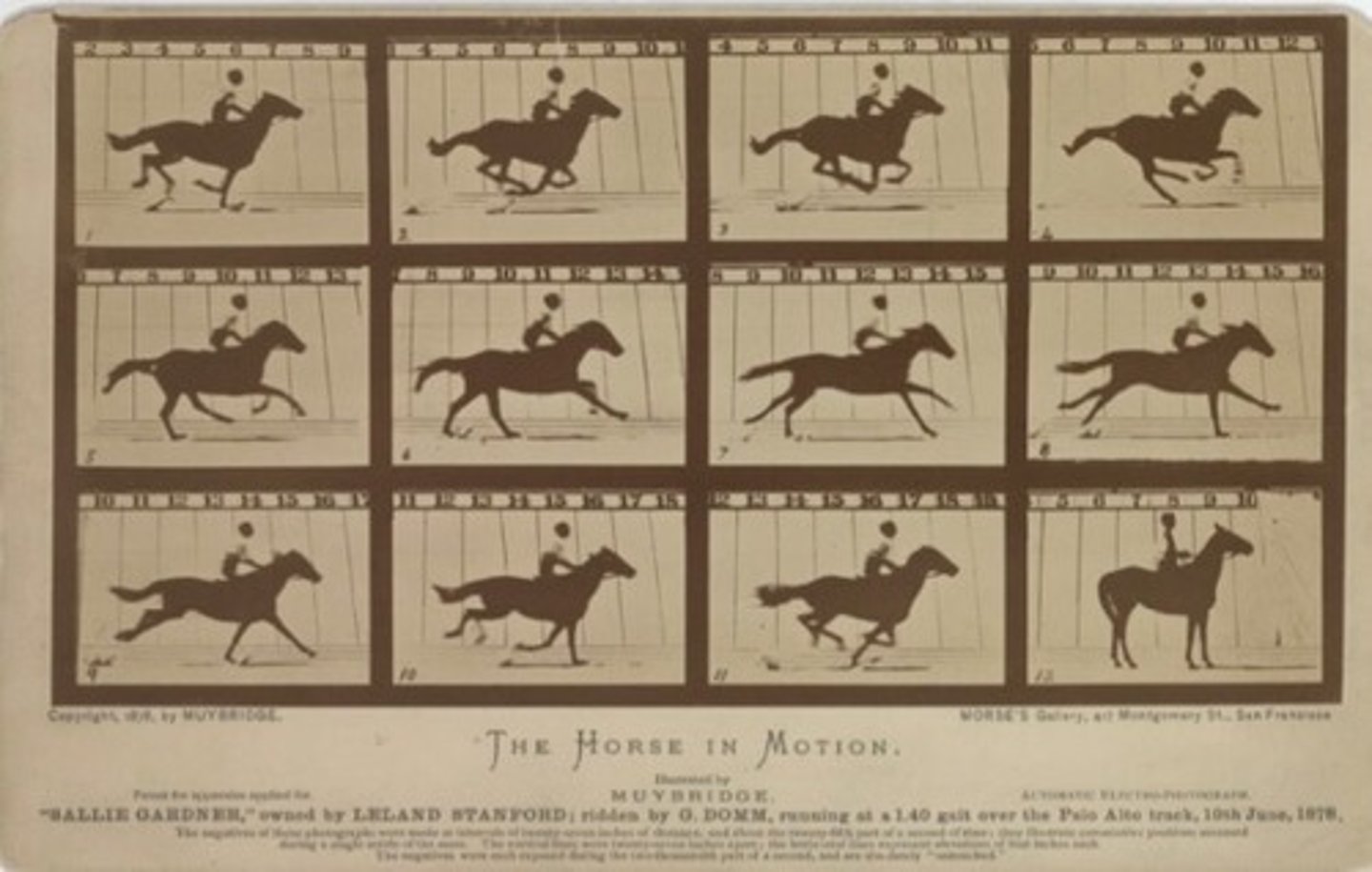
- a moment where the horse "flys"
- camera is making claims of the truth; can't be seen with the naked eye
- metal pieces placed in the ground trigger the shutter
- photojournalism: how much are you told to see
- Is photography art or science or both?
Eadweard Muybridge, "Horse in Motion", 1878
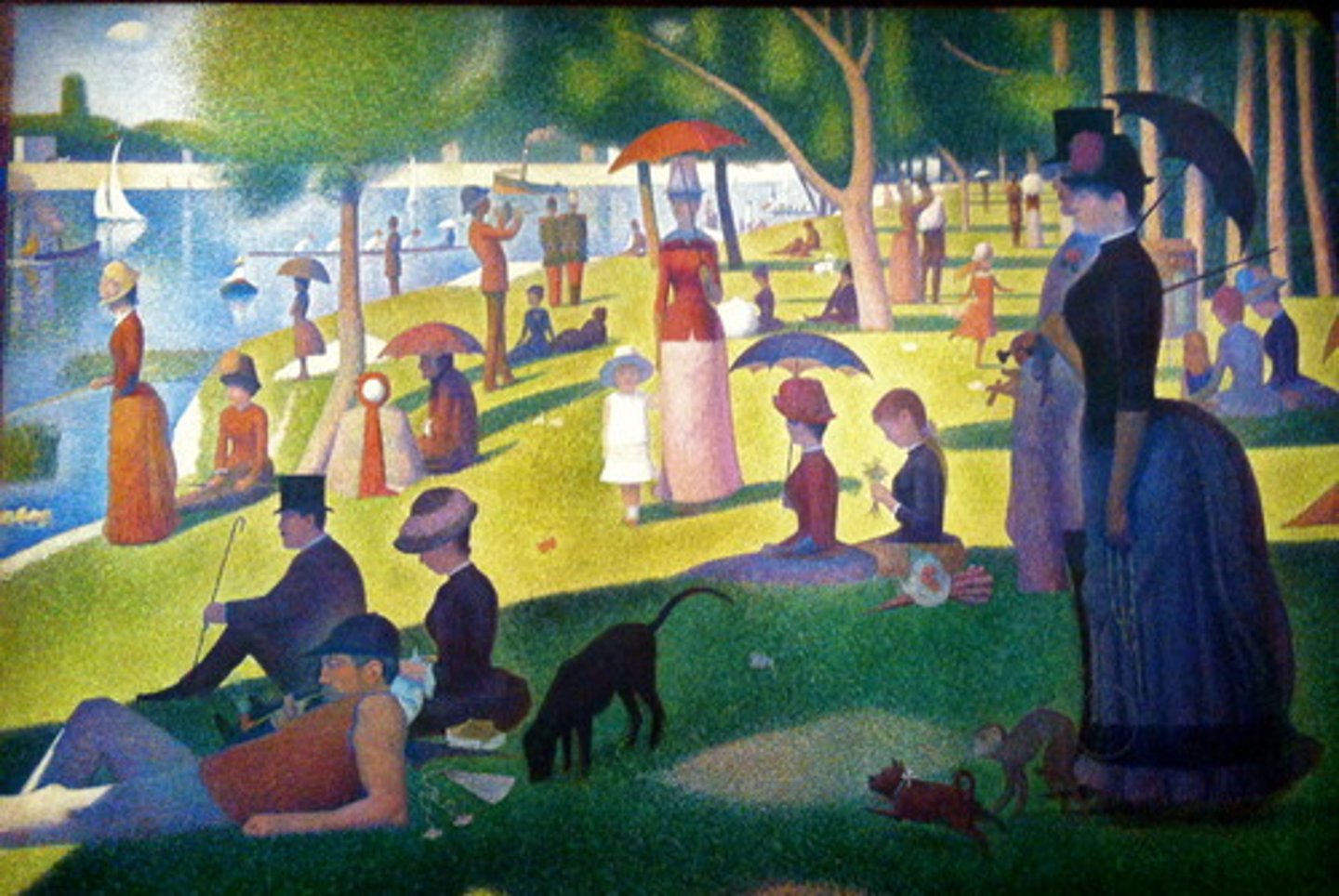
- little to no movement, "staged."
- bodies are stiff and anonymous = modern society
- use of science, structure, society, rigor, and convention (NOT storytelling)
- culmination of tiny dots in varying colors- reflects social classes mixing
- "pointillism" and "divisionism."
Georges Seurat, "A Sunday on La Grande Jatte", 1884
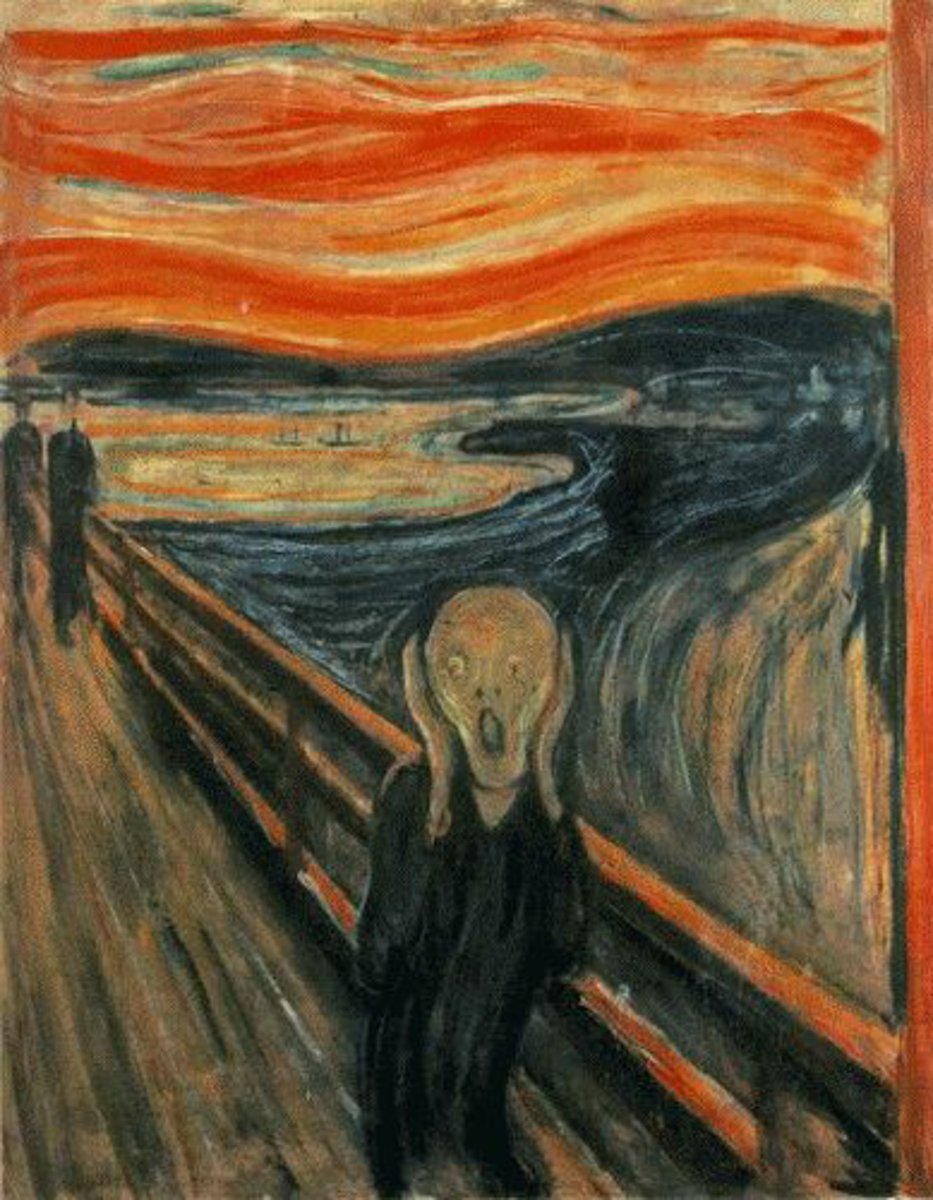
- in humane features
- represents the horrors of WW I and II
- extremely popular = continues to connect to modern events/tragedies
- nature is the one screaming
- paintings are now connecting the viewers through emotions
Edvard Munch, "The Scream", 1893
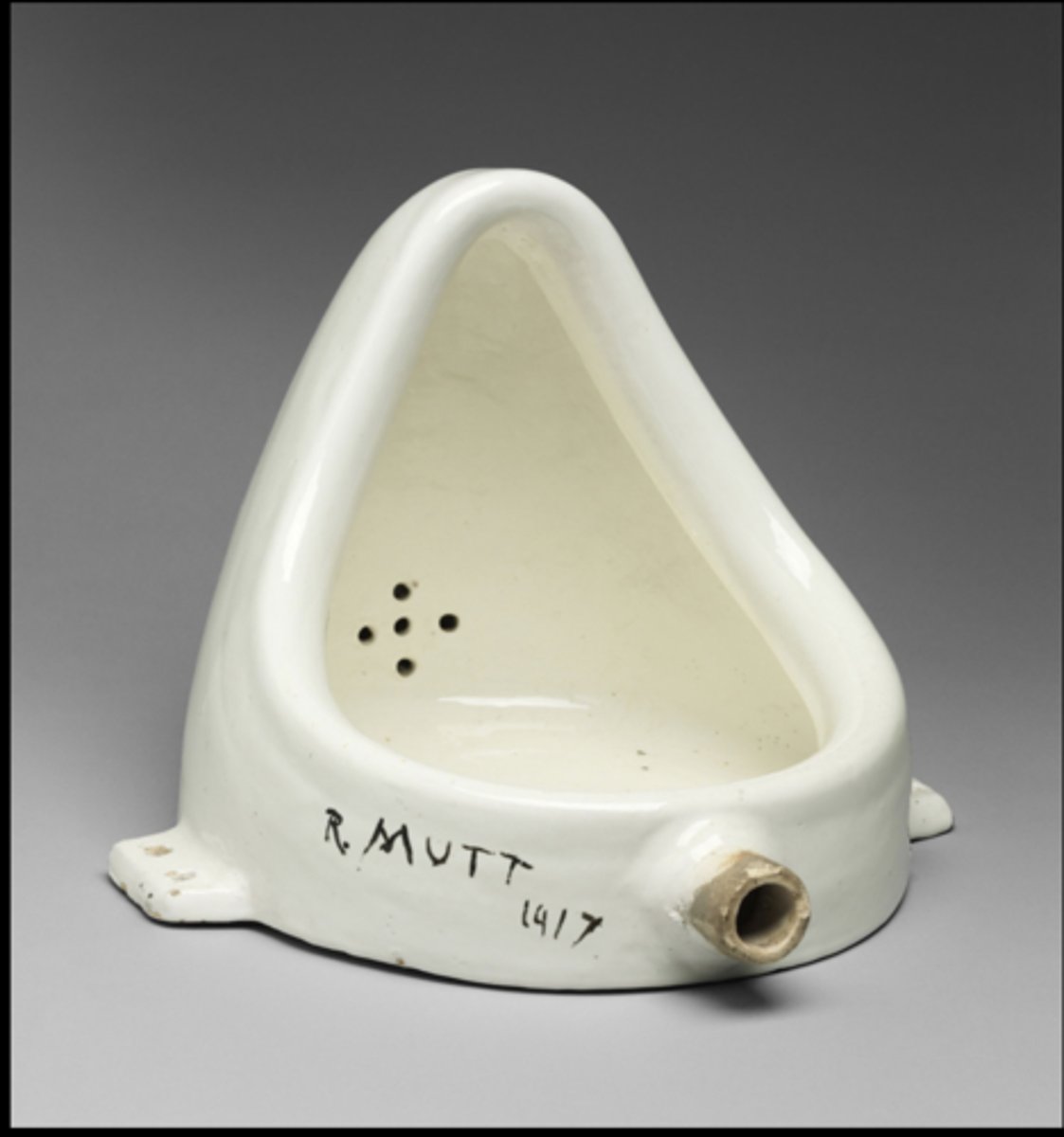
- most energized pushback against stereotypical work
- audience should be confused
- puts us in context with an object in a different context
- not about materials, it is about concept
- "ready made": taken from world and put directly on display
- thing that's most drastically changed is the viewer
Marcel Duchamp, "Fountain", 1964 (originally 1917)
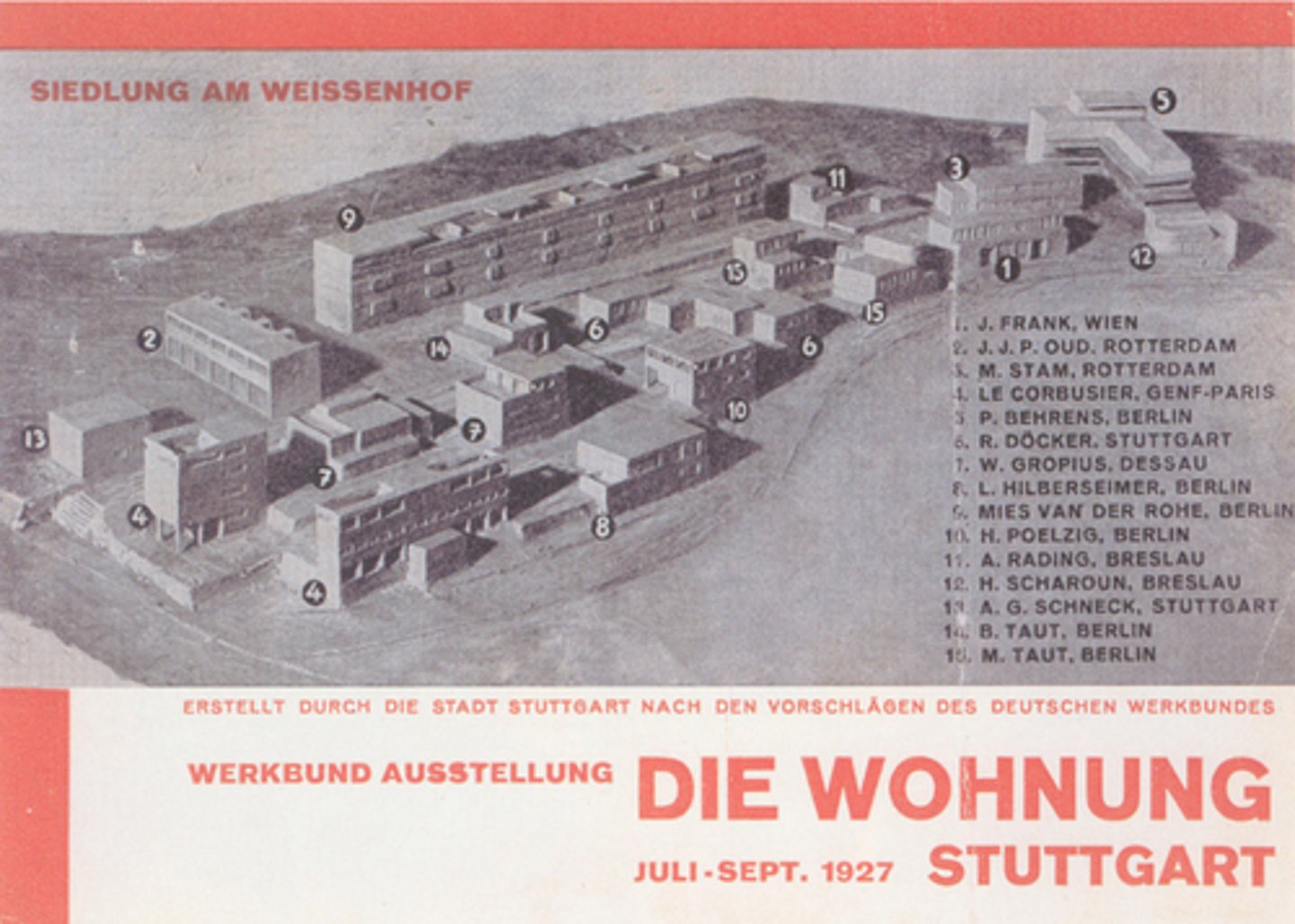
- focus on function and structure, not beauty and style
- standard design
- 21 buildings demonstrating standardized housing solutions
- flexible interior layouts/plans
- many famous architects created modern movement
- rational, modern living
Deutscher Werkbund (Mies van der Rohe): Weissenhofsiedlung Exhibition, Stuttgart, 1927
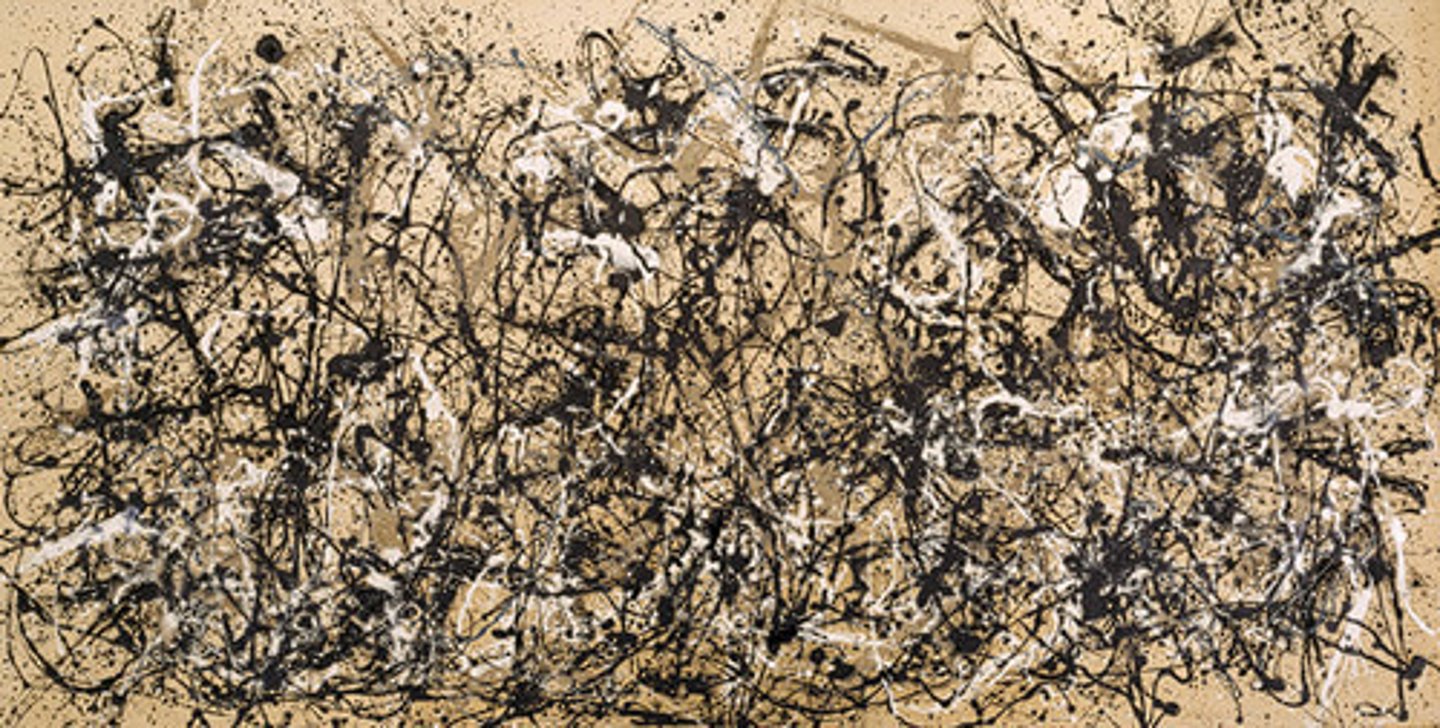
- movement of the body
- canvas on the floor due to size, horizontal painting
- unprimed canvas: paint lies on the canvas differently
- "action painting" extenuated
- no story or history, for public consumption
- memories arrested in space
- spontaneity reflecting the time period (jazz, psychoanalysis, surrealism)
Jackson Pollock, "Autumn Rhythm (Number 30)", 1950
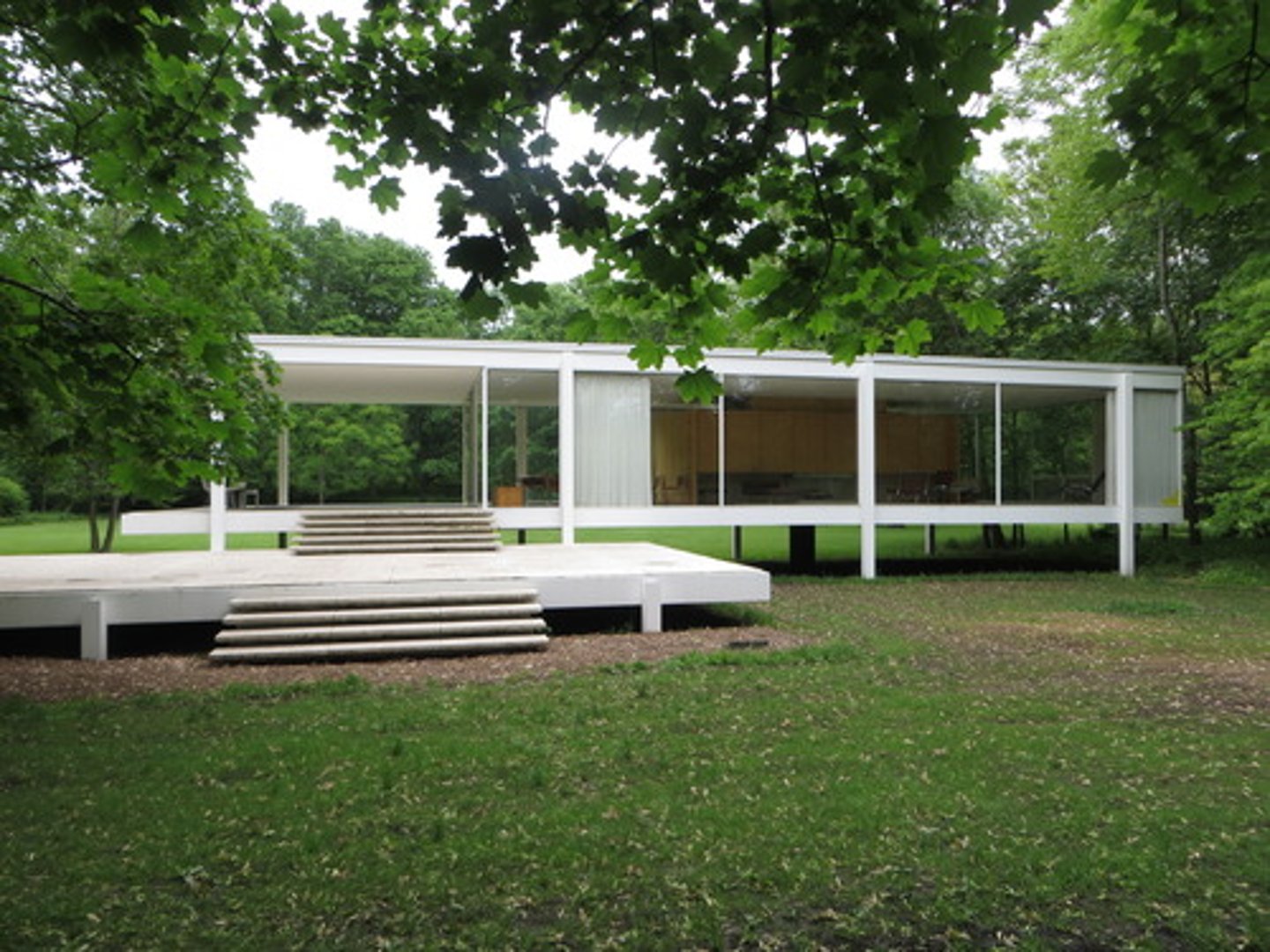
- white, rectangular, linear
- not decorative
- timelessness, no past reference
- "less is more."
- pursuit of minimalism
- connectivity to nature
- completely open floor plan
Mies van der Rohe, Farnsworth House, Plano, Illinois, 1951
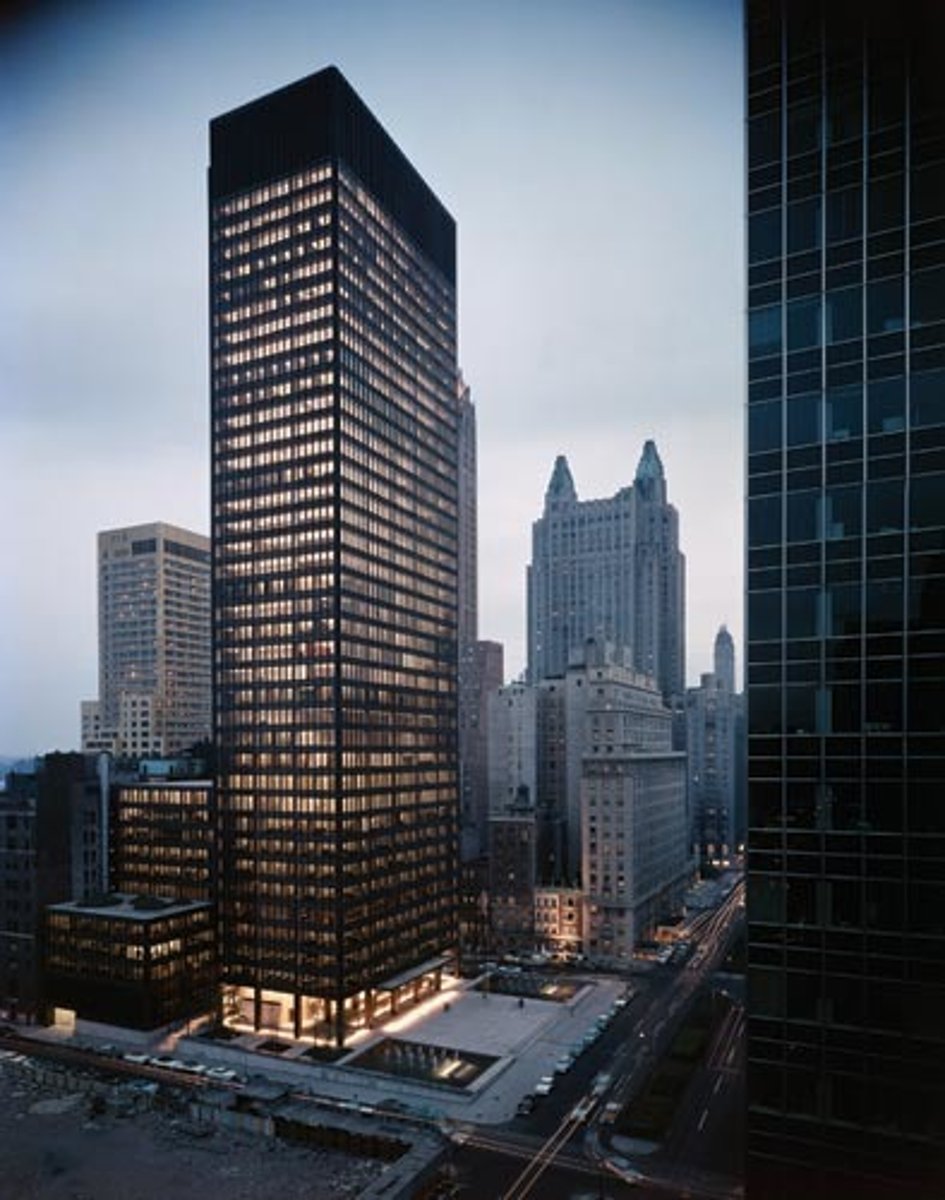
- "pure architecture"
- aesthetically austere, no ornament to it
- international style building; could "belong" anywhere
- impersonal and cold design
- inhumane, not popular, alienating
- "less is more"
Mies van der Rohe, Seagram Building, New York City, 1958
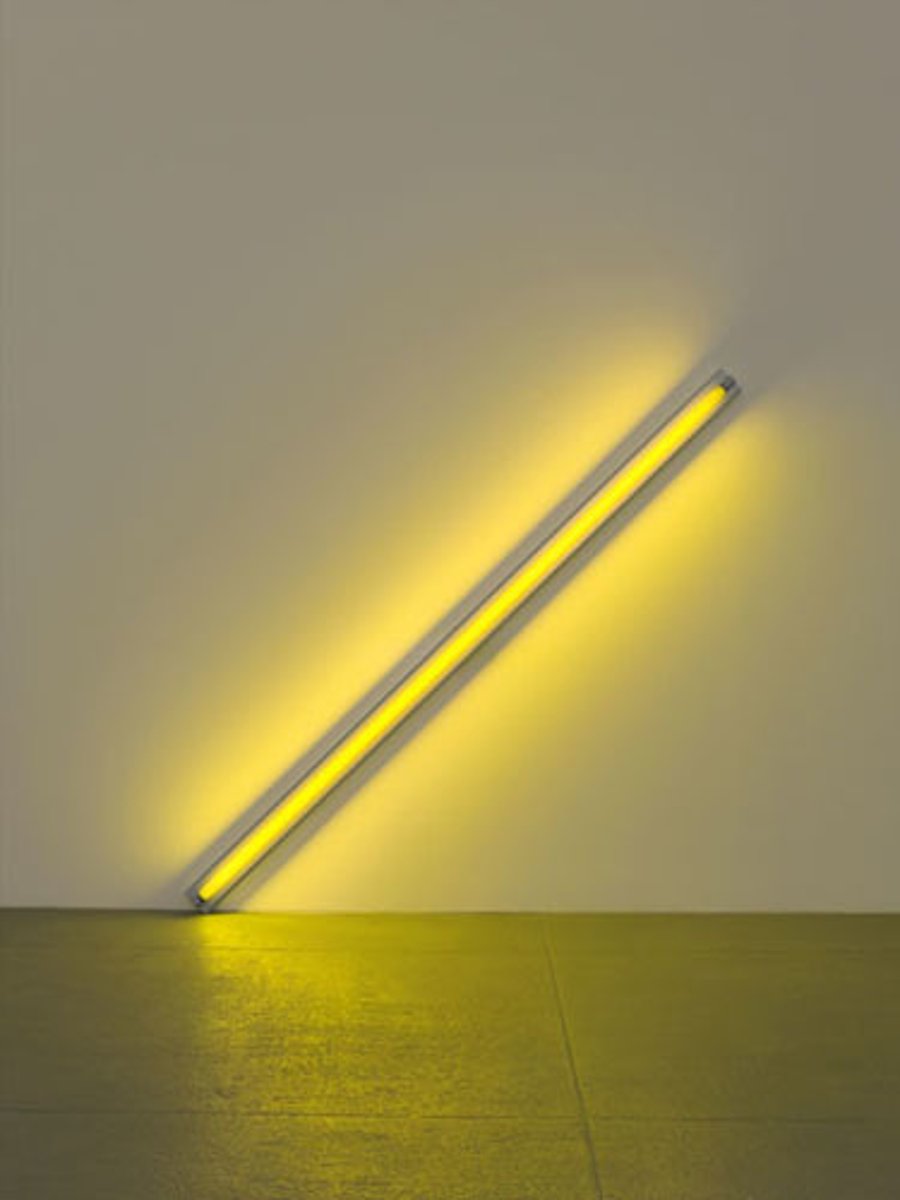
- refusal to express any emotions
- such a "low bar" connection to art (is this even art?)
- site specific! light reflects on a specific floor, creating space
- deliberately boring
- exists by itself
Dan Flavin, "The Diagonal of May 25, 1963 (To Robert Rosenblum)", 1963
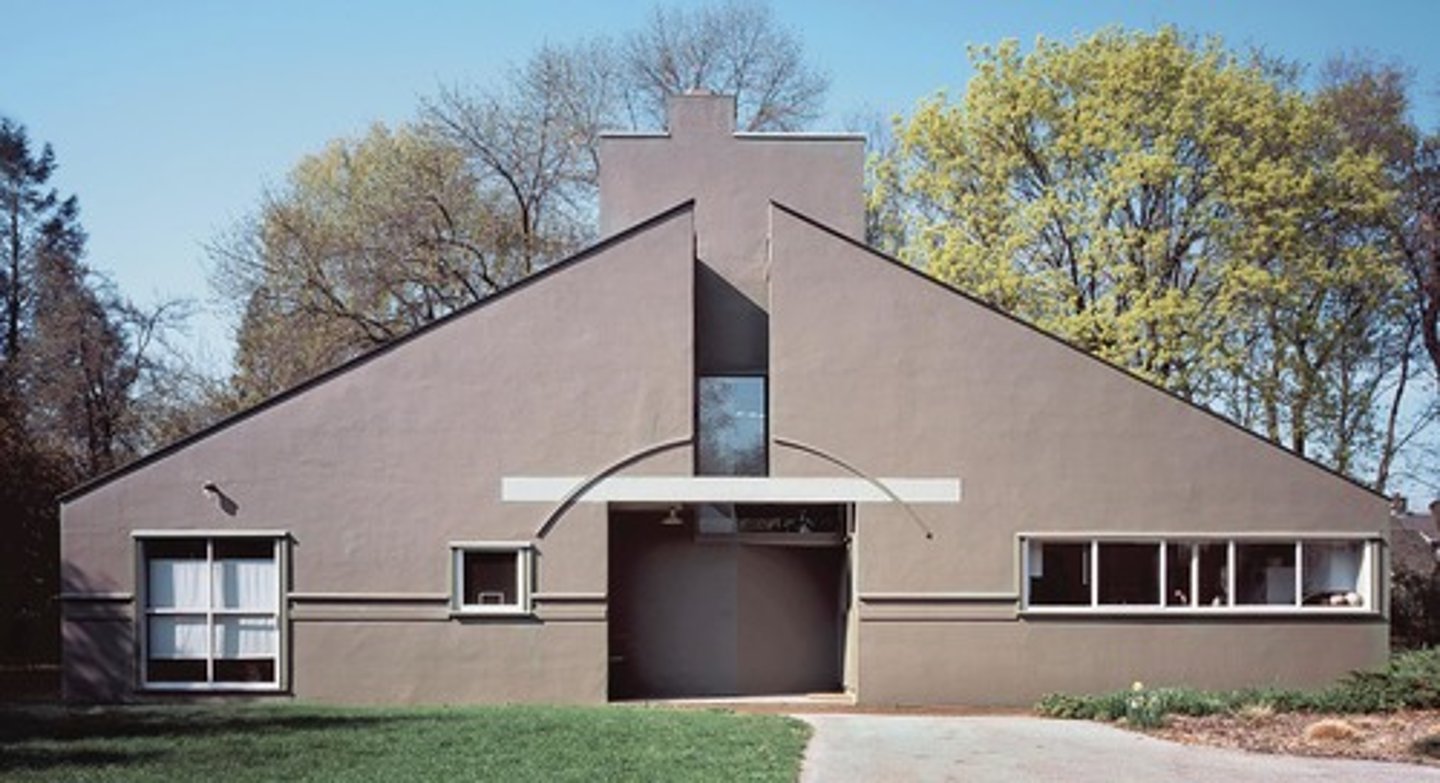
- "less is bore"
- interior elements on the exterior
- vernacular
- post-modern architecture
- complexity and contradiction
- disorienting design
Robert Venturi, Vanna Venturi House, Philadelphia, 1959-1964
- what's real vs fake art?
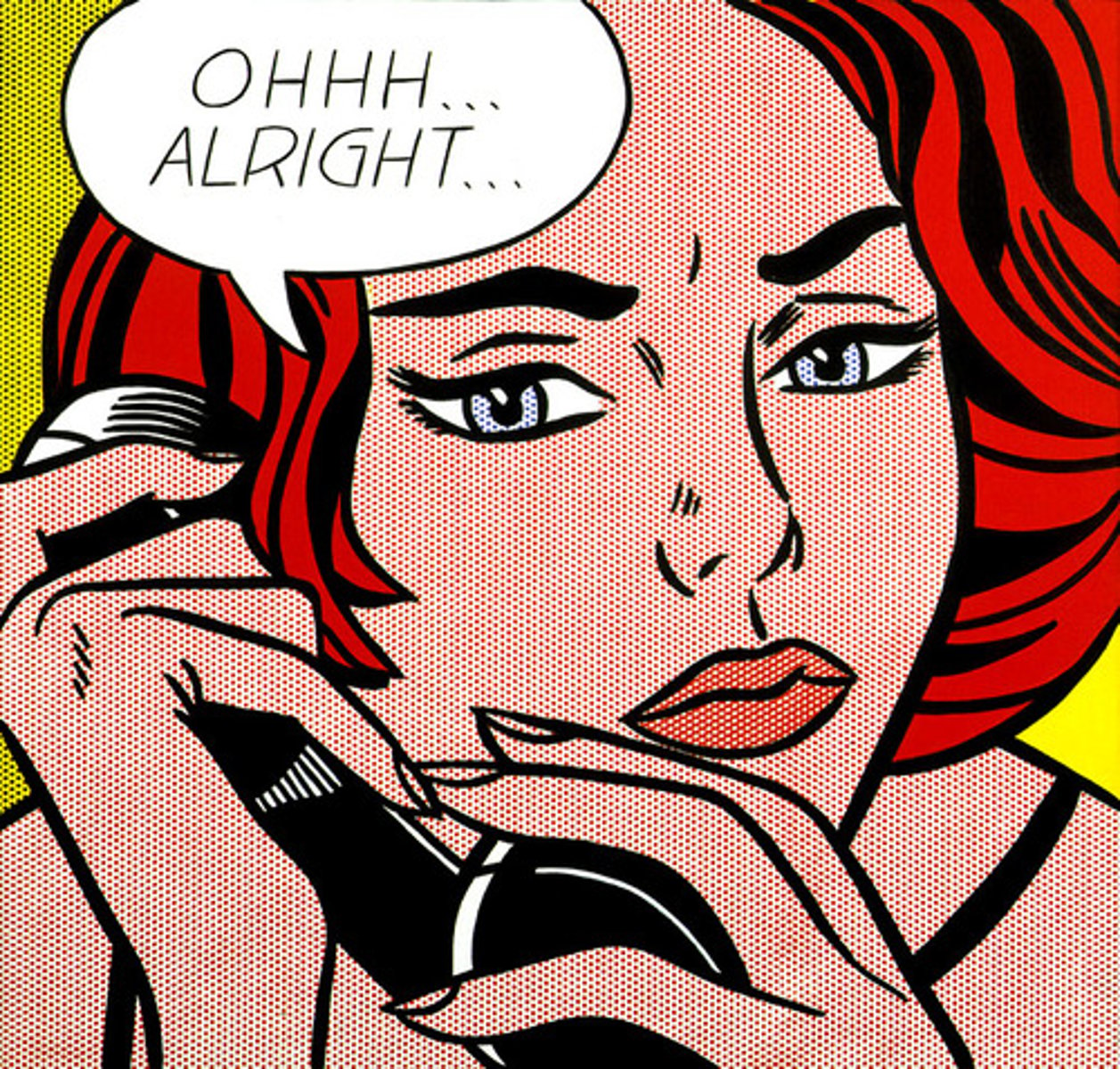
- comic strip but made by hand
- rejecting machines making artwork/no human intervention
- painting is painfully excluded from the comic/consumer lense
- Benday dots: pixilations
Roy Lichtenstein "Ohhh...Alright...", 1964
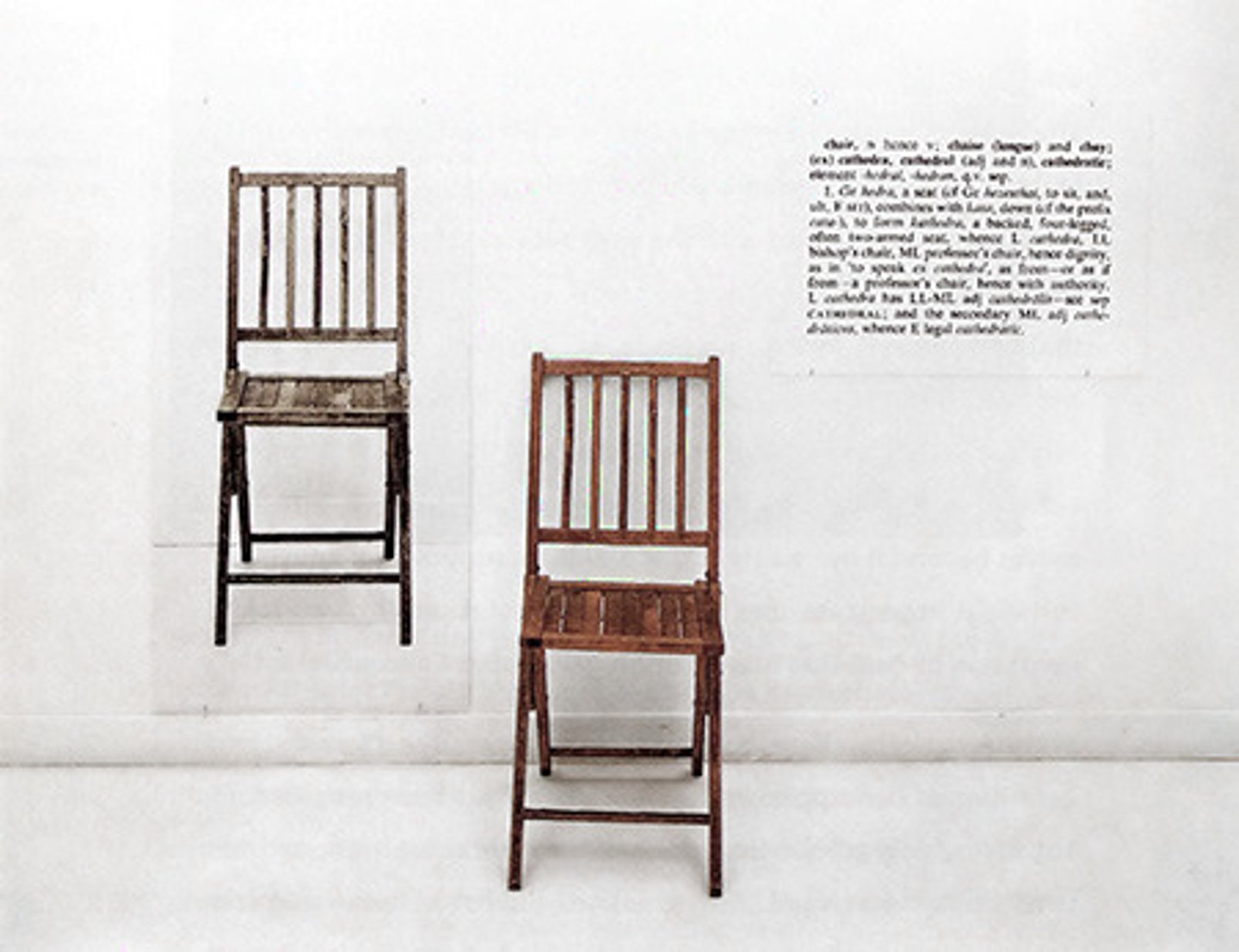
- consists of a real chair, a photograph of a chair, and a definition of a chair
- the idea became the content
- makes us think more deeply
- having the viewer "play the game" that the artist created
- is it a chair? language used to describe determines whether it is or not
- role play not perception
Joseph Kosuth, "One and Three Chairs", 1965
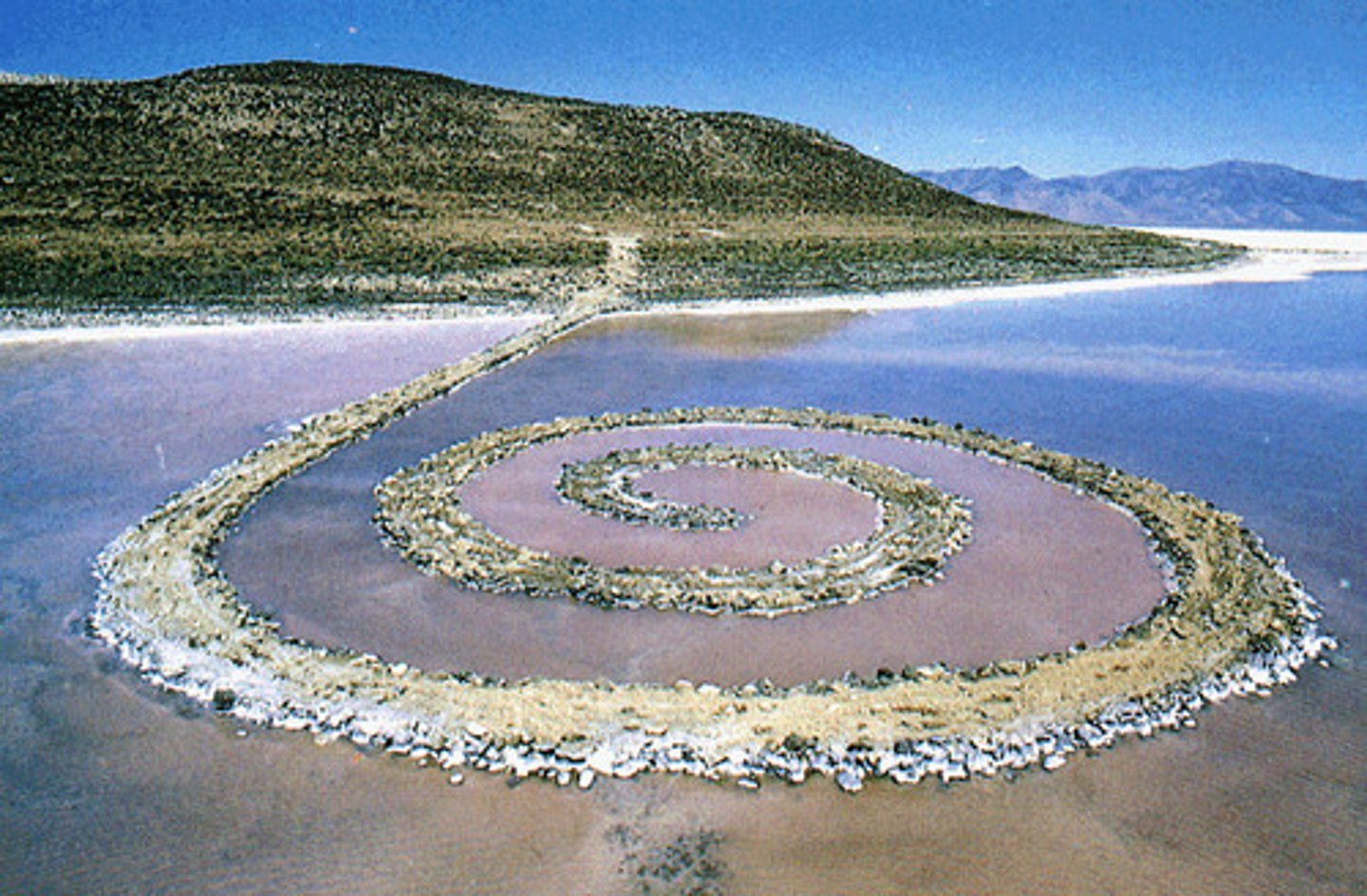
- all local materials
- ideas of spatiality and temporality
- embedded in cycles of nature + depends on nature
- no institutional framing
- time, space, entropy (ephemeral), non-object
Robert Smithson, "Spiral Jetty", Great Salt Lake, Utah, 1970
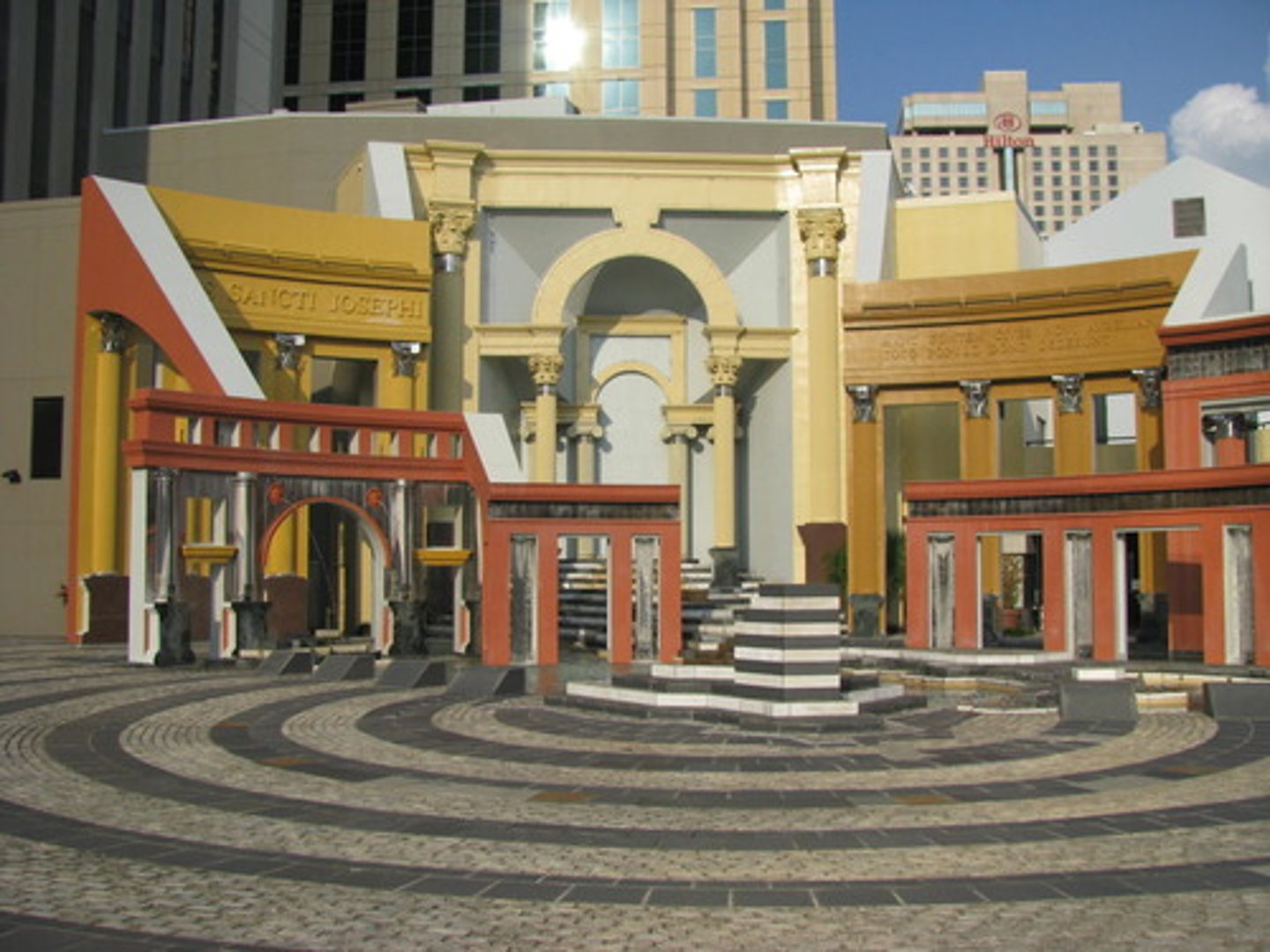
- "semiotic architecture": symbols of Italian culture instead of functional spaces
- populist, humorous form of architecture
- "postmodern ruin"
- Neo-Roman motifs
- monument over functional
Charles Moore, Piazza d'Italia, New Orleans, 1978
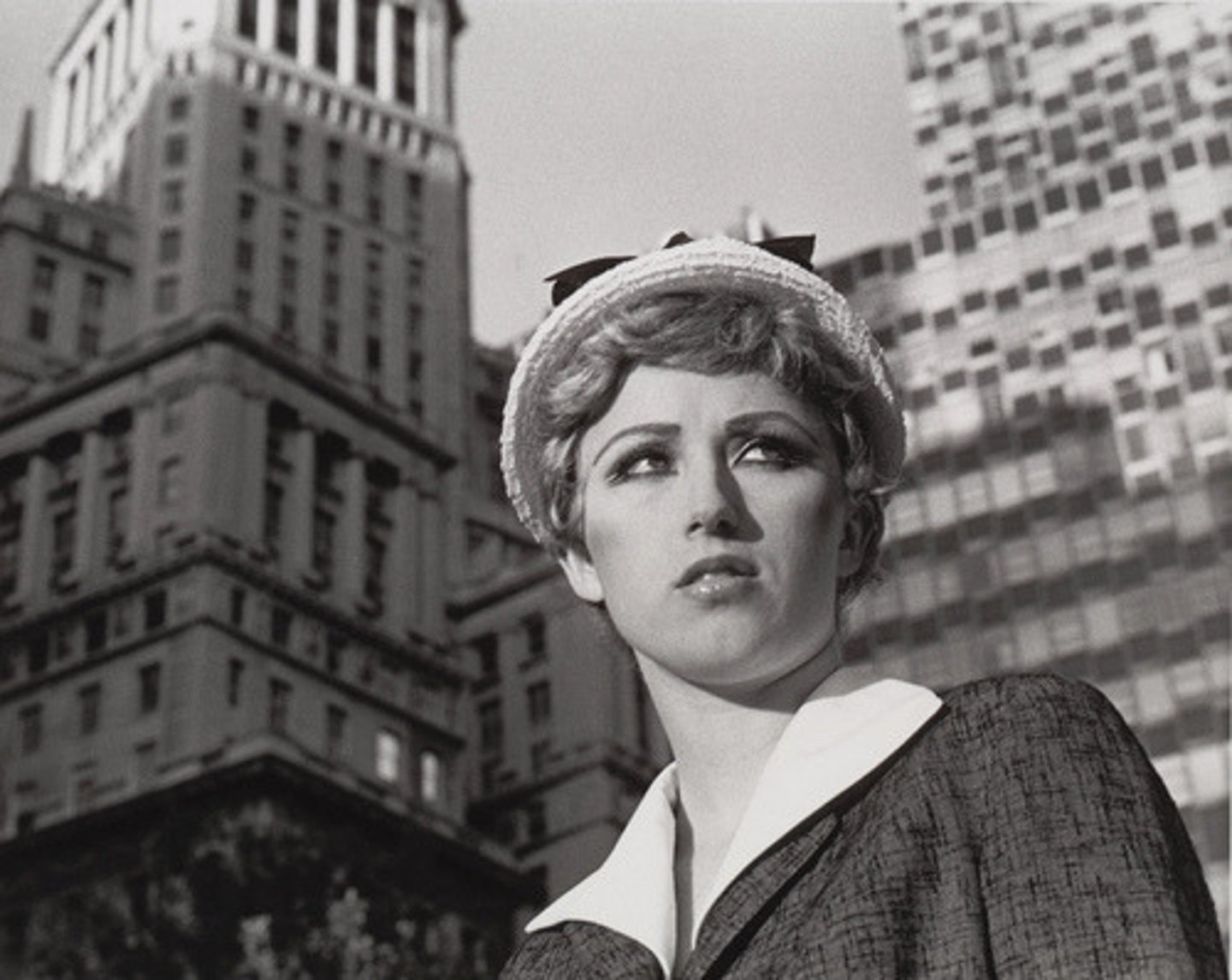
- all untitled works
- images look like movie scenes, familiar
- designed to look like the exist but don't actually exist
- stereotypes precede identity
- a phenomenon of post-modernism
- experiences that many women have faced
Cindy Sherman, Film Still series, 1970-80s
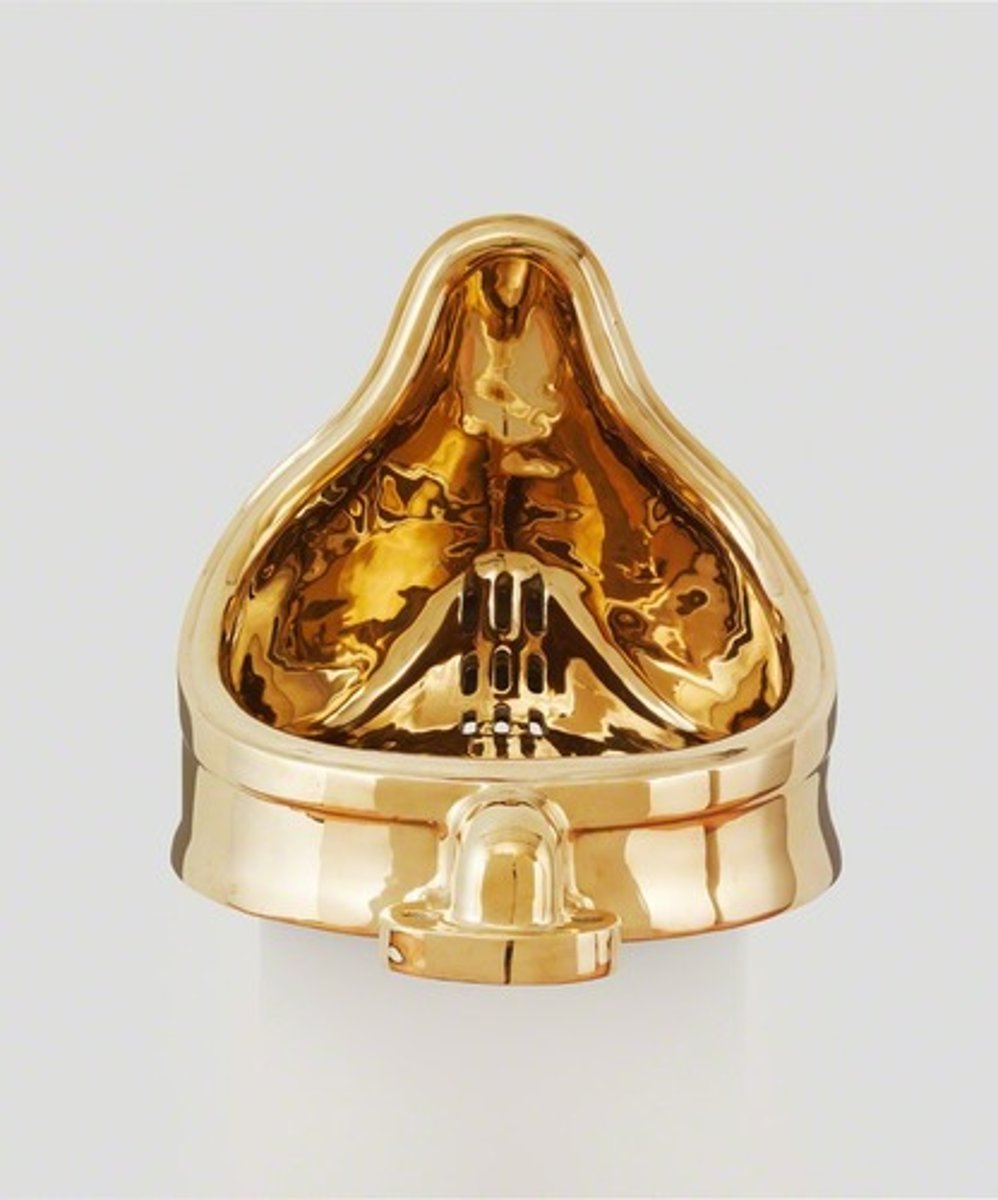
- audience should recognize the reference to Duchamp's work
- reverting and turning into an actual piece of art
- re-inserting materiality in artwork, bronze cast
- struggle to think of anything original
Sherrie Levine, "Fountain (After Marcel Duchamp)", 1991
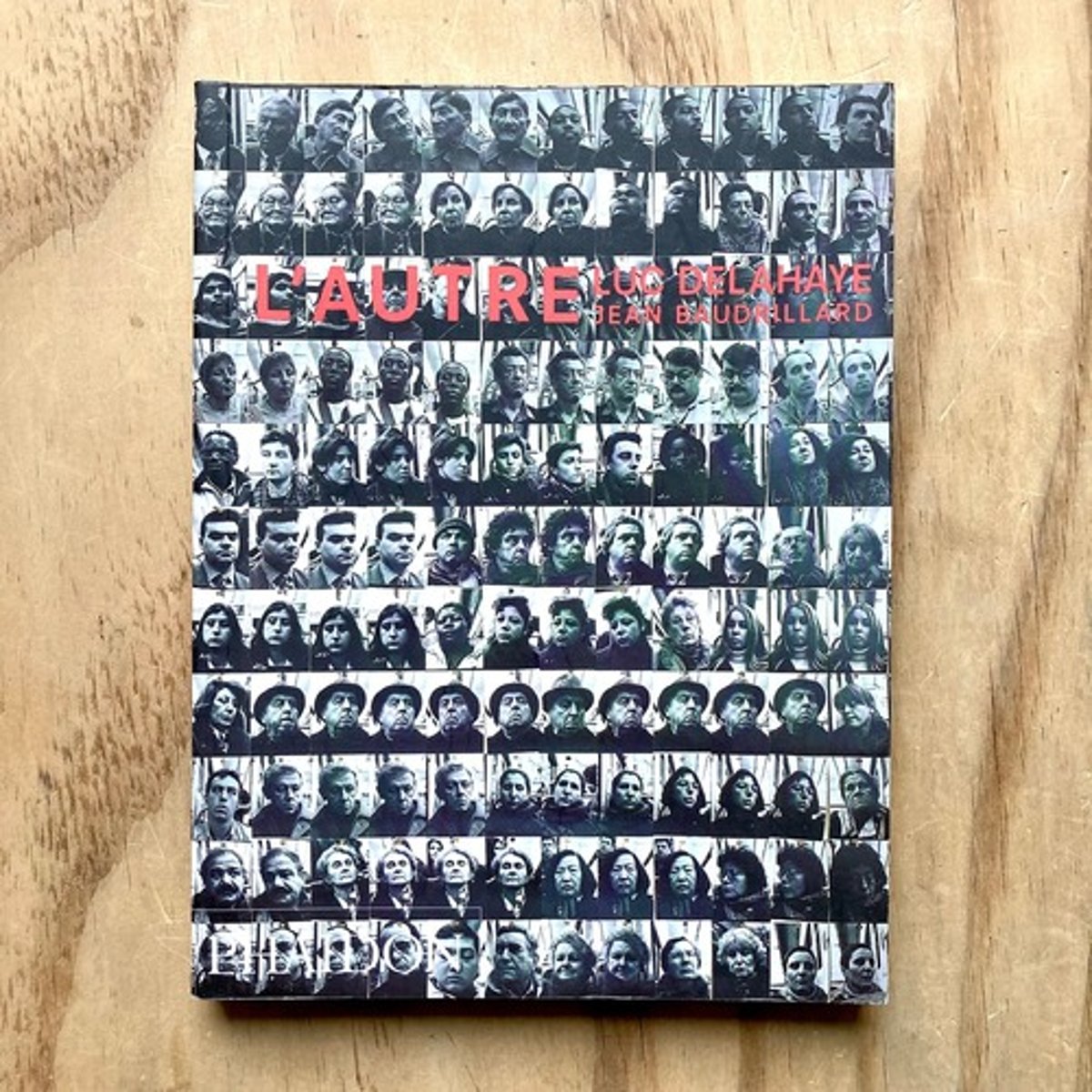
Luc Delahaye, "L'Autre", 1999
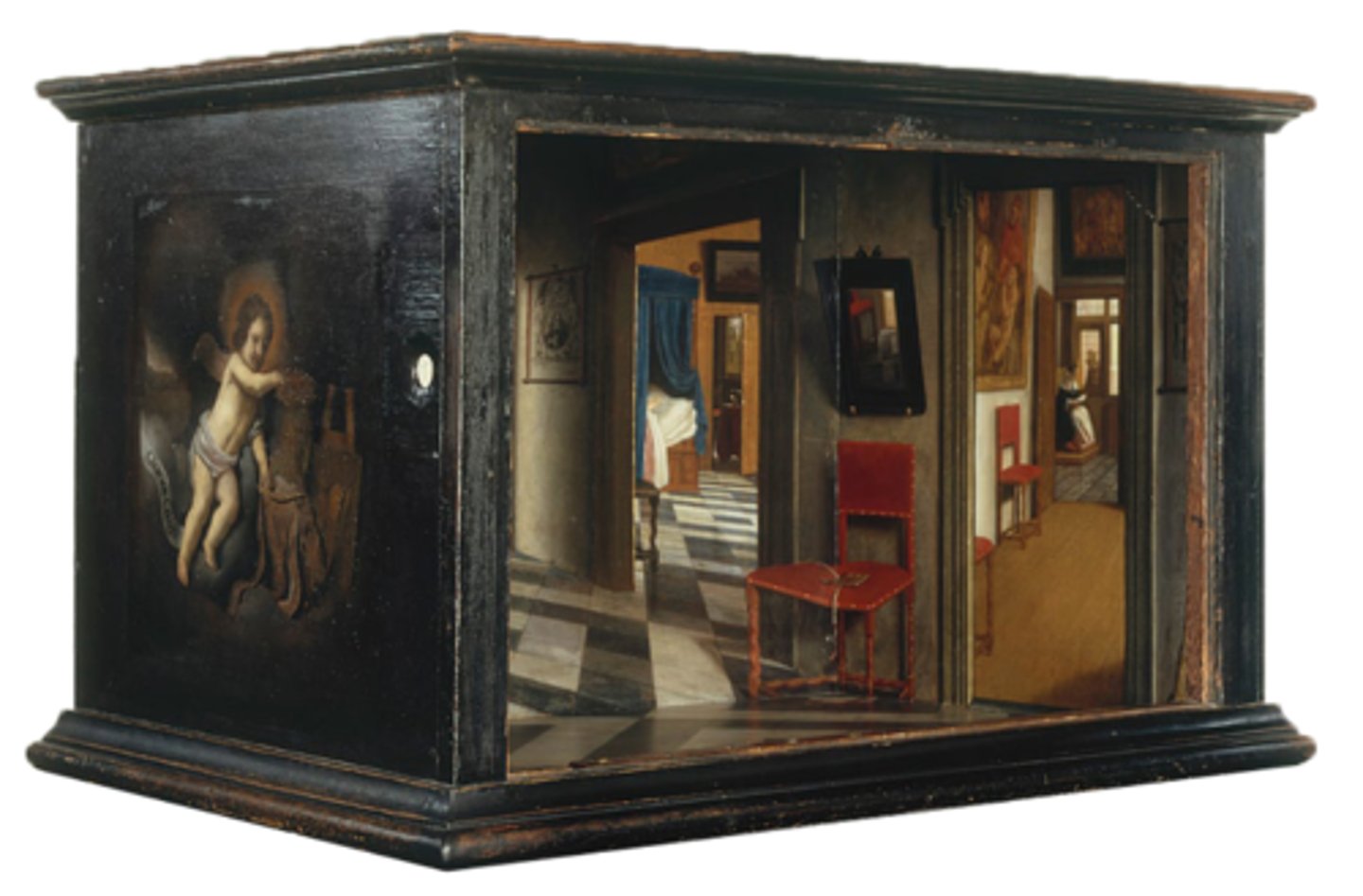
- use of anamorphosis
- art can be manipulated and distorted however the artist may want
- art is constantly evolving
- perspective, or not?
- three pillars of art: love, money, fame
- high social class as audience but viewing a simple space
Samuel van Hoogstraten, Perspective Box, 1655-60
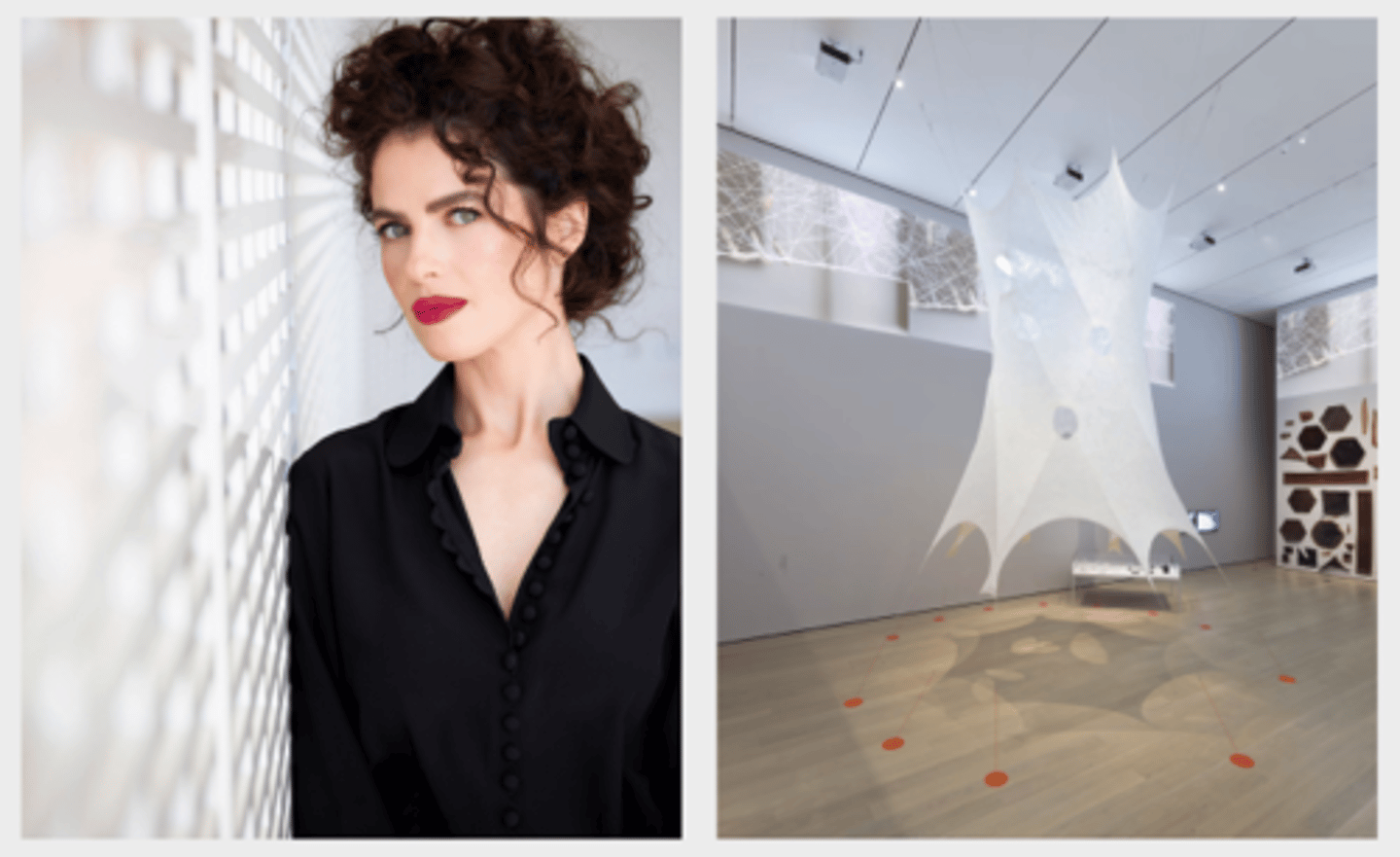
- combining technology/science with art
- "modern" piece that refocuses on nature
- "bio-digital" work
- a piece of art work showing an artist creating (a painting of a painter painting)
- new interpretation of art
- does science belong in the art canon?
Neri Oxman, Silk Pavillion, 2013
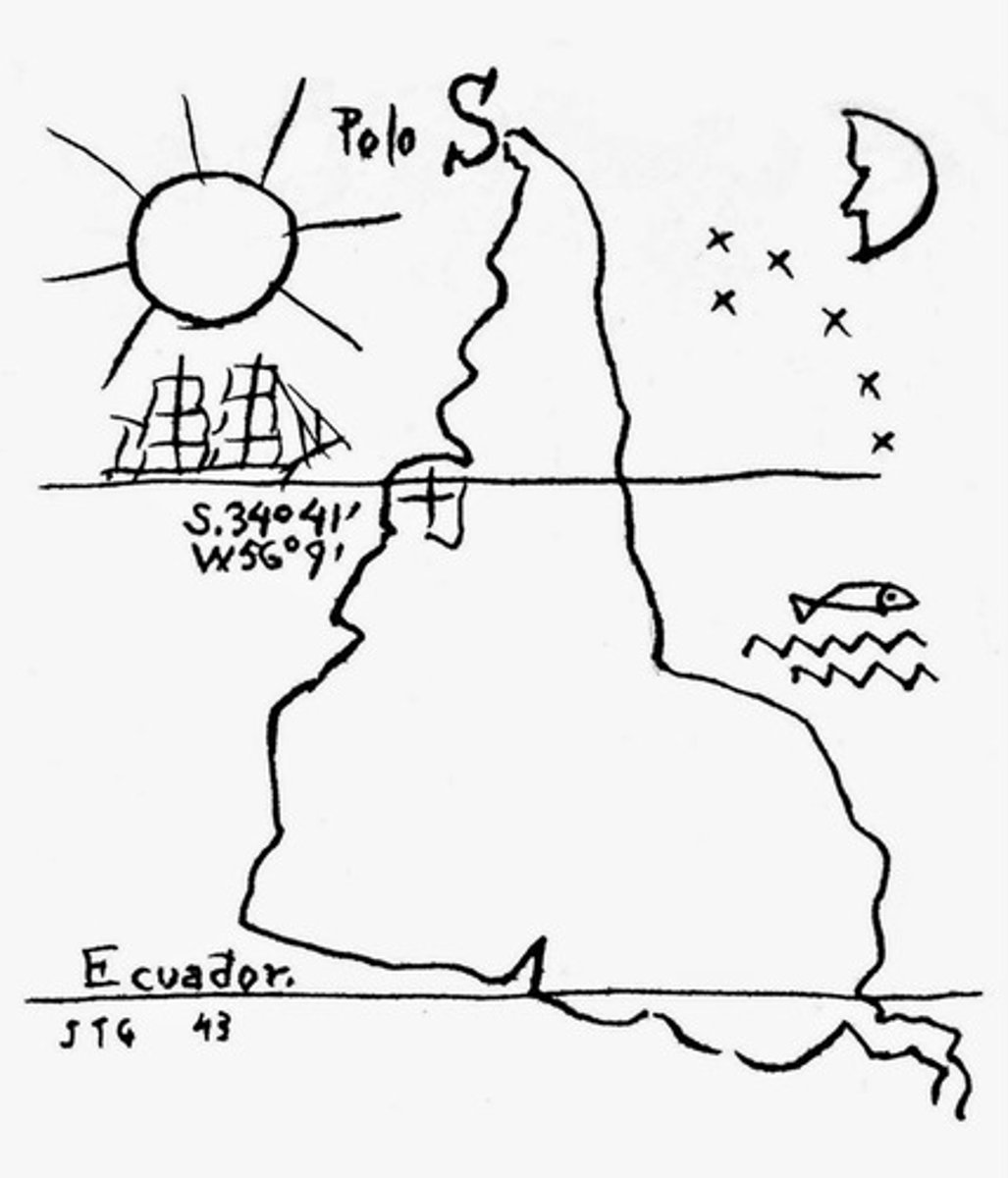
- cultural assertion through art
- a hierarchy in the art community
- History overlooks works outside of the European collections
- Commenting on changing the narrative to represent all people better
Joaquin Torres-Garcia, "America Invertida," 1943
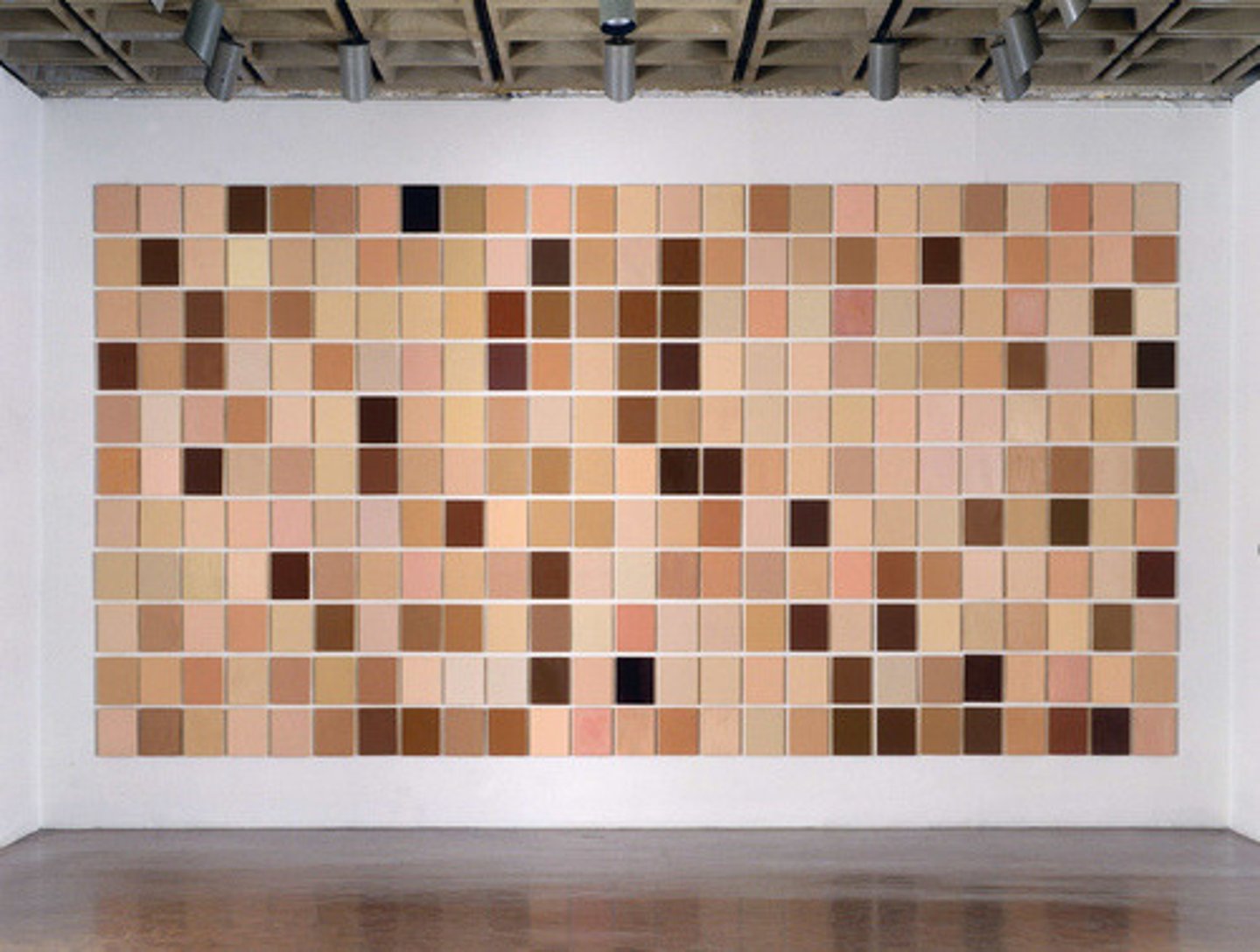
- captures minimalism
- the equally formed grid = equality of races
- meditation through the shared form of humanity
- "Is art meant to be primarily about beauty?
Byron Kim, Synecdoche, 1991
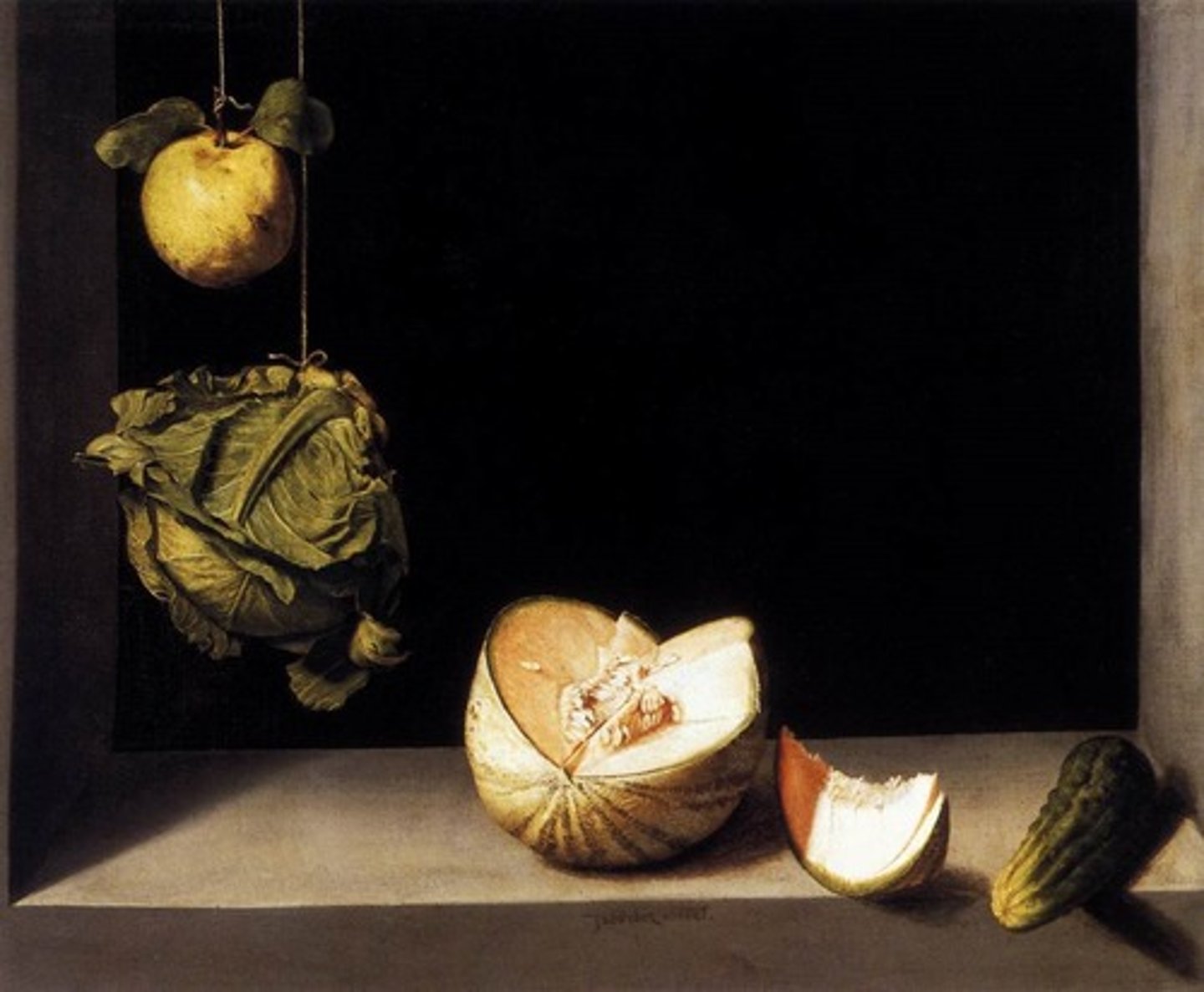
- mundane nature develops a dramatic subject
- Rhopography challenges humanism
- No such thing as a "narrative", just objects that God created
- simplicity
- God's beauty despite no depiction of him
Juan Sánchez Cotán, Still Life with Quince, Cabbage, Melon, and Cucumber (1602)