AP English Language & Rhetorical Terms
 Call Kai
 Learn
Learn Practice Test
 Spaced Repetition
 Match
Match Flashcards
 Knowt Play
1/73

There's no tags or description
Looks like no tags are added yet.
Name | Mastery | Learn | Test | Matching | Spaced | Call with Kai | Chat |
|---|
No analytics yet
Send a link to your students to track their progress
74 Terms
Allegory
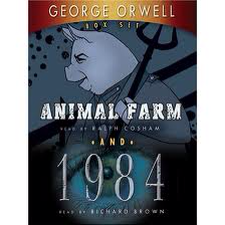
Using a story or characters as symbols to teach a lesson. Example: Animal Farm
Alliteration
Repeating the same starting sound in close words.
Allusion
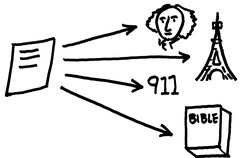
A passing mention of a famous person, place, or thing.
Ambiguity
Having more than one possible meaning.
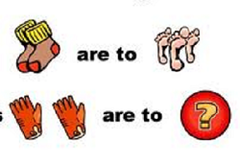
Analogy
A comparison to help explain something.
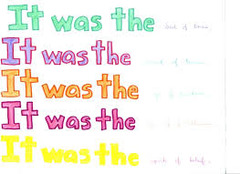
Anaphora
Repeating the same word at the start of sentences.
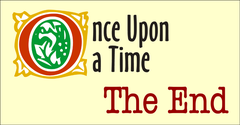
Anecdote
A short, fun story about a real event.
Antecedent
The word that a pronoun points back to.

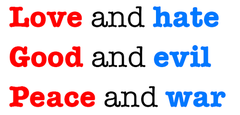
Antithesis
Putting two opposite ideas next to each other.
Aphorism
A short saying that states a truth or lesson.
Apostrophe
Talking to someone who is not there or an idea as if it is alive.

Asyndeton
Leaving out connecting words in a list.
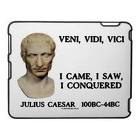
Chiasmus
Reversing the order of words in two matching phrases (criss cross)
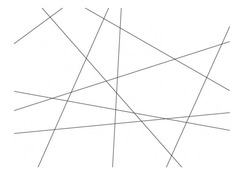
Clause
A group of words with a subject and an action.
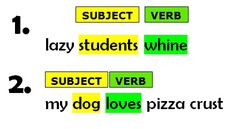
Colloquialism
Using casual, everyday speech or slang.
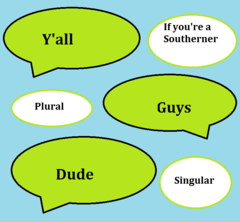
Coherence
Making writing clear so it makes sense.
Connotation
The feeling or emotion a word brings to mind.
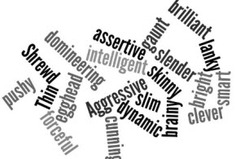
Denotation
The exact dictionary meaning of a word.

Diction
The specific words an author chooses.

Didactic
Meant to teach a lesson about right and wrong.
Ethos
Showing that a speaker is credible and trustworthy.

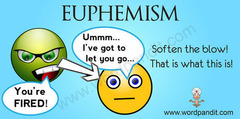
Euphemism
A polite word used instead of a harsh one.
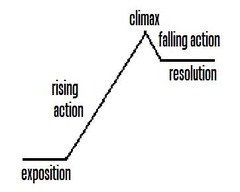
Exposition
Background information or an explanation in a story.
Extended metaphor
A comparison that continues for a long time in a story.
Figurative language
Using words in a creative way, not for their exact meaning.
Genre
A type or category of art or writing.
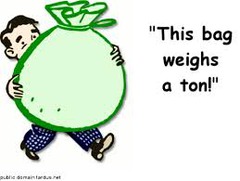
Hyperbole
A big exaggeration used to make a point.
Hypophora
Asking a question and answering it right away.

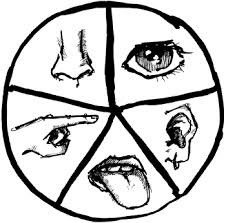
Imagery
Descriptive words that appeal to the five senses.
Inference/infer
Guessing what is true based on clues.
Irony
When the opposite of what you expect happens.
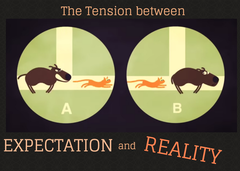
Juxtaposition
Putting two opposite things next to each other to compare them.
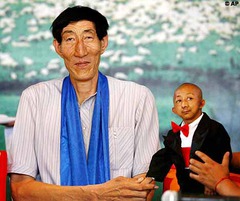
Litotes
Saying something is true by saying its opposite is false. (he's no fool)
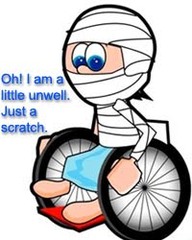
Logos
Using facts and logic to persuade someone.

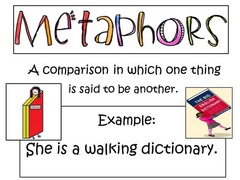
Metaphor
Comparing two things without using "like" or "as".
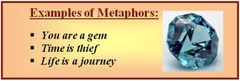
Metonymy
Using a related word to stand for something else. (instead of the president declared, the white house declared)
Mood
The feeling created in a reader.
Narrative
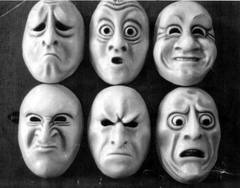
A story or account of events.
Onomatopoeia
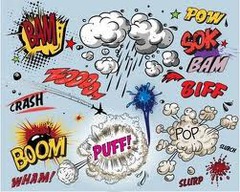
Words that sound like what they mean, like "buzz."
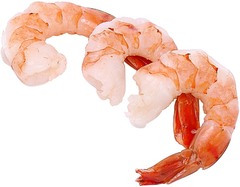
Oxymoron
Putting two opposite words together, like "jumbo shrimp."
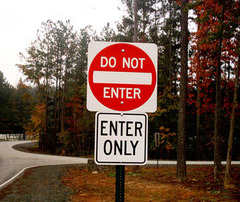
Paradox
A statement that seems false but actually holds truth.
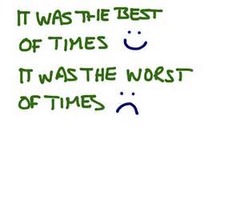
Parallelism
Using the same pattern of words in sentences.
Parody
A funny copy of a work that makes fun of it.

Pathos
Appealing to people's emotions.
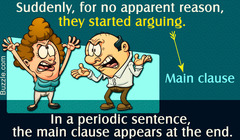
Periodic sentence
A sentence where the main point comes at the very end.
Personification
Giving human traits to objects or ideas.
Polysyndeton
Using many connecting words in a row.
Prose
Normal writing in sentences, not poetry.

Repetition
Saying the same word or phrase again for effect.
Rhetorical modes
Different styles of writing.
Rhetorical Question
A question asked just to make a point, not for an answer.
Sarcasm
Saying the opposite of what you mean to tease or mock.
Satire
Using humor to make fun of people's faults.
Simile
Comparing two things using "like" or "as".
Subordinate clause
A group of words with a subject and verb that is not a full sentence (dependent clause)
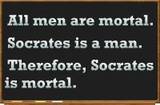
Syllogism
A logical argument that leads to a conclusion (major and minor)
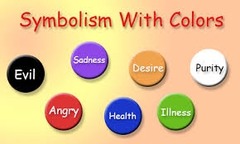
Symbol/symbolism
Using an object to represent a bigger idea.
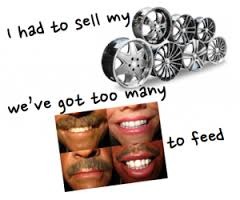
Synecdoche
Using a part of something to mean the whole thing.
Syntax
How words are put together to form sentences.
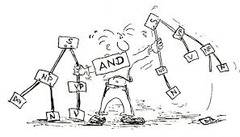
Theme
The main lesson or message of a story.
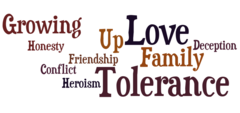
Thesis
The main idea or argument of an essay.
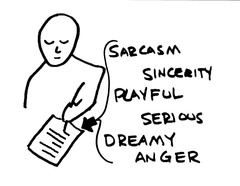
Tone
The author's attitude toward their topic.
Transition
A word or phrase that helps move from one idea to the next.
Understatement
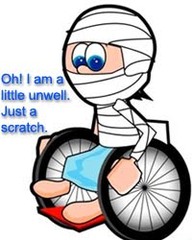
Making something seem smaller or less important than it is.
Undertone
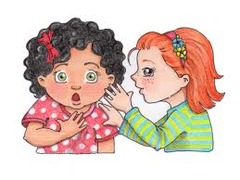
A hidden feeling or mood in a story.
Wit
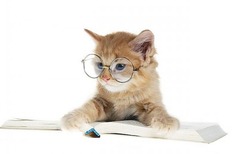
Quick and clever humor.
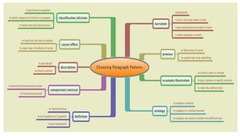
Narration (Pattern of Development)
Telling a story or recounting a series of events to support a thesis, governed by chronology and concrete details. Example: Rebecca Walker writing about her son.
Description (Pattern of Development)
Emphasizes the senses by painting a picture of how something looks, sounds, smells, tastes, or feels, often used to establish mood.
Process Analysis (Pattern of Development)
Explains how something works, how to do something, or how something was done using logical steps and transitions. Example: Royte describing Tyrone Hayes' pesticide investigation journey.
Exemplification (Pattern of Development)
Providing a series of examples, facts, or specific cases to turn a general idea into a concrete one. Example: Prose discussing assigned high school books like Huckleberry Finn.
Comparison and Contrast (Pattern of Development)
Juxtaposing two things to highlight similarities and differences, organized subject-by-subject or point-by-point. Example: Arviso comparing her New Mexico home to New Hampshire.
Classification and Division (Pattern of Development)
Sorting material or ideas into major categories to make connections between things. Example: Amy Tan classifying the different Englishes she uses.
Definition (Pattern of Development)
Establishing common ground or clarifying terms by defining a concept or term. Example: Howard defining 'family' through rituals.
Cause and Effect (Pattern of Development)
Analyzing the causes leading to an effect or the effects resulting from a cause by tracing clear logical links.