Renaissance Architecture
 Call Kai
 Learn
Learn Practice Test
 Spaced Repetition
 Match
Match Flashcards
 Knowt Play
1/35

There's no tags or description
Looks like no tags are added yet.
Name | Mastery | Learn | Test | Matching | Spaced | Call with Kai | Chat |
|---|
No analytics yet
Send a link to your students to track their progress
36 Terms
Renaissance
A period of time in which Italy and northern Europe returned to classical ideas an “age of awakening.”
Renaissance
Also called “rebirth of classical art.”
Florence, italy
Where did the Renaissance originate?
Classical Architecture
What inspired the architecture of Renaissance?
Renaissance
Symmetry, proportion, geometry, and regularity of parts; semicircular arches, hemispherical domes, niches, and an orderly arrangement of columns, pilasters, and lintels.
Early Renaisasance
Adoption of Classical detail and ornamentation. Space was organized by proportional logic, its form and rhythm.
High Renaissance
The pinnacle of classical simplicity and harmony in Renaissance art and architecture.
Late Renaissance / Mannerism
Characterized by sophistication, complexity and novelty rather than the harmony, clarity and repose of the High Renaissance.
Giacomo da Vignola
One of the great Italian architects of 16th century Mannerism or Late Renaissance. He is one of the three architects who spread the Italian Renaissance style throughout Western Europe.
Serlio, Vignola, and Palladio
Who were the three architects who spread the Italian Renaissance style throughout Western Europe.
The Five Orders of Architecture
What book did Giacomo da Vignola write?
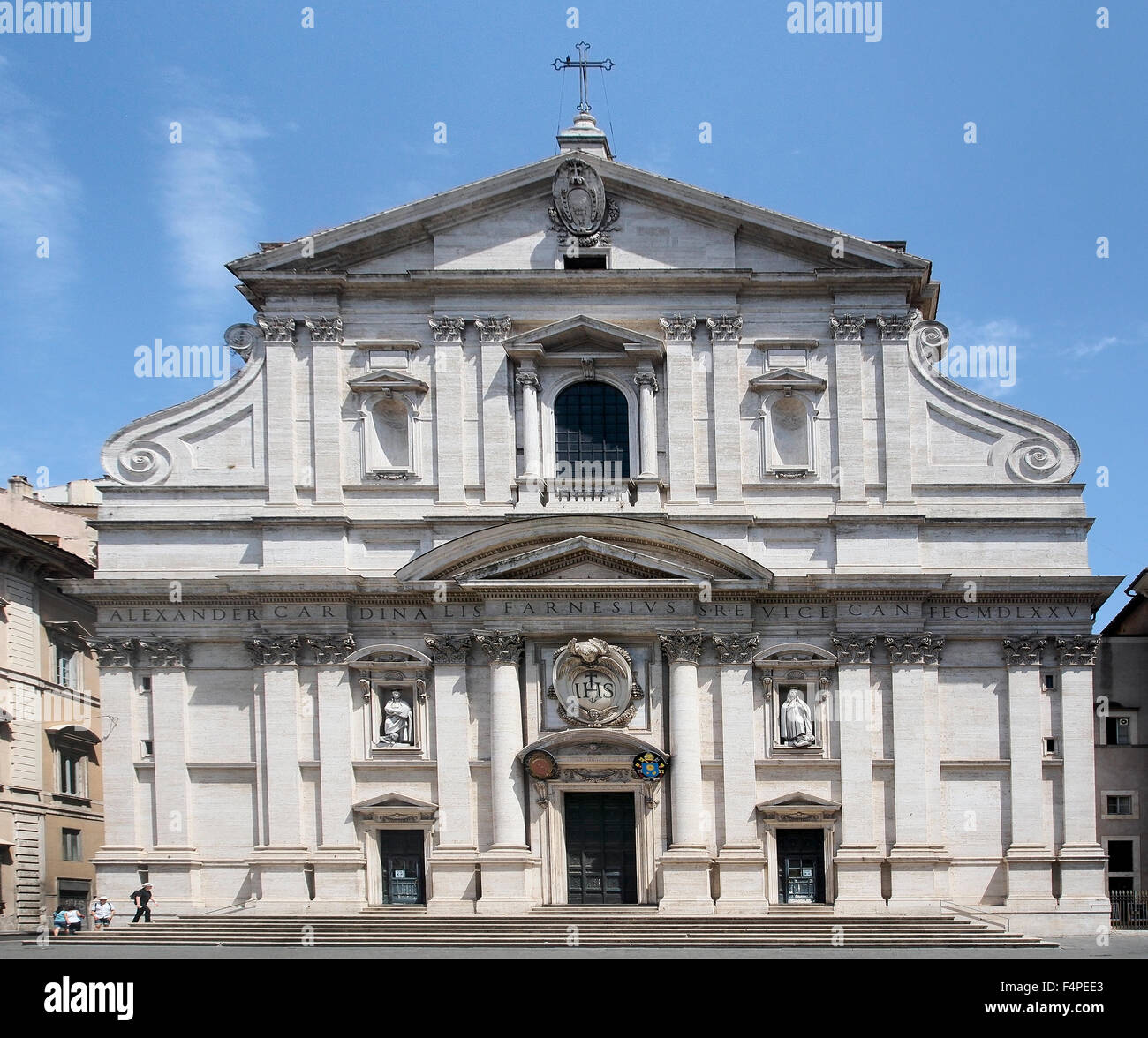
Gesu Church, Rome, Italy
Officially known as Chiesa del Santissimo Nome di Gesù all’Argentina.
Giacomo da Vignola
Architect of the Church of the Gesù (Il Gesù) in Rome.
Filippo Brunelleschi
Inventor of the perspective. He is considered to be a founding father of Renaissance architecture.
Michelozzo
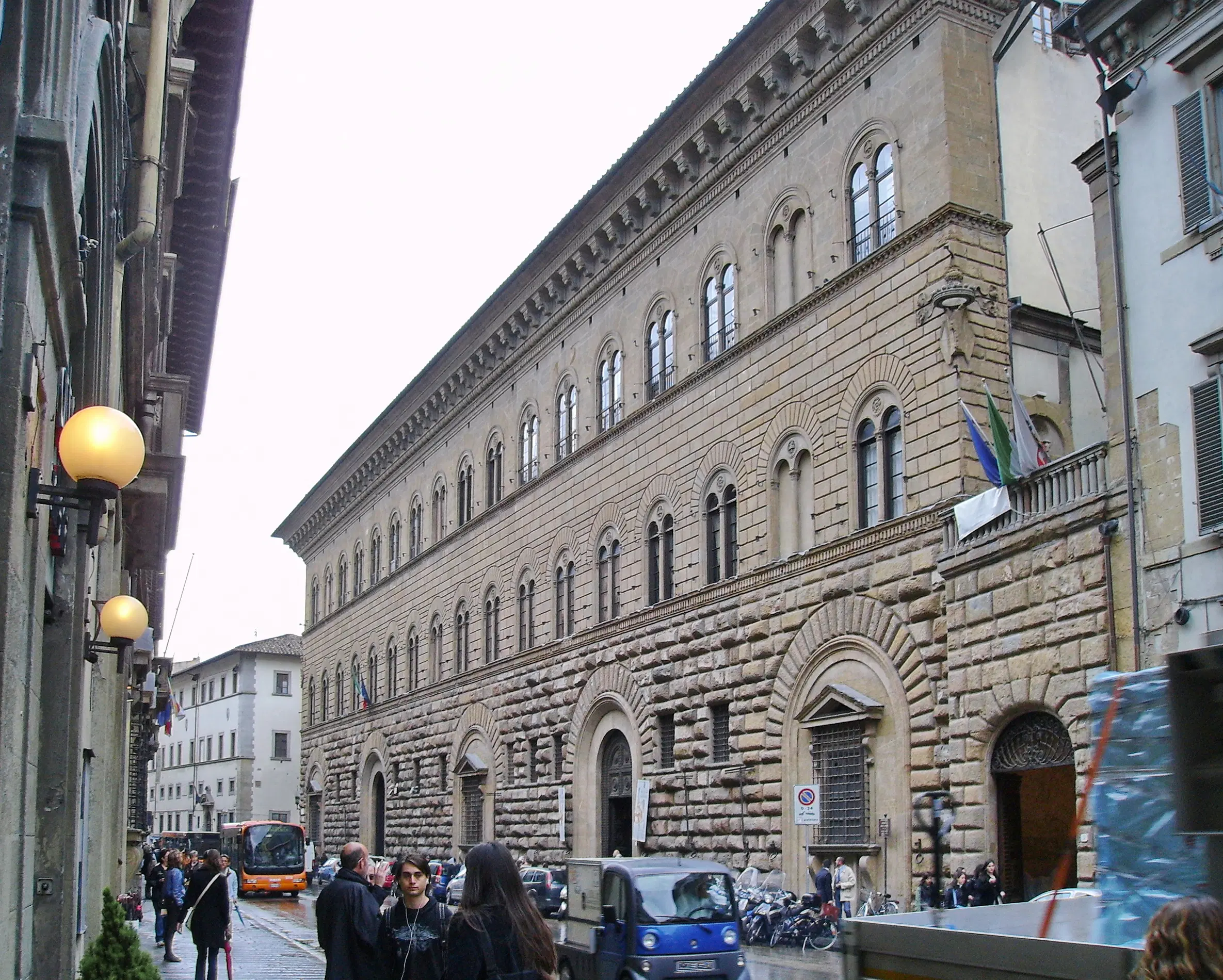
Who was chosen by Cosimo de’ Medici to design the Palazzo Medici Riccardi after Brunelleschi’s design was considered too grand?
Riccardi Pala, Florence, Italy
The corners of this building are emphasized by rusticated quoins.
Quoins
Rectangular blocks of masonry brick that are built into the corners of a wall.
Michelangelo Buonarroti
He is an Italian sculptor, painter, architect, and poet of the High Renaissance. He is defined as an archetypal Renaissance man.
Renaissance Man
Also known as polymath. This term is used for a very clever man who is good at many different things.
Farnese Palace, Rome, Italy
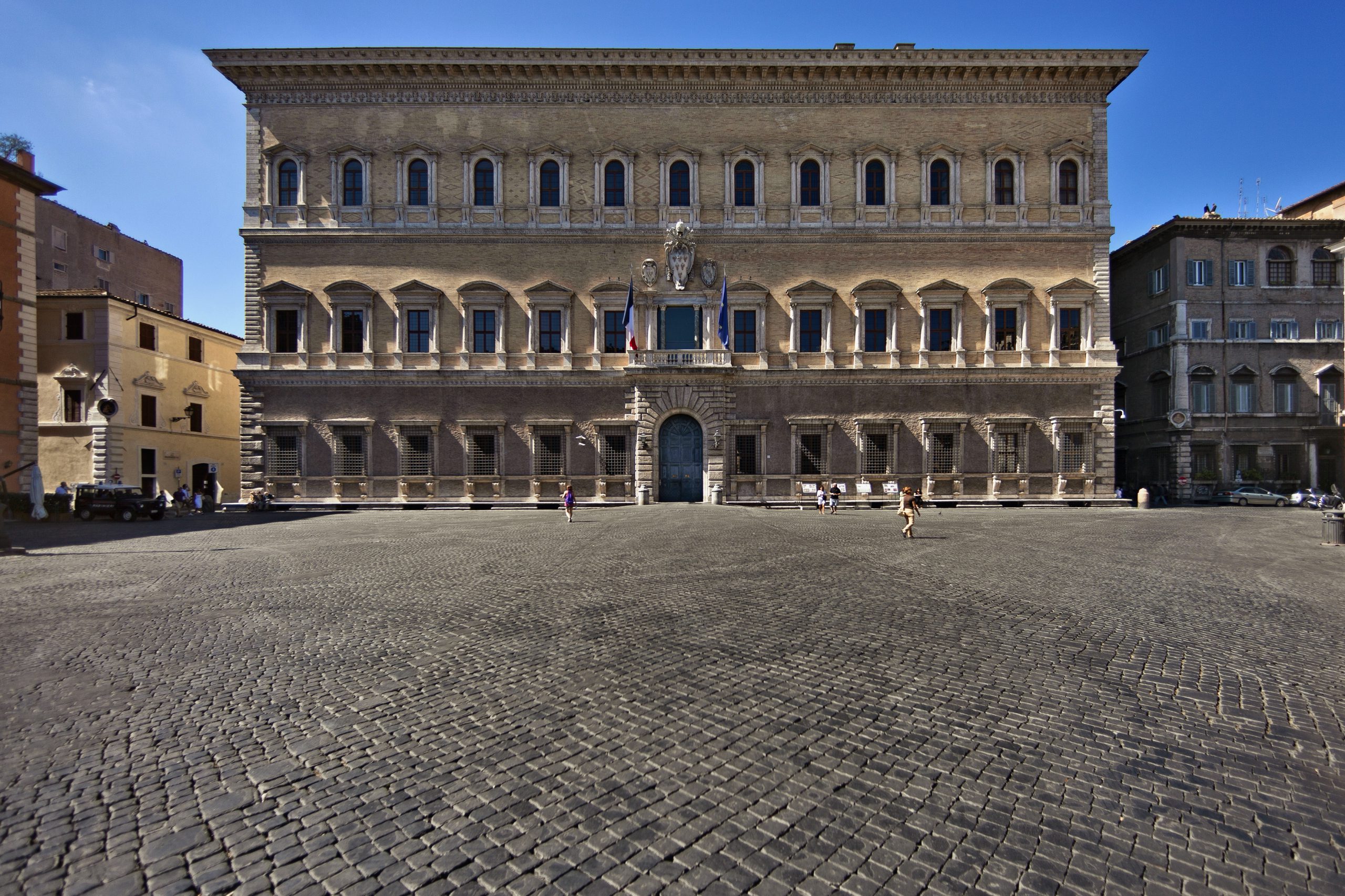
Antonio da Sangallo the Younger
Original architect of Farnese Palace.
Michelangelo Buonarroti
Completed / modified the building after Sangallo's death, including major work on the upper façade and cornice of the Farnese Palace.
Andrea Palladio
Famous for the villas. He designed in and around Vicenza. He wrote the book “Four Books of Architecture.”
Palladian Architecture
A European architectural style derived from the work of the Venetian architect, Andrea Palladio.
Inigo Jones
Palladianism emerged in England led by ________________.
Palladian Door
A door topped with a rounded arch and flanked by vertical rectangular areas of fixed glass on each side that are narrower than and usually not as high as the door.
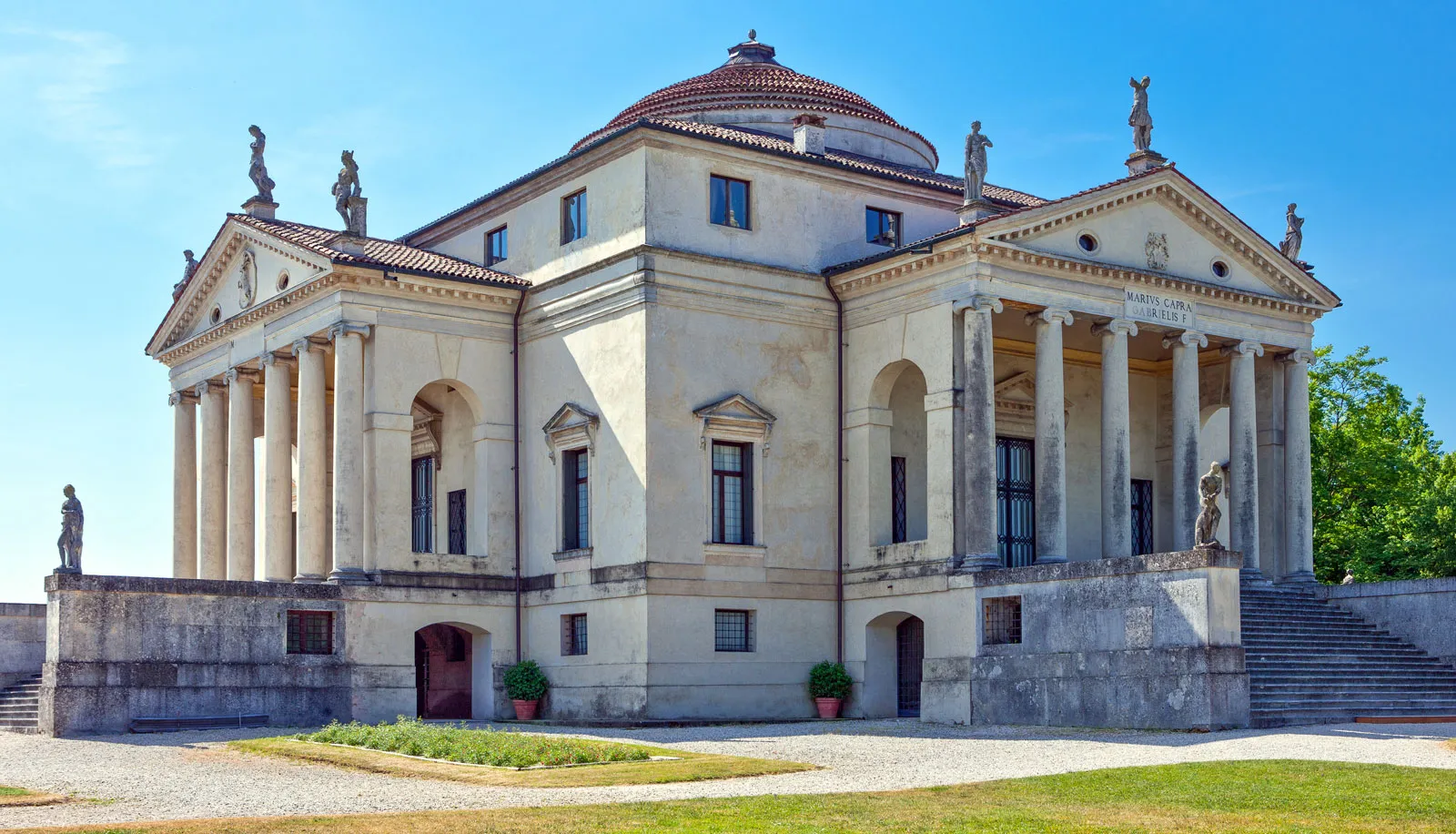
Villa Rotonda, Vicenza, Italy
Also called “Villa Capra”.
Andrea Palladio
Designed Villa Capra, also known as Villa Rotonda.
Gesu Church, Rome, Italy
Villa Rotonda, Vicenza, Italy
Riccardi Pala, Florence, Italy
central circular hall
‘La Rotunda’ refers to the _________________.
45 degrees
By how many degrees was Villa Rotonda rotated so that each room could receive sunlight?
Leon Battista Alberti
He believed that perfect harmony could be mathematically deduced, and represented in the proportions of architectural elements in a structure.
Leon Battista Alberti
He wrote the book De re Aedificatoria (On the Art of Building).