ATI TEAS 7 Chemistry: High Priority Topic #2 (State Changes)
 Call Kai
 Learn
Learn Practice Test
 Spaced Repetition
 Match
Match Flashcards
 Knowt Play
1/25

There's no tags or description
Looks like no tags are added yet.
Name | Mastery | Learn | Test | Matching | Spaced | Call with Kai | Chat |
|---|
No analytics yet
Send a link to your students to track their progress
26 Terms
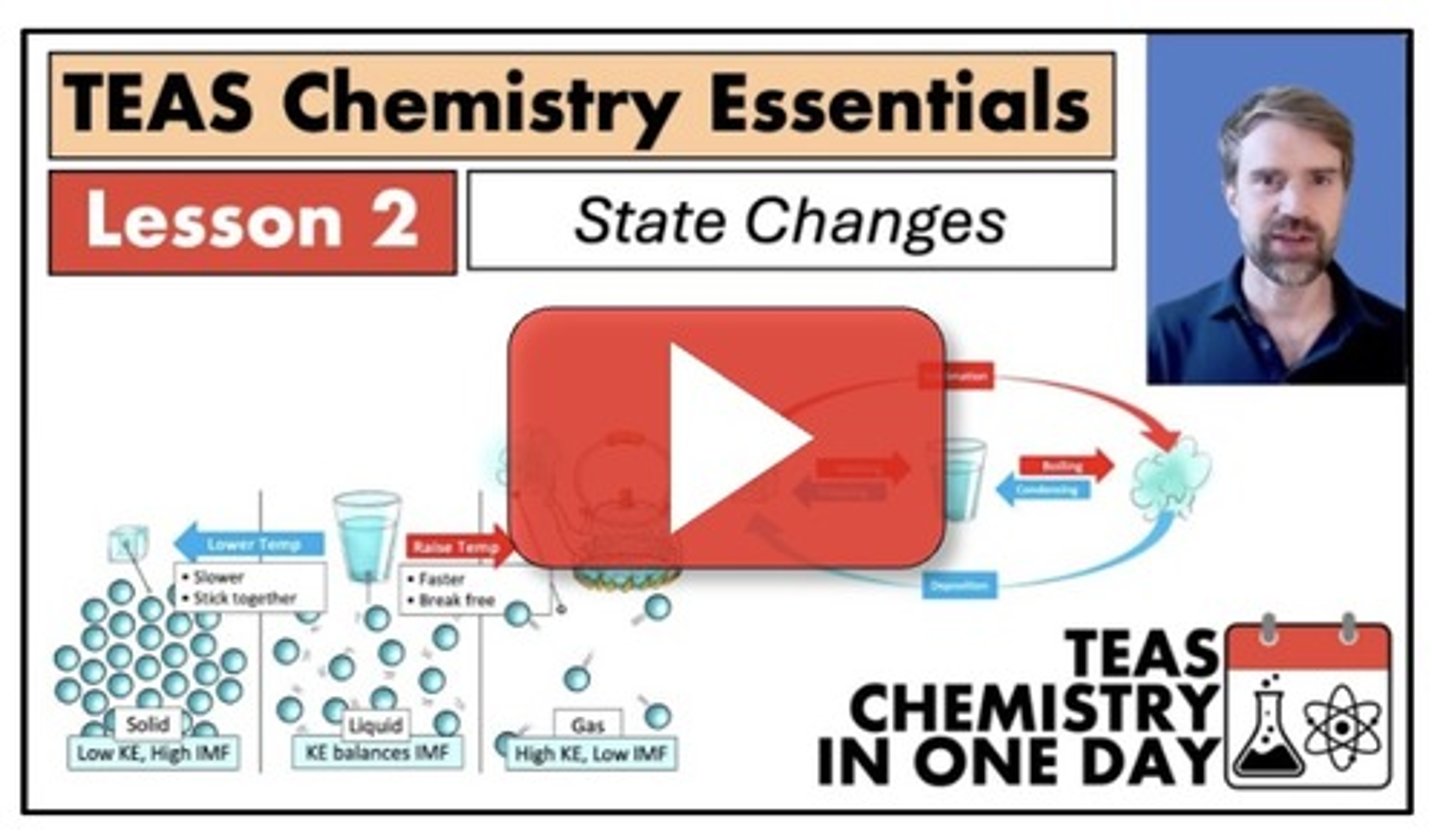
This set of flashcards covers the High Priority Chemistry Topic #2 for the TEAS. This topic is State Changes.
If you're just starting out, make sure you start with High Priority Chemistry Topic #1, which is States of Matter. Then, move onto this topic.
If you like how I teach, you can find all my TEAS Chemistry resources at:
www.teasinoneday.com
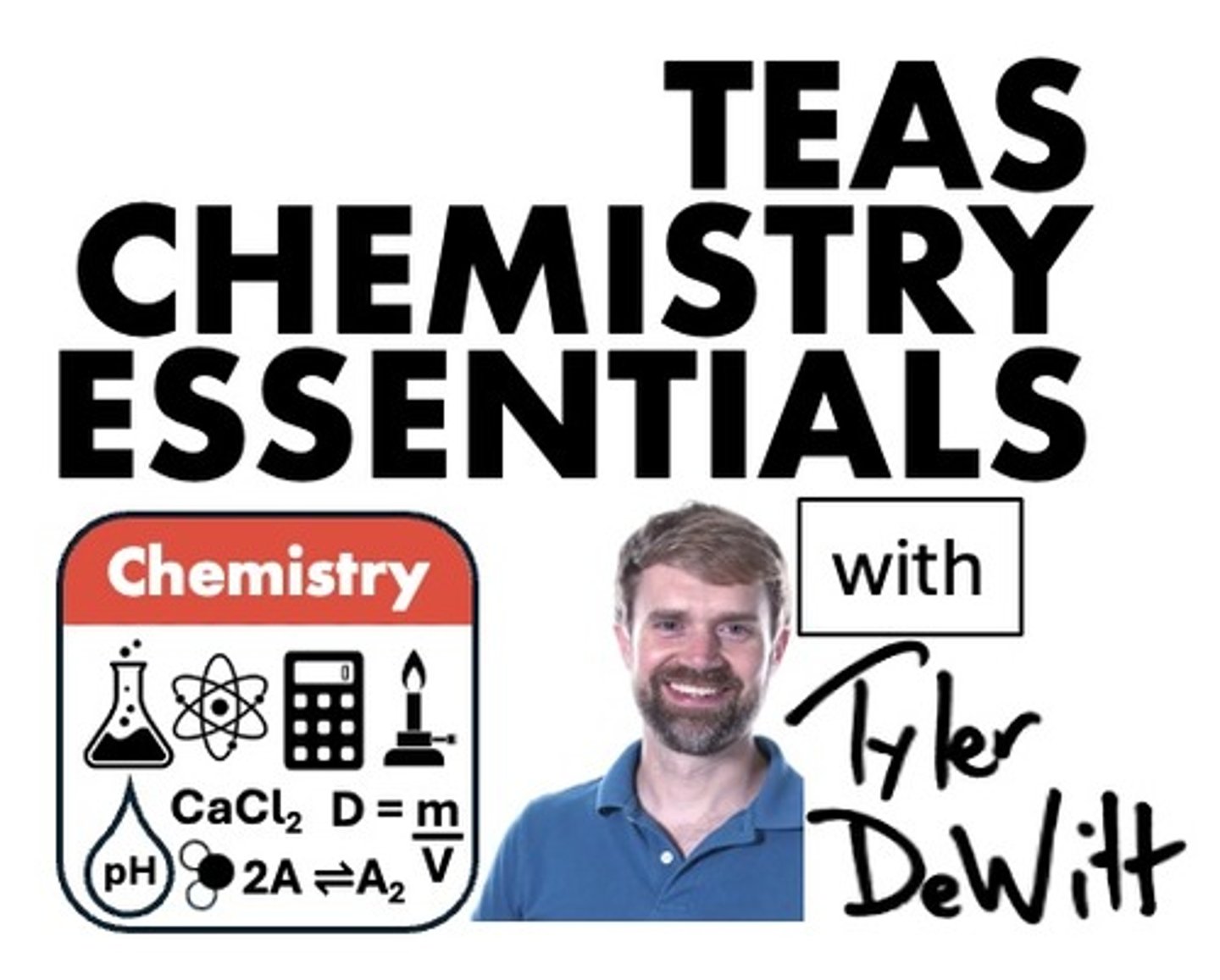
What is the name of the state change when solid turns into liquid?
Melting
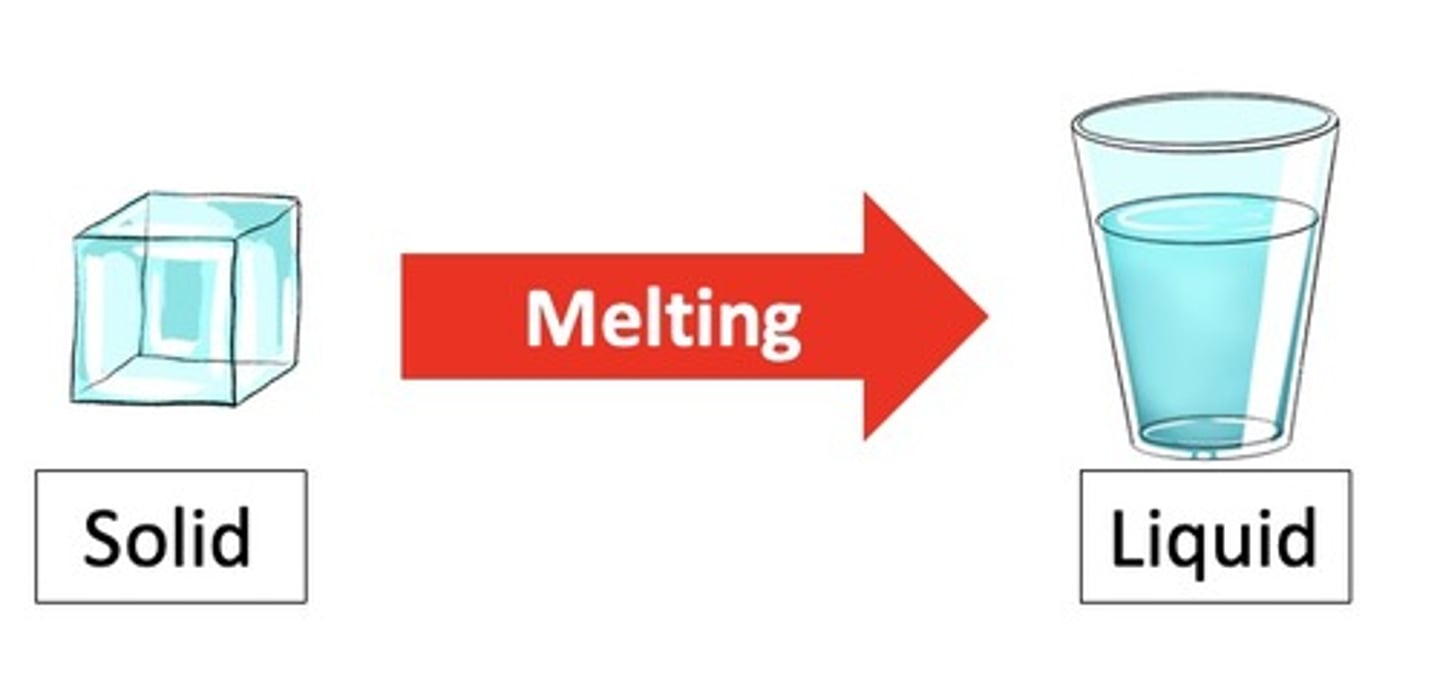
What is the name of the state change when liquid turns into solid?
Freezing
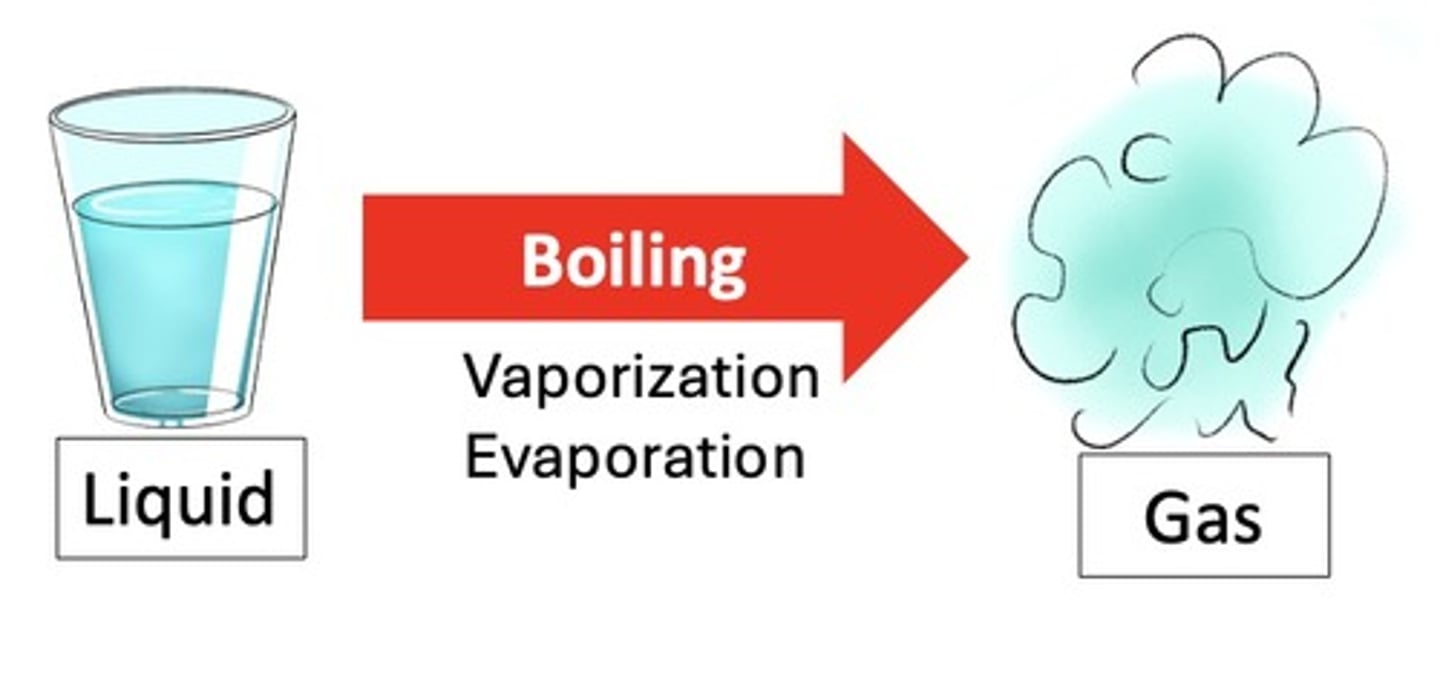
What is the name of the state change when liquid turns into gas?
When liquid turns to gas, the TEAS might call it: boiling, vaporization, or evaporation. (Know all three terms)
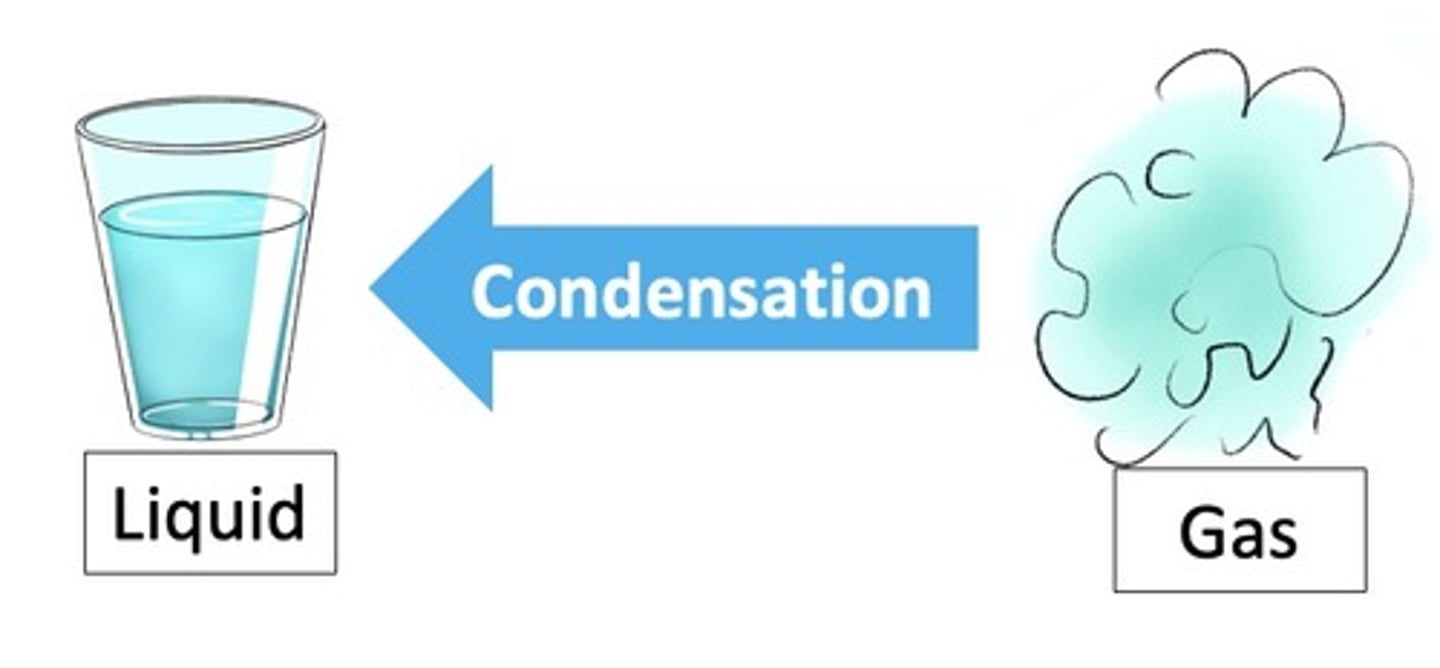
What is the name of the state change when gas turns into liquid?
Condensation or condensing
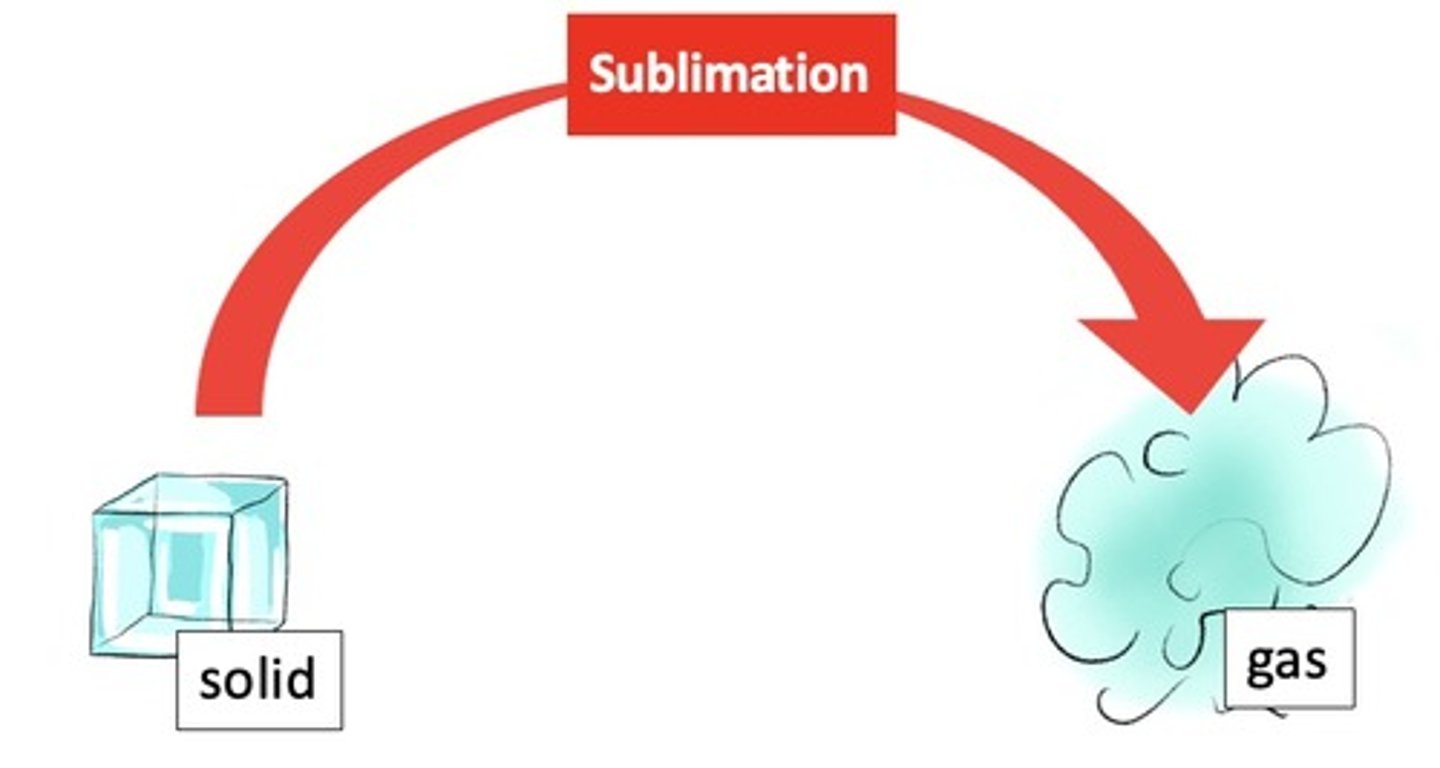
What is the name of the state change when solid turns directly into gas? (Without becoming liquid along the way.)
Sublimation. Make sure to know this. It's a weird state change, but the TEAS loves it.
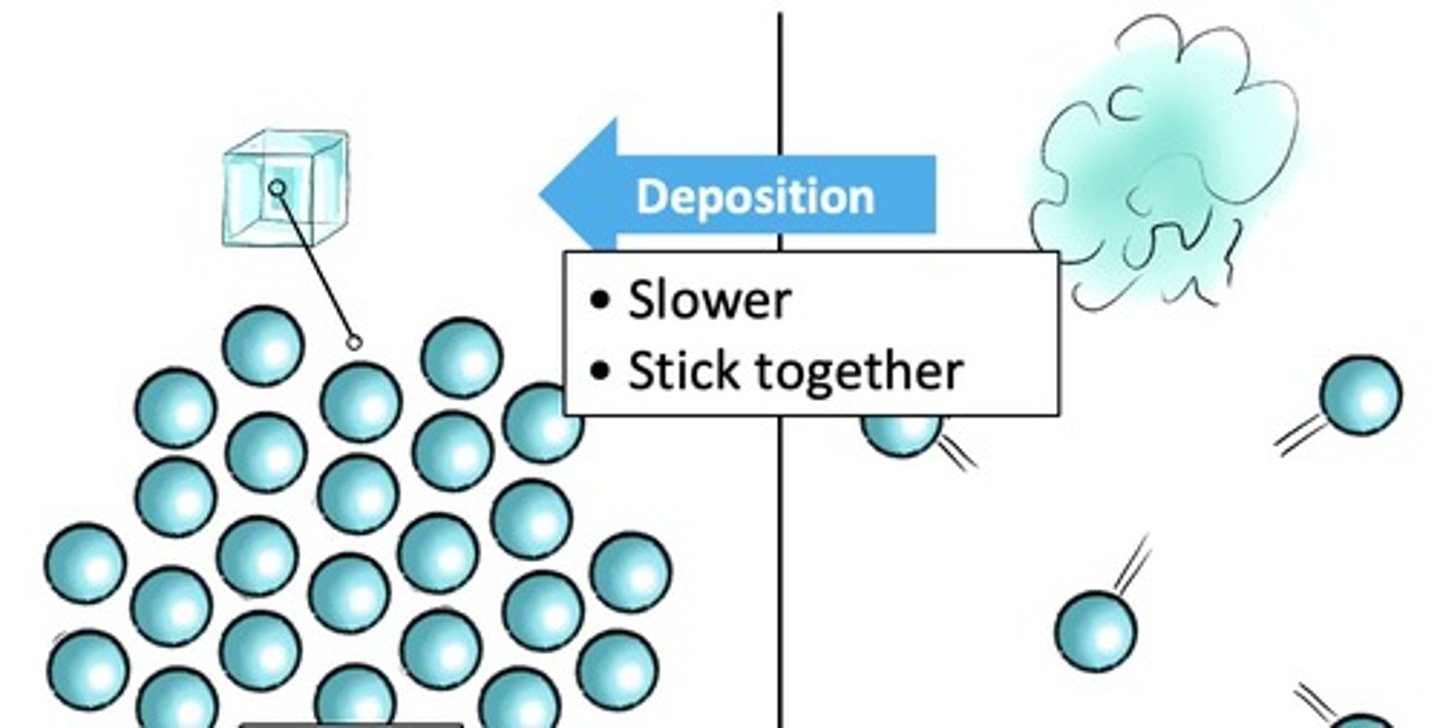
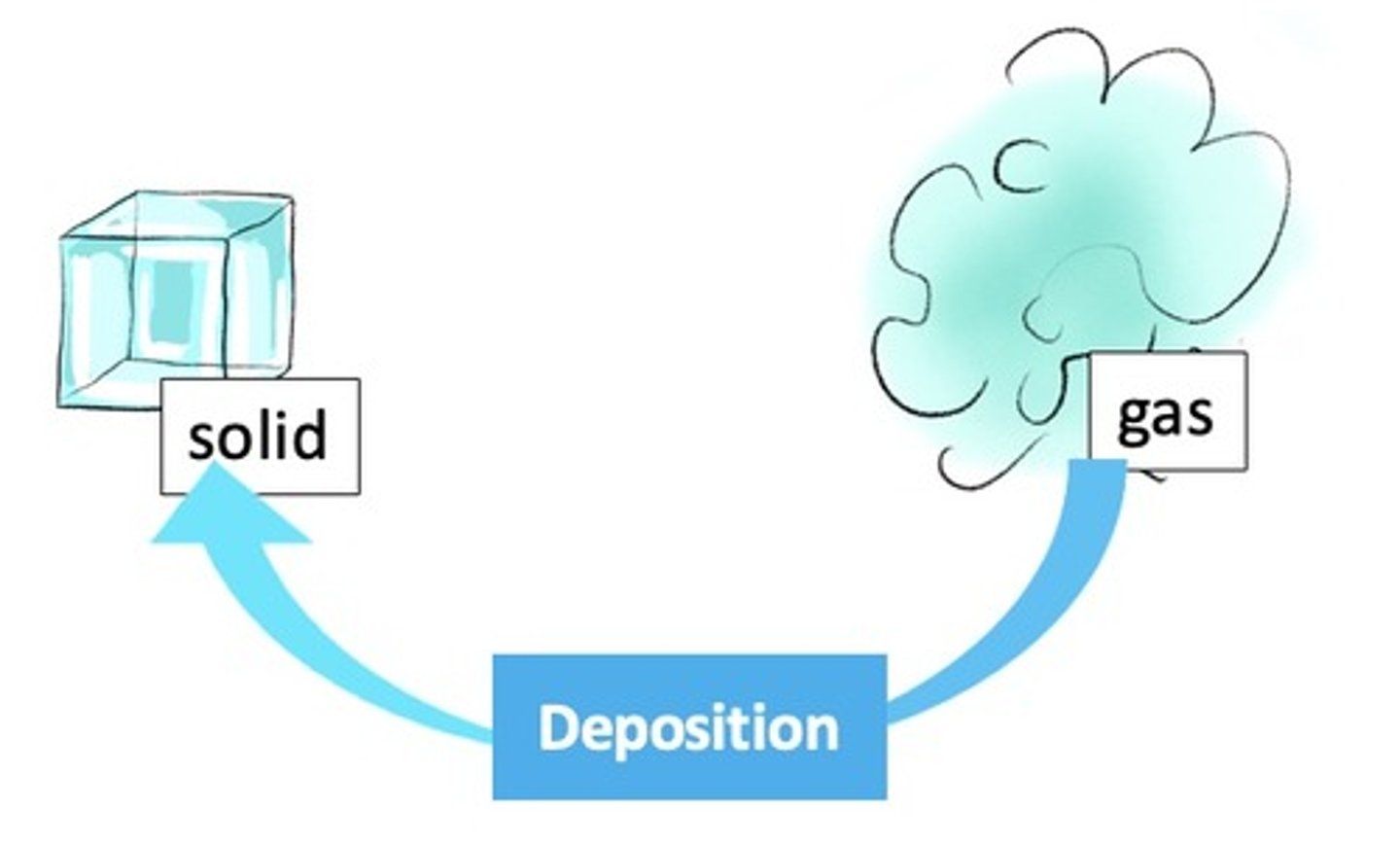
What is the name of the state change when gas turns directly into solid? (Without becoming liquid along the way.)
Deposition. Make sure to know this. It's a weird state change, but the TEAS loves it.
Do you need to learn this stuff? I have free YouTube videos that will teach you everything you need to know, step-by-step. My YouTube channel is "TEAS Science with Tyler DeWitt." Find my videos there!
You can find many videos to help you with the TEAS on my YouTube channel. Search for "TEAS Science with Tyler DeWitt."
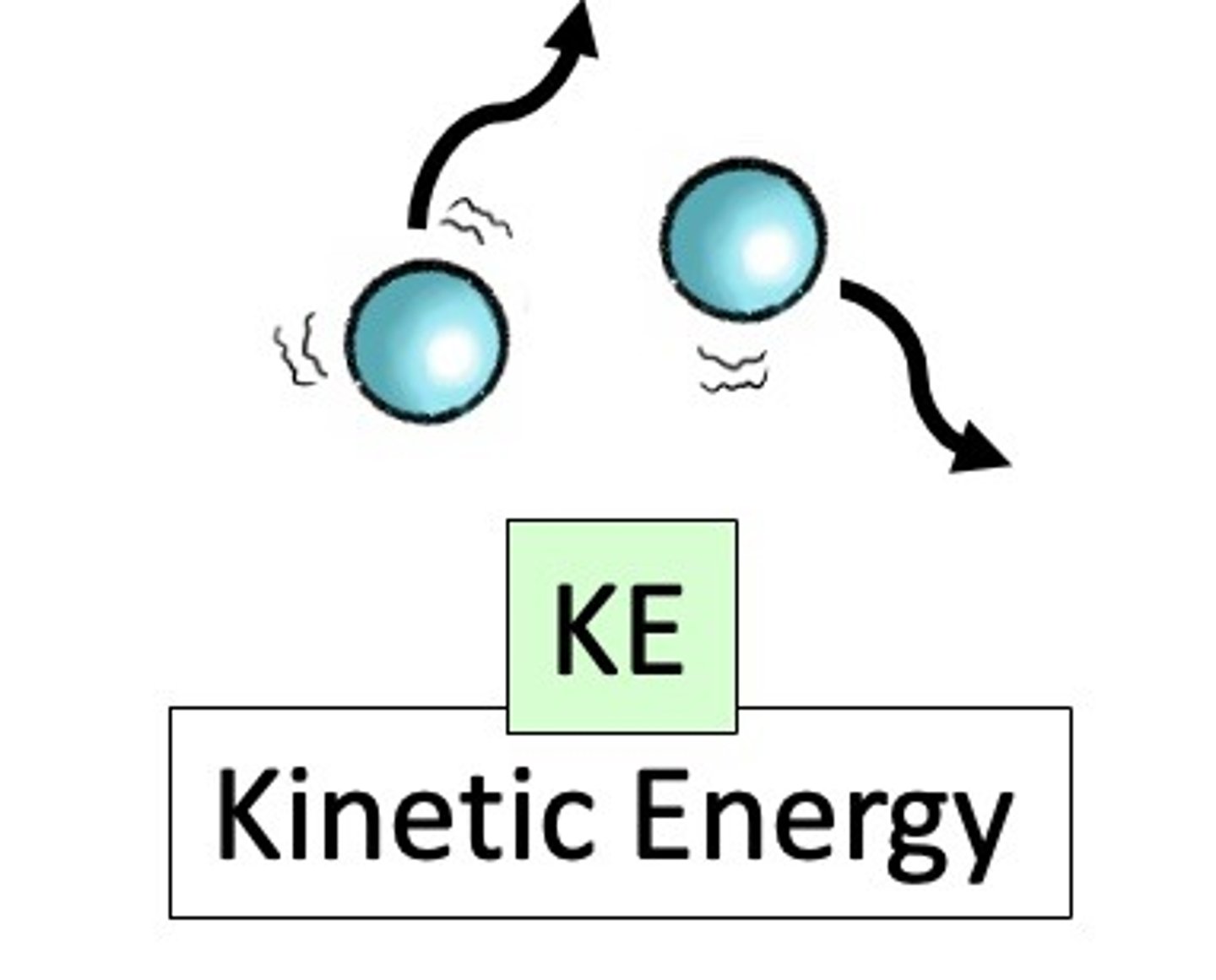
What is kinetic energy?
It is a fancy way of talking about motion. If something is moving slowly, it has low kinetic energy. If something is moving fast, it has high kinetic energy.
What happens to the kinetic energy of particles when something gets hotter?
Kinetic energy goes up. The hotter something is, the faster the particles move.
What happens to the kinetic energy of particles when something gets colder?
Kinetic energy goes down. The colder something is, the slower the particles move.
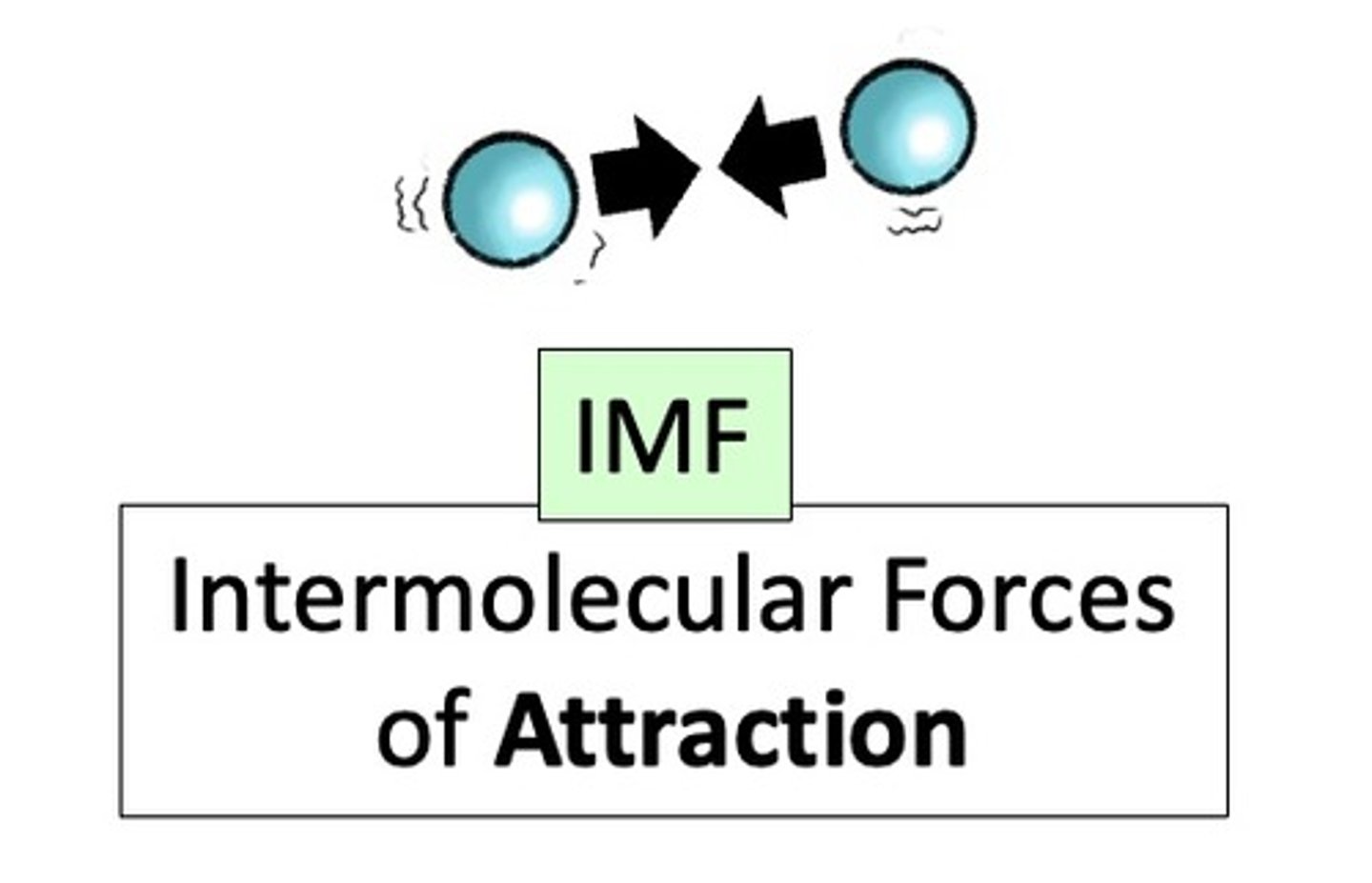
What are intermolecular forces of attraction (IMF)? The TEAS might also call them molecular attractions.
They are "stickiness" that keep the particles together, sort of like magnets.
Which state changes happen when you lower the temperature? (Or remove heat.)
Freezing, Condensation, and Deposition
Which state changes happen when you increase the temperature? (Or add heat.)
Melting, Boiling, and Sublimation
When you raise the temperature of something, are you adding heat or removing heat?
You add heat when you raise the temperature.
When you lower the temperature of something, are you adding heat or removing heat?
You remove heat when you lower the temperature.
Can you feel yourself learning? If you want more learning resources like these, check out my website at:
www.teasinoneday.com
I try hard to make learning materials that go step-by-step and are easy to understand. I want you to feel yourself learning. You can find all my study resources at:
www.teasinoneday.com
What is triple point?
It is the combination of temperature and pressure where solid, liquid and gas can all exist at the same time. (The TEAS might use complicated language and say "Solid, liquid, and gas simultaneously coexist.)
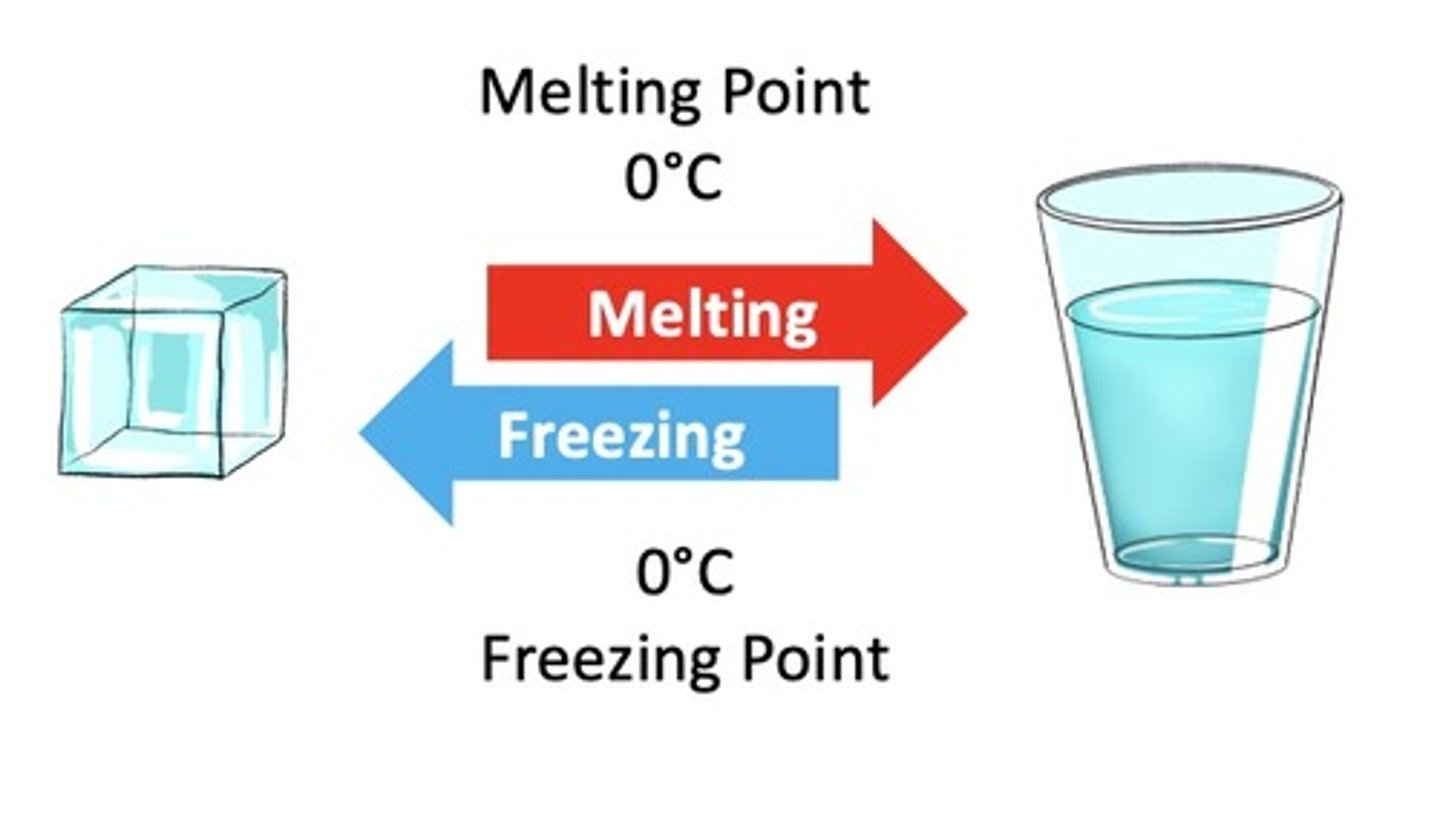
What is the freezing point of water? What is the melting point of water? (In degrees Celsius.)
Water freezes at 0 degrees Celsius (if things are getting colder), and it melts at 0 degrees Celsius (if things are getting hotter.)
What is the boiling point of water?
Water boils at 100 degrees Celsius.
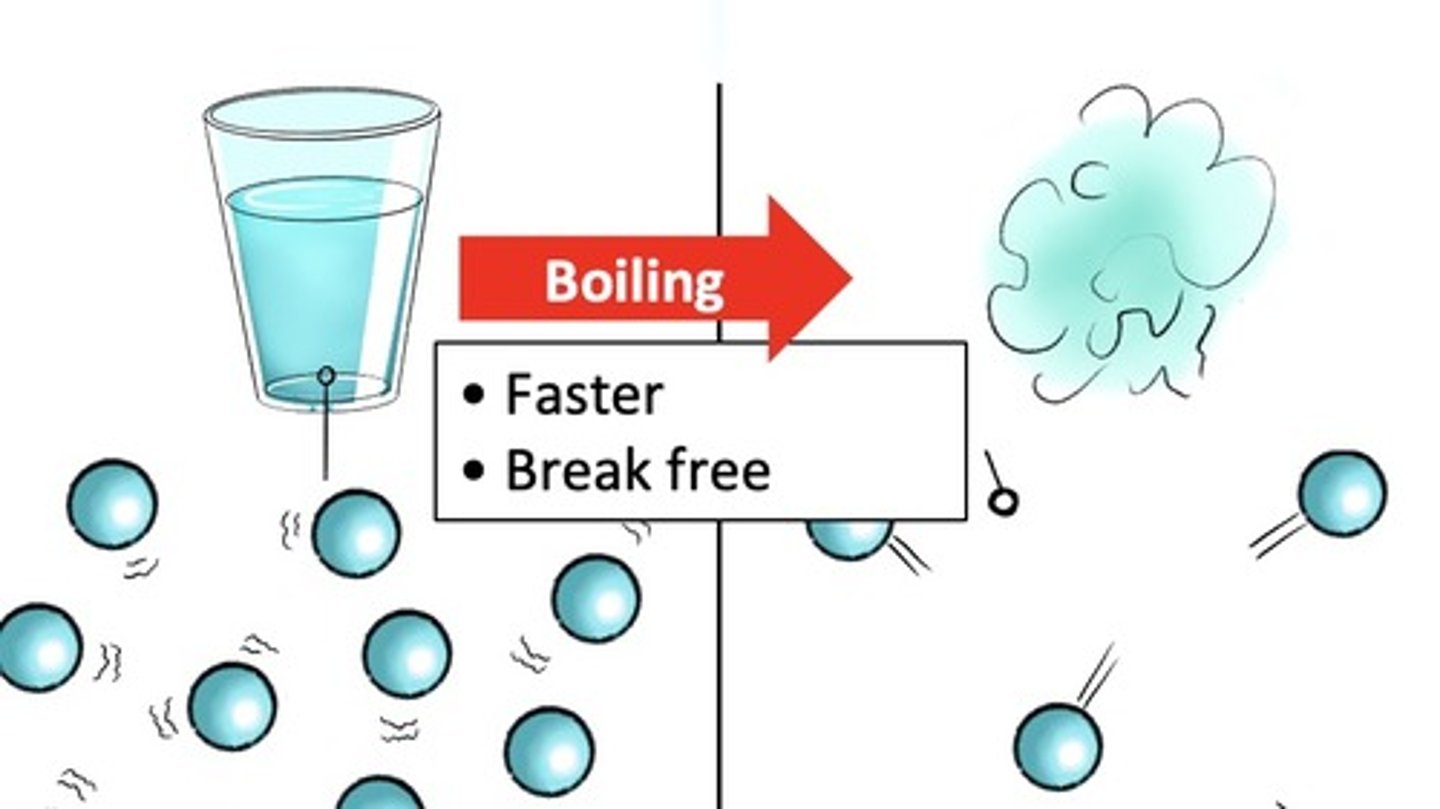
During boiling: what happens to the kinetic energy of the particles? Do the molecular attractions get stronger or weaker?
During boiling, heat is absorbed. (Stuff gets hotter.) The particles move faster and kinetic energy goes up. The intermolecular attractions get weaker. (Because the particles move around more and more and start to come apart.)
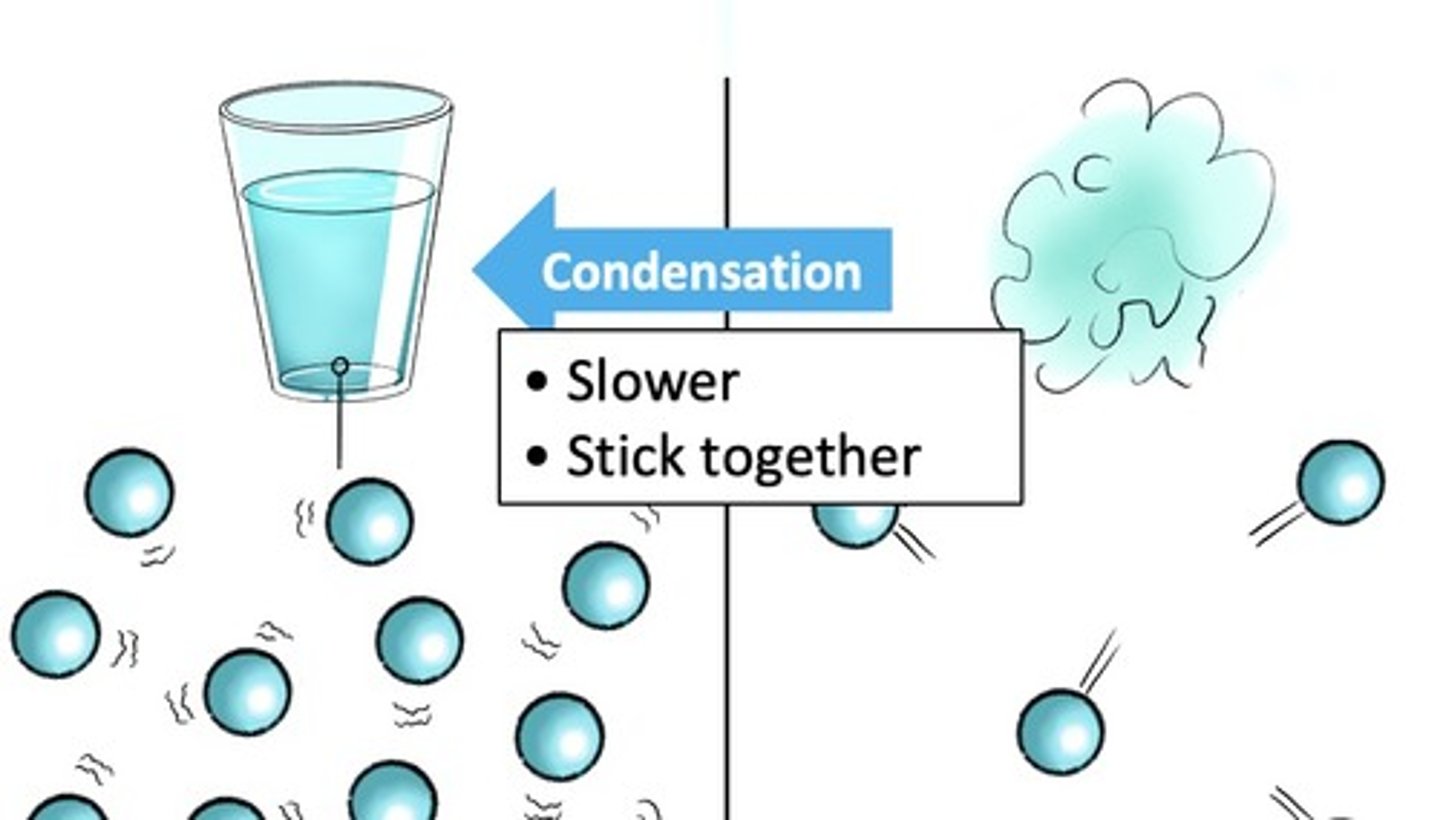
During condensation: what happens to the kinetic energy of the particles? Do the molecular attractions get stronger or weaker?
During condensation, heat is released. (Stuff gets colder.) The particles move slower and kinetic energy goes down. The intermolecular attractions get stronger. (Because the particles move slower, and start to stick together more.)
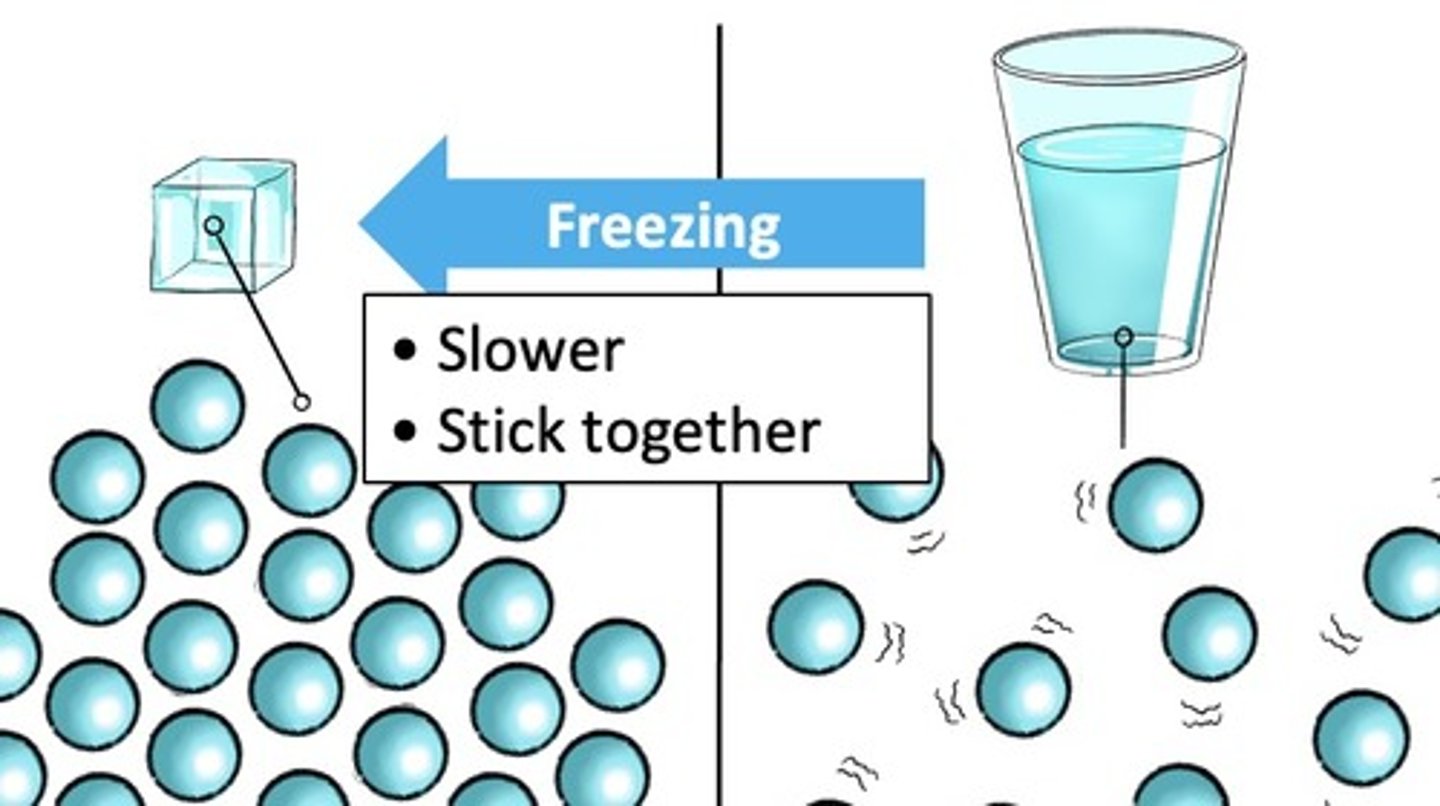
During freezing: What happens to the kinetic energy of the particles? Do the molecular attractions get stronger or weaker?
During freezing, heat is released. (Stuff gets colder.) The particles move slower and kinetic energy goes down. The intermolecular attractions get stronger. (Because the particles move slower, and start to stick together more.)
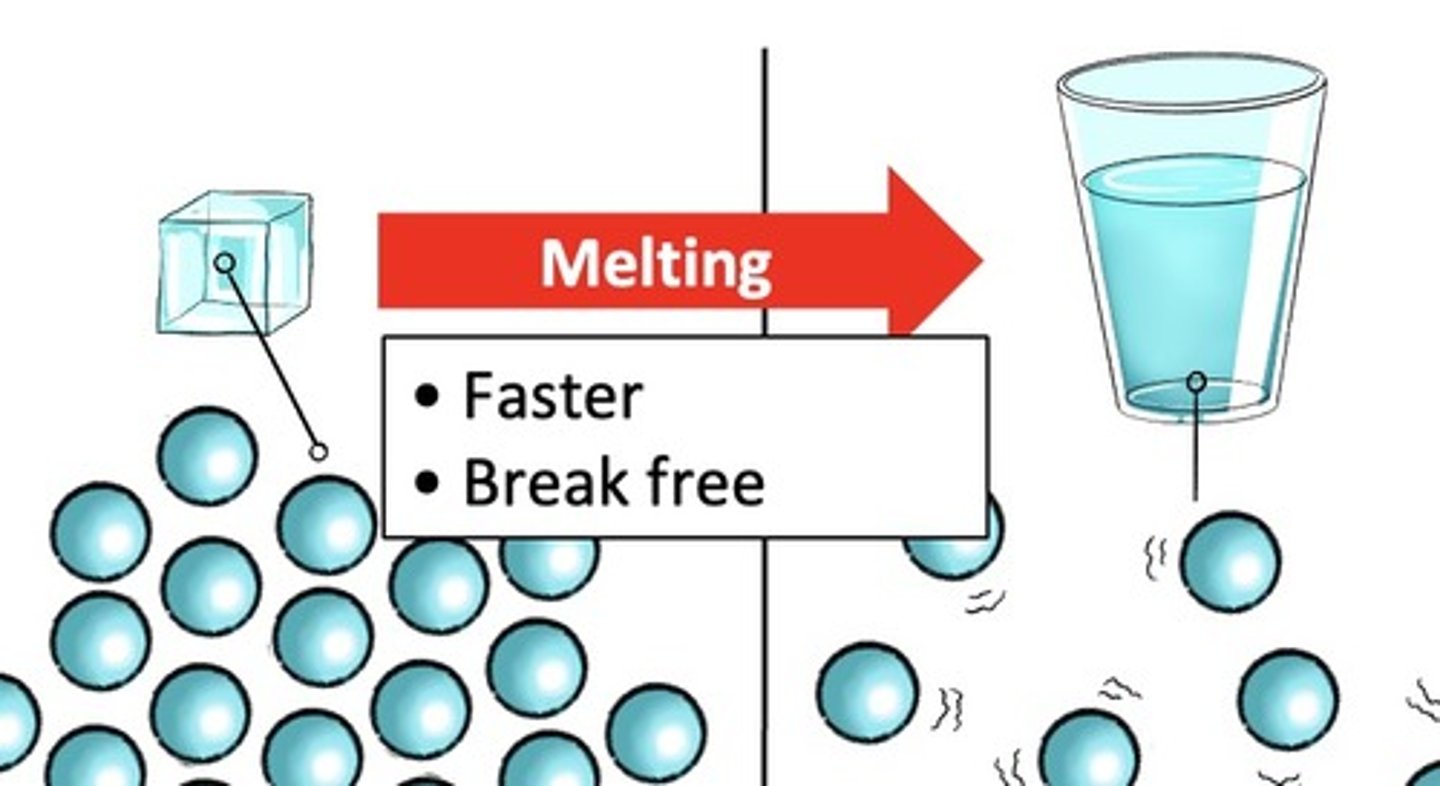
During melting: What happens to the kinetic energy of the particles? Do the molecular attractions get stronger or weaker?
During melting, heat is absorbed. (Stuff gets hotter.) The particles move faster, and kinetic energy goes up. The intermolecular attractions get weaker. (Because the particles move around more and more and start to come apart.)
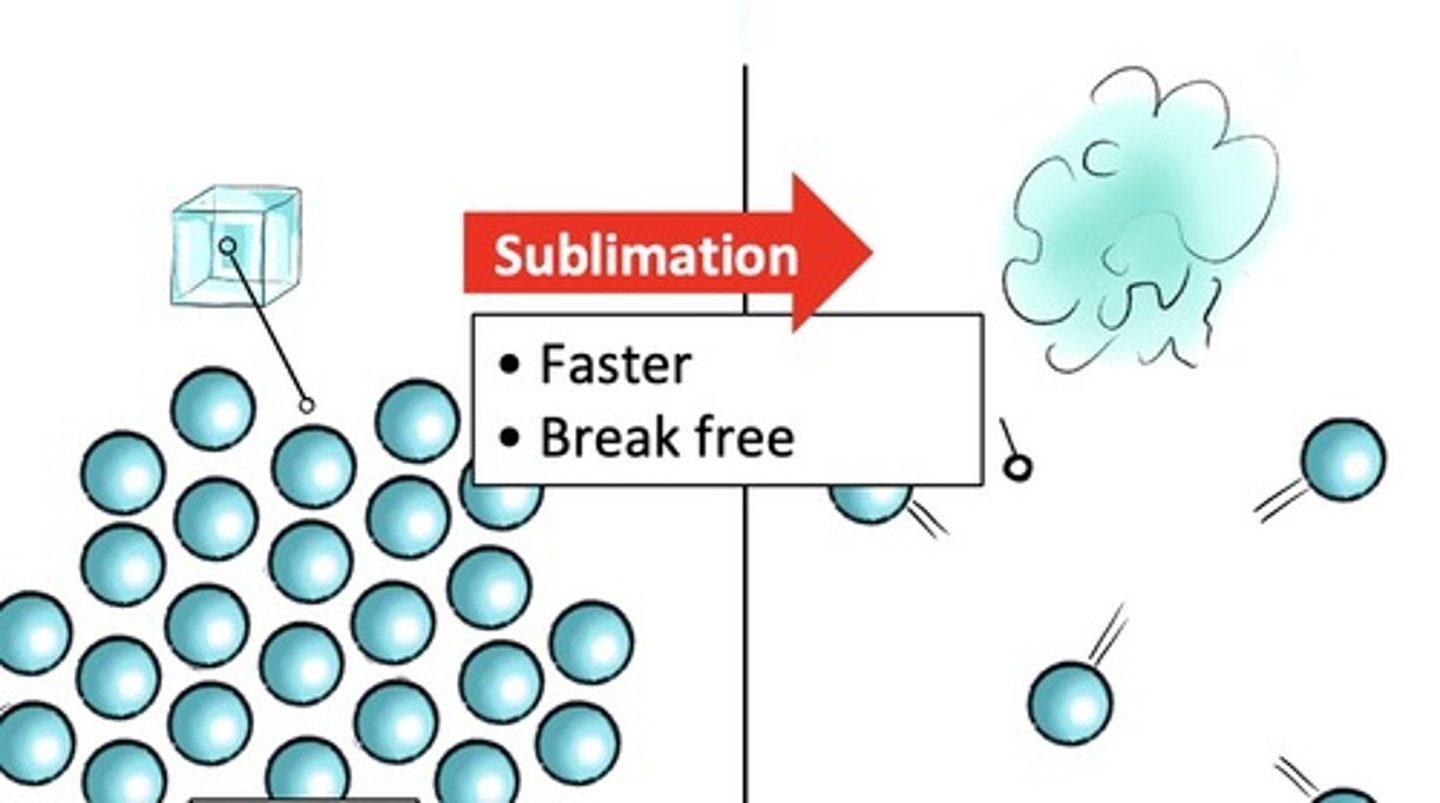
During sublimation: What happens to the kinetic energy of the particles? Do the molecular attractions get stronger or weaker?
During sublimation, heat is absorbed. (Stuff gets hotter.) The particles move faster, and kinetic energy goes up. The intermolecular attractions get weaker. (Because the particles move around more and more and start to come apart.)
During deposition: What happens to the kinetic energy of the particles? Do the molecular attractions get stronger or weaker?
During deposition, heat is released. (Things get colder.) the particles move slower and the kinetic energy goes down. The intermolecular attractions get stronger. (Because the particles move slower, and start to stick together more.)