ADME Liu
 Call Kai
 Learn
Learn Practice Test
 Spaced Repetition
 Match
Match Flashcards
 Knowt Play
1/67

There's no tags or description
Looks like no tags are added yet.
Name | Mastery | Learn | Test | Matching | Spaced | Call with Kai | Chat |
|---|
No analytics yet
Send a link to your students to track their progress
68 Terms
the standard drug dose works for _____% of pts
80
which drugs need to cross cell membranes easily? which ones work better if they do not?
easy= most PO drugs
dont cross= GI drugs (bc thats their site of action)
transcellular vs paracellular drug passage
transcellular:
- goes through cell
- only way to pass BBB
paracellular:
- goes btwn cells
- non existent in brain
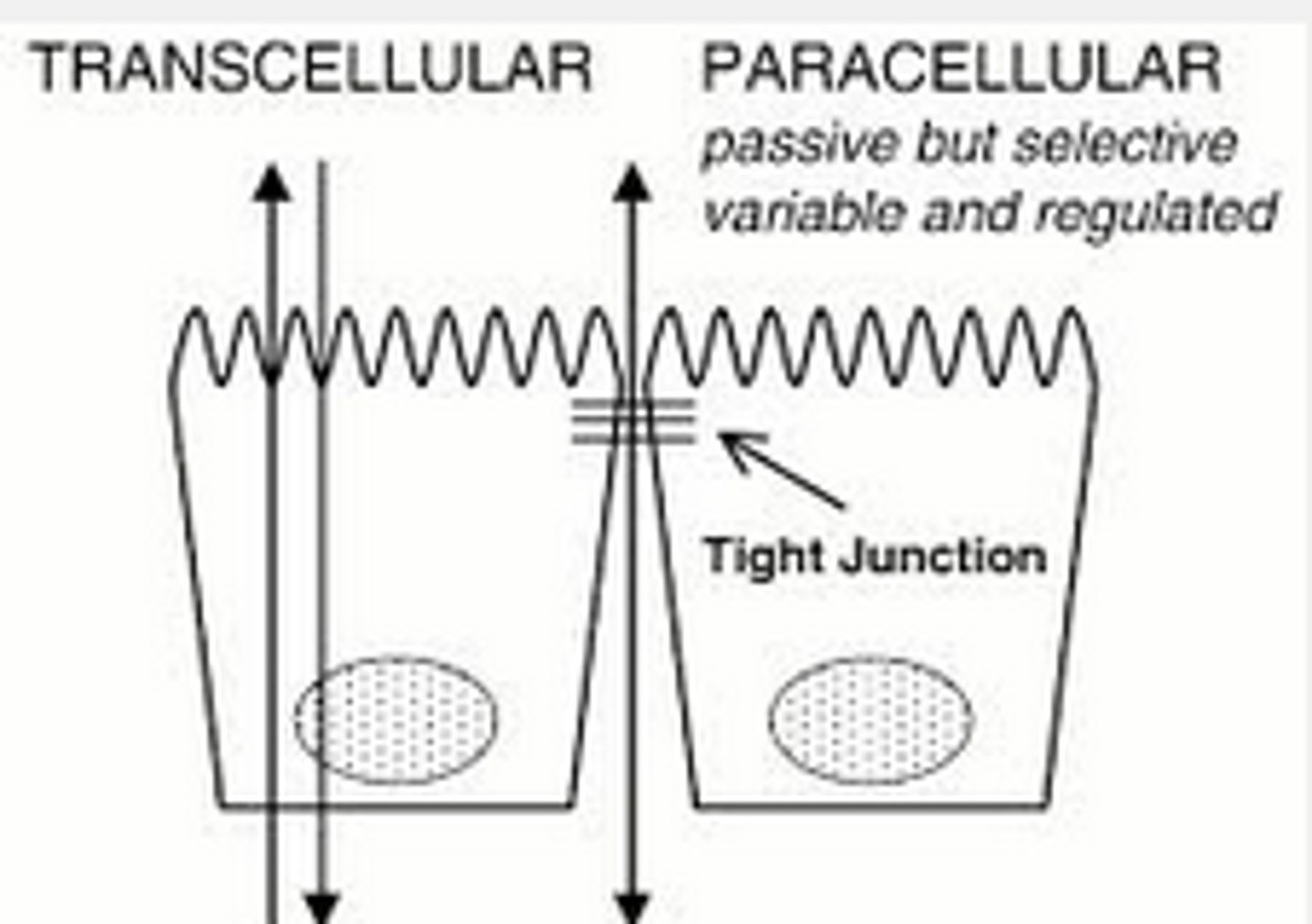
drugs entering the brain use
a. paracellular transport
b. transcellular transport
b. transcellular
tight junctions dont let drugs get btwn cells
primary vs secondary active transport
Primary - transport w ATP
Secondary- symport and antiport
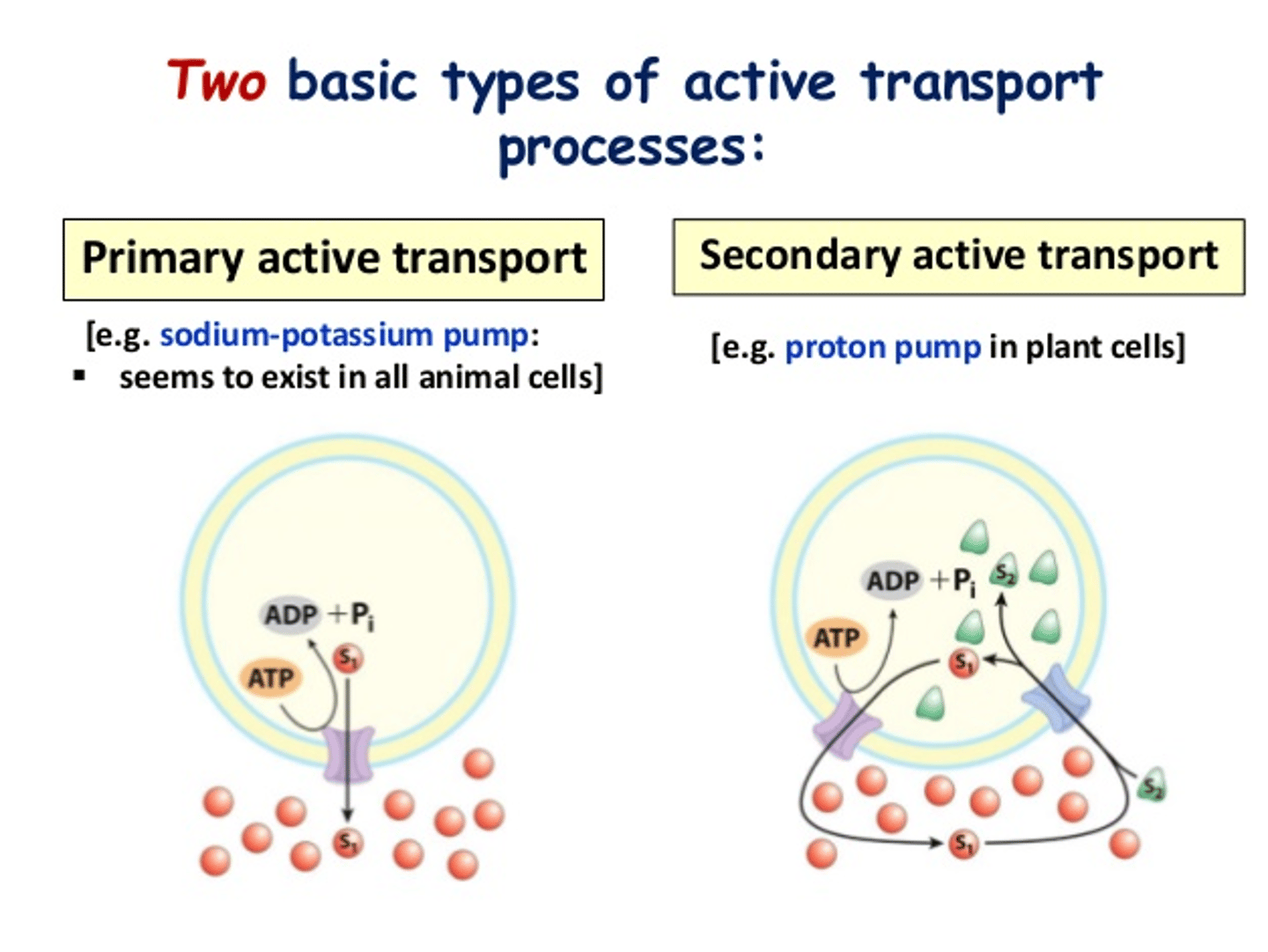
ABC vs SLC active transport
ABC= atp binding cassette
- uses ATP to drive transport of drugs OUT OF cells
SLCs: solute carriers
use symport or antiport w ions to move drugs (usually into cell)
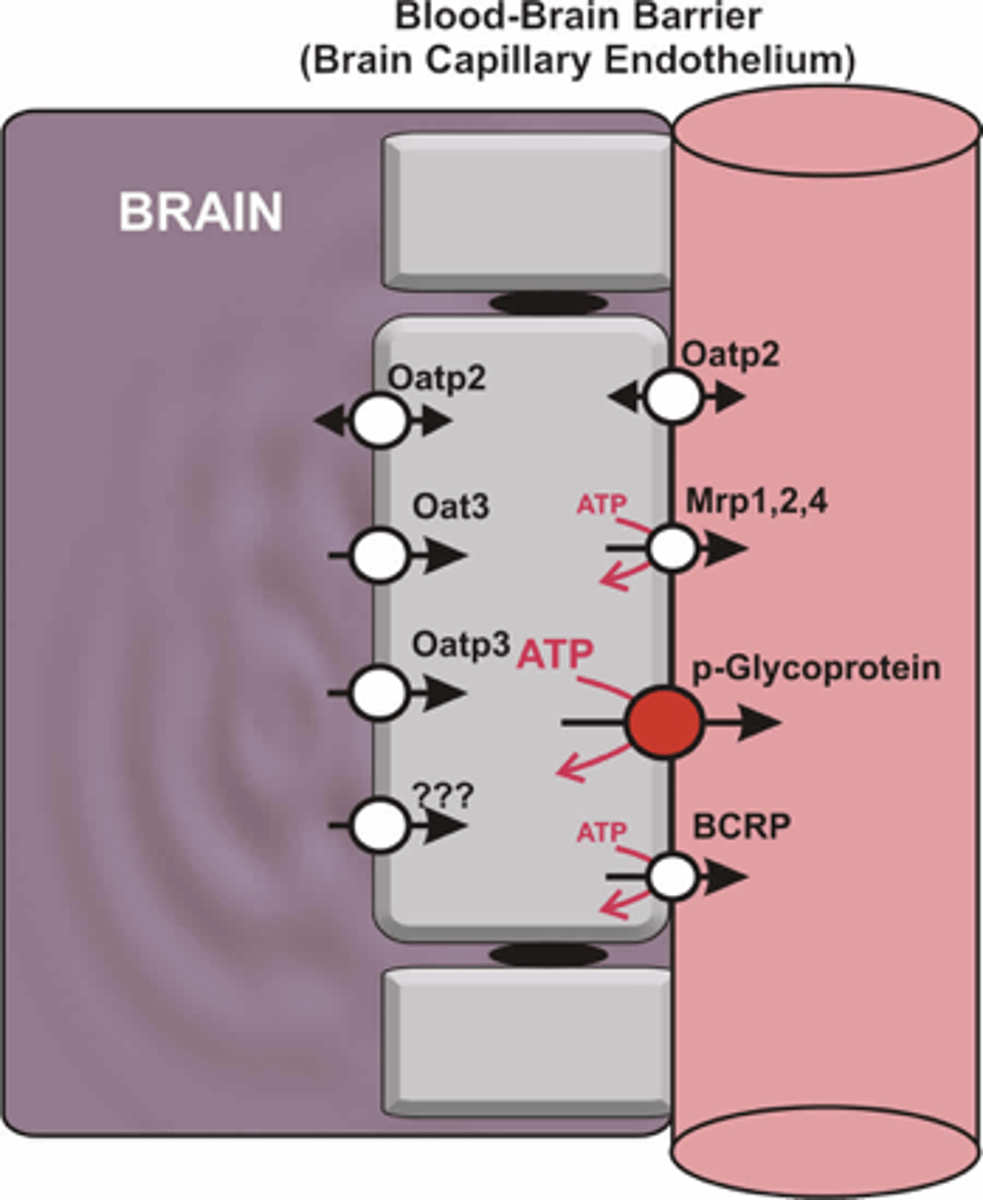
how does the following affect how a drug crosses a membrane
size:
degree of ionization:
l/w coeff:
protein binding:
size: smaller is better
degree of ionization: only unionized form crosses
l/w: larger/ more lipid soluble is better
protein binding: less protein binding is better. if highly protein bound it doesnt reach target, it stays in plasma
-> small, unionized, lipophilic, free
which would you expect to more easily cross a cell membrane for absorption?
drug A: l/w=1
drug B: l/w= 5
drug C: l/w= 580
drug c. it is the most lipid soluble and will more easily cross membranes to be absorbed
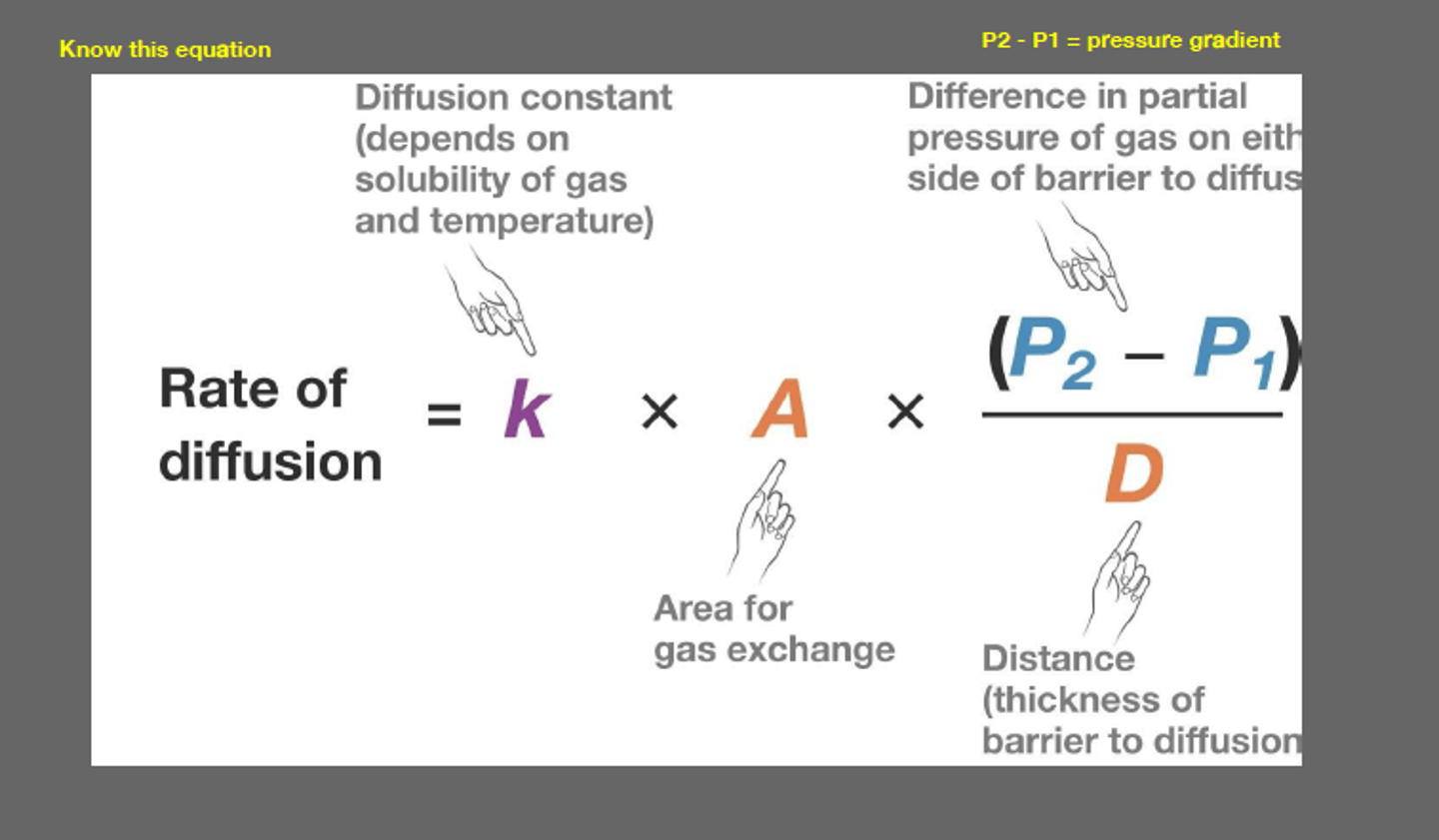
explain the concept of ficks law of diffusion
used for passive diffusion until concentration gradients are equal on both sides
faster diffusion if drug is smaller, membrane area is larger, concentration gradient is larger, and membrane is thinner
pH of blood
about 7.4
what is pKa
the pH when 50% of a drug is ionized
only the __________ form of a drug can diffuse across membranes and be absorbed
non-ionized
when are acids absorbed better?
bases?
acids:
- in acidic environments (stomach)
- weak acid, high pKa is better
bases:
- in basic environments (intestines)
- weak base, low pKa is better
explain ion trapping
drugs are trapped when they become ionized
an acidic drug will be trapped in basic environment
a basic drug will be trapped in acidic environment
acid vs base:
what ph-pka value is better for absorption
acid:
more negative pH-pKa is better
[remember pH-pka= A-/HA, so you want a more neg number (larger pKa) to have more unionized]
base:
more positive pH-pKa is better
[pH-Pka= base/BH+ so you want your top number to be bigger, so you want a smaller pka]
for weak acids, there is better absorption if pH ___ pKa
pH < pKa is better
which drug would be absorbed most readily from the stomach (pH=1)
a. weak acid, pKA=2
b. weak acid, pka=3.5
c. weak base, pka=3
d. weak base, pka=9
b
stomach is acidic, we need acidic drug.
higher pka= weaker acid
which drug would be absorbed most readily from gut
a. weak acid, pKA=2
b. weak acid, pka=3.5
c. weak base, pka=3
d. weak base, pka=9
gut is basic. we want a basic drug with the smaller pka (pH- pka= B/BH+)
so c
which would be more readily absorbed
acid with ____ pka
base with _______ pka
(larger or smaller)
acid with LARGER pKa (weaker)
base with SMALLER pKa (weaker)
explain why PK studies are important (not just ionization) using quinidine and warfarin as examples
1. when quinidine weak base was added to stomach WITH ppis its absorption DID NOT increase
- shows that it depends on solubility too. it decreased the solubility of quinidine
2. when warfarin (weak acid) was acid to stomach with a PPI, its absorption increased
- more basic pH increased its solubility
what happens to soluble vs non soluble drugs in the stomach
soluble= rapidly reach intestines and are absorbed
non soluble= stay in stomach for a longer time or excreted in feces
what is absorption defined as
movement of drug from site of administration into the blood
what is bioavailability
F
the Fraction of a drug reaching blood
(for IV, F=100)
what is the hepatic extraction ratio
the fraction of drug removed by the liver from the blood
E= (Cin - Cout)/ Cin
100mg of Drug A is orally taken and 80mg is absorbed into portal circulation. the hepatic extraction ratio is 0.75. whats the bioavailability
E= (Cin-Cout)/Cin
0.75= (80-Cout)/80
Cout=20mg
If Eh=0.6 and 40% is absorbed into the gut, what is the bioavailability?
E= (Cin-Cout)/Cin
Assume start with 100mg. Only 40% is absorbed so 100 x 0.4= 40mg.
Then 60% is extracted so 40mg x 40%= 16%
which routes of administration have no first pass metabolism? which do?
none:
parenteral
sublingual
pulmonary
transdermal
first pass:
oral
rectal (50%)
sublingual route pros and cons
pro:
rapid, no first pass
con:
drug must be highly LIPOphilic
rectal route pros and cons
pros:
rapid, only 50% first pass effect, good for vomiting pts
cons:
incomplete absorption, irritation
which routes of administration bypass first pass metabolism but require highly lipophilic drugs
sublingual
transdermal
types of parenteral drug administration
pros and cons
1. subQ
- constant and slow rate of absorption; can use w oil
- infection risk
2. IM
-intermediate onset, large volumes ok
-infection
3. IV
-rapid onset, controlled
- infection
4. Intrathecal/ epidural
-bypasses BBB
-infection, highly skilled personel
which route of parenteral administration bypasses the BBB
intrathecal/epidural
compare IM vs SC route in terms of plasma drug concentration over time
IM: has a higher peak (all of drug is absorbed before elimination occurs) and faster elimination
SC: lower peak (less high drug concentration) but also longer duration
what affects drug stability in the GI tract
1. pH= can inactivate drug
2. digestive enzymes (like insulin-> destroy)
3. drug chelation (ex: tetracycline and calcium)
t/f: a large part of drug absorption occurs in the intestines regardless of pH
true.
SI has the largest surface area and also the most blood flow. drug absorption happens regardless
what can cause a DECREASED gastric emptying rate
pharm:
AGAIN
Anticholinergics (block rest&digest)
Ganglionic blockers
Aluminum OH
Isoniazid
Narcotic
what can cause a DECREASED gastric emptying rate
foods:
patho:
solids, acids, fat
patho:
gastric ulcer
acute abdomen
intestinal obstruction
paralytic ileus
what can cause a INCREASED gastric emptying rate
foods:
patho:
liquids, gastric distention, lying on right side
patho:
chronic cholecystitis
gastroenterostomy
what can cause a INCREASED gastric emptying rate
drugs:
RAMS (like "ramp" it up)
Reserpine
Anticholinesterases (increase Ach-> rest and digest)
Metoclopramide
Sodium bicarb
what is PGP?
type of transporter?
where is it expressed?
P-glycoprotein
moves drugs back out into lumen (lowers absorption)
ABC transporter (uses ATP)
found in intestines, kidney, BBB, testes
compounds that block PGP will _____ drug absorption and ______ elimination
block pgp means
increase drug absorption
decrease elimination (toxicity)
ex: digoxin, verapamil
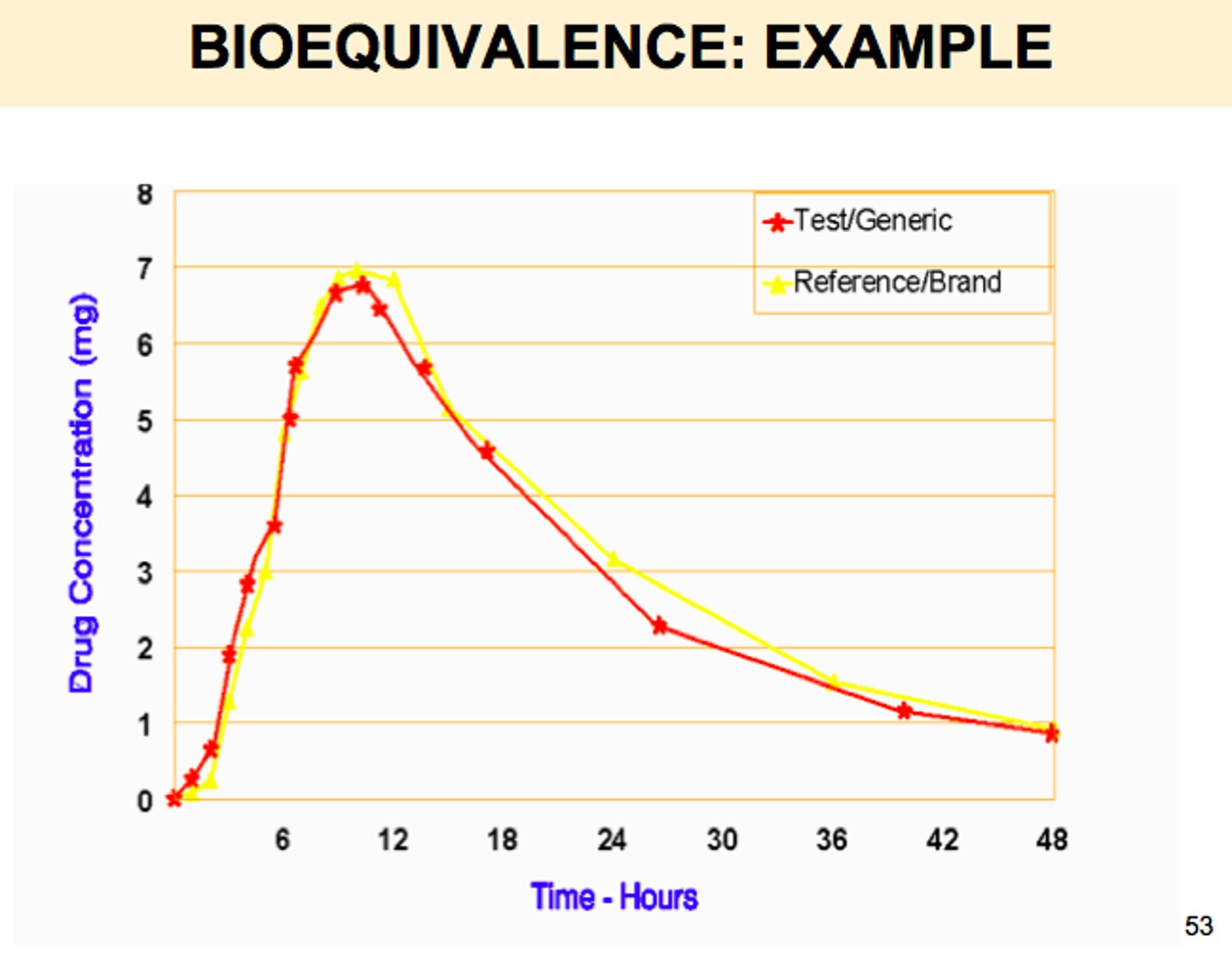
what is bioequivalence
when 2 drugs or routes are equal in rate and extent to which the API becomes available at the site of drug action
(same time vs concentration graph)
examples of tissues with high blood flow (and therefore more amounts of a drug received)
liver, kidney, muscles
_______ drugs are more likely to accumulate in the extracellular space
water soluble drugs
edema alters drug distribution
where do drugs most often accumulate
-fat-> slowly released
-liver
-bone (ex: tetracyclines, abx, metals)
albumin mostly binds ___ drugs
alpha1 acid glycoprotein mostly binds ______ drugs
albumin= acidic
alpha1 acid glycoprotein= basic
describe how an acidic drug binding to albumin changes its availability
(more or less free drug available?)
it stays in plasma for longer
-> not excreted
-> but also cant exert action
=== less free drug available
if drug a and drug b both bind to albumin but drug b has higher affinity for it, how does that affect the activity of both drugs
drug b gets trapped on albumin= lesser effect at target site
drug a cant get on albumin= more at target site but also more in blood= potentially toxic
all organs (except the lungs) eliminate ___ drugs better than ______ drugs
a. polar, lipophilic
b. lipophilic, polar
a. polar, lipophilic
think of drug being eliminated in urine. polar drug will easily dissolve and leave; lipophilic drugs must be metabolized and made more polar
summarize the following drug eliminating steps in the kidney
1. filtration
2. active secretion
3. passive reabsorption
1. filtration= glomerulus
-free unbound drug passes through; depends on GFR and if protein bound
2. active secretion= proximal convoluted tubule
-drug from the peritubular capillaries is ACTIVELY (atp) secreted into tubular fluid.
carriers: anion (acidic drugs) and cation (basic) transporters
3. passive reabsorption= PCT and DCT
- drug moves from tubular fluid BACK into blood
- pH dependant
where in the kidney do the following take place
1. filtration
2. active secretion
3. passive reabsorption
filtration= glomerulus
active secretion= prox convoluted tubule
passive reabsorption= prox,straight, & distal tubules
how can you alter tubular pH to increase drug excretion? which substances can you use?
ion trap it by making the substance ionized for excretion (needs to be unionized to diffuse back)
acidic drugs: make urine basic so it becomes ionized A- == sodium bicarb
basic drugs: make urine acidic so that it becomes ionized HB+ == citric acid
what would you add to the urine to lower excretion of an acidic drug
a. citric acid
b. sodium bicarb
a. citric acid
LOWER excretion means you want the drug to diffuse back. make urine more acidic
what would you add to urine to INCREASE excretion of the following:
1. acidic drug
2. basic drug
1. acidic= add base like bicarb (ion trapped)
2. basic= add acid like citric acid
what factors can alter renal excretion?
blood flow:
- increase blood flow by drinking/exercising
- lower blood flow by less water, kidney disease, heart disease. also FEMALES and AGE
what factors can alter renal excretion?
pharm:
probenecid
PGP
probenecid= lowers excretion of others (like penicillin)
PGP transporters= verapamil, digoxin
how can you determine the state of renal excretion
creatinine clearance-> creatinine is a muscle waste product that is filtered by the kidney. it is not actively secreted
this gives u glomerular filtration rate
how is creatinine clearance calculated
rate of creatinine excretion/ serum creatinine concentration
higher renal clearance of a drug than CrCl indicates that
active secretion is involved
(ex: metformin)
how can you test if a drug is more actively secreted than filtered through glomerulus?
add competitors that will compete for the transporters that usually secrete the drug
-probenicid for acidic drugs
-cimetidine for basic drugs
renal clearance of the drug will DECREASE in the presence of competitors if it uses active secretion
-If clearance didn't change, secretion is not important-> drug mostly cleared by filtration only
how would you test if an acidic drug uses active secretion or gfr
1. compare it to CrCl. if its about the same probs GF
2. test: add probenecid for acidic drugs (cimetidine for basic). probenecid will compete for active transporters and LESS of the drug will be excreted indicating that it uses active transport
how would you test if a basic drug uses active secretion or gfr
add cimetidine for basic drugs. cimetidine will compete for active transporters and LESS of the drug will be excreted indicating that it uses active transport
how can you test if a drug is reabsorbed in the kidneys
change the pH of urine
- making urine more basic will increase excretion of acidic drugs (ion trapped and excreted)
the renal clearance of a lipophilic weakly acidic (pka=5) drug is likely to be
a. reduced by citric acid
b. reduced by sodium bicarb
c. increased by acidifying urine
d. increased by alkalizing urine
a. reduced by citric acid
d. increased by alkalizing urine
less of weak acid will be excreted if its in an acidic environment since it will be unionized and diffuse back
a drug is given 100mg TID. Target is 5mg/L. Drug is 40% eliminated by the liver and the rest through GFR. The pt has a CRCl of 30% of the normal amount. What should the adjusted dose be?
300mg given total-> 40% is eliminated and 60% is kept
300 x 0.6 = 180mg will reach kidney [120 eliminated]
-we need only 30% of that to reach kidney since they have lower gfr
180 x 0.3 = 54mg needed to reach kidney
120 [was eliminated] + 54= 174mg
sites of biotransformation
stomach
GI
kidneys
lungs
liver (MOST)
which parts of a cell play an active roll in biotransformation of drugs
Smooth ER= phase 1
Cytosol= phase 2
others: nuclear envelope, mitochondria, plasma membrane
phase 1 vs phase 2 metabolism reactions
phase 1: functionalization rxns (expose functional group)
- oxidation, reduction, hydrolysis
phase 2: conjugation rxns (add endogenous compound to parent drug)
- glucuronic acid, acetic acid, amino acid