Geometry Fundamental Vocabulary
 Call Kai
 Learn
Learn Practice Test
 Spaced Repetition
 Match
Match Flashcards
 Knowt Play
1/21

Earn XP
Description and Tags
Vocabulary flashcards covering foundational geometry terms and angle definitions from the lecture notes.
Name | Mastery | Learn | Test | Matching | Spaced | Call with Kai | Chat |
|---|
No analytics yet
Send a link to your students to track their progress
22 Terms
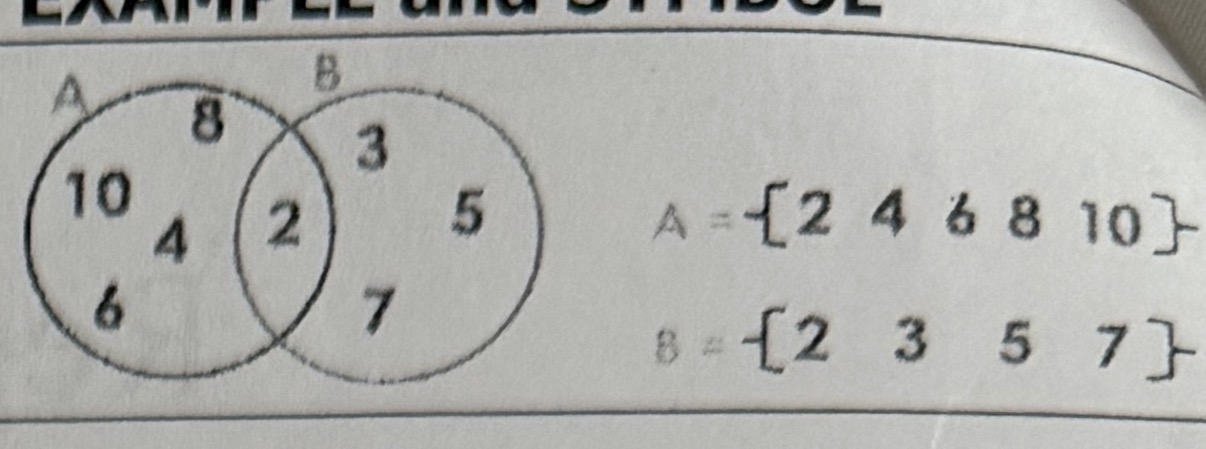
Set
A collection of objects such that it is possible to determine whether a given object belongs to the collection or not.
Point
An undefined term represented by a dot and named by a capital letter. It has no length, width, or thickness.

Line
An undefined term describing an infinite set of points extending endlessly in both directions.

Plane
An undefined term describing a set of points that form a flat surface extending endlessly in all directions.

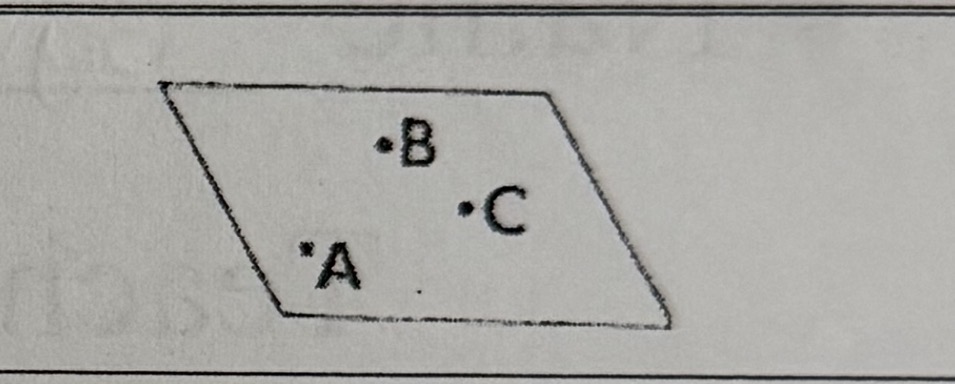
Coplanar points
Points that lie on the same plane.
Line Segment
A set of points consisting of two points on a line, called endpoints, and all of the points on the line between the endpoints.

Congruent Segments
Segments that have the same measure.

Collinear points
A set of points all of which lie on the same straight line.

Noncollinear points
A set of three or more points that do not all lie on the same straight line.

Parallel Lines
Coplanar lines that have no points in common and never intersect.

Ray
A part of a line that consists of a point on the line, called an endpoint, and all the points on one side of the endpoint.

Angle
Set of points that is the union of two rays having the same endpoint. | ||

Adjacent Angles
Two angles that have a common side and a common vertex.
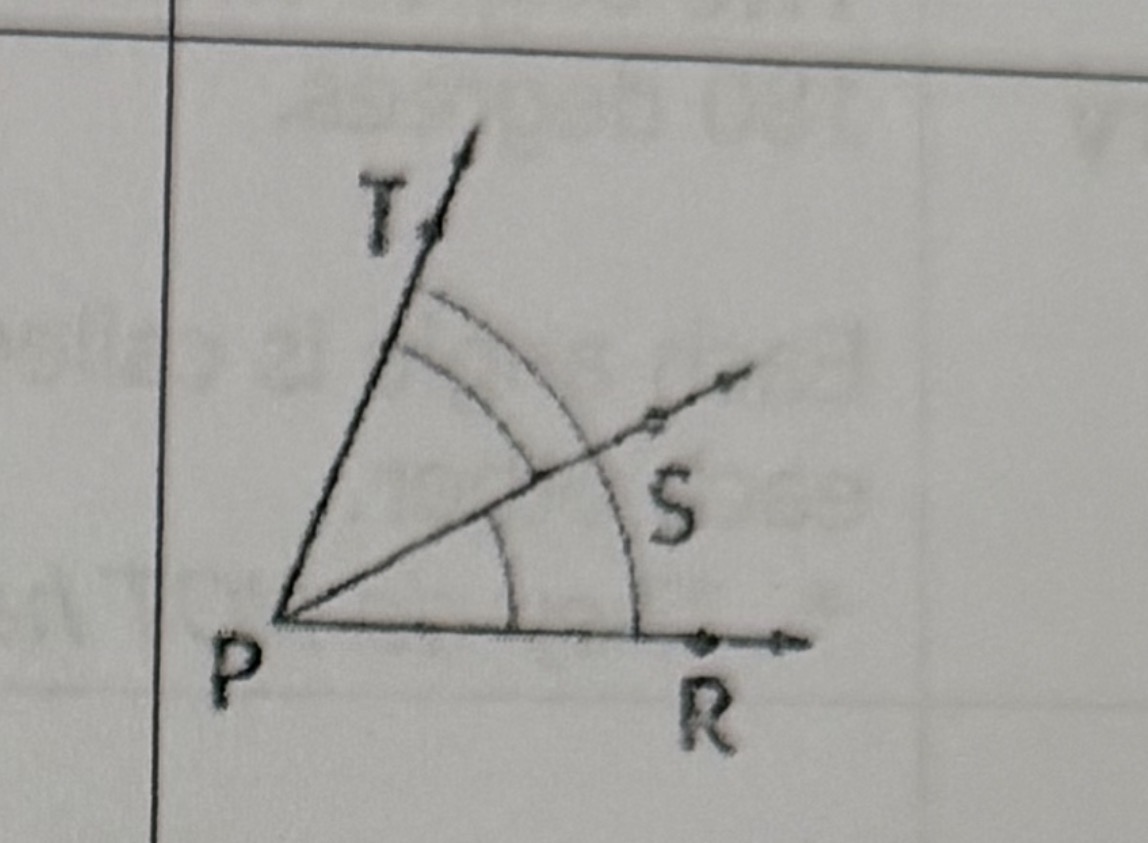
Acute Angle
An angle that measures greater than 0⊤ and less than 90⊤.

Right Angle
An angle that measures exactly 90⊤.

Perpendicular Lines
Two lines that intersect to form congruent right angles (90⊤ angles).

Obtuse Angle
An angle that measures greater than 90⊤ and less than 180⊤.

Straight Angle
An angle that measures 180⊤.

Complementary Angles
Two angles whose measures add to 90⊤. Each angle is called the complement of each other, and they do not have to be adjacent.

Supplementary Angles
Two angles whose measures add to 180⊤. Each angle is called the supplement of each other, and they do not have to be adjacent.

Linear Pair
Angles that share a common vertex and form a straight line. Linear pairs are supplementary.

Angles around a point
Adjacent angles around a point that have measures that add to 360⊤.
