unit one: evolution
 Call Kai
 Learn
Learn Practice Test
 Spaced Repetition
 Match
Match Flashcards
 Knowt Play
1/18

There's no tags or description
Looks like no tags are added yet.
Name | Mastery | Learn | Test | Matching | Spaced | Call with Kai | Chat |
|---|
No analytics yet
Send a link to your students to track their progress
19 Terms
describe how scientists developed the present-day theory of evolution
studying how organisms interact with their environment
how populations change over time
ecological pressures promote natural selection and genetic diversity
define adaptation
a heritable trait that aids an organism’s survival and reproduction in its present environment
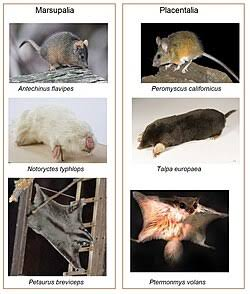
explain convergent evolution
similar traits that evolve independently in species that do not share a common ancestor.

define divergent evolution
species that evolve in different ways from a common point.
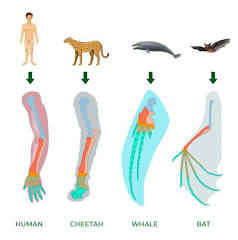
describe homologous structures
anatomy in different species that share a common origin and bone structure, even if they have different functions
describe vestigial structures
anatomical parts that lost their original function over the course of evolution
discuss misconceptions about the theory of evolution
individuals can evolve. individuals do NOT evolve, populations evolve
organisms evolve “on purpose”. natural selection is RANDOM and acts on variation among individuals in the population
all evolution is due to natural selection. evolution can occur through 5 evolutionary forces: random genetic drift, non-random mating, mutation, migration, and natural selection
define species
species: ability to interbreed in nature and produce viable and fertile offspring
describe scientists identify species as different
a group of organisms whose members possess similar anatomical characteristics and have the ability to interbreed.
describe genetic variables that lead to speciation
identical populations must diverge
reproductive isolation must evolve to maintain differences
define prezygotic isolating mechanisms
prevent the formation of zygotes (no hybrids)
identify prezygotic reproductive barriers
geographic isolation: species occur in different areas
ecological isolation: utilizing different portions of the same environment
behavioral isolation: courtship rituals
temporal isolation: varying breeding seasons
mechanical isolation: reproductive structural difference
gametic barrier: biological block that stops sperm and eggs from fusing
define postzygotic isolating mechanisms
reproduction has occurred, prevents proper functioning of zygotes after they form (reproduced hybrid fitness)
identify postzygotic reproductive barriers
hybrid sterility
abnormal sexual organ development
chromosome alterations
explain allopatric and sympatric speciation
allopatric: speciation in populations that are spatially separated (things found in different environments) MOST COMMON
sympatric: speciation that occurs in the same environment
defines types of polyploidy
autopolyploidy: occurring in the same species
allopolyploidy: occurring between two species
describe adaptive radiation
process producing a cluster of species, occupying similar habitats, all evolving from a recent ancestor
describe pathways of species evolution in hybrid zones
reinforcement: selection will act on traits that reinforce mating with individuals who do not have alleles that reduce the fitness of offspring
fusion: reproductive barriers weaken until species become one
stability: fit hybrids continue to be produced
explain the two major theories on rates of speciation
punctuated equilibrium: evolution proceeds in spurts, with long periods of little movement in between
gradualism: slow rate of gradual change