Contemporary Art Midterms
 Studied by 0 people
 Call Kai
 Learn
Learn Practice Test
 Spaced Repetition
 Match
Match Flashcards
 Knowt Play
1/9

There's no tags or description
Looks like no tags are added yet.
Name | Mastery | Learn | Test | Matching | Spaced | Call with Kai |
|---|
No analytics yet
Send a link to your students to track their progress
10 Terms
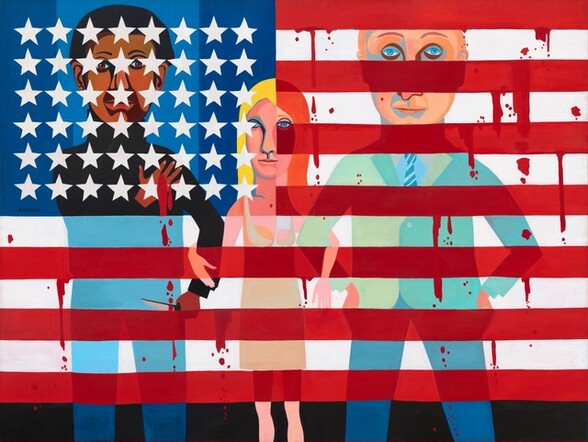
Faith Ringgold, The American People Series #18: The Flag is Bleeding, 1960s, Black Arts Movement
explores themes of race, gender, and patriotism by depicting a Black man, a white woman, and a white man interlocking arms within an American flag dripping with blood, symbolizing the wounds of racial injustice and conflict.
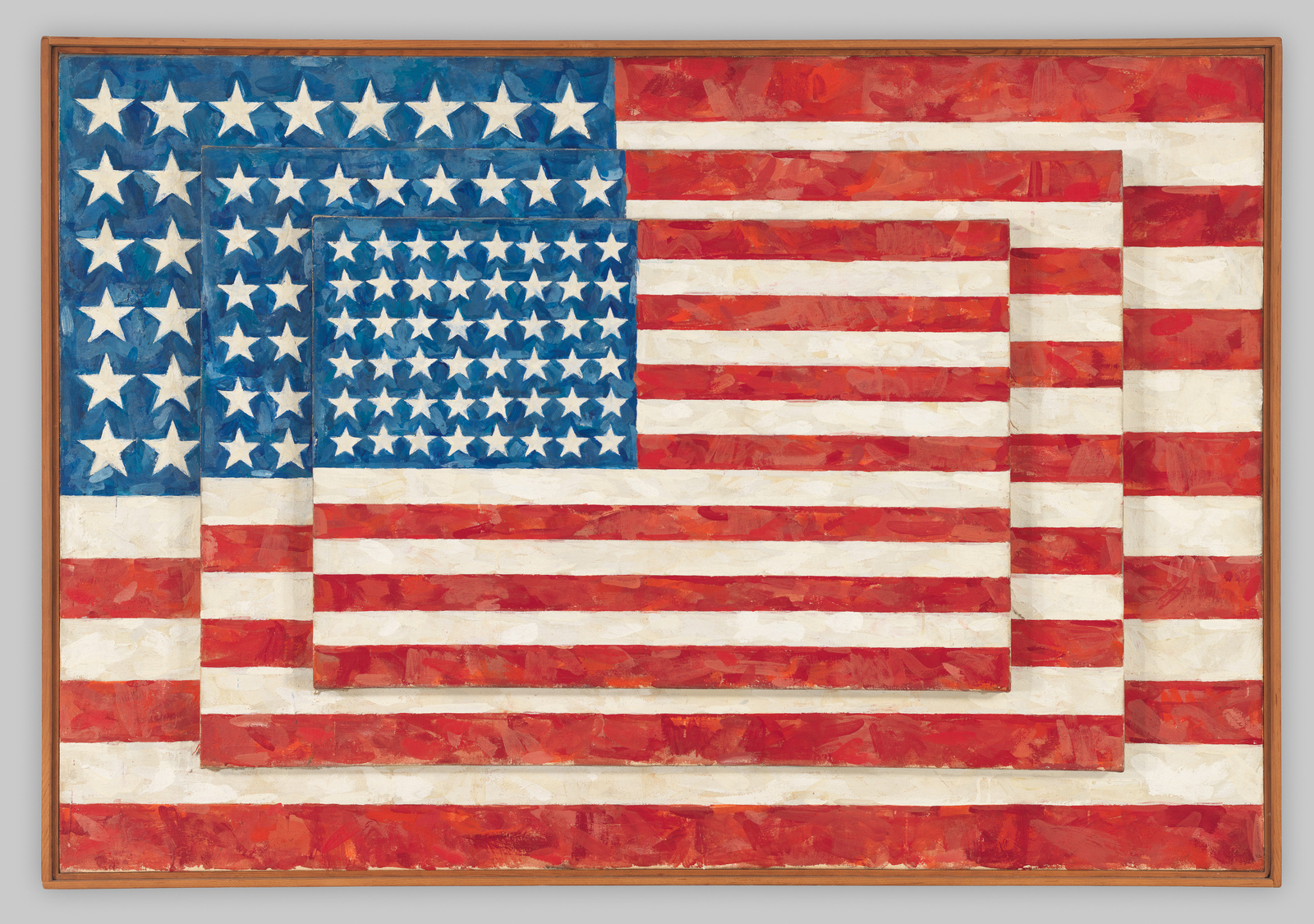
Jasper Johns, Three Flags, 1950s, Neo Dada
explores the artist's interest in familiar, everyday objects and symbols, prompting viewers to examine them beyond their surface meaning.
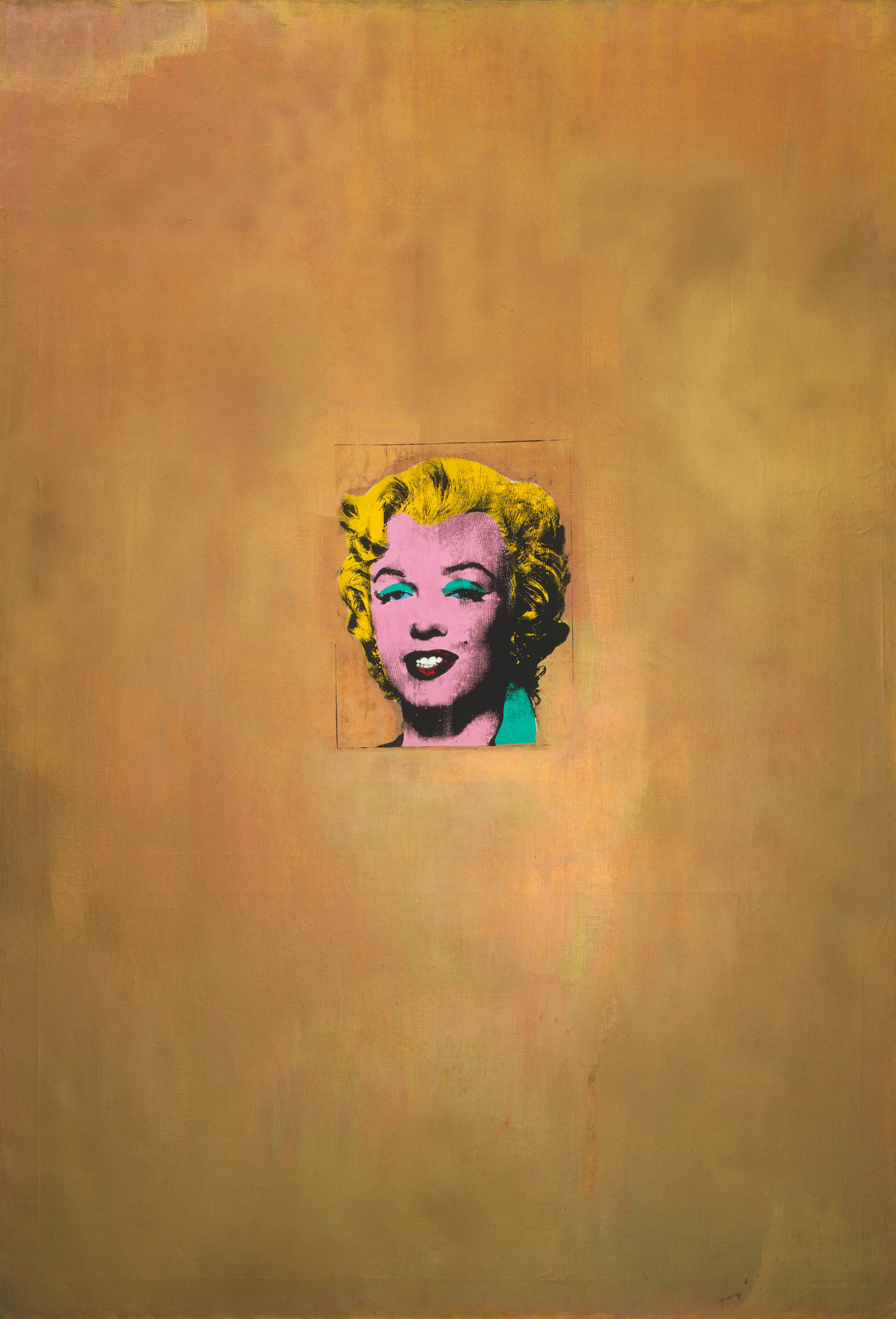
Andy Warhol, Gold Marilyn Monroe, 1960s, Pop Art
a silkscreen painting that explores celebrity, tragedy, and the nature of fame, using a gold background and a photograph of Marilyn Monroe as its subject, mirroring Byzantine icons and Warhol's exploration of pop culture.
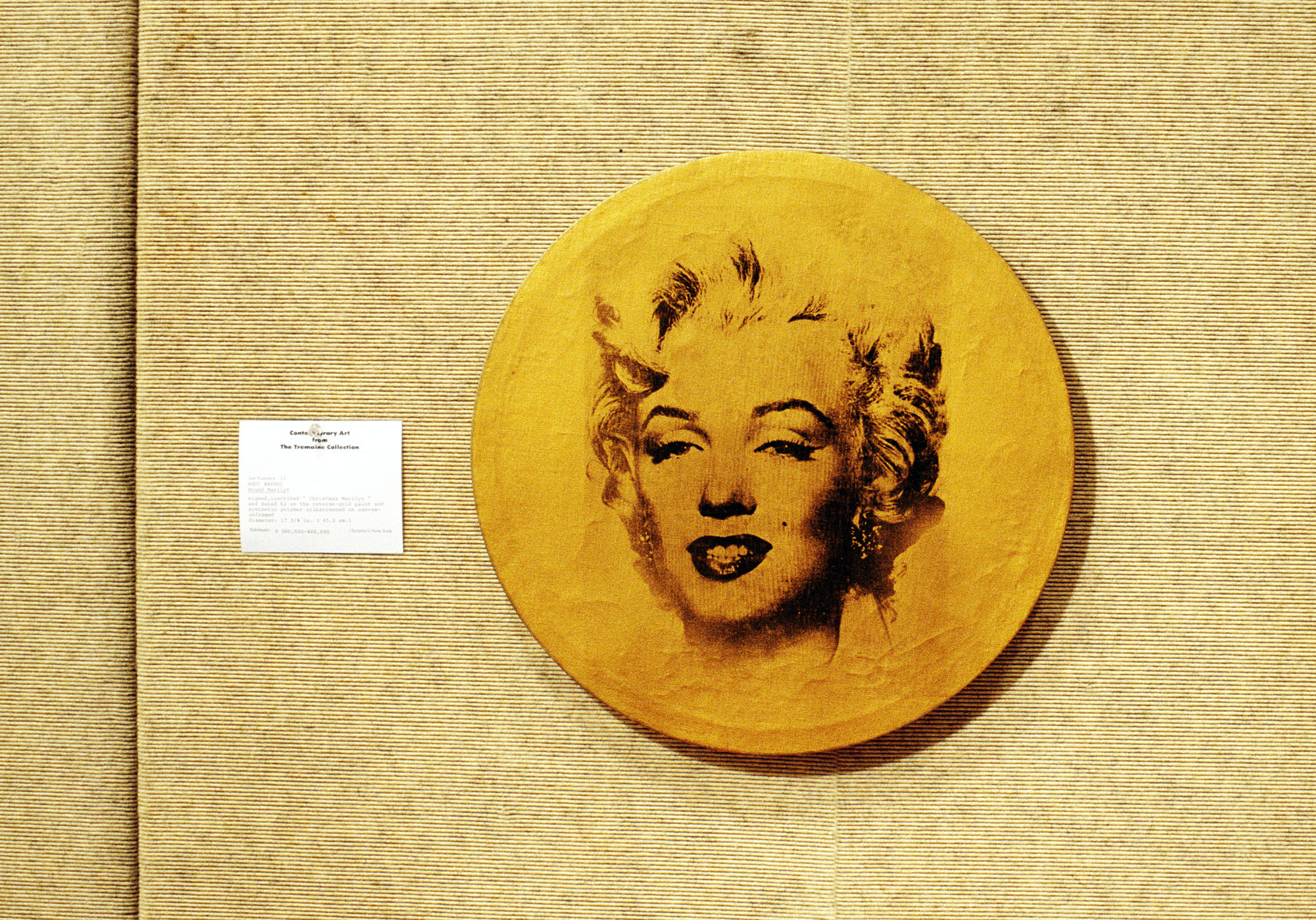
Louise Lawler, “Does Andy Warhol Make You Cry?”, 1980s, Appropriation Art
explores the commercialization and commodification of art by presenting Andy Warhol's "Round Marilyn" (1962) in the context of a Christie's auction, with a label asking the titular question.
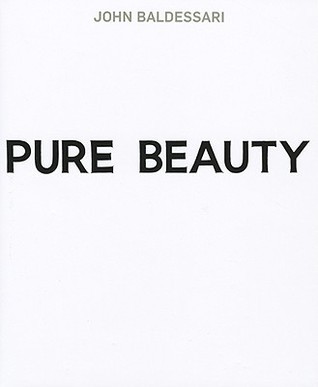
John Baldessari, Pure Beauty, 1960s, Conceptual art
explored the relationship between language and image, using text and found photographs to question the conventions of art production and the nature of perception, often with a sense of humor.
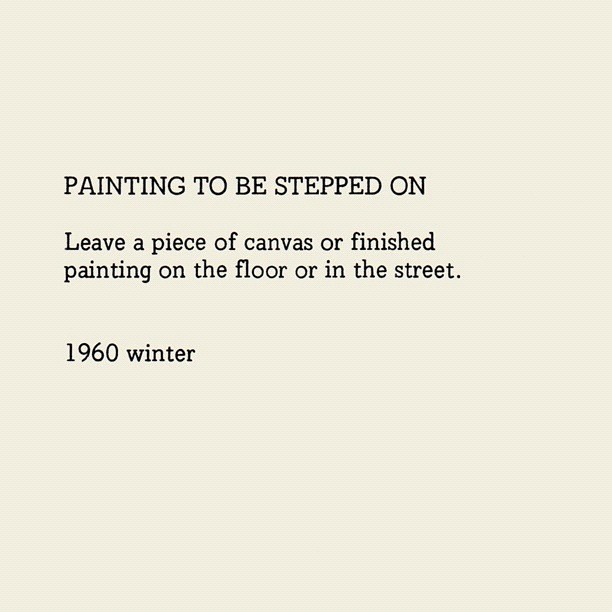
Yoko Ono, Painting to be Stepped On, 1960s, Conceptual Art
a conceptual artwork, part of her early Fluxus and Conceptual art explorations, that invited audience participation by inviting viewers to literally step on the canvas.
Barnett Newman, Broken Obelisk, 1960s, minimalism
a sculpture that balances a steel pyramid with an inverted obelisk, interpreted as a universal monument to humanity, a lament for broken dreams, or a commentary on social unrest and the Civil Rights Movement.

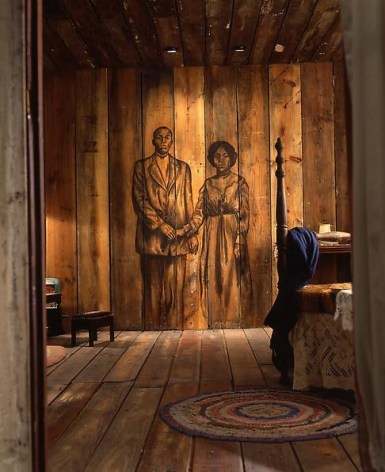
Whitfield Lovell, Whispers from the Walls, 1990s, installation art
an installation that delves into themes of history, memory, and the lives of anonymous African Americans
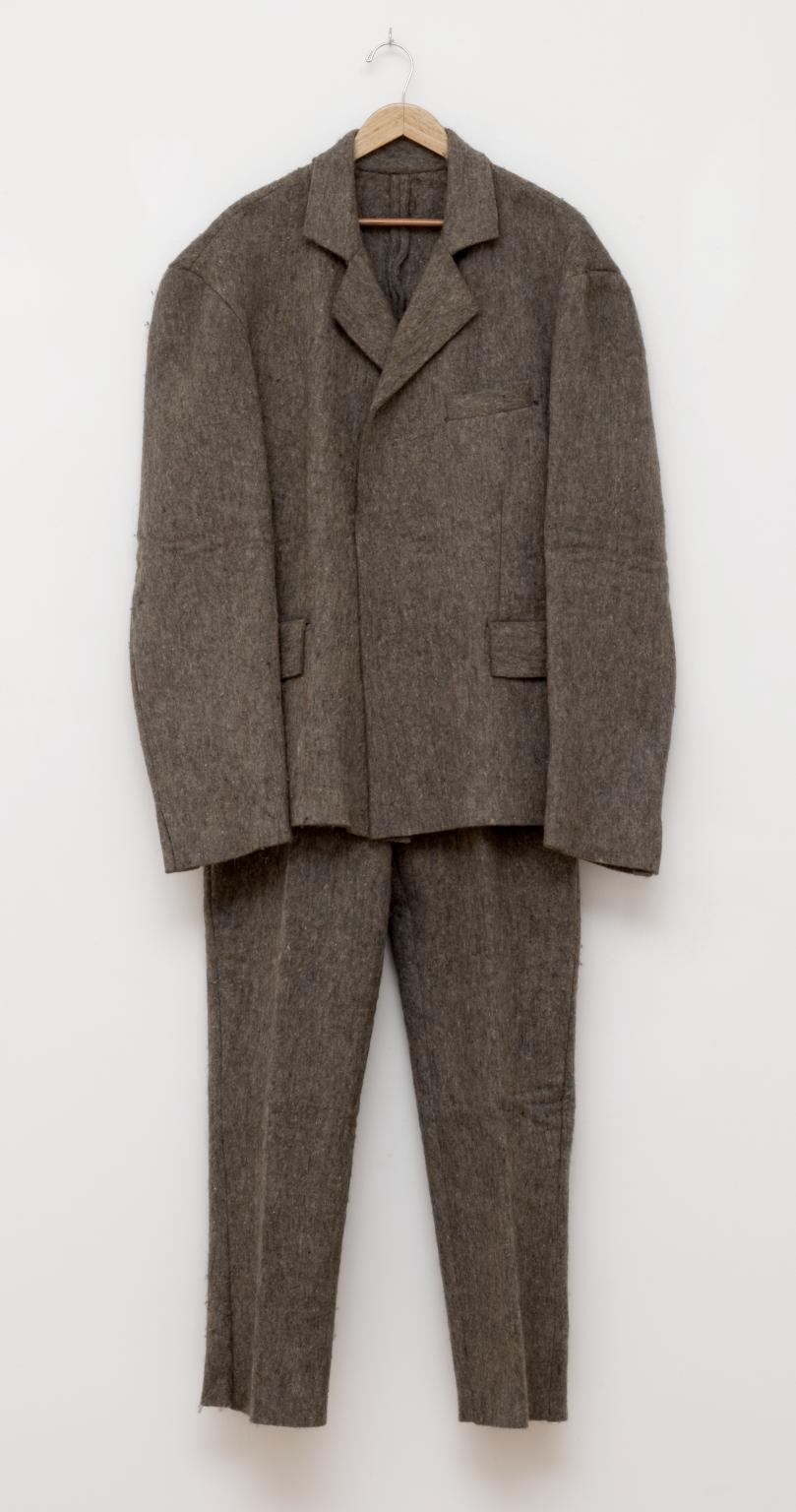
Joseph Beuys, Felt Suits, 1970s, conceptual art
uses felt—symbolizing warmth and protection—to express human vulnerability and the need for social healing. As a "multiple," it aimed to democratize art. Linked to his performances, it reflects Beuys's belief in art as a tool for social change and a personal symbol of survival.
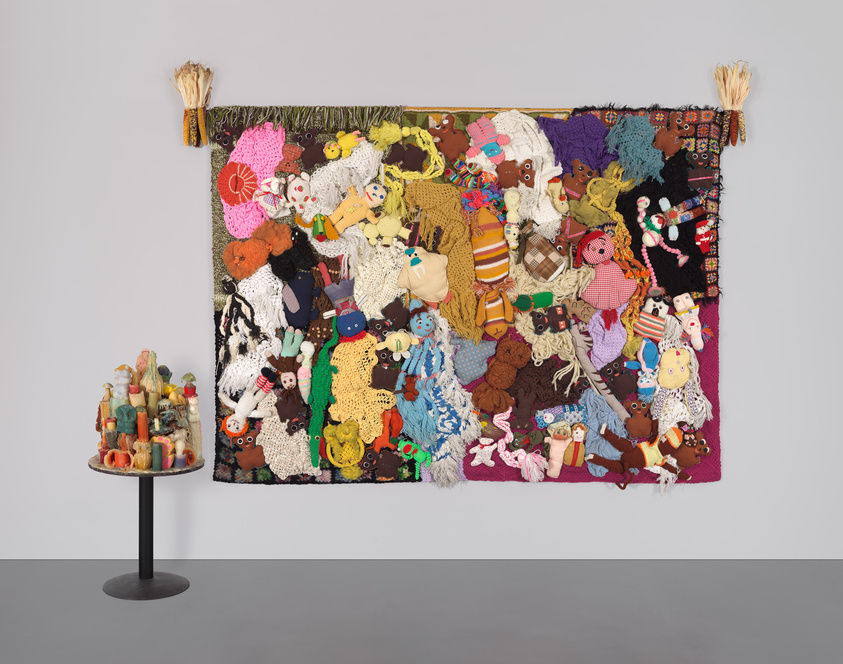
Mike Kelley, The Wages of Sin and More Hours That Can Never Be Repaid, 1980s, post-modernist (appropriation, abject, commodity)
use discarded toys and afghans to explore the darker side of childhood and domesticity. They critique social norms, delve into repressed memories and the "abject," and expose the psychological unease hidden beneath seemingly innocent surfaces
 Note
Note  Flashcards (421)