109c quiz 3 + amino acids
 Call Kai
 Learn
Learn Practice Test
 Spaced Repetition
 Match
Match Flashcards
 Knowt Play
1/157

There's no tags or description
Looks like no tags are added yet.
Name | Mastery | Learn | Test | Matching | Spaced | Call with Kai | Chat |
|---|
No analytics yet
Send a link to your students to track their progress
158 Terms
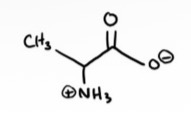
Alanine Ala or A
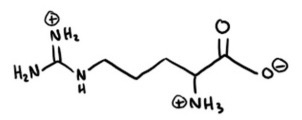
Arginine Arg or R
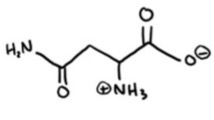
Asparagine Asn or N
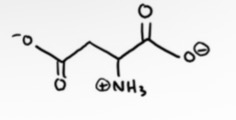
Aspartate Asp or D
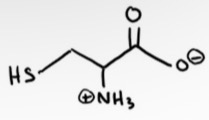
Cysteine Cys or C
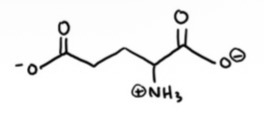
Glutamate Glu or E
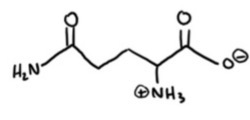
Glutamine Gln or Q
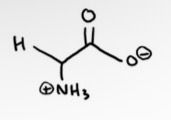
Glycine Gly or G
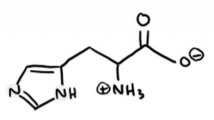
Histidine His or H
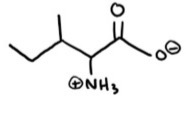
Isoleucine Ile or I
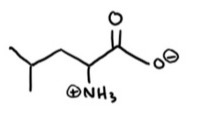
Leucine Leu or L
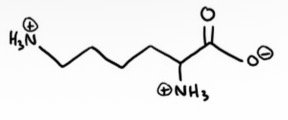
Lysine Lys or K
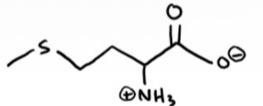
Methionine Met or M
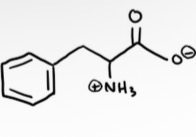
Phenylalanine Phe or F
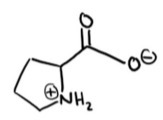
Proline Pro or P
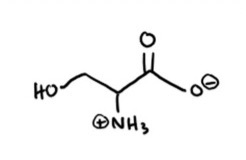
Serine Ser or S
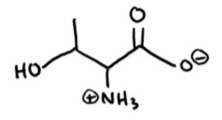
Threonine Thr or T
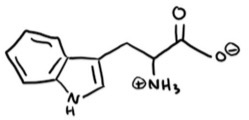
Tryptophan Trp or W
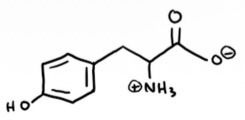
Tyrosine Tyr or Y
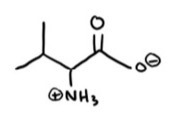
Valine Val or V
catalysis
substance that increases the rate of a chemical rxn w/o being consumed
decreases activation energy
catalysis speed up a rxn by
increase the reactivity of the electrophile
increase the reactivity of the nucleophile
increase the l.g. propensity
increase the stability of the TS
acid catalysts
will increase the rate of rxn by donating a proton to the reactant
acid-catalyzed ester hydrolysis

two types of acid catalysts
specific-acid catalysts
general-acid catalysis
specific-acid catalysis
proton is fully transferred to the reactant before the slow step. seen w/ strong acids
general-acid catalysts
proton is transferred to the reactant during the slow step. seen w/ weak acids
specific-acid
is this the first slow step of specific or general acid?
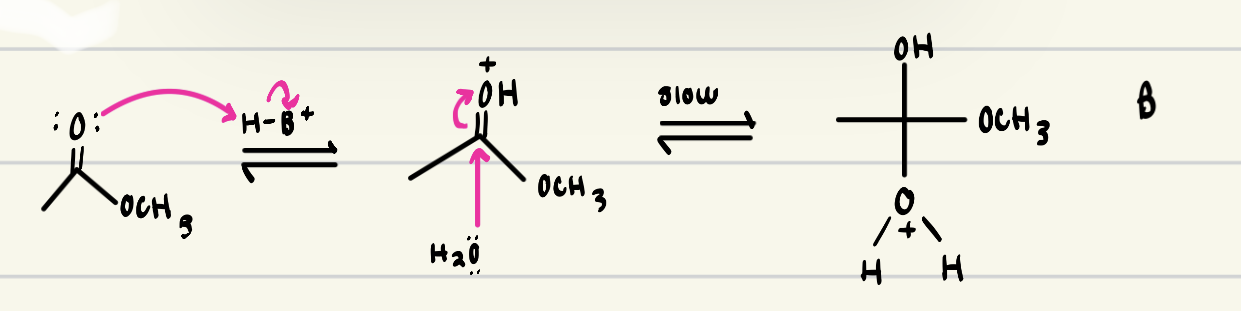
general-acid
is this the first slow step of specific or general acid?
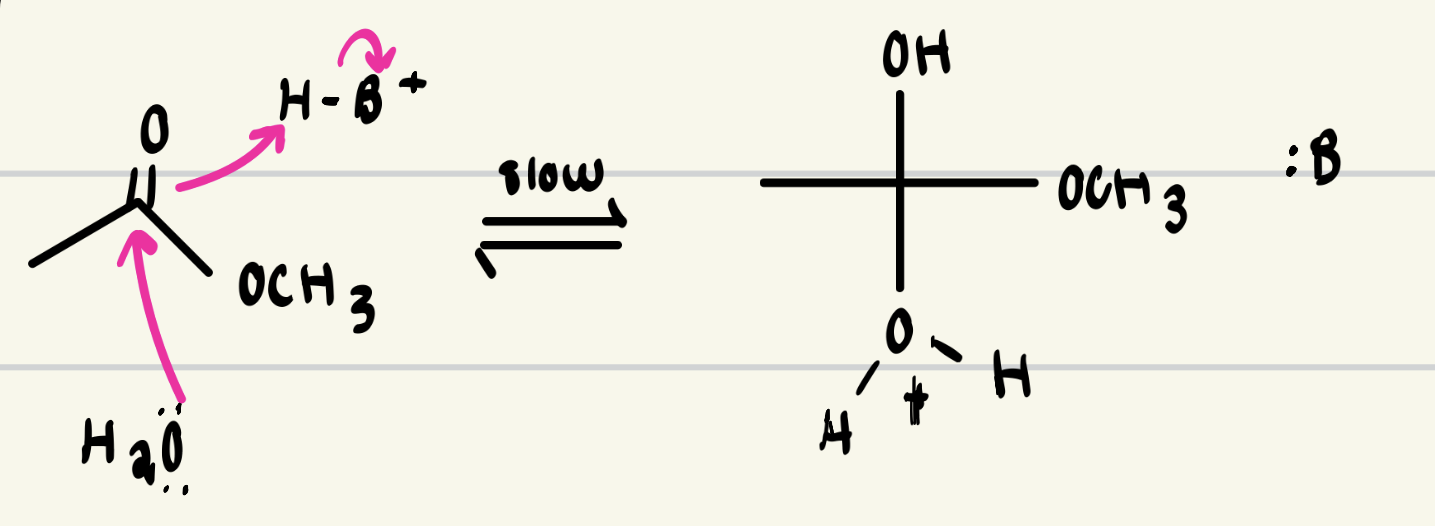
specific-acid
is this the second slow step of specific or general acid?
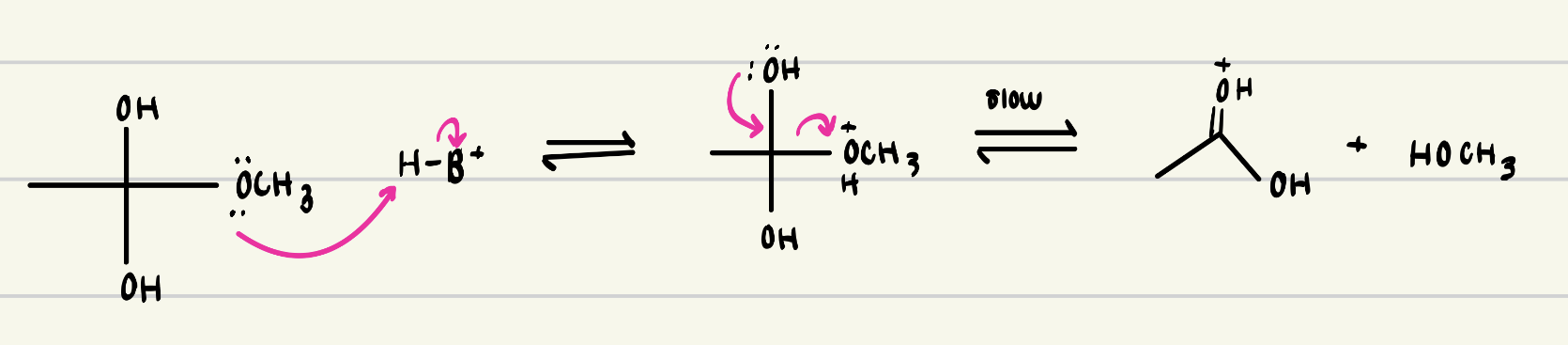
general acid
is this the second slow step of specific or general acid?
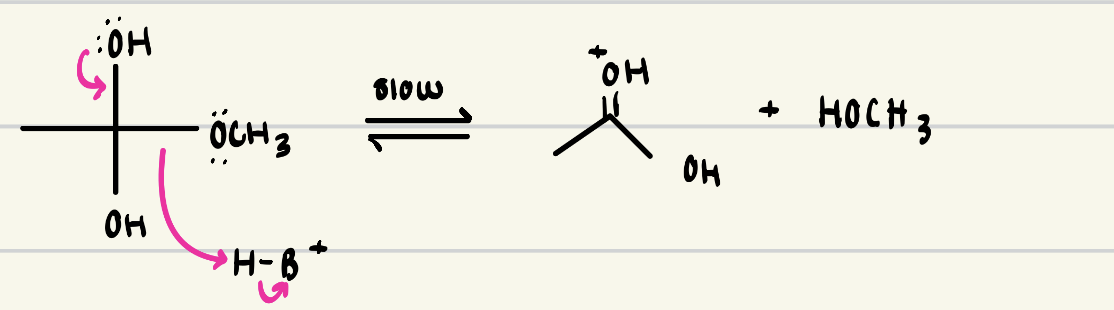
base catalysis
will increase the rate of rxn by removing a proton from the reactant
specific base catalysis
proton is completely removed before the slow step. seen w/ strong bases
general-base catalysis
proton is removed during the slow step. seen w/ weak bases

specific-base catalysis

general-base catalysis
enzymes use ___ catalysts, acid + base
general
nucleophilic catalysis
will increase the rate of rxn by reacting as a nuc to form a covalent bond w/ the reactant
examples of nucleophile catalysis
SN2 rxn, ester hydrolysis

catalyzed SN2 rxn (nucleophile catalysis)
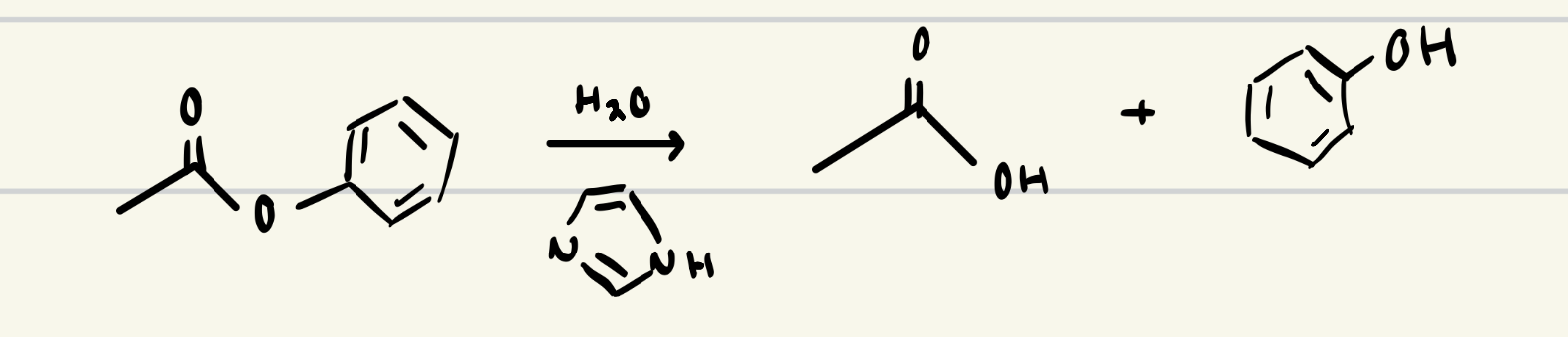
catalyzed ester hydrolysis (nucleophile catalysis)
metal ion catalysis
use lewis acids to speed up a rxn
how do lewis acids work to speed up rxns (metal ion catalysis)
Make the electrophile more electrophilic
make a leaving group into a better leaving group (weaker base)
increase the rate of hydrolysis by increasing H2O nucleophilicity
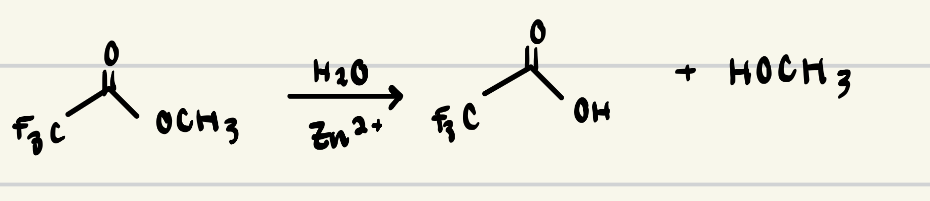
metal ion catalysis
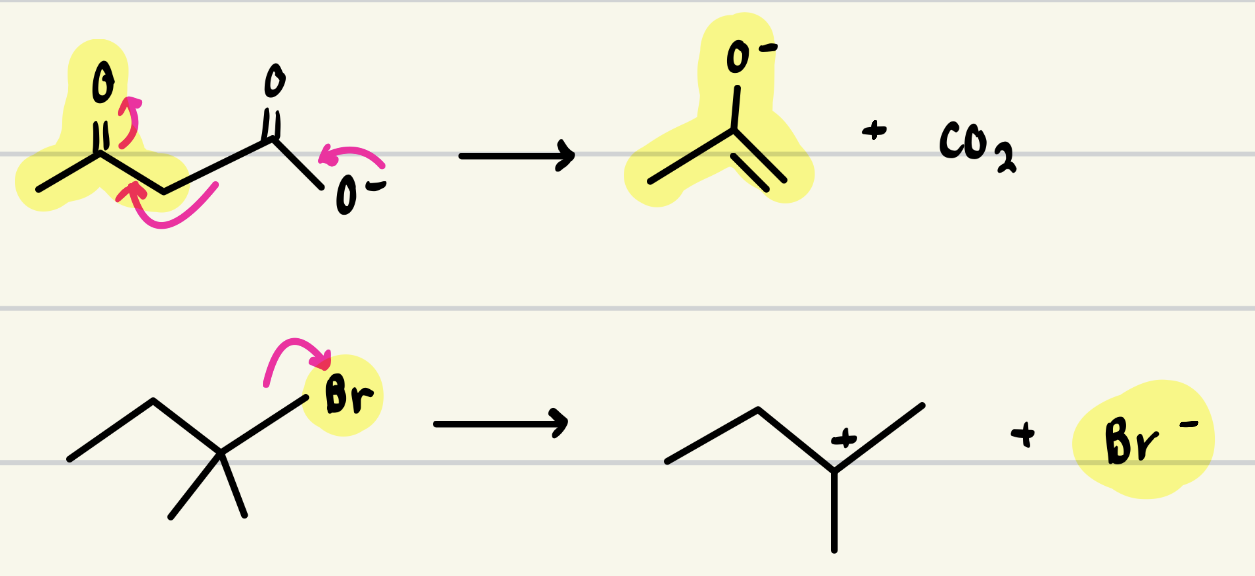
decarboxylation
are biological catalysts
enzymes
substrate —?—> product
enzyme
active site
region of an enzyme that binds the substrate to carry out a chemical reaction
lock-and-key model
enzyme (lock) and substrate (key) that have specific features that fit exactly into one another (outdated)
induced-fit model
enzyme and substrate bonding model that says the active site doesn’t become completely complimentary to the shape of the substrate until the enzyme has bound the substrate (enter into active site and gets encapsulated once enzyme binds)
how enzymes catalyze reactions
Hold reacting groups in proper orientation for a rxn to occur.
aa side-chains act as acid, base, or nucleophilic catalysts (many 1/3 also have metal ions)
aa side-chains can stabilize the t.s. through H-bonding, electrostatic interactions, or LDF’s
*can use many at the same time
endopeptidase
all known as serine proteasees because they use serine to catalyze peptide bond cleavage
endopeptidase catalyte triad
acid: Asp
base: His
nucleophilic: Ser
endopeptidases
trypsin, chymotrypsin, elastase
trypsin
cleaves peptide bond on C-terminal side of Arg + Lys
chymotrypsin
cleaves peptide bond on C-terminal side of Phe, Tyr, and Trp
Elastase
cleaves peptide bond on C-terminal side of Gly, Ala, Ser, and Val
is what gives specificity
binding pockets
site specific mutagenesis
a technique that replaces a single aa in the primary sequence with another
metal ion cofactor
helps to bind and hold a substrate in a particular orientation in the active site
helps to catalyze the rxn
coordinate with groups on the enzyme to stabalize
how does the metal ion cofactor help catalyze the rxn
by increasing substrate electrophilicity or H2O nucleophilicity
organic molecular cofactors “coenzymes”
used to help carry out reactions that amino acid side chains cannot on their own
what are organic molecular cofactors “coenzymes” derived from
vitamins
examples of organic molecular cofactors “coenzymes”
NAD+, NADPH, FAD, Biotin, TPP
What reactions do organic molecular cofactors “coenzymes” help carry out that aa side chains cannot on their own?
redox rxns, act as electron sinks, activating groups, provide stronger base/nucleophile
electron sink
groups that electrons can be delocalized into
Niacin is needed for ____ reaction
redox
what role does Niacin play in redox rxns
oxidizes or reduces the substrate
Oxidizes:
NAD+ is reduced to NADH (NAD+ acts as electron sink)e
Reduces:
NADPH is oxidized to NADD+
FAD is reduced to
FADH2
FAD enzymes are also often dependent on ______ to reoxidize
FADH2 —> FAD
NAD+
TPP is used to
catalyze the transfer of acyl groups to electrophiles
Hell-Volhard-Zelinkski rxn description
adds bromo to alpha carbon of carboxylic acid
Hell-Volhard-Zelinkski Reagents
Br2, PBr3
H2O
1° structure
sequence of aa and location of disulfide bridges
2° structure
description of the backbone of a protein
3° structure
3-D structure of a protein
4° structure
(if more than one polypeptide) the way dif chains are arranged with respect to each other
1st step in determining sequence of amino acids?
reducing disulfide bride to obtain an external chain
polypeptide —?—-> aa
6 M HCl
100°c for 24 hours
how to determine the N terminal amino acid?
(left end) use edman’s reagent
how to determine the C terminal amino acid?
(right end) use a carboxypeptidase
endopeptidases
enzymes that catalyze the hydrolysis of a peptide bond that is not at the end of the peptide chain
trypsin, chymotrypsin, elastase
Where does trypsin cleave?
the c-side of Arg and Lys
where does chymotrypsin cleave?
c-side of aromatic 6-membered rings (Phe, tyr, trp)
where does elastase cleave?
c-side of small aa’s Gly, ala, ser, val
cyanogen bromide purpose
hydrolyzes the peptide bond on the c-side of methionine (cleaves)
factors that determine backbone folding
regional planarity of each peptide bond (limits conformation)
H-bonding between carbonyl O of one aa and amide H of another
the need for seperation between neighboring R groups to avoid steric strain and repulsion of like charges
description of alpha helix
side chains of the aa’s protrude outward (less steric strain), stabalized by H-bonds, clockwise direction
description of beta pleated sheet
H-bonding occurs BETWEEN neighboring peptide chains
for 3° structure, each stabalizing interaction releases what?
free energy (-delta G°)
stabilizing interactions for tertiary structure
disulfide bonds, H-bonds, electrostatic attractions (between opp. charges), hydrophobic interactions
can be between peptide groups, side chains, or both
electrostatic attractions definition
between opposite charges
hydrophobic interactions
between nonpolar groups in the protein, increased stability by increased entrophy of water molecules
what are quarternary structure subunits held together by
hydrophobic interactions, H-bonding, and electrostatic attraction
for quarternary structure, greates S.A.: volume ratio = ?
highest % of polar aa’s
what can degrade proteins?
changing pH (disrupt electrostatic attraction)
urea + guanidine (form stronger H-bonds)
organic solvents (associate w/ nonpolar groups. and disrupt hydrophobic interactions)
heat/agitation (disrupt attractive force)
what aa’s will have lower pka values?
electron withdrawing, more electroneg=more electron withdrawing
trypsin will not cleave if lys or arg is followed by ___?
Pro
which aa will be eluded first?
the most positive, the most neg will be eluded last
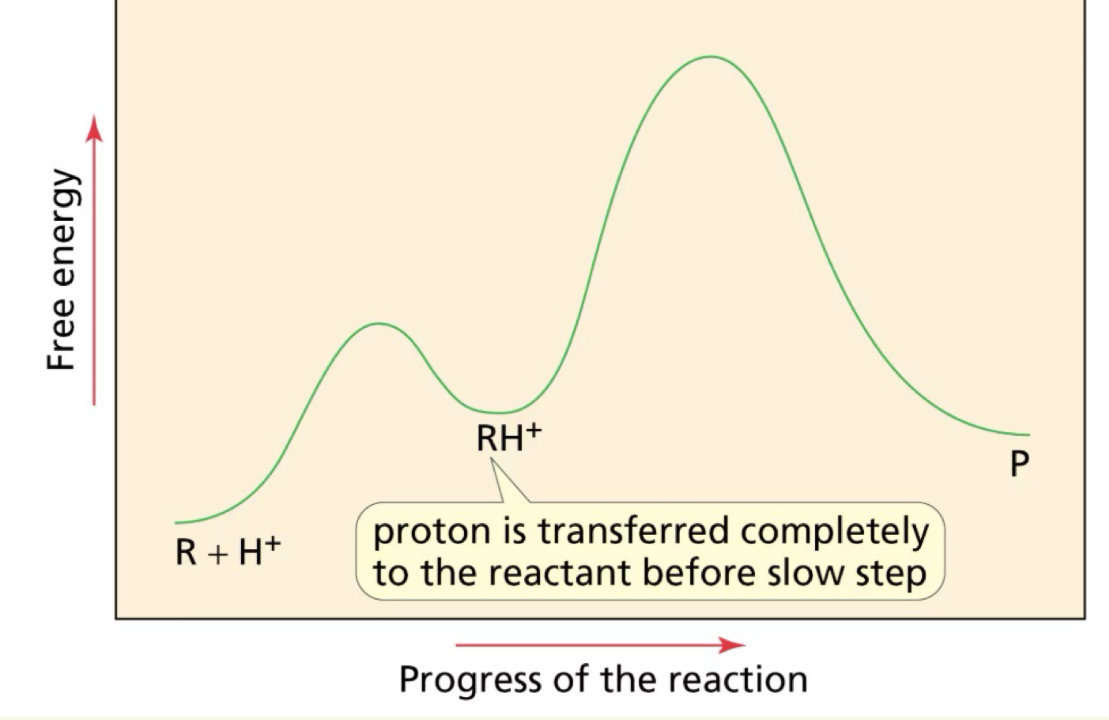
free energy diagram for specific or general acid catalysts?
specific-acid catalyst