Micro - lecture quiz 1
 Call Kai
 Learn
Learn Practice Test
 Spaced Repetition
 Match
Match Flashcards
 Knowt Play
1/56

Earn XP
Description and Tags
Lectures 1, 2, 3 4a
Name | Mastery | Learn | Test | Matching | Spaced | Call with Kai | Chat |
|---|
No analytics yet
Send a link to your students to track their progress
57 Terms
what are microbes?
microbes are cells and infectious agents that can not be seen with the naked eye (ex: bacteria, viruses, protozoa)
In general, how small are microorganisms?
<0.2 mm or 200 um
1 meter =
1000 mm
1 mm =
1000 um
Bacteria
unicellular prokaryotic microbes. cell walls made of peptidoglycan. about 2 um on average.
round
cocci
rod
bacilli
spiral
spirillum
fungus
Domain Eukarya, Kingdom fungi. Saprobes with chin cell wall. absorbs nutrients from environment
protozoa
Domain Eukarya. Kingdon protista. Unicellular organisms. Contain cilia, flagella, or pseudopodia (ex. giardia)
helminths
Domain eukarya. kingdom animalia. multicellular parasitic worms. Microscopic as egg
viruses
nonliving infectious agents. unicellular. obligate parasites. simple structure of nucleic acid (DNA or RNA) and protein coat
prions
protein infectious agent causing fatal neurodegenerative diseases. ex: bovine spongiform encephalophy)
algae
domain eukarya. kingdom protists. unicellular or multicellular photosynthetic organism. cellulose cell wall
What is the distinguishing ft of archaea?
They are extremists. Thermophile and Halophiles. Methanogens (associates with the gut of cows)
Who was the first to observe microorganisms?
Anthony van Leeuwenhoek in the early 1700s.called them animalcules.
Thomas Brock
a microbiologists that discovered the bacteria Thermus aquaticus, which withstands the high temperatures of yellowstone.
Kelly Mullis
created PCR following the discovery of Thermus aquaticus utilizing the enzyme TAQ Polymerase.
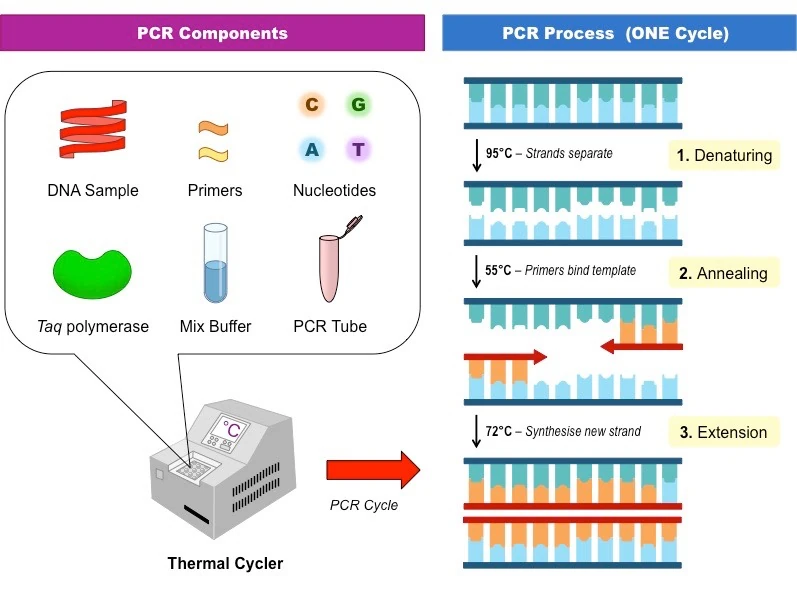
Polymerase Chain Reaction (PCR)
Molecular photocopying that that copies specific segments of DNA. Requires high heat, hence the use of TAQ polymerase
How did Francoi Redi change the way we think about living organisms?
He hypothesized that maggots form only when flies are present and ultimately came to dispute spontaneous generation.
biogenesis
life arises only from living organisms, which may be too small to see.
carolus linnaeus
developed the binomial nomenclature

rhizopus
bread mold
elements of living organisms
“CHONPS” = carbon, hydrogen, oxygen, nitrogen, phosphorous, sulfur
hydrogen bonds
attraction based off of partial charges of molecules
hydroxyl
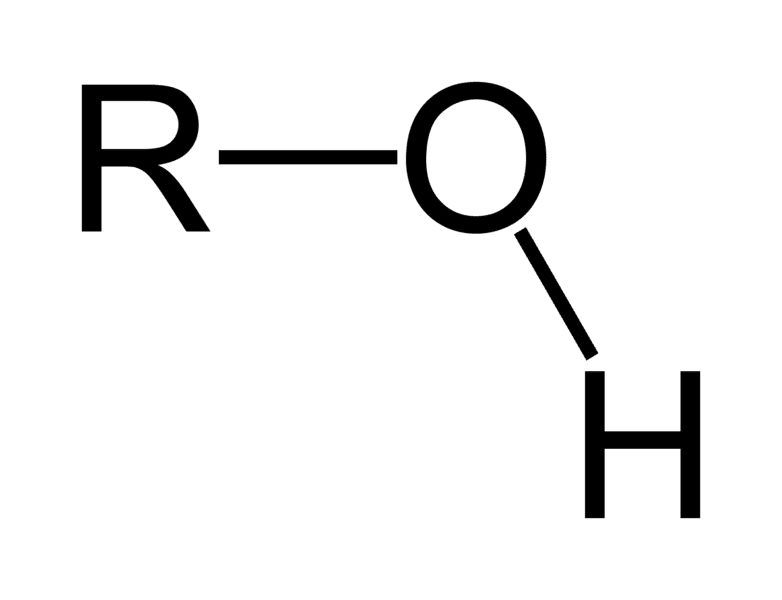
aldehyde

amino
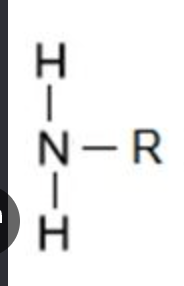
phosphate

sulfhydryl

carboxyl
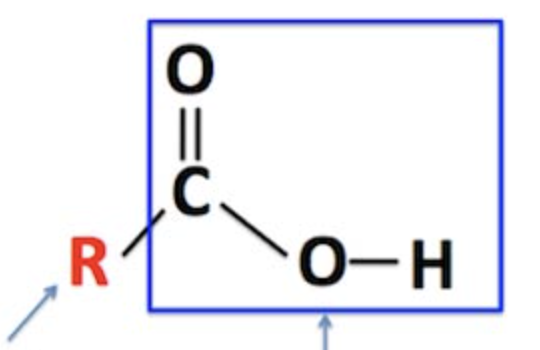
dehydration synthesis reaction
the joining of monomer units by losing water

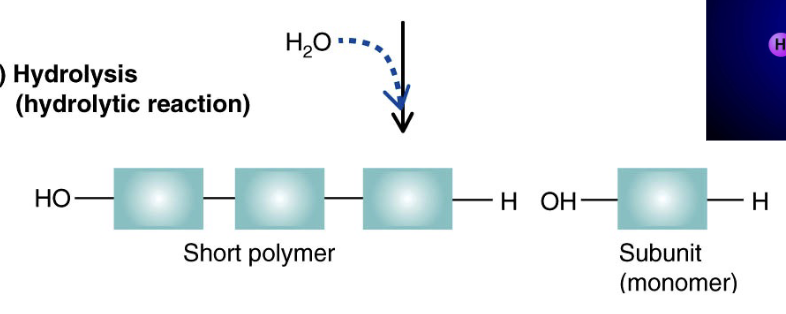
hydrolisis
polymers breakdown by addition of water
carbohydrates
“CHO” linked via glycosidic bonds shaped in ring structure. Monosaccharides, disaccharides, polysaccharides
carbohydrates general strucutre
CH2O (H is always double the C and O)
monosaccarides
ribose, glucose, fructose
disaccharides
sucrose
polysaccharides
glycogen and cellulose
functions of carbohydrates
structural supports (cellulose and peptidoglycan)
attachment sites on surface (allow microbes to stick to surfaces)
food sources for many organisms
storage material (glycogen and starch)
Simple Lipids
CHO only. monomer units of 1 glycerol molecule + 1-3 fatty acids
triglycerides
a simple lipid made of long chain of C used as fuel sources for cells.
saturated vs unsaturated fats
saturated fats
simple lipid —> triglycerides. single bonds that gels at room temp

unsaturated fats
simple lipids —> triglycerides. contain double bonds that are liquids
complex lipids
CHO + others. Phospholipids
phospholipids
complex lipid amphipathic molecule containing: phosphate group, glycerol, saturated, and unsaturated fat.
proteins
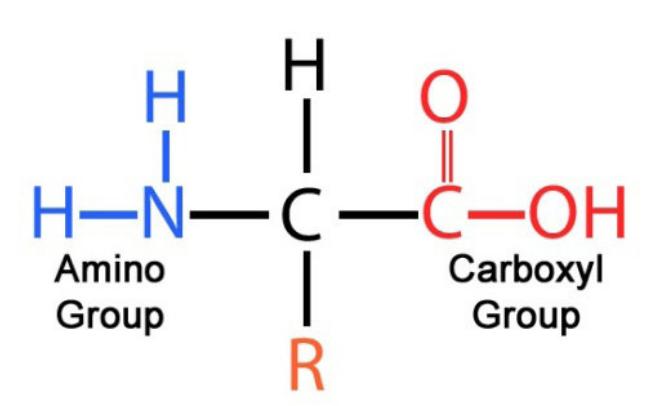
CHONS. formed by amino acids. overall function is important for function and folding matters. monomer units: amino, carboxyl, H, C, R
protein molecular structure
peptides
covalent bonds between 2 amino acids
acid
a molecule that donates an excess of hydrogen ions
base
a molecule that takes hydrogen ions
whats the difference between simple and complex lipids ?
simple lipids only contain CHO, while complex lipids contain CHO and other components
what are membranes composed of? The molecules have what characteristics?
membranes are composed of phospholipids that are amphipathic. Meaning they are both hydrophilic and phobic
nucleic acid
CHONP. forms DNA and RNA. monomer is nucleotides that are made of a phosphate, sugar, and nitrogen base.
components of a nucleotide for DNA
phosphate
5-carbon sugar (deoxyribose)
nitrogen base (A,T,C,G)
whats the difference between a peptide and a polypeptide?
peptides are 4-9 amino acids, while polypeptides are many amino acids joined together with an amino and carboxyl terminus on each end.
polypeptide

functions of proteins
enzymes
transporters
movement
toxins