Cinematography: Camera Shots and Techniques
 Call Kai
 Learn
Learn Practice Test
 Spaced Repetition
 Match
Match Flashcards
 Podcast
1/26

Earn XP
Description and Tags
A set of vocabulary flashcards covering various camera shots, angles, movements, and focus techniques used in cinematography.
Name | Mastery | Learn | Test | Matching | Spaced | Call with Kai |
|---|

27 Terms
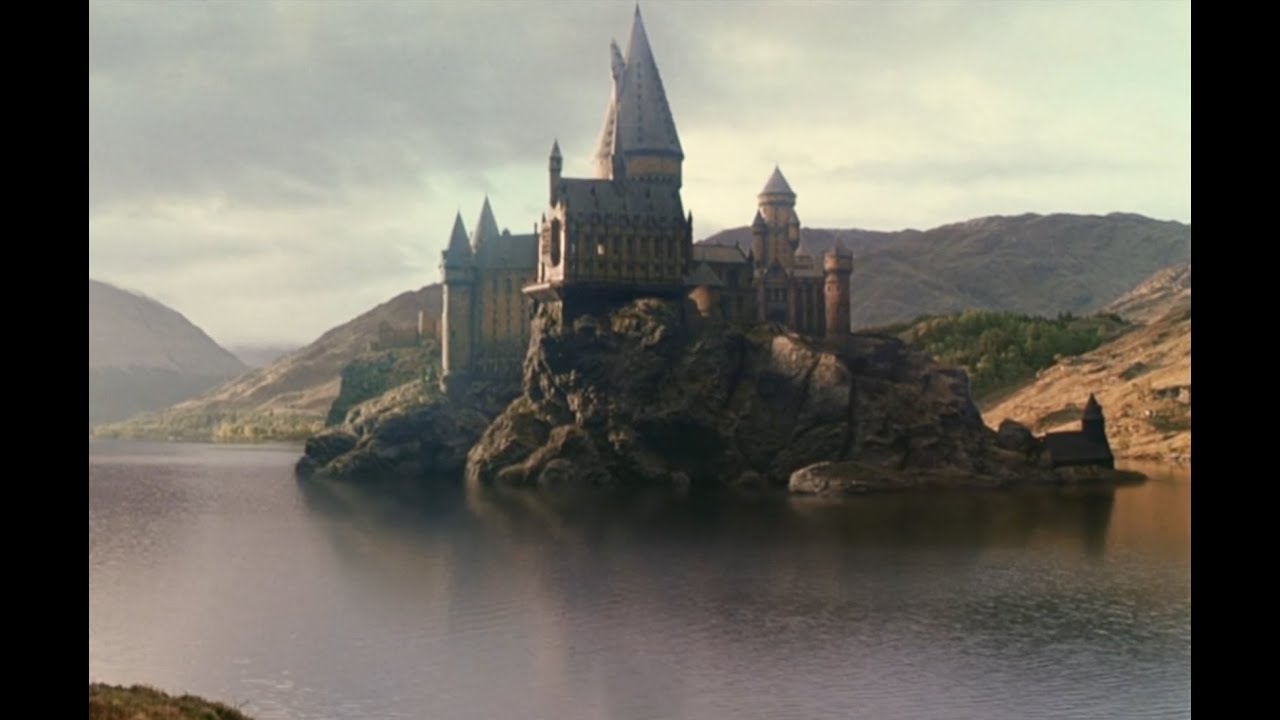
Establishing shot
A shot of a location, helping the audience understand where they are, usually used at the beginning of a sequence to establish an overview of a scene that follows.
Wide Shot (ws)
A shot that can be used to show a subject's surroundings and sometimes functions as an establishing shot.
Long shot
Taken from a distance that is used to show a sense of space or locate action in a specific place, showing the whole body of a character.
Medium long shot (mls)
This shot shows a character from the knees to the head with some background.
Medium shot
A camera shot showing the waist up of a character, including some background which may affect the meaning or outcome of the shot.
Medium close up (mcu)
A camera shot that shows the head and shoulders of a character.
Close up (cu)
A shot that closely frames a character, object, or any aspect of action.
Big close up (bcu)
This shot shows the character's forehead to chin and is usually used to show extreme emotions in the face.
Extreme close up (ecu)
A shot that frames a very specific feature of a character or an object of emphasis.
Aerial shot
A distinguishing shot taken directly above an object or location looking straight down.
Overhead shot (oh)
A shot where the camera is positioned directly over the object or actors.
High-angle shot (ha)
A shot angled so the camera looks down on a subject, often making them appear small and as if they have little power.
Eye-level shot
A shot where the camera is placed in level with the eye-line of the subject.
Low-angle shot
A shot angled so the camera looks up at the subject, making them seem dominating and powerful.
Two-shot
A shot where two subjects are put in the frame, originally at medium shot distance.
Over the shoulder shot (ots)
A shot taken over the shoulder of a character, commonly used in dialogue scenes.
Shot/reverse shot
A technique commonly used during dialogue scenes using opposite over the shoulder shots to abide by 'The 180° rule'.
The 180° rule
The imaginary line that must not be crossed to maintain continuity and ensure the audience is not confused by character placement.
Tracking shot
A shot where the camera itself is moved, traditionally on a wheeled device called a 'dolly', normally used on the side of a subject.
Tilting shot
A shot where the camera is locked in place and the lens moves either up or down.
Static shot
A shot where the camera is kept still and focused, normally on an unmoving subject, to allow the scene to unfold naturally.
Panning shot
A shot where the camera is locked in position and moves from left to right or right to left.
Zoom in / zoom out
Causing the camera to make the image of something or someone appear much larger and nearer, or much smaller and further away.
Continuous perspective distortion
An effect achieved by zooming a lens to adjust the angle of view while the camera dollies towards or away from the subject, keeping the subject the same size while the background changes size.
Focus
The depth into the picture in which objects are clear.
Foreground focus
A technique where the foreground action is in focus while the background action is out of focus.
Deep focus
A technique first developed by Orson Welles that enables the foreground and background to be in focus simultaneously.