3 Complement and cytokines
 Call Kai
 Learn
Learn Practice Test
 Spaced Repetition
 Match
Match Flashcards
 Knowt Play
1/49

There's no tags or description
Looks like no tags are added yet.
Name | Mastery | Learn | Test | Matching | Spaced | Call with Kai | Chat |
|---|
No analytics yet
Send a link to your students to track their progress
50 Terms
What is a complement system and its main roles?
→ major immune defense system of the body that’s central to the development of inflammatory reactions
links innate & adaptive systems
label pathogens for elimination
form lytic transmembrane pores to destroy target cells
How do complement components interact with each other?
→ via a series of highly regulated proteolytic cascades
many of these components are proenzymes that must be cleaved to become active enzymes
What are the components of complement system?
serum
membrane-bound proteins
Give the reaction sequence of the complement system.
C1-C4-C2-C3-C5-C6-C7-C8-C9
List the 4 major biological effects of complement.
Priming of adaptive immune response
Opsonization
Chemotaxis and cell activation
Lysis of target cells
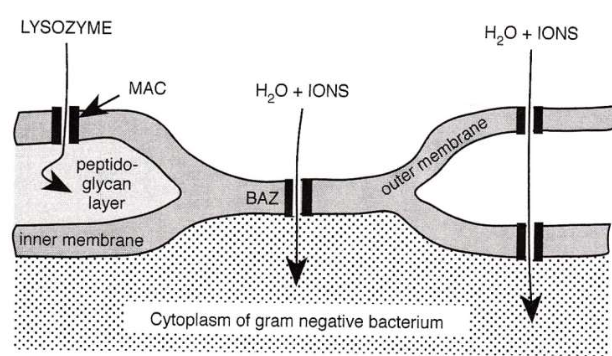
What is cytolysis? How does it occur?
→ lysis of cells (e.g., bacteria, tumor cells, or virus-infected cells)
occurs via the formation of the Membrane Attack Complex (MAC)
made of complement proteins = C5b, 6, 7, 8, 9
inserts into the cell membrane → makes a pore → loss of osmotic integrity → cell lysis → allows free water to freely pass across the membrane
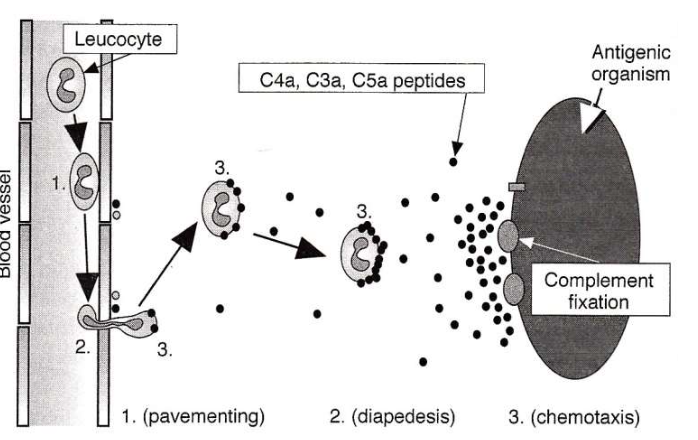
What is chemotaxis? Give an example of a chemotactic protein and its role.
→ process where an immune cell (phagocyte) is attracted to and moves toward a soluble factor
e.g., C5a is a potent chemotactic agent that stimulates neutrophils and monocytes to move toward sites where antigens are deposited
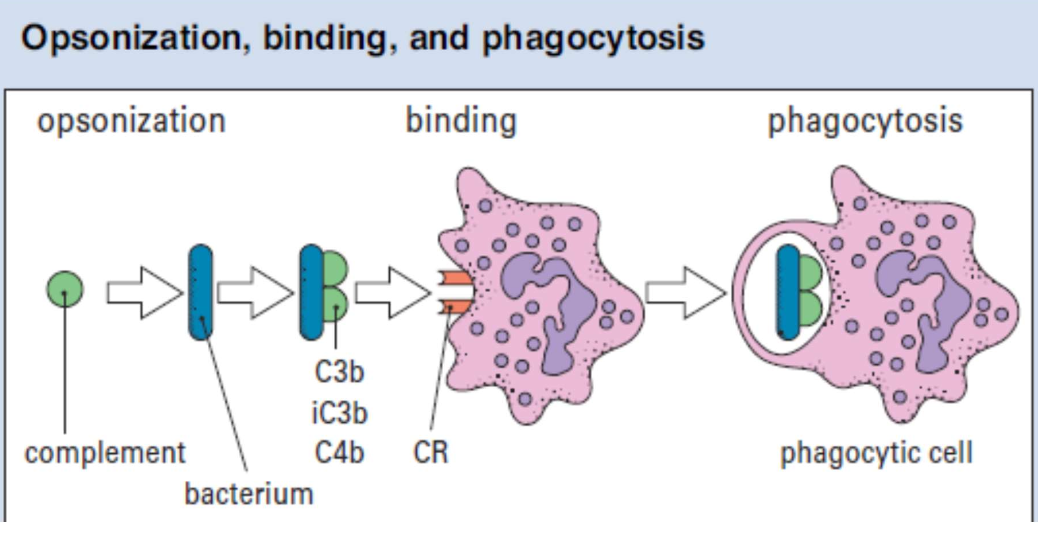
What is opsonization? How is phagocytosis efficiency increased?
→ coating of microorganisms or antigen-antibody complexes with molecules that bind to receptors on phagocytes
Phagocytosis becomes more efficient in the presence of C3b b/c phagocytes have specific C3b receptors
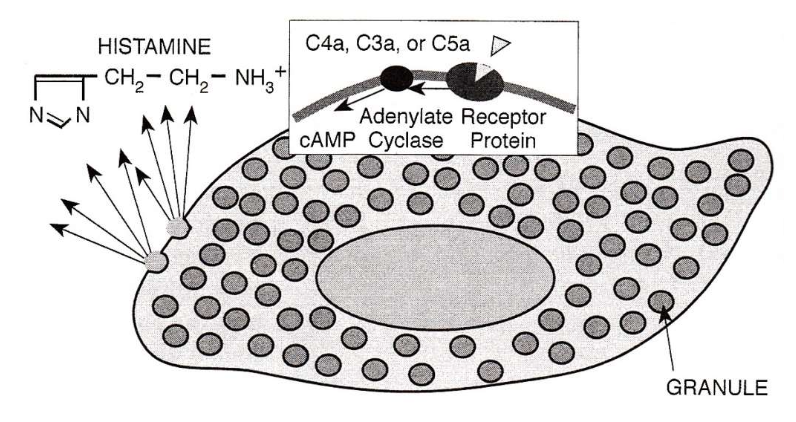
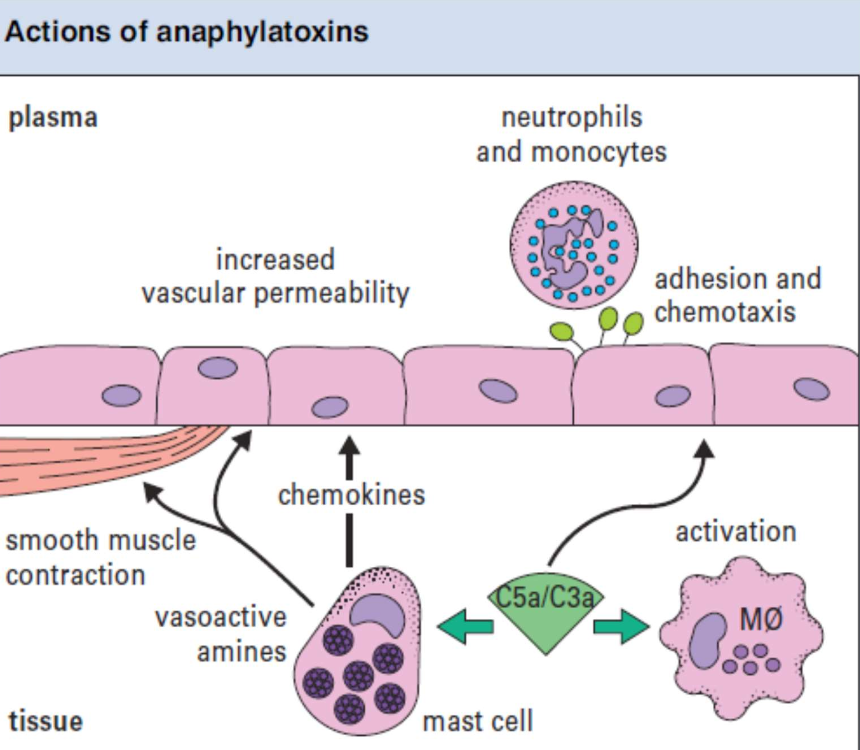
What are anaphylatoxins? Provide examples and their roles.
→ complement fragments that promote:
vasodilation
↑ vascular permeability
promote adhesion & chemotaxis of neutrophils & monocytes
e.g., C3a & C5a - stimulate mast cells & basophils → release vasoactive amines (histamine) → ↑ blood flow to the infection site → allows more immune components to enter
Give the 6 major roles of complement in inflammation.
Lysis (of bacteria)
Opsonization
Chemotaxis
Activation (of mast cells)
Degranulation (of mast cells)
Immune complex clearance
Name the 3 major complement pathways.
Classical pathway
Alternative pathway
Mannan-binding lectin (MBL) pathway
What do all 3 of these complement pathways release (Classical, Alternative & Mannan-binding lectin (MBL))?
C5 convertase - breaks down C5 into C5a + C5b
What is the role of C5a?
anaphylatoxin
chemotactic factor
What are the events following formation of C5b leading to the formation of MAC?
C5b binds with C6 + C7 → form a complex complex that inserts into the membrane bilayer
C8 then binds to this complex
Polymerization of 16 C9 to produce the complete MAC
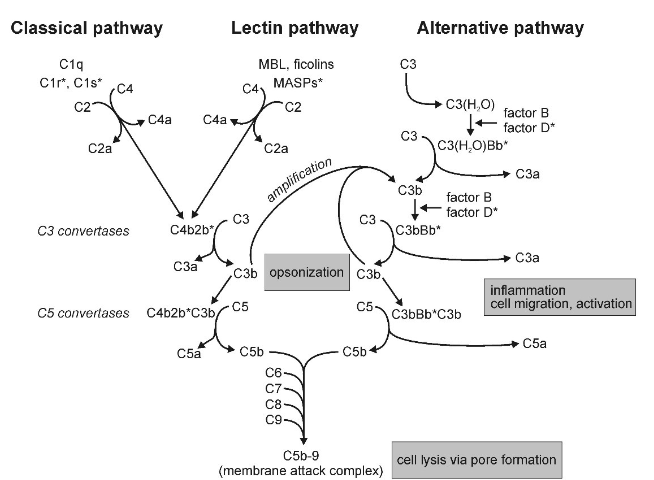
Describe briefly the sequence of reaction and products formed during classical pathway.
C1 (q, r, s proteins) binds to the Fc region of an antibody (IgM or IgG) in an immune complex
This activates C1s
C1s cleaves C4 & C2 → C4b2b (active C3 convertase)
C4b2b cleaves C3 → C3a + C3b
C3b + C4b2b form C5 convertase
C5 convertase cleaves C5 → C5a + C5b
MAC formation → cell lysis
Which IgG subclass fix complement?
1, 2, 3
❌ 4
What is the Alternative pathway?
→ triggered directly by infectious agents
uses different components like Factors B, D, and Properdin to generate its C3 convertase (C3bBb)
C3bBb makes more C3b, where additional C3b binds to the C3 convertase to form C3bBbC3b
What does C3bBbC3b do?
Alternative pathway of C5 convertase that makes C5b → MAC production + cell lysis
What is the main constituent of the Mannan-Binding Lectin Pathway?
→ plasma protein MBL
binds to sugar residues (mannose) on microbial LPS
once bound it can activate C2 & C4
remaining steps are the same as the classic pathway
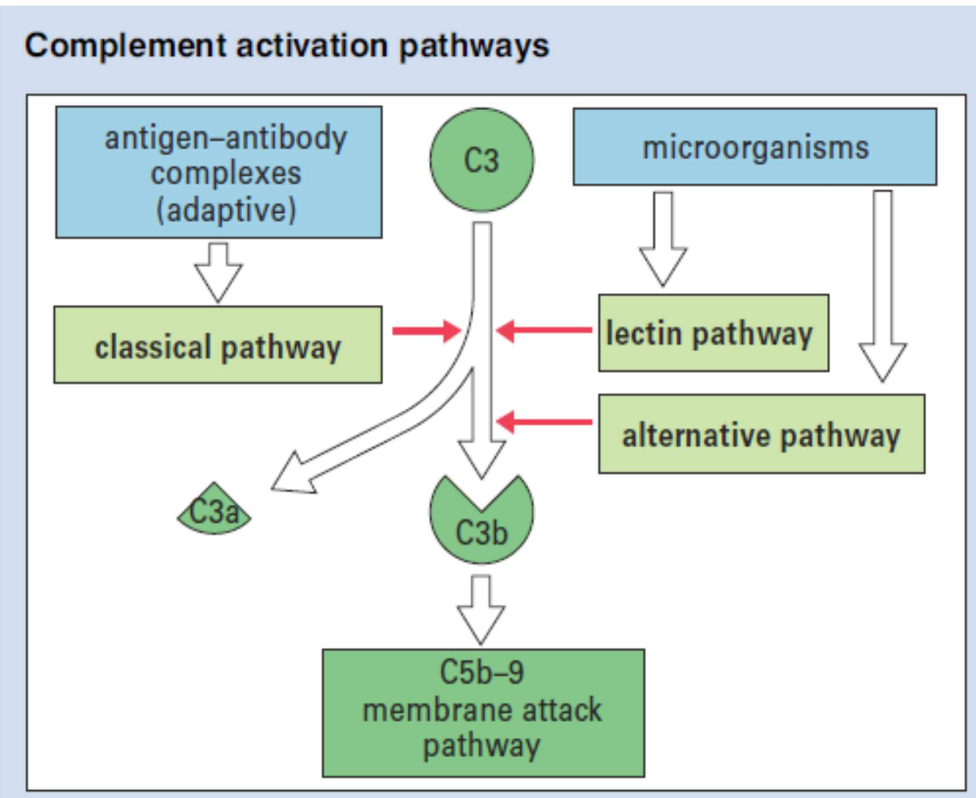
Name the main microorganisms activating classical, alternative and lectin pathways.
Classical:
HIV, retroviruses, vesicular stomatitis virus
Mycoplasma spp.
Alternative:
virus-infected cells (e.g., EBV),
Gram (+) & (-) bacteria
trypanosomes
Leishmania spp
fungi
Lectin:
HIV, retroviruses
Gram (+) & (-) bacteria
What complement pathway is activated in Herpes Virus infection? How is the infected cell destroyed?
Classical complement pathway
When HSV replicates, it inserts viral proteins onto the cell surface
This allows specific anti-HSV antibodies to bind via their Fab site
C1 attaches to the exposed Fc portion of this antigen–antibody complex → activates Classical pathway → destroys infected cell via the MAC
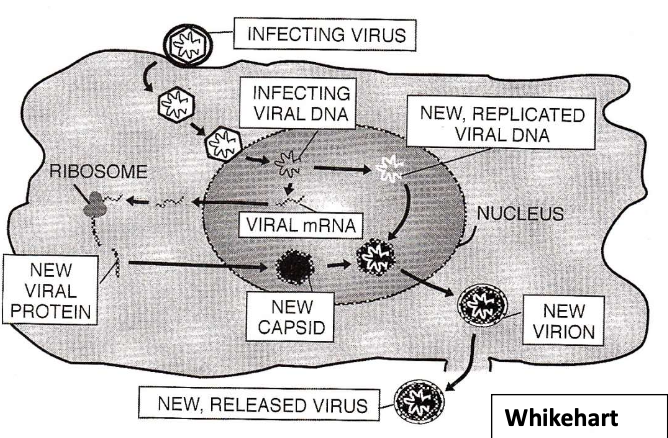
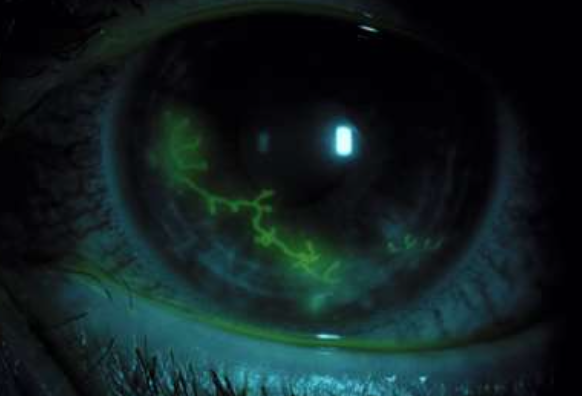
What is Herpes keratitis?
→ HSV induced viral eye infection (esp cornea)
if it attacks epithelium → ulcers → heals w/out scarring
if it attacks deeper layers → scarring, vision loss, blindness (rare)
What are the 2 ocular disorders that have autoimmune origin and involve complement? How does complement play a role in destruction in those disorders?
1) Cicatricial pemphigoid
complement-mediated immune mechanisms are directed against the basal epithelial cells of the conjunctiva
2) Mooren’s Ulcer
involves corneal tissue wasting away
mast cells are activated by C5a
What are cytokines?
→ Potent, LMW protein cell regulators
made transiently & locally by many cells
List the major roles of Cytokines.
HITHITC
Hematopoiesis
Immunity
Tumorigenesis
Homeostasis
Infectious disease
Tissue repair
Cellular development and growth
How do cytokines act as signaling molecules?
Bind to specific glycoprotein receptors on cell membranes
This relays a signal to the nucleus
Signal transduction occurs via kinase-mediated phosphorylation of cytoplasmic proteins
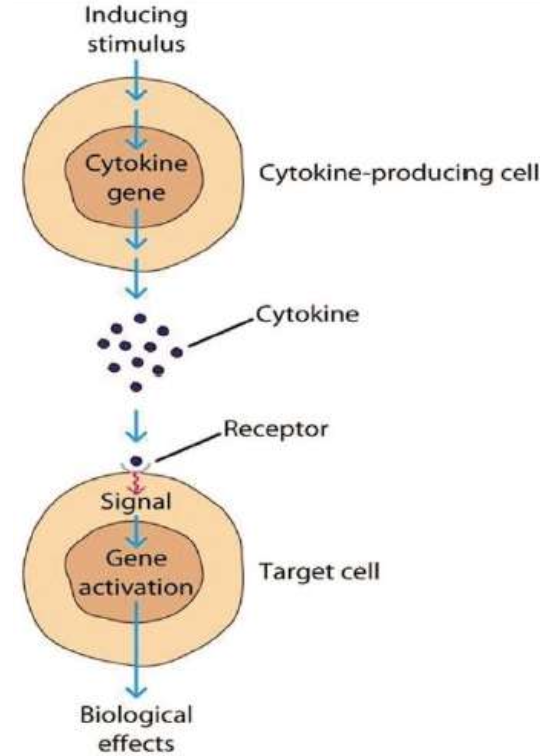
What kind of activity do cytokine receptors have?
tyrosine kinase activity
List 4 major functional categories of cytokines.
Immunoregulatory
Proinflammatory
Anti-inflammatory
Growth & differentiation
Which cytokine has a major role in immunoregulation?
IFN-γ
What are anti-inflammatory cytokines? Name them.
→ dampen or downregulate overactive inflammatory responses
TGF-β
IL-4
IL-10
IL-11
What is the role of proinflammatory cytokines? List the 4 types.
→ seen in infectious diseases + role in developing septic shock
TNF-α
IL-1
IL-6
IFNs
Name the cytokines implicated in the development of septic shock.
TNF-α
IL-1
IL-6
What are the effects of Septic shock seen based on levels of these cytokines?
Low quantities
local inflammation
monocyte/neutrophil activation
complement activation (C3a, C5a)
Moderate quantities
Cause systemic effects (e..g, fever + acute-phase reactant production in the liver)
High quantities
Result in septic shock
characterized by ↓ CO, ARDS & blood vessel injury/thrombosis
What are the 4 subsets of T cells?
Th1
Th2
Th17
Treg
How are the 4 subsets of T-cells formed?
→ differentiate from naïve CD4 T cells based on the cytokine environment
Th1: made in the presence of IFN-γ
Th2: Differentiated in the presence of IL-4
Th17: made in the presence of TGF-β & IL-6
Treg: made in the presence of TGF-β
How can TB reactivity be monitored based on T cell function and IFN-γ levels?
T-cell function is monitored by measuring T-cells’ ability to produce IFN-γ in vitro, which identifies TB reactivity
What are the 2 cytokines currently employed as therapeutic agents and for what disorders?
IFN-α → Hep C
IFN-β → MS
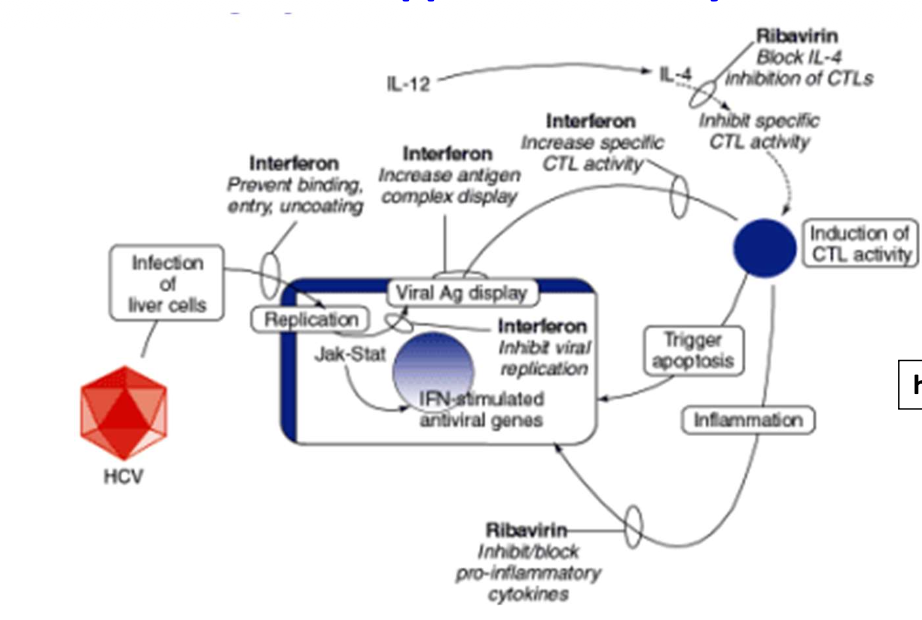
What are the ways by which IFN-α help in neutralizing Hep C virus?
Inhibits viral binding, entry, and uncoating
Inhibits viral replication via Jak-Stat signaling
↑ antigen complex display
↑ specific CTL (Cytotoxic T Lymphocyte) activity to trigger apoptosis
What are the visual sx of MS?
Nystagmus
Optic Neuritis
Diplopia
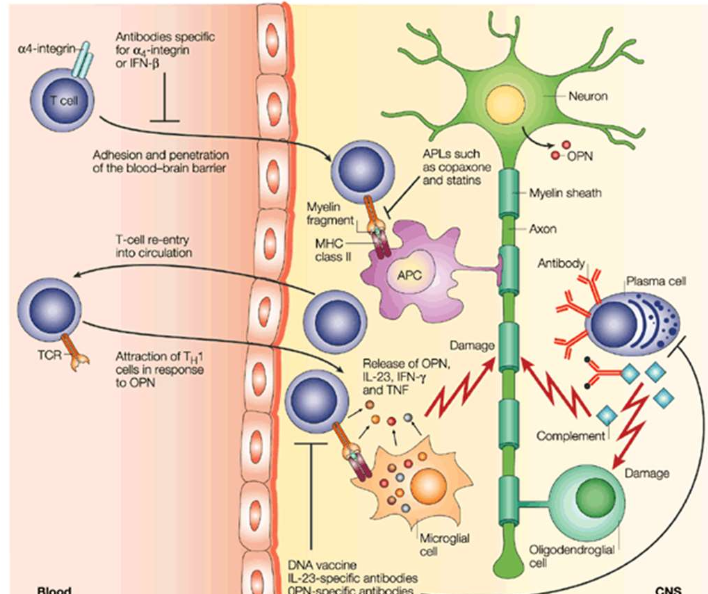
List ways by which IFN-β is thought to work to reduce MS sx?
Inhibits T-cell activation, proliferation & migration across BBB
CNS inflammation
What are the 2 approaches involving cytokines to combat rheumatoid arthritis and cancer?
RA → inhibitors of TNF-α
Transplantation + cancer → inhibitors of IL-2 & IL-15
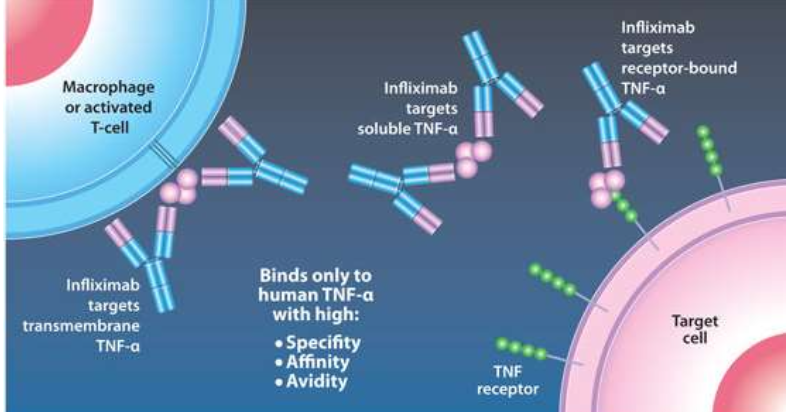
What are the ways by which infliximab helps to neutralize TNF-α?
Chimeric IgG1 monoclonal antibody has high affinity for TNF-α → forms a highly stable complex (neutralizing TNF-α)
Complex selectively lyses activated cells expressing TNF-α & targets transmembrane, soluble, and receptor-bound TNF-α
List 2 cell types that can induce damage in Dry Eye?
CD4+ T cells (in conjunctiva)
CD11b+ monocytic cells (in cornea)
What is the stimulus during Stage I that induces cytokine secretion? What are the cytokines secreted?
Stimulus = desiccating stress
induces TNF-α, IL-1, IL-6 secretion by ocular surface tissues
What do the secreted cytokines do to the APCs?
→ facilitate the activation and migration of resident APCs toward regional draining lymph nodes
What are the 2 cell types that are involved in production of cytokines in the lymph node? Name the cytokines and their role if any.
APCs —| cognate naïve T cells (Th0) leading to the expansion of:
IL-17 secreting Th17 cells
IL-17 further antagonizes Treg to facilitate more Th17 expansion
IFN-γ secreting Th1 cells
How does IL-17 induce epithelial damage?
IL-17 interacts with receptors on the ocular surface to ↑ MMPS + more inflammatory cytokines → epithelial damage
What is the role of IFN-γ in dry eye?
apoptosis & metaplasia of epithelia
upregulates adhesion molecules (CAM) + chemokine ligands
↑ Immune cell entry into the ocular surface
Briefly summarize the key events involved in Dry Eye during stages I to III.
Stage 1:
Desiccating stress triggers proinflammatory cytokines (IL-1, TNF-α, IL-6) → causes APCs to migrate to lymph nodes
Stage 2:
In the lymph nodes, APCs induce Th1 & Th17 cells expansion
IL-17 suppresses regulatory T-cells to amplify the response
Stage 3:
Effector cells return to the ocular surface, where IL-17 and IFN-γ cause:
tissue damage
cell death (apoptosis)
further immune cell recruitment
List the Clinical Applications of Cytokines.
Biomarkers of disease
Monitor immune status
Therapeutic agents
Targets of therapeutics