Microbiome Techniques Lecture 8
 Call Kai
 Learn
Learn Practice Test
 Spaced Repetition
 Match
Match Flashcards
 Knowt Play
1/58

There's no tags or description
Looks like no tags are added yet.
Name | Mastery | Learn | Test | Matching | Spaced | Call with Kai |
|---|
No analytics yet
Send a link to your students to track their progress
59 Terms
what are nucleic acid amplification techniques?
Techniques that involve making identical copies of a specific DNA segment in detectable quantities in vitro

nucleic acid amplification techniques are different than cloning in that cloning is
in vivo
nucleic acid amplification techniques exploit _____ DNA replication and ______ mechanisms
in vivo, repair
applications of nucleic acid amplification techniques
Pathogen detection/ quantification (saliva, plaque, blood)
Detection of resistance and virulence genes (if E. coli has particular virulence gene)
Genotyping
Gene expression
Mutations/ allelic discrimination (mainly human, not bacteria)
Preparing libraries for sequencing
methods of nucleic acid amplification techniques
thermal-cycling-dependent, isothermal
thermal-cycling-dependent
Polymerase chain reaction (PCR)
Ligase chain reaction (LCR)
isothermal
Nucleic acid sequence-based amplification (NASBA)
Loop-mediated isothermal amplification (LAMP)
Helicase-dependent amplification (HDA)
Rolling circle amplification (RCA)
Strand displacement amplification (SDA)
not necessary to memorize, just be familiar
"thermal" cycling
raising temperature to split DNA
who invented PCR
Kary Mullis-described in 1987, won nobel in 1993
main three steps of PCR
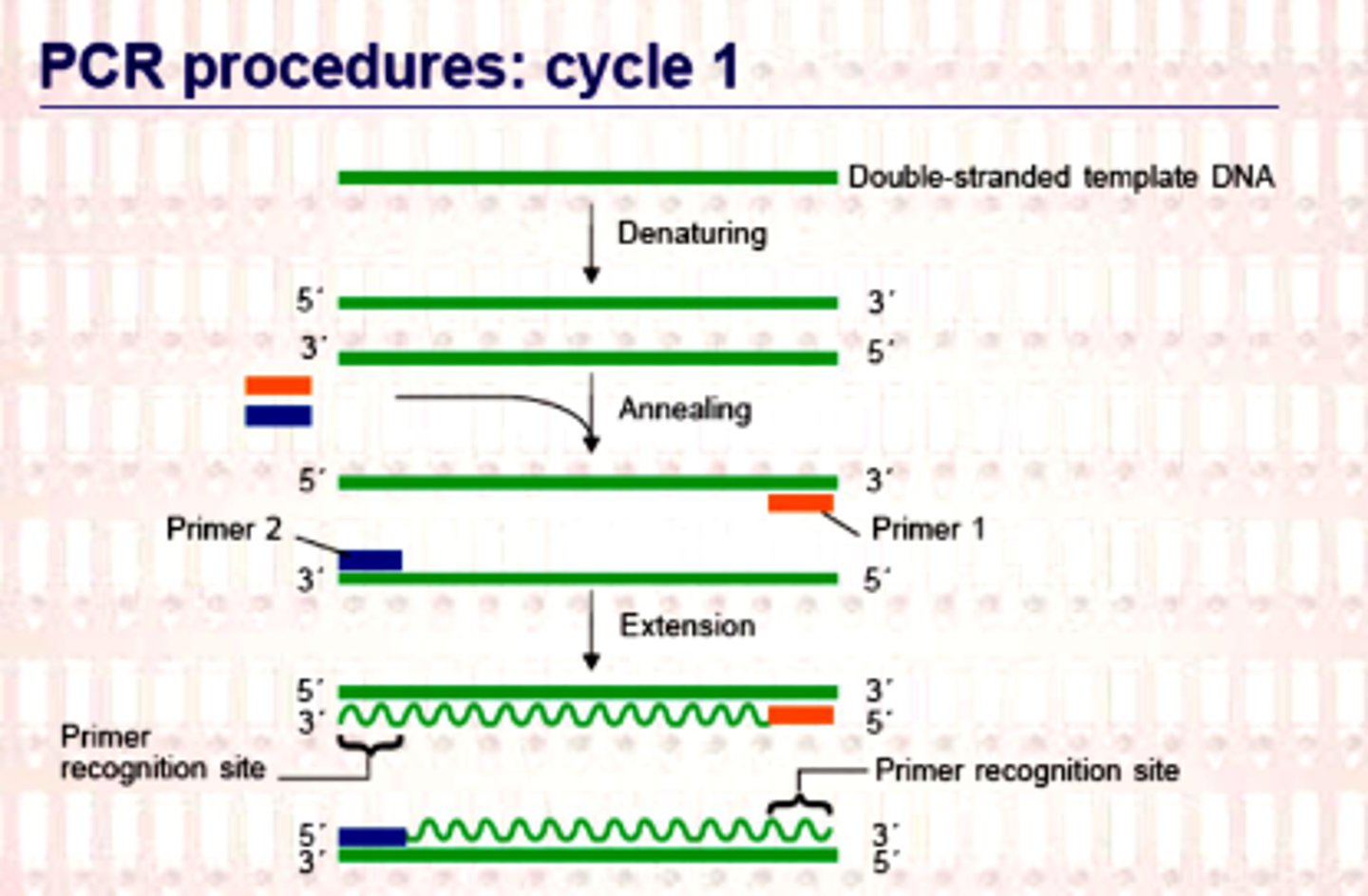
denaturation, annealing, extension
denaturation
separation of the DNA strands
(94 degrees C)
annealing
Primers hybridize to the separated strands
Temperature depends on stringency required but
generally set at Melting temperature (Tm) minus 5 degrees C
extension
synthesis of the new strands (72 degrees C) by DNA polymerase
how to design primers?
based on whatever sequence we are interested in amplifying that corresponds to GOI
PCR cycle 1
denaturation, annealing, extension occurs
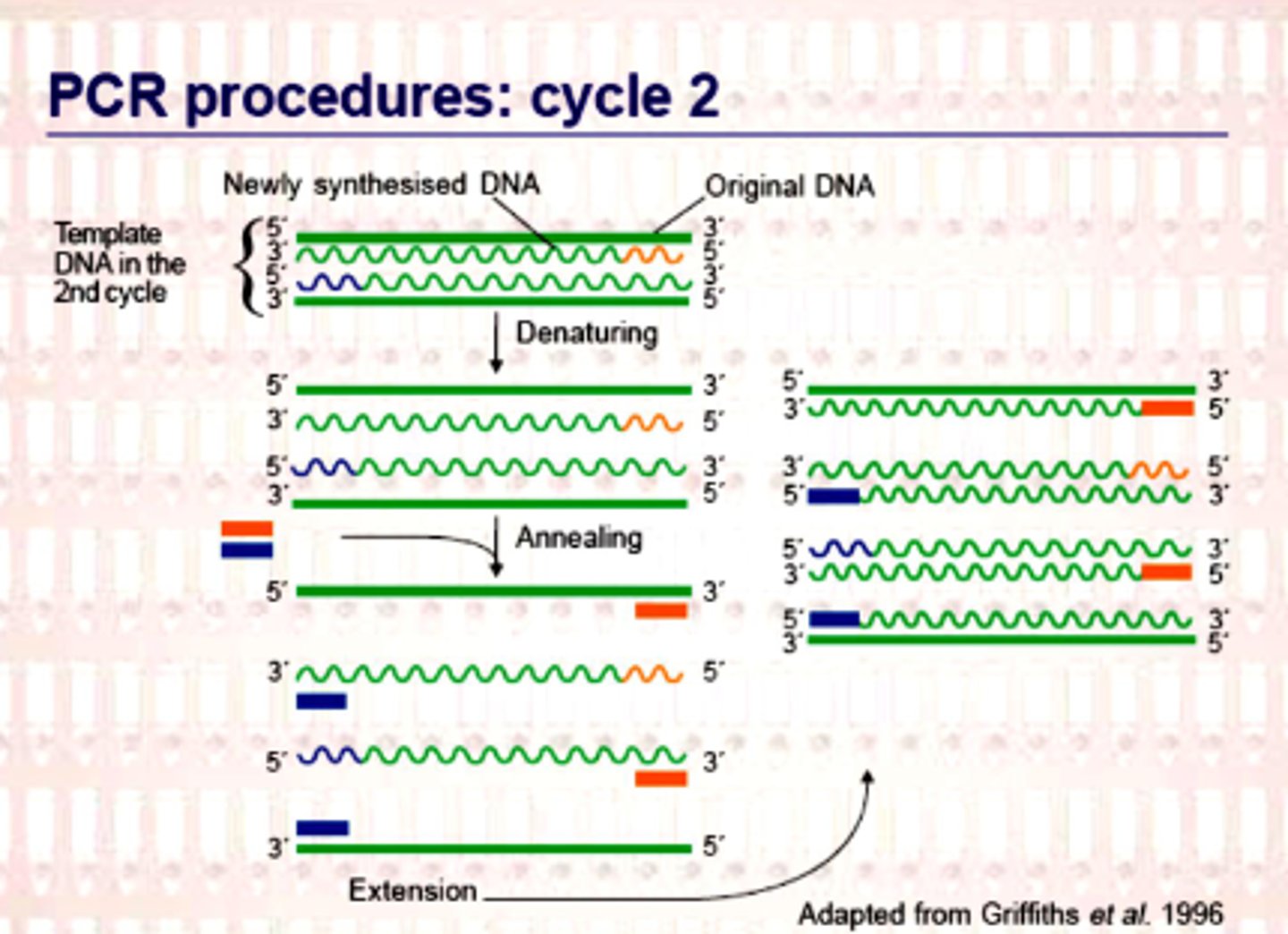
PCR cycle 2
same process of denaturation, annealing, extension occurs for purpose of causing exponential amplification
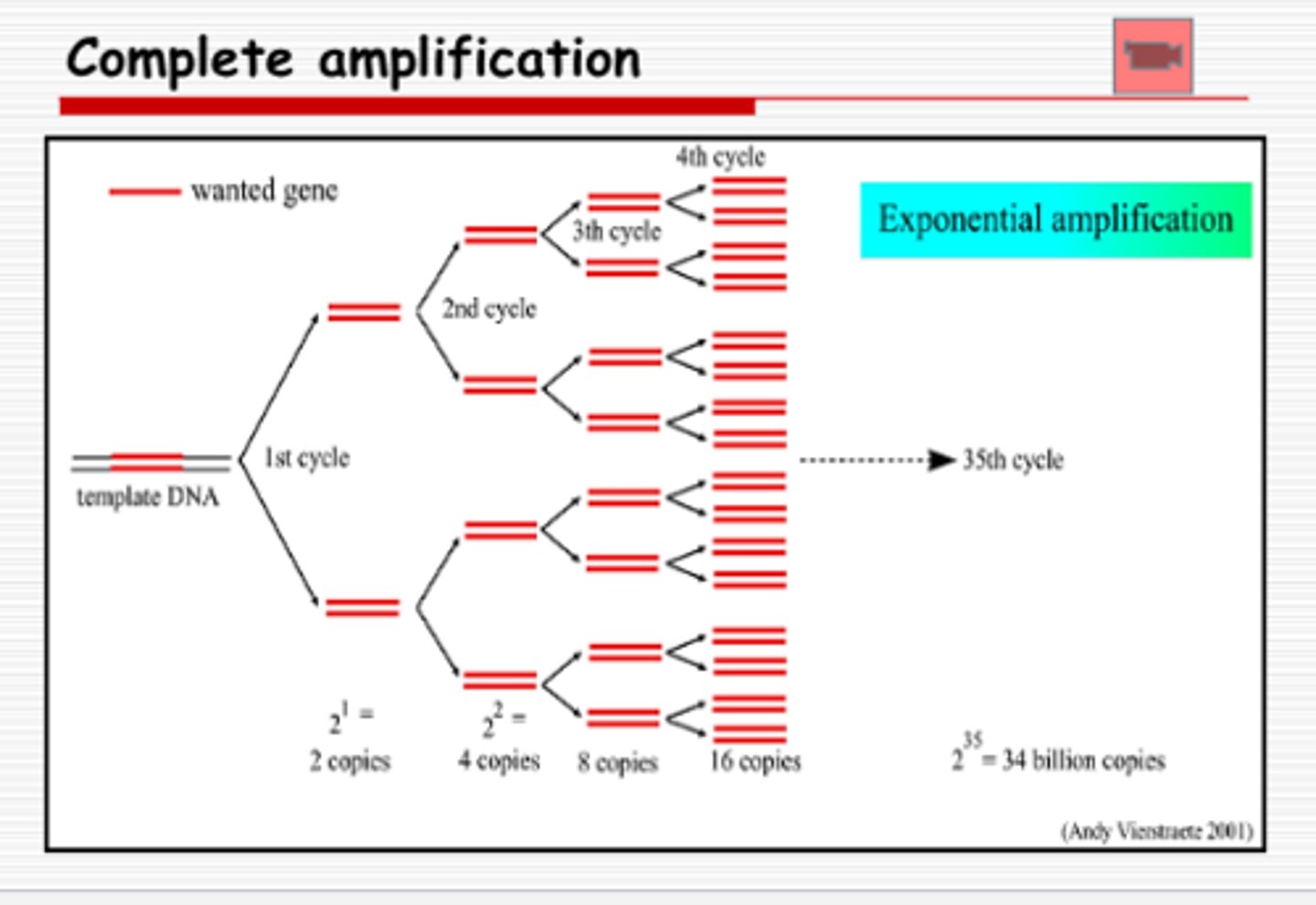
usually, 30 cycles are done resulting in _________ copies of fragment by the time we are done
1 billion
complete amplification
exponential amplification has occured by end of last cycle
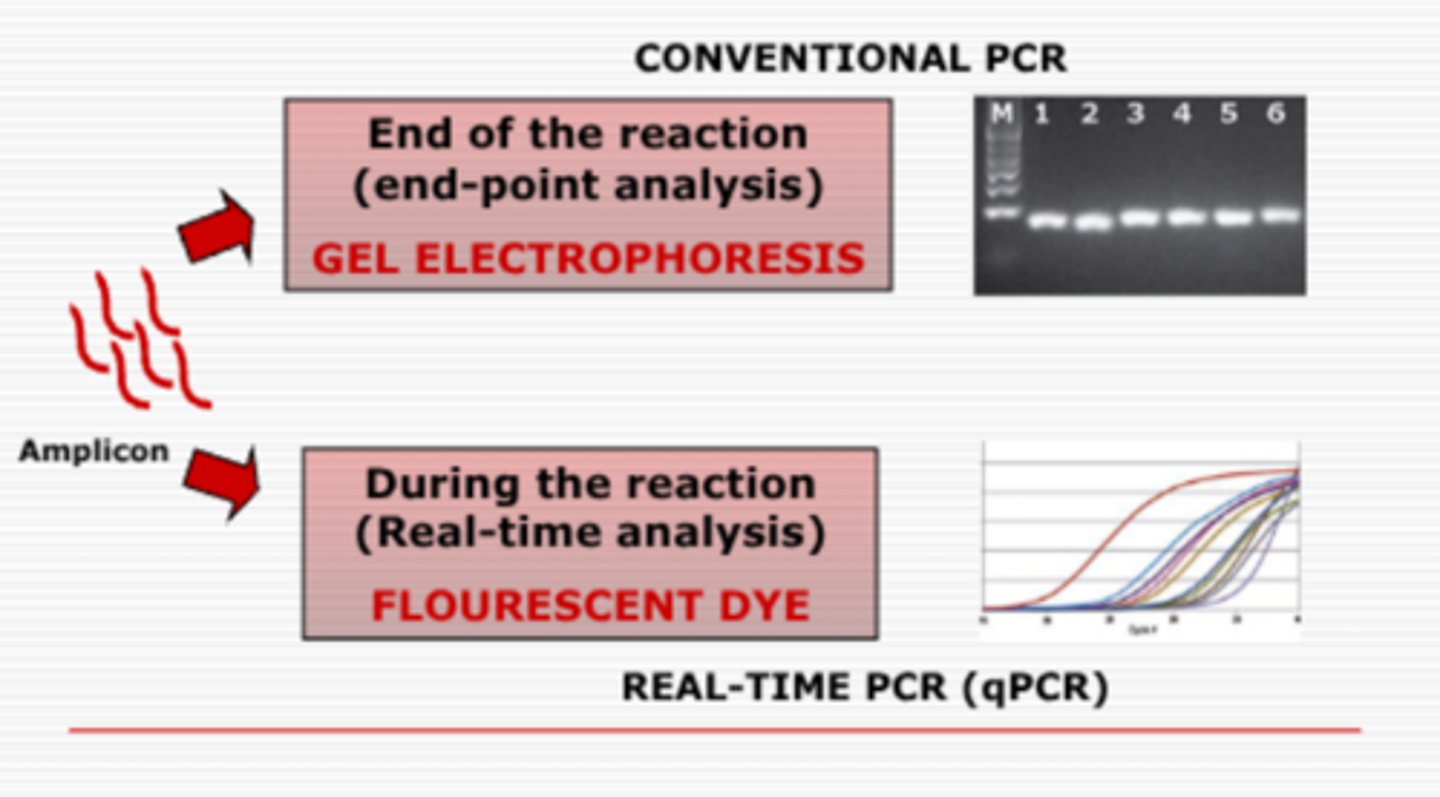
detecting amplicons can be done by
end-point analysis of gel electrophoresis, or fluorescent dye during real-time PCR (qPCR)
types of PCR
conventional or real-time (quantitative-qPCR)
modifications of either type of PCR
Hot-start PCR
Nested PCR
Multiplex PCR
Reverse-transcriptase PCR (RT-PCR)
Random Amplified Polymorphic DNA (RAPD) PCR
RT-PCR
start with RNA, not DNA meant for studying gene expression
essential components of PCR reaction
PCR buffer-where reaction happens
MgCl2 - important for Taq polymerase activity and ensuring specific primer hybridization
dNTP mix
Thermostable Polymerase - at high temperature normal temperature cannot stand it
Sterile deionized, RNAse/DNAse free water
Primer pair(s)
Template DNA/RNA
what is in mastermix
PCR buffer, MgCl2, dNTP mix, thermostable polymerase
optional components of RT- and qPCR reaction
for RT-PCR
Reverse transcriptase
for qPCR
Fluorescent dyes (e.g. SYBR Green)
Probes
commonly used thermostable polymerases
Taq polymerase, Pfu polymerase
Taq polymerase
From Thermus aquaticus
Most commonly used, can tolerate high temperature
Pfu polymerase
From Pyrococcus furiosus
High fidelity applications
High fidelity polymerase
when it synthesizes new strand of DNA, it has a lower rate of error than Taq polymerase because it has a proof-reading mechanism
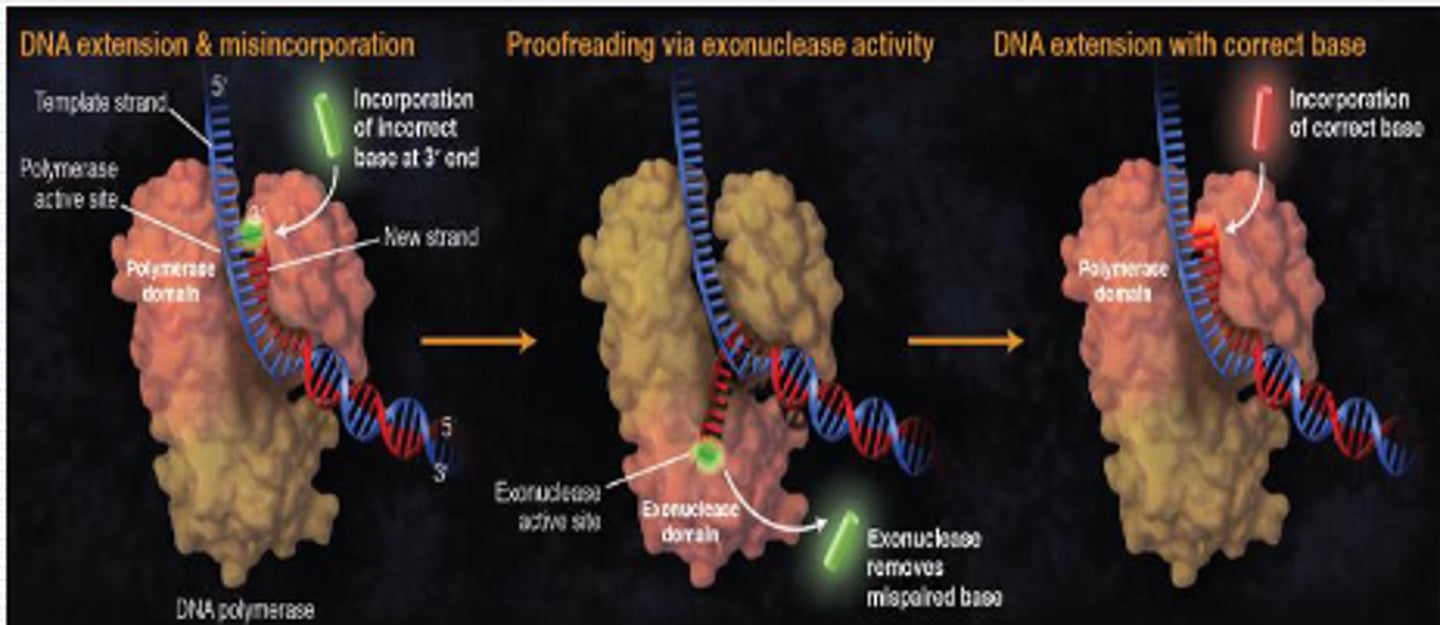
high fidelity polymerase
DNA extension and misincorporation -> proofreading via exonuclease activity -> DNA extension with correct base
when is high fidelity polymerase used instead of Taq polymerase?
used for sequencing following PCR
primers are _______ nucleotides long
15-25
primer determine ________ of reaction
specificity
design considerations of primers
GC content 40-60% (stable for annealing and hybridization)
GC's evenly distributed
forward and reverse primers Tm with 5 degrees C of each other
Avoid hairpin and primer dimer formation
melting temperature (tm) of primer
how many primers are annealed and how many are not: 4 degrees x G+C + 2 x degrees A+T
10 GC and 10 AT in nucleotide sequence melting temperature
40+20=60 degrees C
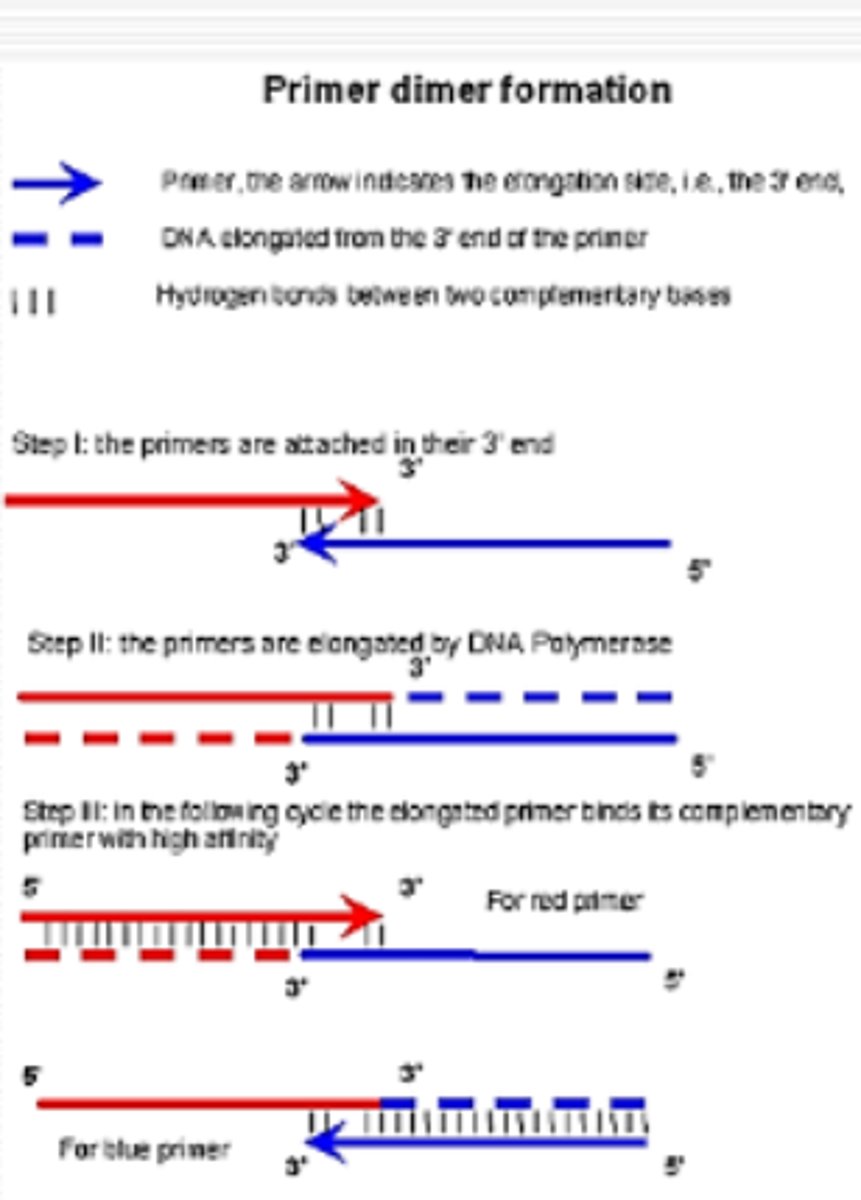
primer dimer formation
primers amplify each other
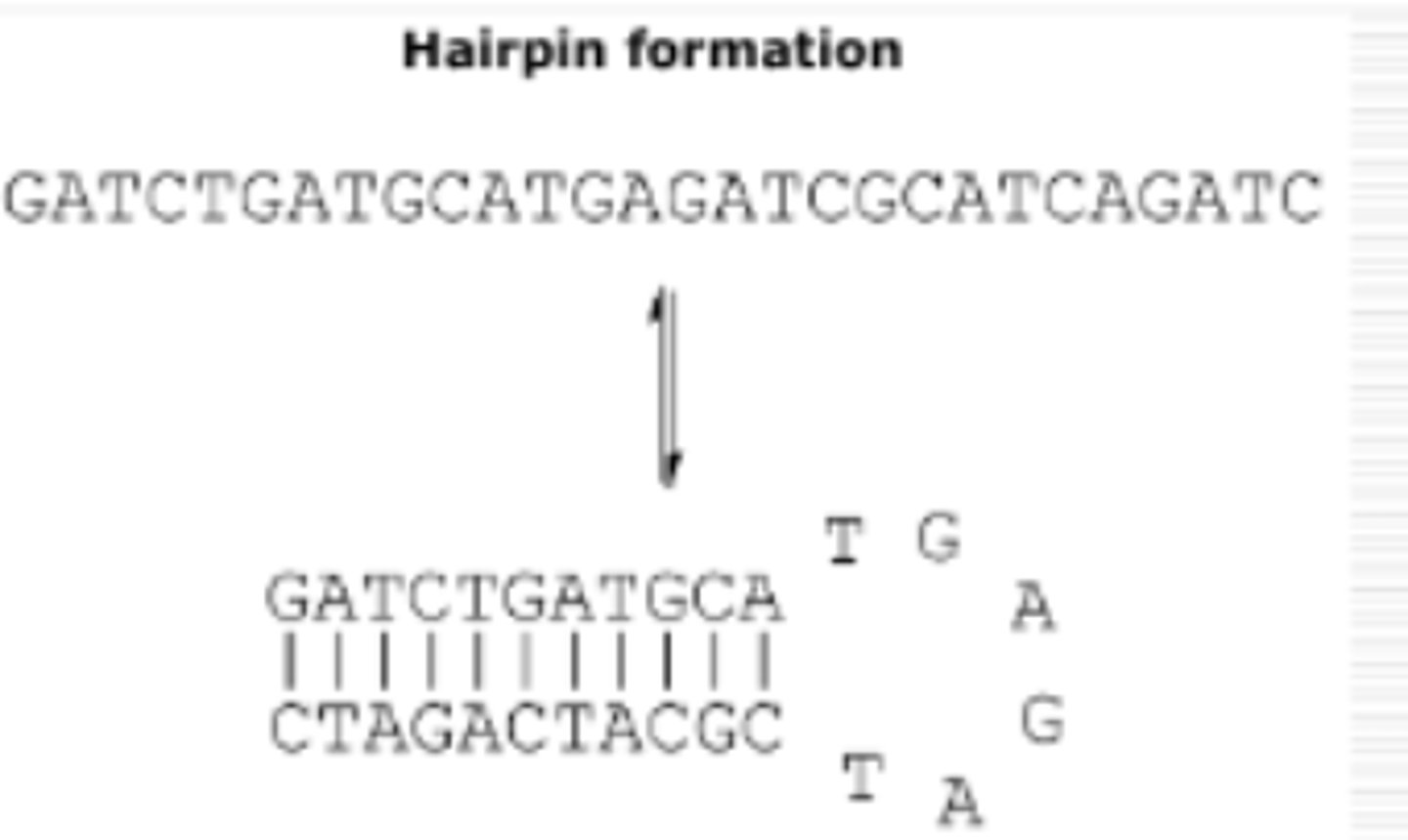
hairpin formation
primers are complementary to each other
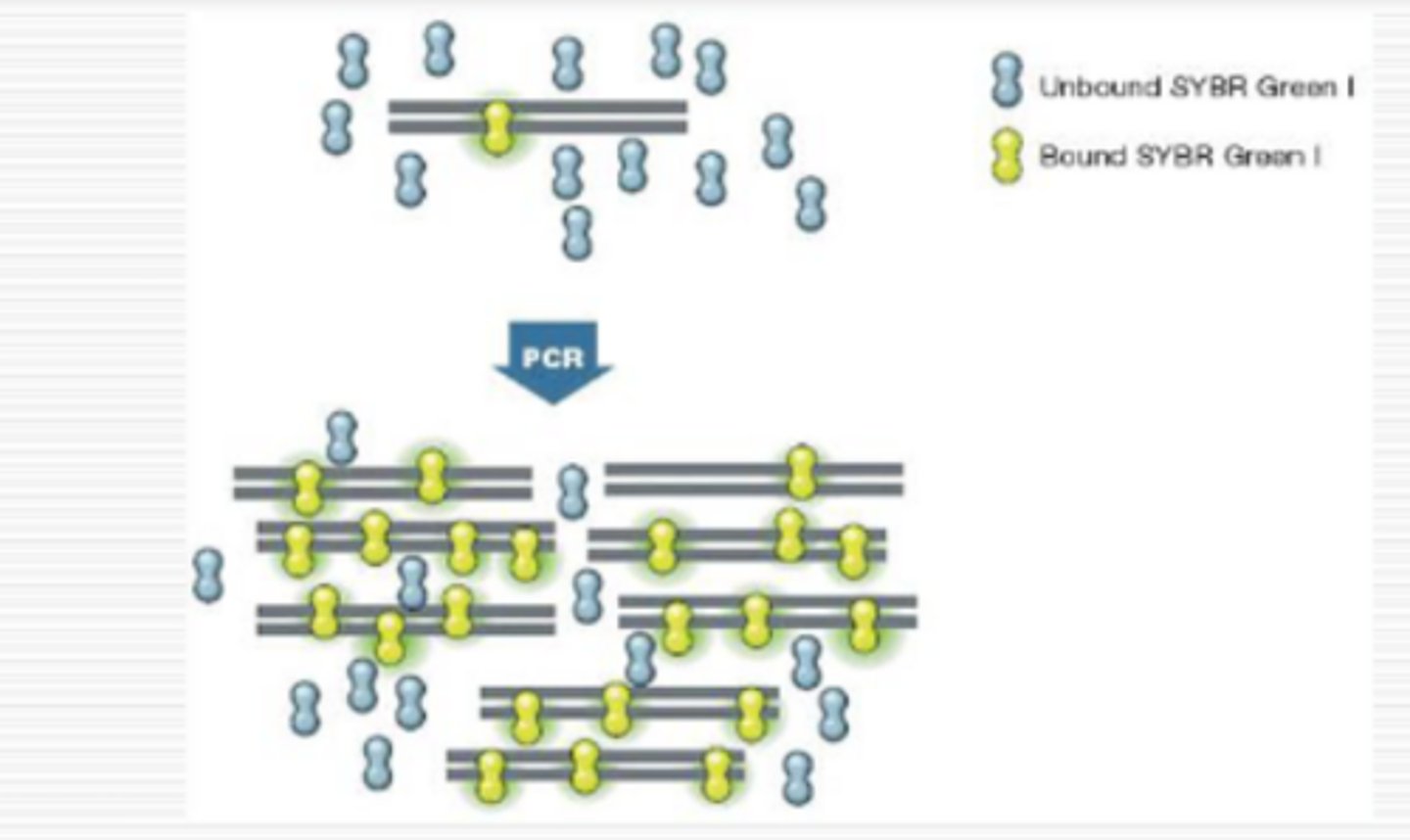
SYBR green
real-time detection--non-specific dye that binds to any dsDNA
Taqman probe
real-time detection-hybridizes our target, making sure it is the only thing being amplified and is more specific. Is also more sensitive, paired with special probes at are at both 3' and 5' ends
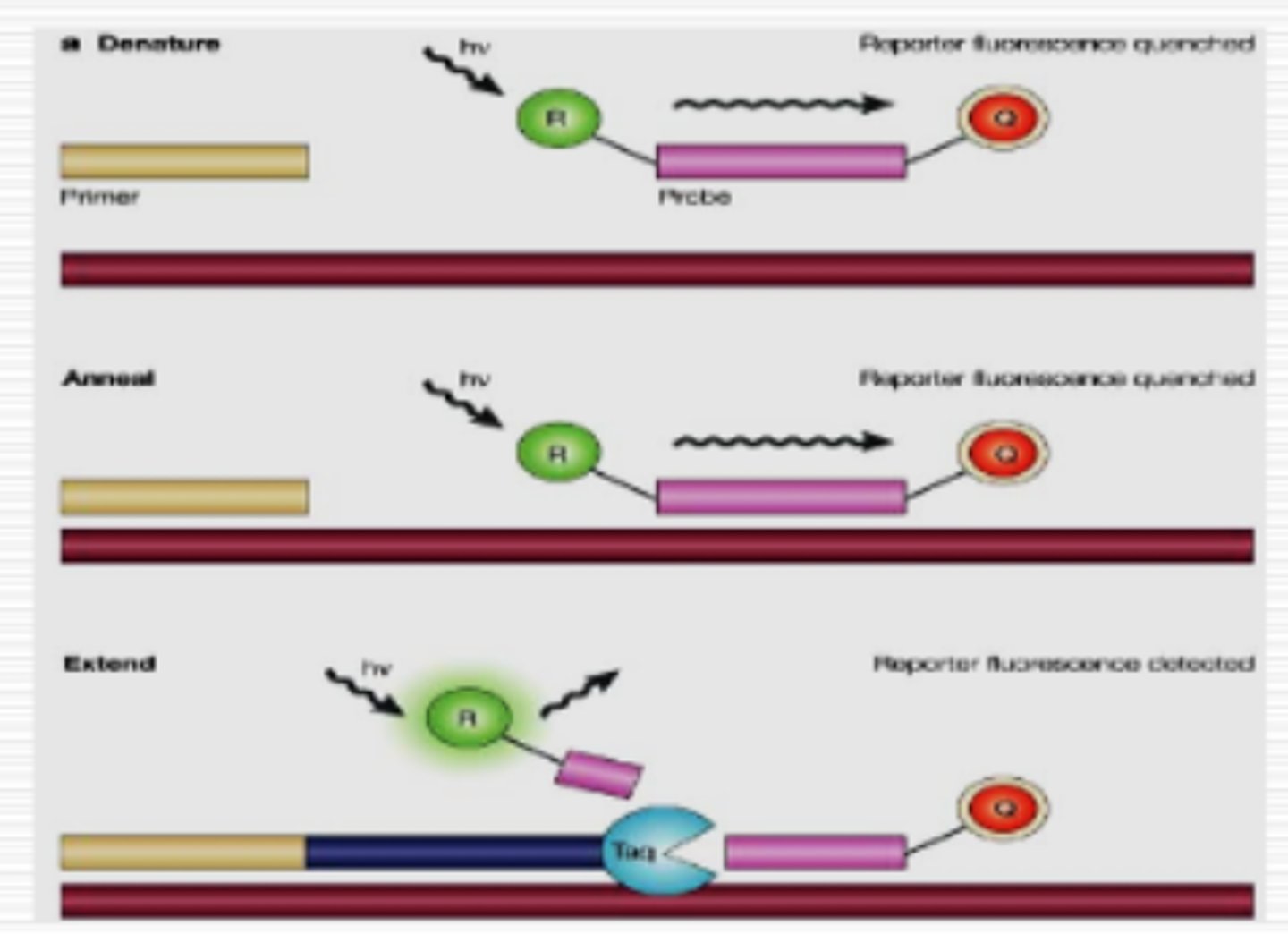
advantage of a probe over a dye
hybridizes our target, making sure it is the only thing being amplified and is more specific. Is also more sensitive
types of quanitification
absolute and relative
absolute quantification
using digital PCR
Using a standard curve prepared by serial dilution of:
Whole genomic DNA
Plasmid with target sequenced cloned
relative quantification
The quantity of gene in a sample is measured relative
to that in another sample or another gene in the
same sample (calibrator). Two methods can be used:
Relative Standard Curve Method
Comparative CT Method (∆∆CT) 3:22
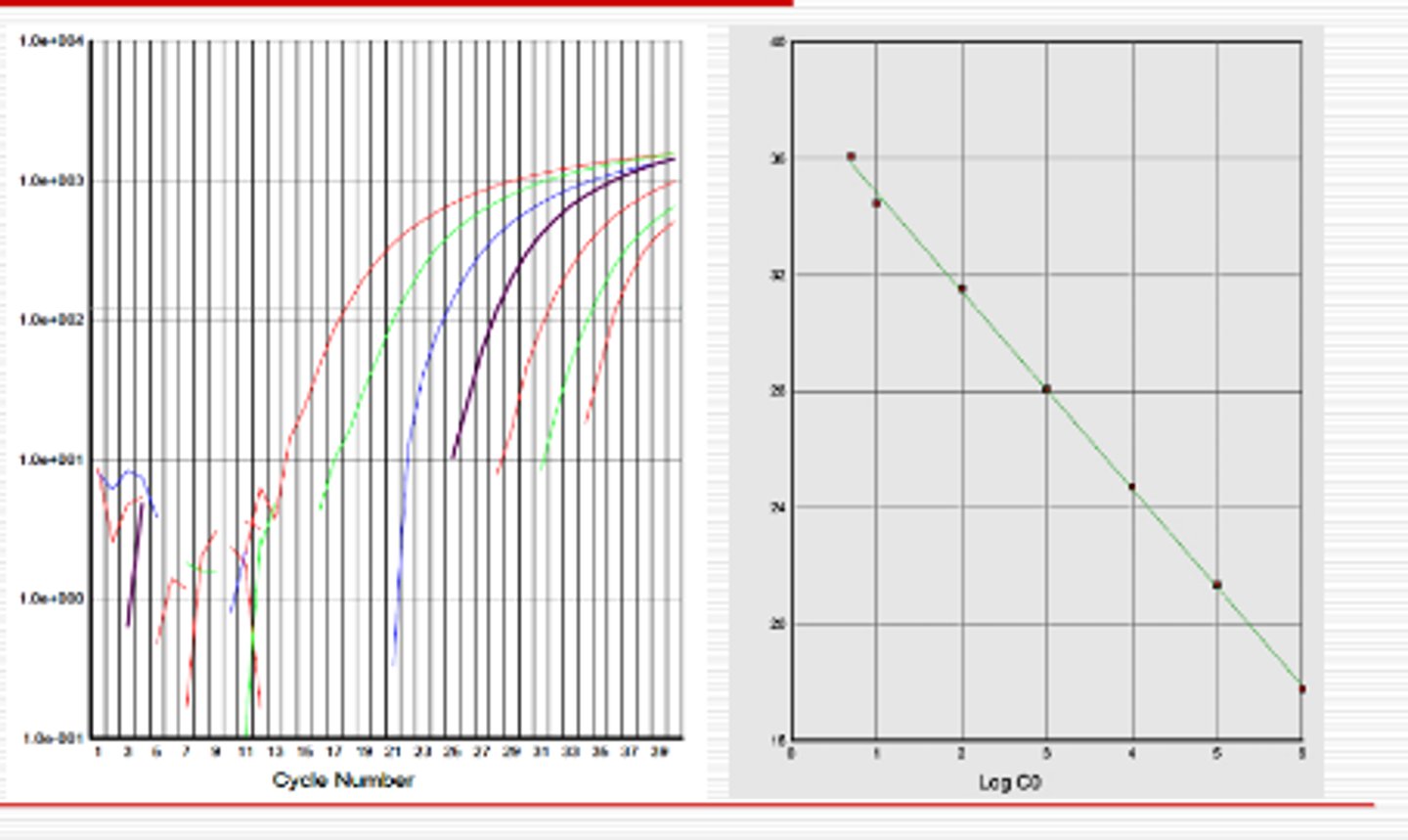
less cycles result in _____ amounts of DNA, and vice versa
higher
Standard curve method
sample is prepared against standard curve 3:20
left=highest amount of DNA (fewer cycles)
right=least amount of DNA (more cycles)
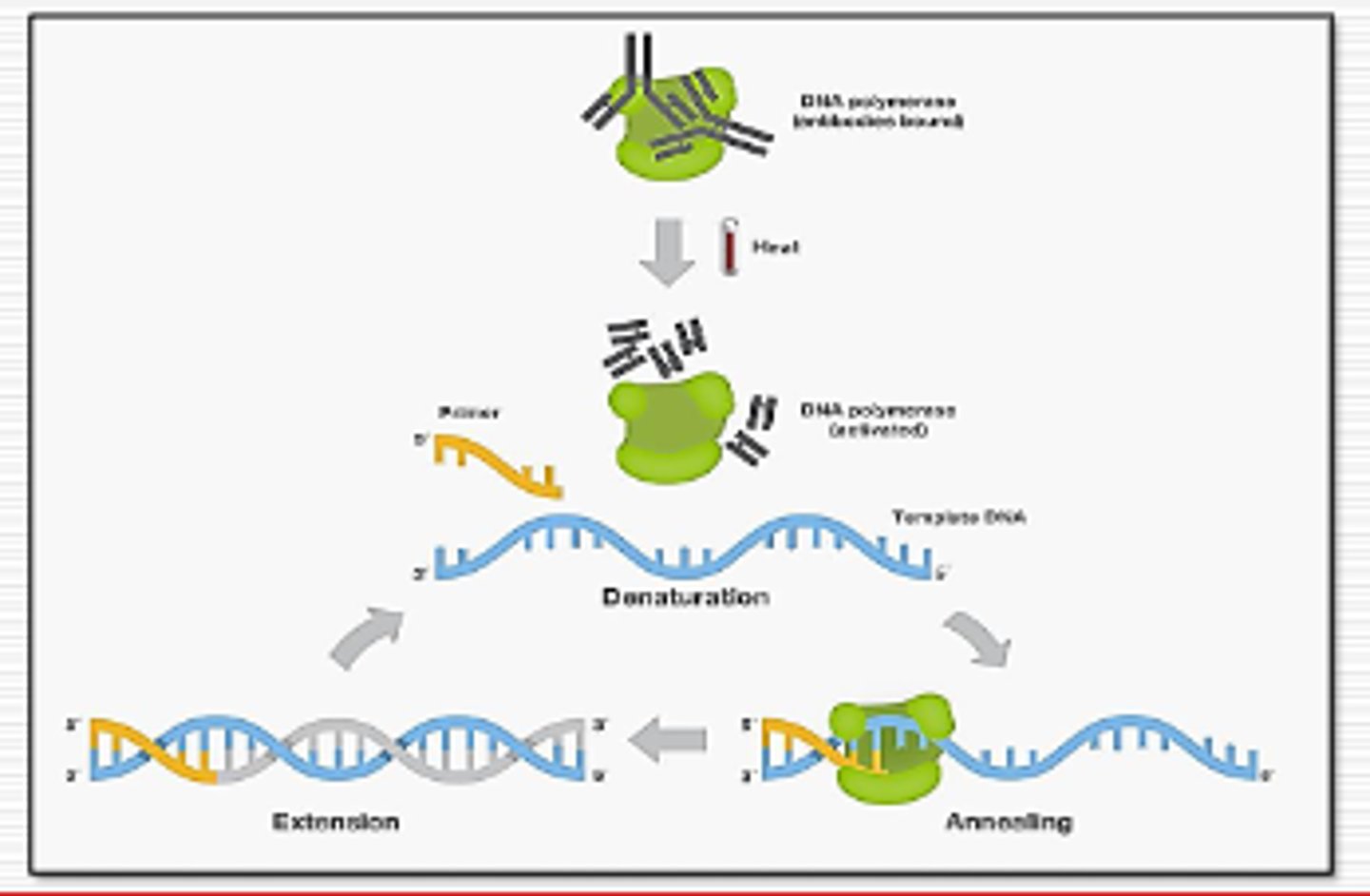
hot-start PCR
bind antibodies to DNA polymerase--when temperature is raised, PCR is activated. Prevents non-specific amplification during the set up of PCR reaction
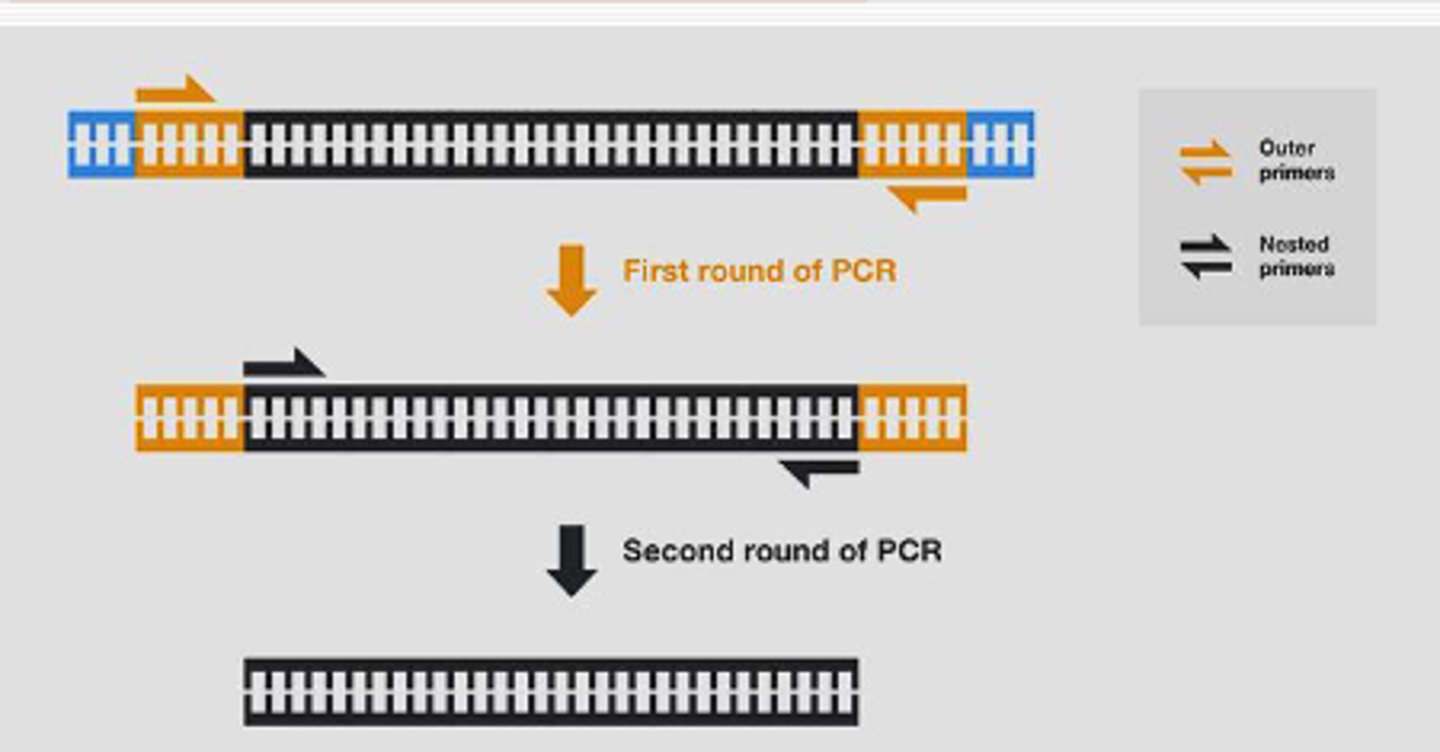
nested PCR
makes reaction more specific and more sensitive
two cycles, first targeting a larger fragment, second uses nested primers to amplify again
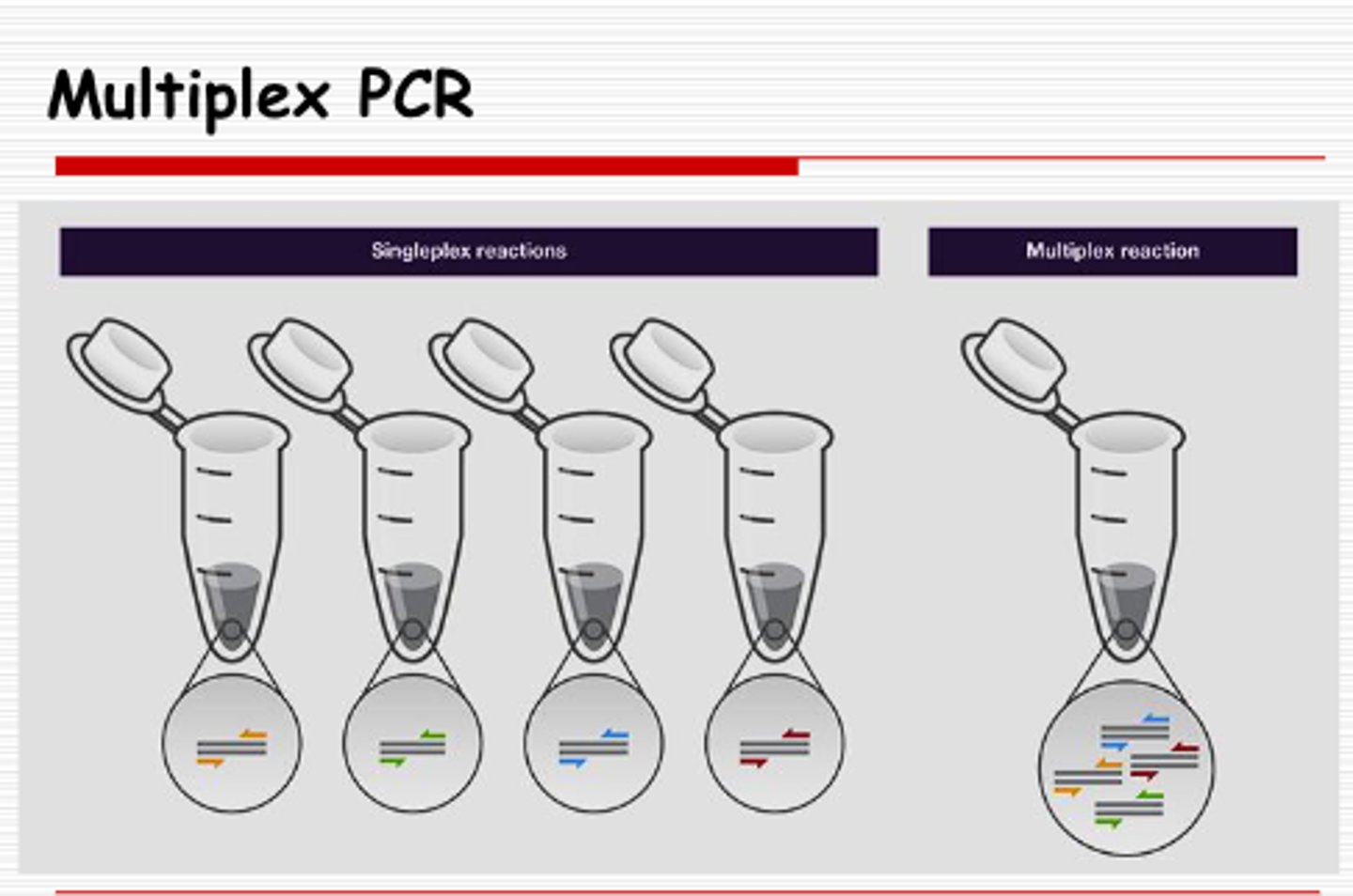
multiplex PCR
instead of doing separate reactions for multiple samples, do everything in one tube. use different probes to label each thing you are targeting (ex: blue for HIV, green for HPV, etc). cannot use SYBR green because it amplifies any dsDNA in the sample
Reverse Transcriptase PCR
mRNA converted into complementary DNA using reverse transcriptase enzyme. we then do PCR with cDNA. can be done in one tube (everything done at once) or two tubes (RT added first, then PCR done in another tube)
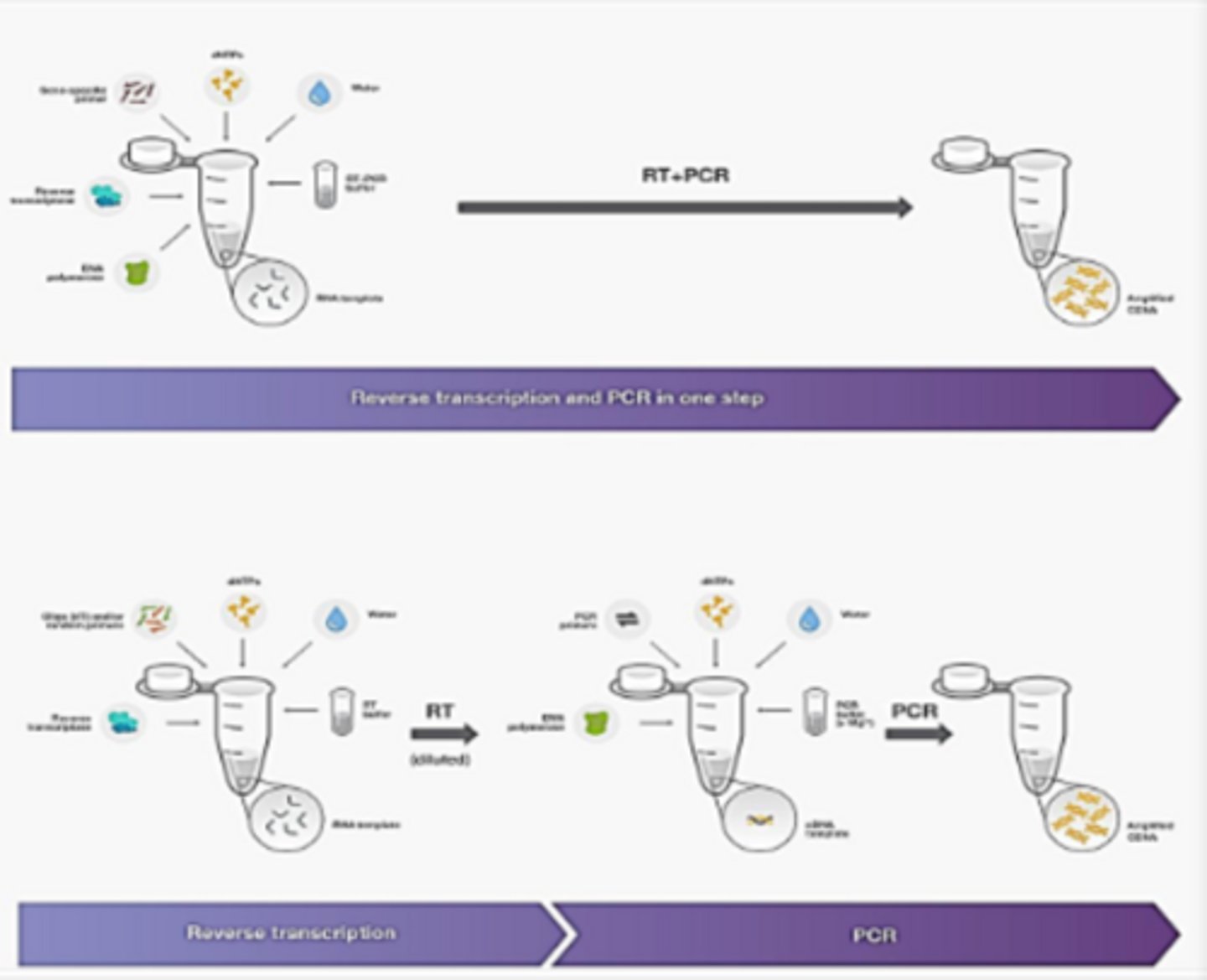
why would you do RT-PCR in two tubes instead of one?
if you want to do multiple reactions. RT added to small amount of RNA, then a lot of cDNA is made
common problems with PCR
false positive, false negative
preventing false positive in PCR
Avoid contamination:
Separate working areas (extraction room - clean room, post-PCR room, etc)
Using laminar flow/PCR cabinets with UV light
Aliquoting of reagents
Including a negative control (from the extraction step). should not amplify
Real-time PCR instead of conventional PCR (closed-tube. conventional PCR involves opening tube which risks contamination)
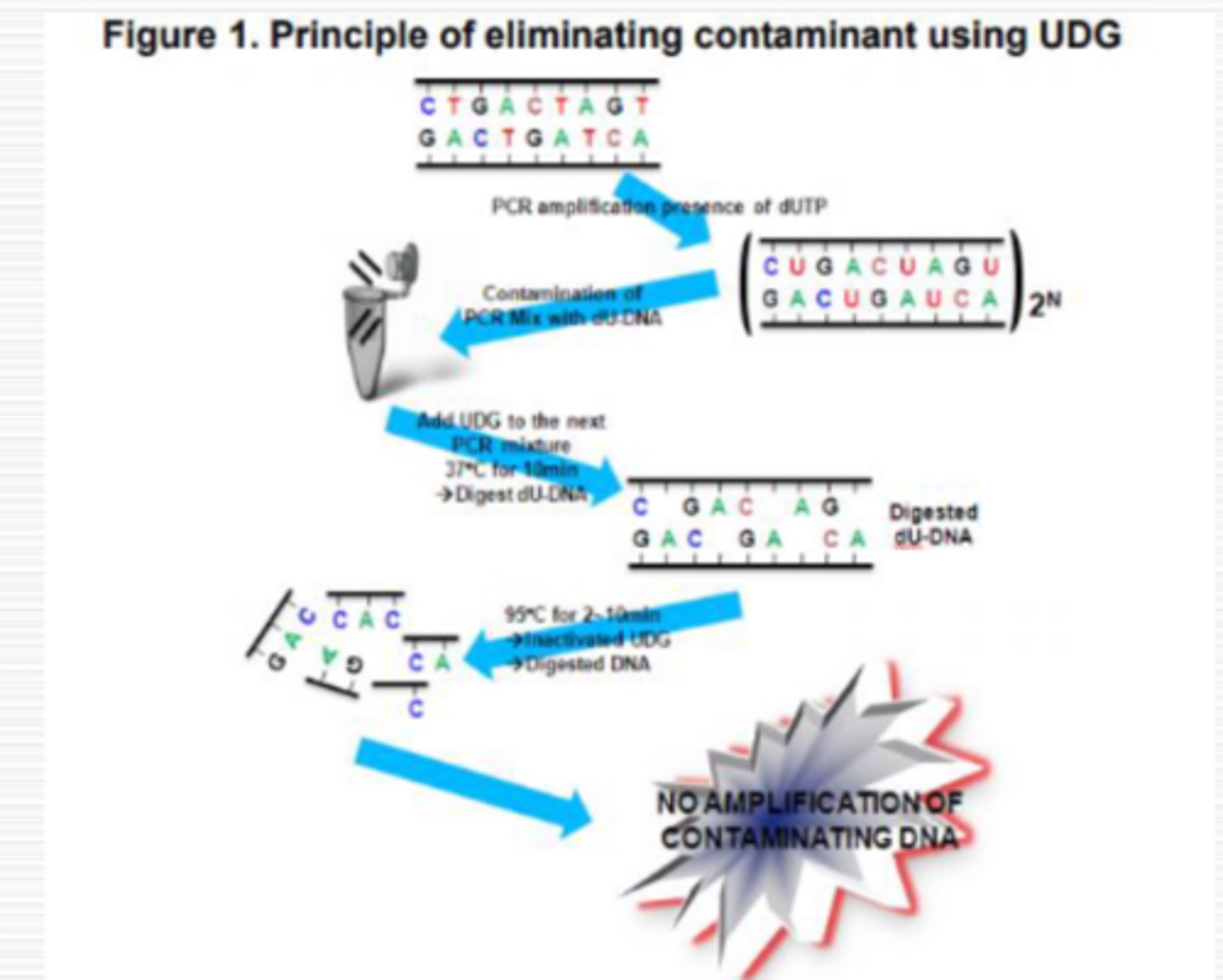
Use of uracil-DNA glycosylase (UDG)
Use barrier (filter) disposible dip
Autoclave tools and instruments
Avoid non-specific amplification
principle of eliminating contaminant using UDG
breaks up Uracil from contaminant-DNA that may have carried over from previous reaction
principle of preventing contaminants using filter tips
when pipetting, no DNA goes into tip (like a mask)
principle of avoiding non-specific amplication
Design specific primers and probes
Avoid formation of primer-dimers
Use stringent reaction conditions (temp., MgCl2 concentration, etc)
Use HOTSTART taq polymerase! (so no reactions occur that could cause false positives)
preventing false negatives in PCR
Use sensitive nucleic acid extraction methods (make sure you extracted good amount of DNA/ RNA from sample)
Control for PCR reaction inhibitors - include internal control, which means spiking sample with non-sequenced DNA (reference genes)
Appropriate reaction conditions - include positive control! (ex: if testing for HIV in a sample, test your PCR on a sample that you KNOW has HIV)
Make sure primers cover all genotypes/ subtypes
Avoid nucleic acid degradation
to account for false positives, have _____ controls; to account for false negative, have _____ controls
positive (disease you are testing for), negative (water)
Avoid nucleic acid degradation
Store at appropriate temp. (4 degrees C; -80 degrees C)
Using DNAse and RNAse tips and tubes can cause DNA/ RNA to be broken down