Ch. 20 LEC - Lymphatic System
 Call Kai
 Learn
Learn Practice Test
 Spaced Repetition
 Match
Match Flashcards
 Knowt Play
1/39

Earn XP
Description and Tags
Lecture Exam 2
Name | Mastery | Learn | Test | Matching | Spaced | Call with Kai | Chat |
|---|
No analytics yet
Send a link to your students to track their progress
40 Terms
what are the main parts that make up the lymphatic system?
lymphatics (a network of lymphatic vessels)
lymph (fluid)
lymph nodes (checkpoint areas)
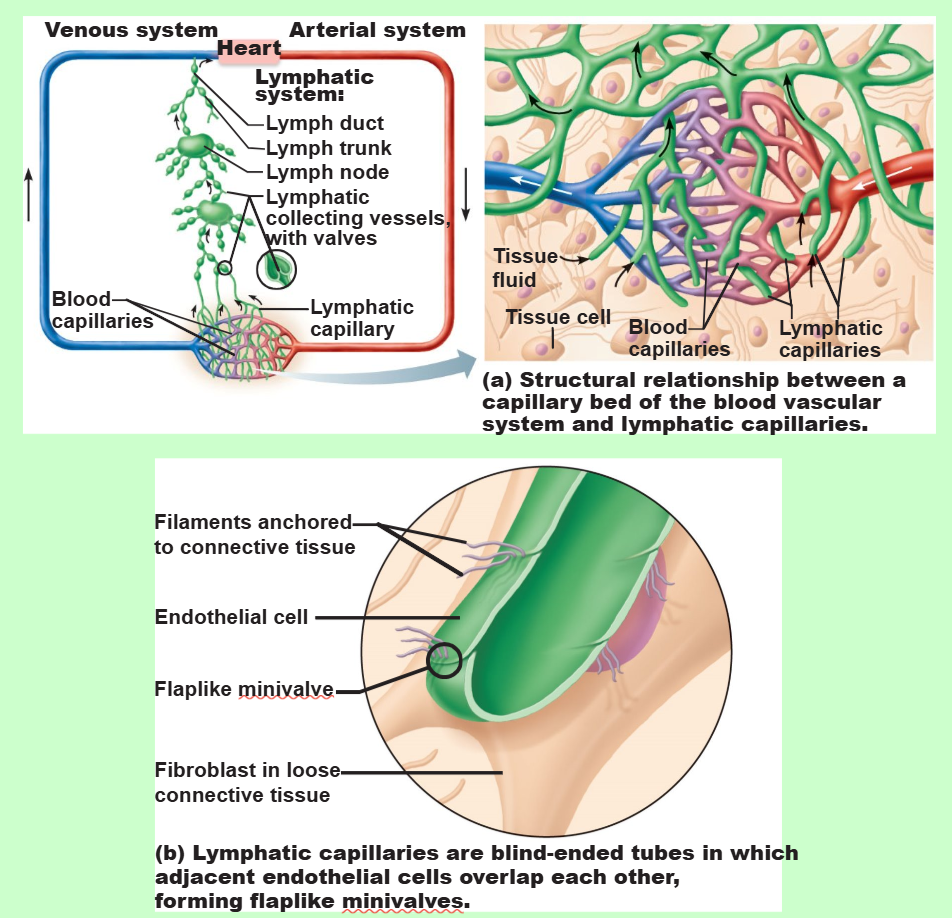
list the functions of the lymphatic system
return leaked plasma proteins and interstitial fluid to the blood
base for the immune system
define lymph
the interstitial fluid that enters the lymphatics
define “lymphatic vessels”
one-way system that allow lymph to flow toward the heart
identify the components that make up lymph vessels (lymphatics)
lymphatic capillaries
lymphatic collecting vessels
lymphatic trunks and ducts
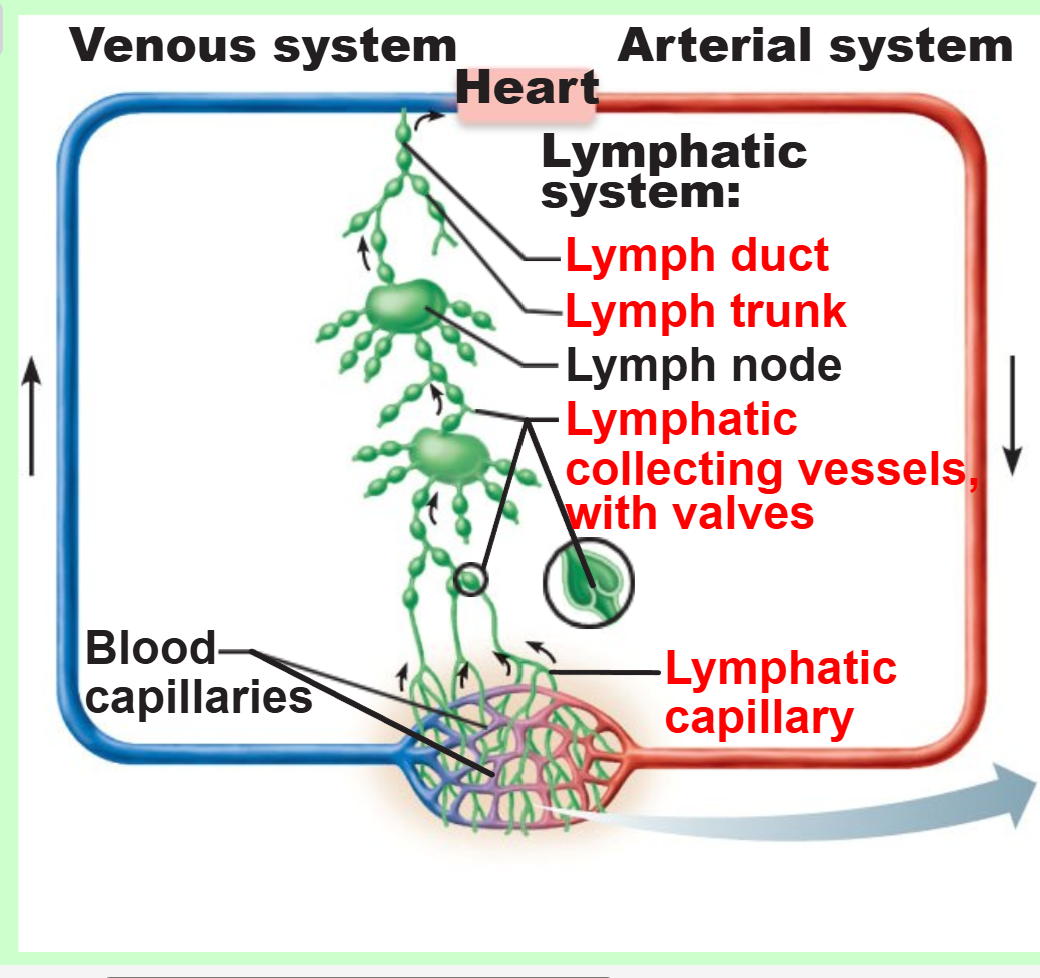
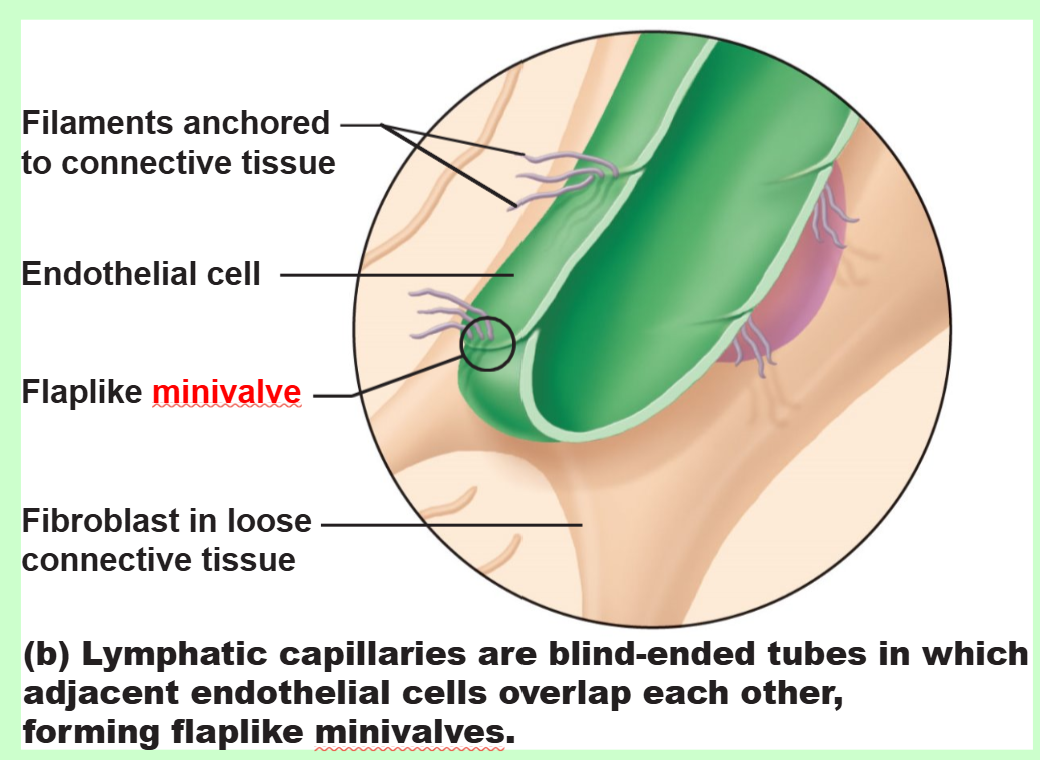
in what ways are lymphatic capillaries different from blood capillaries?
more permeable (to take up cell debris, pathogens, cancer cells)
have one-way minivalves
absent from bone, teeth, bone marrow, and CNS
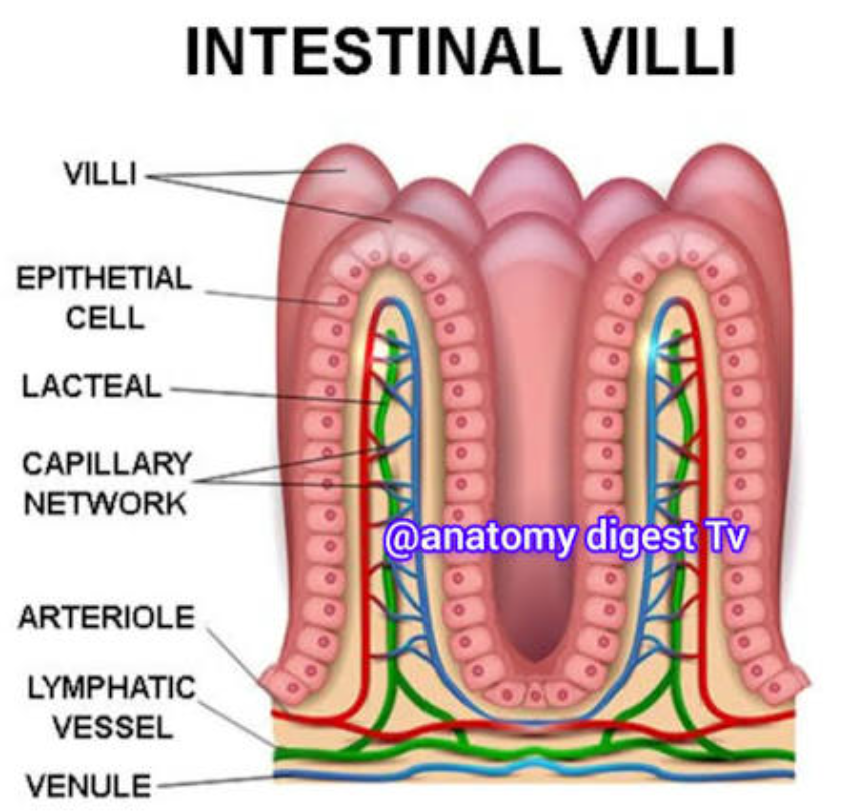
define lacteals
specialized lymph capillaries present in intestinal mucosa
absorb digested fat and deliver fatty lymph (chyle) to the blood
how are lymphatic collecting vessels different to veins?
thinner walls
more internal valves
anastomose more frequently (more collateral pathways)
lymphatic collecting vessels:
collecting vessels in the [ORGAN] travel with superficial veins
deep vessels travel with [VEINS/ARTERIES]
nutrients are supplied from branching [STRUCTURE]
skin, arteries, vasa vasorum
define “lymphatic trunks”
part of the lymphatic system that is formed by the union of the largest collecting ducts:
paired lumbar
paired bronchomediastinal
paired subclavian
paired jugular trunks
a single intestinal trunk
define “lymphatic ducts”
two main terminal vessels that receive fluid from the lymphatic trunks and return it to the bloodstream
where does the RIGHT lymphatic duct drain fluid from?
right upper arm
right side of head and thorax
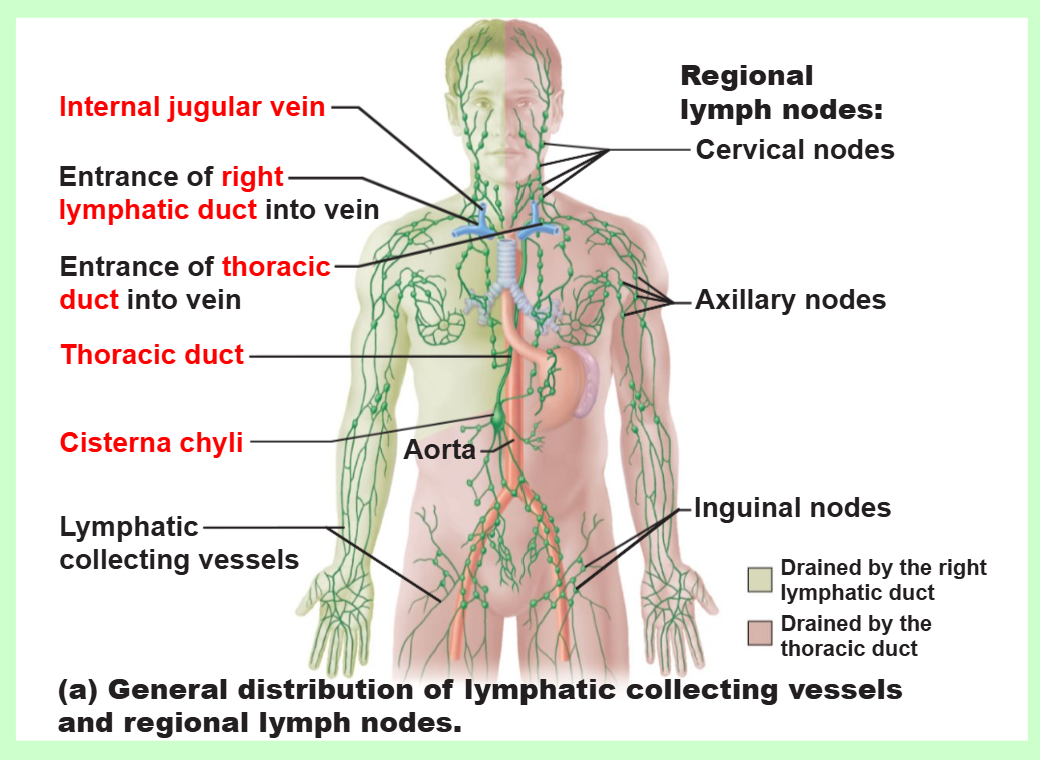
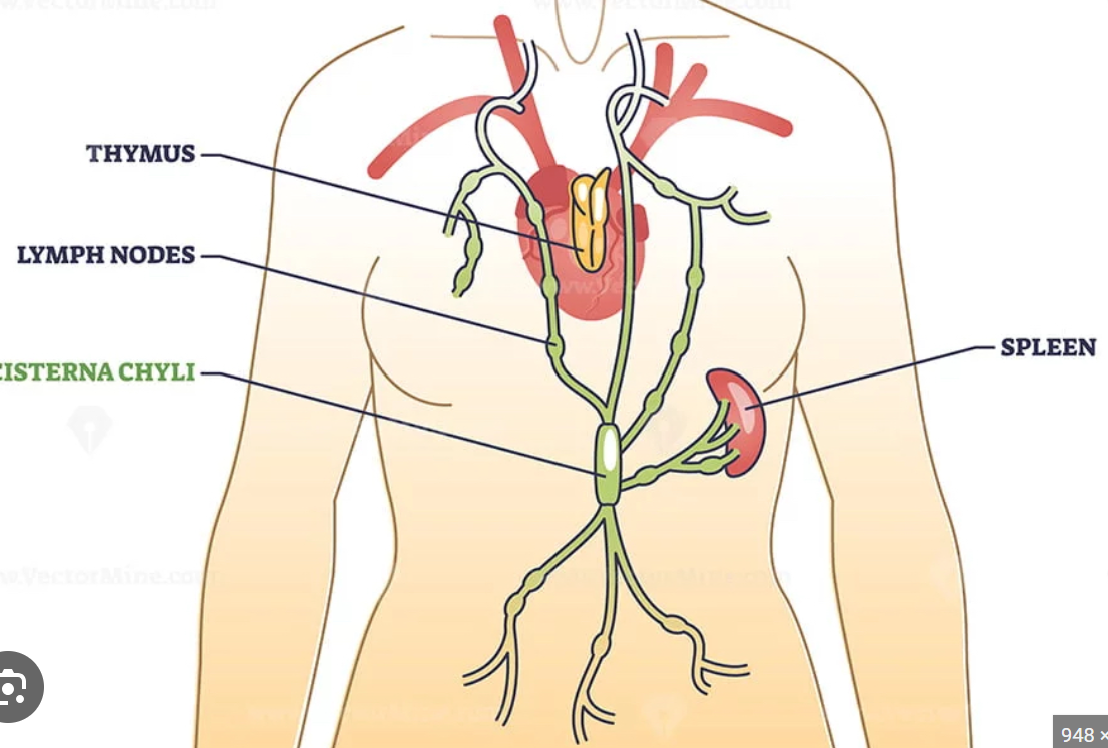
where does the THORACIC lymphatic duct arise from and what does it drain from?
arises from the cisterna chyli (in lower abdomen)
drains the rest of the body (excluding the upper right arm, right side of the head and thorax)
where do the right and thoracic lymphatic duct empty lymph INTO?
the venous circulation at the junction of the internal jugular and subclavian veins
lymph is propelled by _
pulsation of nearby arteries
smooth muscle contractions in the walls of the lymphatics
define “lymphocytes”
the main warriors of the immune system
name the main types of lymphoid cells
T cells (T lymphocytes)
B cells (B lymphocytes)
what is the primary function of T and B cells?
to protect the body against antigens
define antigen
any substance the body perceives as foreign (e.g., bacteria, viruses, mismatched RBCs, cancer cells)
what is the specific function of T lymphocytes?
manage the immune response
attack and destroy foreign cells
what is the specific function of B lymphocytes?
produce plasma cells (which secrete antibodies)
list the other lymphoid cells (excluding T and B cells)
macrophages
dendritic cells
reticular cells
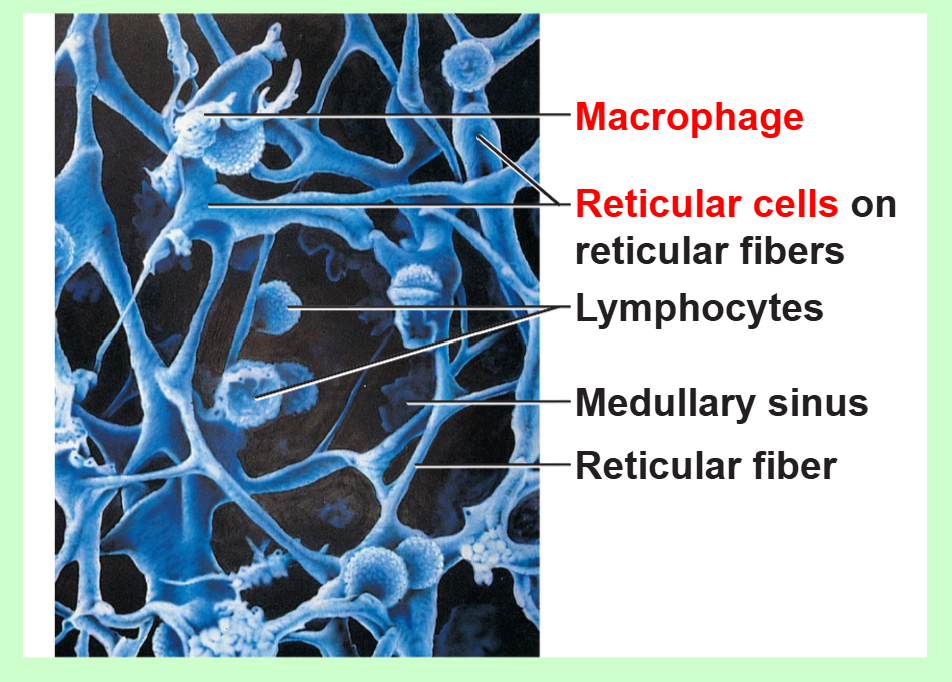
identify the function of macrophages
to phagocytize foreign substances and help activate T cells
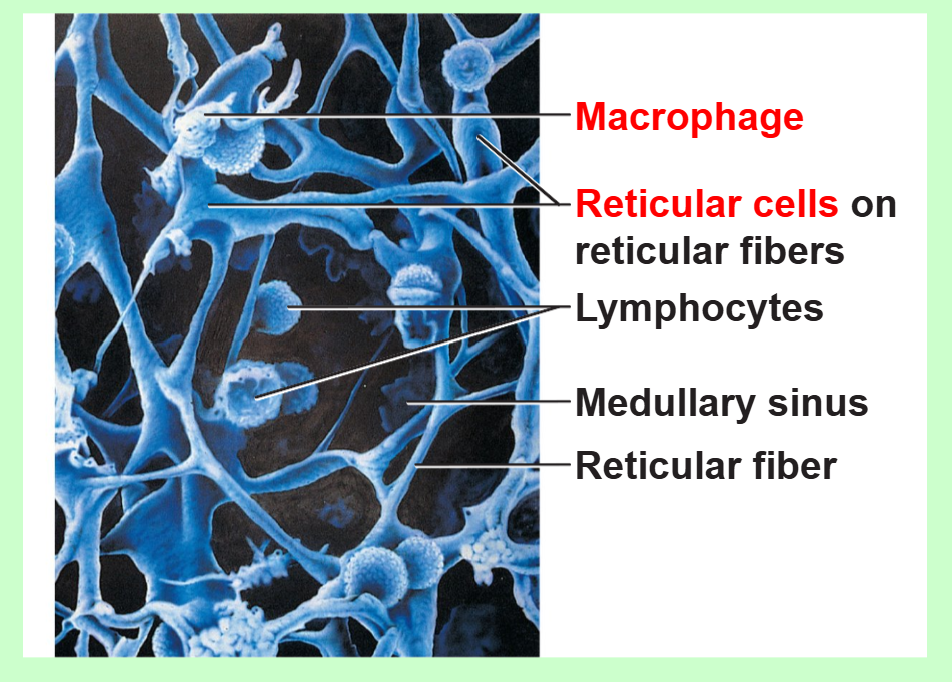
identify the function of dendritic cells
to capture antigens and deliver them to lymph nodes
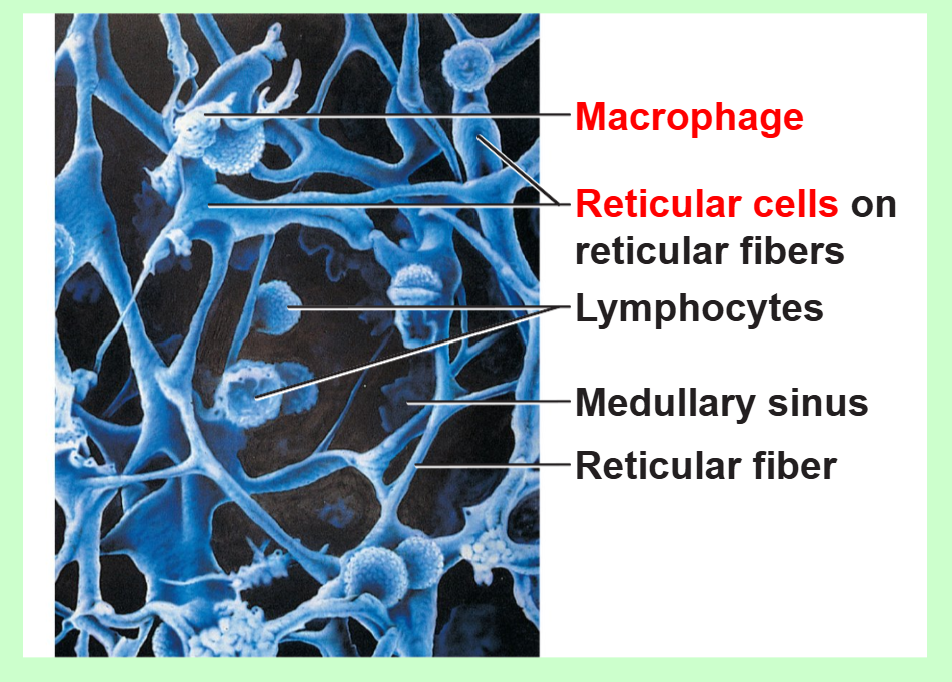
identify the function of reticular cells
to produce stroma that support other cells in lymphoid organs
list the functions of lymphoid tissue
to house and provide a proliferation site for lymphocytes
to furnish a surveillance vantage point
name the types of lymphoid tissue
diffuse lymphatic tissue (scattered reticular tissue elements in every organ)
lymphatic follicles (solid, spherical bodies of tightly packed reticular elements)
define “lymph nodes”
the principal lymphoid organs of the body
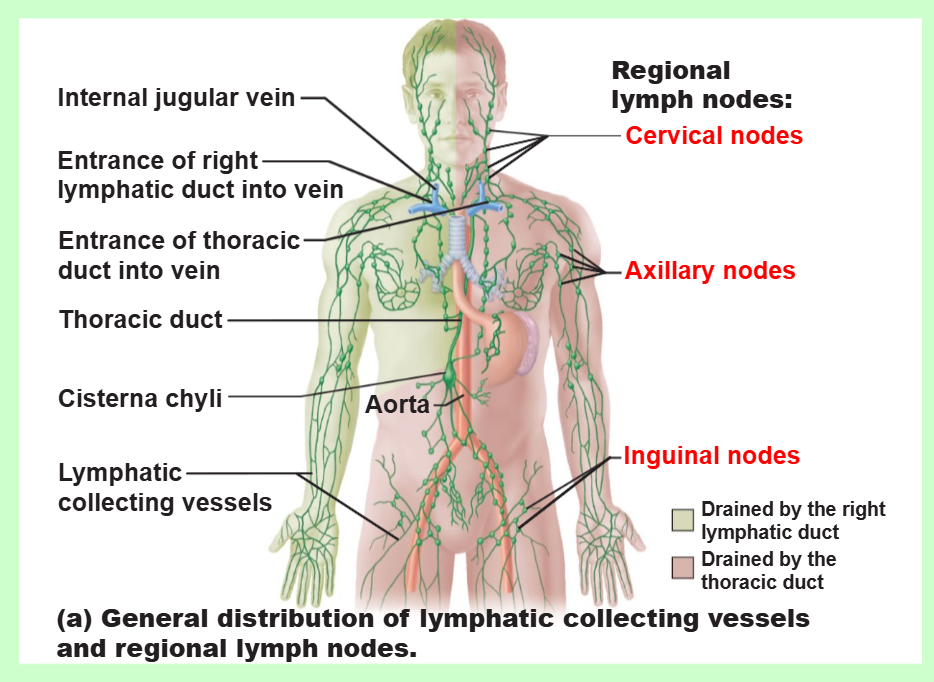
where are lymph nodes located in the body?
near the body surface in inguinal, axillary, and cervical regions
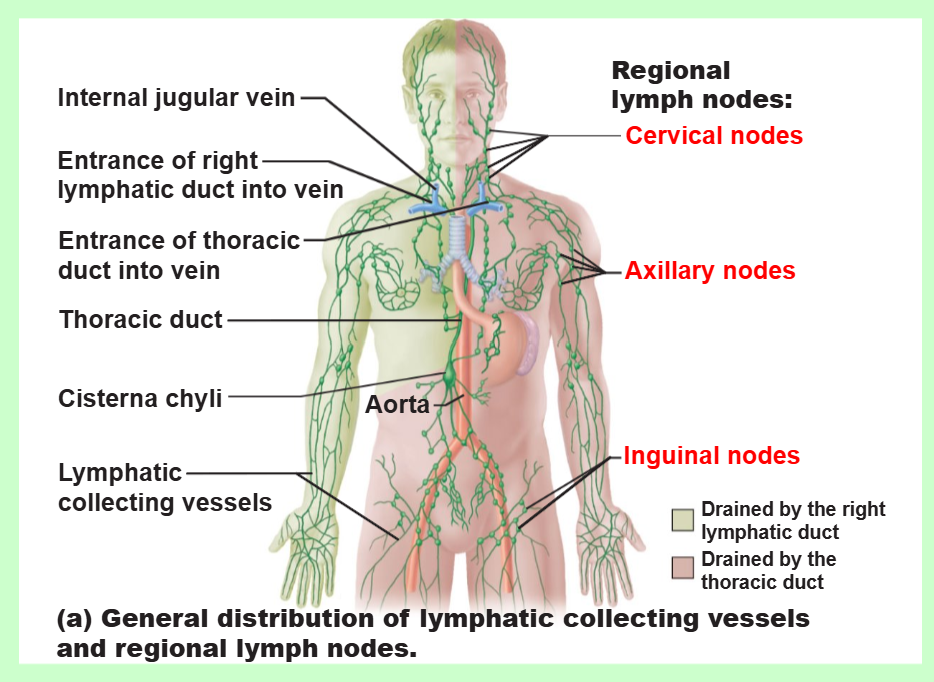
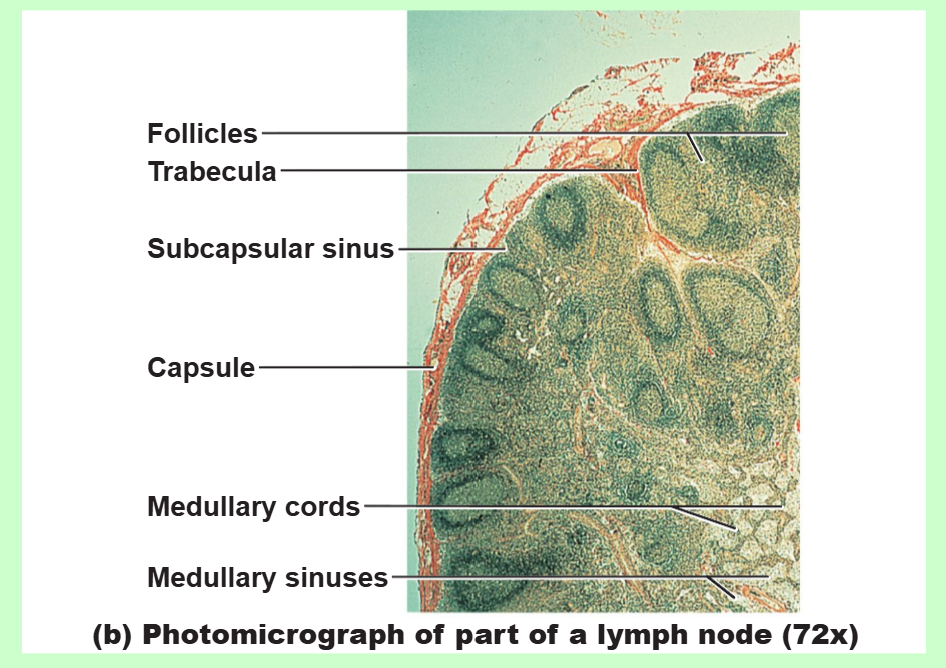
list the functions of the lymph nodes
filter lymph: macrophages destroy microorganisms and debris
immune system: lymphocytes are activated and mount an attack against antigens
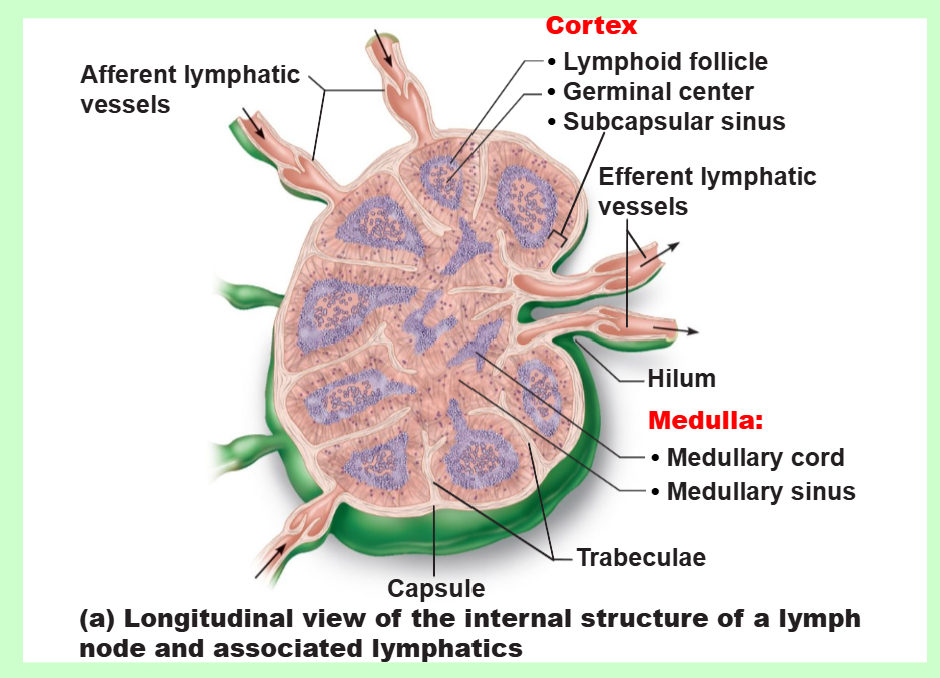
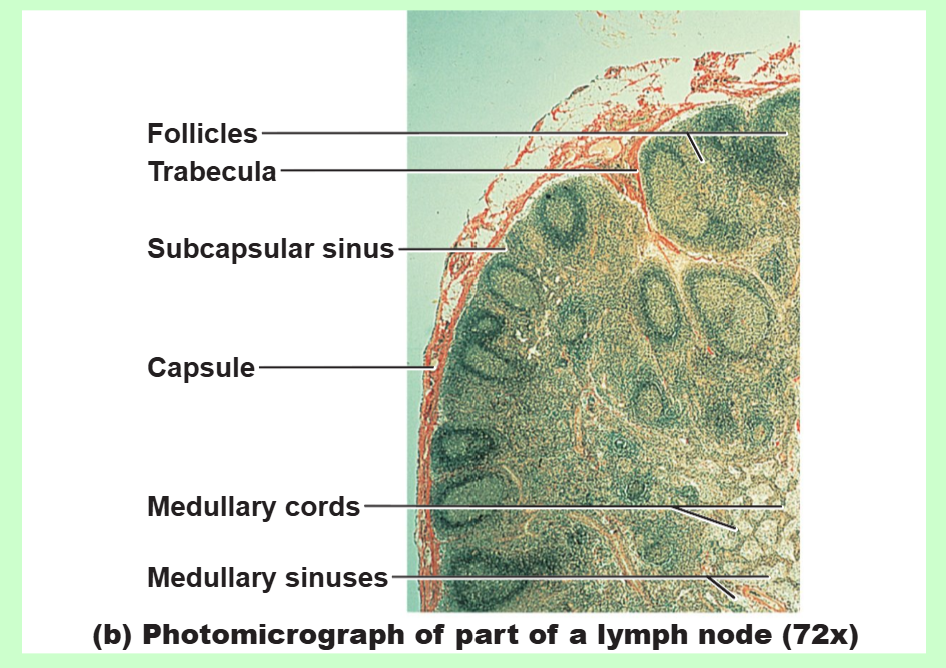
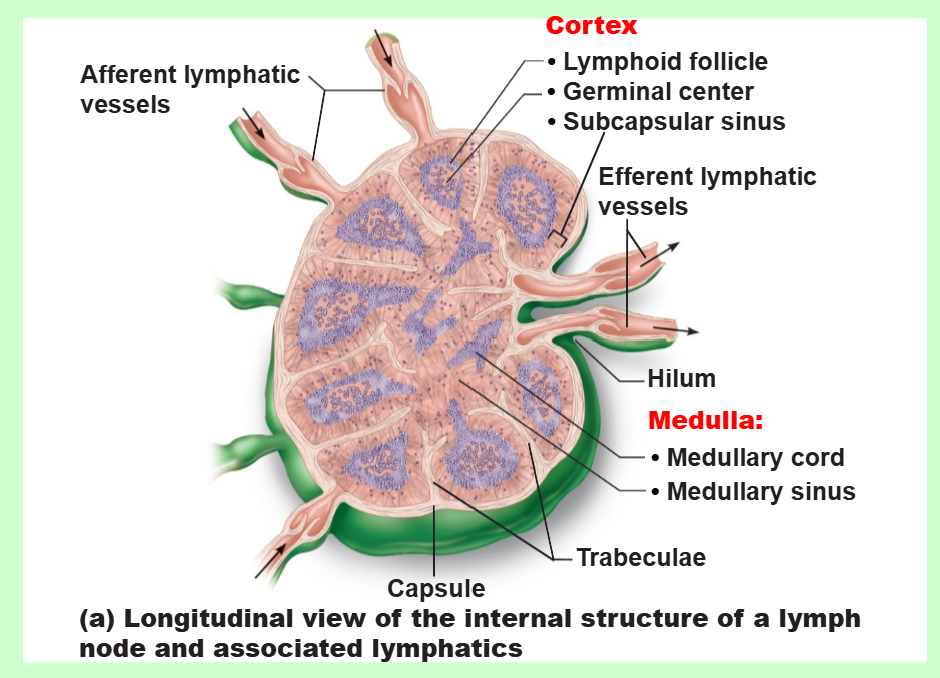
summarize the lymph node structure
outer cortex: filled with dividing B cells
deep cortex: houses T cells in transit
inner medulla: final filtration system containing B cells, T cells, and plasma cells
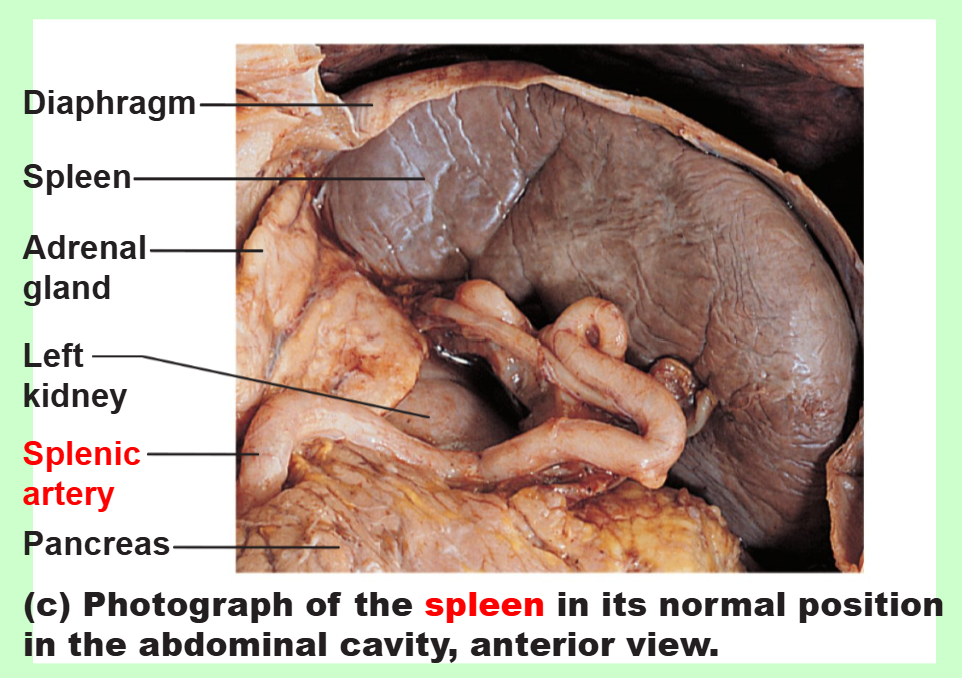
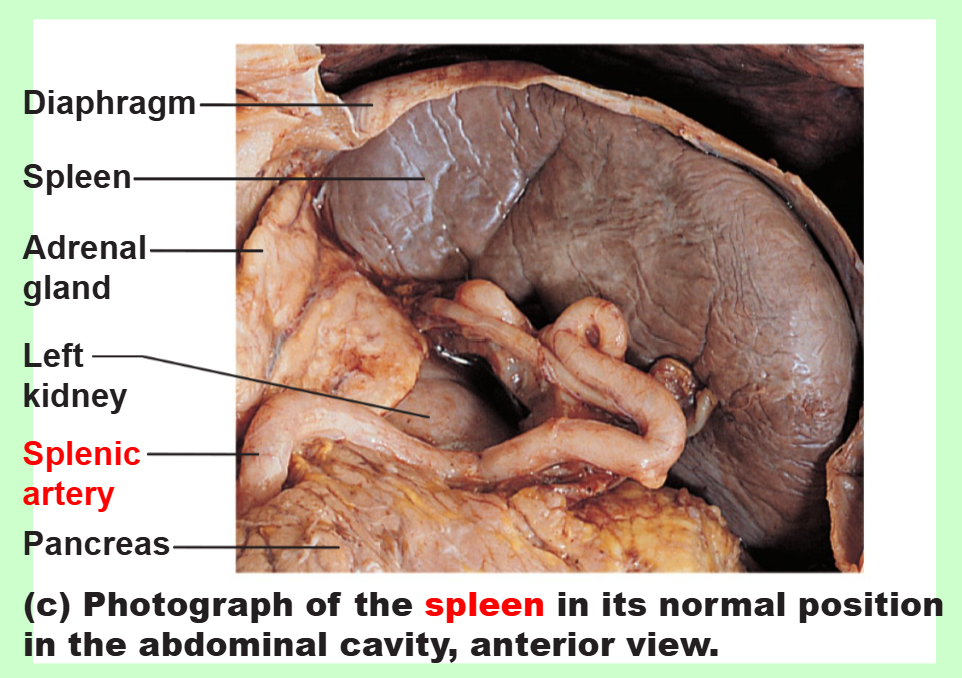
what is the largest lymphoid organ?
the spleen
the spleen is served by the [NAME] artery and vein, which enters and exits at the [STRUCTURE]
splenic, hilus
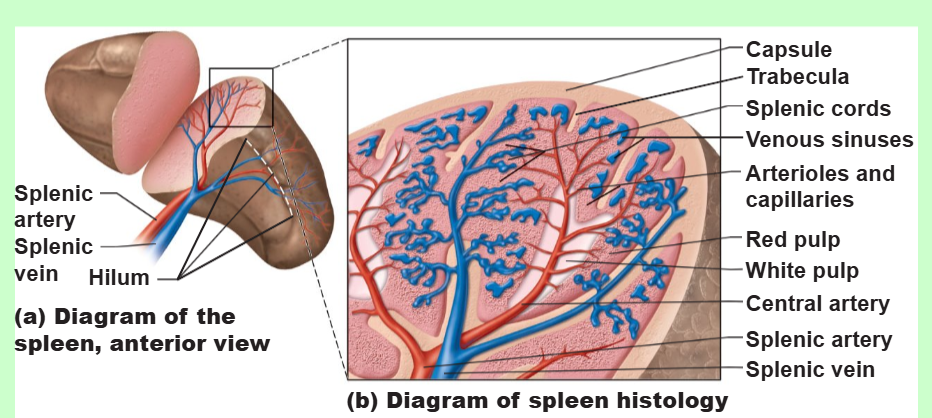
list the functions of the spleen
site of lymphocyte proliferation, immune surveillance, and response
cleanses blood of aged cells, platelets, and debris
stores breakdown products of RBCs (e.g., iron) for later reuse
stores blood platelets
thymus:
size with age
in [INFANTS/TEENS/ADULTS/ELDERLY], it is found in the [INFERIOR/SUPERIOR] neck and extends into the [STRUCTURE], where it partially overlies the [HEART/THYROID]
increases in size and is most active during [CHILDHOOD/ADULTHOOD]
stops growing during adolescence and then gradually atrophies
infant, inferior, mediastinum, heart, childhood
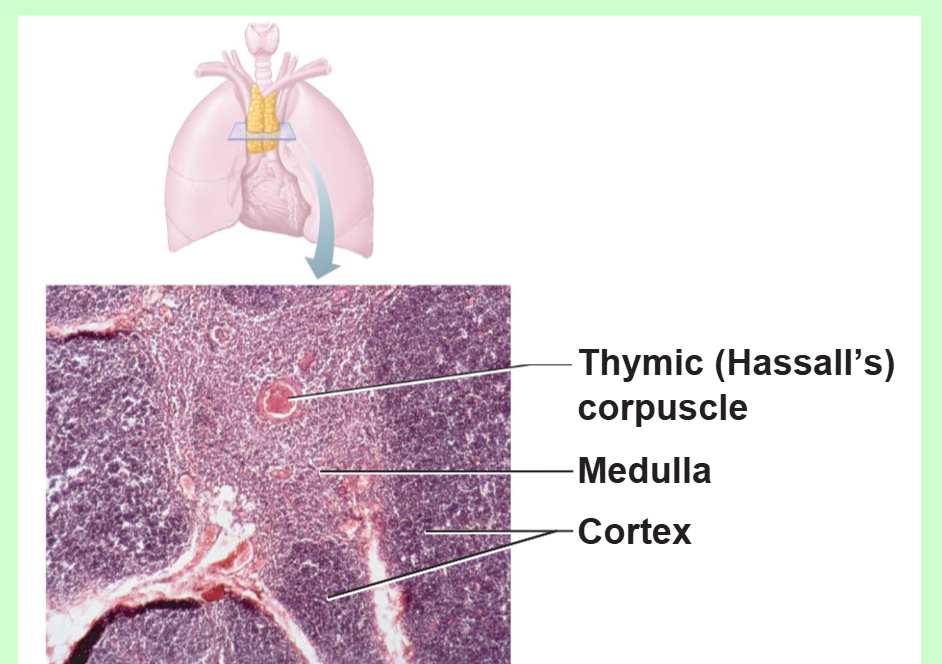
what is the thymus medulla’s function?
regulatory T cell development
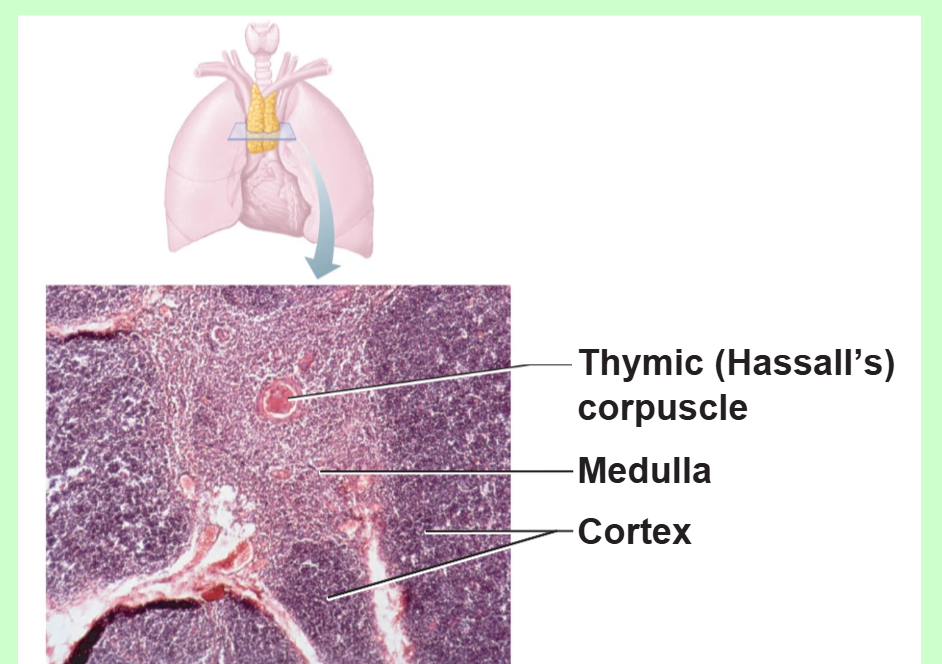
how does the thymus differ from other lymphoid organs?
it functions strictly in T lymphocyte maturation
it does not directly fight antigens
this organ is the simplest of the lymphoid organs; it forms a ring of lymphatic tissue around the pharynx
the tonsils